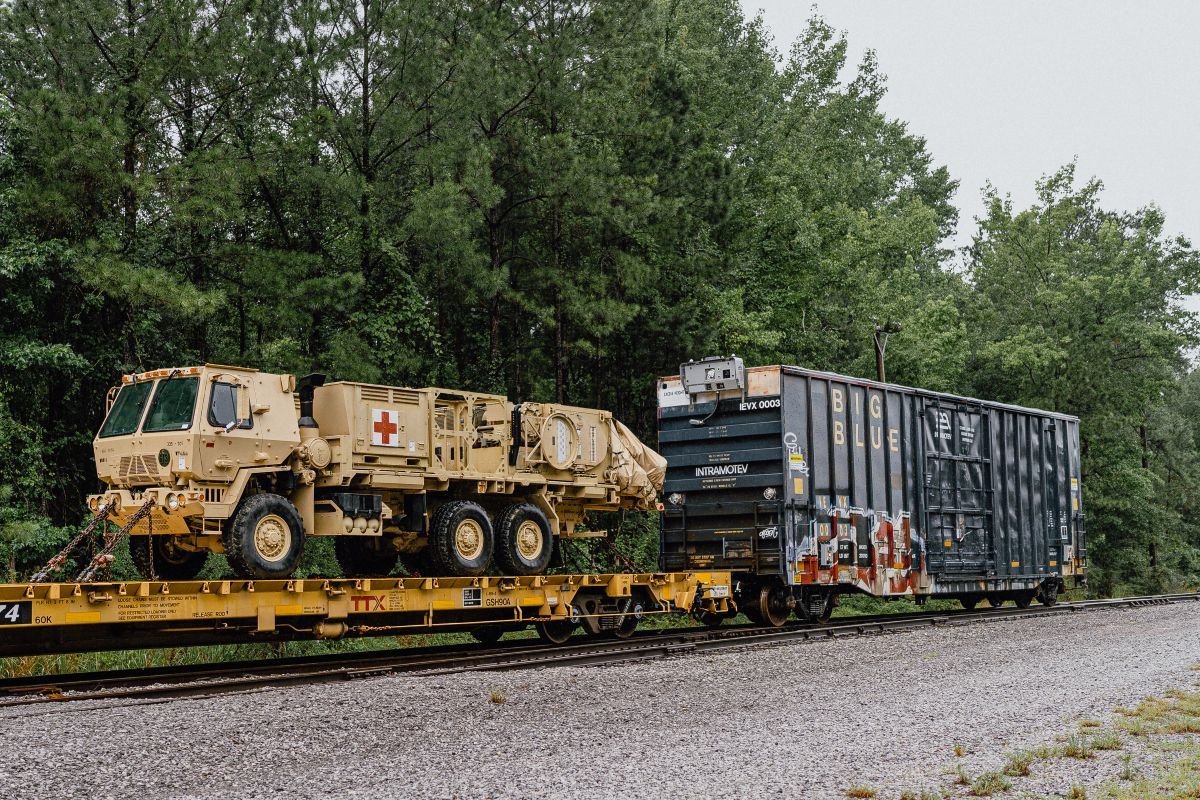
The global market for telematics-based tracking devices on rail freight wagons reached a total of 775,000 units by the end of 2024, according to a recent report by market research firm Berg Insight. Projections indicate an increase to approximately 1.3 million units by 2029, corresponding to an annual compound growth rate (CAGR) of 11.2%. Annual shipments are expected to grow from 150,000 devices in 2024 to roughly 360,000 units in 2029.
At the end of 2024, global penetration of telematics devices in the rail freight segment stood at 14.5%. Berg Insight forecasts this figure to reach 23.3% by 2029.
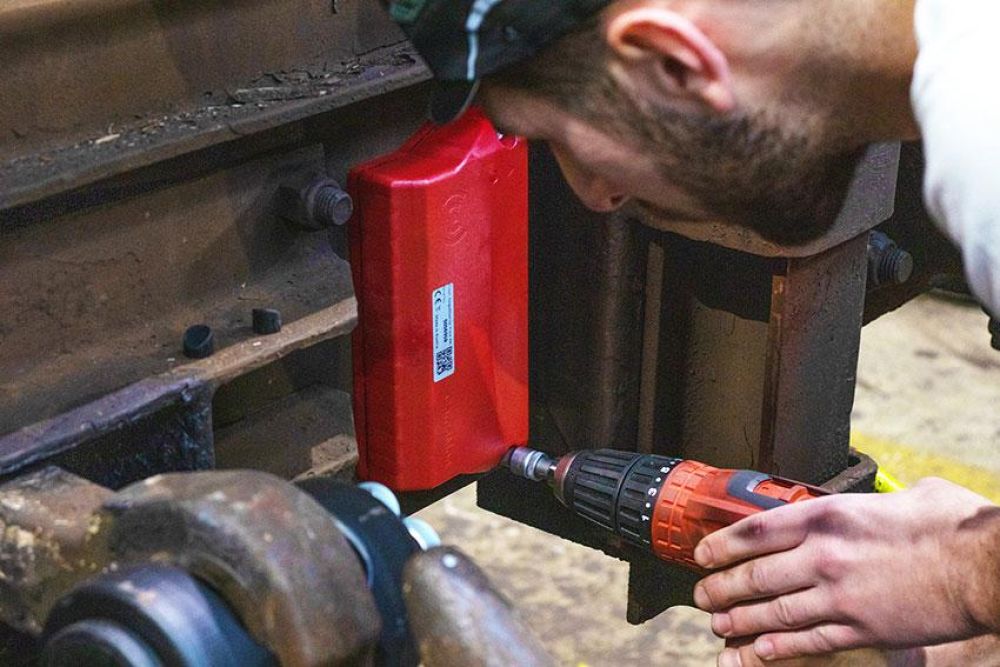
Rail freight telematics solutions are primarily supplied by specialized telematics companies providing aftermarket products. Leading suppliers in Europe include Nexxiot (Switzerland), DOT Telematik und Systemtechnik (Austria), Siemens Mobility (Germany), SAVVY Telematic Systems (Switzerland), Intermodal Telematics (Belgium), Level Systems (Czech Republic), and Cargomon Systems (Austria). In North America, key providers include Amsted Rail (USA) and Blackberry (Canada).
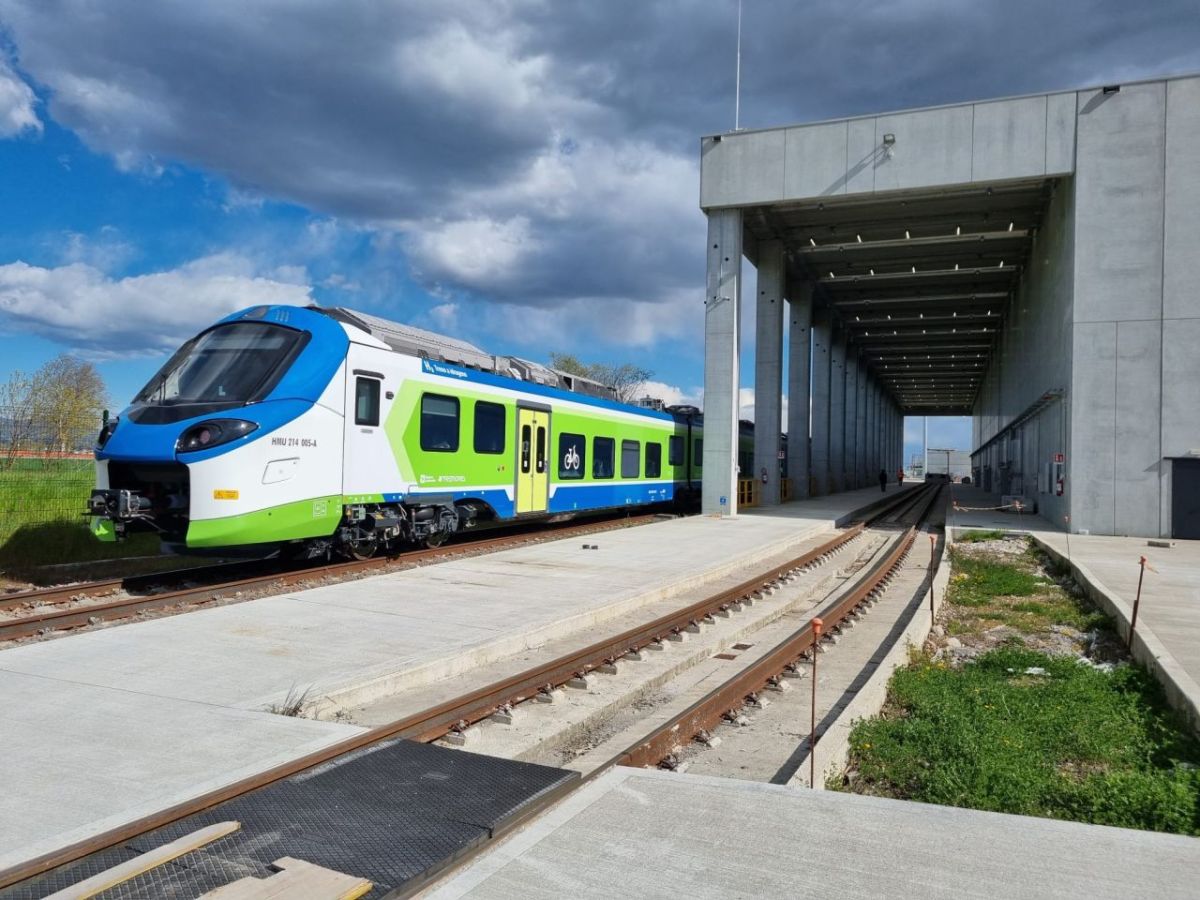
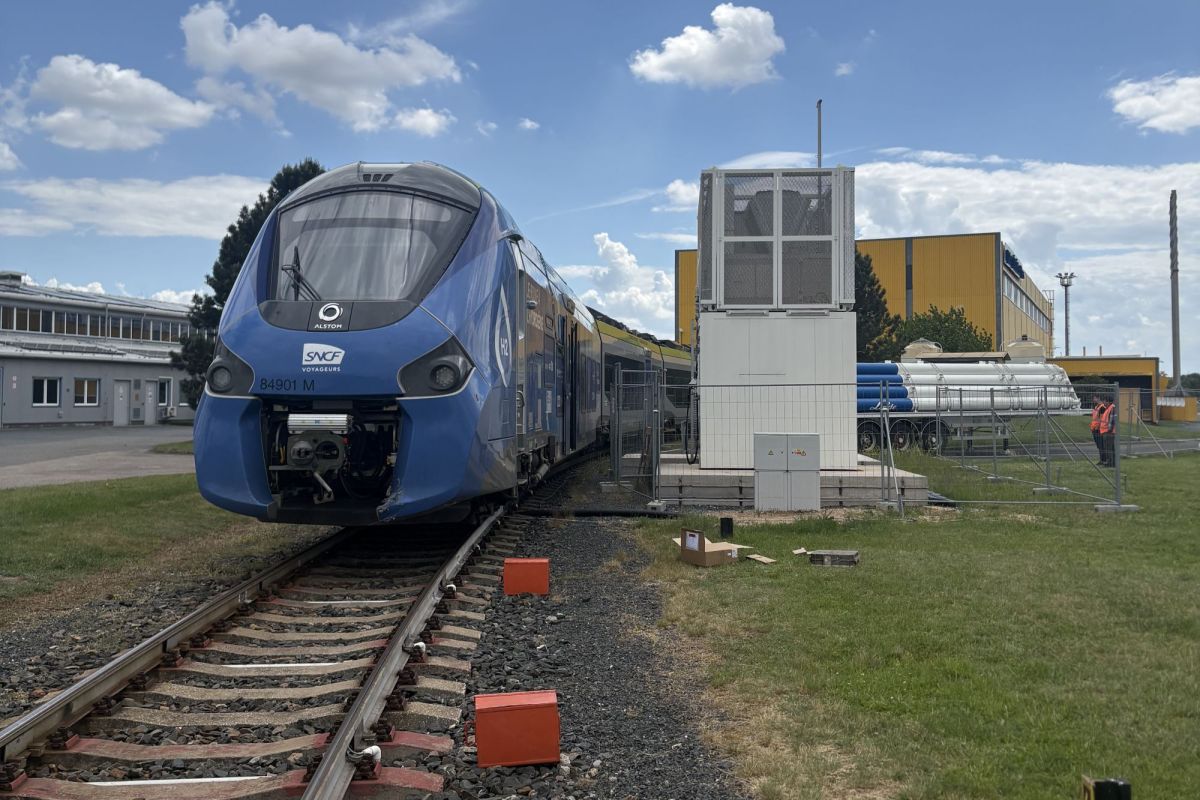
In the passenger and locomotive segments, modern rolling stock typically includes integrated tracking and monitoring systems provided by major manufacturers such as Alstom, Siemens Mobility, CAF, Hitachi Rail, and Stadler Rail. Aftermarket telematics and onboard monitoring solutions for passenger trains and locomotives are offered by specialist technology providers including EKE-Electronics (Finland), HaslerRail (Switzerland), Nomad Digital (UK), and Railnova (Belgium) in Europe, and Railhead (USA), Wi-Tronix (USA), Quester Tangent (Canada), and ZTR Control Systems (Canada) in North America.
The integration of telematics systems provides rolling stock operators with improved operational data, enabling reductions in operational costs, as well as supporting safety and reliability of rail transport. Additionally, operators gain the ability to deliver more accurate shipment arrival estimates and respond rapidly to delays and operational disruptions.