Správa železnic sets ETCS priorities
Czechia has presented a medium-term plan for railway electrification and ETCS deployment, setting out where infrastructure investment will be focused in the coming years.
The system uses trackside AI-powered cameras to identify animals approaching or entering the railway corridor.
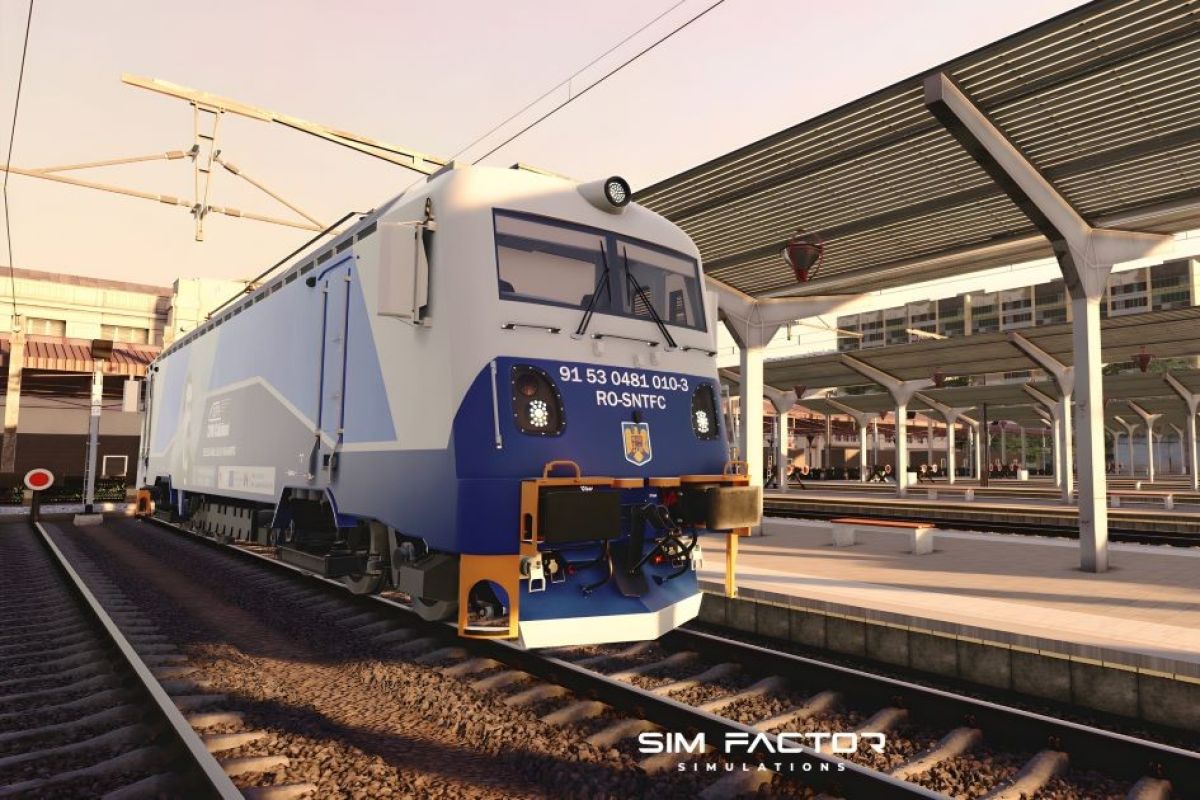
The first Romanian contract, signed in April 2025 and valued at approximately EUR 1.4m, was completed in April 2026, ahead of the original June 2026 deadline.
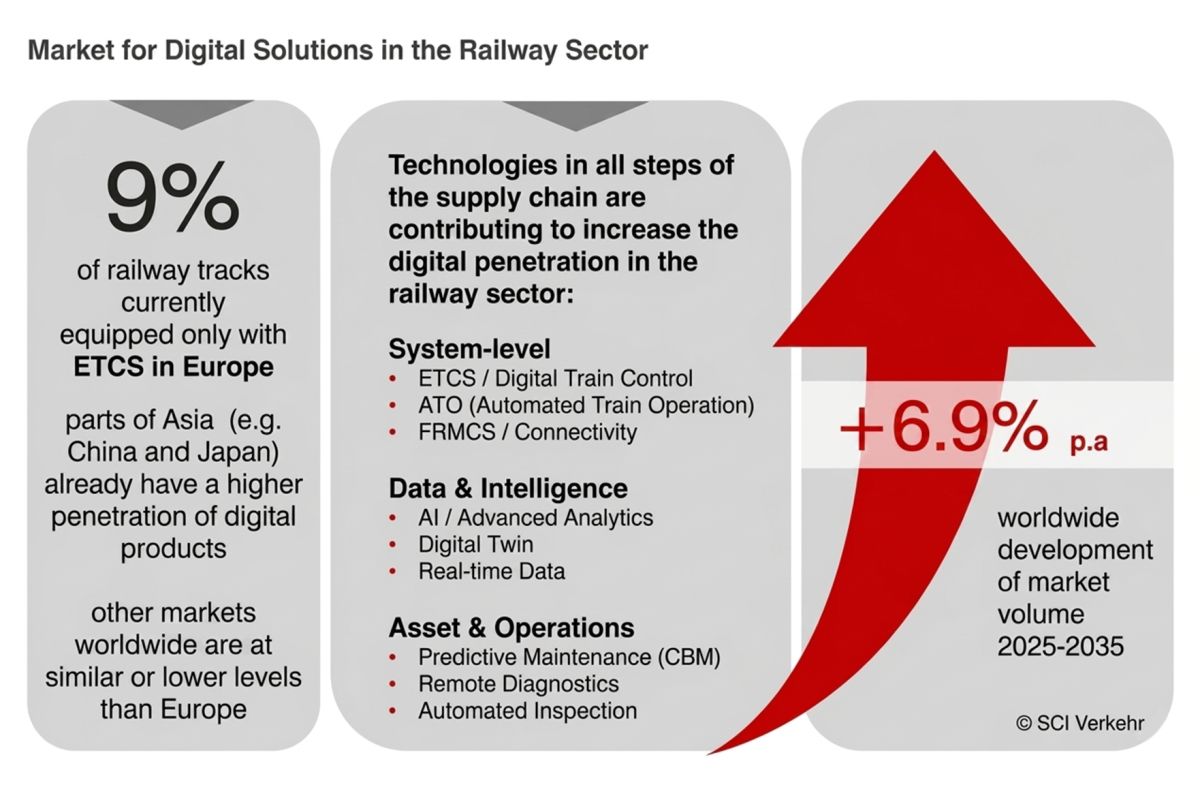
Rail digitalisation is moving from isolated pilot projects to wider deployment, with SCI Verkehr pointing to growing market potential and rising pressure to invest.
The agreement covers the use of the battery-powered railcars in industrial switching operations.
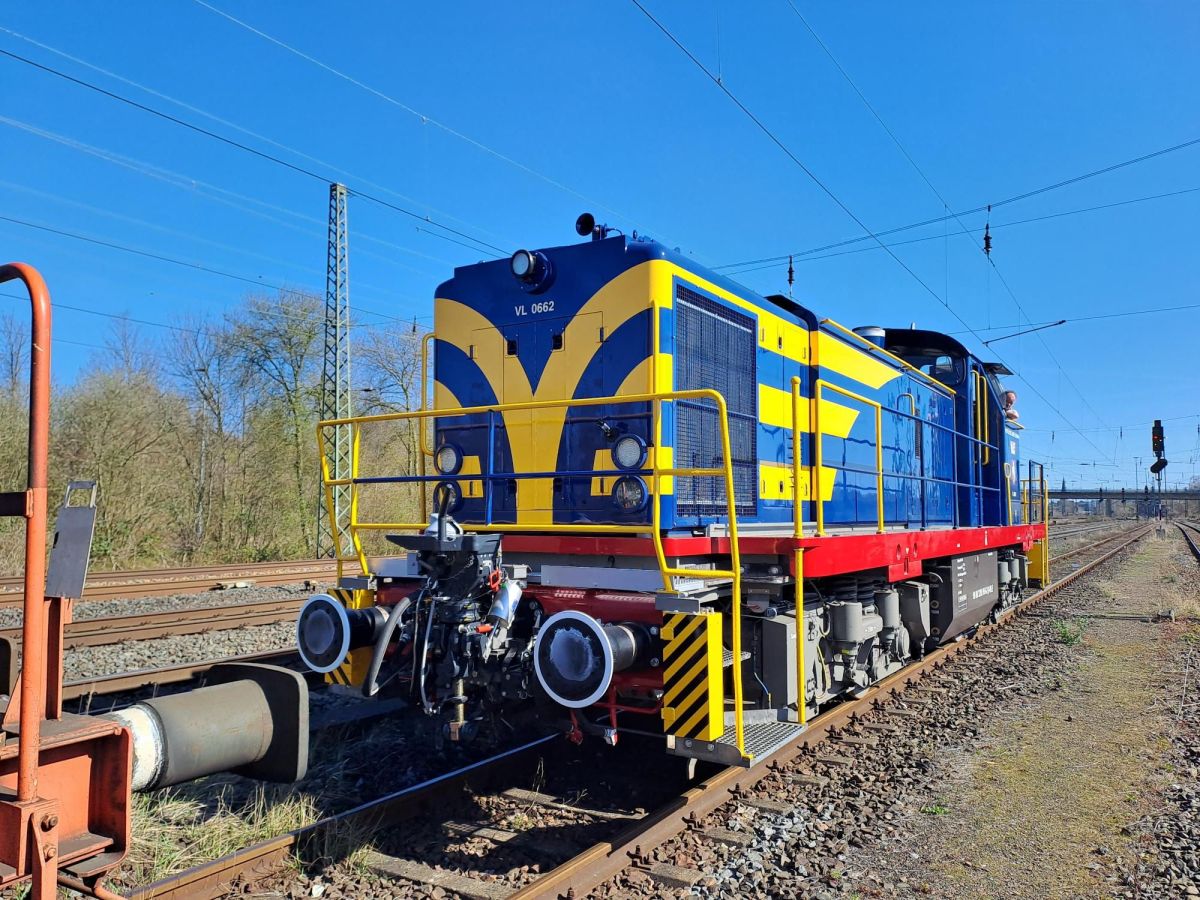
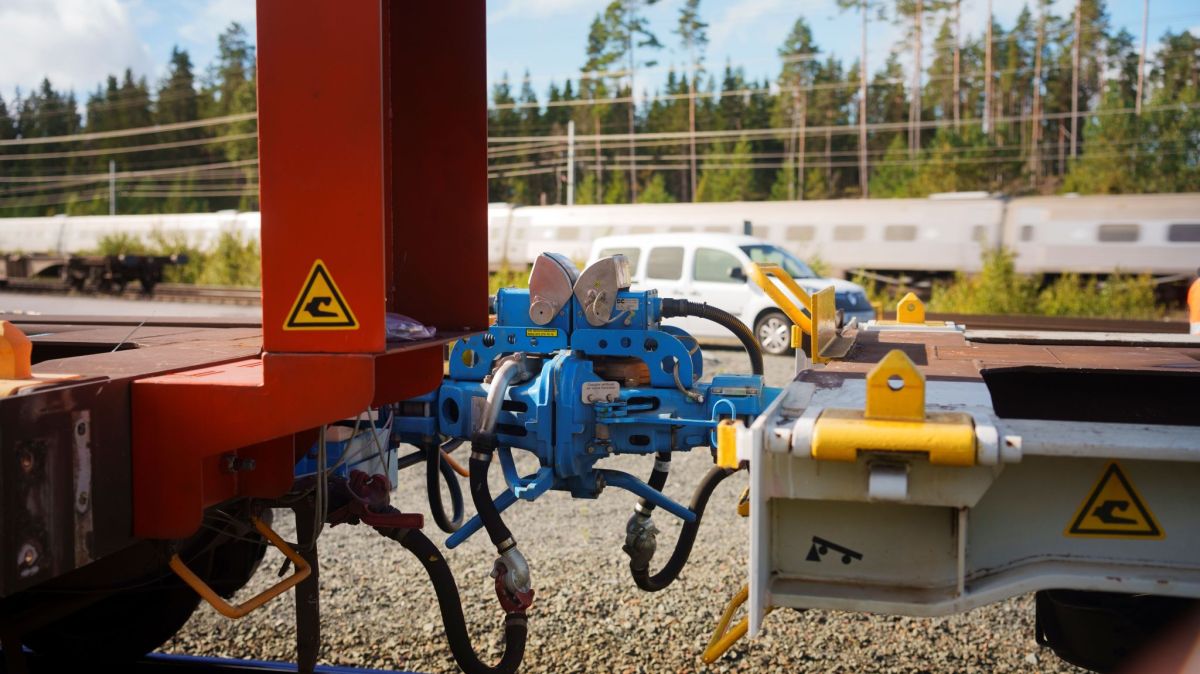
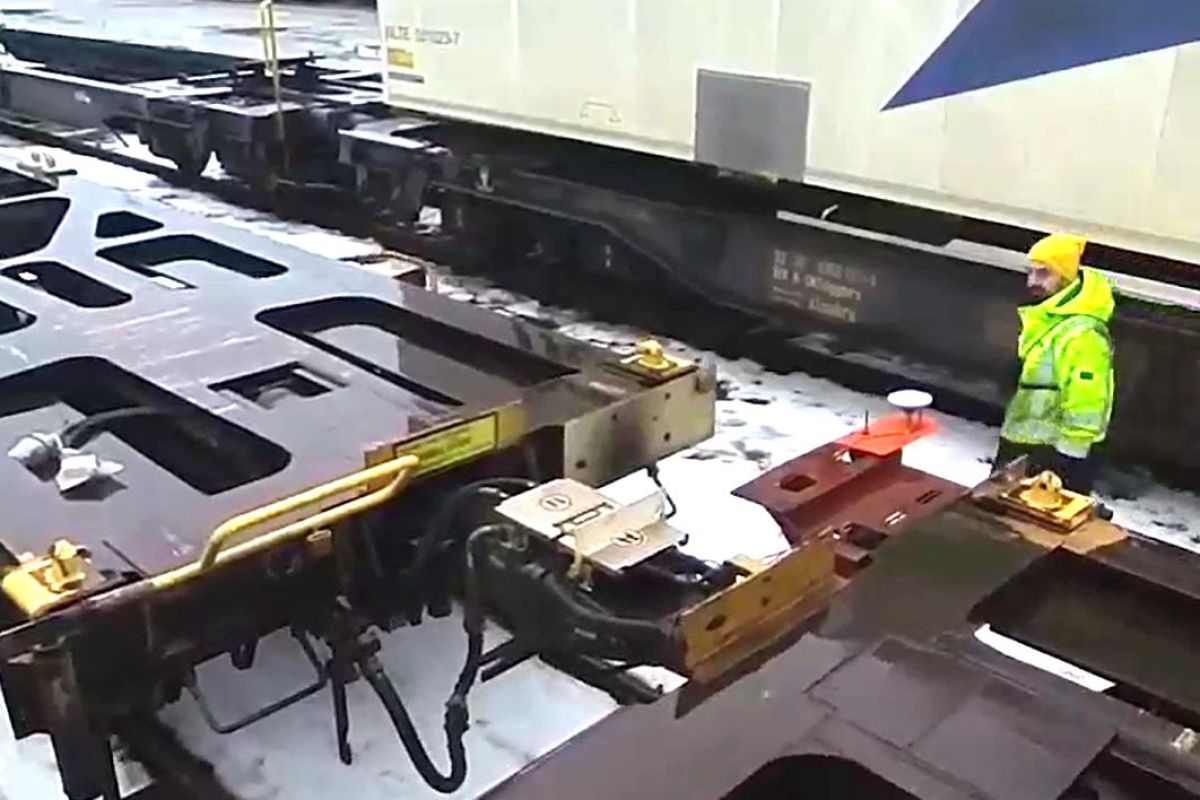
The DAC4EU project has completed its first commercial test run with a locomotive equipped with a Hybrid Digital Automatic Coupler (Hybrid-DAC).
This allows operation in tunnels, dense urban areas or environments affected by signal interference.
The line will serve 11 passenger stations and forms part of the federal programme to modernise Mexico’s passenger rail infrastructure.
The tests were carried out under Europe’s Rail Joint Undertaking within the TRANS4M-R project and focused on mechanical performance, wear and operational safety.
The train will run in commercial service to test and gather operational experience with DAC under Norwegian conditions.
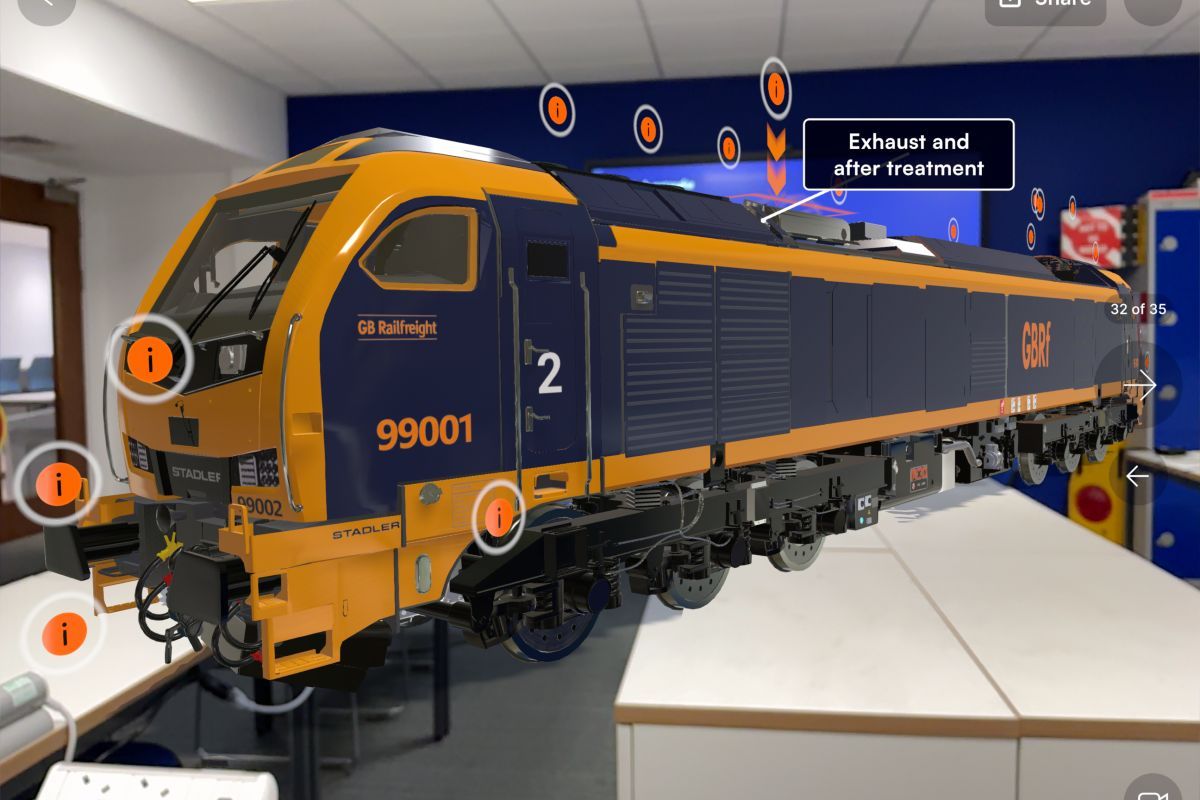
The programme will support the entry into service of the new Class 99 locomotives.
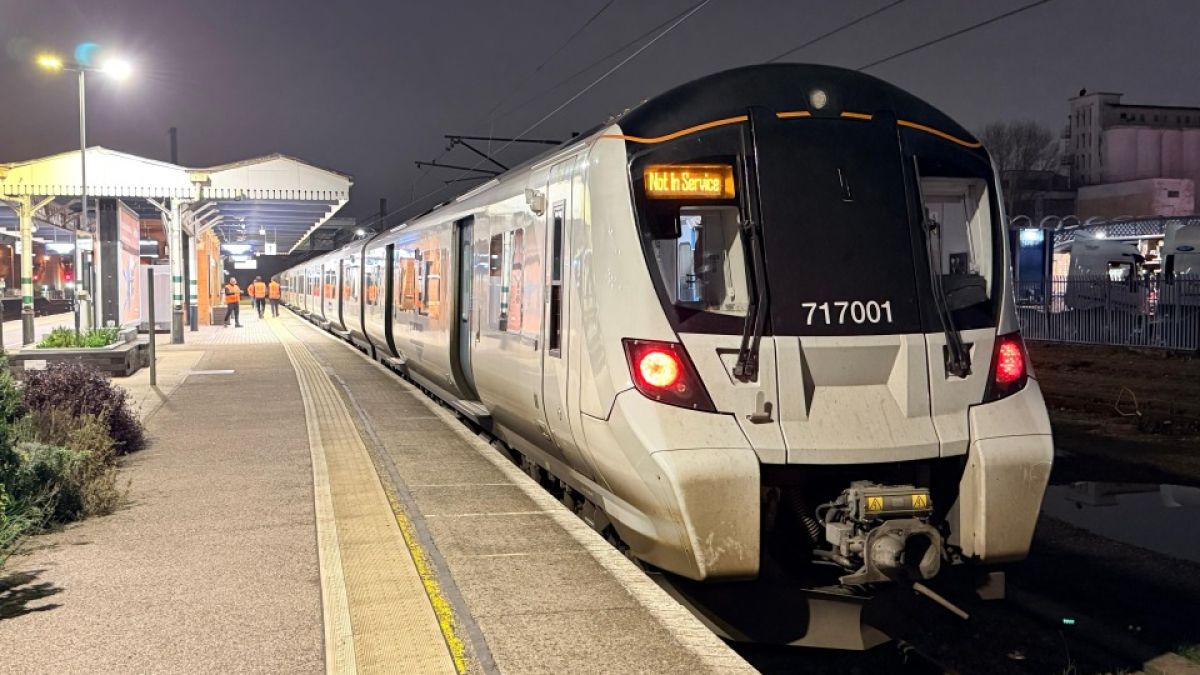
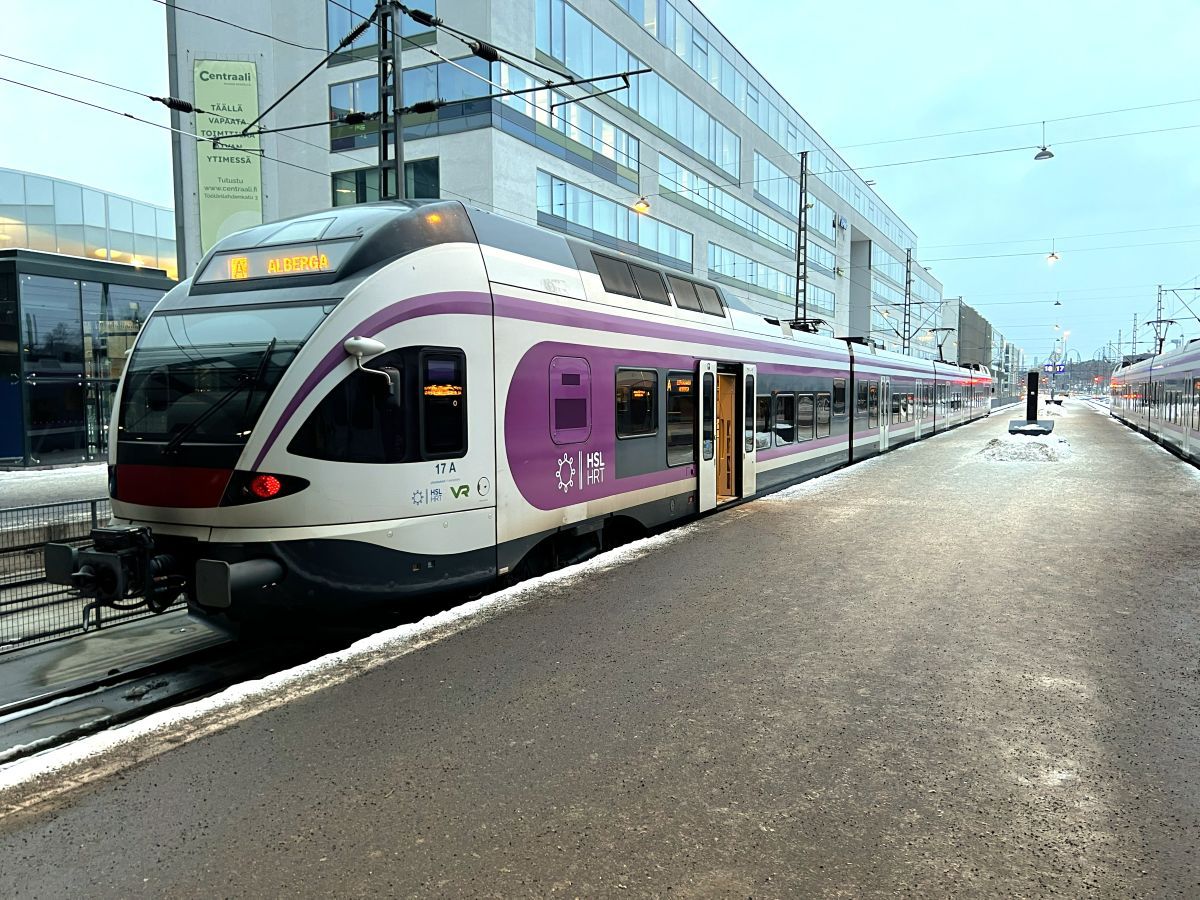
The tests form part of Finland’s Digirail programme, which is introducing ETCS across the national network.
The locomotives have been deployed into regular operations since the end of 2022.
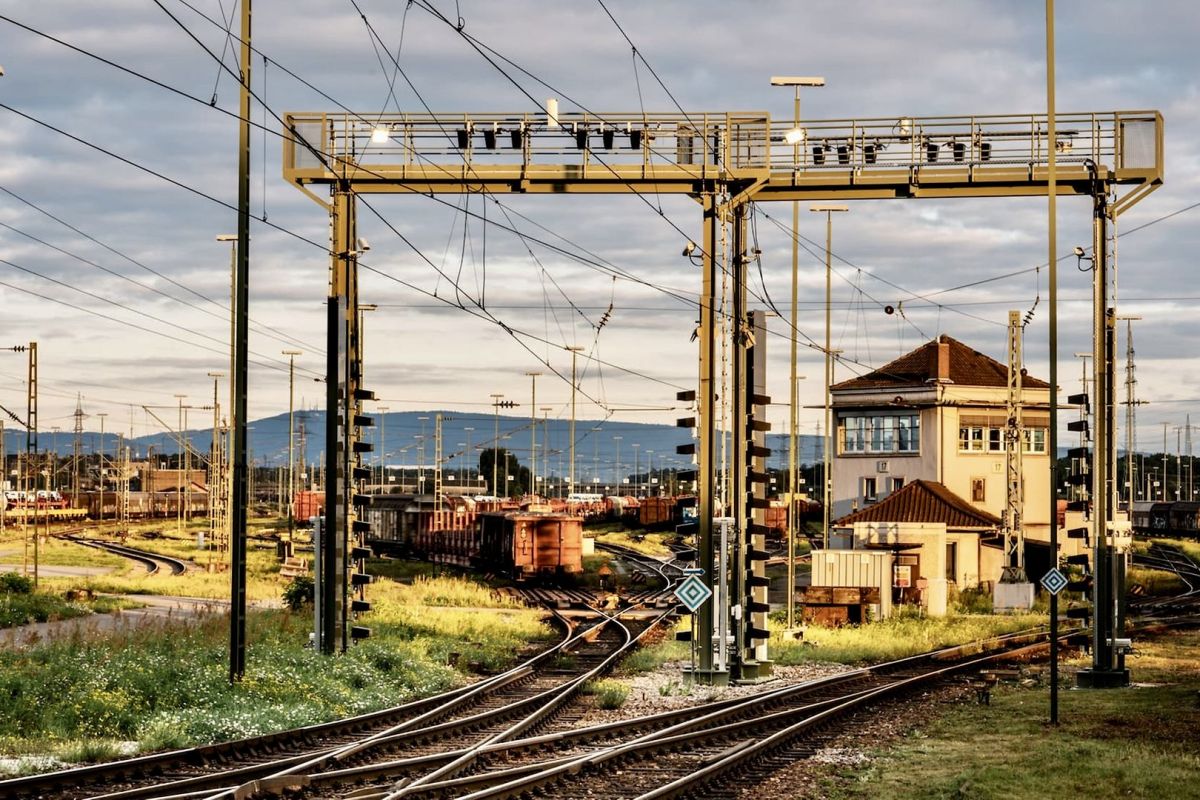
DB Cargo has rolled out artificial intelligence to speed up freight wagon inspections at major marshalling yards in Germany. The system analyses wagons while trains pass through camera gantries, reducing manual checks before departure.
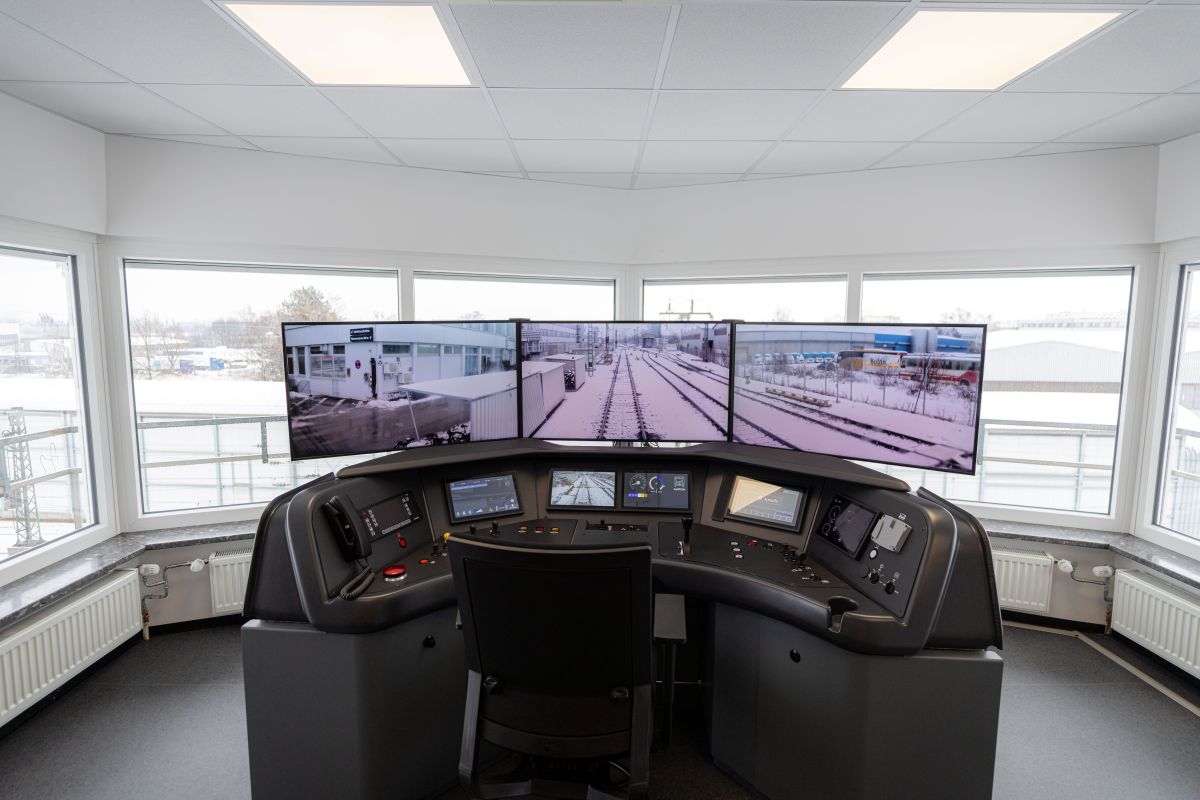
Deutsche Bahn and Alstom have completed a first test of remotely driven commuter trains in a depot environment in Munich. The trial focused on shunting movements controlled from a remote operation centre.
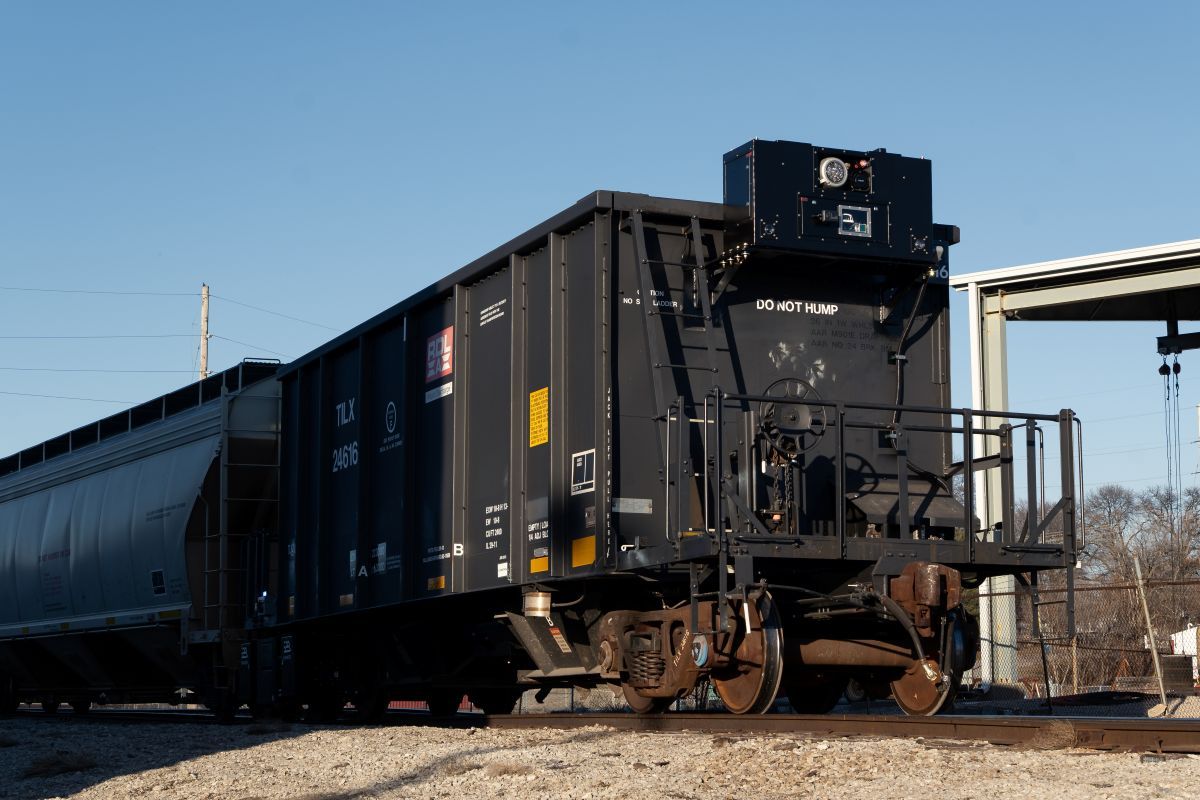
The programme covers wheel and brake condition monitoring across the GBXLE fleet in Europe, with installation starting from February 2026.
As railway operations become increasingly digital, security requirements are evolving accordingly.
Autonomous shuttles and buses could significantly improve public transport performance in Germany if deployed as feeders to rail and integrated into an expanded network, according to a new study. The biggest gains are expected where automation supports train-based services rather than replacing them.
Rheinmetall is participating in the RemODtrAIn research project, which is developing remote-controlled train operation and AI-based obstacle detection for rail applications.
The acquisition allows Railcare to supply, install and support the system directly.