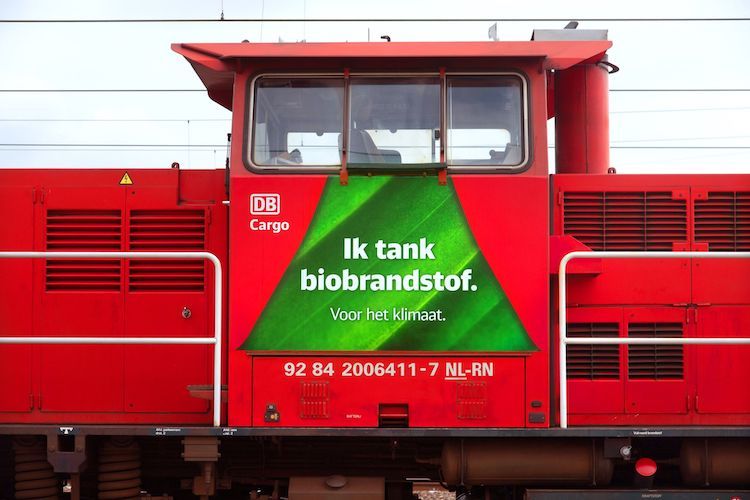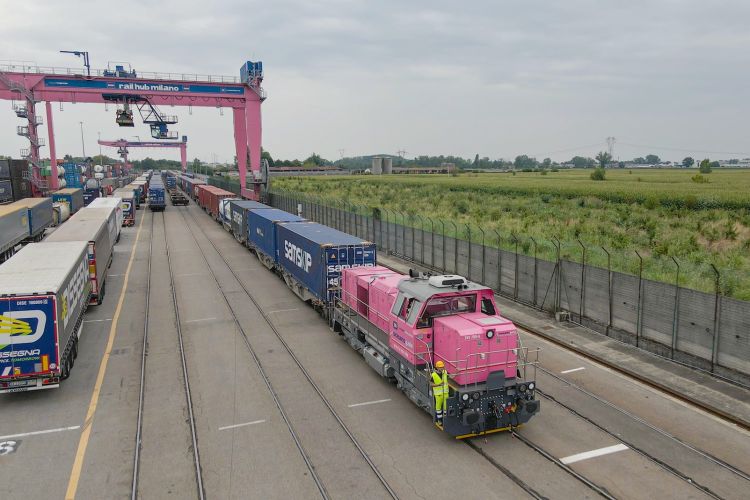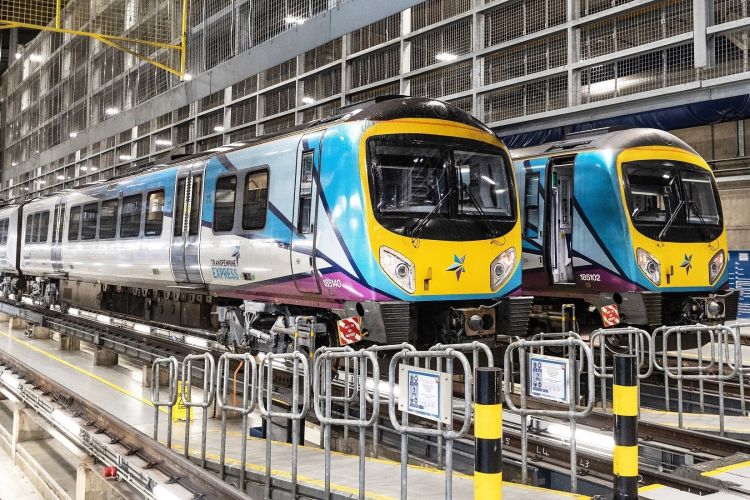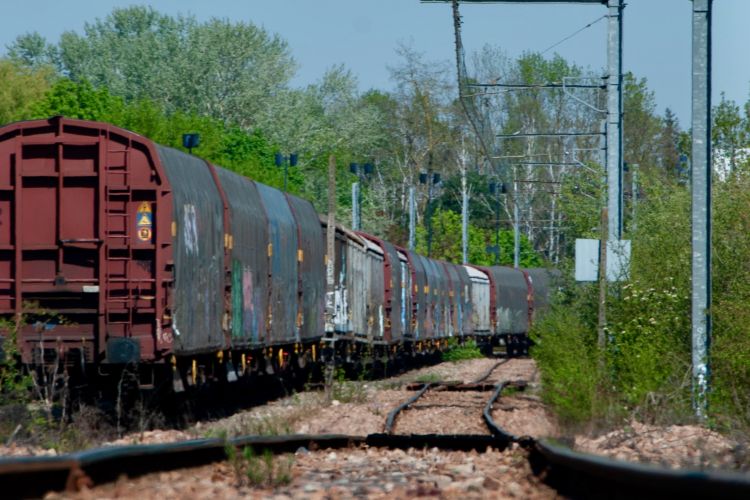

DB Cargo Netherlands trials HVO to reduce CO2 emissions
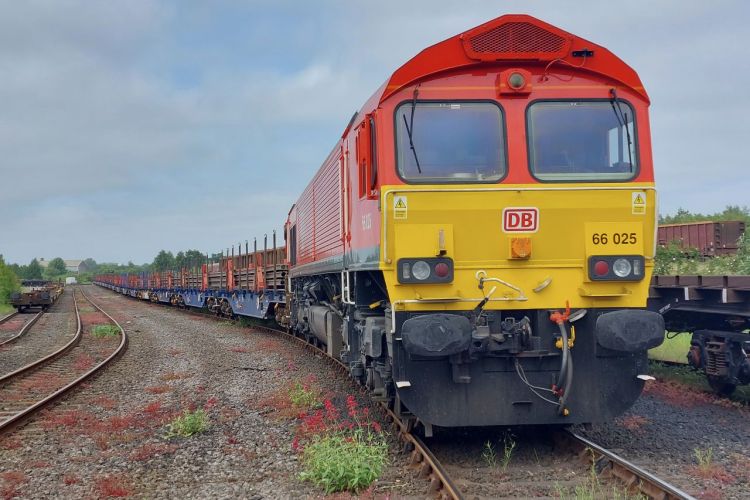
Six-month trial on key rail routes will assess HVO's seamless integration, engine performance, and positive environmental impact.
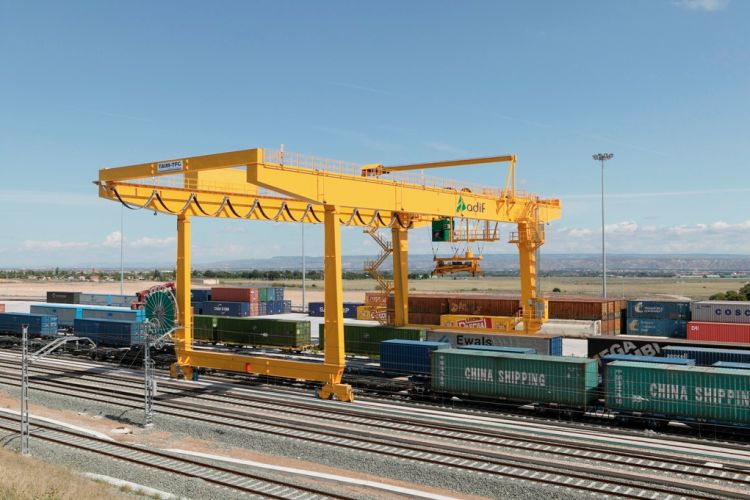
With a total surface area of 72,545m2, these facilities will be key to the development of freight and rail logistics services, thus promoting intermodal transport in the northeastern region of the Iberian Peninsula.
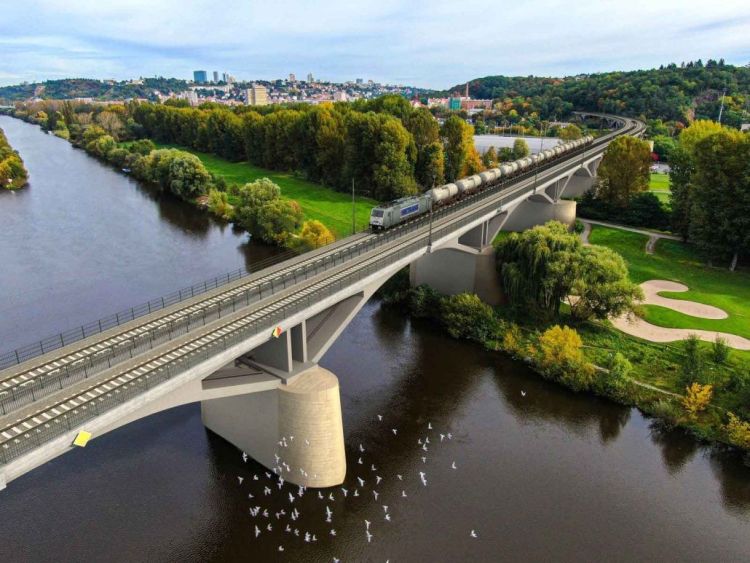
While the upgrade is expected to boost freight capacity and integrated transport, freight operators will face challenges during the complete suspension of traffic between October and April.
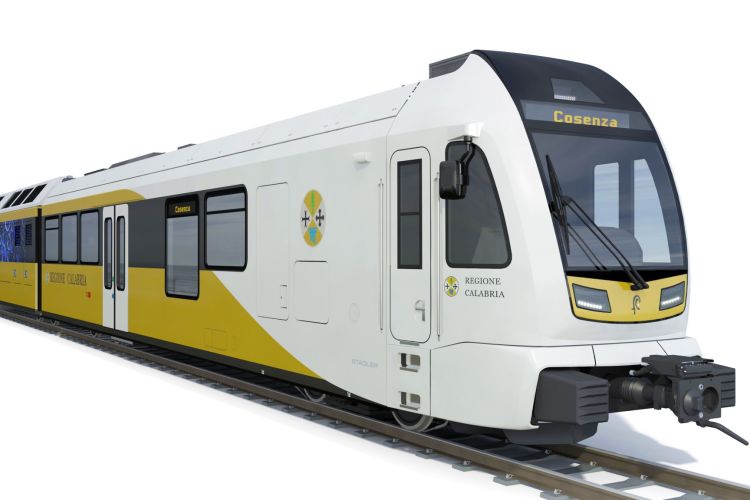
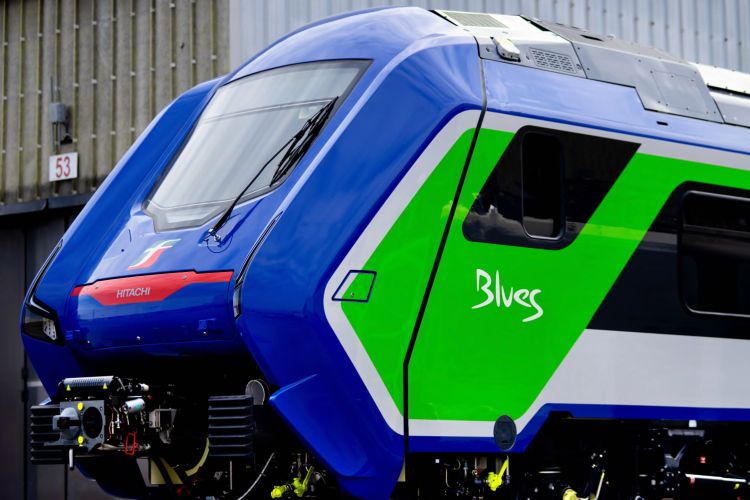
The contracts cover the delivery of 10 trains for ARST in Sardinia and 15 vehicles for FdC in Calabria, making Stadler the world's first supplier of narrow-gauge trains with hydrogen propulsion.
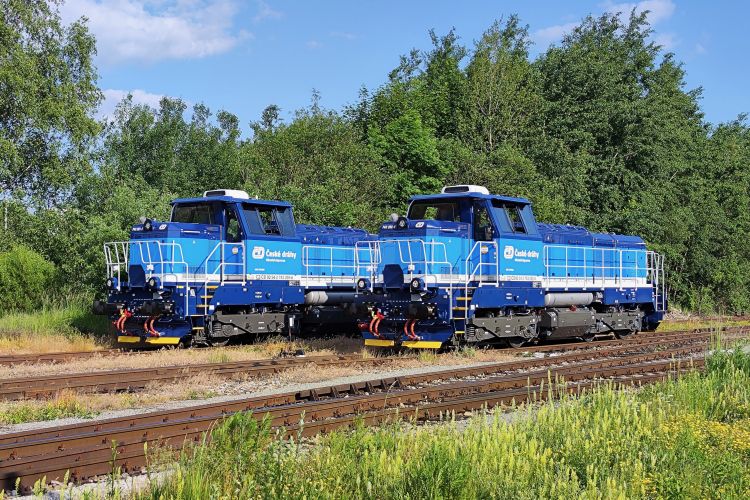
A new CZ LOKO 741 shunting locomotive joins the existing fleet of three shunting locomotives and is equipped with a modern diesel engine.
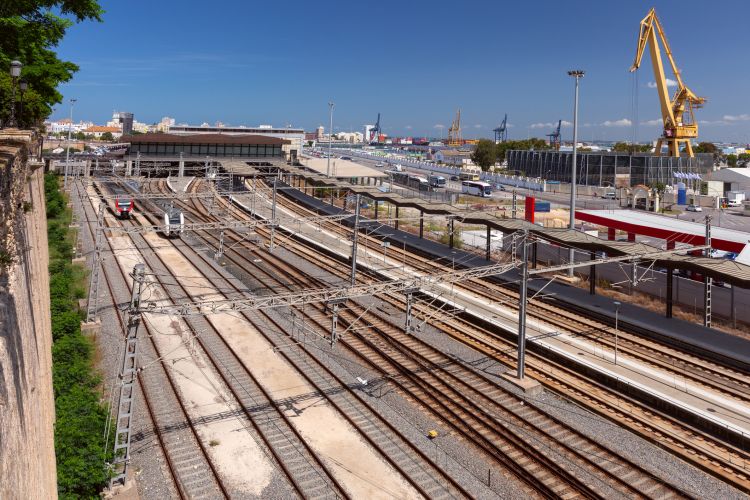
The project involves the construction of a 4.4-kilometer single-track section on the Iberian gauge, with the aim of improving port activities and boosting freight traffic in the Bay of Cádiz.
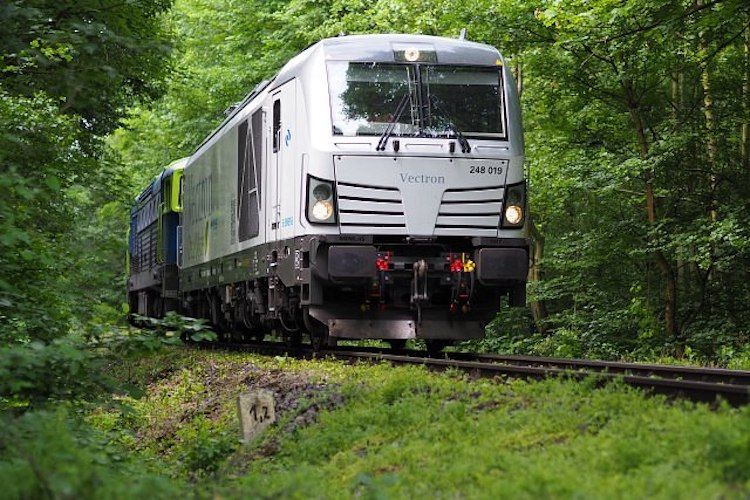
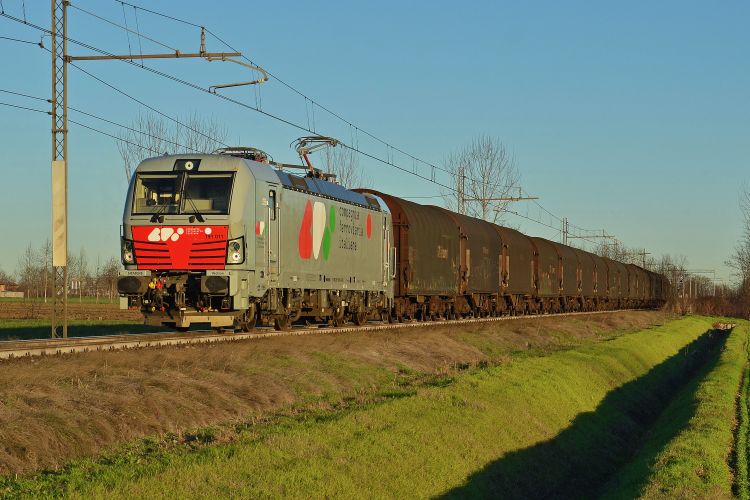
The locomotive, equipped with both electric and diesel traction capabilities, offers flexibility for meeting customer demands and adapting to different infrastructure requirements.
This achievement has resulted in the removal of 110,000 lorry journeys from the roads, demonstrating the hub's significant contribution to sustainable transport.
The project marks a significant step towards the implementation of freight tracking systems in the rail sector, improving traceability and data management along the transport chain.
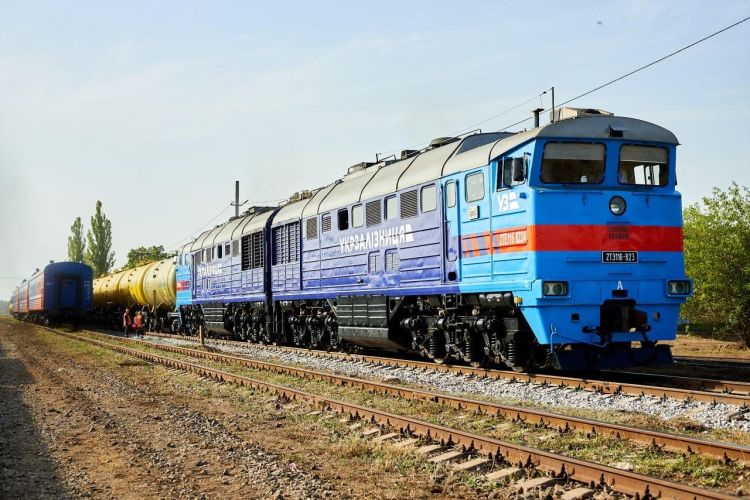
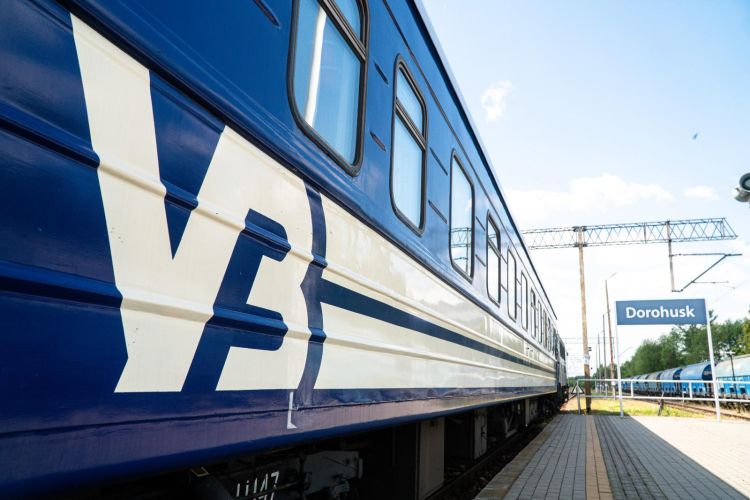
This new venture aims to connect transportation between Ukraine and European countries, paving the way for Ukrzaliznytsia's entry into the European rail freight sector.
Following an audit in June 2023, the company achieved an increase in score from 81% in 2020 to 92% in 2023.
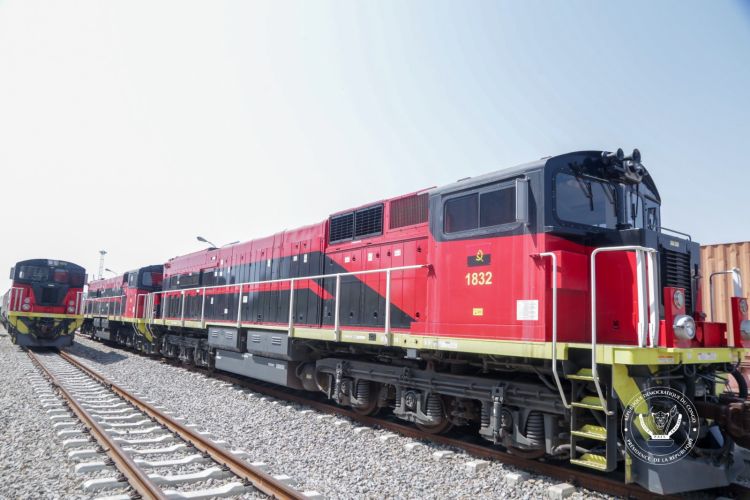
The Lobito Atlantic Railway consortium will now be responsible for the operation, management, and maintenance of the vital rail infrastructure, which spans some 1,300 kilometers.
The acquisition will allow CFI to expand its presence along the Adriatic axis and strengthen its intermodal capabilities.
The tests, carried out in compliance with European regulations and tailored to the specific conditions of the Irish rail system, aim to ensure the vehicles' suitability for the country's unique infrastructure.
Alstom has been selected as the supplier for the project, responsible for supervising the manufacture, installation and correct functioning of the ERTMS system.
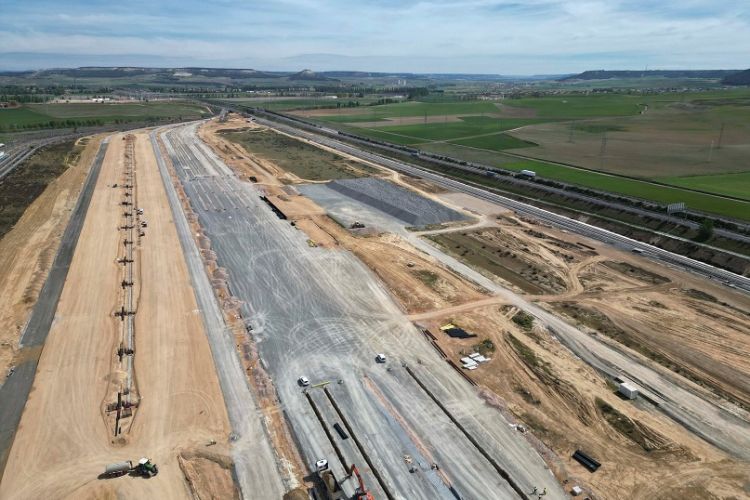
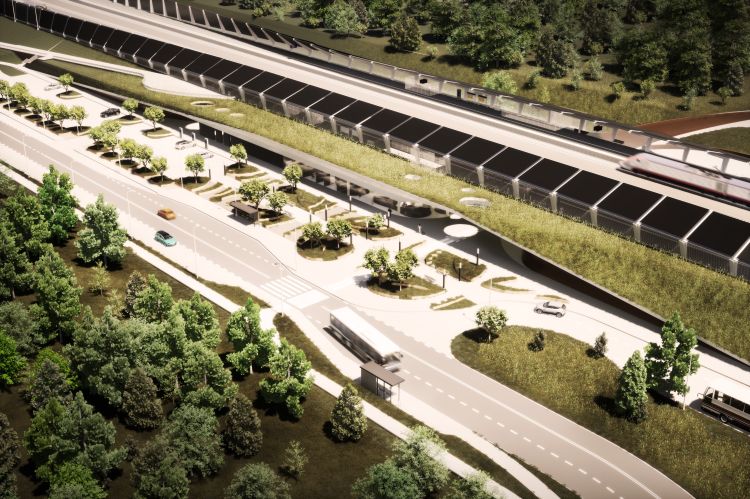
The project aims to boost rail traffic, generate new urban spaces, and position Valladolid as a freight transport and railway technology strategic center.
With the PZB Transmitter, railway operators can conveniently retrieve driving data from their DSK 10 devices, saving time, effort, and resources.
The "Over and Back" solution enables seamless switching between the existing interlocking system and the upcoming ETCS digital signalling system.
Using state-of-the-art sensor technology, trains equipped with intelligent systems will be able to detect obstacles and react autonomously, similar to autonomous driving on roads.
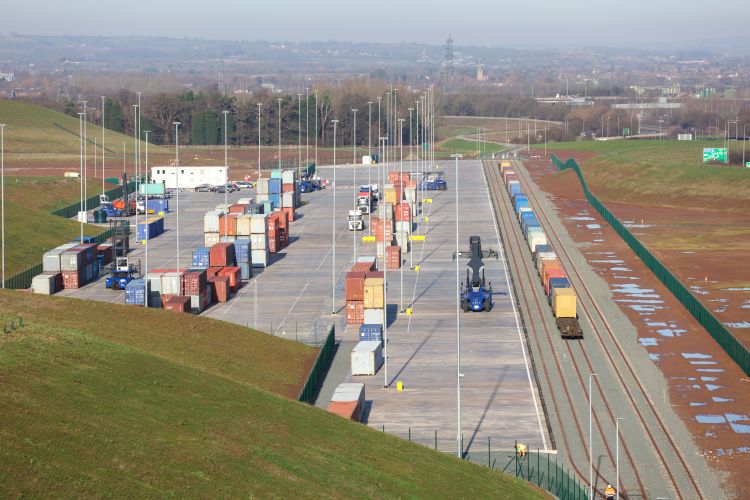
Under SEGRO's ownership, the site will be transformed into a state-of-the-art rail hub and sustainable warehousing complex, supporting the UK's modal shift from road to rail and contributing to the UK's net zero ambition.
The vehicle, which can travel at speeds of up to 300 km/h on standard gauge tracks, is equipped with advanced dynamic track and overhead line auscultation systems, odometry capabilities, and power collection analysis equipment.

As part of its plan to expand the co-operative's rail fleet, the first five locomotives are expected to arrive in Australia by the first quarter of 2026, with the remaining 12 to follow in the second quarter.
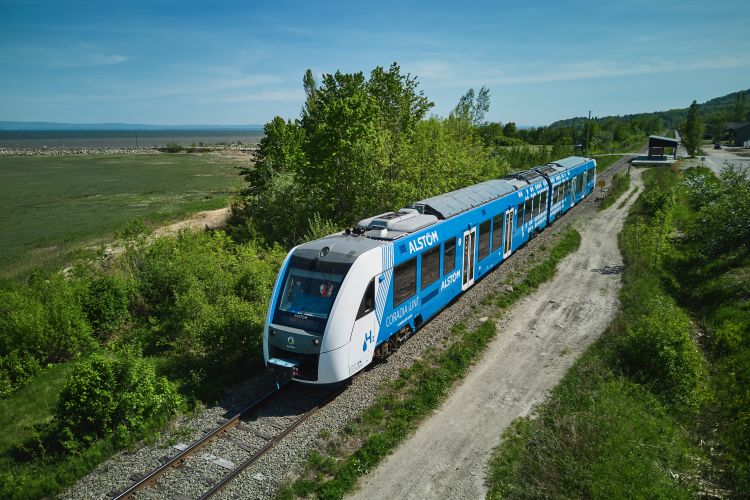
The introduction of the Coradia iLint in Quebec sets a precedent for hydrogen-powered trains in North America, exemplifying the region's commitment to sustainable transportation and the potential for hydrogen propulsion technology to revolutionize the rail industry.
The cooperation aims to support the resource-saving and energy-efficient production of high-quality steel by using rail transport, new lightweight freight cars, and extensive recycling of industrial scrap.
Equipped with state-of-the-art hybrid technology, the Masaccio train runs on battery, electric, hybrid, and diesel power, reducing carbon emissions and fuel costs by 50% compared to standard diesel trains.
Equipped with ETCS and various technical upgrades, these locomotives will contribute to the fleet renewal strategy and ensure reliable and cost-effective maintenance.
This is the first time that the EU has committed funds to railway projects in Ukraine, reflecting the country's efforts to integrate its railway system with the European Union.
The proposal would require railroads to maintain and update real-time electronic information about hazardous materials shipments, accessible to authorized emergency response personnel.
The project aims to connect the new CPK airport to the rail network, reducing travel time between the two cities.
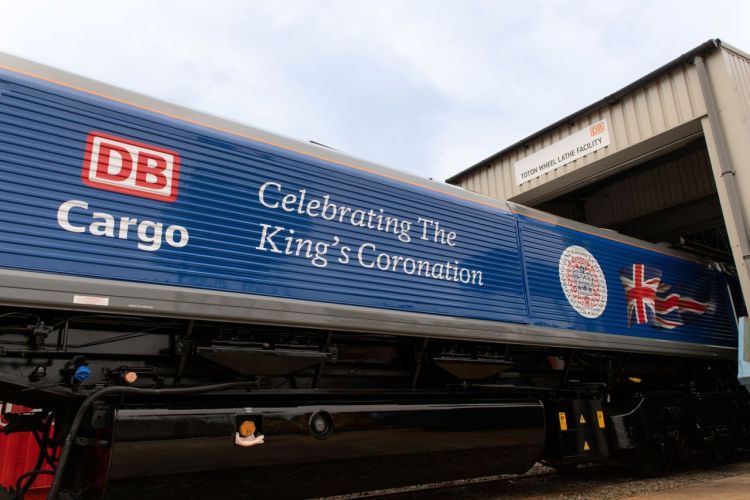
DB Cargo UK, known for its longstanding relationship with the Royal Family, deemed it fitting to pay tribute to the King's coronation with this striking locomotive.
The project aims to improve intermodality between the port and the rail network and to increase rail freight capacity.
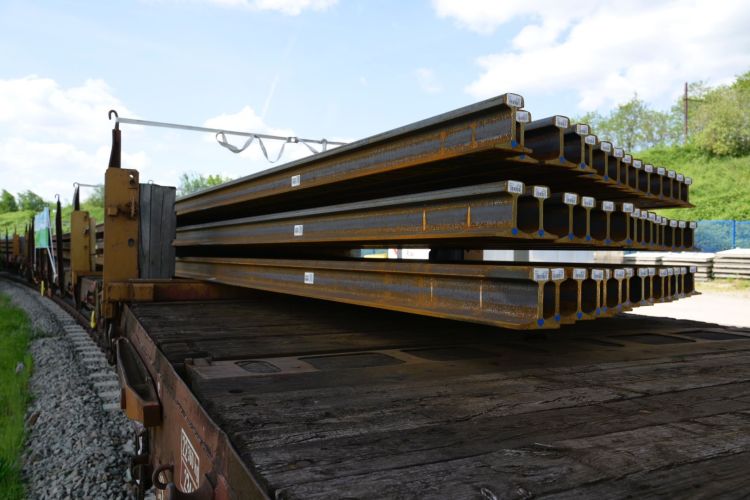
Infrabel, Belgium's infrastructure manager, will use the steel rails for its ongoing rail network maintenance and renewal projects.
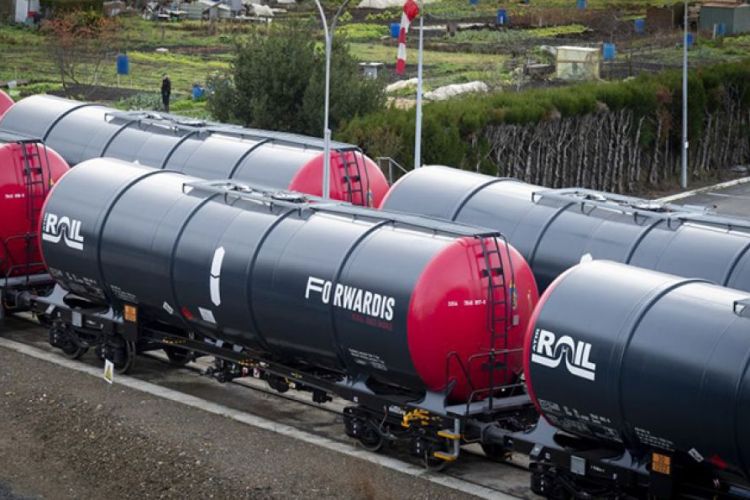
The collaboration aims to promote sustainable and eco-friendly freight solutions using rail connections for the transport of silo containers filled with anhydride powder.
The project, connecting Xiong'an and Shangqiu cities, spans over 600 kilometers and aims to enhance mobility and drive economic development in the region.
DP World aims to increase the share of rail in its logistics operations and remove an estimated 30,000 tonnes of CO2 from customers' supply chains.
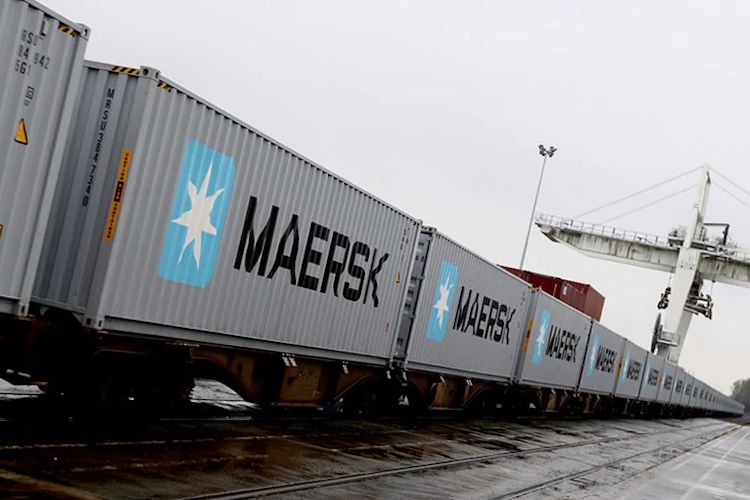
The three-month pilot test will provide crucial data on the feasibility and benefits of low greenhouse gas emission fuels, with the potential to offer sustainable transport solutions to Maersk's customers in the future.
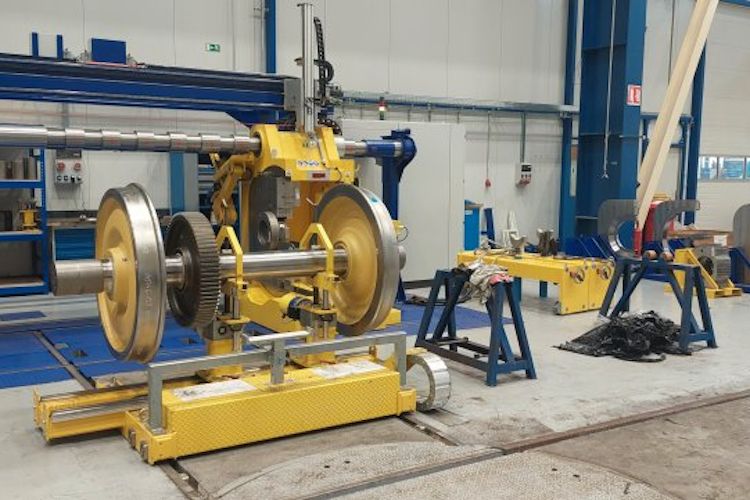
The new plant aims to streamline operations, improve service quality, and potentially double production to 80 wheelsets per month.
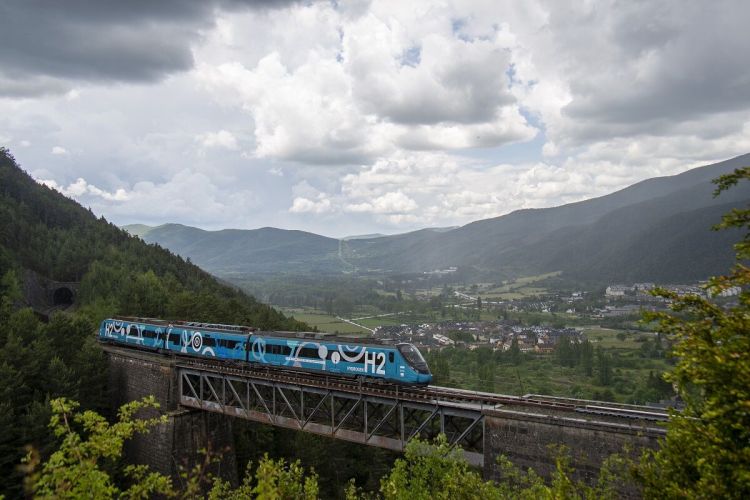
The testing phase has begun on various railway lines in Spain, including the challenging Zaragoza-Canfranc line, to assess the train's performance under different conditions.
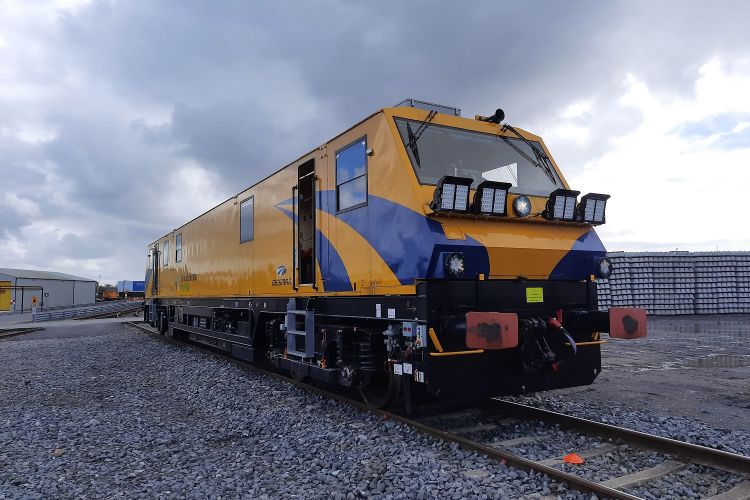
The integrated green product, combining Tesmec Rail vehicles with Škoda Group's electrically-powered traction solutions, will serve the rail diagnostics, catenary construction and maintenance vehicle markets.
The grant will help ensure the company's continued operations, restore damaged infrastructure and contribute to Ukraine's recovery efforts.
This equipment will increase train reliability and availability, improving connectivity and sustainability in Europe's high-speed rail system.
Service provides customers with faster, more efficient rail connections to metropolitan areas including Denver, Salt Lake City, Oakland, Los Angeles, and El Paso.
The extension will run for 8 years, until 2031, and builds upon Siemens Mobility's recent digital upgrade, allowing the trains to remotely monitor their condition through Railigent X technology.
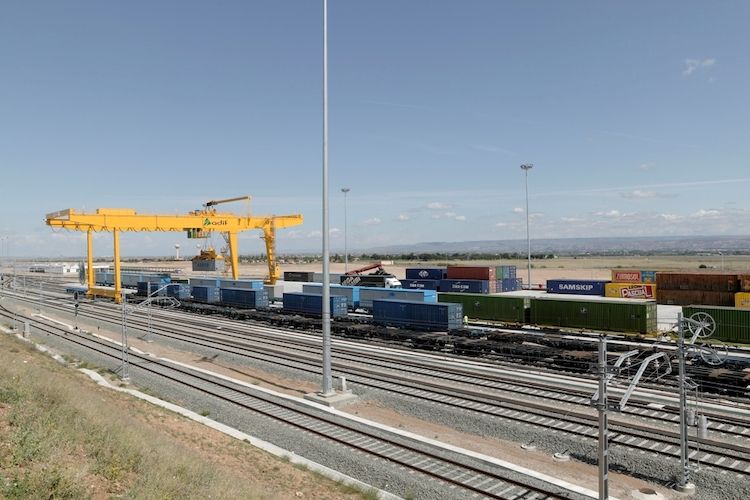
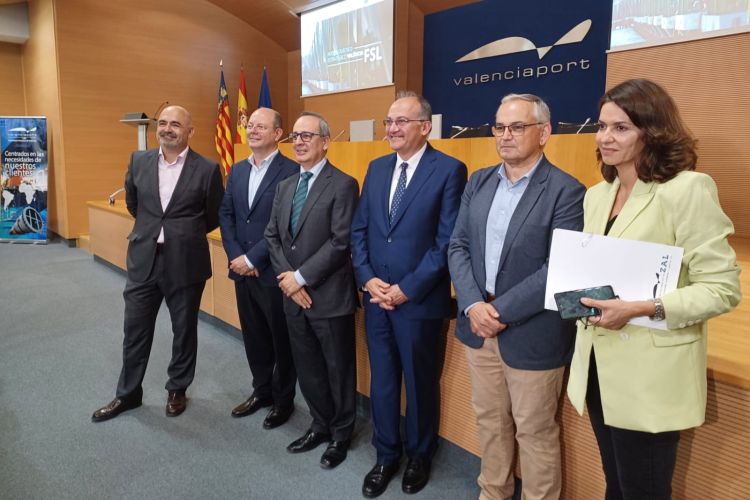
With a capacity to handle 150,000 UTIs and accommodate 2,600 freight trains per year, the terminal will boost rail traffic between Valencia and the French border.
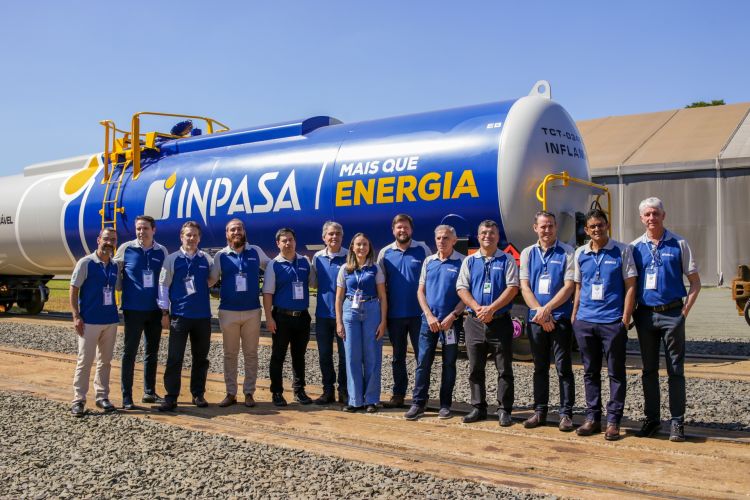
In partnership with Rumo, Brazil's largest rail operator, the multimodal project aims to transport over 1 billion liters of ethanol per year and reduce CO2 emissions by up to 60%.
These C30-MF locomotives have been modified to meet Finnish railway standards. Operail's C30-M project focuses on environmentally friendly locomotives suitable for both shunting and regular service.
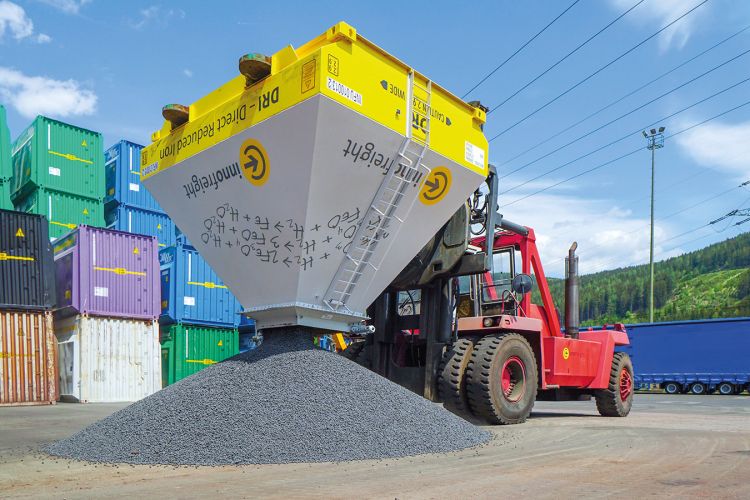
With its pyramid shape, the DryTainer minimizes air and dust pollution during loading and unloading, making it ideal for materials like DRI (direct reduced iron) used in climate-friendly steel production.
The government plans to provide €4 billion in funding by 2032 and increase annual aid to the sector to €200 million by 2030. This investment is aimed at modernizing and expanding rail infrastructure to support the growth of rail freight and combined transport in France.
The project represents a step forward in improving the safety and efficiency of Hungary's railway corridor, using state-of-the-art signalling technologies provided by AŽD and the expertise of V4SIL.
These innovative rails, manufactured using electric furnaces and recycled raw materials, will reduce the carbon footprint by up to 70% while maintaining durability and competitive pricing.