RM: For the readers and visitors of our website, how would you introduce your company to someone who's never heard of Trilogical Technologies before?
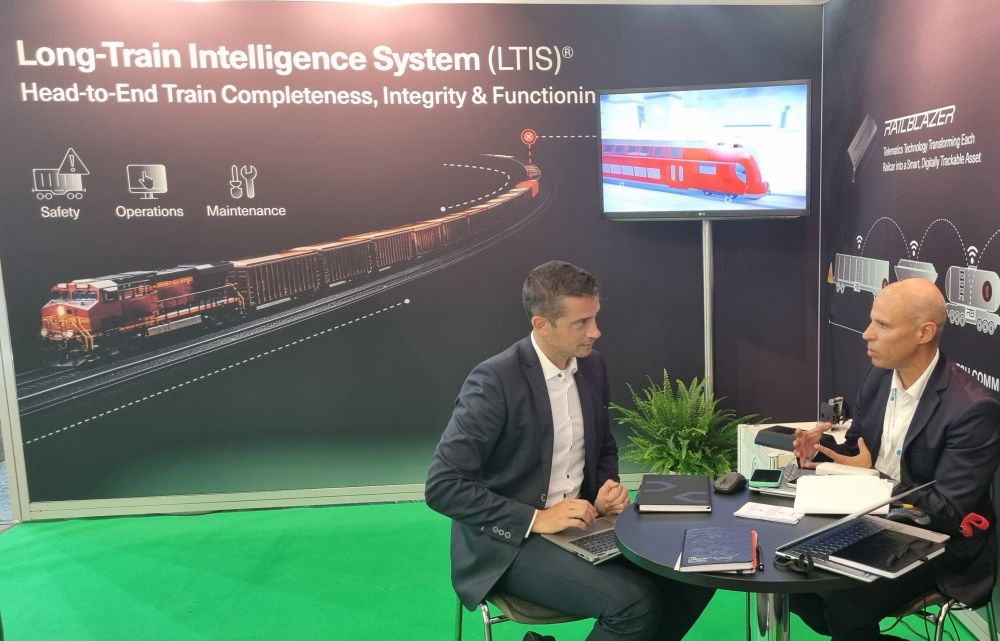
Eyal Trichter, Trilogical: In that case, I would say that Trilogical is a one-stop shop for train modernization. We bring trains into the next generation of digitalization, predictive maintenance, and more efficient and safer operations. We offer a comprehensive solution with hardware, software, and project management. We have a lot of experience working with some of the most well-known brands, which I assume we’ll touch on later.
RM: How did the company come to develop these solutions, and why focus on railways? Could you share the evolution of Trilogical?
Eyal Trichter, Trilogical: About 30 years ago, we started working with IoT before it was even called IoT. We produced devices with cellular technology to control city lights, and then moved on to fleet management for buses and taxis. In 2007, we entered into a railway tender for IoT solutions for trains, which included advisory systems for drivers. This came after several accidents raised safety concerns. And we won it.
Since then, we’ve developed our capabilities in the railway market. Today, we cover 100% of the fleet in this company’s tender, adding new features every year. In fact, we’ve doubled the original project scope.
RM: One of the major things you're promoting now is a telematics for long freight trains. This is a big topic in the US, but it’s also something Europe is exploring. Do you see a global trend in the demand for long freight train solutions?
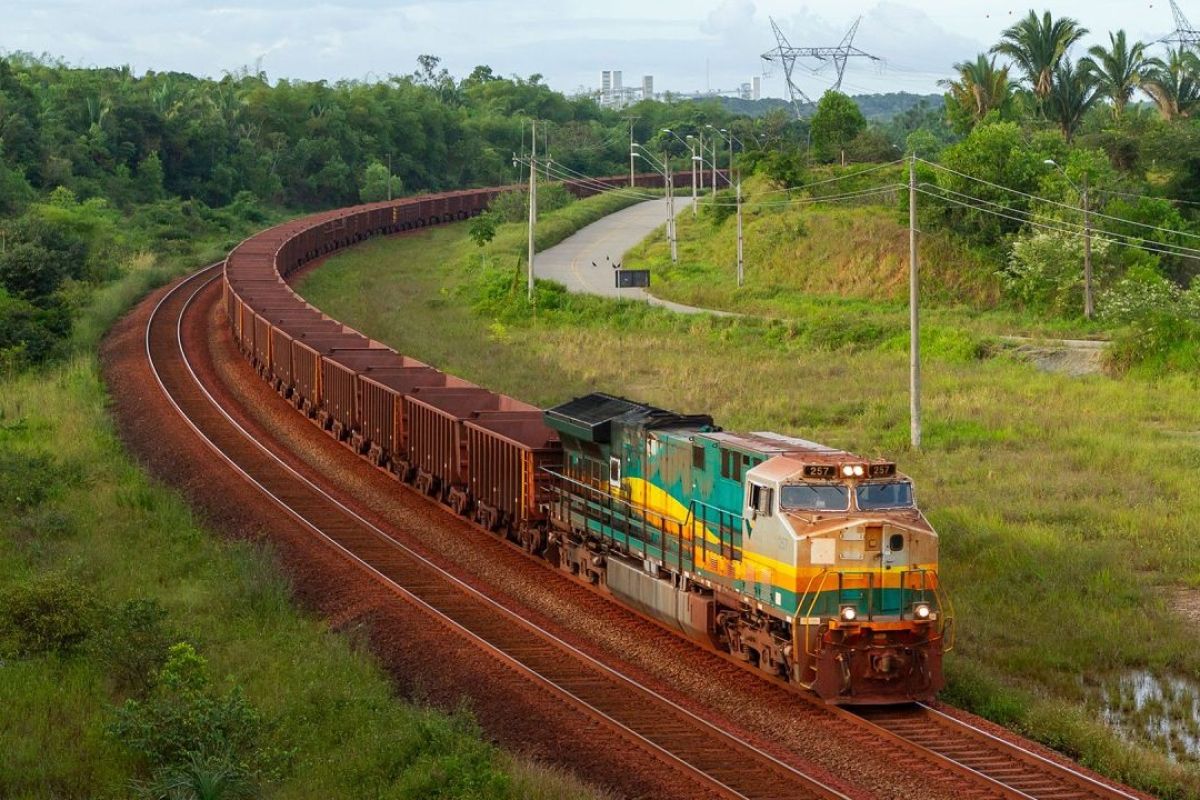
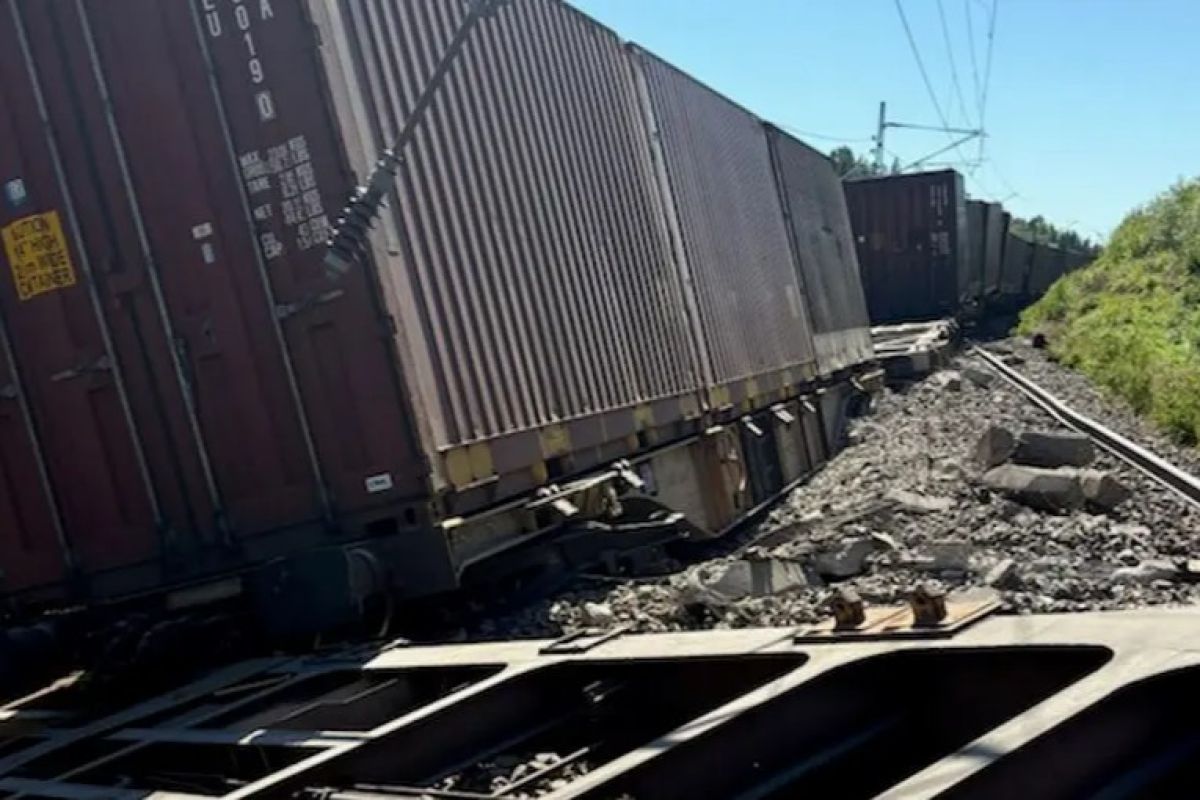
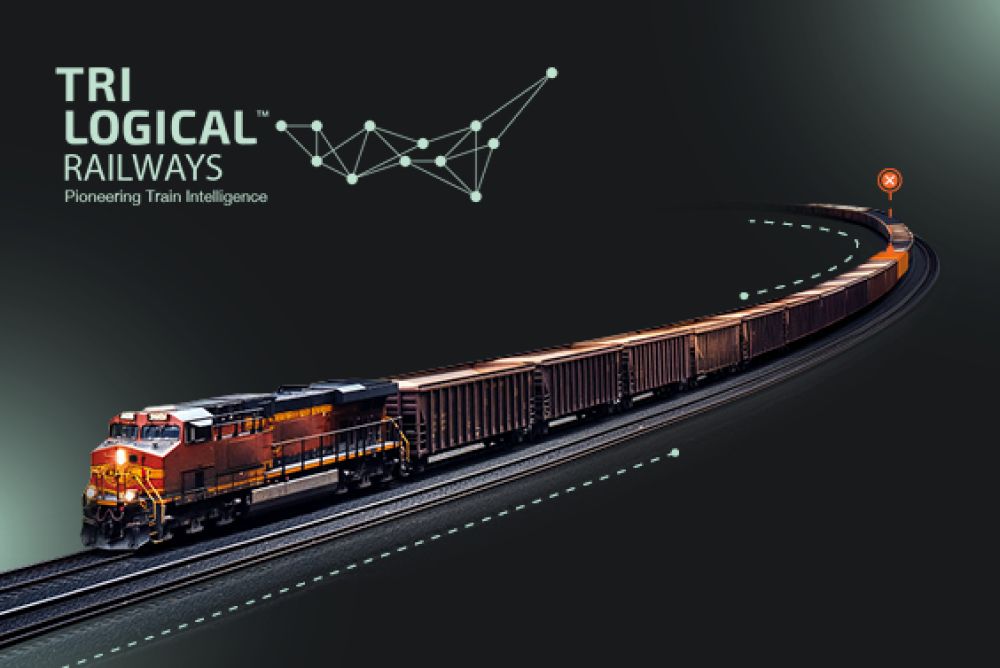
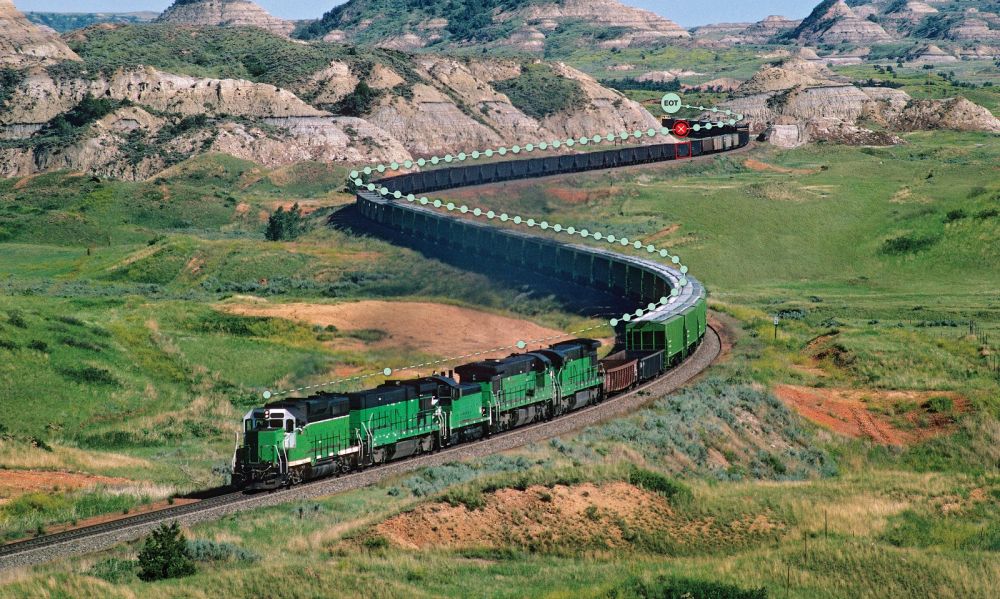
Eyal Trichter, Trilogical: Absolutely. About four years ago, I attended a conference promoted by Horizon 2020 and Shift2Rail, which focused on innovation and research. I learned that freight traffic by train in Europe is expected to double by 2030. Since they can't double the number of tracks or wagons, new technologies are needed. One of the topics being discussed was digital automatic coupling to make operations safer and more efficient. We realized that many challenges existed for standardization, budget allocation, and research. So, we decided to use mesh technology to provide a "virtual digital automatic coupling”. This solution has been in development for years, focusing on long trains and their specific challenges. The same principles we apply in Europe can work even better in the US, where long trains are more common, and recent accidents have highlighted the risks.
RM: Are you the only company approaching the problem this way, or do you have competitors?
Eyal Trichter, Trilogical: Providing IoT solutions for trains is a niche market. It requires familiarity with the railway industry, standards, certifications, and testing facilities. There are competitors, but they mostly replicate technology designed for tracks with IoT-based cellular GPS and sensors that communicate with the cloud every 15-30 minutes. However, accidents can happen in seconds, not minutes, so we developed something different. As far as I know, we're the only ones offering this kind of solution today. Others have tried, but they haven’t succeeded. There have been research efforts, particularly in the US, involving mesh technology using Wi-Fi or Zigbee, but they haven't been able to deliver a reliable, low-energy solution like ours.
RM: You’ve mentioned safety as a key motivator. Could you explain how your Control FREAK platform, and the RailBlazer telematics solution, improve safety for operators?
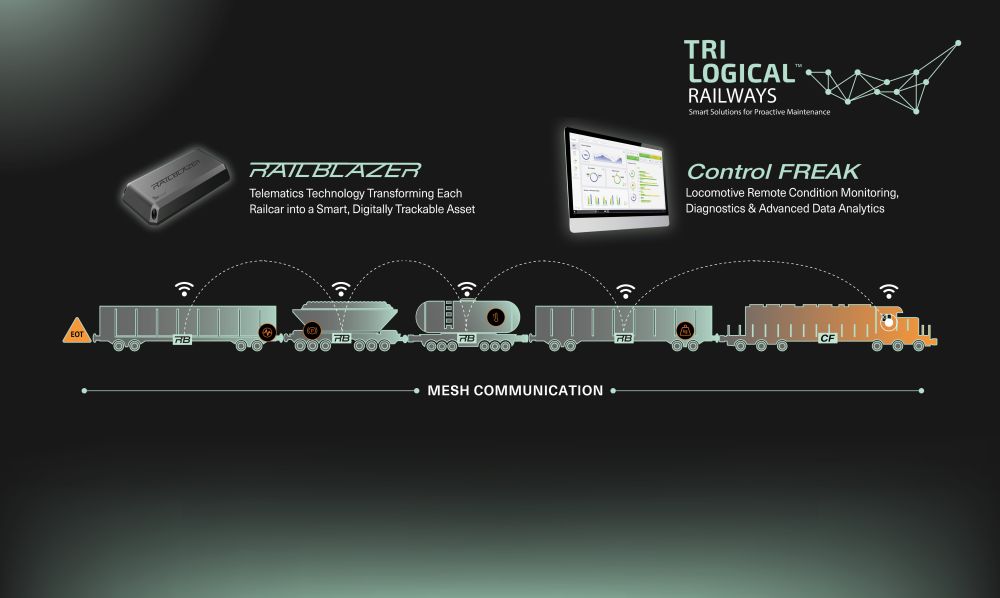
Eyal Trichter, Trilogical: The Control FREAK platform is central to our solution, integrating diagnostics for locomotives and passenger trains. It brings together real-time data and maintenance information, providing feedback on operational efficiency, safety, and utilization. Our RailBlazer solution focuses on freight, particularly long trains, but it’s flexible enough to be used in various contexts. It provides information about coupling processes, loading and unloading status, and even sensor data for wheel and bearing conditions. It’s highly accurate and transmits data in real time, allowing drivers to make informed decisions and optimize fuel use.
RM: Does the driver receive this data directly?
Eyal Trichter, Trilogical: Yes, the driver receives critical alerts and real-time information through a specially designed tablet. It’s secure and provides all the necessary data, including trip scheduling, speed limits, and risk alerts. A key benefit is that the system can notify drivers about obstacles or incidents. For example, in one case, a car was stuck on a crossing, and we were able to send an alert to the relevant driver, avoiding a collision.
RM: What are the economic benefits for operators considering your solutions?
Eyal Trichter, Trilogical: There are many. For example, one of our projects in Africa started with a focus on customer transparency, similar to how parcel delivery service provides tracking updates. We equipped their fleet so customers could know the exact timing of the train and receive alerts about delays or issues. Within two years, the number of theft incidents dropped by 90%, and the company increased its revenue by 15%. In other cases, we’ve reduced downtime through real-time monitoring of energy use, preventing unnecessary battery depletion, and using predictive maintenance to identify components likely to fail. By improving reliability, operators can keep more trains in service and reduce maintenance costs.
RM: Aside from the Control FREAK and RailBlazer platforms, what other solutions does Trilogical offer?
Eyal Trichter, Trilogical: We also offer a Driver Advisory System (DAS), which gives drivers information on optimal speeds, trip schedules, and energy-saving techniques. Additionally, our Connected Rail Car system (CRS) uses mesh technology to keep cars connected during journeys, transmitting real-time data to the driver and control center.
RM: How do you handle legacy systems when working with railway operators? Do they need to completely replace existing systems to integrate your solutions?
Eyal Trichter, Trilogical: Integration is key. We don’t want to disrupt existing processes or change the culture of the organization. Initially, we integrate with the current system to provide insights and demonstrate how we can enhance efficiency. Once they see the benefits, we can discuss replacing or upgrading specific components. For instance, one of our clients was using an old IBM AS/400 system. We were able to integrate our solution with it, and eventually, they upgraded to a cloud-based system. We always start by working with what’s already in place and then explore further improvements.
RM: What’s your vision for the future? Where is Trilogical heading in the next few years?
Eyal Trichter, Trilogical: My dream is for drivers to have immediate access to all the critical information they need. They should be able to press a button and get a complete status update on the train, including whether the brakes were released properly and whether it was loaded correctly. We’re also working toward making predictive maintenance even more precise, using historical data from different locomotive manufacturers. This will allow us to deploy our systems on new equipment with minimal setup time, increasing fleet availability to over 90%. There’s so much potential in this field, and we’re excited about what the future holds.
RM: Implementing new technology within an organization requires not just financial investment but also a change in culture. How do you help your customers handle these challenges?
Eyal Trichter, Trilogical: We understand that it's not just about paying for the technology; it's also about the attention required to implement and deploy the system. This may involve changing the culture and bringing together all stakeholders to ensure everyone is on the same page. We help identify the small, key benefits that can drive change. We refer to this as finding the “champion” in the company — someone technical enough to understand the system and well-connected enough to advocate for it.
Each department has its own culture. By observing how people manage, how they use technology, and other factors like age demographics, we find the right people and formula for deploying the system. This is one of the biggest challenges.
RM: So, you're involved throughout the process with your customers?
Eyal Trichter, Trilogical: Yes, absolutely. We work closely with our customers to define the value proposition. We help identify which departments will be involved, who the key people are, and guide the entire process. Even after deployment, if we notice that the system isn’t being used as much as expected, we step in to help. Whether it's generating reports or supporting their teams, we make sure the system is fully utilized. Without our support during the deployment phase, the system might not achieve its full potential.
RM: That sounds like a major competitive advantage. Other companies might simply provide a system, but you focus on making sure it’s successfully used and delivering value.
Eyal Trichter, Trilogical: Exactly. Our experience shows that successful deployment often takes a year or more. This is because it involves changing processes and culture, and training people to understand and appreciate the benefits. It’s a long process, but without proper support—both technological and human—it’s hard to succeed.
RM: So, what can companies do to have any of these solutions deployed?
Eyal Trichter, Trilogical: I’d like to invite any operators or OEMs facing challenges to reach out to us. There’s no problem we can’t solve, and with our experience, we’re confident we can bridge any gap they might be facing.