Siemens Mobility and Ruhrbahn to modernize rail systems in Essen and Mülheim
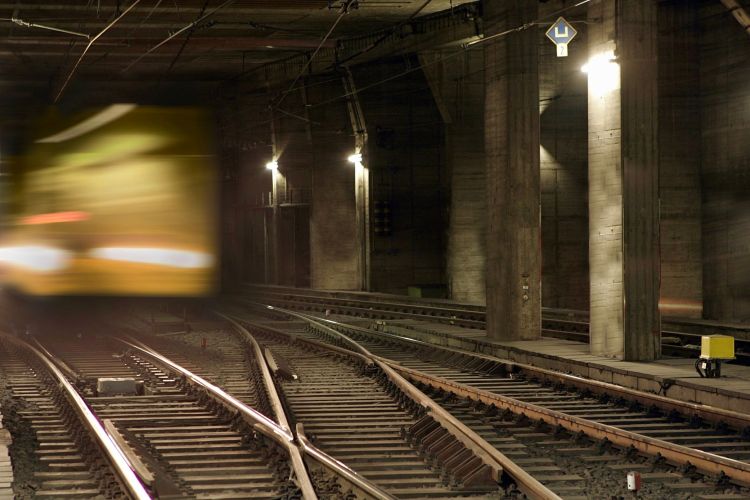
The €180 million project includes digitalizing Europe's largest light rail interlocking system at Essen Central Station to improve reliability and energy efficiency.
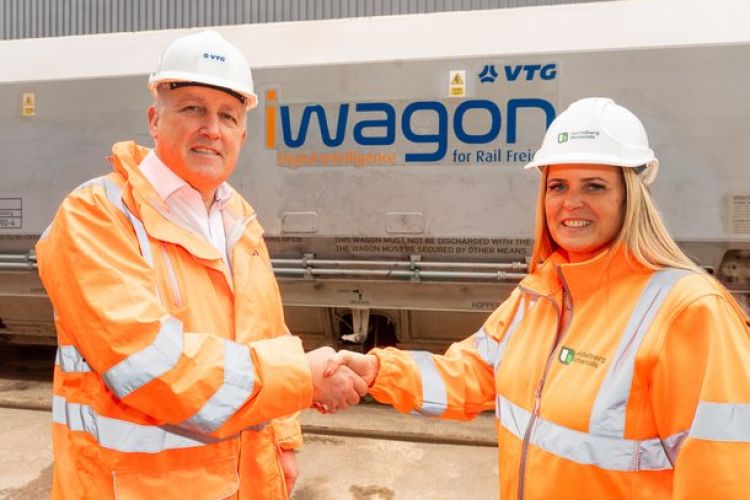
More than 10,000 wagons a day are now handled at eight major depots with the help of AI technology, which analyses the condition of the wagons and reads key operating data as they pass through camera-equipped portals.
This milestone is a key aspect of the transition towards digital signalling on one of the UK’s most vital railway corridors.
Italian railway infrastructure manager tests autonomous diagnostics vehicle.
Berlin will host InnoTrans 2024 from September 24-27, attracting top players in the rail industry.
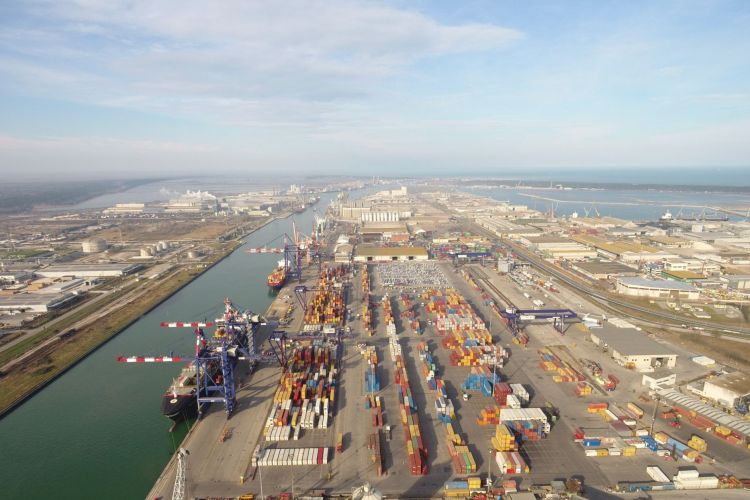
The agreement aims to improve the quality and efficiency of rail transport services through the Port of Ravenna.
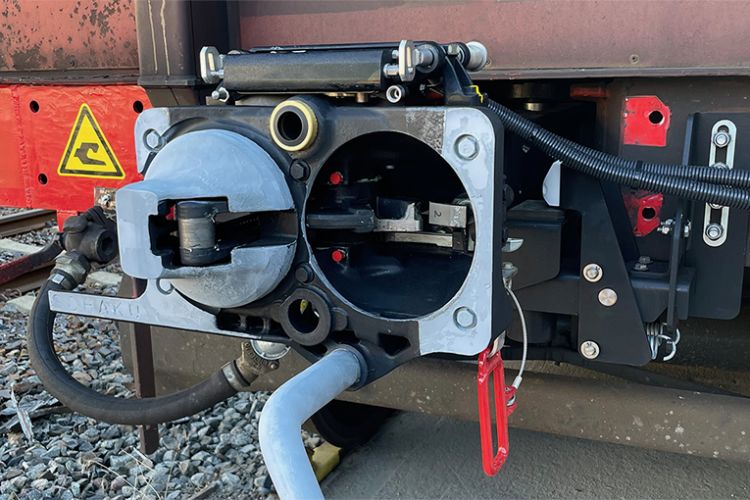
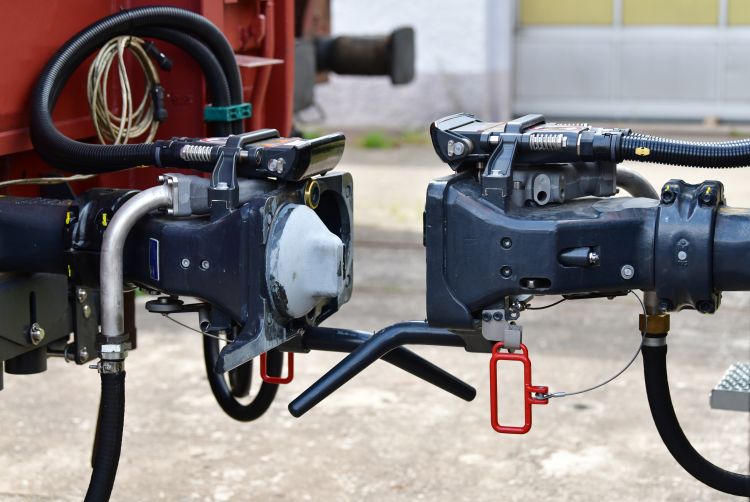
The Voith e-coupler ensures power supply and data transmission across digital freight trains.
An onboard signalling technology will be installed on Railjets and locomotives.
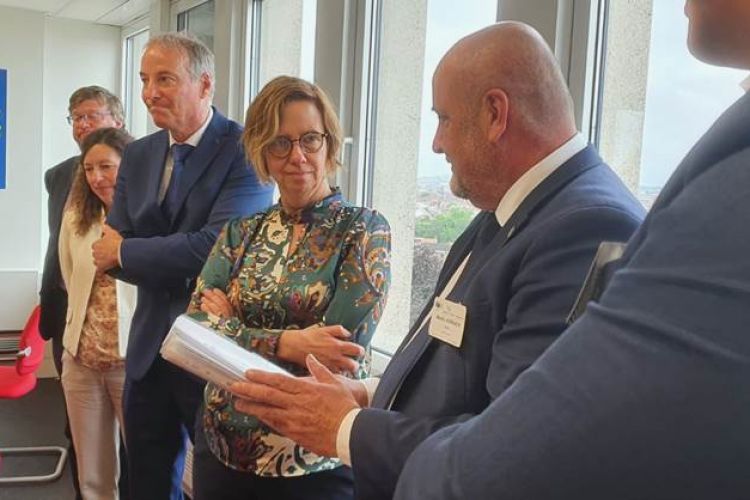
Leaders stress the need for thorough evaluation and voluntary adoption to ensure the competitiveness and sustainability of the rail industry.
This decision comes as a proactive measure to improve safety and operational efficiency in rail freight.
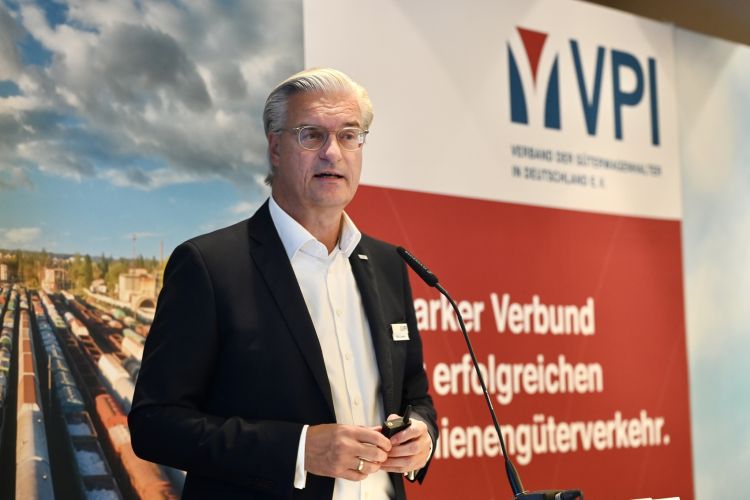
Lawrenz expressed his commitment to promoting innovation, digitalization and efficiency in the rail transport sector.
Fiber optic technology aims to protect elephants on Indian railways' East Coast Network.
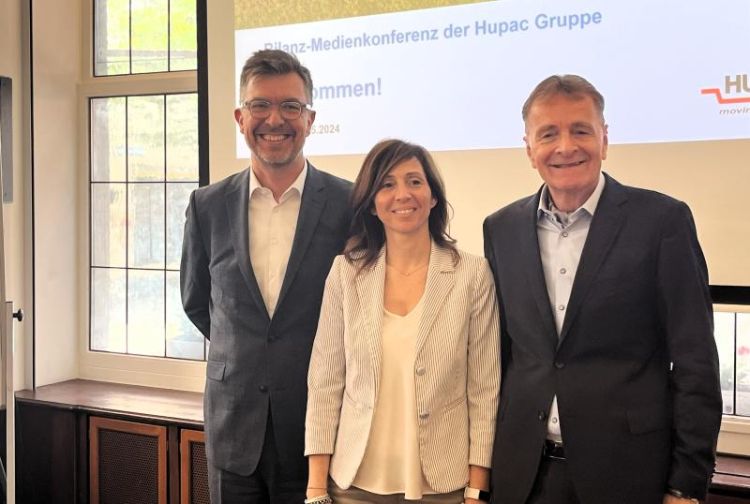
Despite setbacks, the company invests in new terminals and digitalization projects.
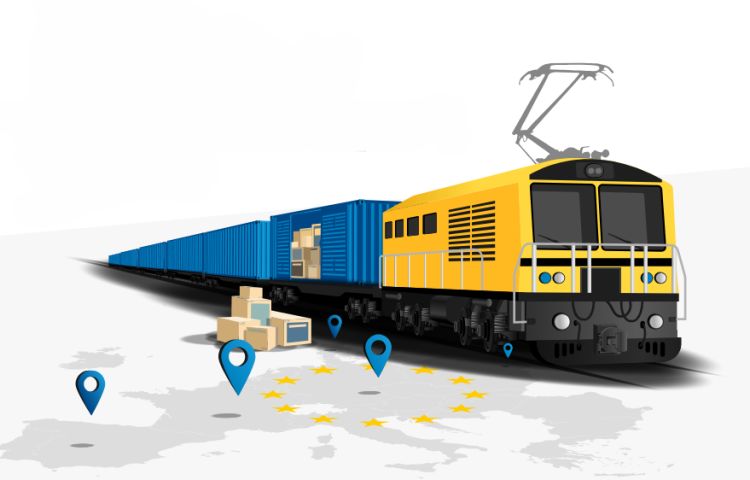
The initiative aims to address the European Commission's goal of increasing rail freight tonne-kilometres by 50% by 2030 and doubling them by 2050.
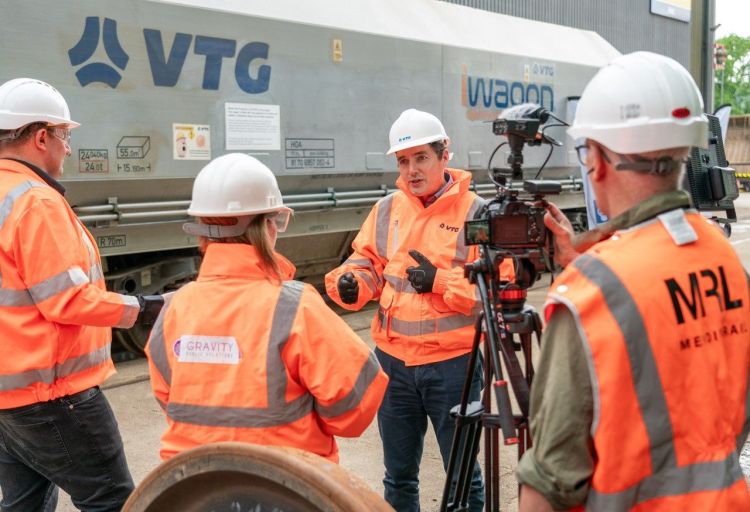
Four companies joined the iWagon presentation for Minister of State for Rail and HS2.
Siemens Mobility is converting the entire 170-kilometre Copenhagen S-Bane network to the highest grade of automation.
The collaboration aims to integrate ATMS with ETCS Level 2 standards, focusing on improving the safety, efficiency and overall competitiveness of rail transport across the country.
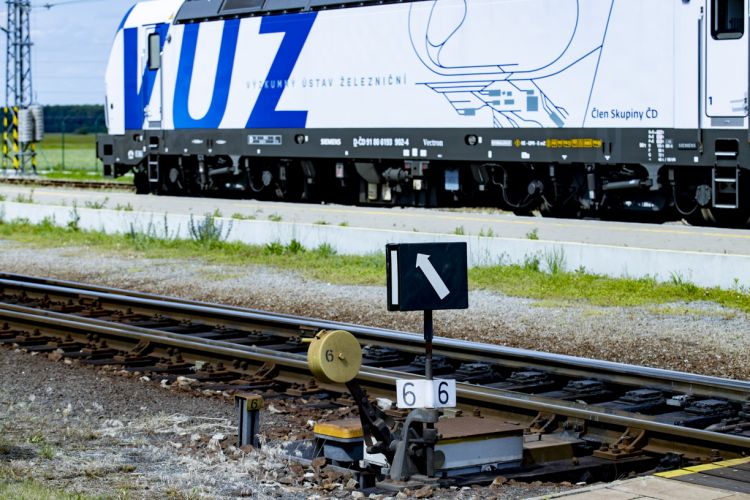
In the rapidly evolving world of railway infrastructure, VUZ stands at the forefront, pushing the boundaries of interoperability and safety assessments.
Using NREL's ALTRIOS software, the partnership aims to optimize these vehicles to reduce energy consumption and greenhouse gas emissions.
The introduction of the system into customer use is a decisive step towards modernizing European rail freight and creating greener, more efficient supply chains.