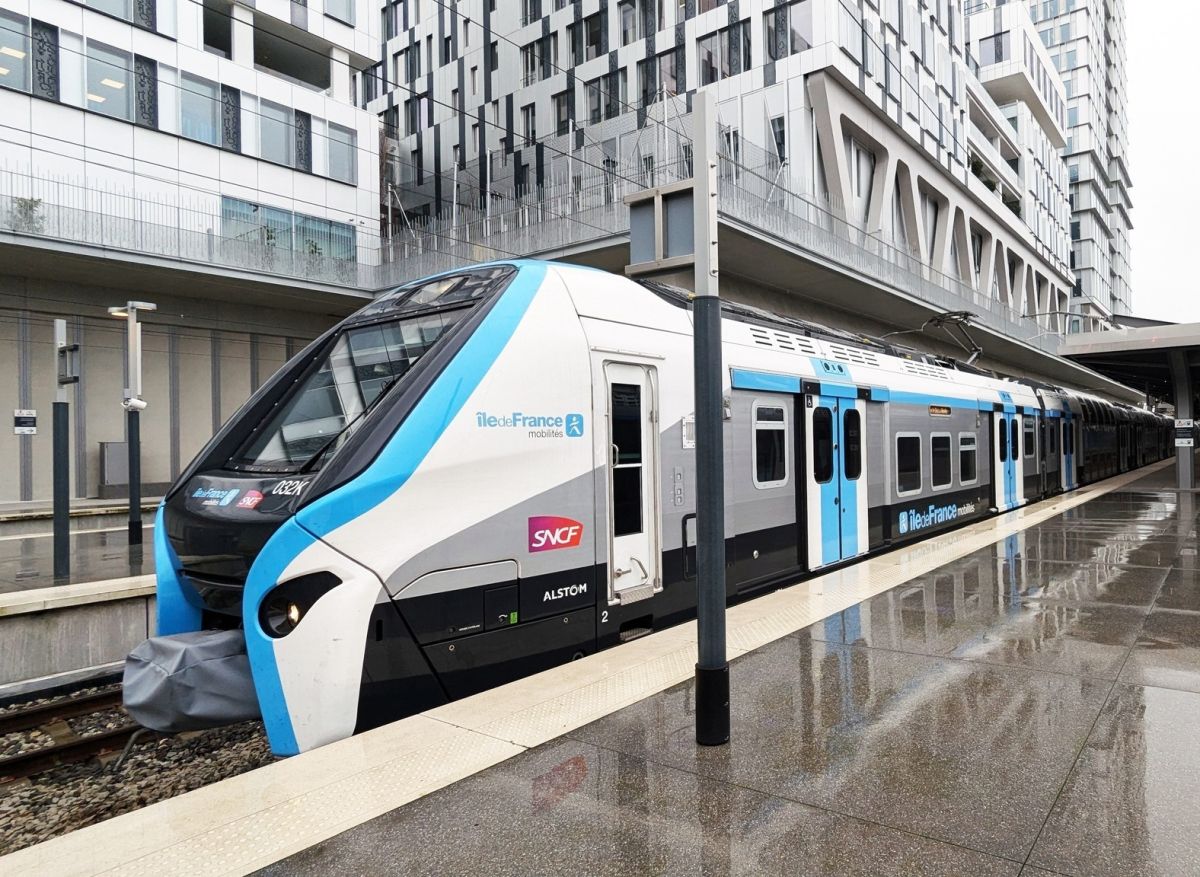
Île-de-France study measures weather impact on rail mobility
The analysis uses two March 2026 surveys and mobility data from 2023 to 2026.
A joint study by ProRail and the Port of Rotterdam Authority has found that rail freight operators in the Netherlands face higher infrastructure costs than competitors in Belgium and Germany due to differences in national subsidy schemes.
SCI Verkehr expects the global metro vehicle market to grow from €17.6 billion in 2025 to €22.9 billion in 2030, with India, Europe and North America offering the main accessible opportunities.
A French government-commissioned report on passenger rolling stock deliveries has identified unrealistic project schedules, increasing technical complexity and certification procedures as key causes of delays affecting railway vehicle supply contracts in recent years.
A consumer survey by SVOD Bohemia, the Czech association of passenger rail operators, puts hard numbers on a question most operators answer with assumption: among people who travel regularly, what keeps them out of trains, and what would bring them in?
Trafikverket will introduce revised infrastructure charges from timetable year 2028, reducing freight track access fees while increasing passenger train charges. The new levels are based on a 2026 marginal cost study by VTI and replace the model used since 2018.
Rail freight traffic on Austria’s network reached 96.2 million tonnes in 2025, up 1.8% year on year, according to Statistics Austria. Domestic transport performance increased by 2.6% to 21.5 billion tonne-kilometres.
The Strategic Architect of Resilience: Petr Krumphanzl on Rebuilding Railways, Logistics and Infrastructure
In 2024, rail transport performance in the Czech Republic reached 10,517 million passenger-kilometers (p-km), marking a recovery to 96.2% of 2019 levels.
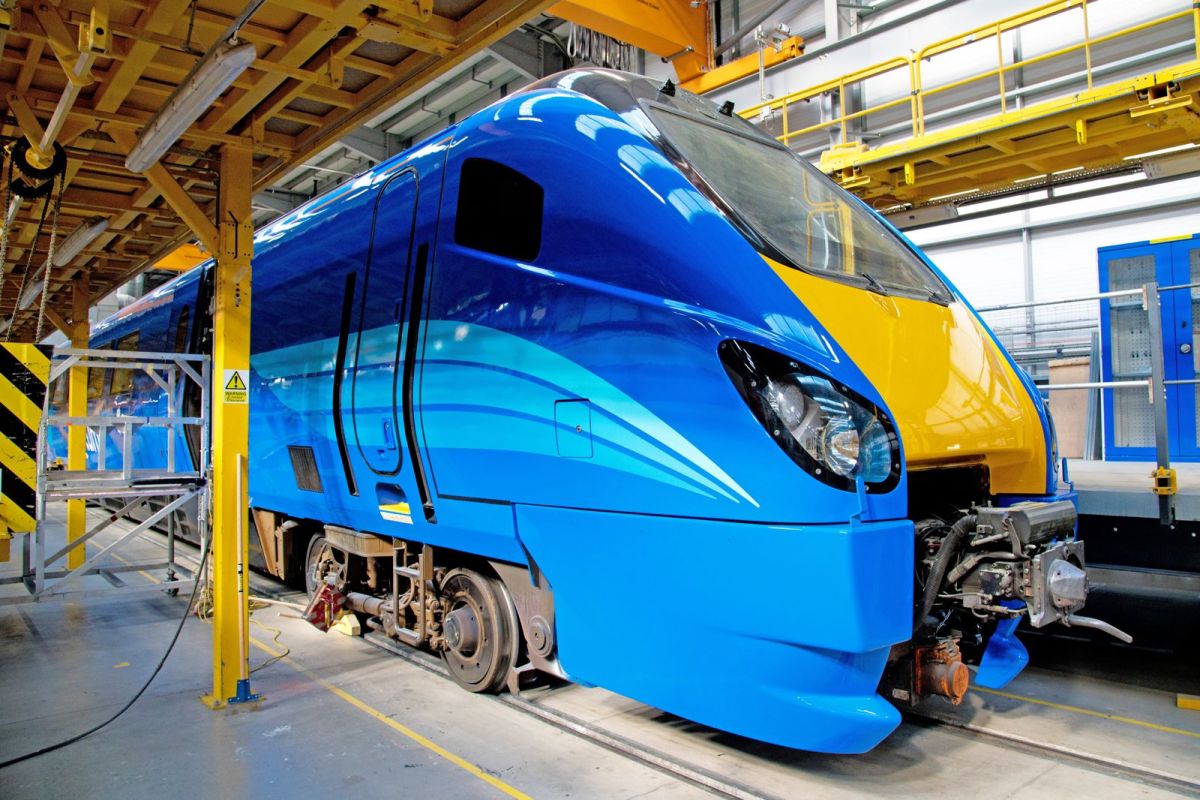
Lumo has revealed the refurbished Class 222 trains that will operate its new West Coast open access service between Scotland and London.
The analysis highlights Asia and Europe as the main centres of activity, driven by high-speed rail expansion, urban metro construction and corridor upgrades.
The study reviews flagship intercity connections in 13 European countries, offering a rare cross-border view of how speed, pricing models and passenger affordability interact.
Volumes in other freight segments remained broadly stable.
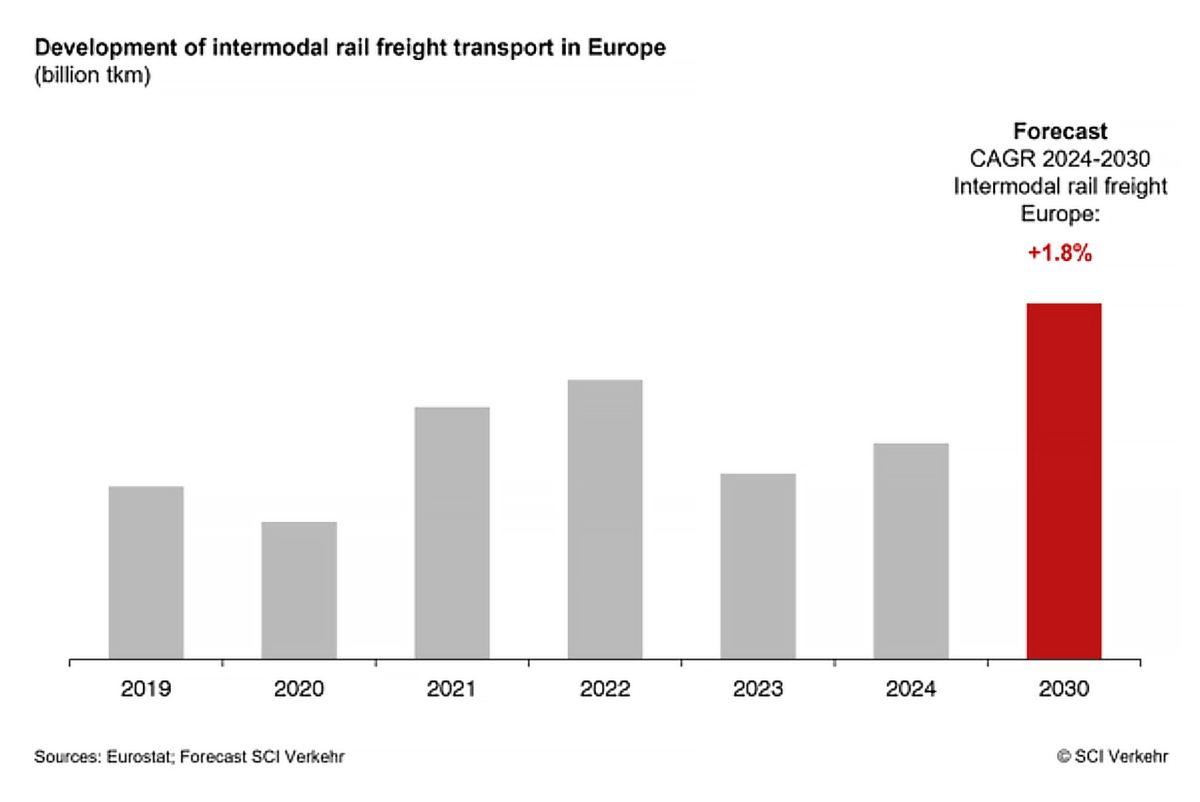
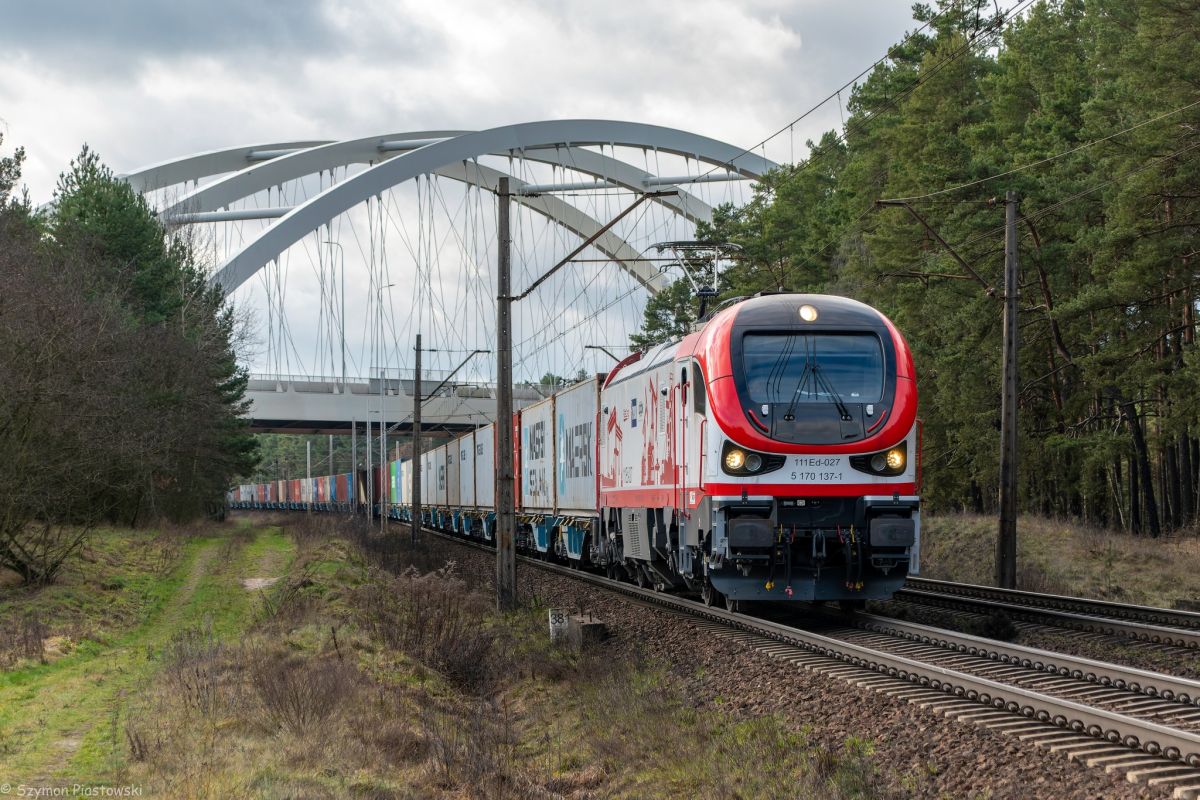
European intermodal rail freight remains a stabilising pillar of rail transport, but growth is no longer broad-based. New SCI Verkehr's market data show expansion concentrating on specific corridors, customers and business models.
The new Polish Rail Transport Office (UTK) consultation was carried out between June and July 2025 and, for the first time, included not only rail freight operators and customers but also the national infrastructure manager PKP Polskie Linie Kolejowe (PKP PLK) and organisations representing road haulage.
353 trains in total: Wave of new tenders for battery and electric trains from České dráhy, RegioJet, LeoExpress and Arriva
A new study on rail freight in North America highlights structural trends affecting the sector, from cost pressures to capacity management. While the analysis focuses on the US and Canada, many of the findings are increasingly relevant for European rail freight markets as well.
Why subsidies alone cannot save European rail freight's backbone — and what the American short line model teaches us.
Diesel locomotives continue to dominate rail freight operations despite growing interest in alternative drives, according to a new study by SCI Verkehr. High costs and complex approval procedures are slowing the transition, particularly in Europe.
The financing arrangement supports the operator’s plan to replace older rolling stock used on overnight routes.