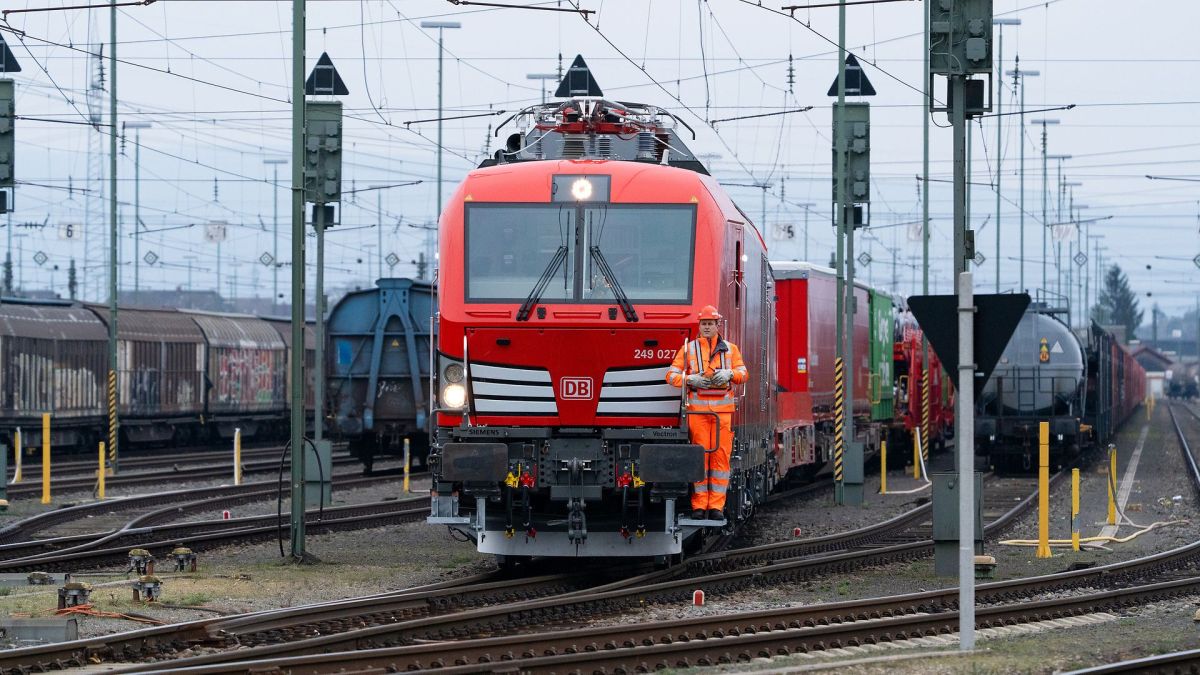

Deutsche Bahn returns to positive operating EBIT in 2025, but DB Cargo declines in volumes and revenue
Deutsche Bahn reported a positive adjusted EBIT of EUR 297m in 2025, compared with a loss of EUR 333m the previous year.
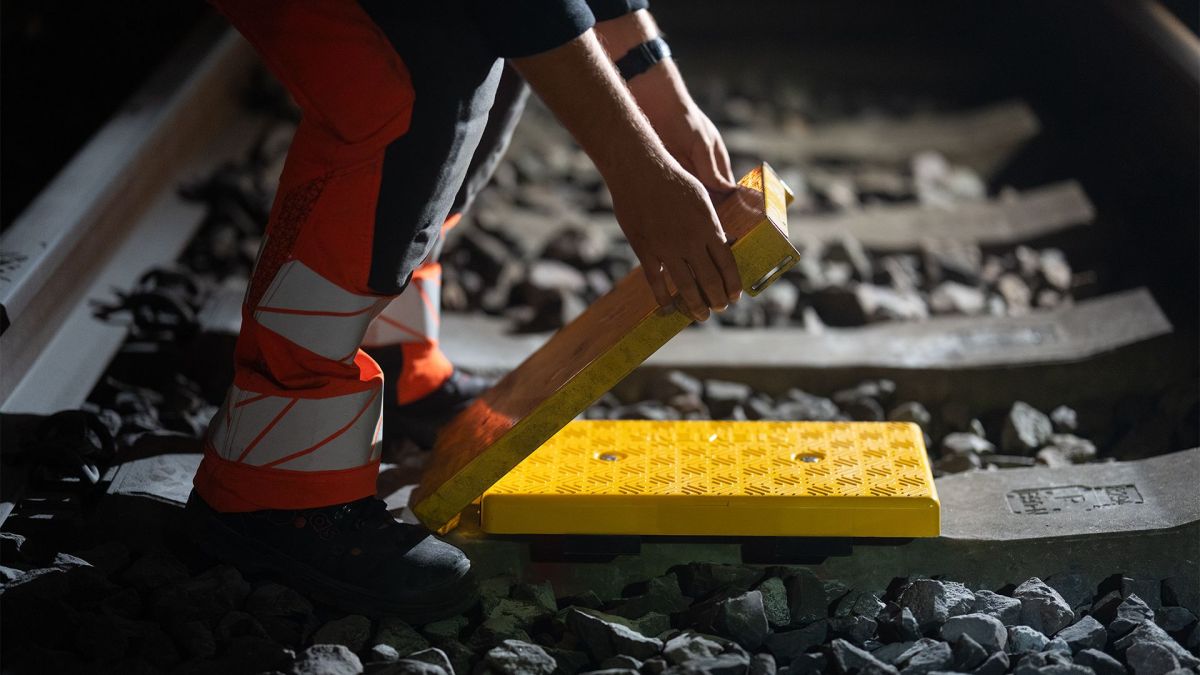
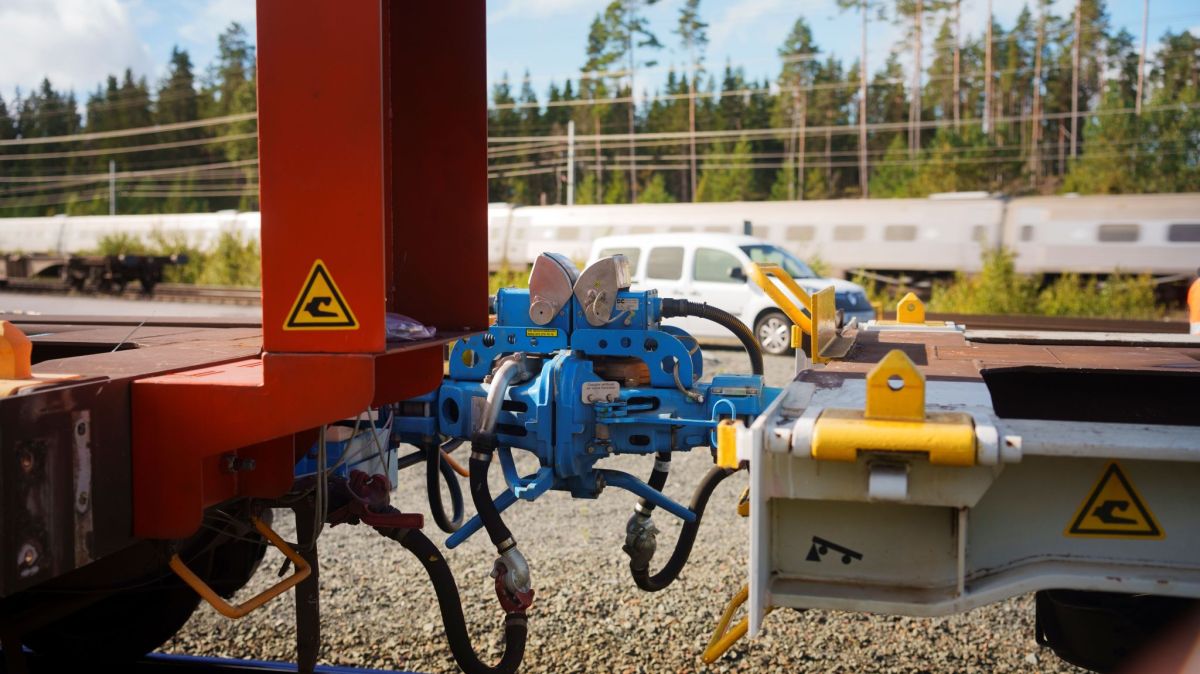
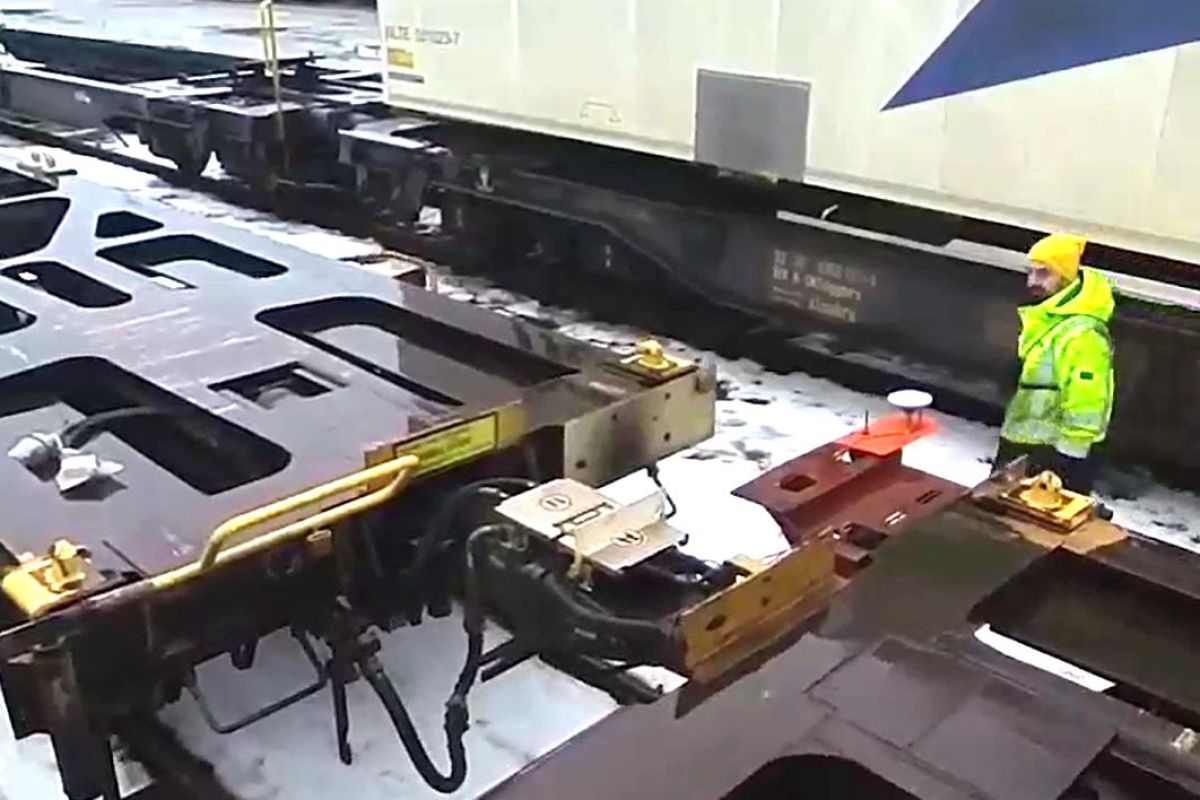
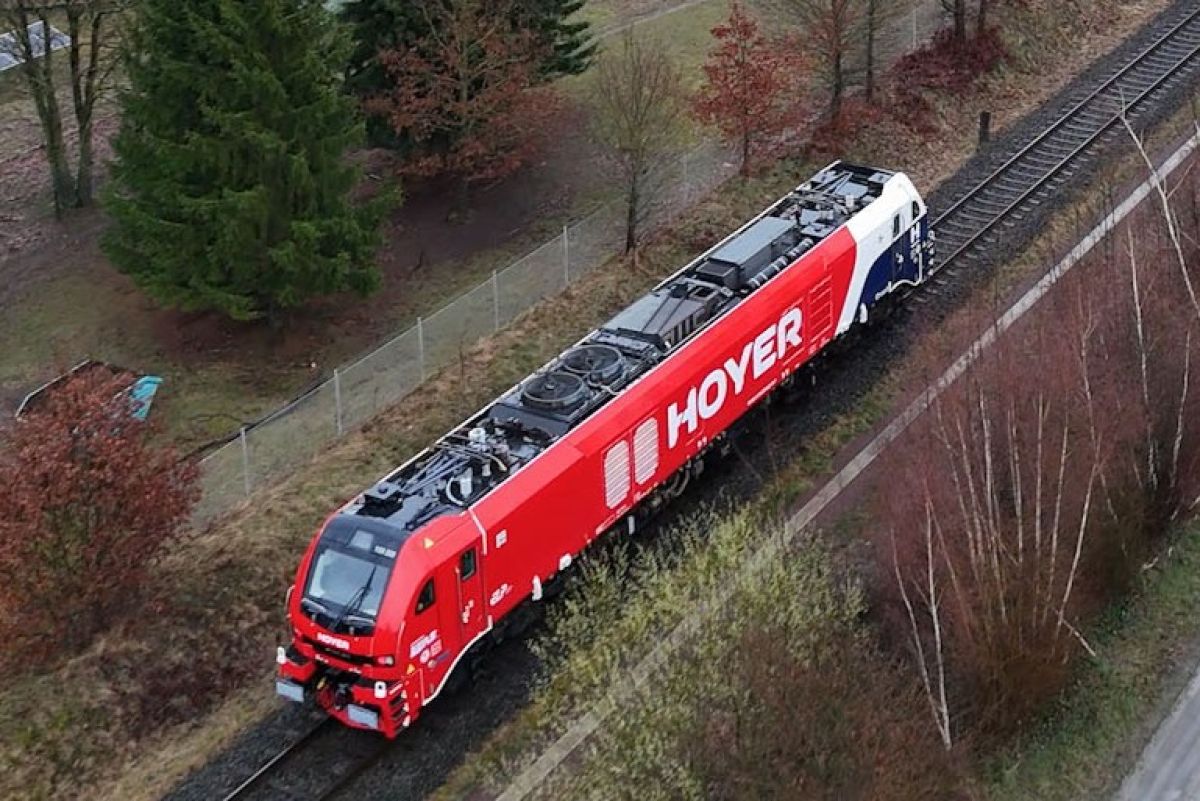
The DAC4EU project has completed its first commercial test run with a locomotive equipped with a Hybrid Digital Automatic Coupler (Hybrid-DAC).
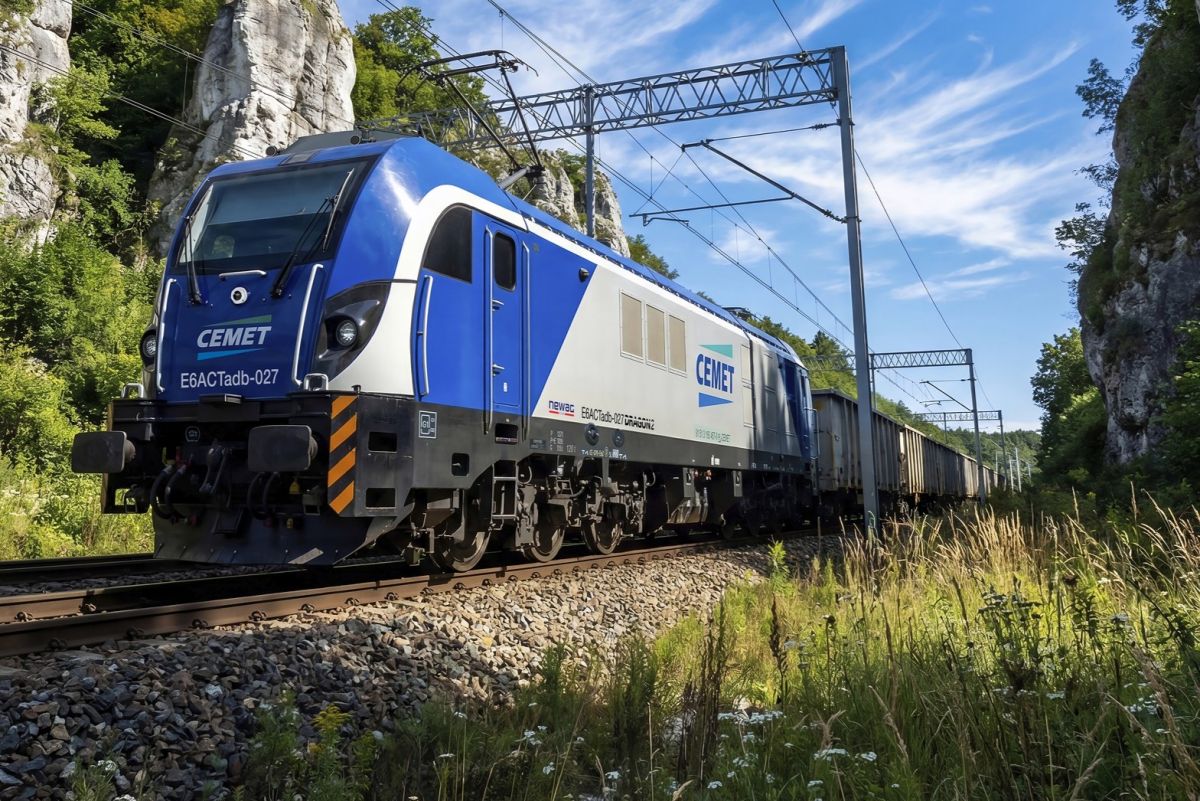
The locomotive will be deployed in international freight operations across Europe.
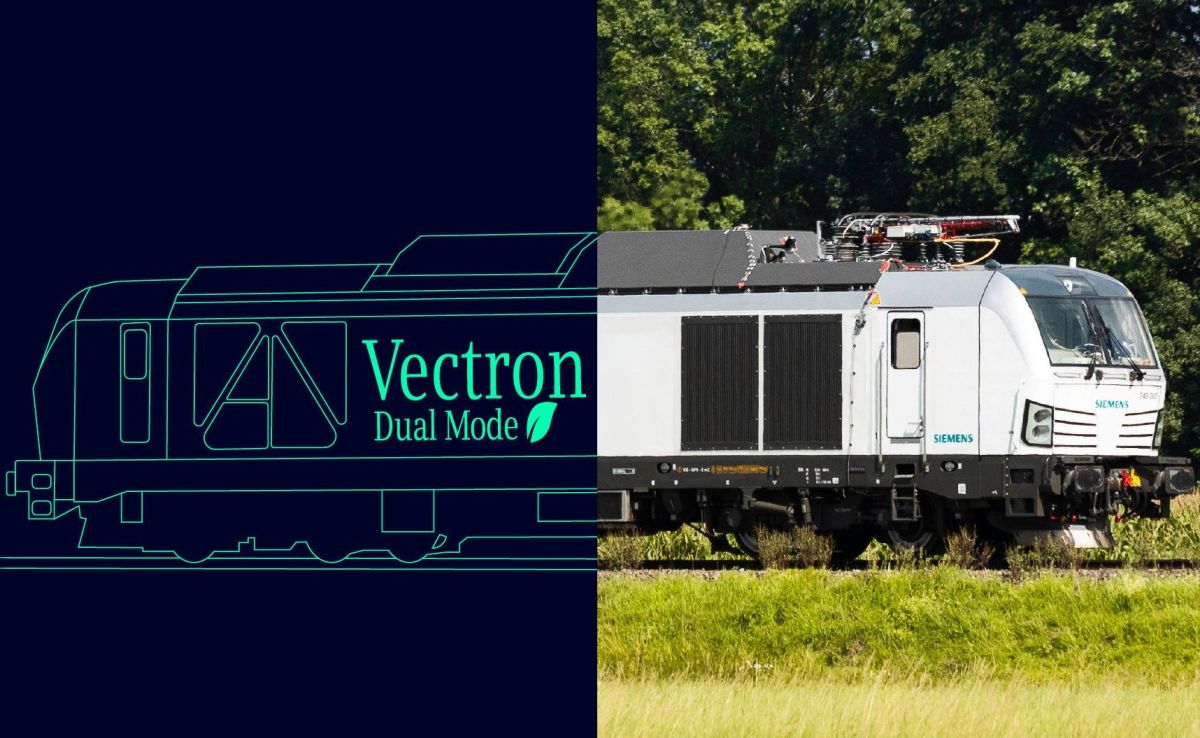
This allows operation in tunnels, dense urban areas or environments affected by signal interference.
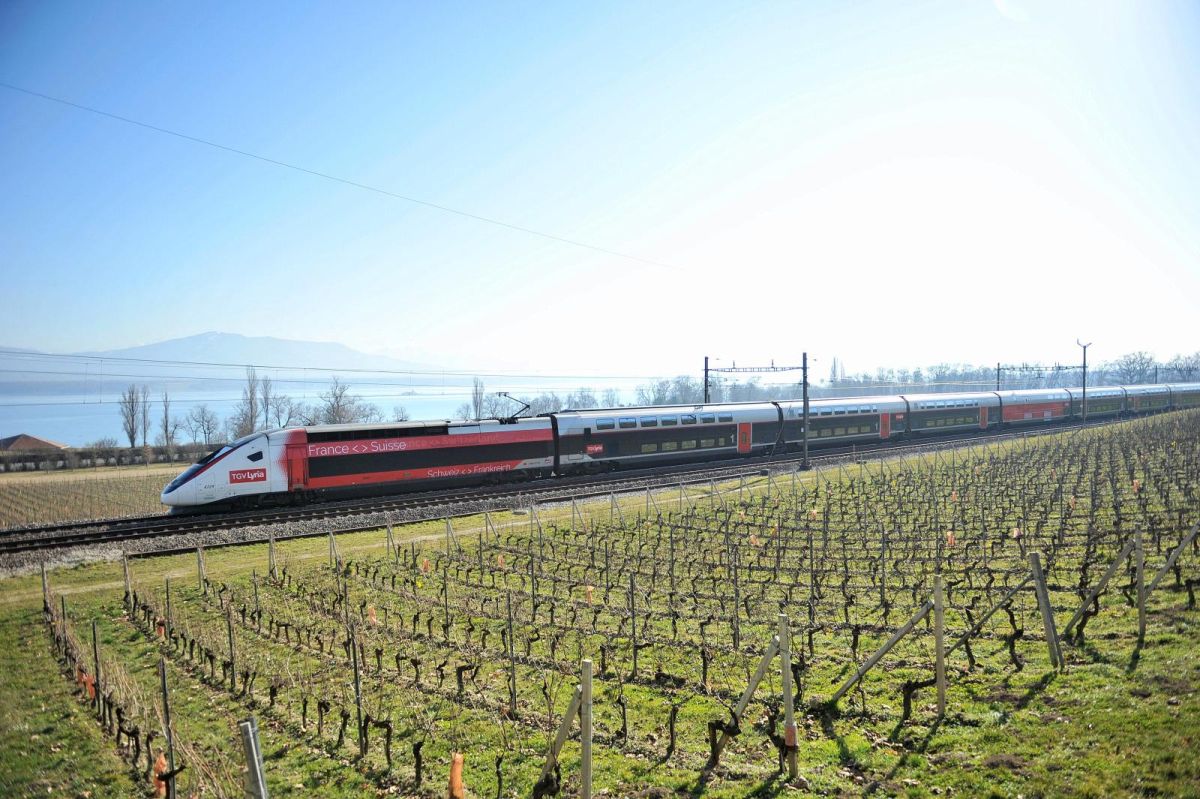
The agreement secures continued joint operation of TGV Lyria high-speed services between Switzerland and France, a cooperation that has been in place for more than 45 years.
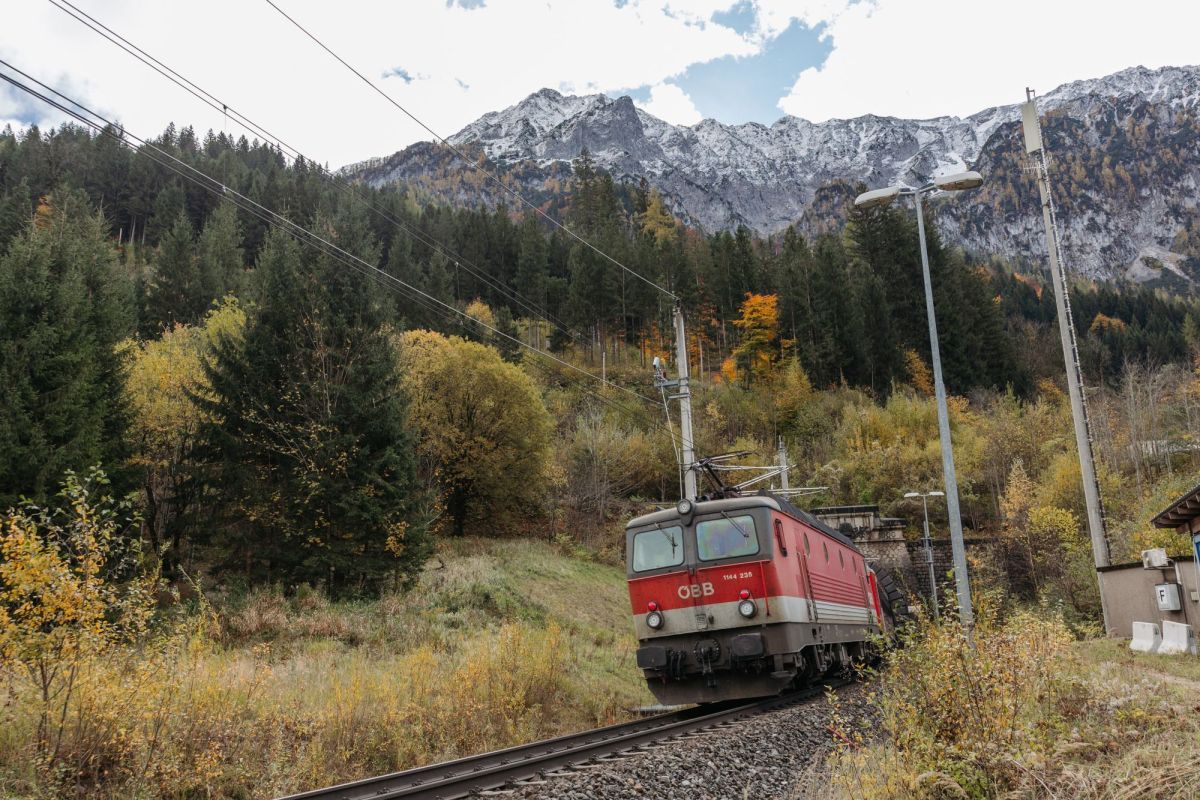
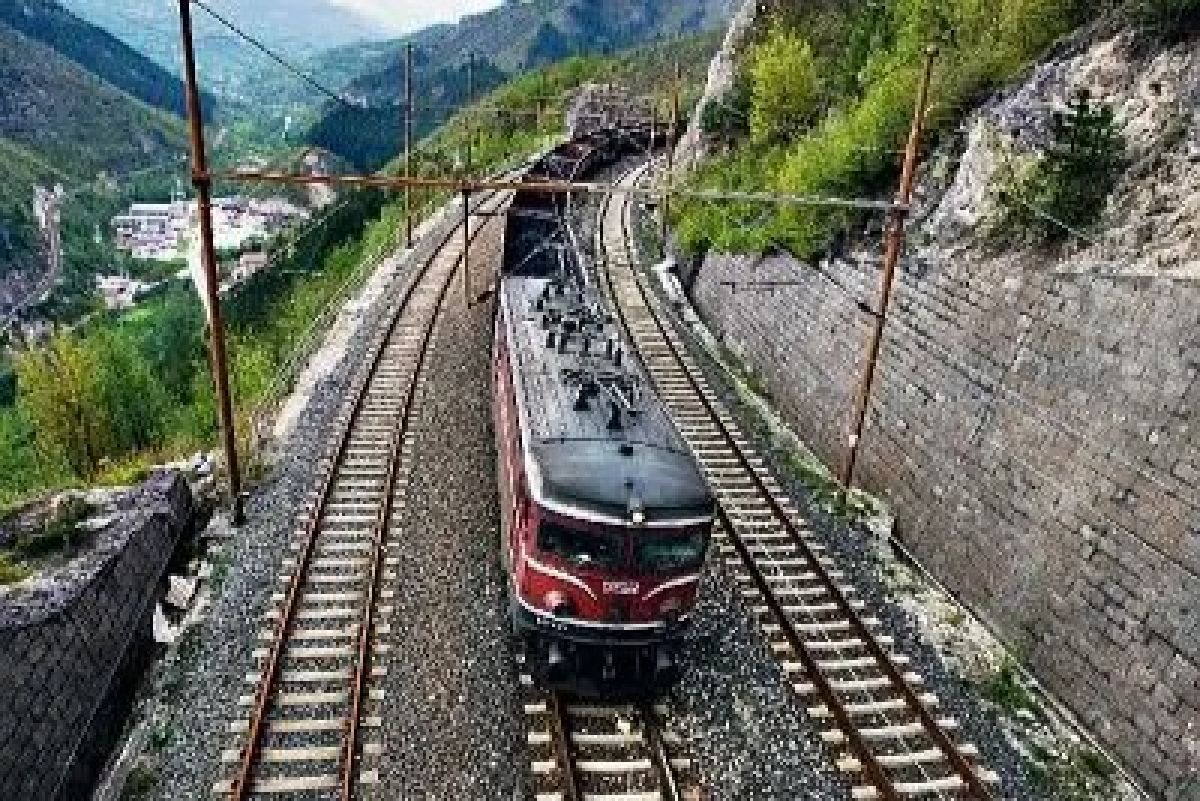
The new tunnel forms part of the modernisation of the Pyhrn line, a core corridor linking Upper Austria and Styria with Germany, Italy and Adriatic and North Sea ports.
The projects, completed during the year, created more than 1,200 jobs across industrial, agricultural and consumer sectors.
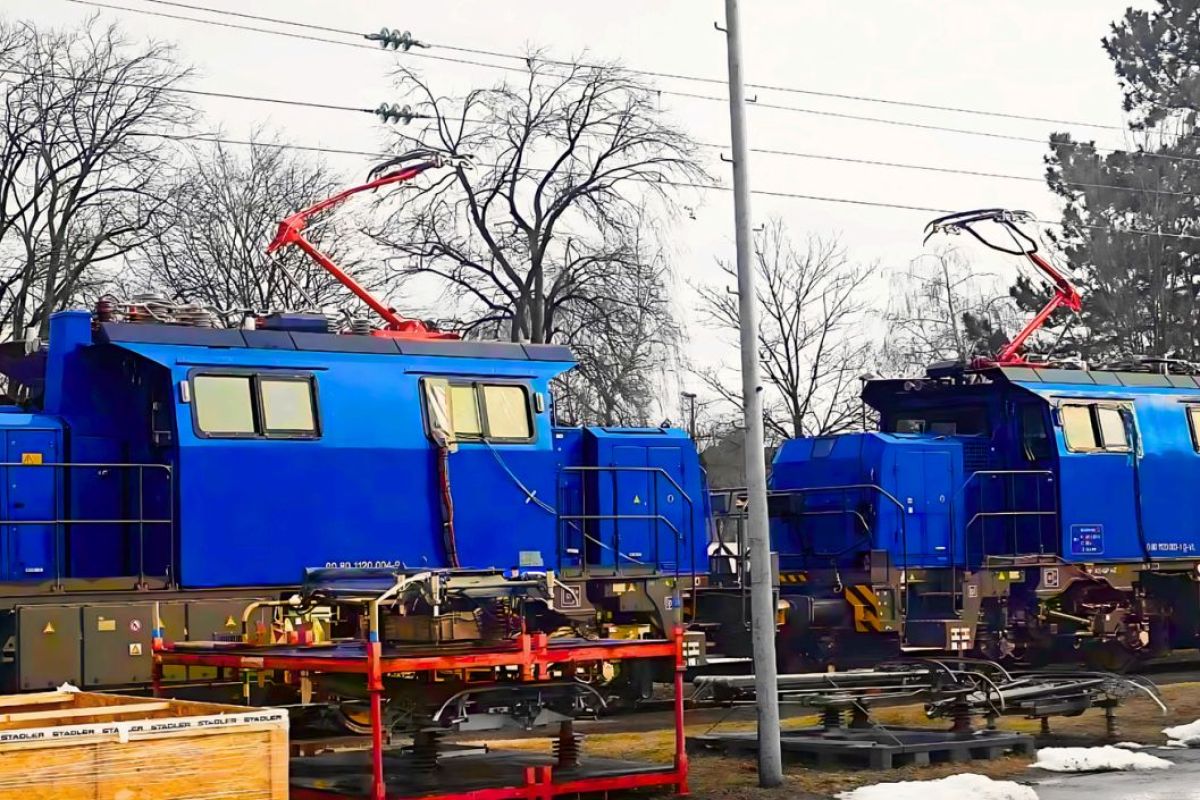
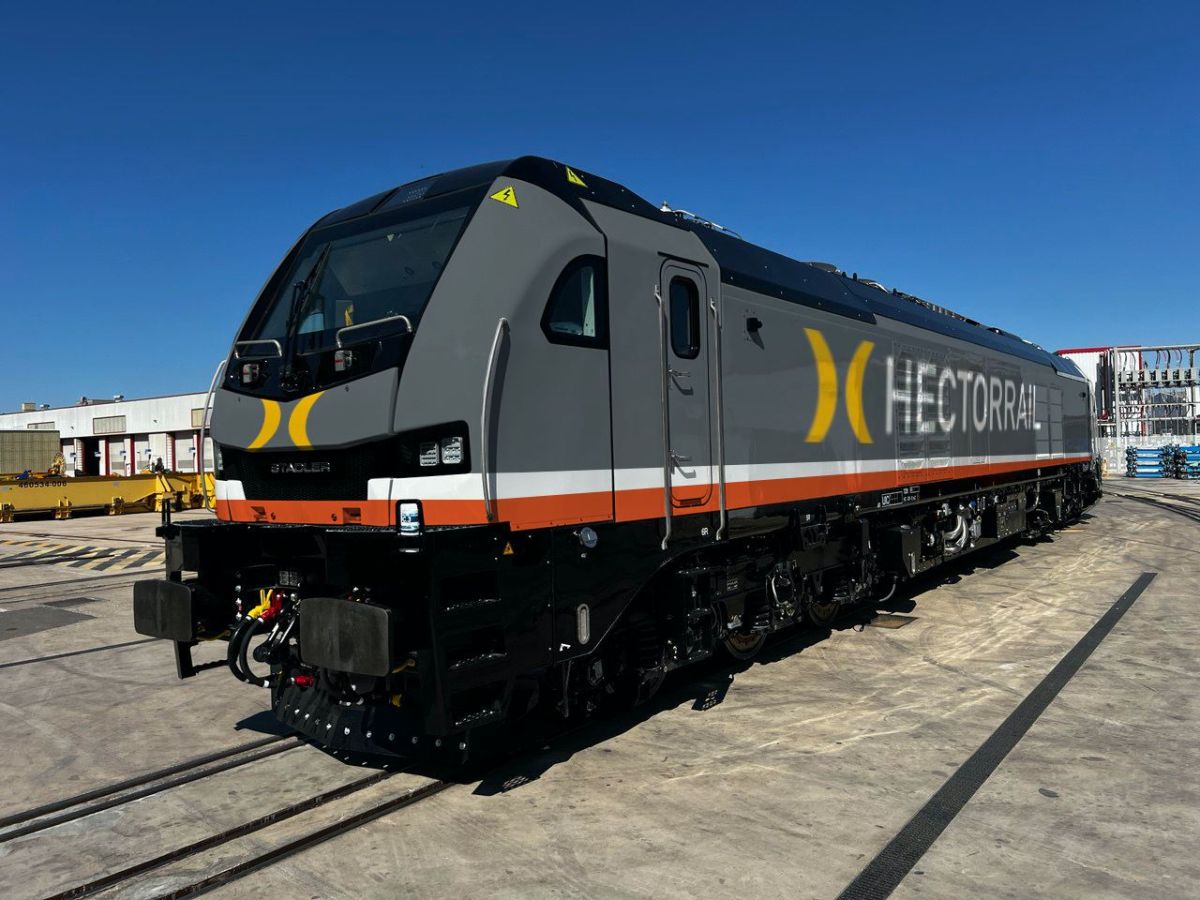
The locomotive is one of 16 that Alstom manufactures for Romanian ARF.
The line will serve 11 passenger stations and forms part of the federal programme to modernise Mexico’s passenger rail infrastructure.
The group is seeking recognition of the scheme in the post-2027 Connecting Europe Facility programme.
The contract, valued at EUR 57.3m, is financed through a loan from the European Investment Bank (EIB).
The review will assess whether changes to the line’s 360 km/h design specification could save billions of euros and bring passenger services into operation earlier.
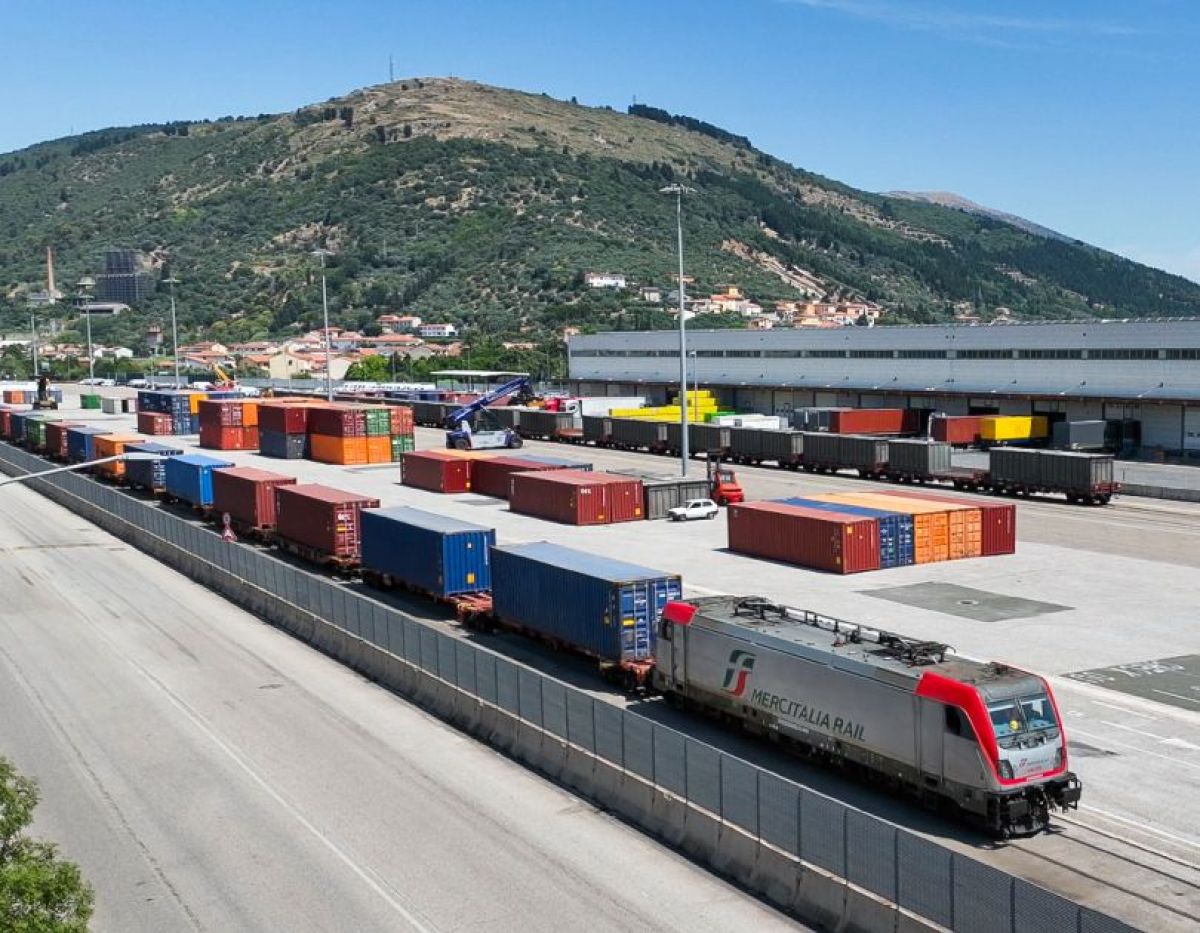
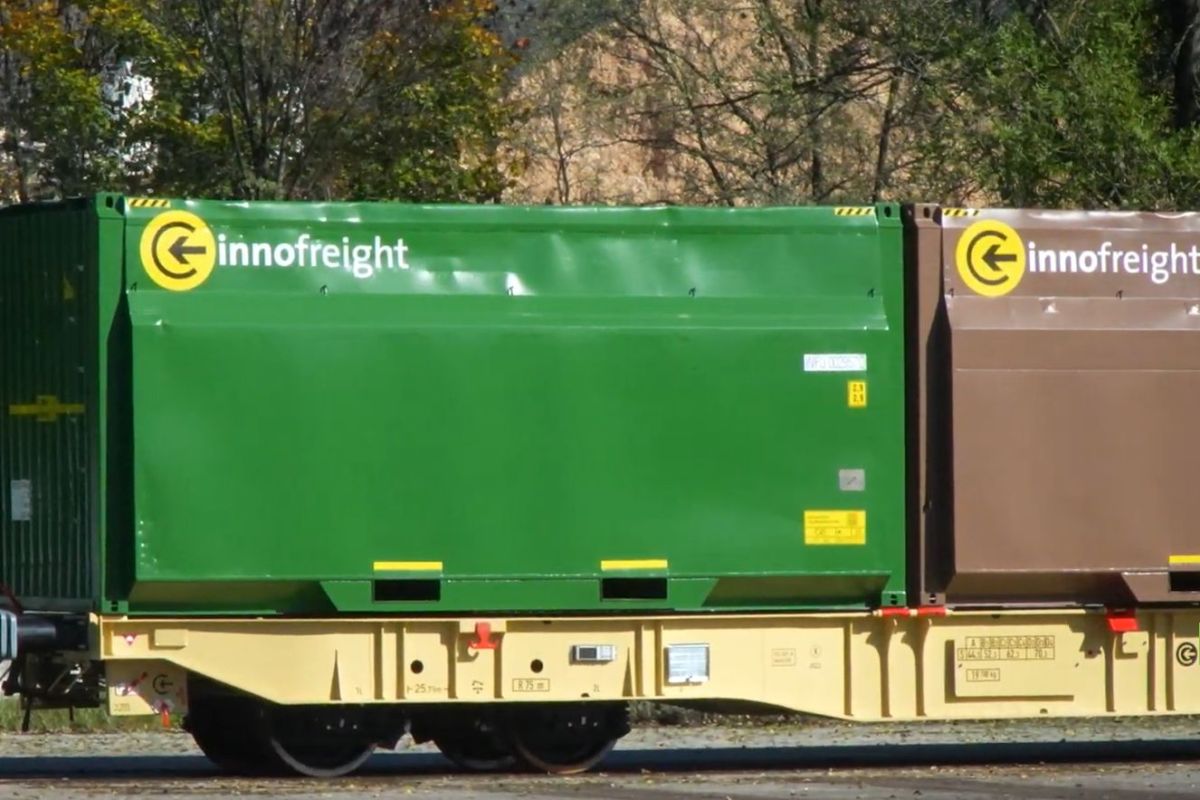
The connections are operated in partnership with Logtainer.
The base contract is valued at EUR 1.362bn, with the total investment reaching EUR 1.777bn if all options are exercised.
The tests were carried out under Europe’s Rail Joint Undertaking within the TRANS4M-R project and focused on mechanical performance, wear and operational safety.
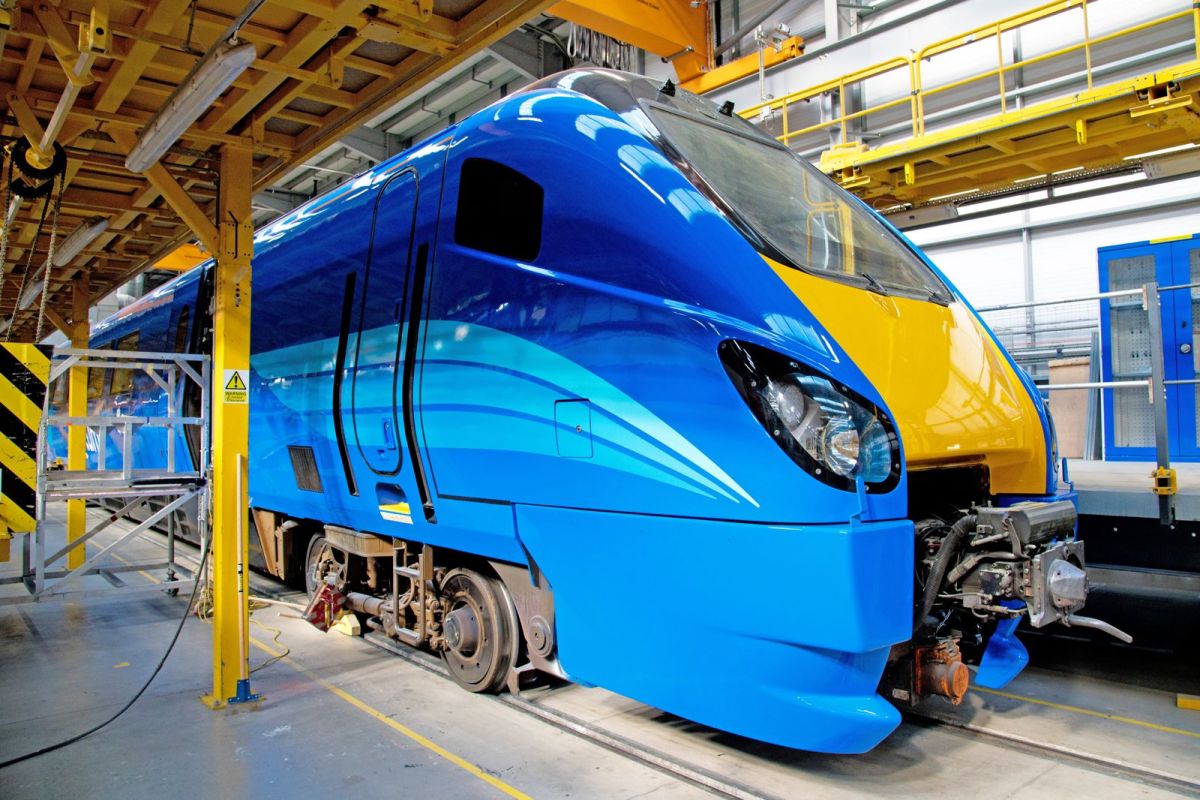
Lumo has revealed the refurbished Class 222 trains that will operate its new West Coast open access service between Scotland and London.
The company indicated that volumes from several regional firms would be consolidated to build regular services.
The five-year contract was awarded at approximately EUR 17m, excluding infrastructure charges.
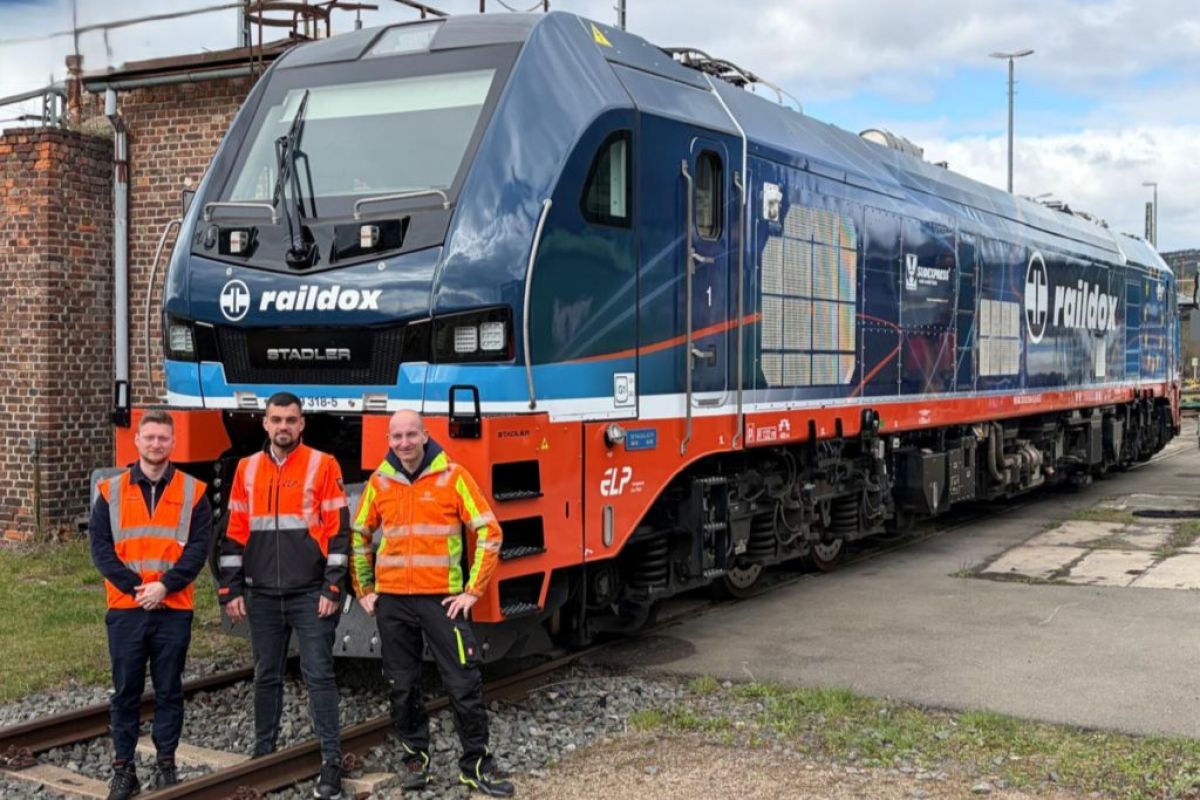
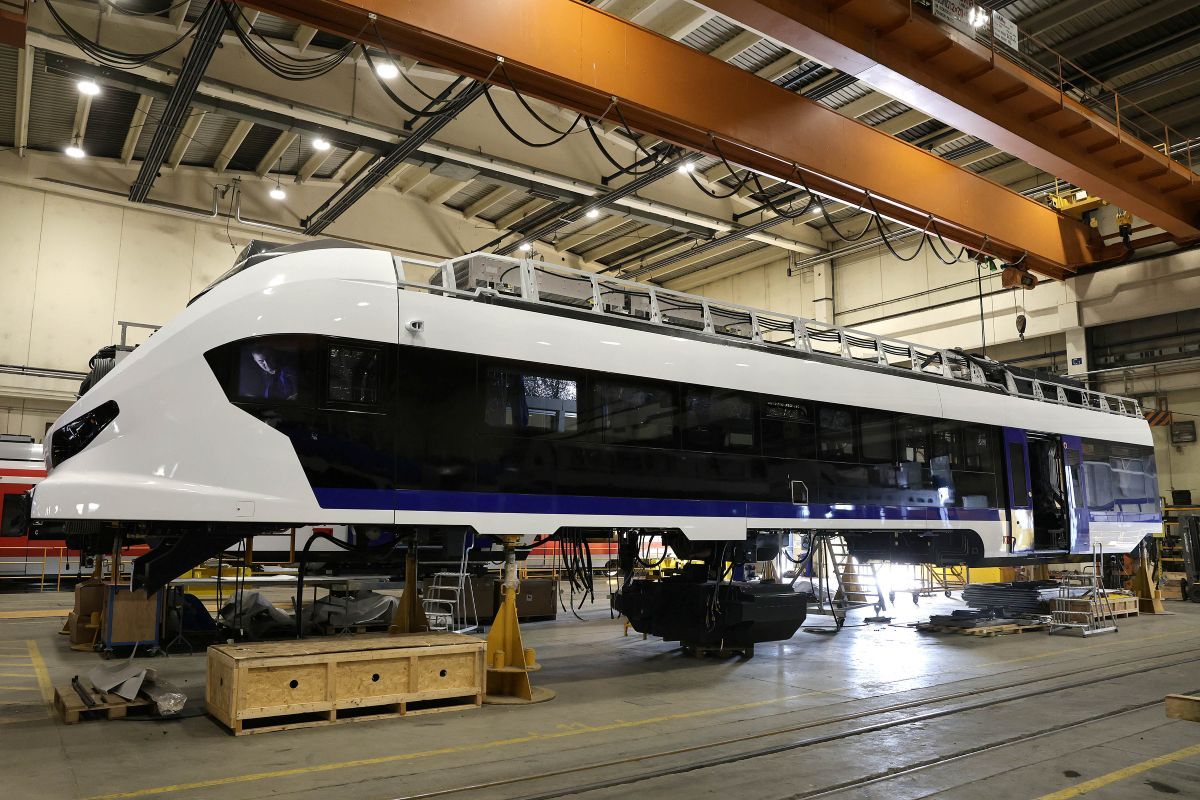
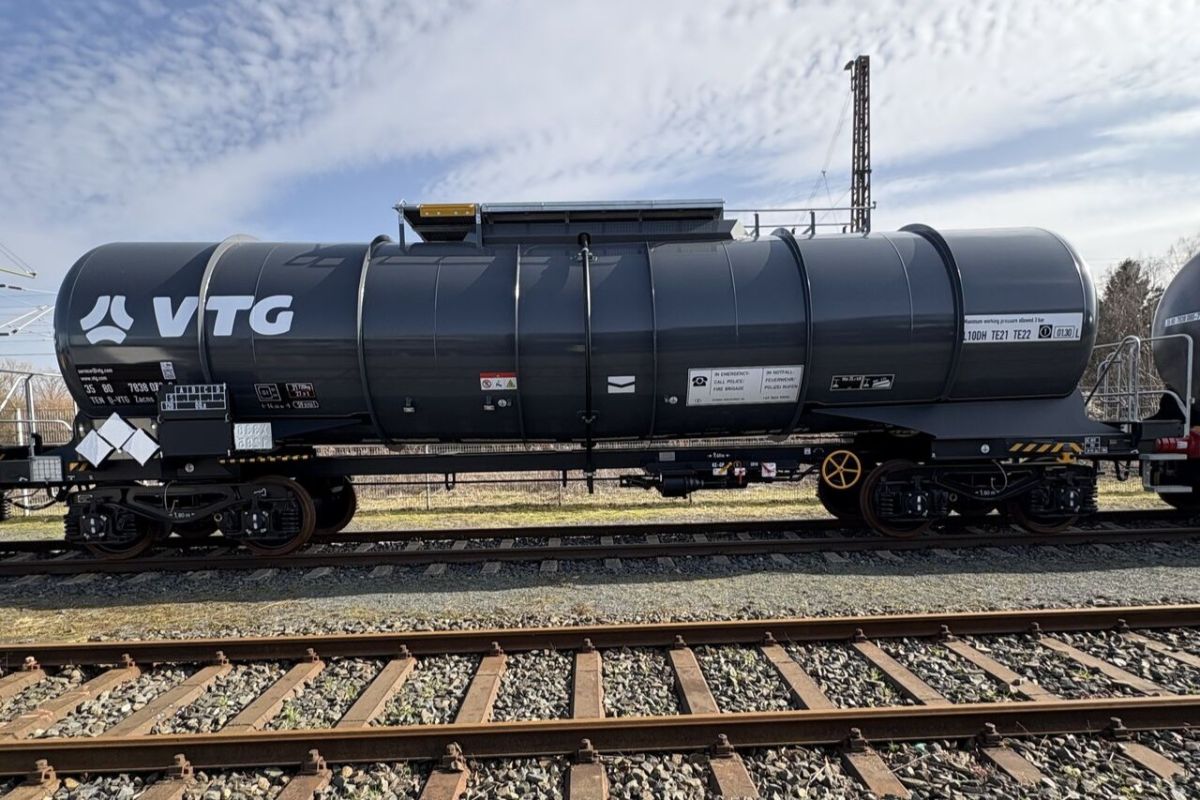
The acceptance took place at the manufacturer’s site, where Evonik representatives inspected the vehicles prior to entry into service.
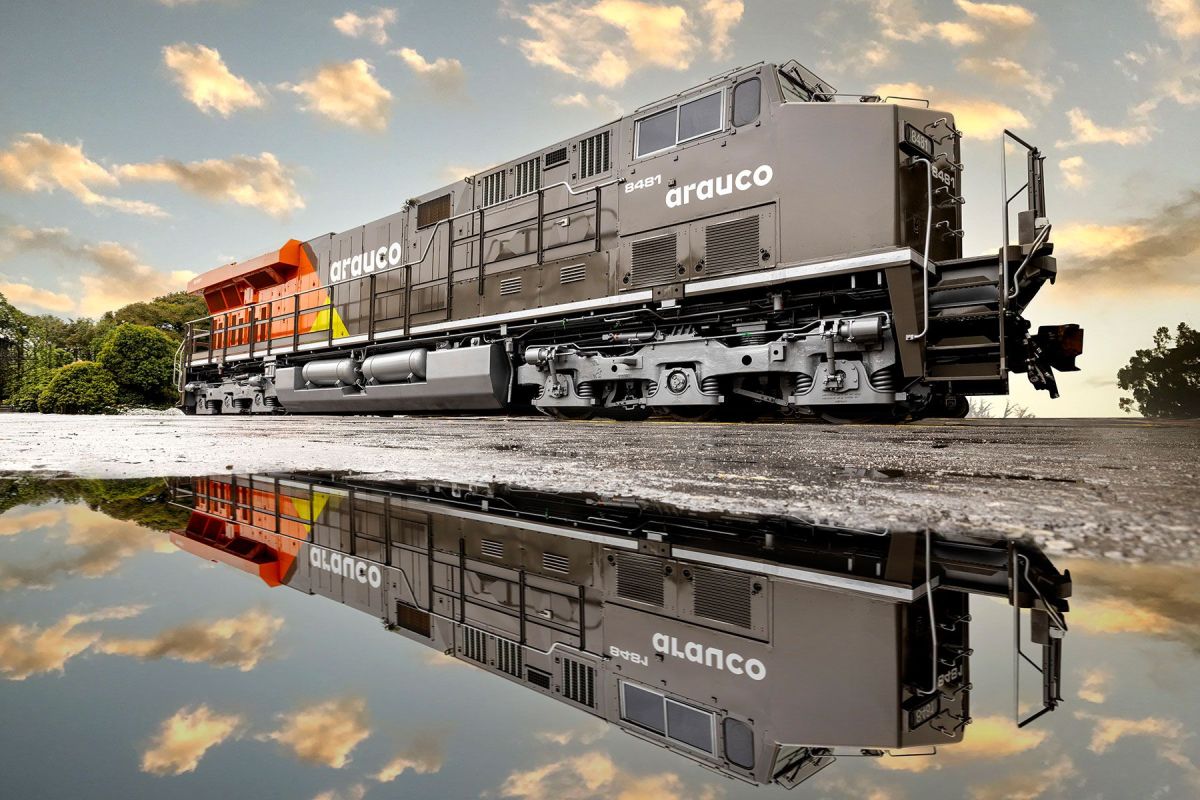
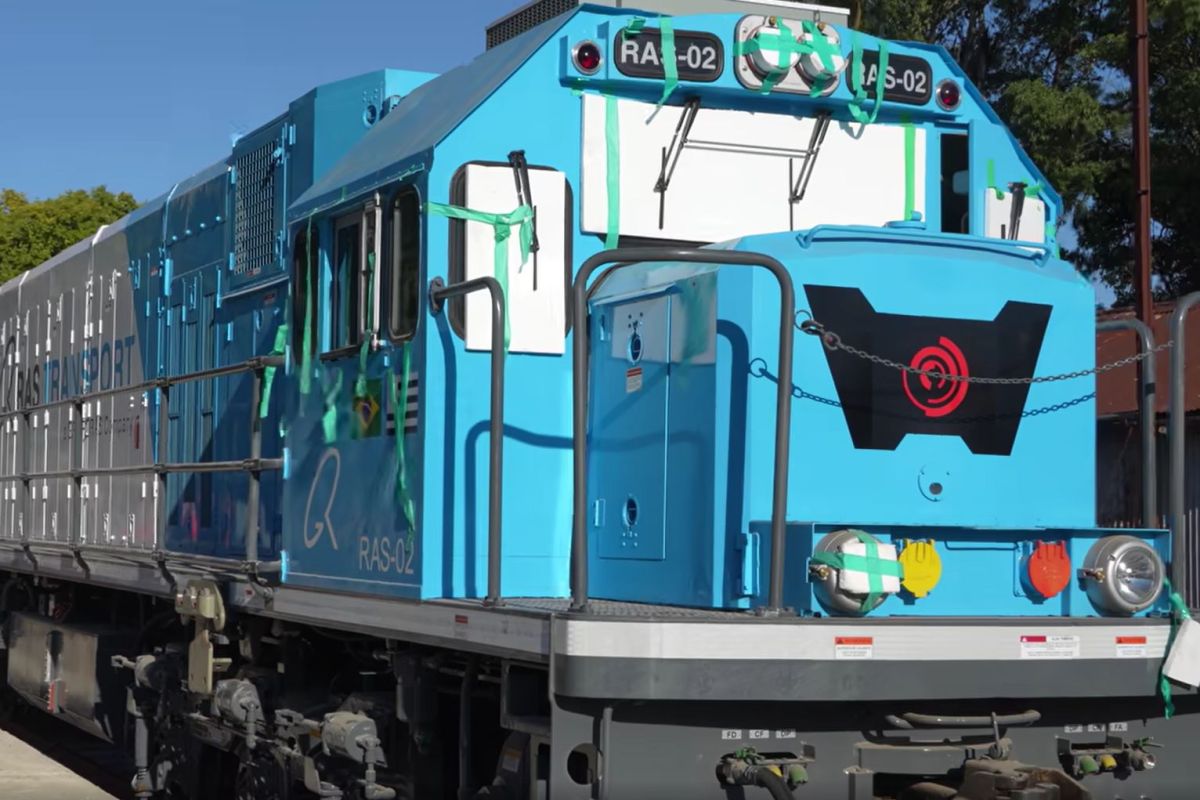
The locomotives will operate on a dedicated freight corridor linking Arauco’s pulp mill under construction in Inocência, Mato Grosso do Sul, to Brazil’s national railway network.
The project represents the largest biomass-based rail logistics operation currently underway in the Czech Republic.
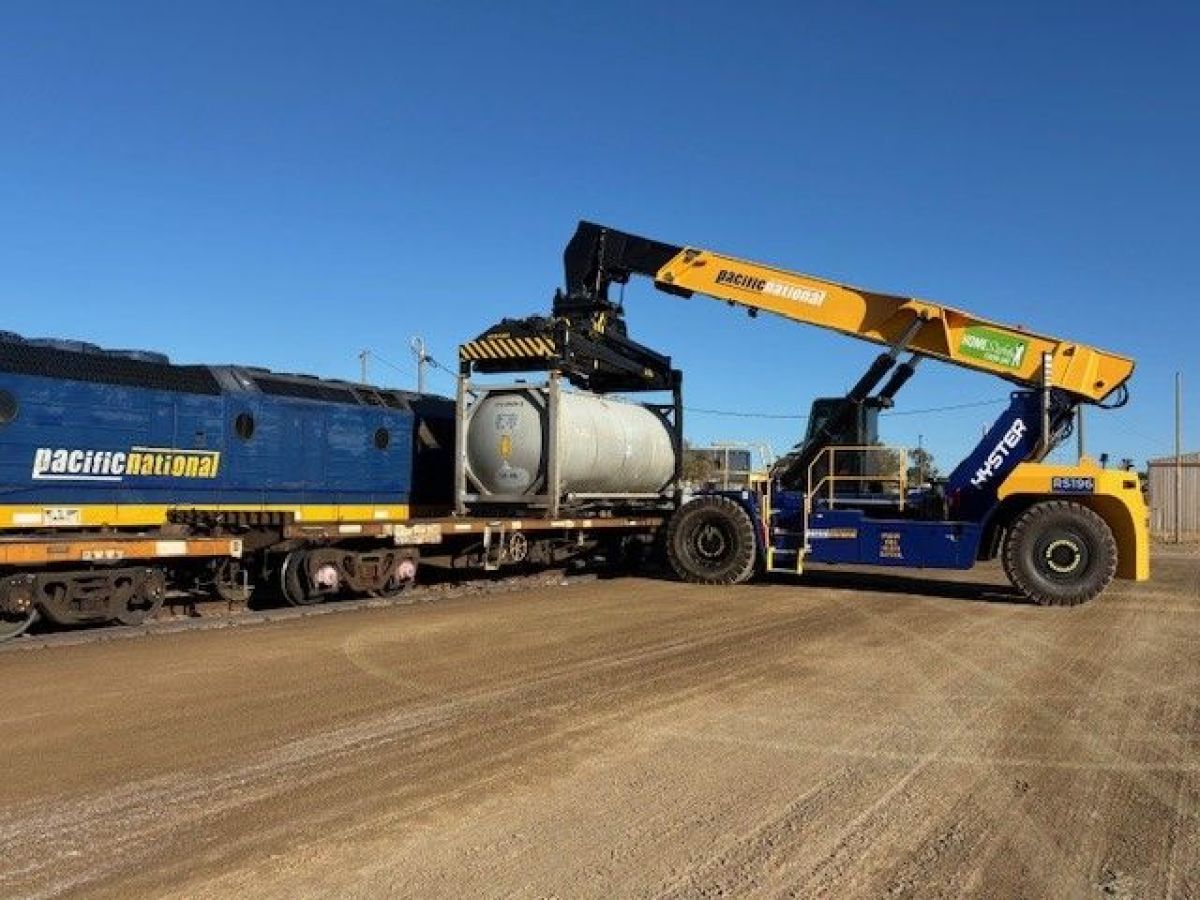
The operator said the terminal is designed to increase capacity and improve reliability for services between Perth, Kalgoorlie and the east coast.
The fixed order of 50 can rise to 80 locomotives in option; first deliveries are scheduled for 2029 and 2030.
Work is scheduled to start in 2026 and conclude in 2029, with contract signature expected on 26 March 2026 if no appeals are lodged during the ongoing standstill period.
The framework applies from 30 March 2026; the TBER will remain in force until 31 December 2034, while the LMT Guidelines have no fixed end date.
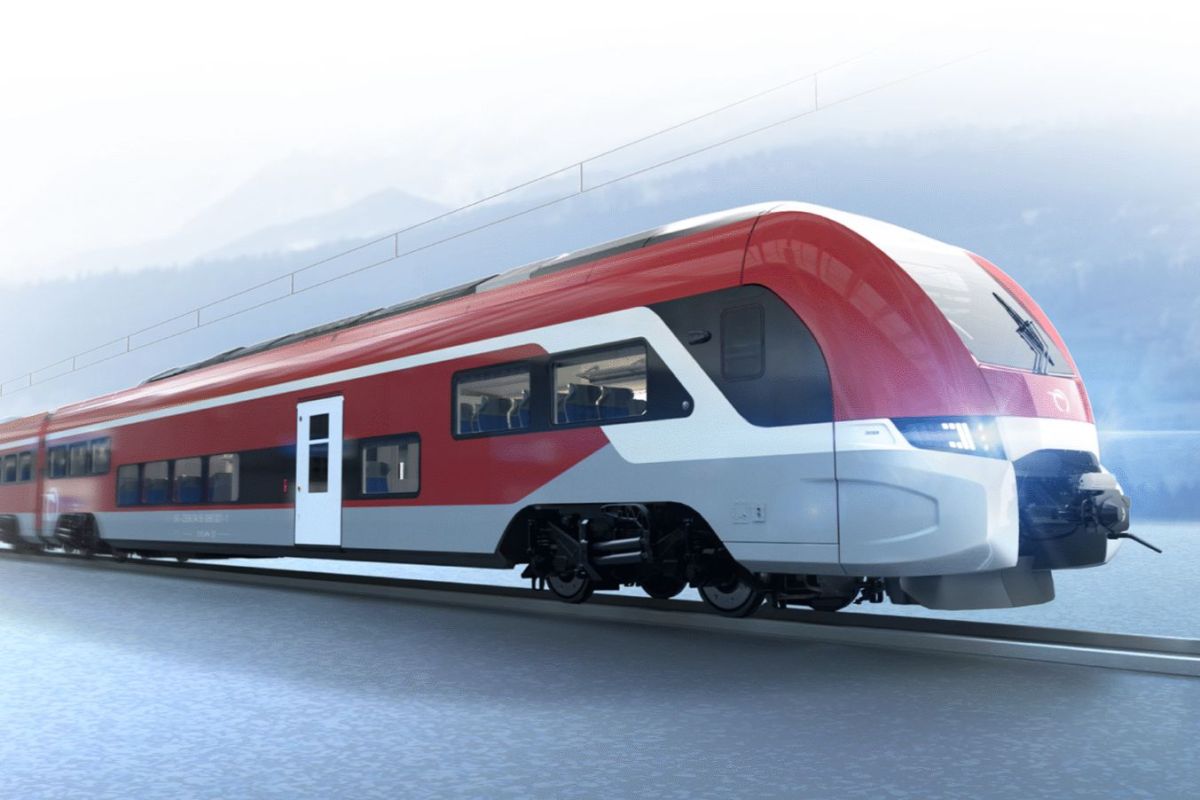
The train will be built in Hamburg and is scheduled for delivery in summer 2027.
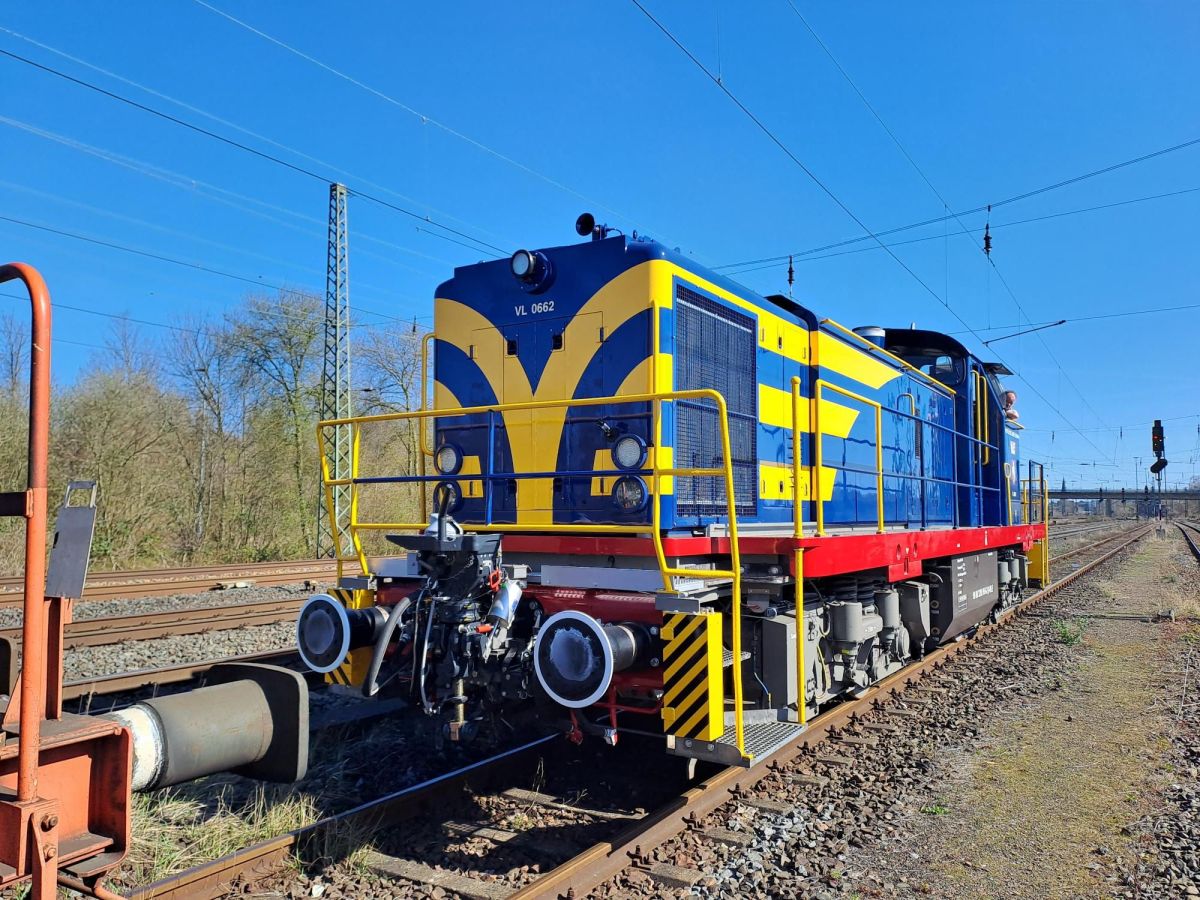
The contract covers dedicated switching services at the 24-hour operation producing Arm & Hammer baking soda.
The agreement, valued at EUR 800m (CAD 1.3bn), runs until 2031.
The figures represent year-on-year increases of 32% in train movements and 25% in volume.
The programme has been running since the start of 2026 and includes two Modula-EBB units.
Deliveries are scheduled for 2027 and 2028.
The train will run in commercial service to test and gather operational experience with DAC under Norwegian conditions.
ZSSK has completed the evaluation of bids, with the consortium as the sole compliant bidder.
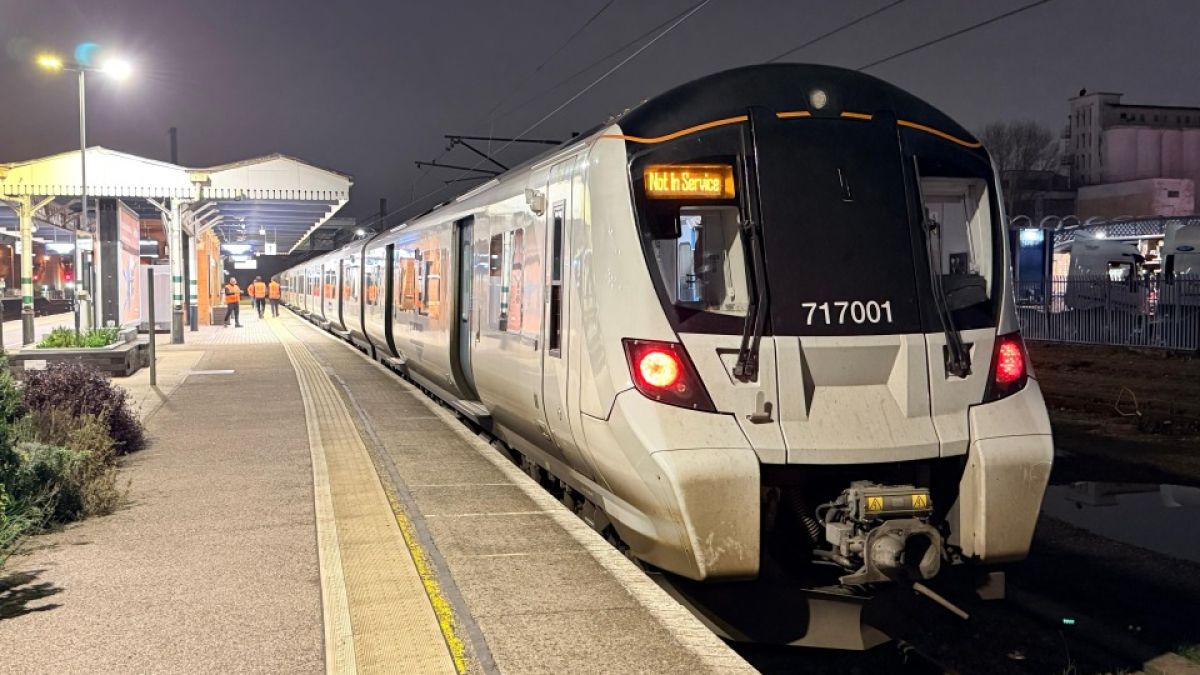
Passenger kilometres rose 3% year-on-year to 16.7 billion, while inflation-adjusted revenue increased 2% to GBP 3.1 billion (EUR 3.6bn).
The tests, carried out under heavy freight loads and on demanding gradients, will inform future investment decisions on the operator’s locomotive fleet.
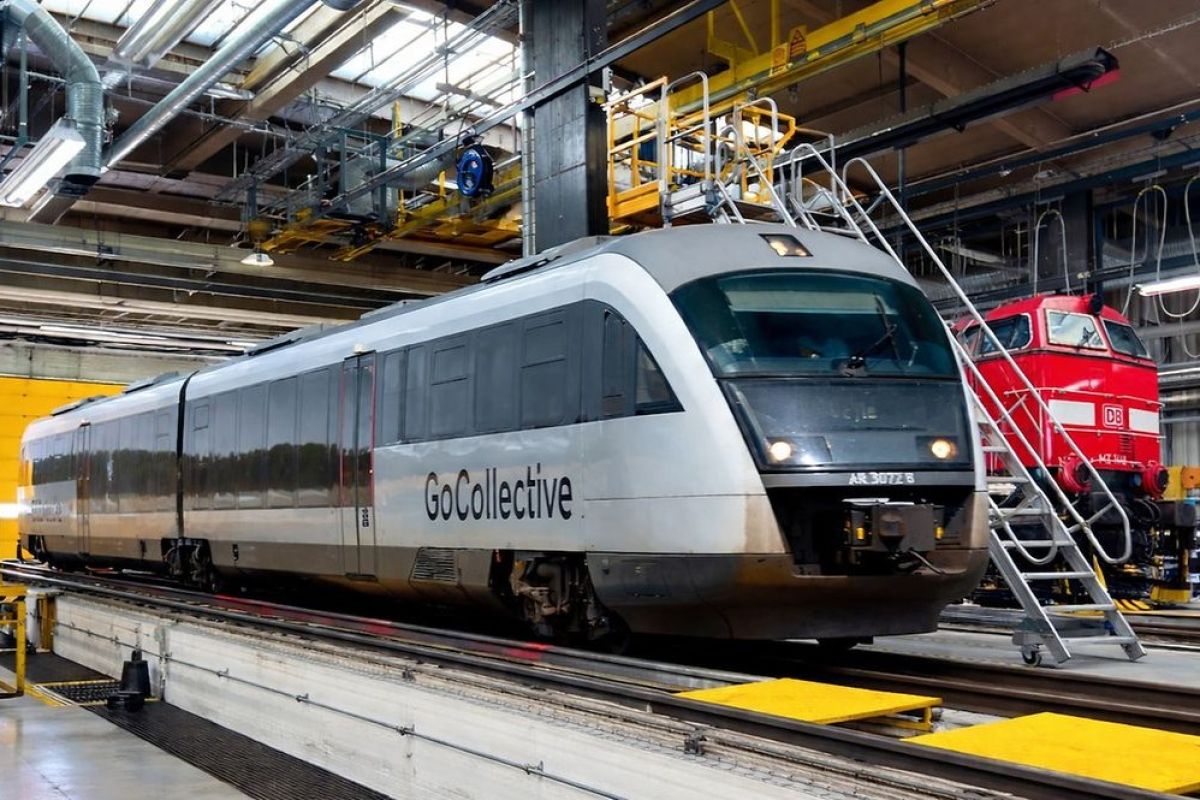
The Desiro trains form the backbone of regional services in western Denmark, carrying more than 10 million passengers annually.
The support agreement runs until March 2036, with an option to extend to March 2042.
The first train has now operated on the new connection, enabling direct rail access to the logistics site in Galicia.
The agreement follows a two-year tender process and includes a one-year mobilisation phase, with an option to extend for an additional four years.
The EUR 2.7bn project was delivered in joint venture with Spanish engineering company Ayesa.
Locomotive 66537 has been outshopped in the company’s deep green and lime livery and will enter service on bulk freight flows across the UK.
The project has a planned commissioning scheduled by the end of 2029.
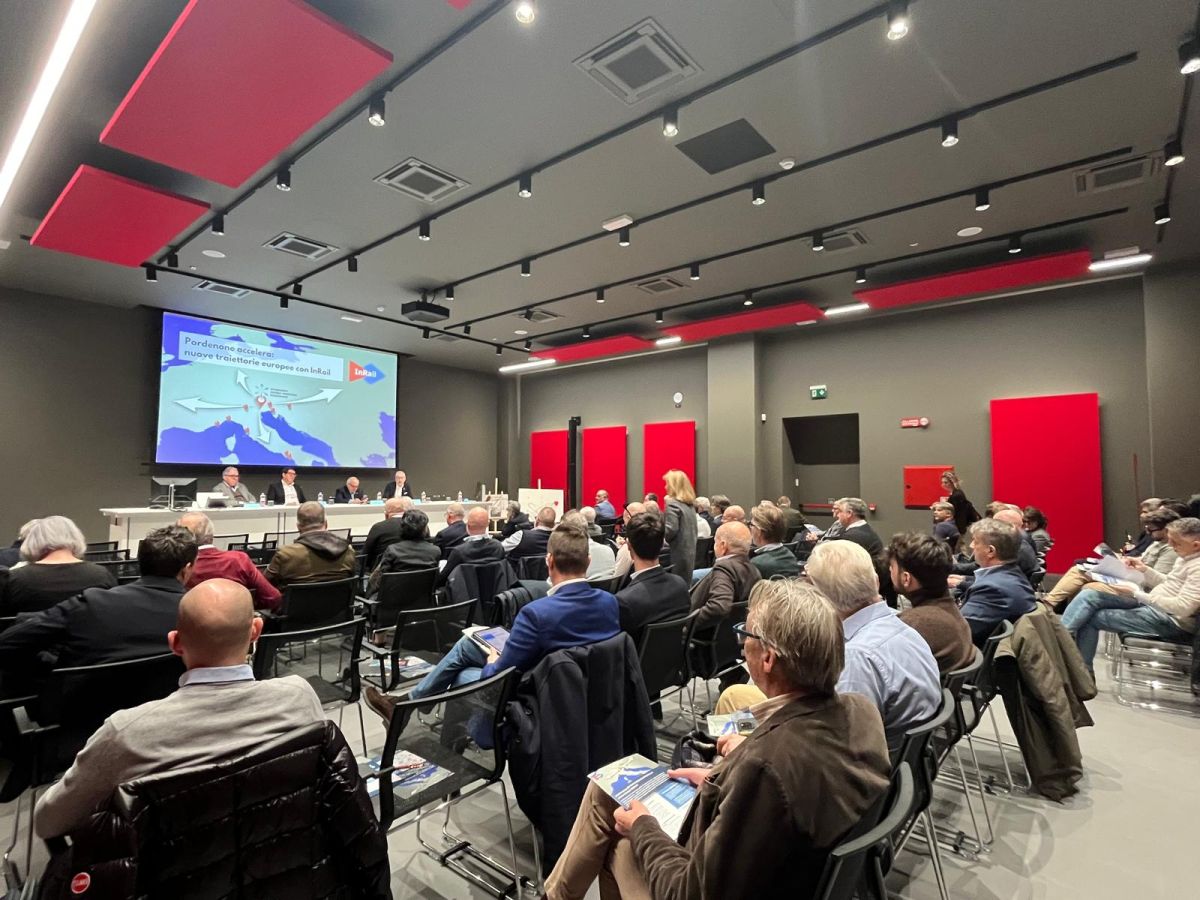
The Port Authority of Santander (APS) has presented plans for a rail freight corridor between Santander and Madrid, with support from three rail operators and several intermodal shippers.
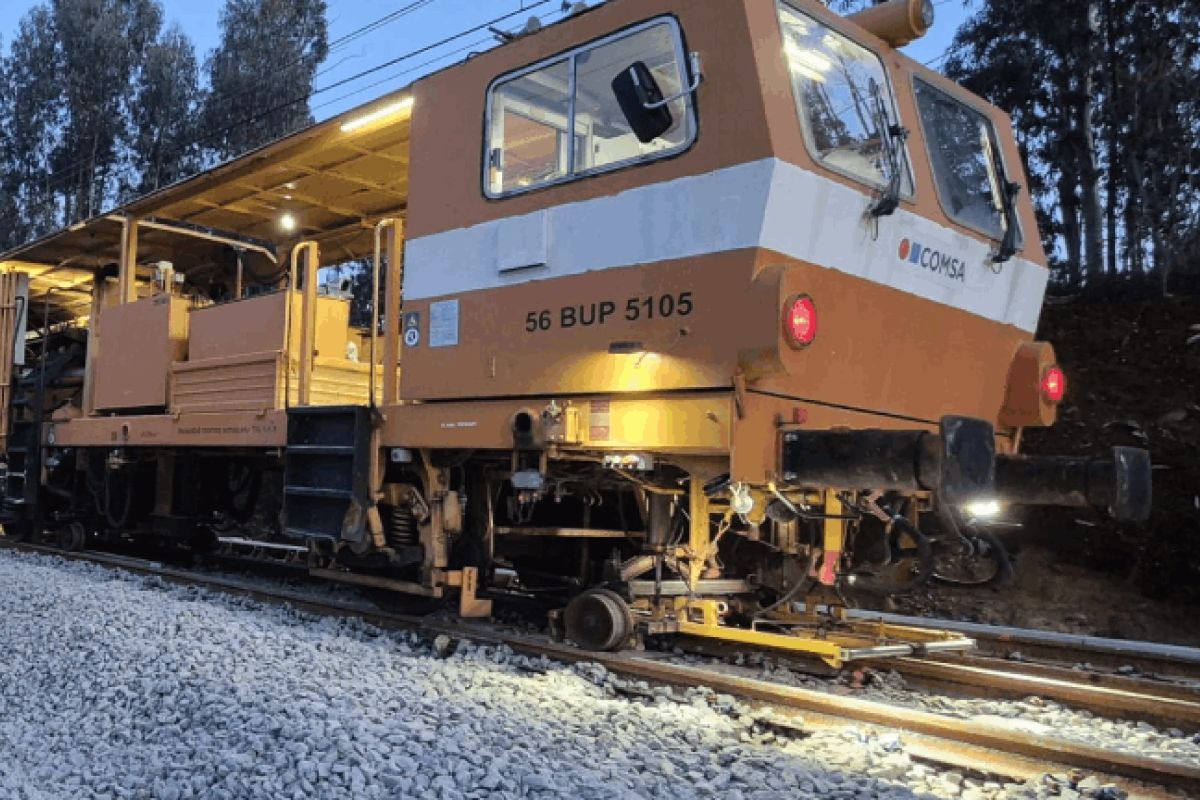
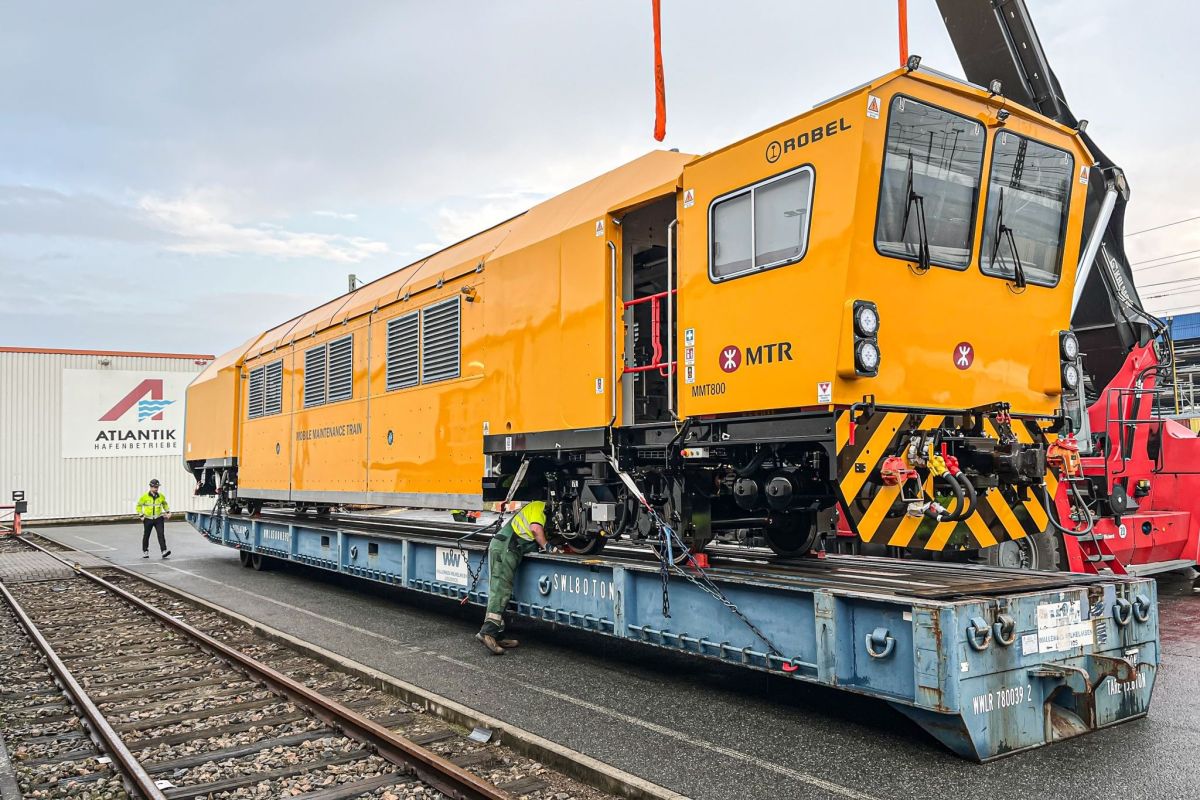
Vossloh wins China grinding train order; ROBEL and Tesmec report deliveries of rail infra vehicles to Hong Kong and Bulgaria
The locomotive will haul diesel and heating oil trains from North Sea ports to tank farms across the country.
The route would combine upgraded sections for speeds of up to 200 km/h with new double-track lines designed for 250 km/h.
Preliminary results show revenue falling year-on-year, with the company posting an operating loss of EUR 18.4m.
The locomotives arrived via the Port of Montevideo and have been transferred to the Peñarol railway workshops for commissioning, with entry into service planned for 2026.
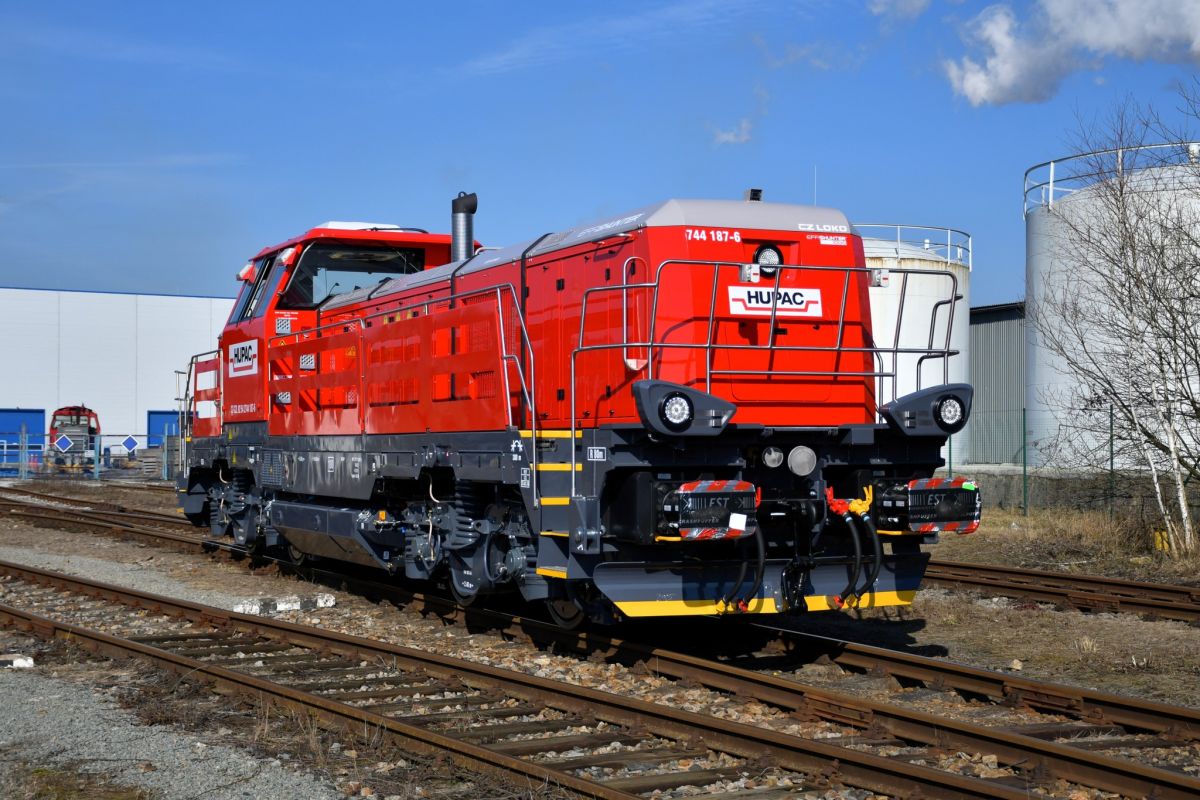
Three more locomotives were delivered to CZ LOKO’s most successful export market.
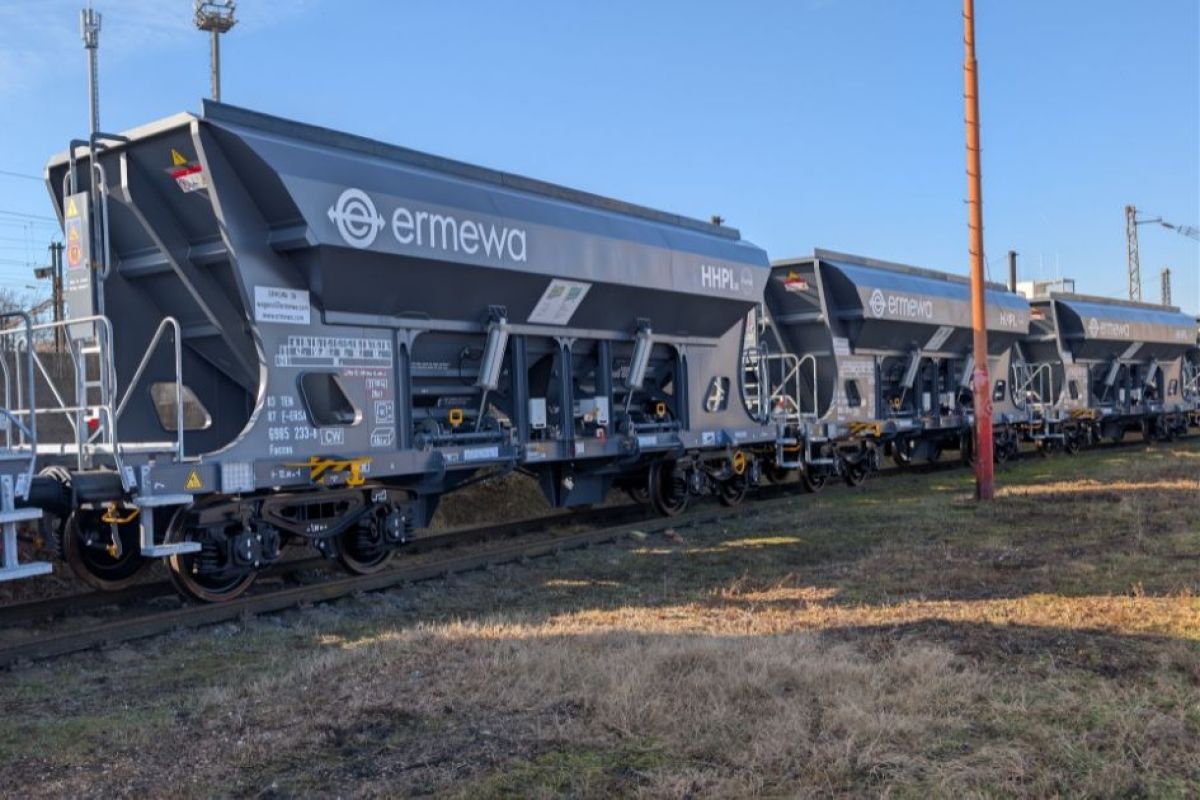
The latest batch of 45 wagons has now left the manufacturer’s plant.