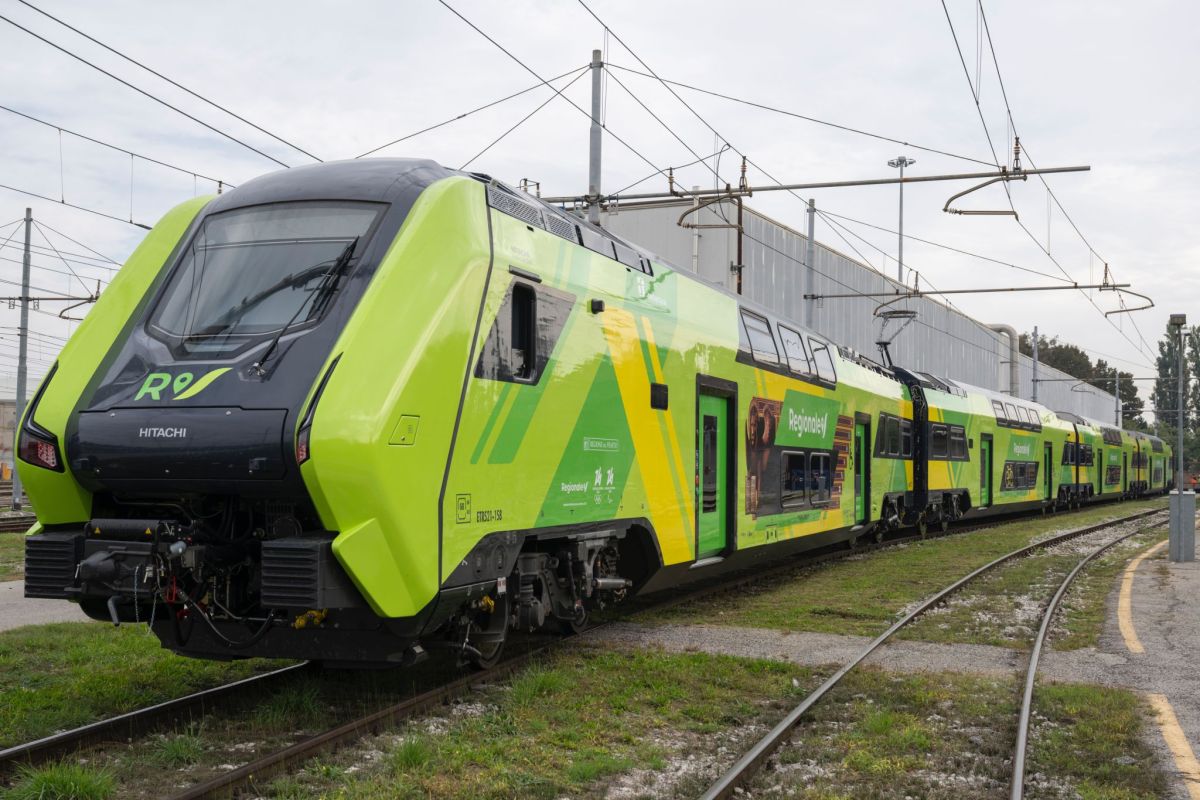

Trenitalia will finish deliveries of 77 regional train by May 2026
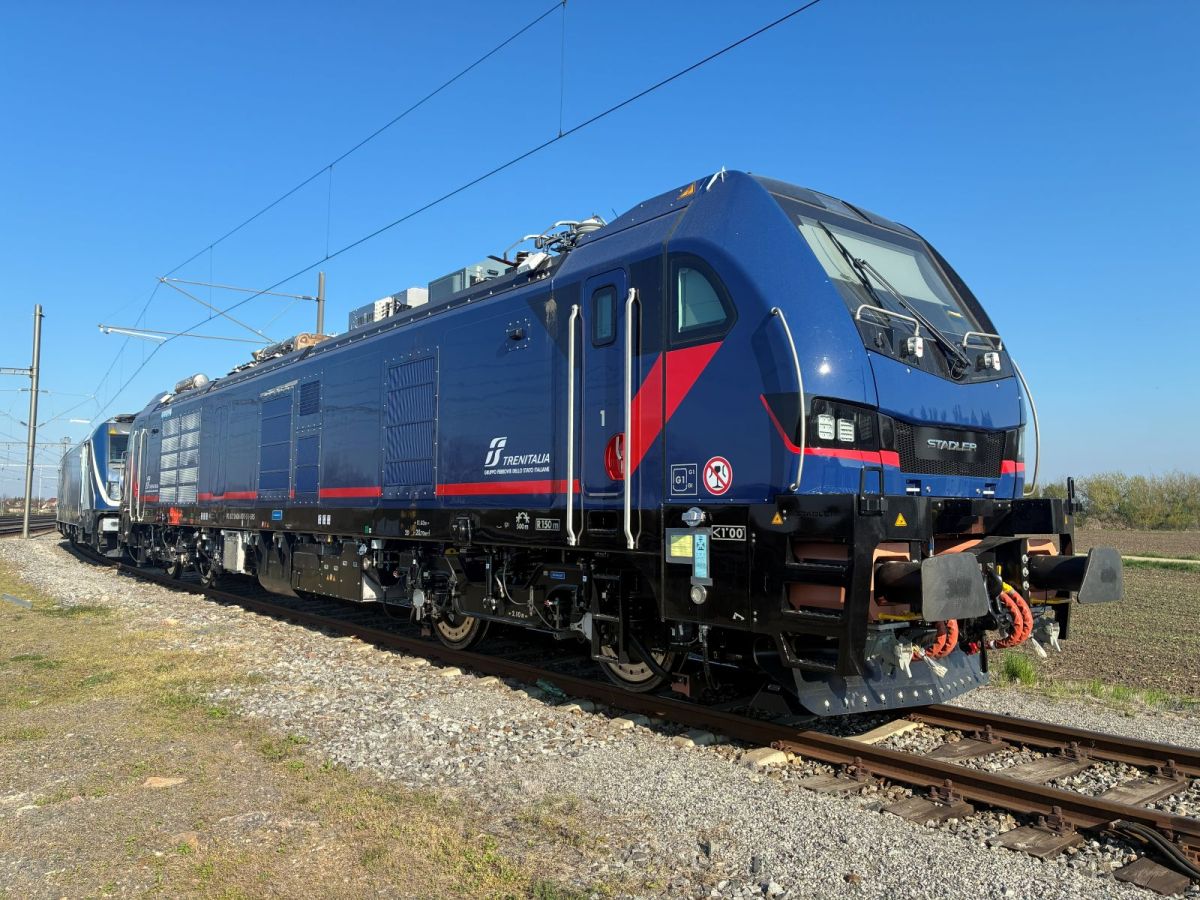
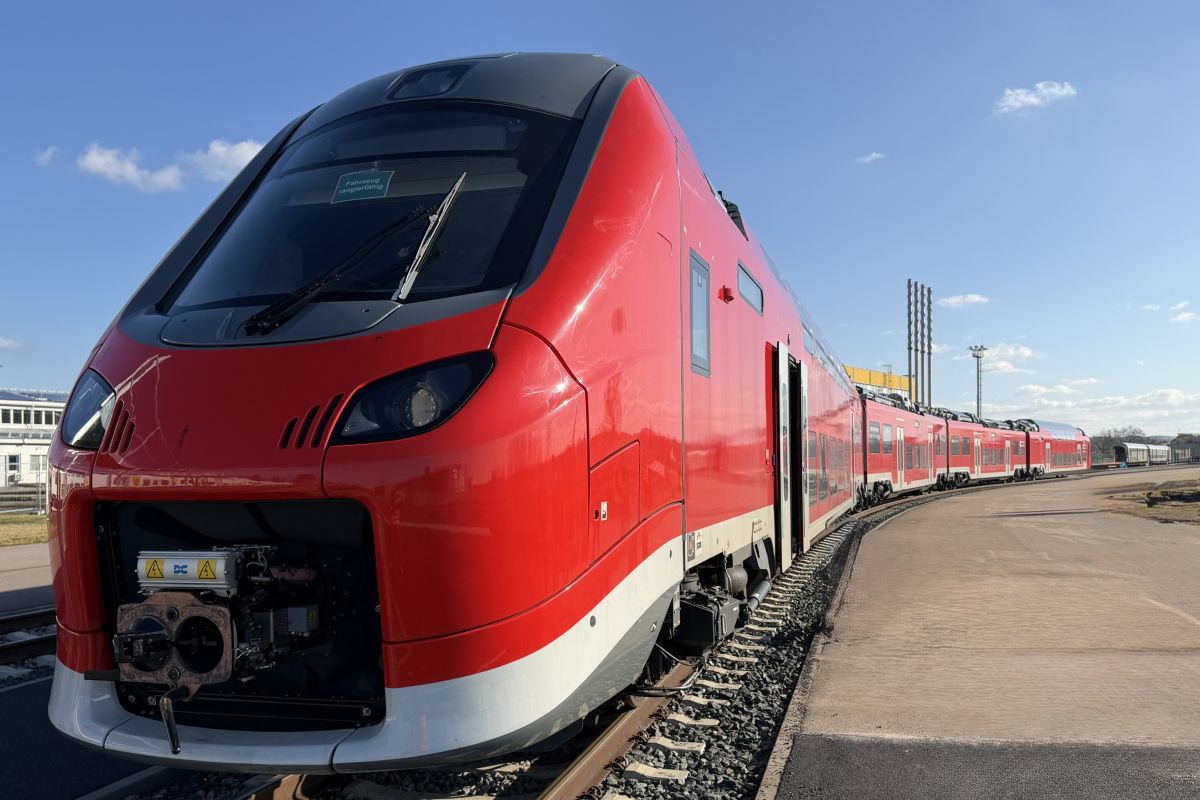
Trenitalia will complete delivery of 77 new regional trains by May 2026 under an EUR 569m programme financed through Italy’s PNRR funds.
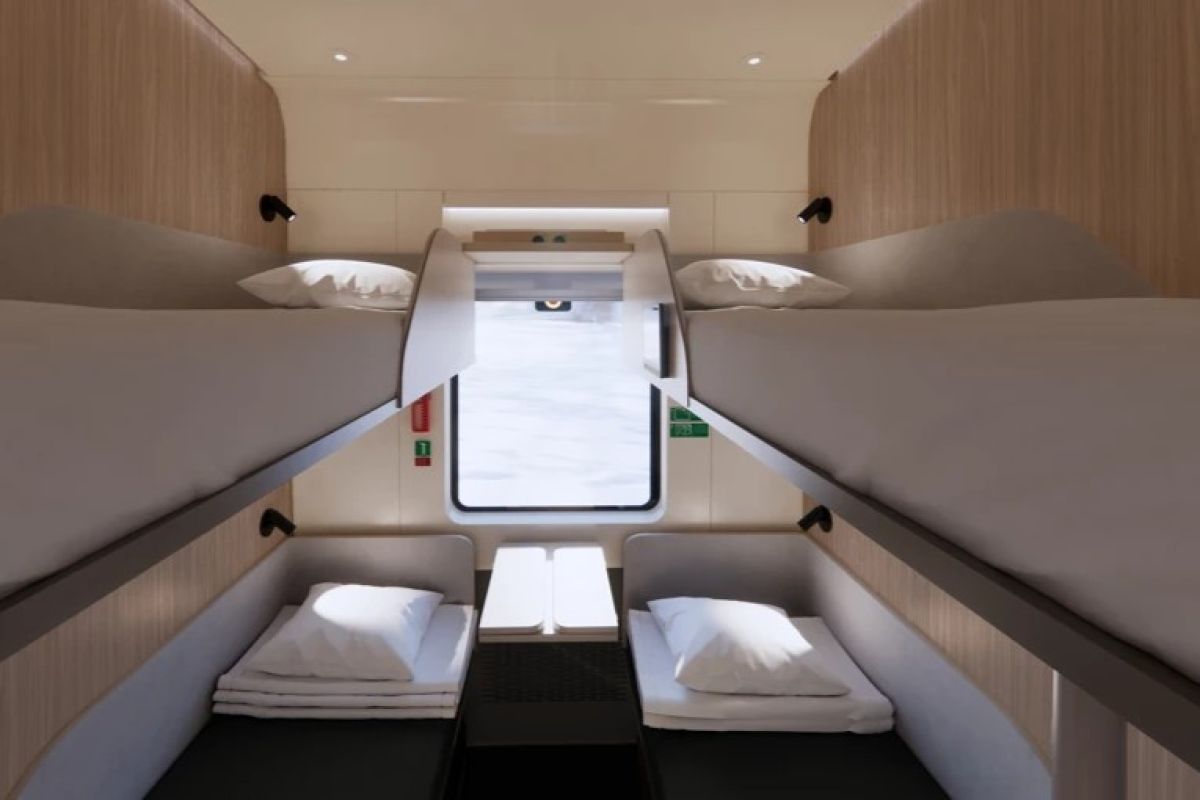
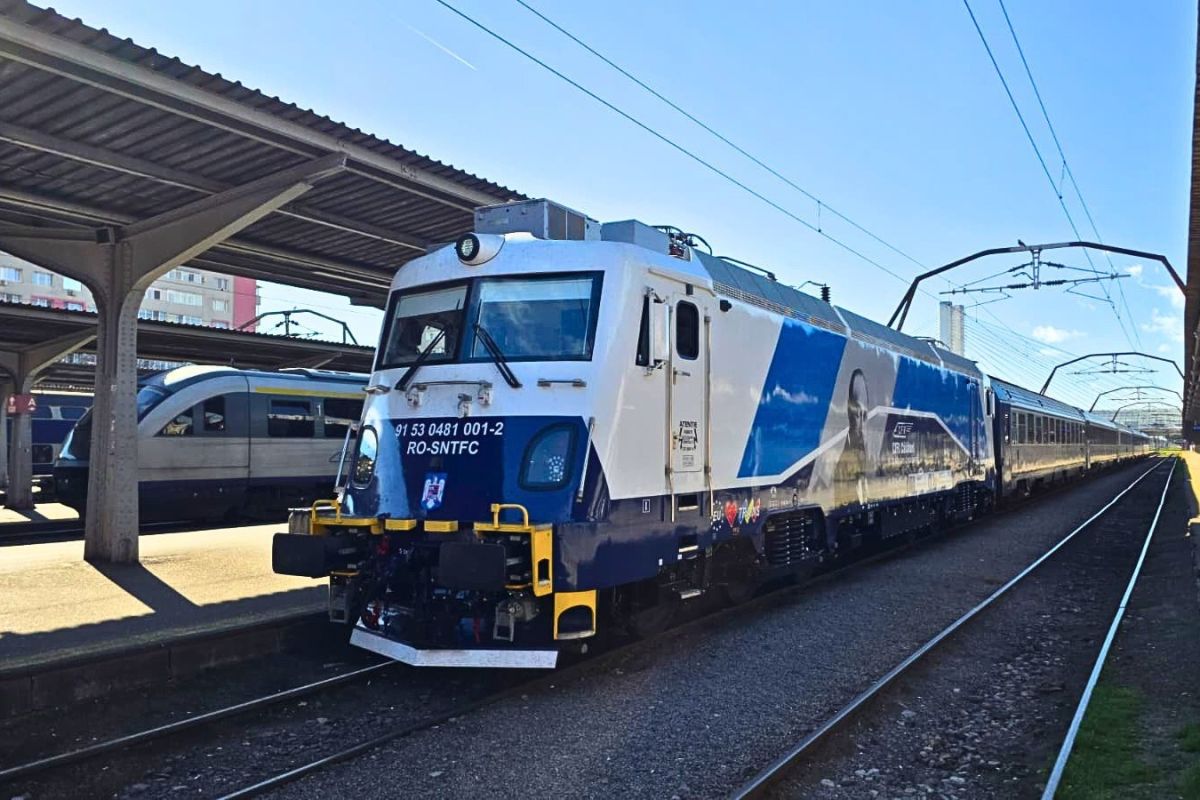
The order includes 20 trainsets and 10 locomotives to replace night train rolling stock nearly 40 years old.
The 79-train order includes 200-meter units capable of carrying 1,884 passengers to increase hub capacity by 20%.
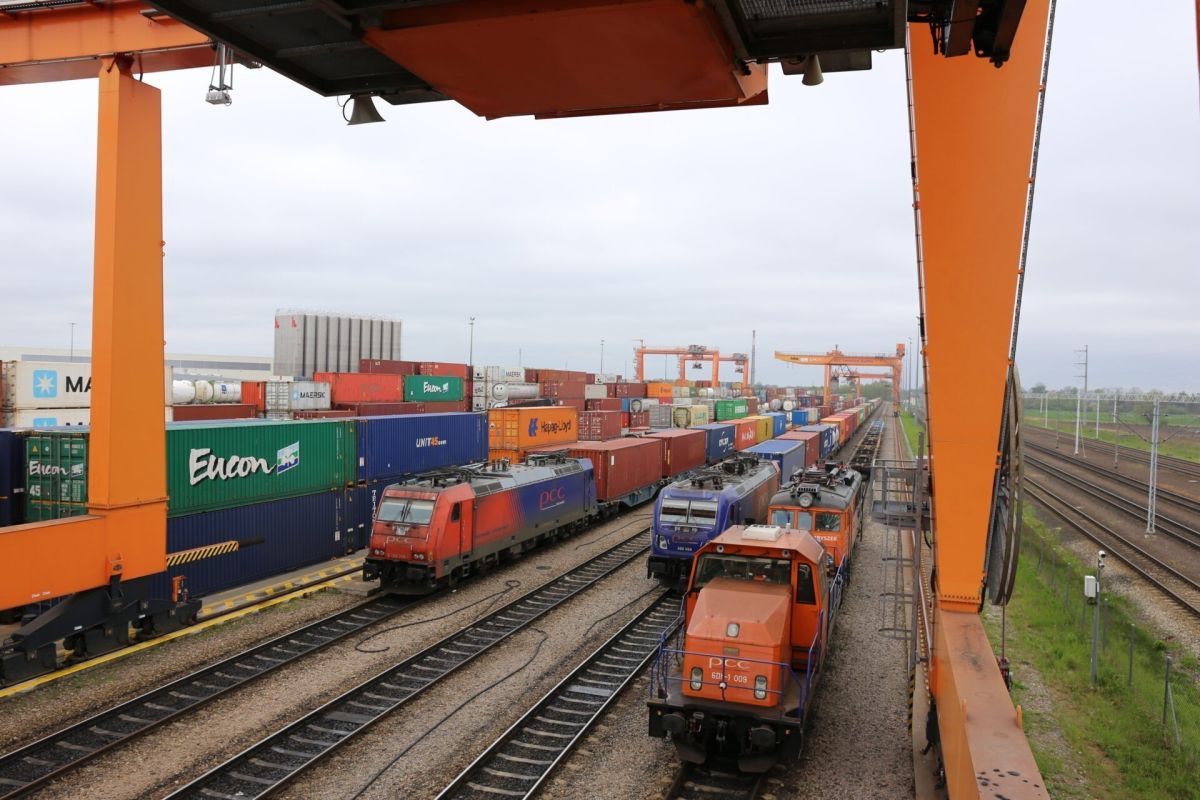
The sector recorded its highest historical market presence despite a general decline in national freight volumes below 220 million tons.
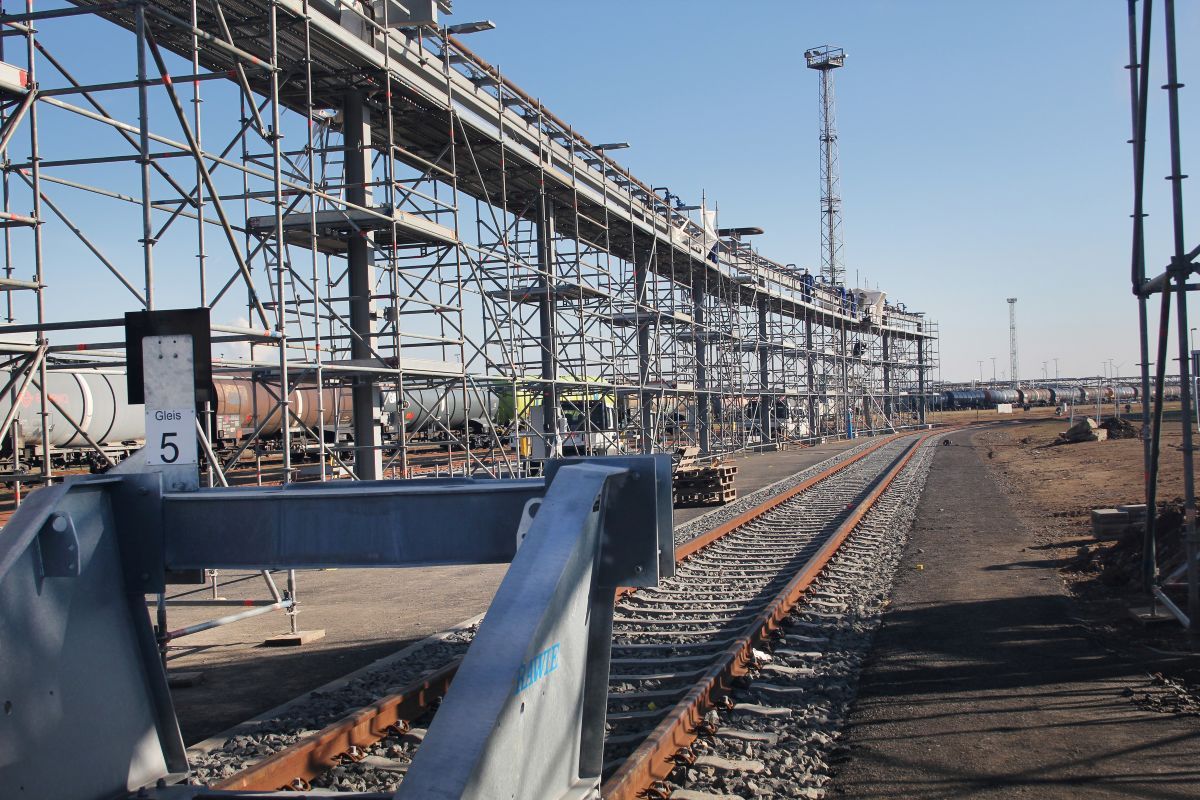
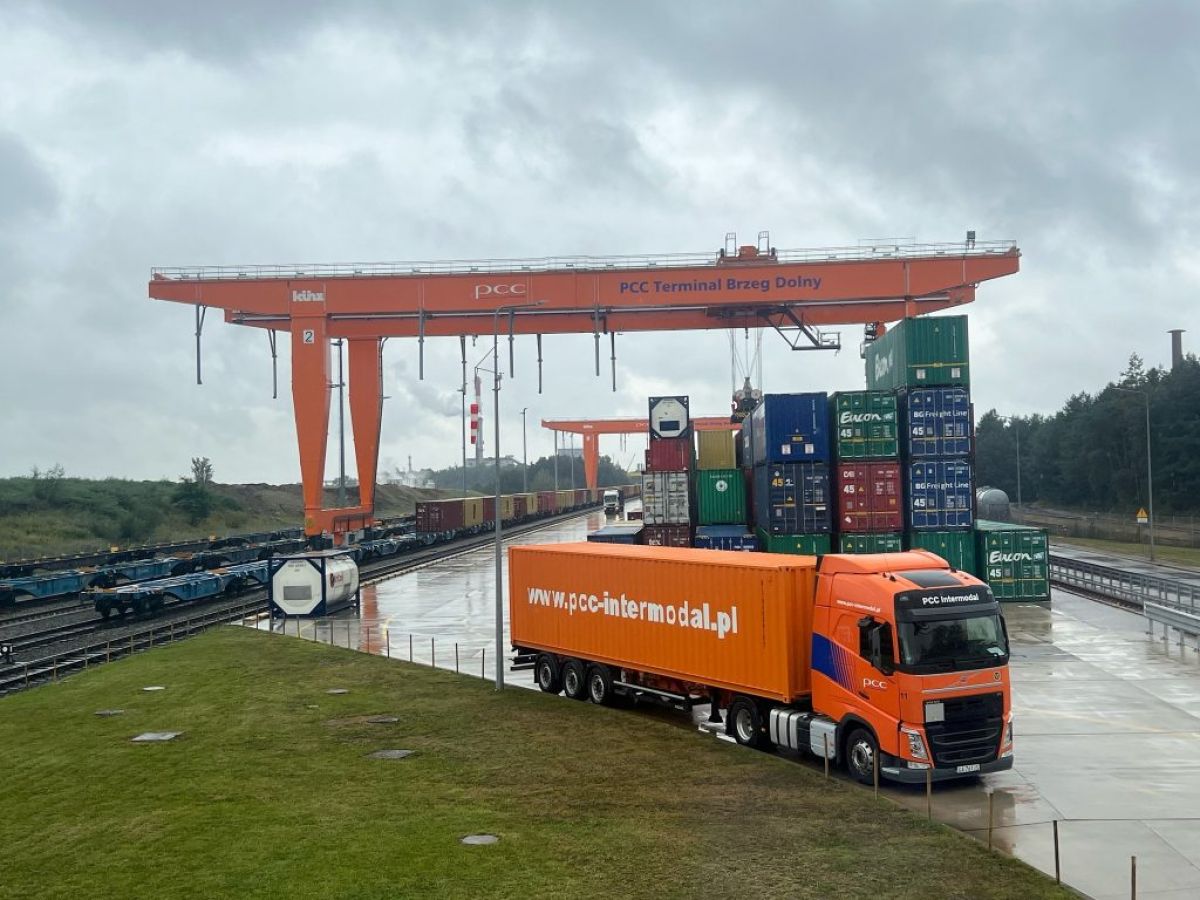
The facility is not restricted to on-site chemical producers; it is also open to external customers requiring reheating of rail-delivered products prior to onward distribution.
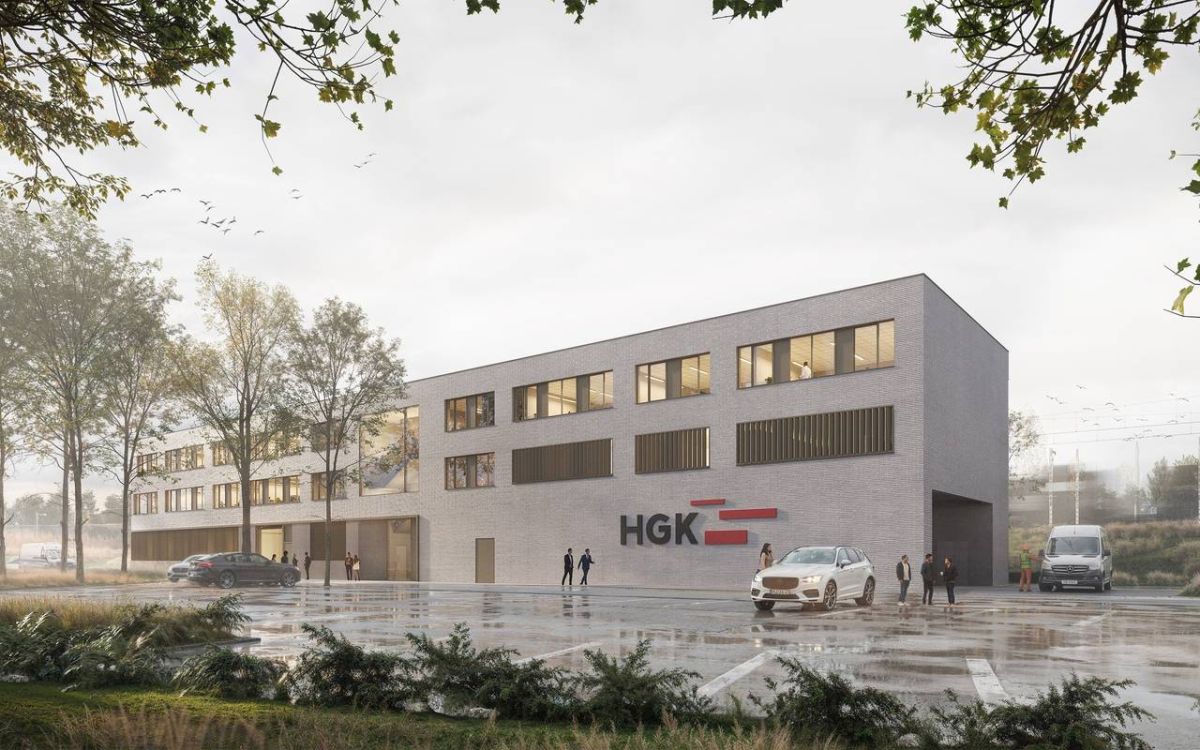
The depot will combine office space, workshops and staff facilities in a single complex, bringing together operational planning and field activities.
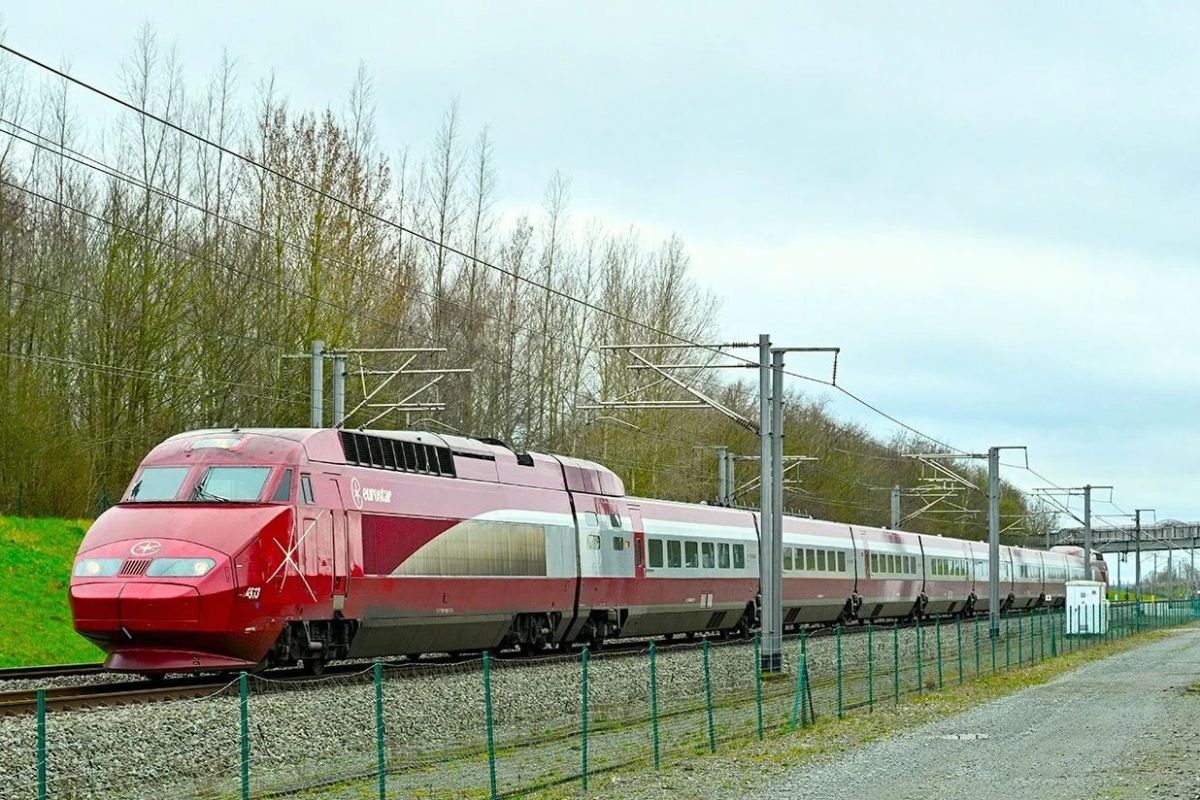
The HSL 1 line, which entered service in 1997, is undergoing a broader modernisation programme.
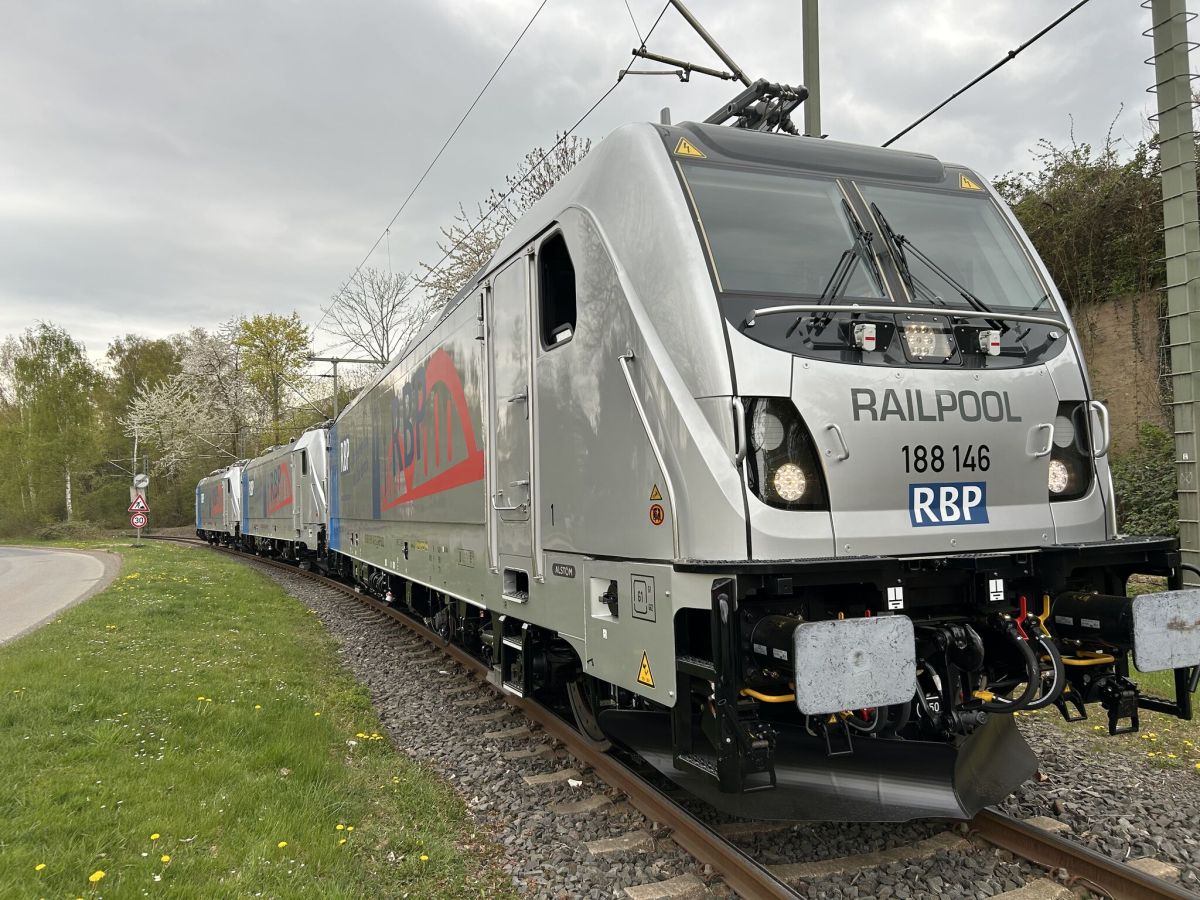
RAILPOOL is supplying the locomotives under a full-service leasing arrangement, covering maintenance and related services for the duration of the contracts.
ÖBB Holding released results of the group of its companies for the year 2025.
The contract, valued at EUR 325m, includes delivery of the trains and 30 years of maintenance.
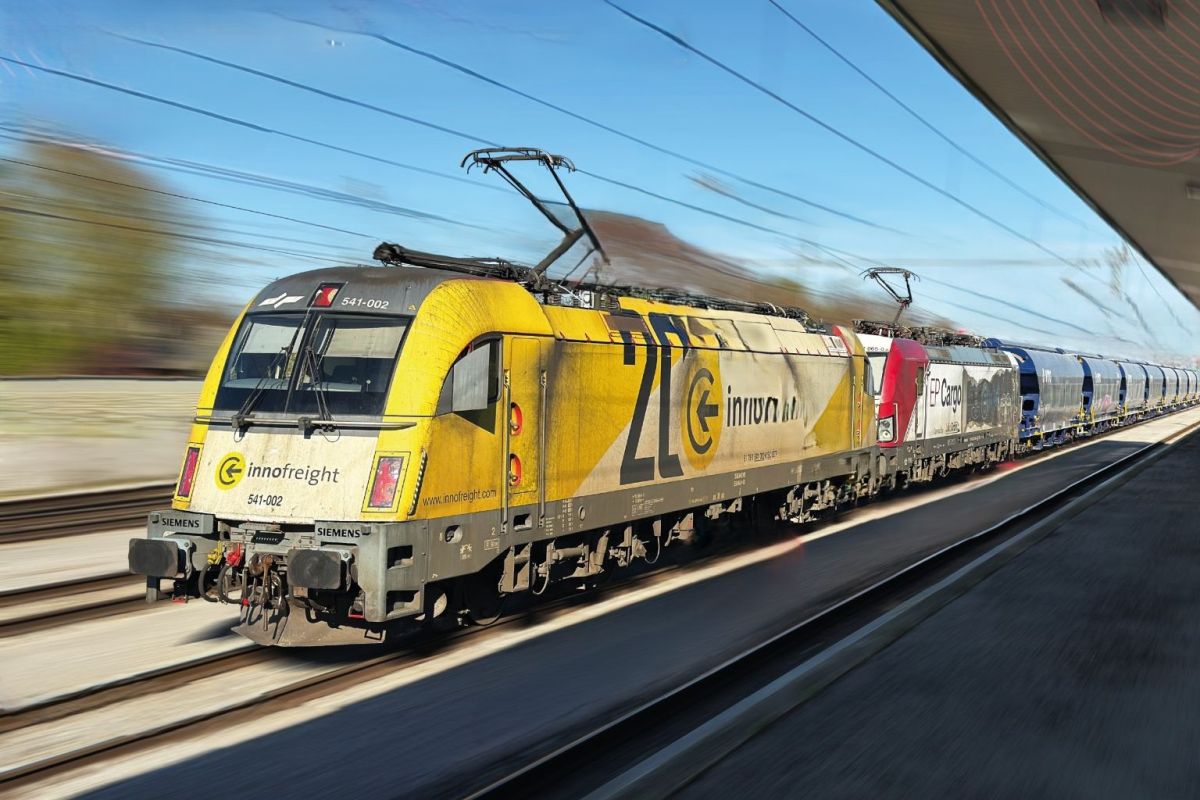
Two new sightings of EURO9000 locomotives on European rails
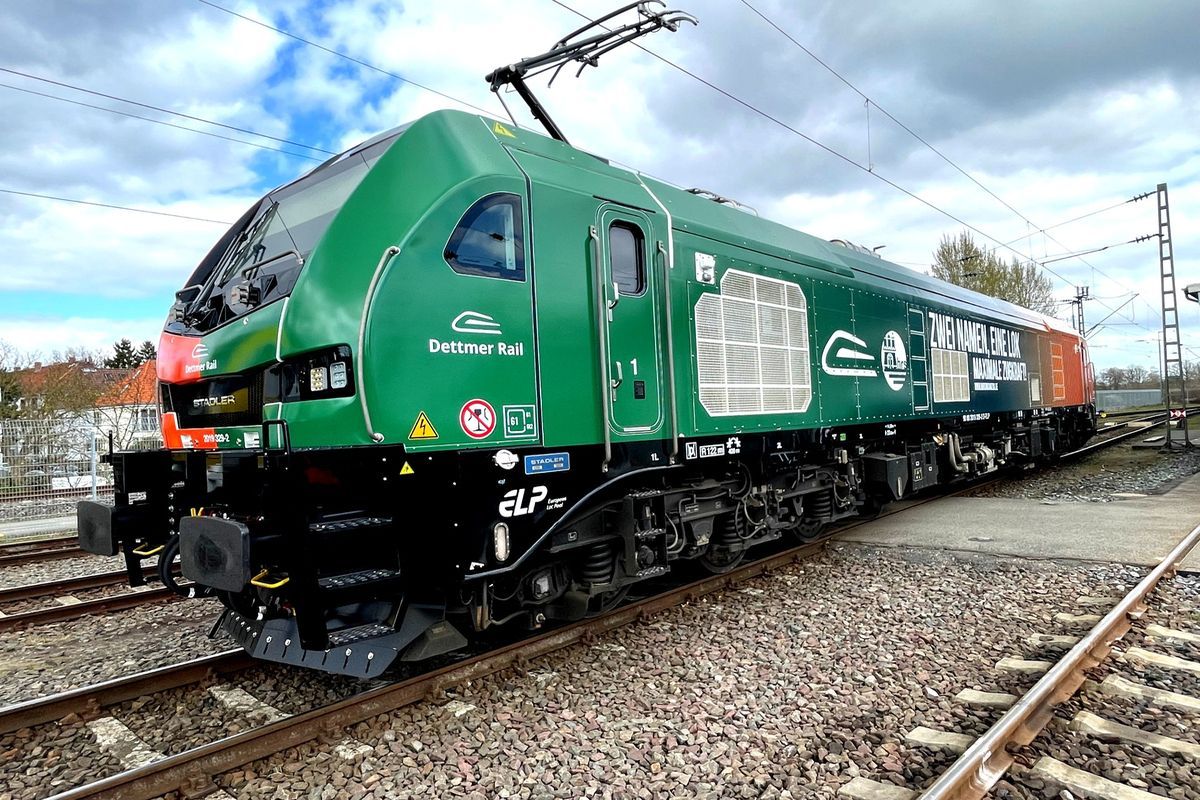
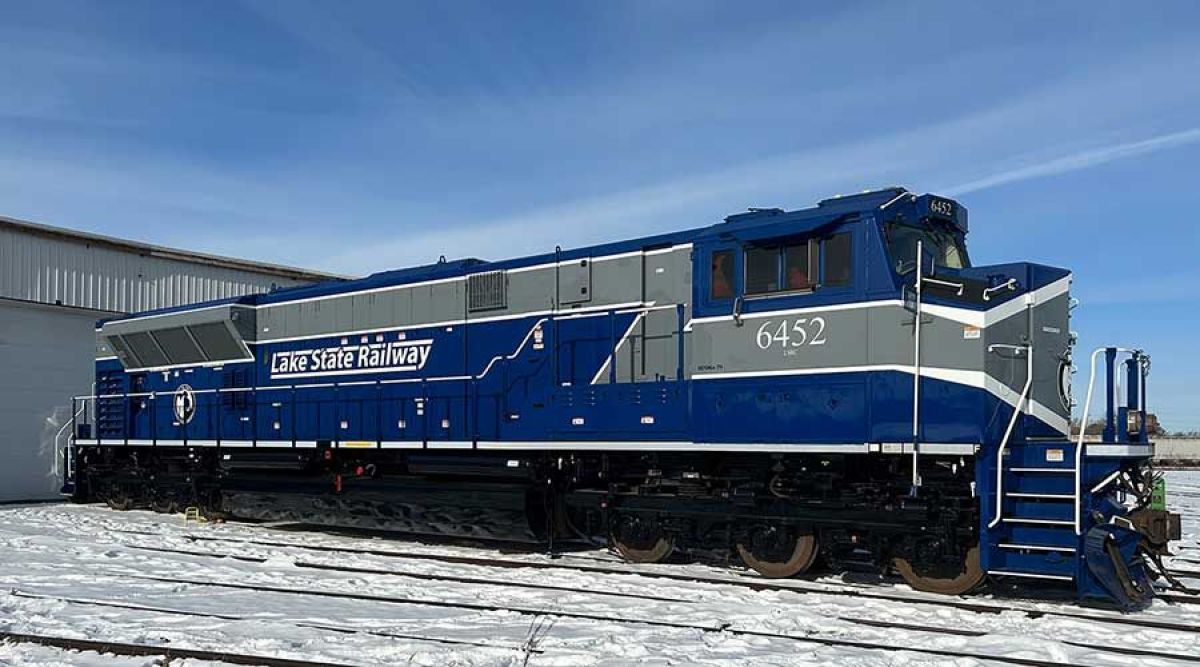
The locomotive is part of a February 2023 framework agreement for up to 50 bi-mode locomotives, including a first call-off for 13 units and a 10-year maintenance contract.
The agreement secures supply from the Pueblo, Colorado-based mill, the only dedicated rail production facility in the United States.
The selected manufacturer is expected to be announced by the end of 2027.
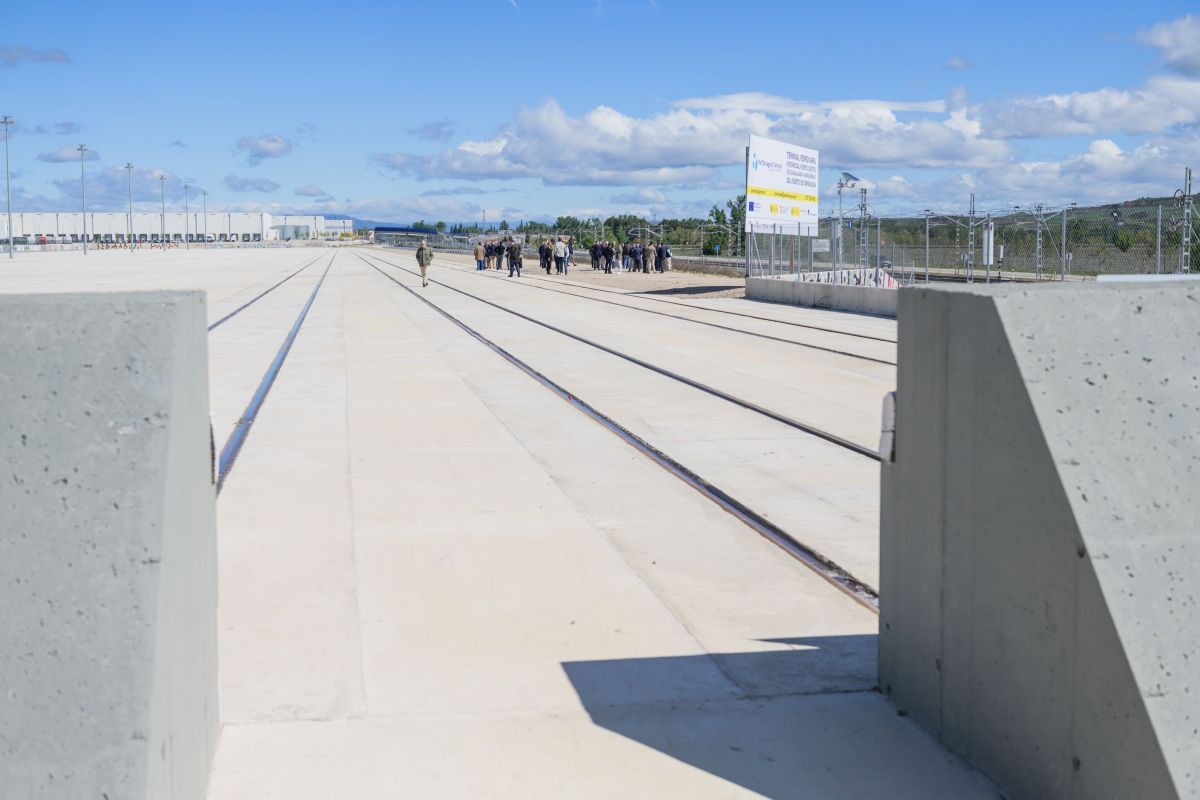
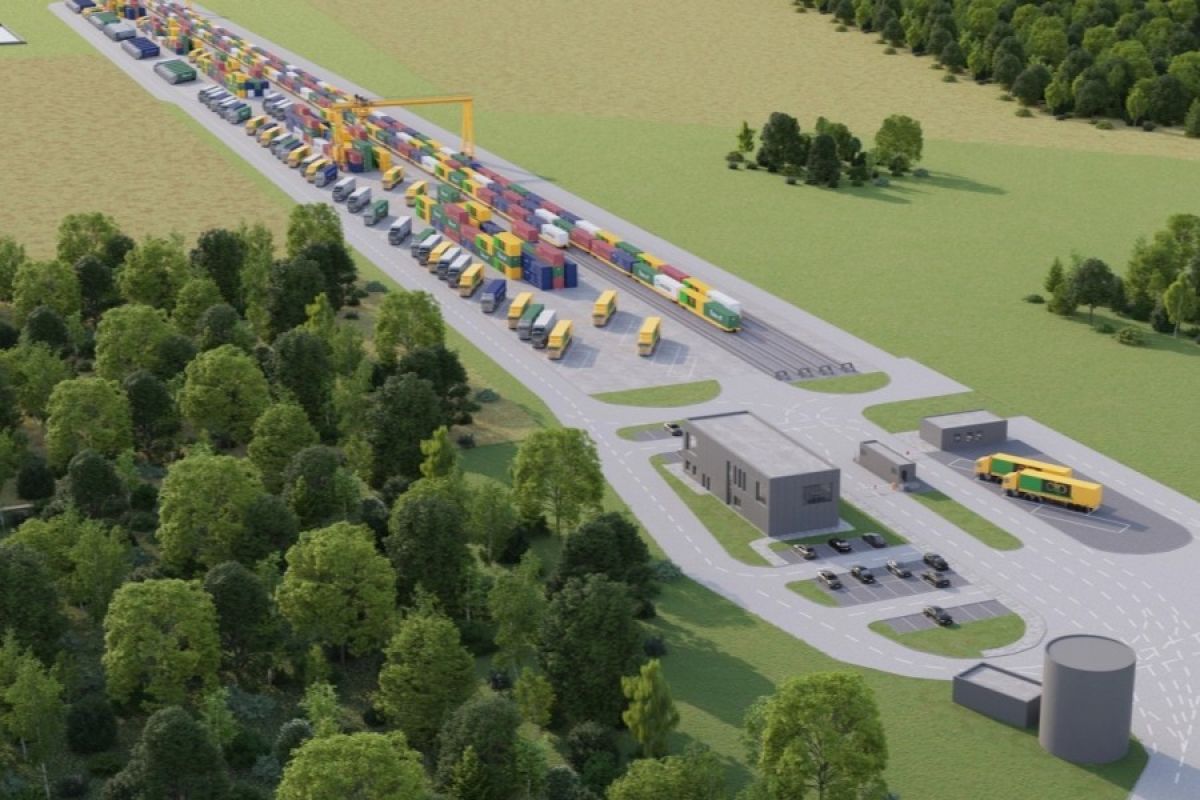
The terminal covers 152,500 m² within the Puerta Centro – Ciudad del Transporte logistics area in the Henares Corridor.
The system enables real-time monitoring of parameters linked to train safety and performance.
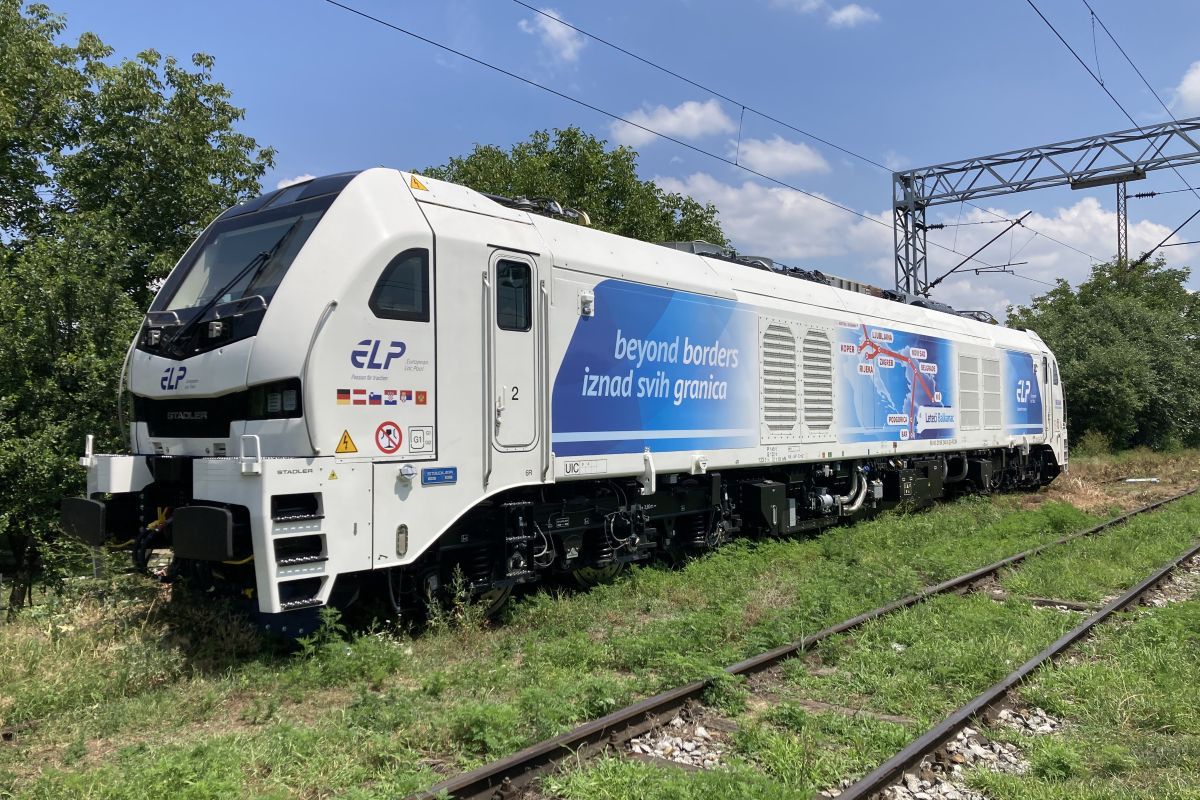
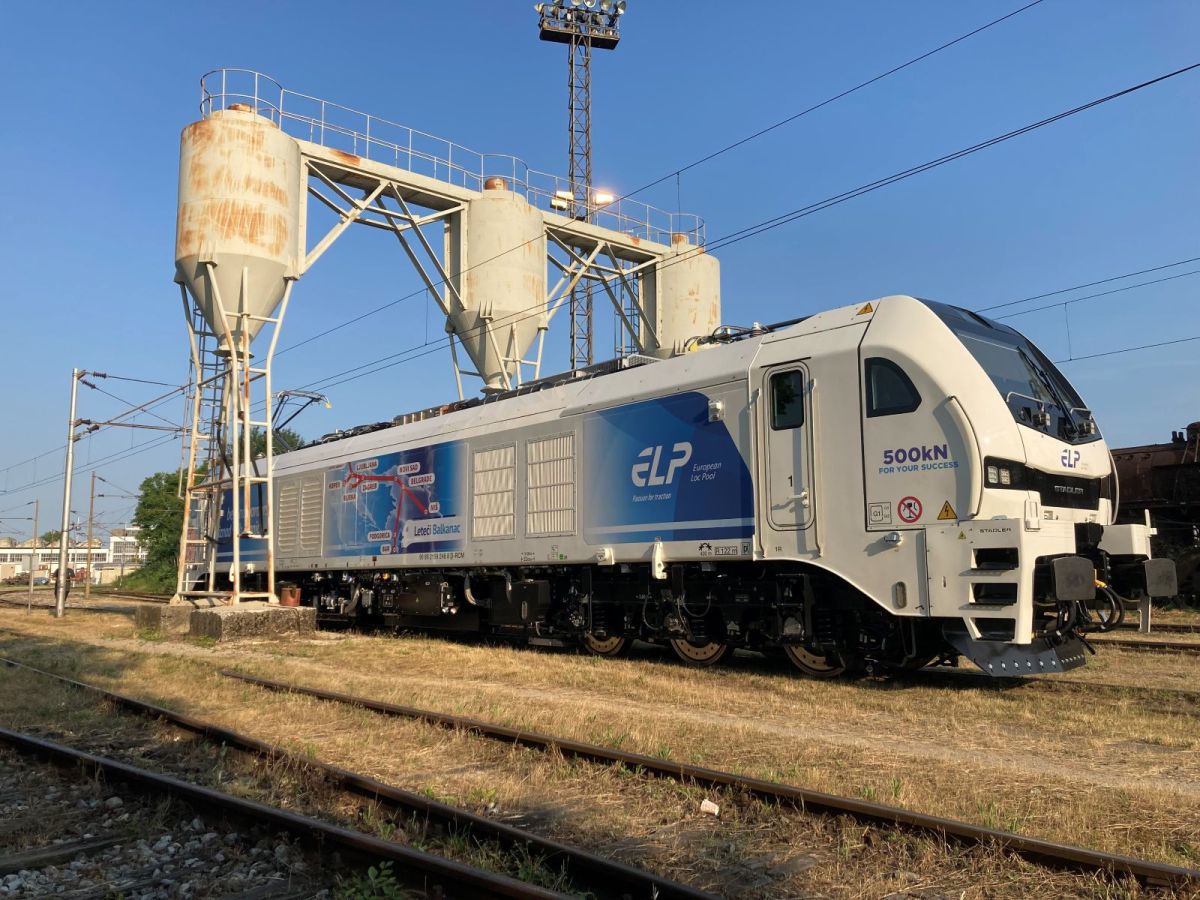
The EuroDual locomotive offers an unparalleled combination of power, flexibility, and efficiency, making it an ideal solution for the challenging railway landscapes of the Balkan region.
The programme covers vehicles that underwent their first major upgrade more than 20 years ago and are now entering the next phase of their lifecycle.
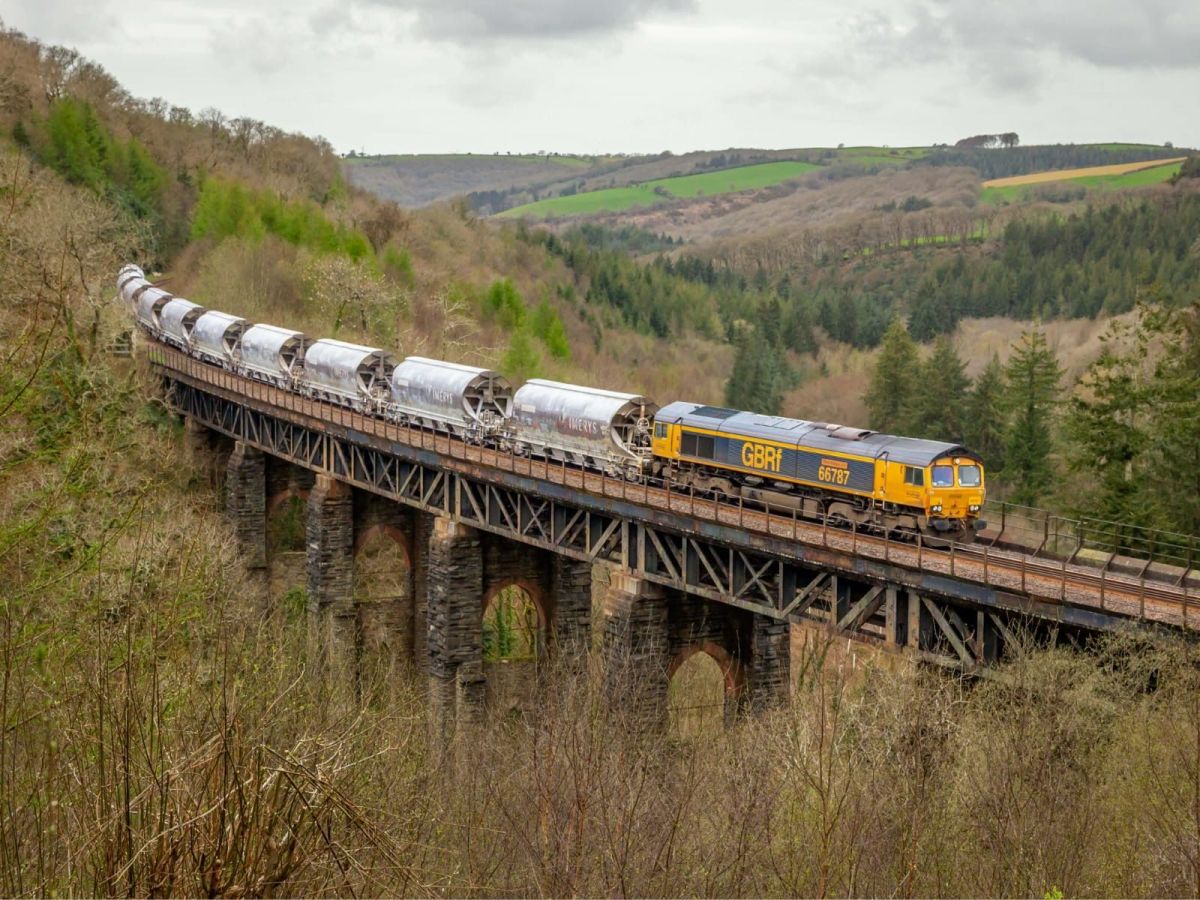
The agreement covers bulk china clay flows from local rail-connected sites in the South West of England.
The vehicle arrived at the Meadows Maintenance Complex in Kearny, New Jersey, on 13 April 2026 and will undergo testing before entering service.
The total investment value is estimated at more than PLN 369m (around EUR 86m).
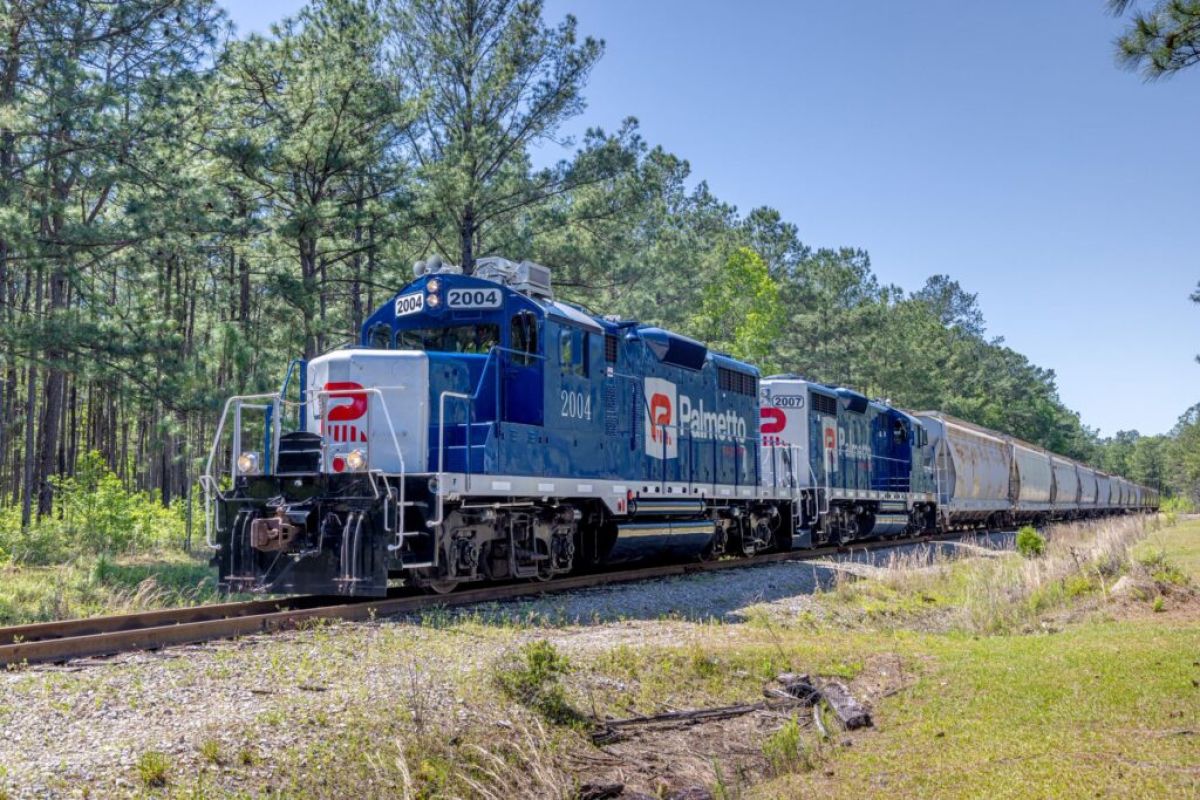
The connection provides a scheduled alternative to road freight on the Balkan corridor.
The contract notice was published on 14 April 2026, with requests to participate due by 6 May 2026.
The project, valued at EUR 33.5m (PLN 145m), is scheduled for completion in mid-2026 and is located on the former KWK Makoszowy and JSW Koks industrial site.
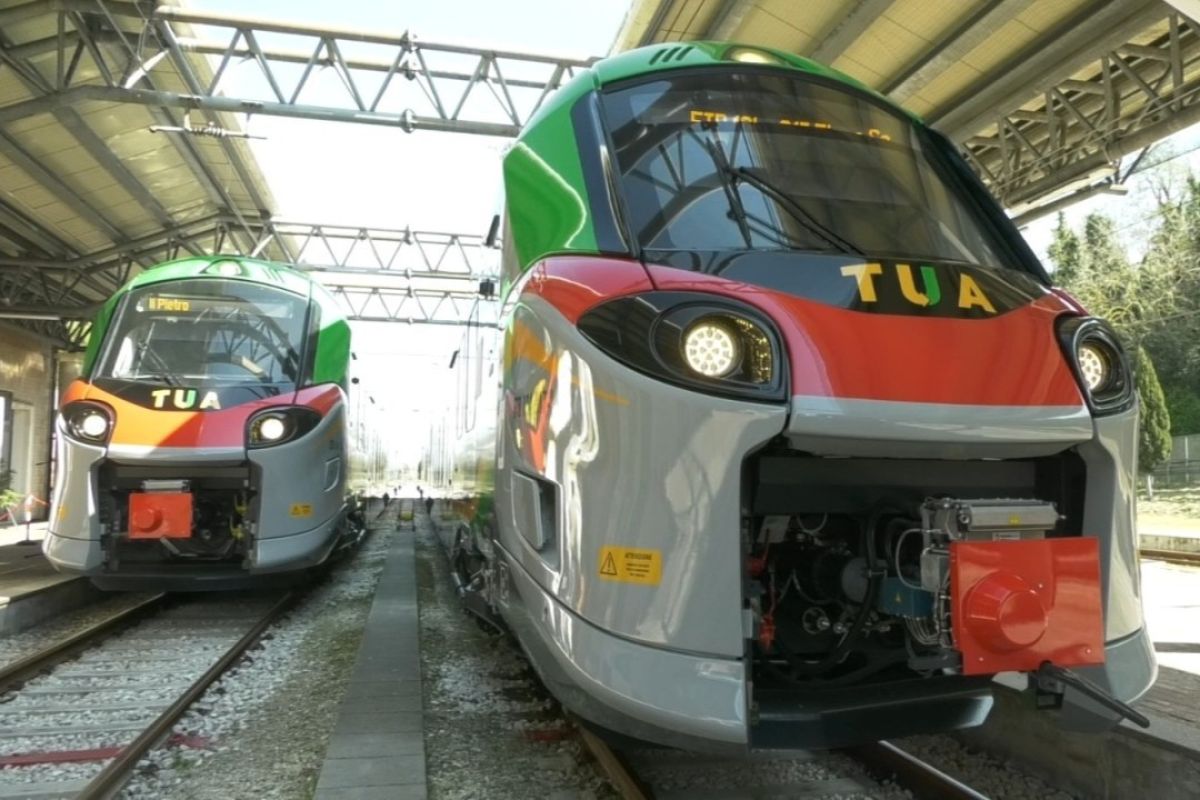
The additions increase TUA’s ETR 104 fleet to nine trains.
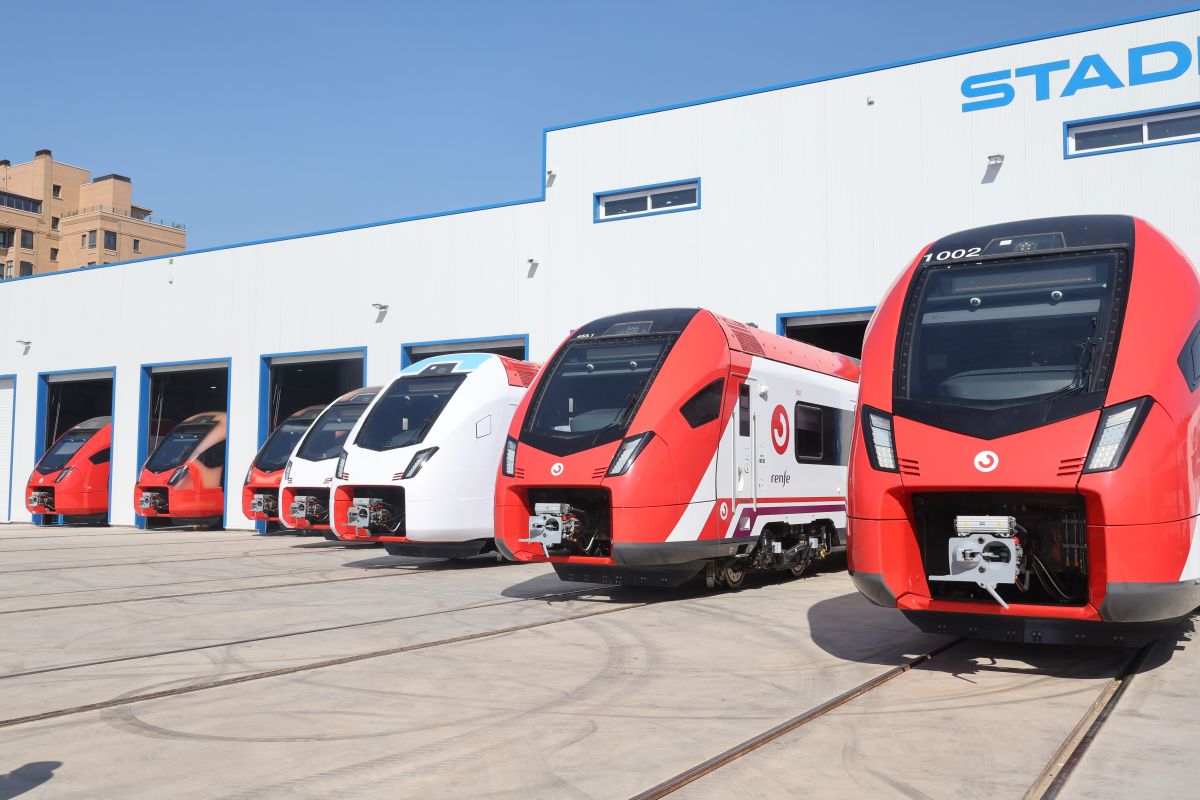
The facility, with an 18-month construction period, will service the new high-capacity Stadler trains entering operation from 2026 on the busy Móstoles–Humanes corridor.
He will join Heiko Krebs in the company’s dual leadership structure, succeeding Armin Riedl.
In 2024, rail transport performance in the Czech Republic reached 10,517 million passenger-kilometers (p-km), marking a recovery to 96.2% of 2019 levels.
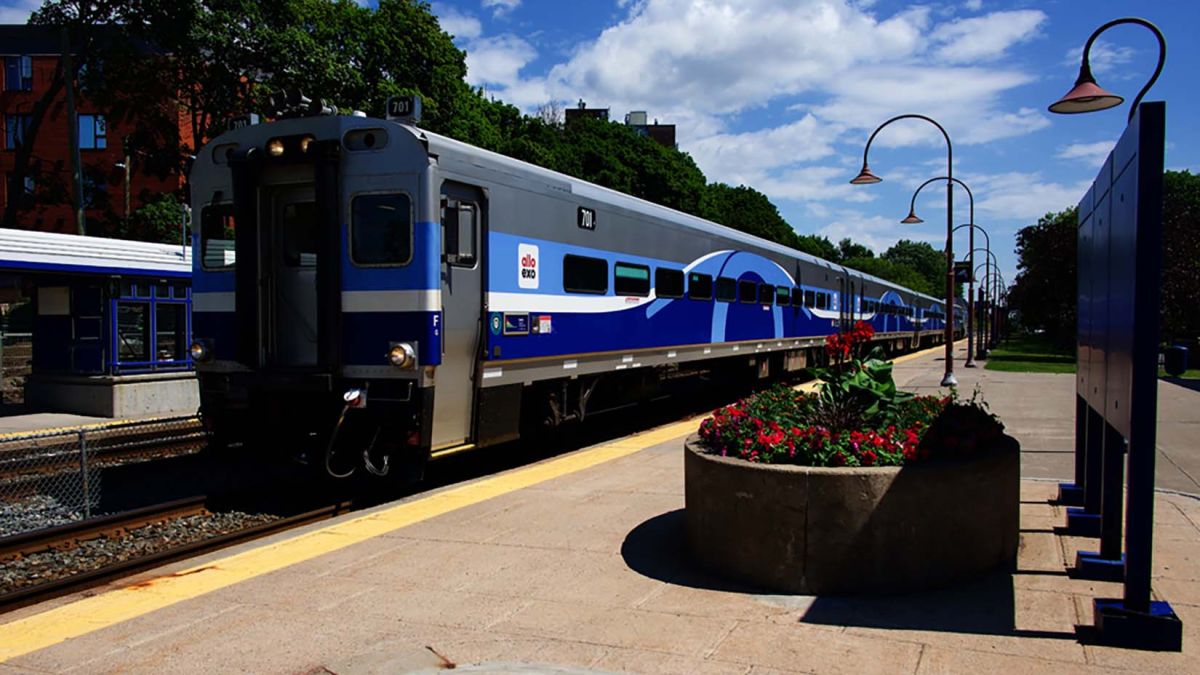
The coaches, manufactured in the late 1980s, will operate in push-pull formations with SEPTA’s Siemens ACS-64 electric locomotives.
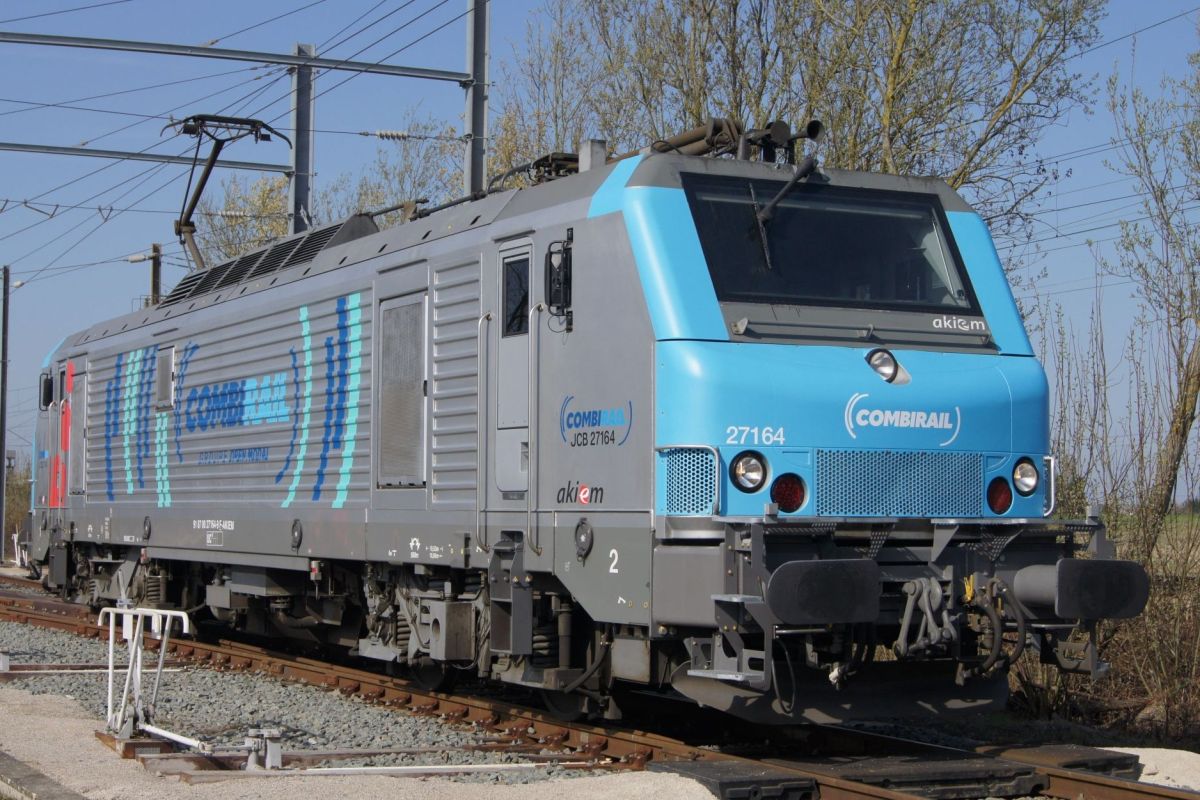
The partnership strengthens Akiem’s operational presence near the port of Marseille and key freight hubs in Miramas and Fos-sur-Mer.
The milestone operation took place at Hodoš station, which was the locomotive’s debut on Slovenian infrastructure.
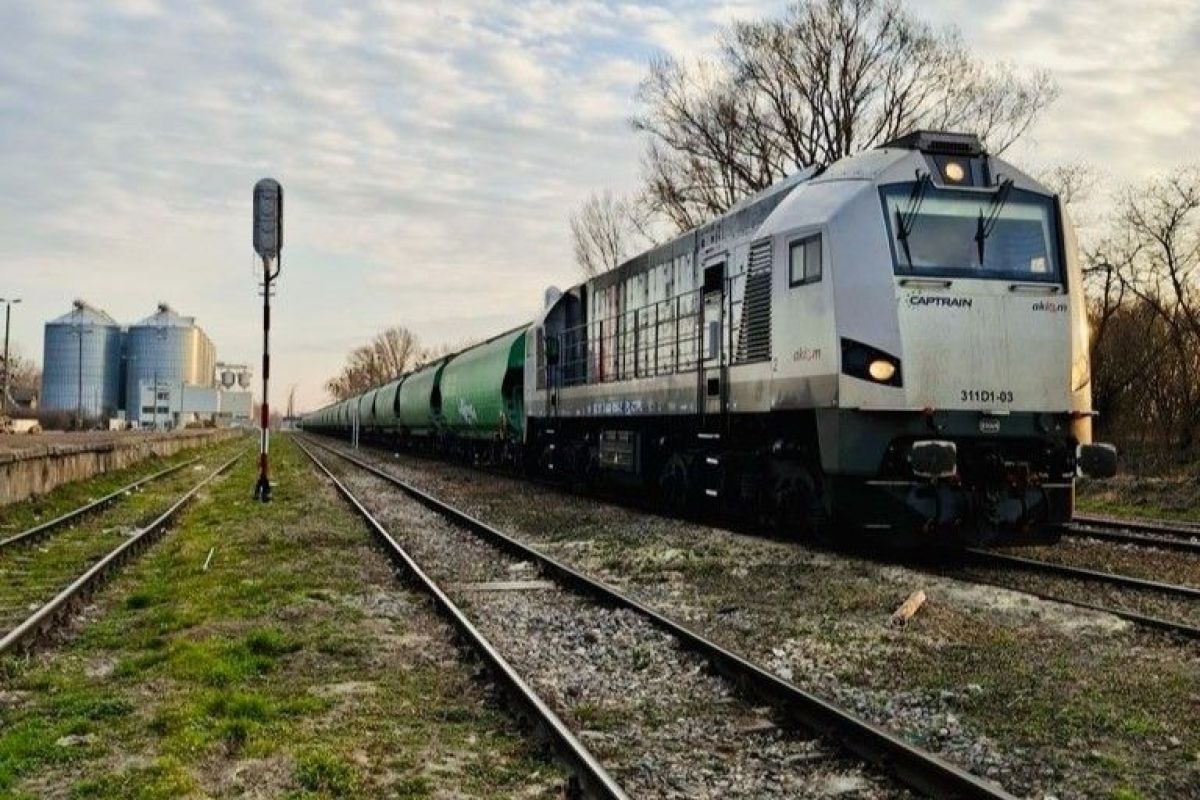
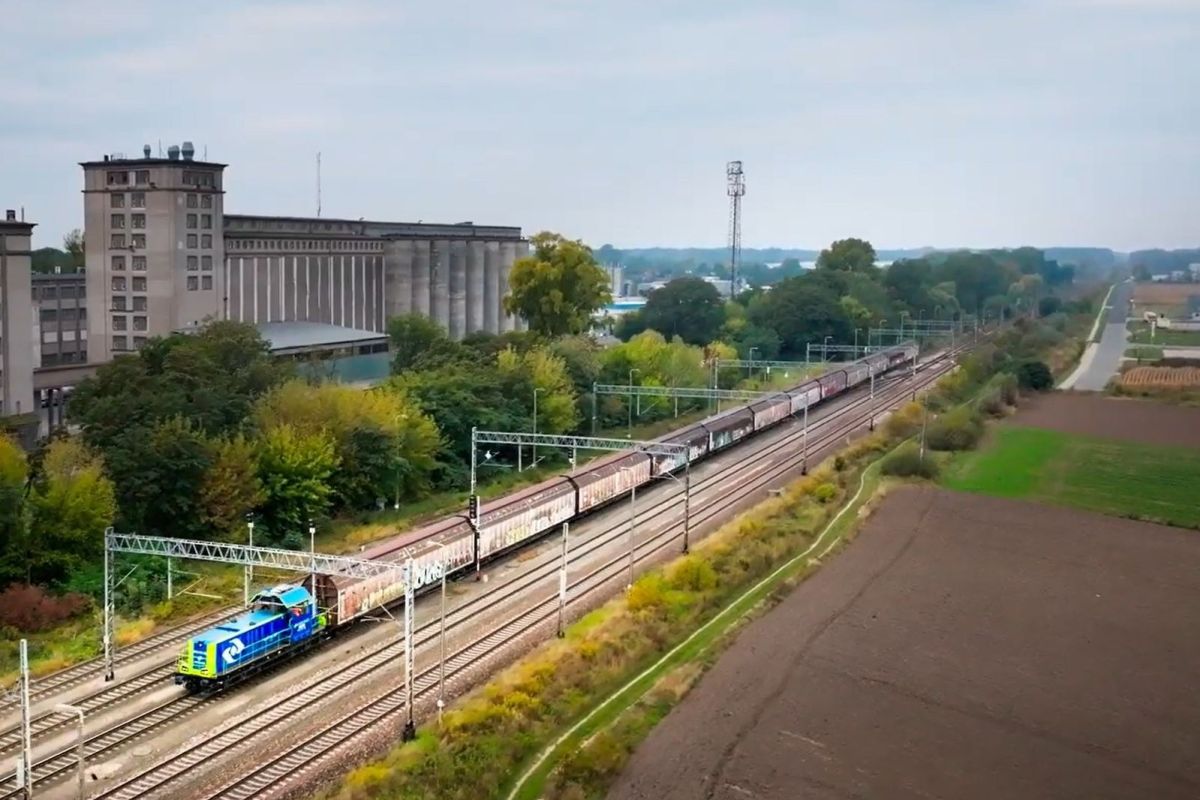
Agro trains now operate between Poland and Germany with Captrain traction.
The transaction strengthens Alstom’s capacity to maintain and develop hydrogen-powered rolling stock deployed in Germany, Italy, and France.
The programme covers the modernisation of 19 locomotives.
The approvals, announced on 13 April 2026, follow Serbia’s earlier authorisation in 2023 and enable cross-border operations linking Central Europe with the Adriatic region.
The ranking is based on the increase in state aid received under the national rail freight funding framework.
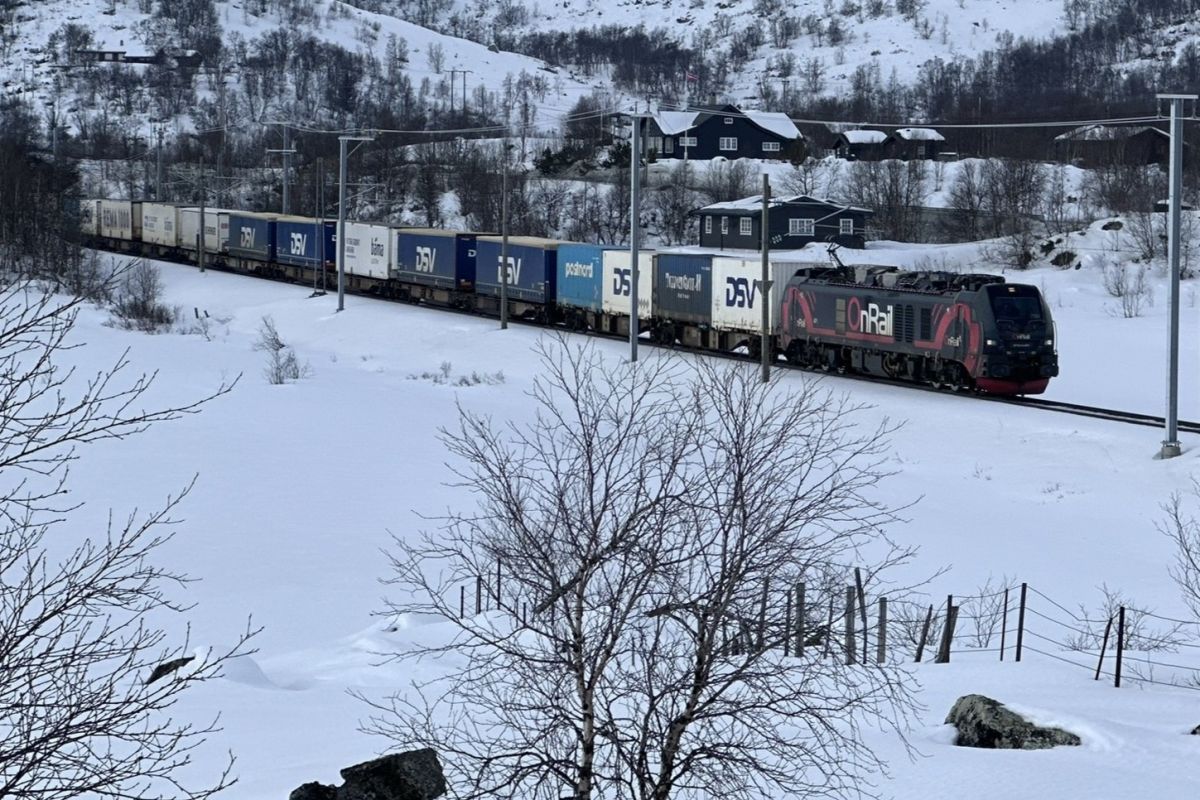
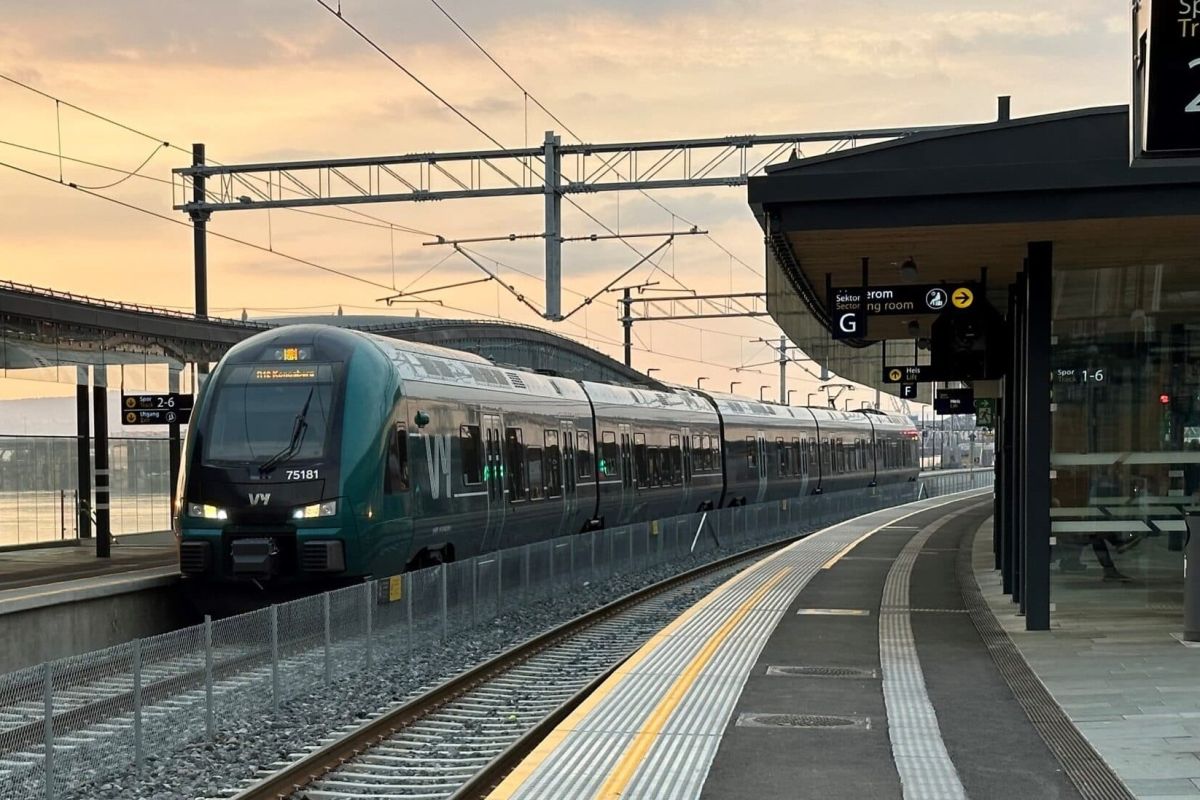
The Bergen Line covers 461 km via Roa (483 km via Drammen) and is considered one of Norway’s most resilient freight corridors due to challenging mountain conditions that limit road transport reliability.
The initiative replaces more than 1,400 annual truck journeys with rail transport, equivalent to 1.2 million road kilometres and 1,500 tonnes of CO₂ savings each year.
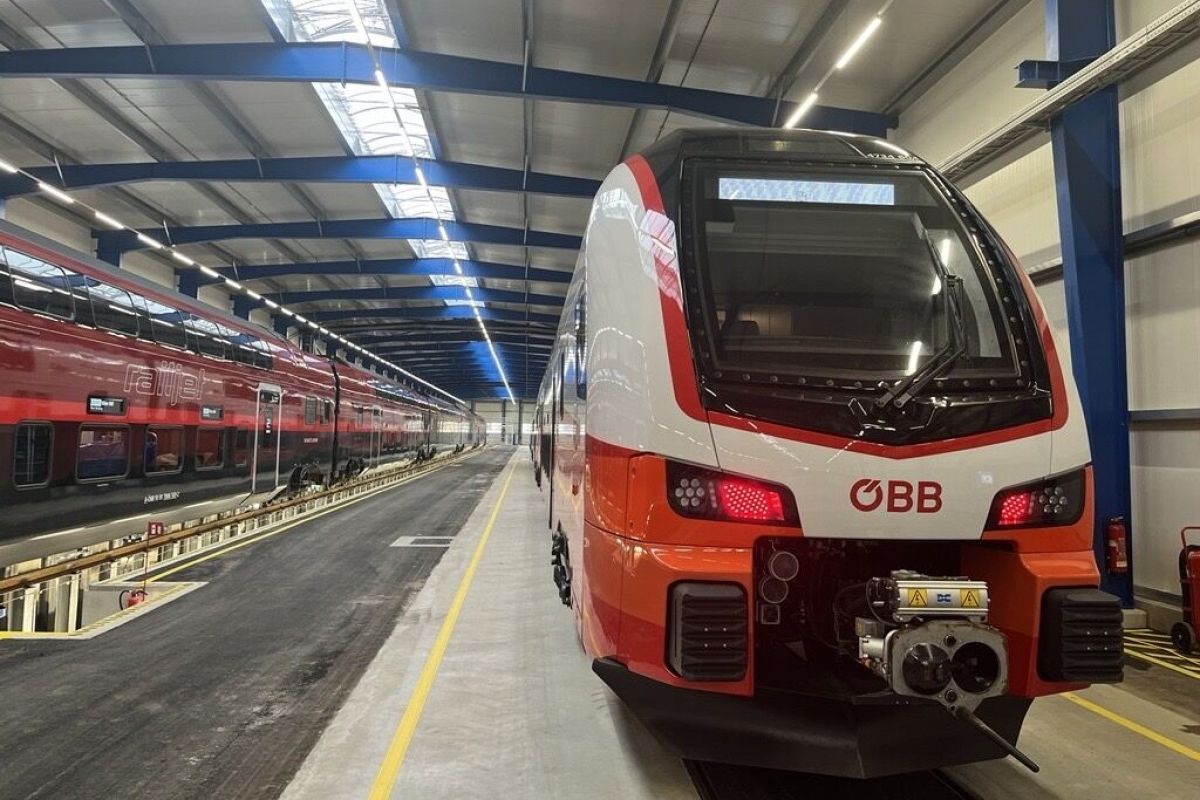
The facility is directly connected to the Austrian rail network and supports preparation for test runs and entry into service of new vehicles.
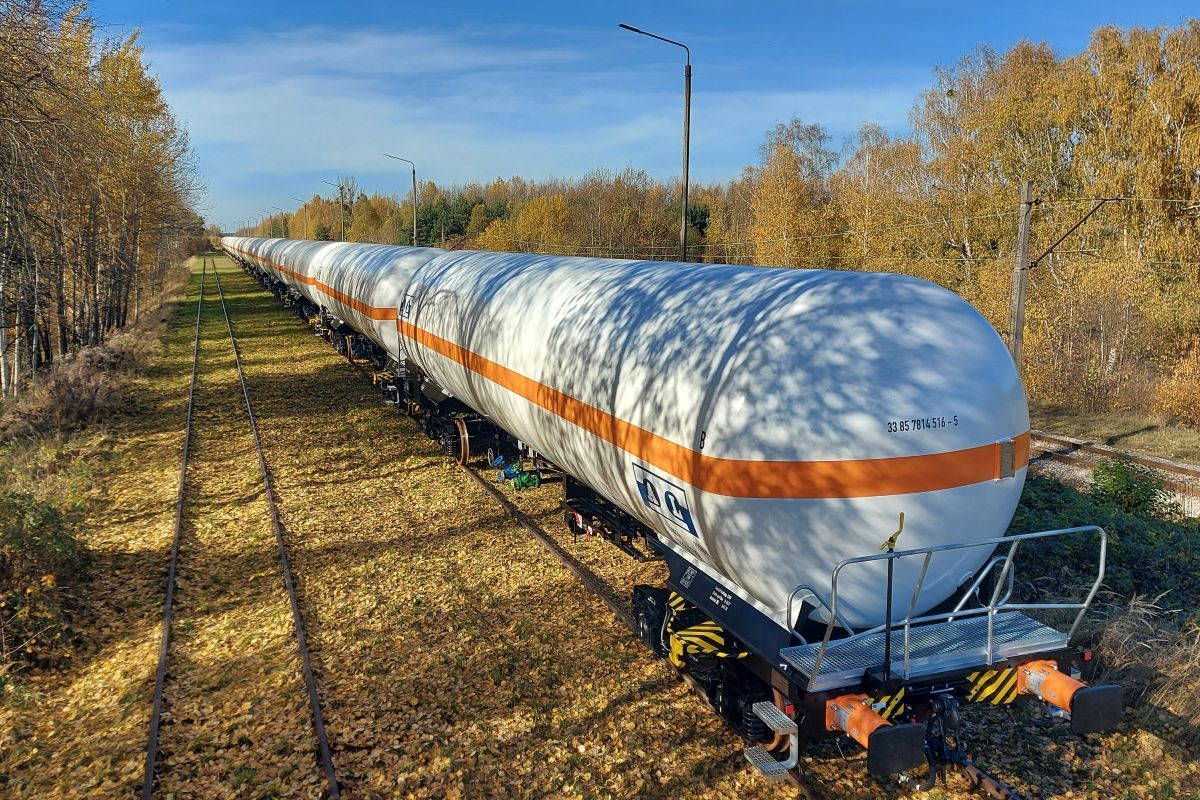
CHEMET, a Polish manufacturer of pressure vessels and railway tank cars, reached its 80th year of operations in 2025.
Train movements are expected to begin later in April 2026.
The control units will be deployed in traction control applications on the VLocity diesel multiple units operating in Australia.
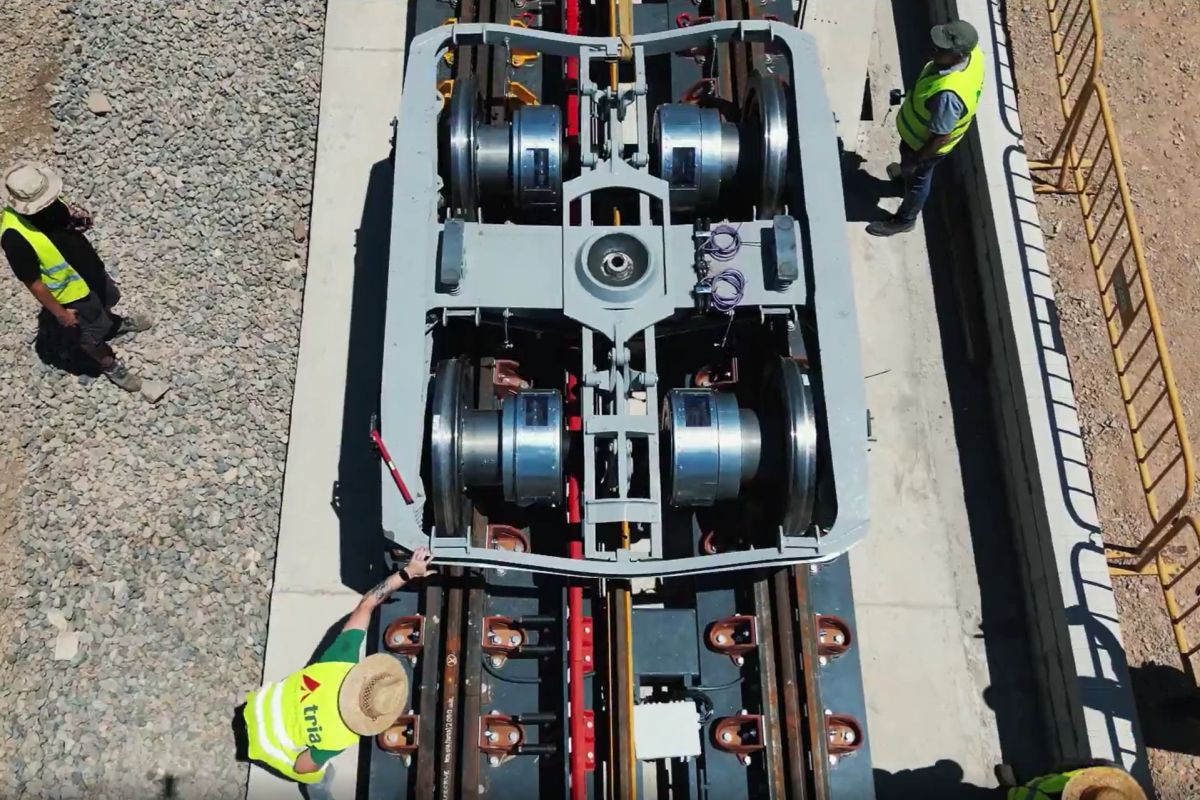
The technology allows freight wagons to transition between 1520 mm and 1435 mm gauges without cargo transloading or manual bogie exchange.
The Norwegian Railway Directorate has released three strategic studies assessing the future role of rail in meeting passenger, freight and public transport demand through 2050.
The units were handed over on 8 April 2026 and have already entered service, enabling the retirement of five legacy locomotives with an average age of 40 years.
The agreement extends a partnership of more than two decades and supports growing production at Halewood, where Jaguar Land Rover is investing in facilities for next-generation electric vehicles.
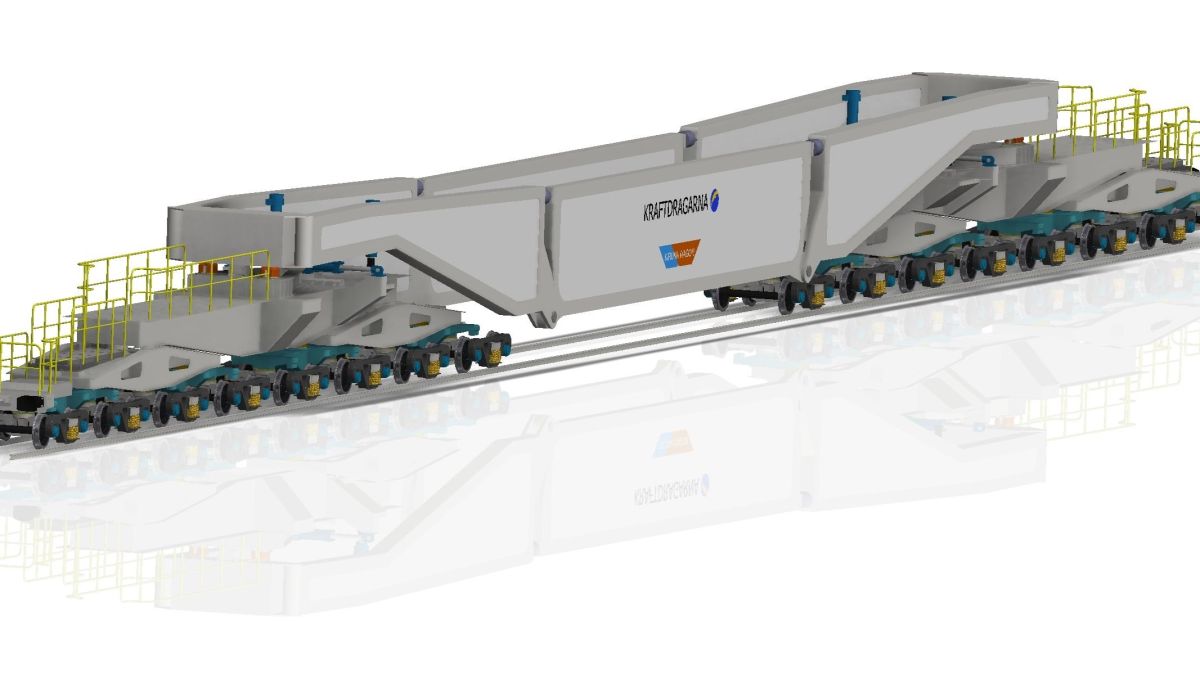
The delivery expands Kraftdragarna’s capacity for complex infrastructure logistics, supporting the movement of oversized and high-mass components across Sweden’s rail network.
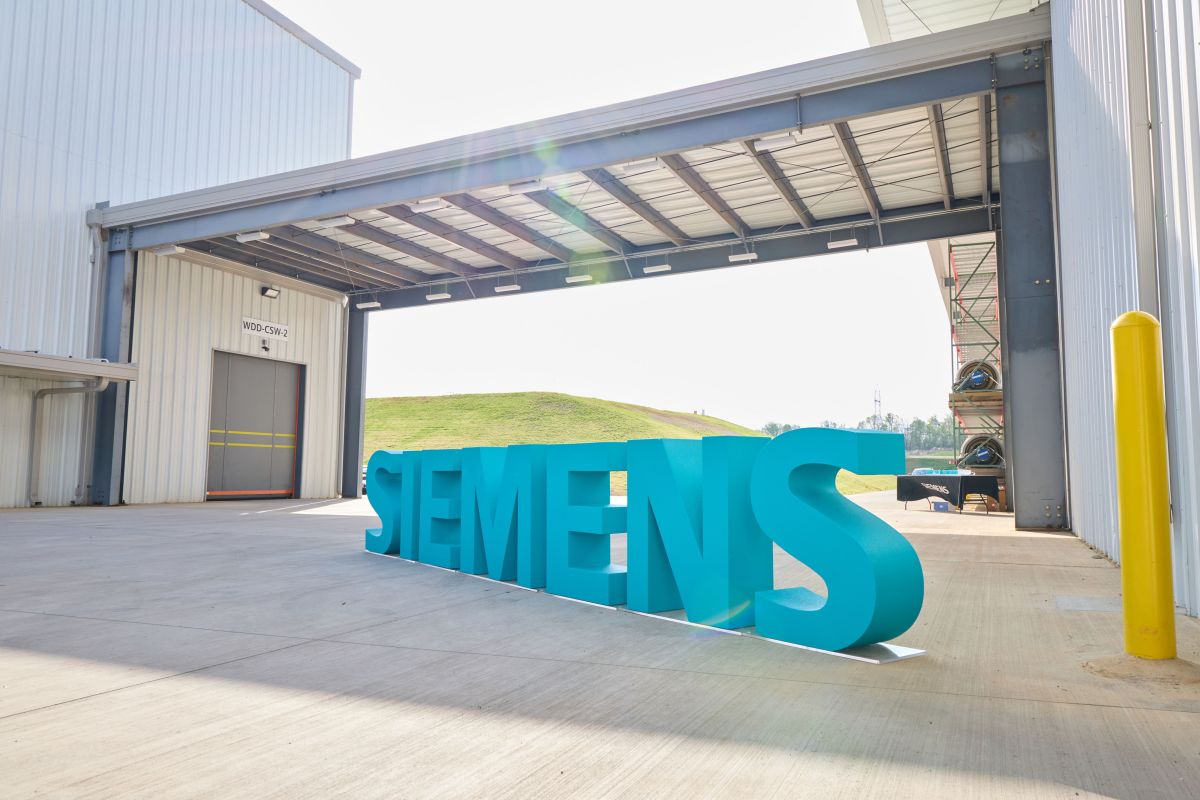
The site, officially opened at the beginning of April 2026, is expected to create more than 500 jobs by 2028 and support growing demand for passenger rail equipment in the United States.
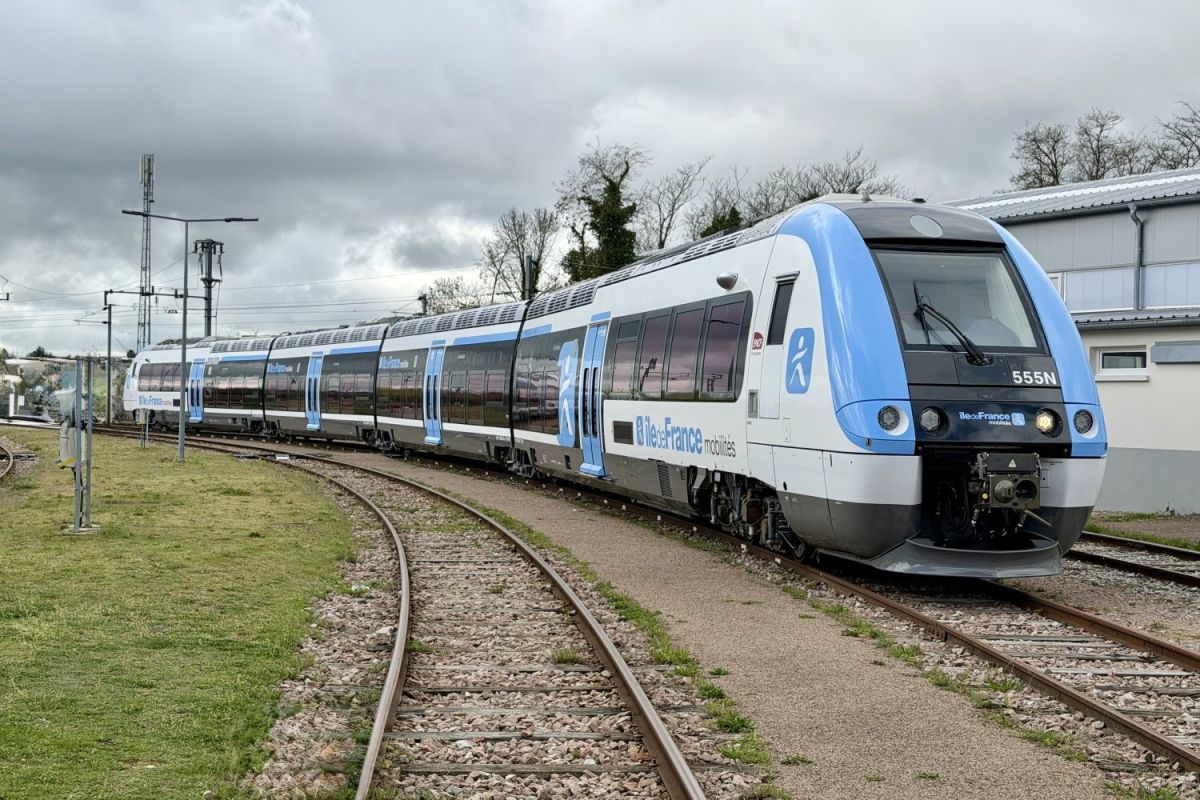
The train entered passenger operation as part of a EUR 55m mid-life renovation programme covering 12 trainsets, with completion scheduled by 2030.
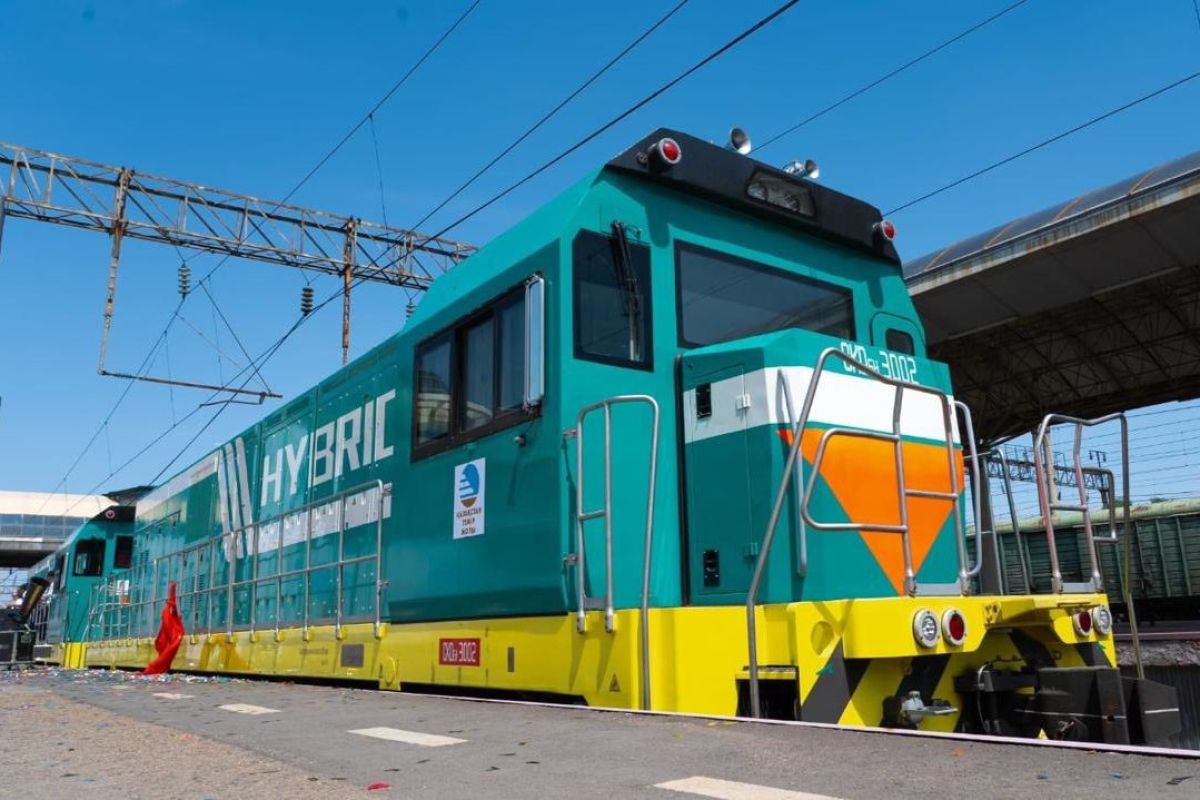
The updates include eight new passenger wagons on the Astana–Omsk service and the commissioning of 24 locomotives across multiple depots.