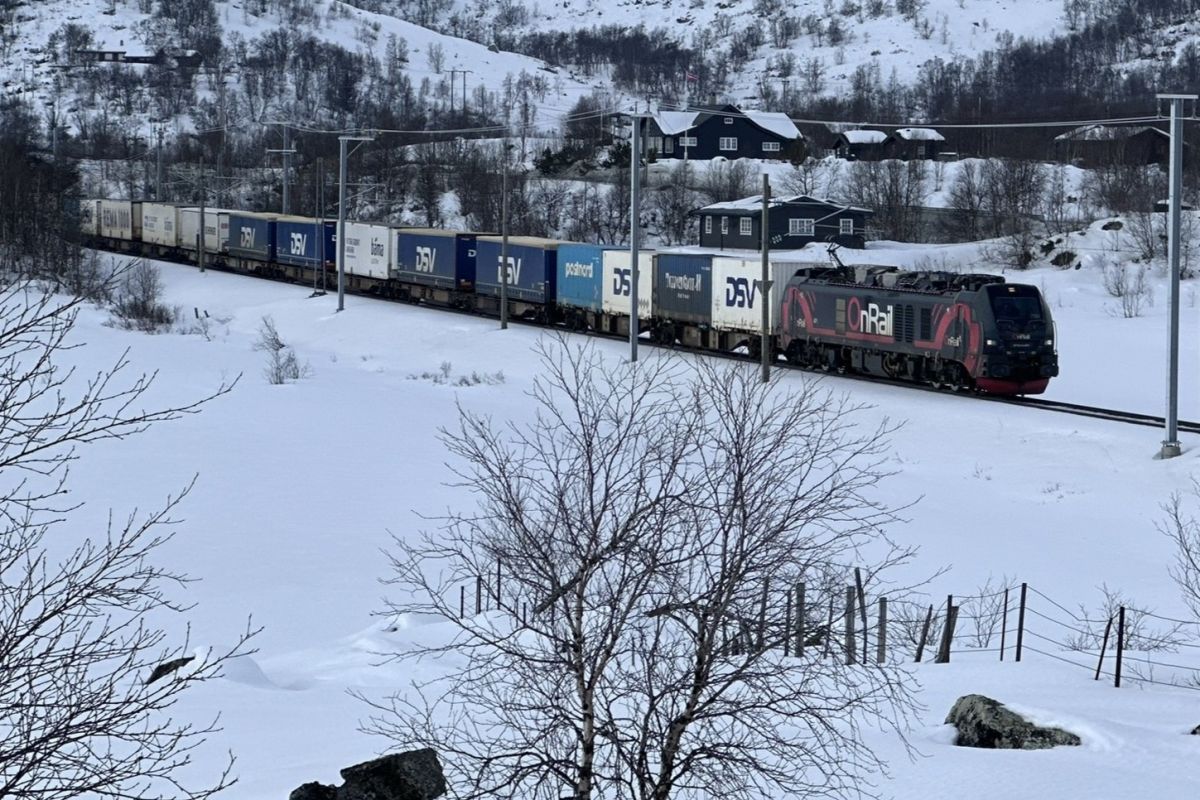
Freight traffic on Norway’s Bergen Line between Oslo and Bergen is experiencing sustained growth, with operators CargoNet and OnRail reporting full trains and increasing demand. A total of 6 freight trains now operate daily across the mountain corridor in each direction, giving rail a market share of more than 60% of freight transport between the country’s two largest cities. Both companies plan to introduce additional capacity from autumn 2026. Each day, the current rail services replace the equivalent of approximately 360 truck journeys.
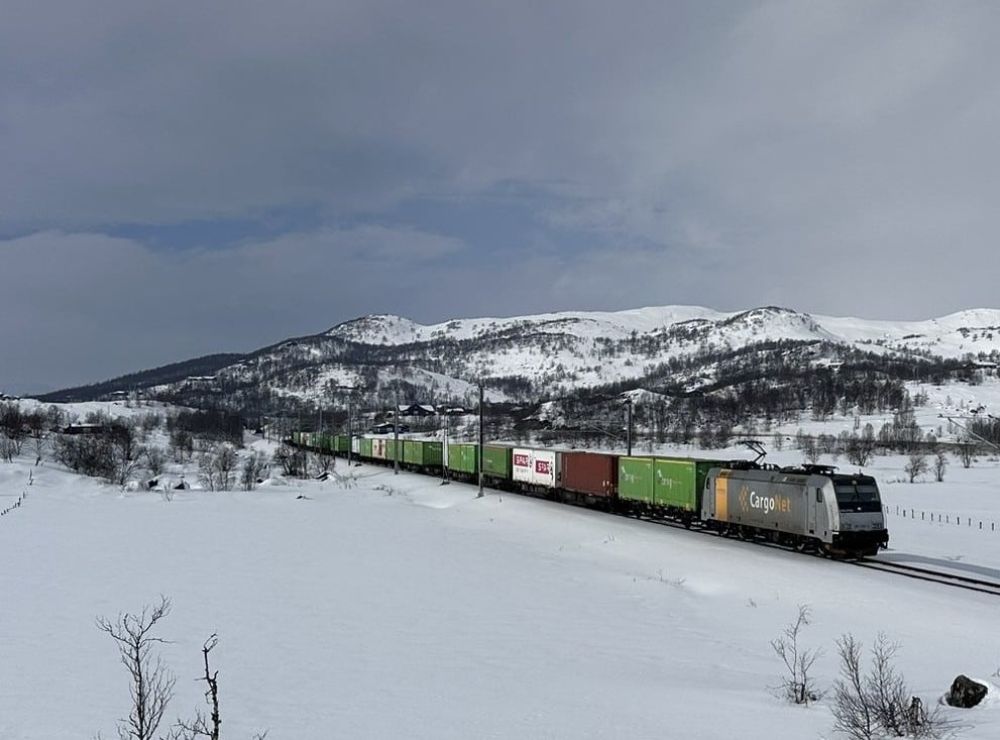
CargoNet recorded a 20% year-on-year increase in volumes during the first two months of 2026. The operator currently runs four train pairs Monday to Friday, plus Sunday departures, and has adjusted terminal loading times at Alnabru to better accommodate grocery and consumer goods traffic. Plans are in place to lengthen trains on peak-demand days to increase capacity without adding additional paths.
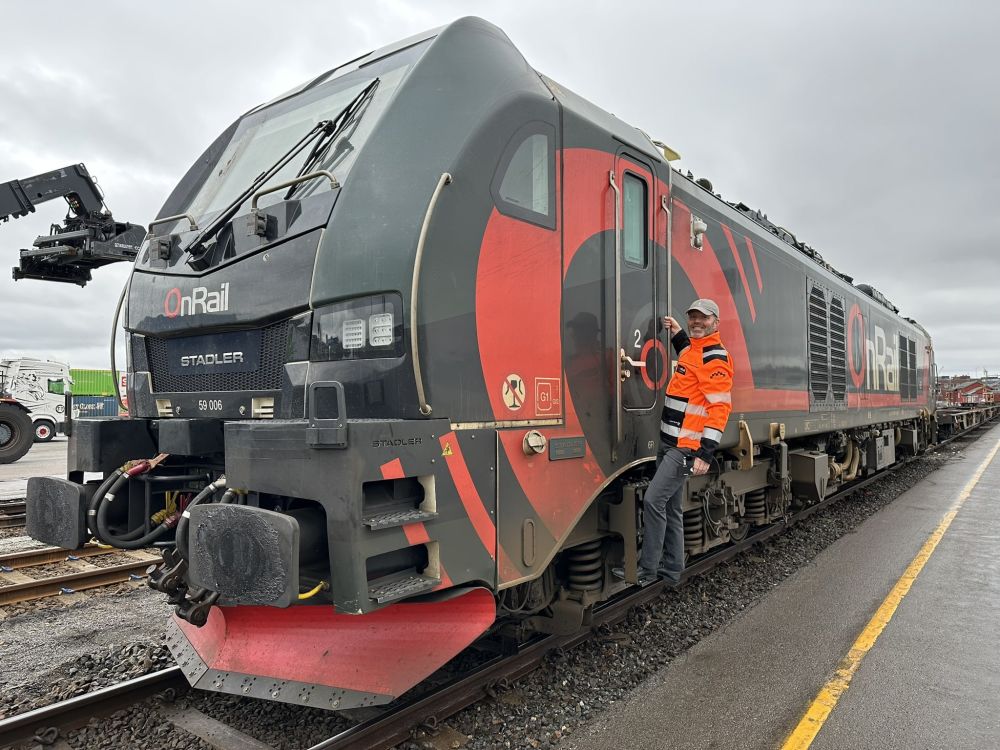
OnRail operates two daily train pairs and reports near-100% regularity, contributing to high load factors and growing customer demand. From autumn 2026, the company will introduce a third daily train pair, enabling two evening departures in each direction alongside a daytime service.
Infrastructure improvements by Bane NOR, including enhanced drainage systems and larger culverts, are increasing line robustness and reducing the risk of weather-related disruptions such as landslides. However, operators have identified the need for additional passing loops, extended crossing tracks, and improved landslide protection to sustain future growth. Calls have also been made for higher path priority for freight services to optimise network capacity.
The Bergen Line, together with the Ofot Line, remains one of Norway’s most competitive rail freight corridors, supporting national supply chains, traffic safety, and modal shift objectives.