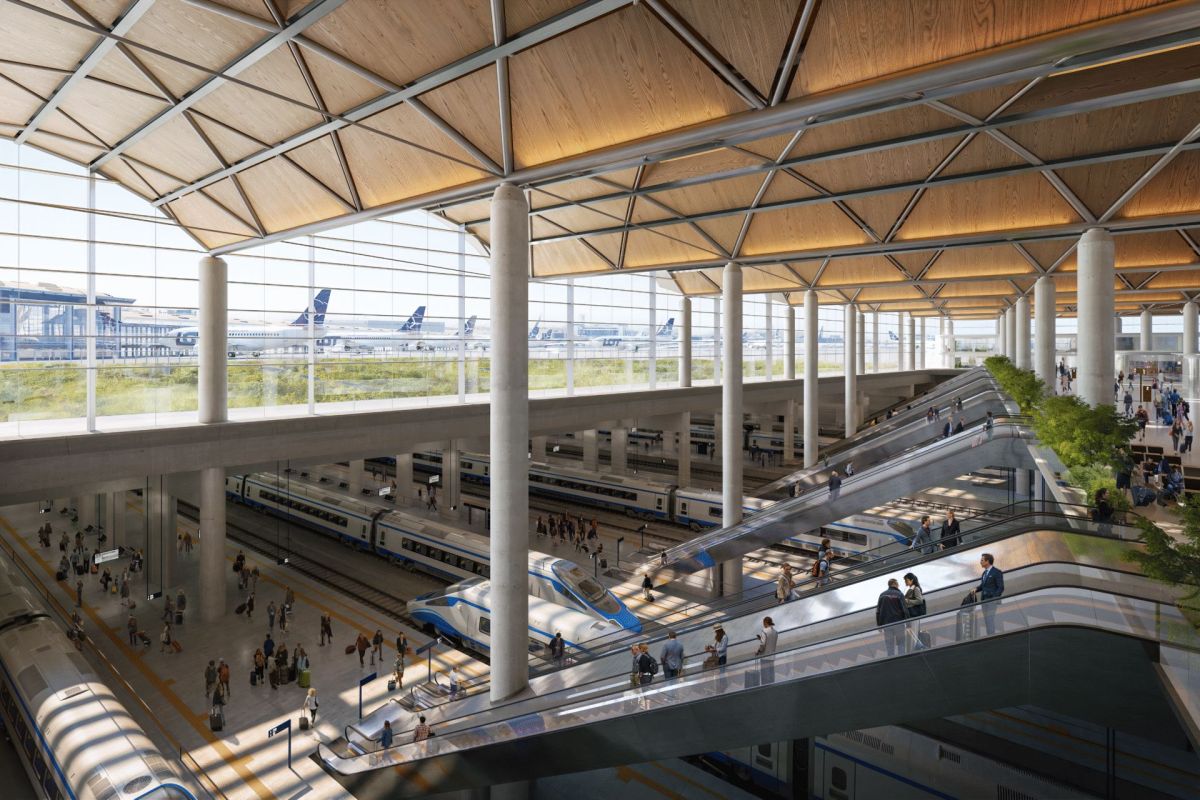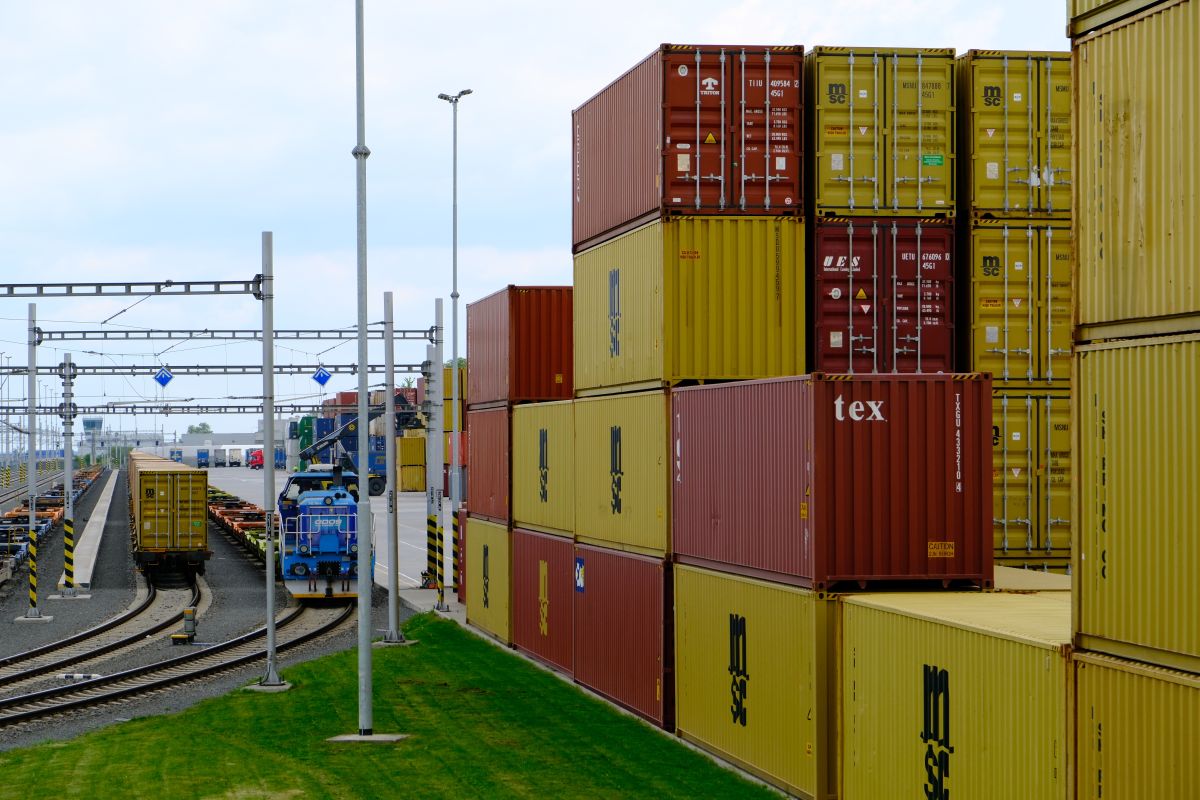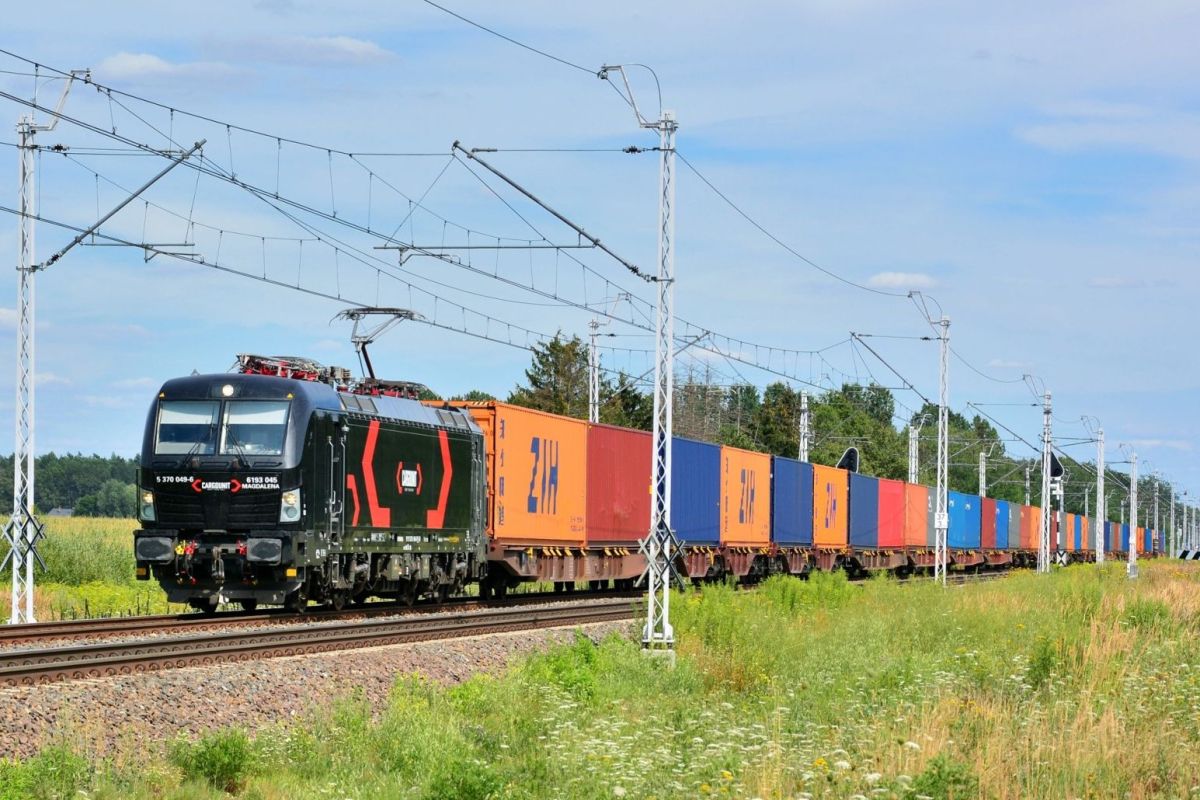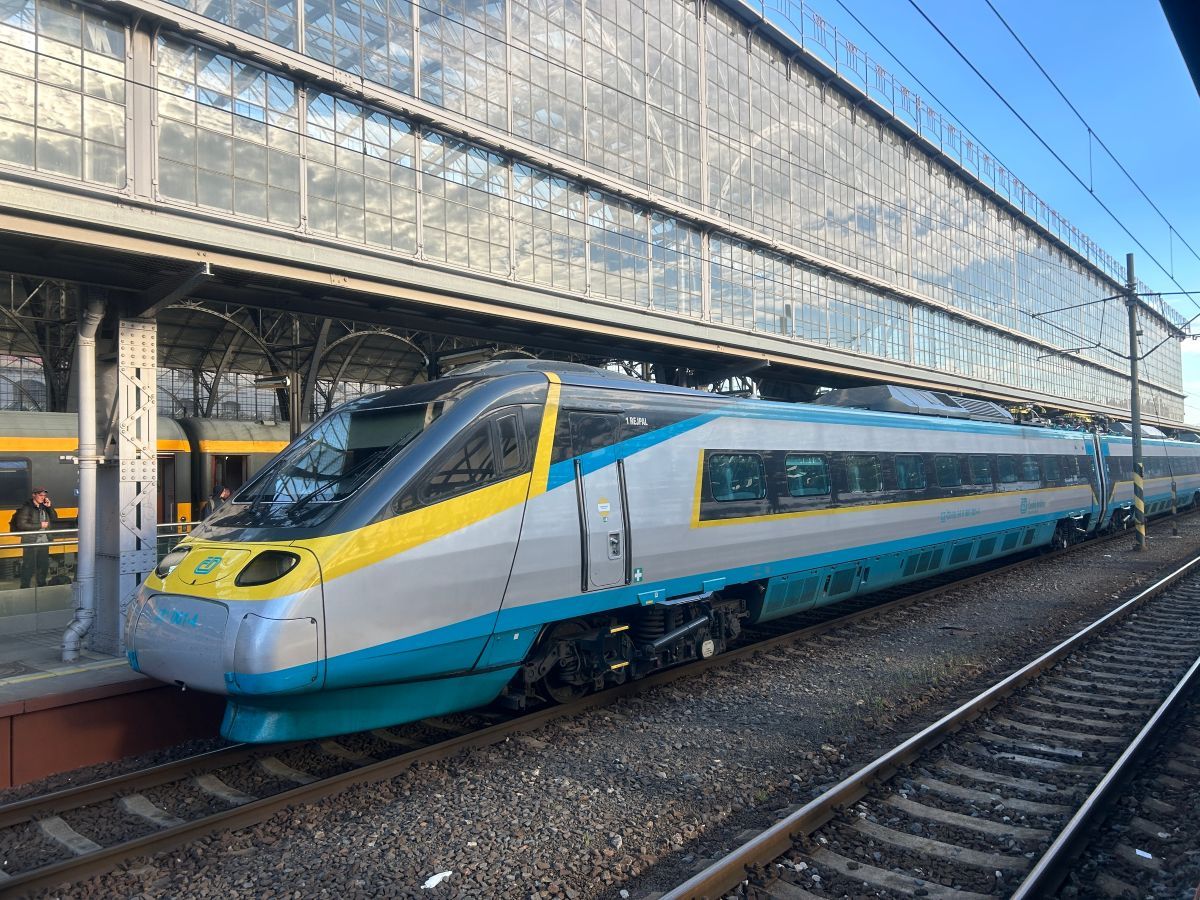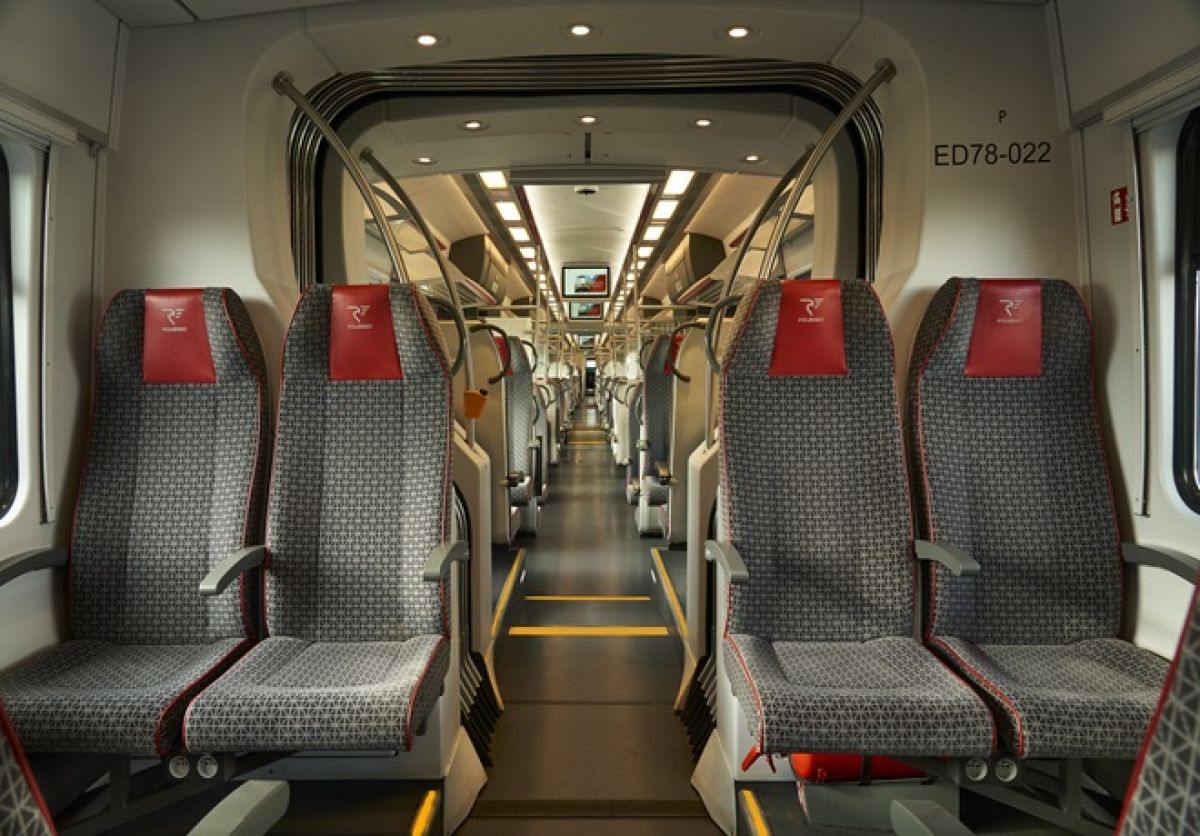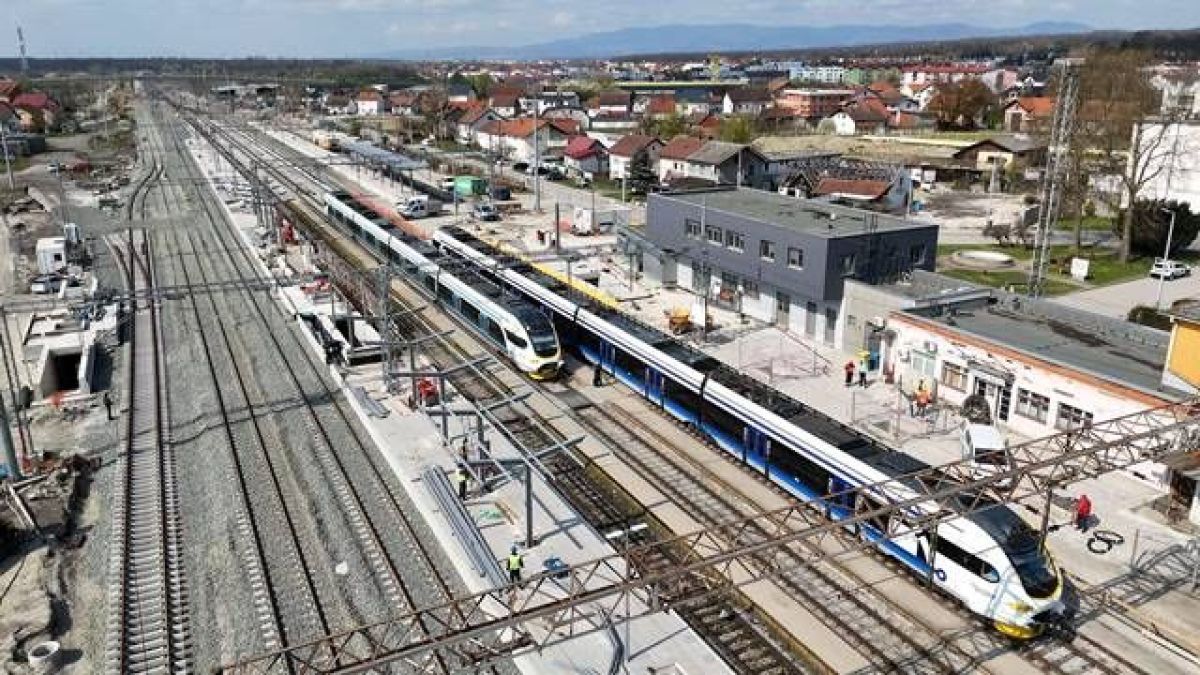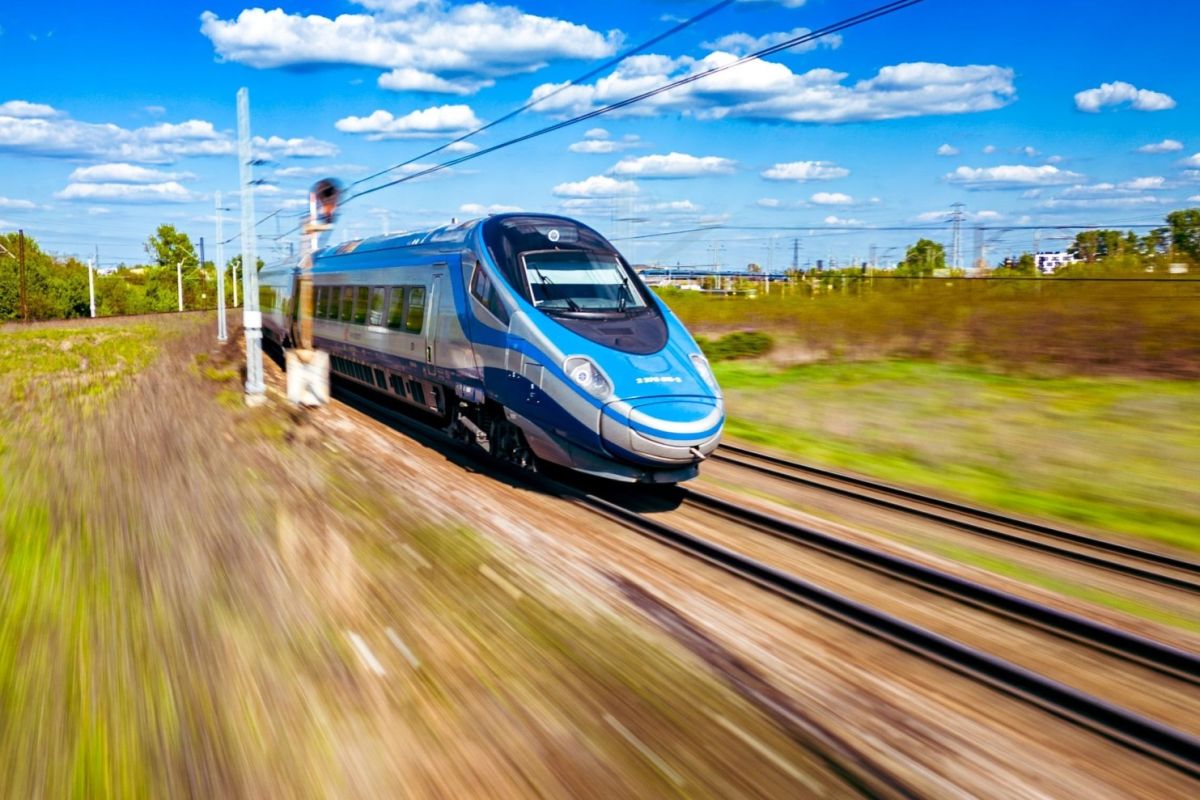

In Poland, new AeroExpress trains plan to run every 15 minutes on the new Warsaw - Airport - Łódź high speed line
Forecasts indicate around 30,000 passengers per day on the Warsaw–airport–Łódź corridor by 2035.
The agreement establishes a framework for developing a rail cargo corridor centred on Thessaloniki and improving connections to Balkan and Central European markets.
Variable-gauge technology enables wheelsets to adjust automatically when passing through gauge-changing installations.
Bednárik states that rail freight’s share of total freight transport in the EU has fallen to around 16%, moving the bloc further away from its modal shift objectives.
The measure applies to carriers starting operations on the Polish network and aligns with Regulation (EU) 2018/763.
A consumer survey by SVOD Bohemia, the Czech association of passenger rail operators, puts hard numbers on a question most operators answer with assumption: among people who travel regularly, what keeps them out of trains, and what would bring them in?
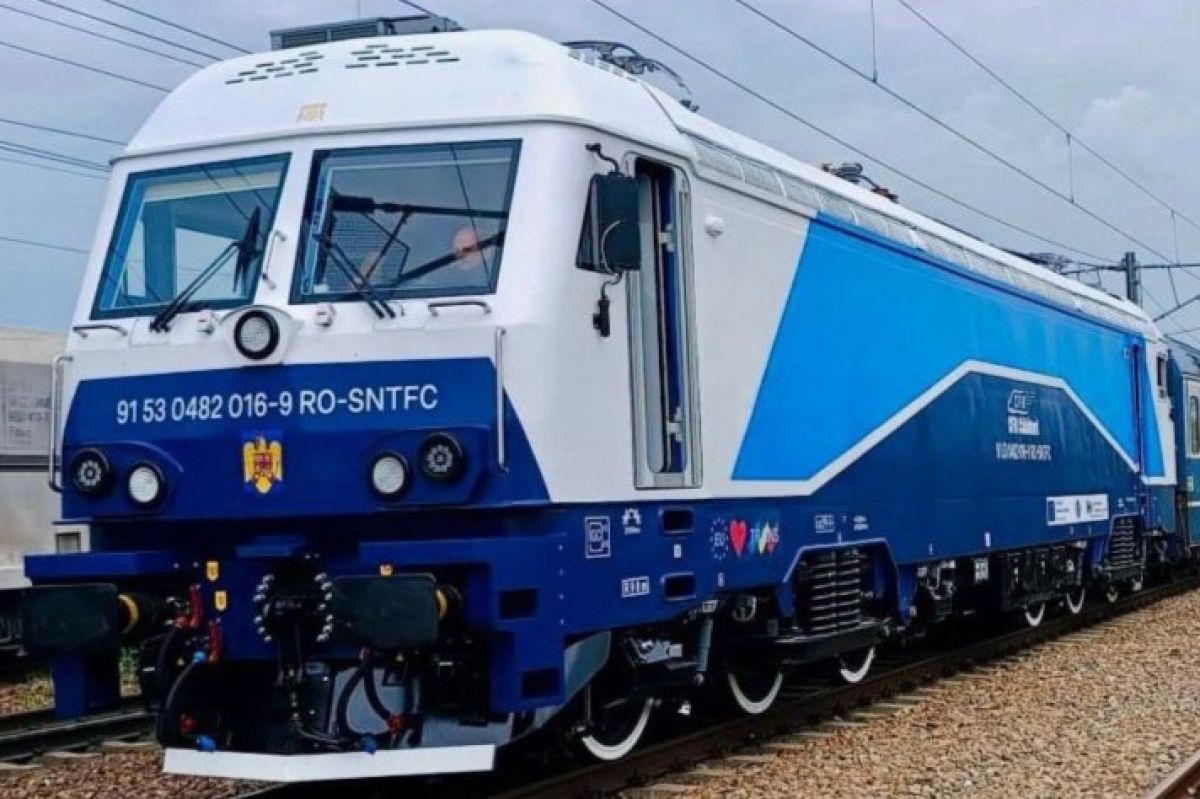
The vehicles were refurbished with funding from Romania’s National Recovery and Resilience Plan (PNRR).
The change follows around 13 years of management by Tobias Richter and Maximilian Richter.
The package, presented on 14 May, targets regional, long-distance and cross-border rail travel within the EU.
The locomotives are being prepared for entry into traffic.
The agreements cover passenger rolling stock, freight locomotives and infrastructure maintenance vehicles.
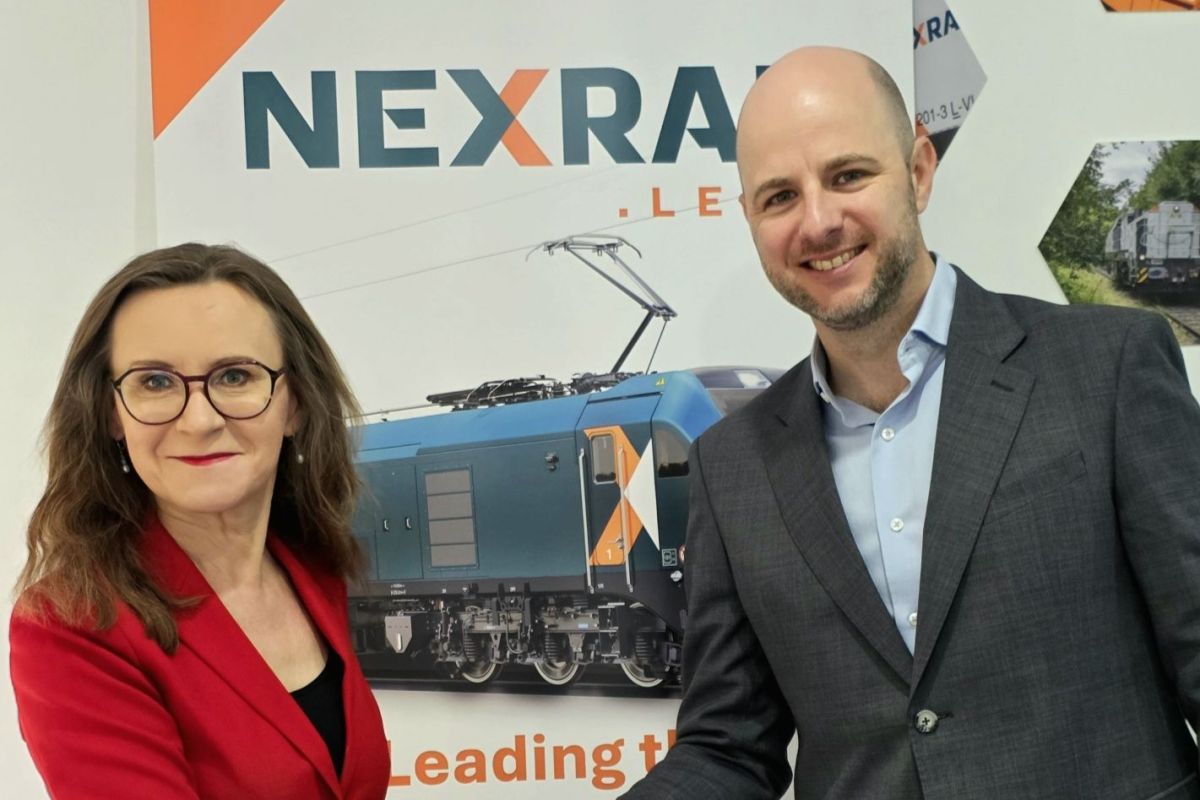
The Dragon 2 is a six-axle electric locomotive designed for heavy freight operations. It will be deployed by SLG on domestic and cross-border services.
The decision targets port to hinterland transport, with a focus on modular and integrated service offerings.
The agreements increase the number of active operators on the South African rail network from one to 12 and are expected to add 24 million tonnes of annual freight capacity.
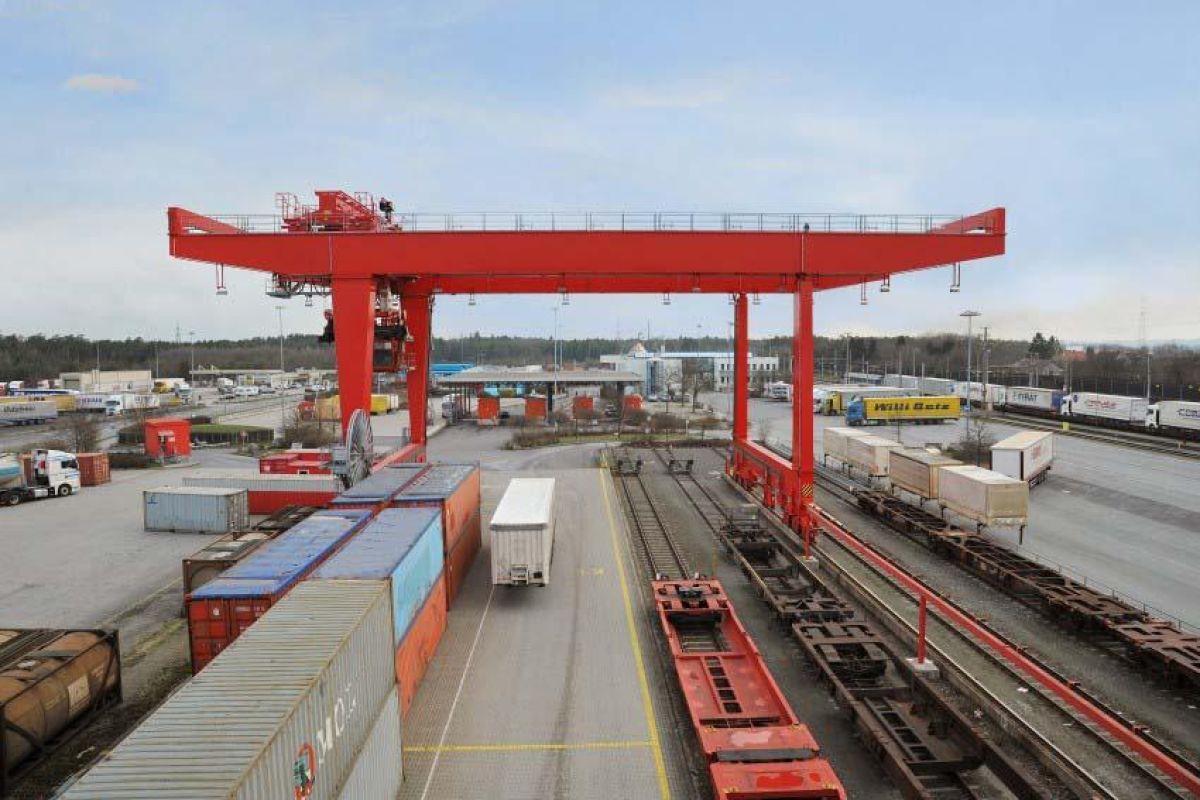
DB Cargo and SBB Cargo have added capacity for parcel and semi-trailer traffic on key north–south corridors.
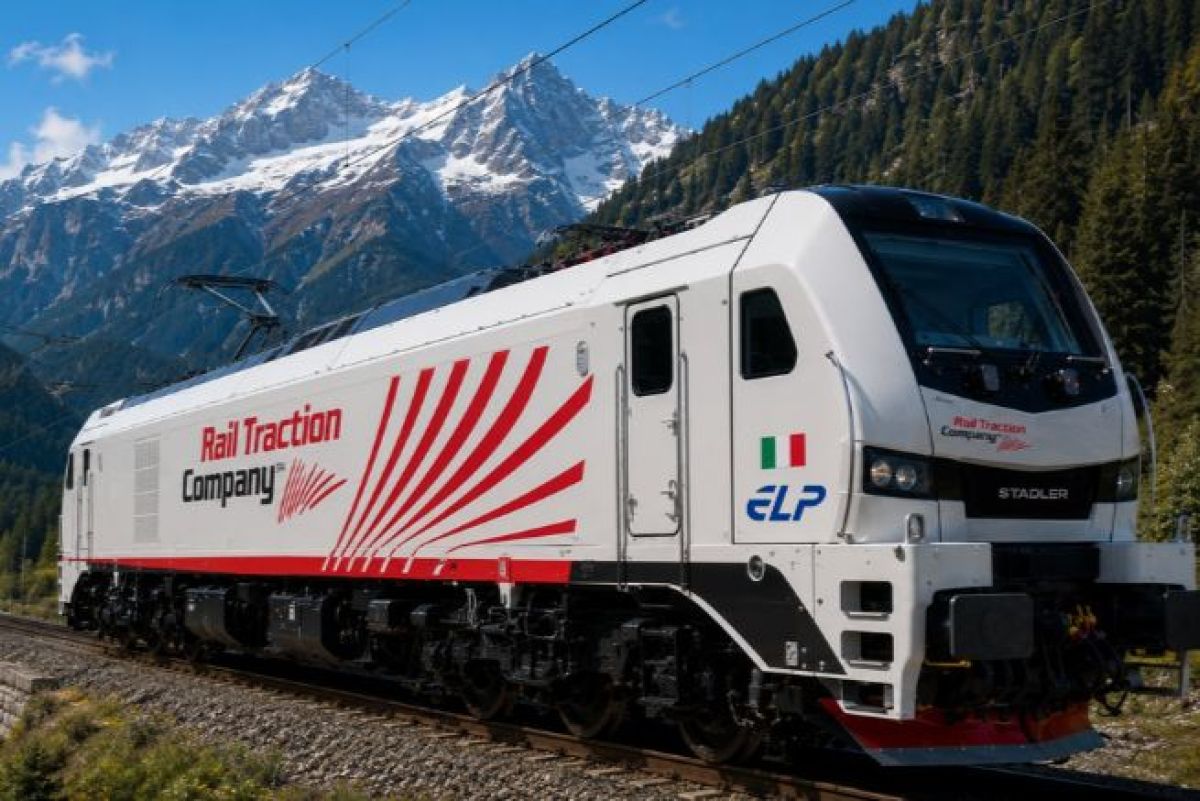
RTC is using the trials to examine whether services on the Brenner axis can be operated without locomotive changes at national borders.
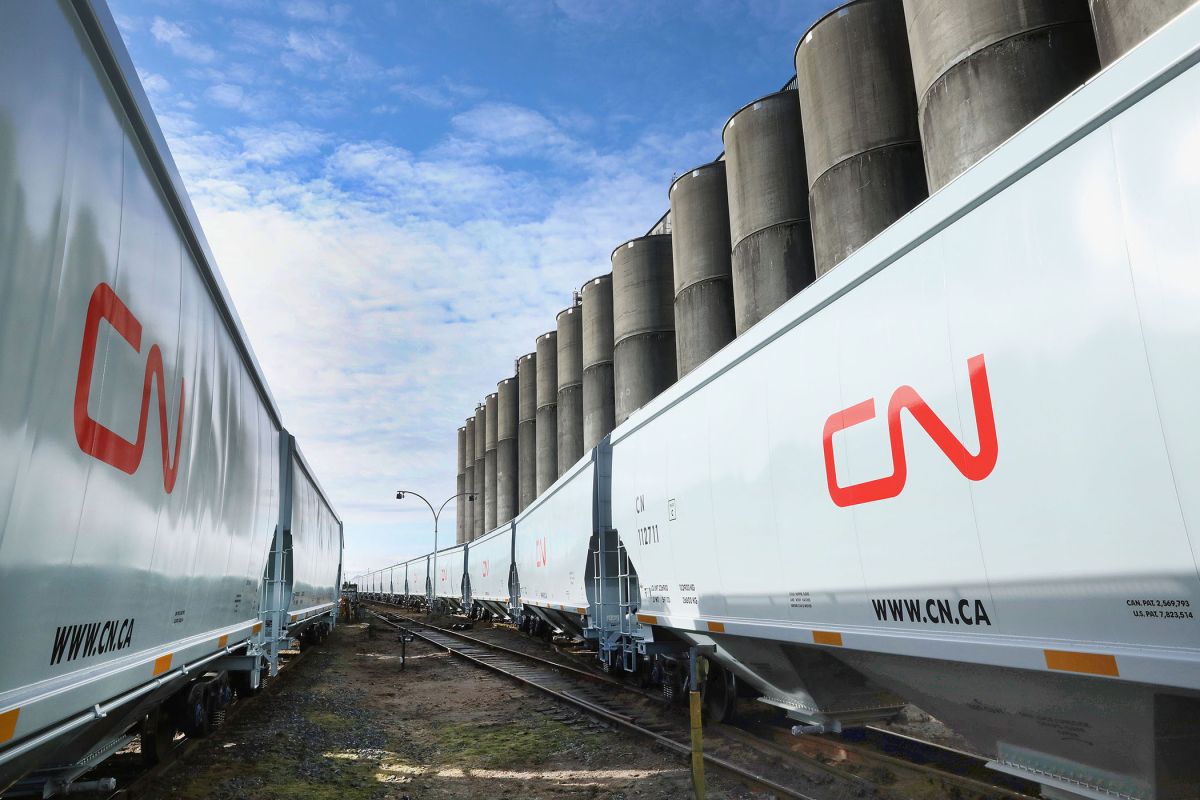
Two of the Class I North American railroads recorded record grain movement volumes
The partnership will be implemented through the Office of the Commissioner of the Atlantic Corridor and involves cooperation with railway undertakings, logistics operators and freight customers.
The procurement covers six units under a base contract and 16 additional units under an option, with delivery of all vehicles due by the end of 2029.
No decision has been taken, and talks are described as being at an early stage.
Nikutta most recently served as CEO of DB Cargo and has held senior roles in the European rail and mobility sector.
The network brings together key regional logistics and rail freight operators to coordinate activities, share expertise and develop joint initiatives.
The agreement starts on 12 December 2027 and runs for nine years.
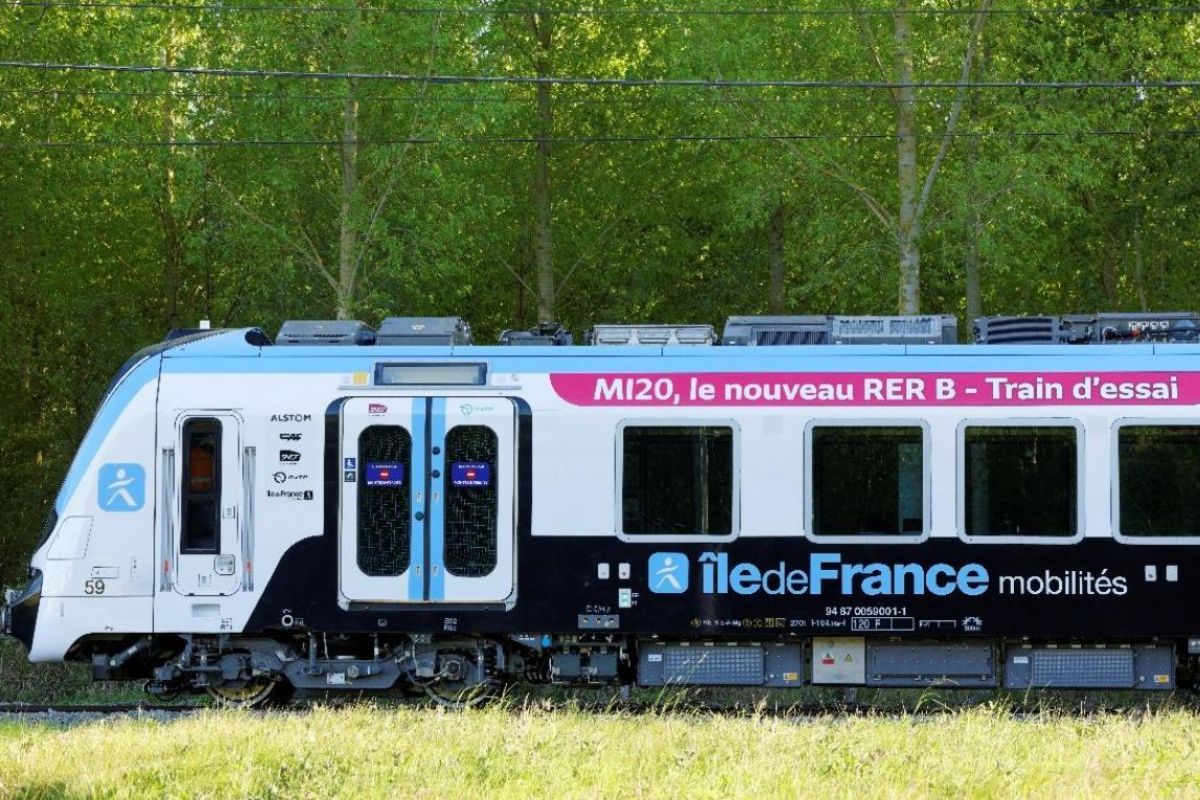
The regional authority has committed EUR 2.5bn for 146 new trainsets, with entry into passenger service scheduled for late 2028.
The contract is valued at EUR 677.1m excluding VAT, with works scheduled to last five years and 10 months after signature.
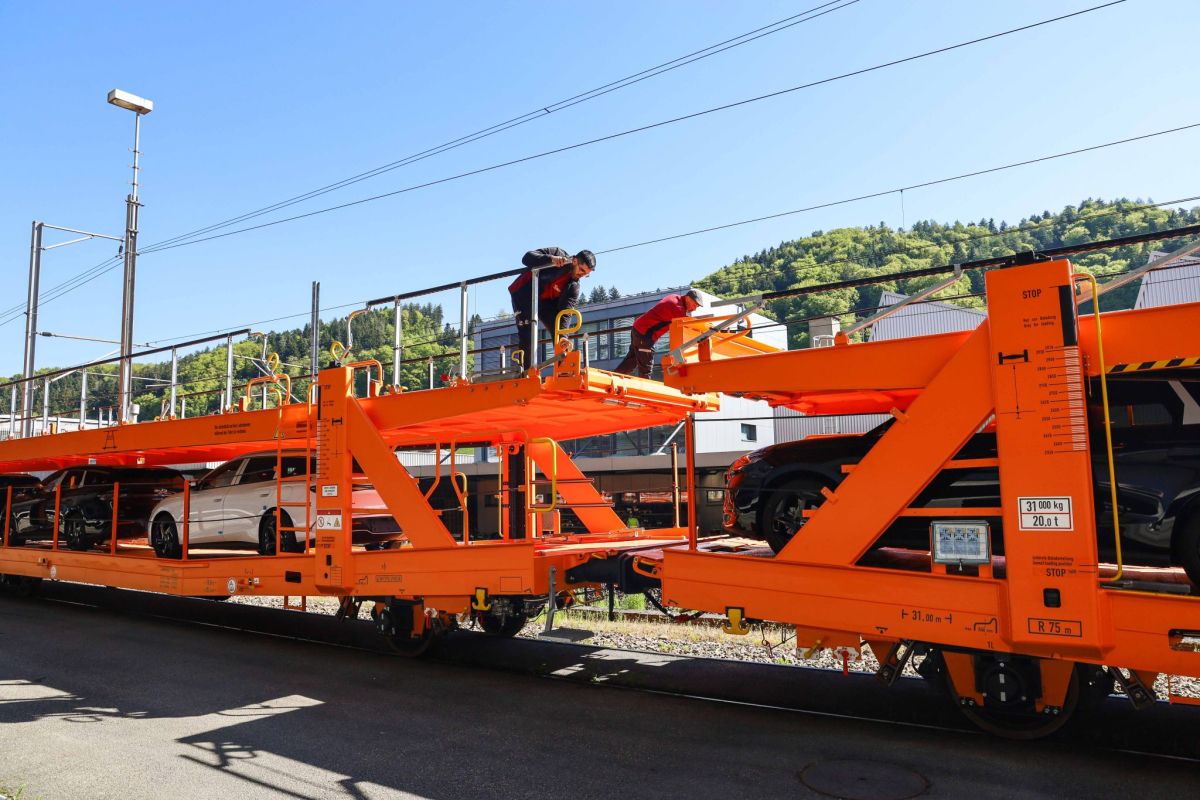
The shipment, carried on 20 freight wagons, formed part of an international supply chain for cars arriving from Asia.
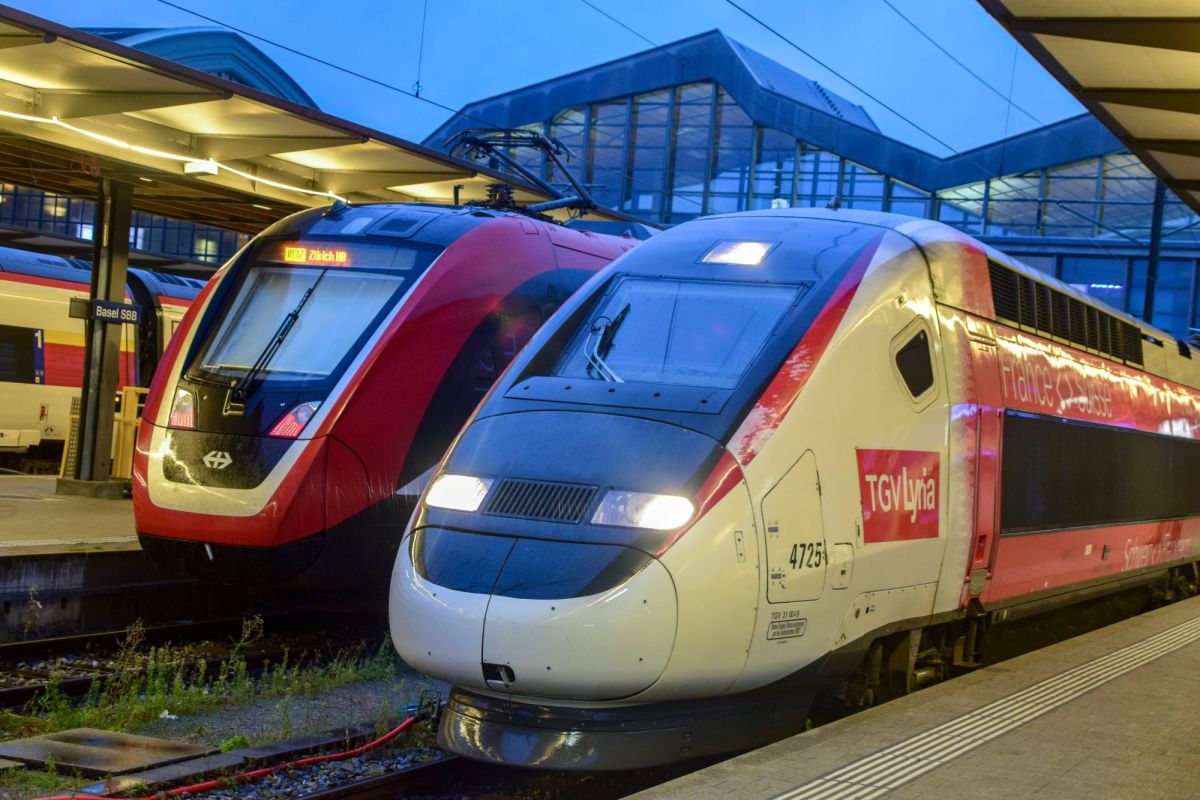
The agreement, announced on 11 May 2026, follows a cooperation agreement signed in March between SBB and SNCF Voyageurs to develop new international routes.
The system uses trackside AI-powered cameras to identify animals approaching or entering the railway corridor.
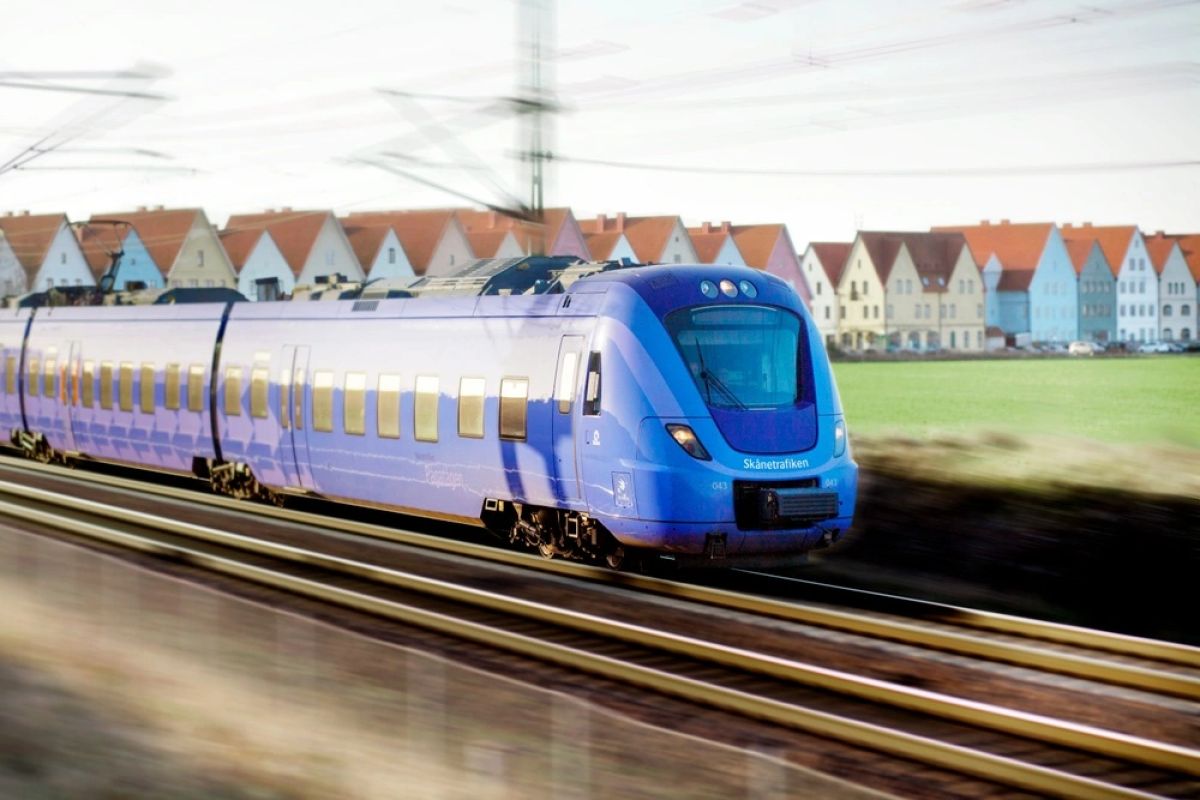
The units will initially be used for driver training before entering passenger service in Västra Götaland.
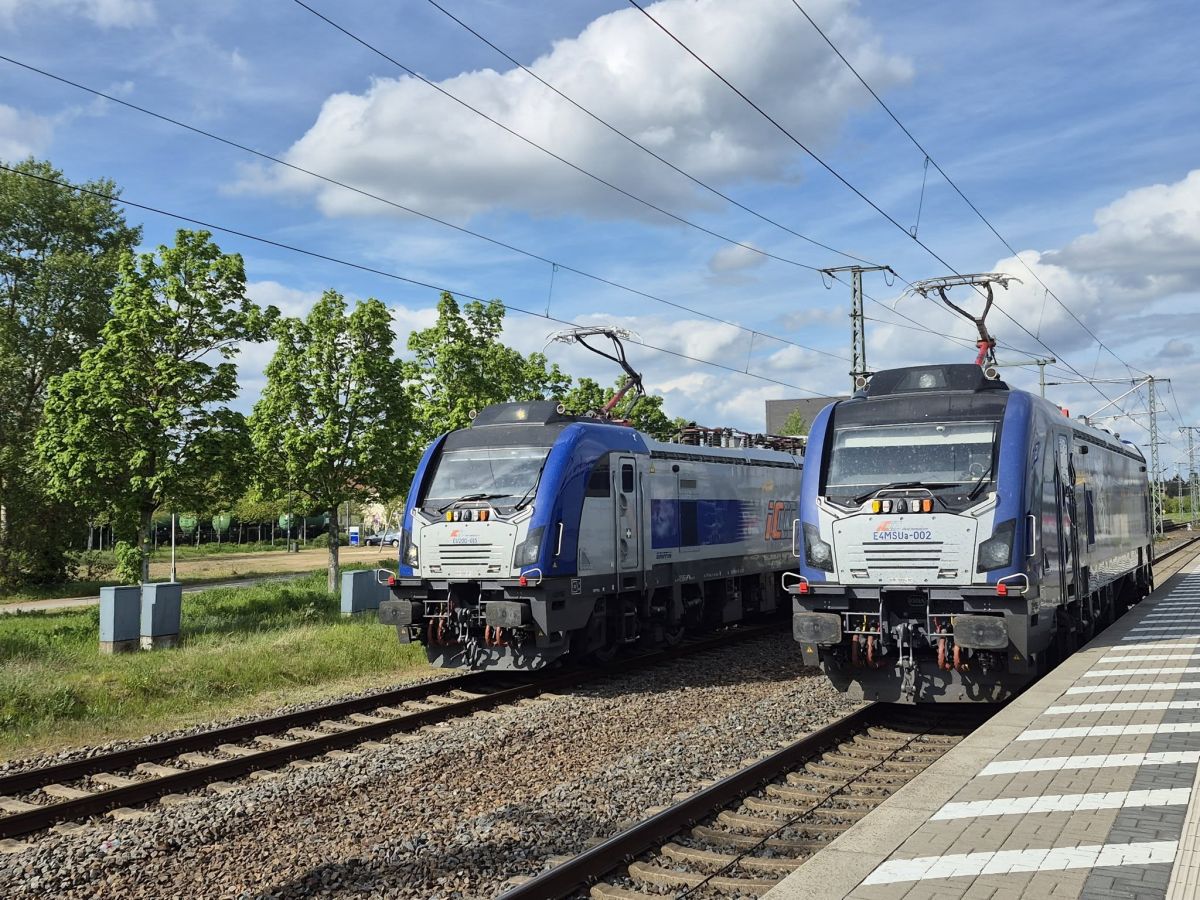
Newag is progressing with deliveries and certification of its latest generation of rolling stock, covering hybrid multiple units for PKP Intercity and multi-system locomotives for Western Europe.
The arrangement followed changes in CRONIMET’s supply chain, with BM Bahndienste coordinating the operational set-up.
The first element of the Fehmarnbelt tunnel is to be sunk
The decision allows the Class 99 to operate across Britain’s mainline network, with commercial service planned for this summer.
Overall reductions range from 20% to 45%, depending on the route.
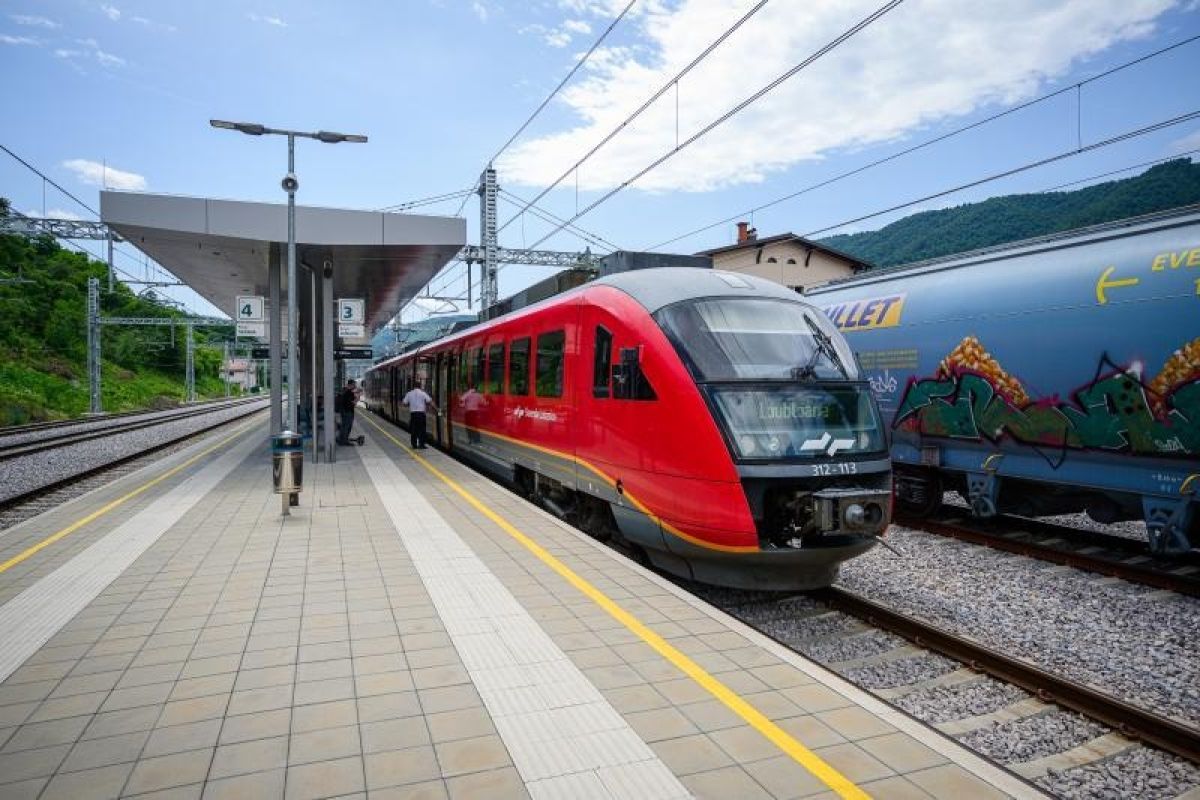
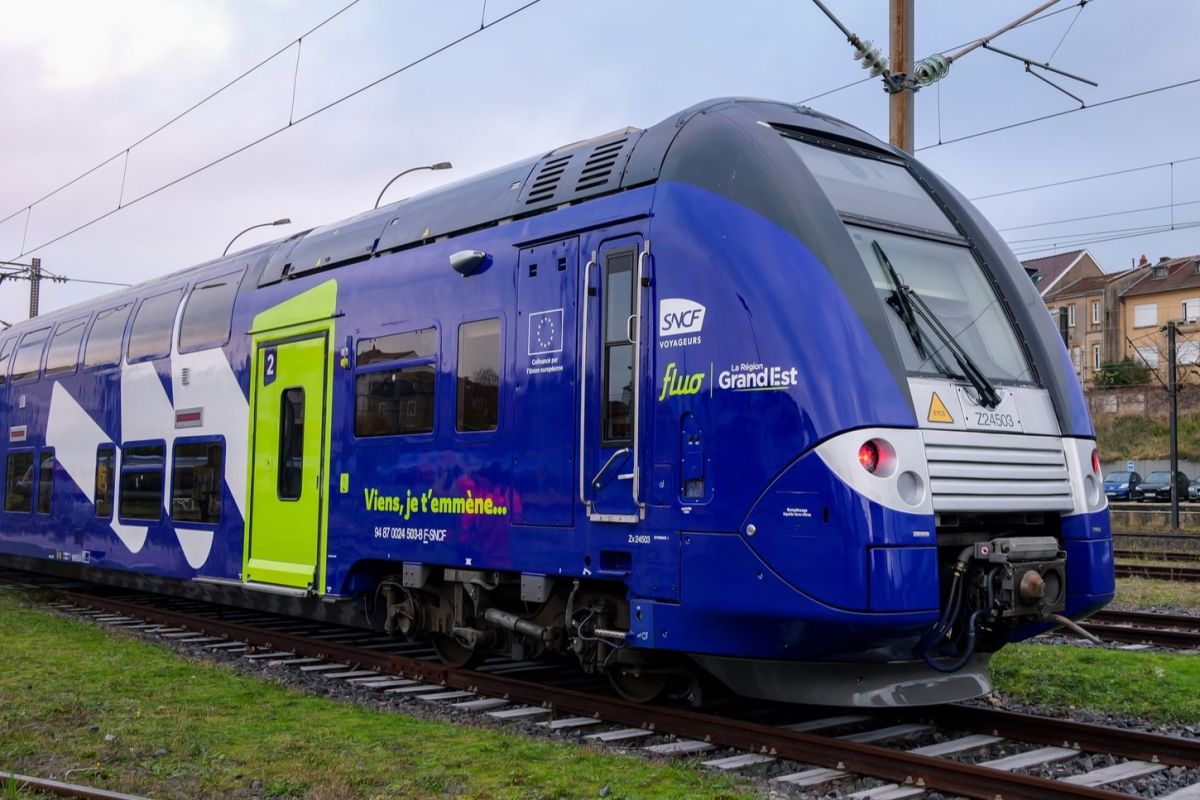
Région Grand Est has introduced new rolling stock on two cross-border corridors to Luxembourg and Germany.
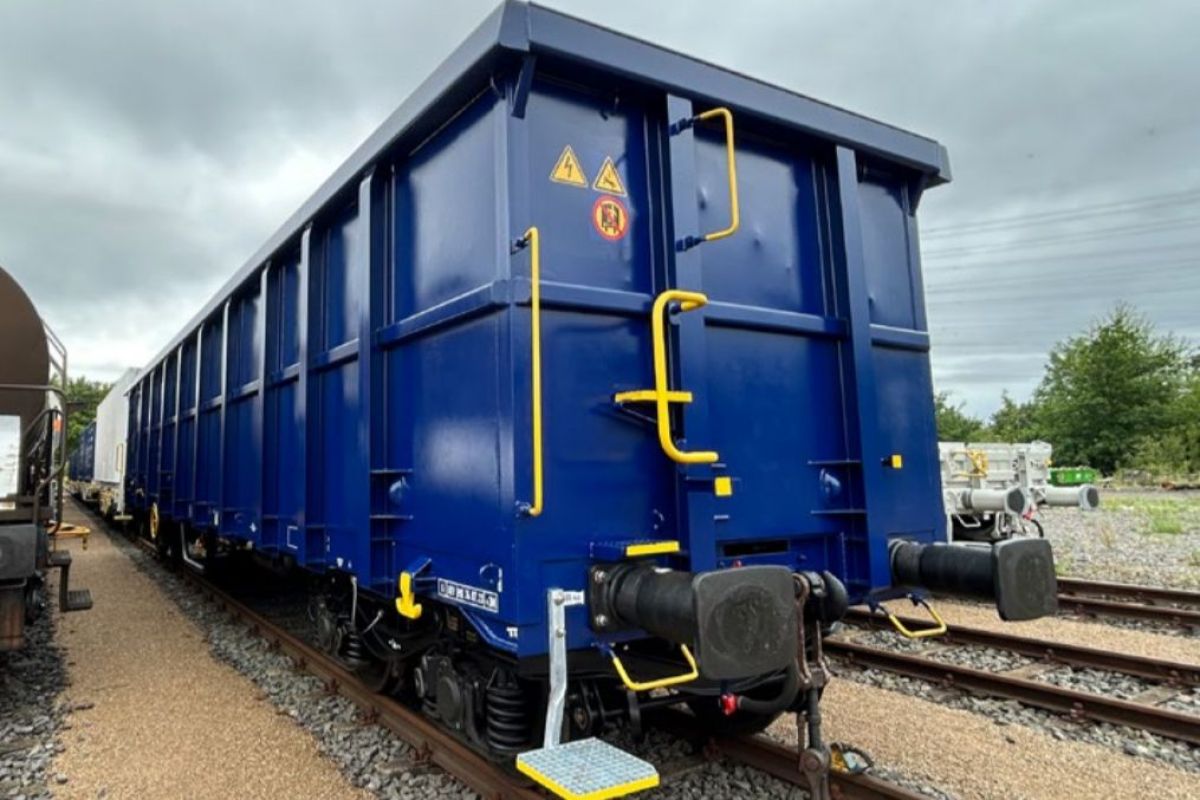
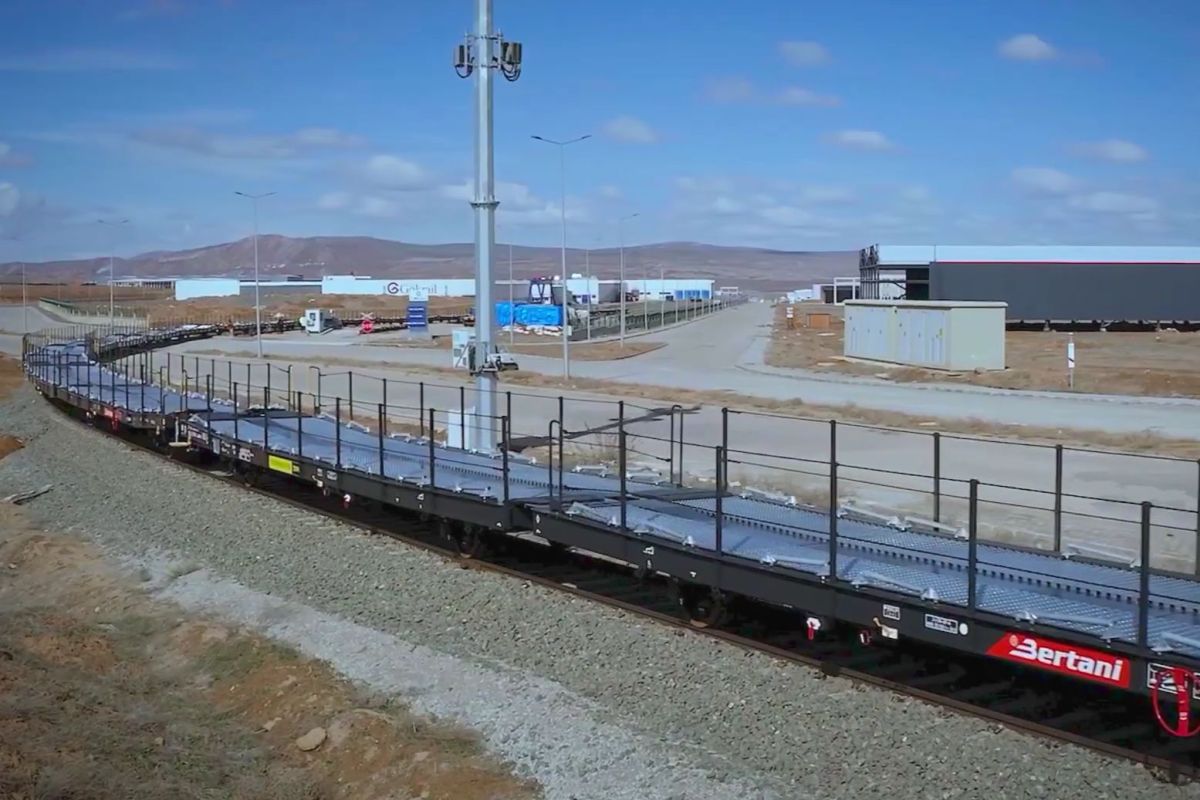
Each wagon can carry up to six two-axle vehicles.
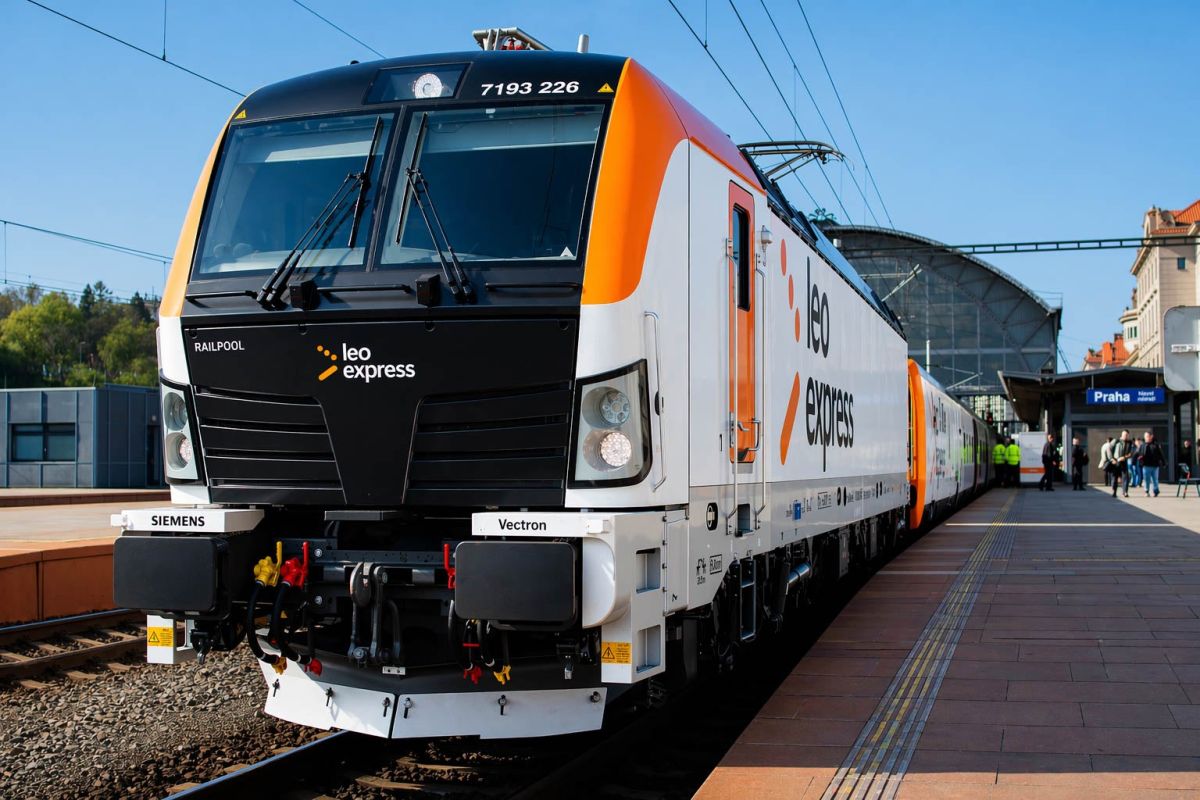
Less than a week after celebrating the launch of its Talgo S6 trainsets on routes to Bratislava and Prešov, Leo Express has been forced to scale back operations due to technical failures and a shortage of available units.
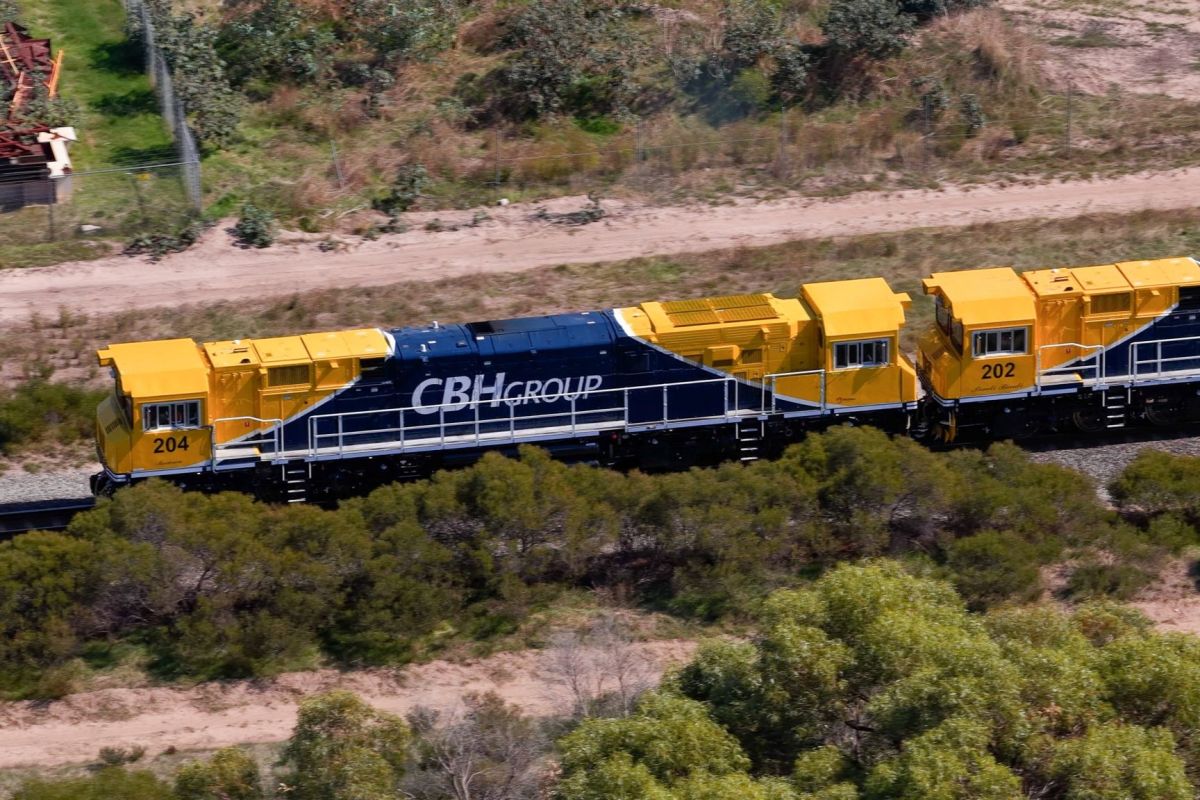
The locomotives arrived in early April from Wabtec’s Contagem manufacturing facility in Brazil.
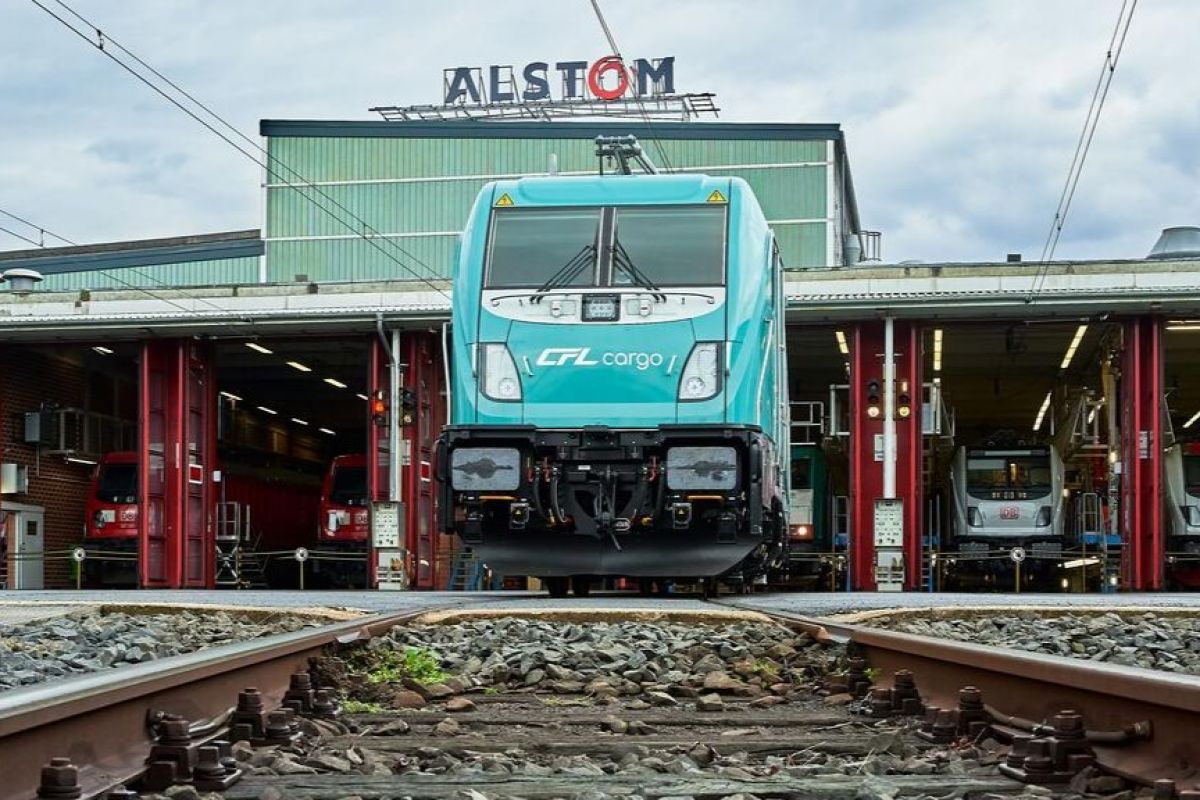
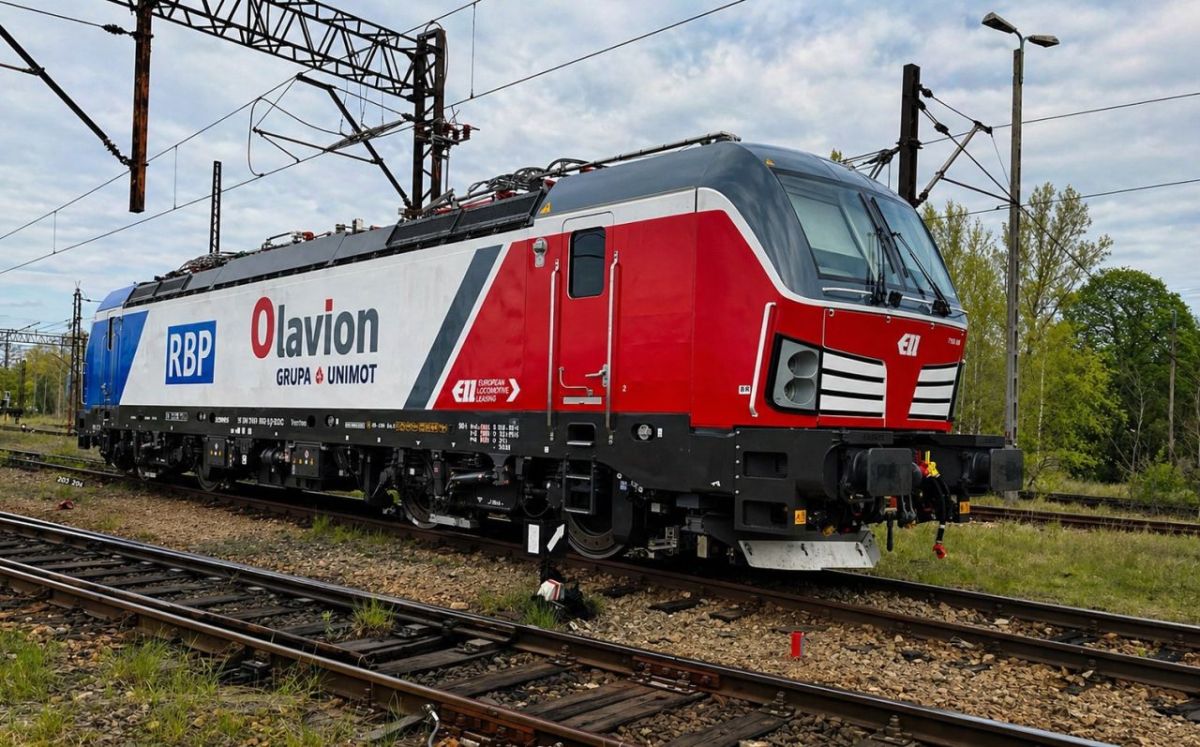
ELL Polska continues to supply Vectron locomotives to operators active in Central European freight corridors.
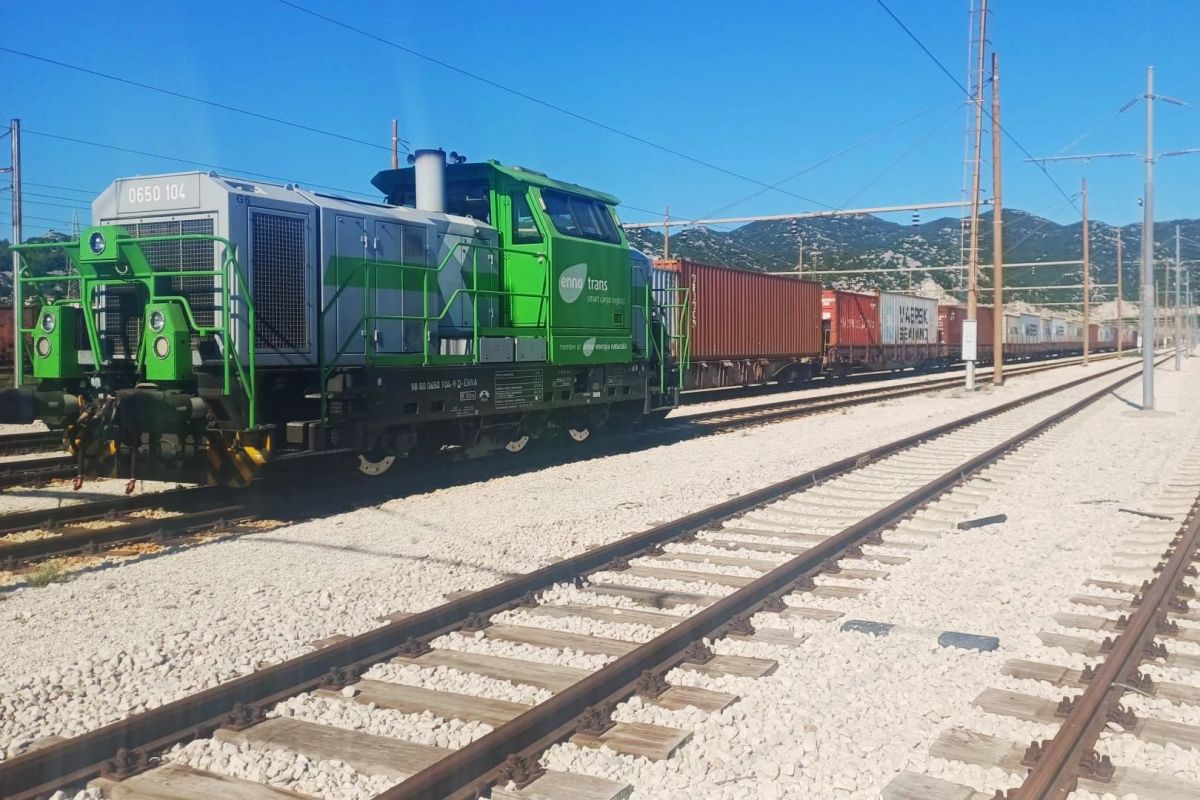
The route runs from Budapest through eastern Croatia and Bosnia and Herzegovina to Ploče.
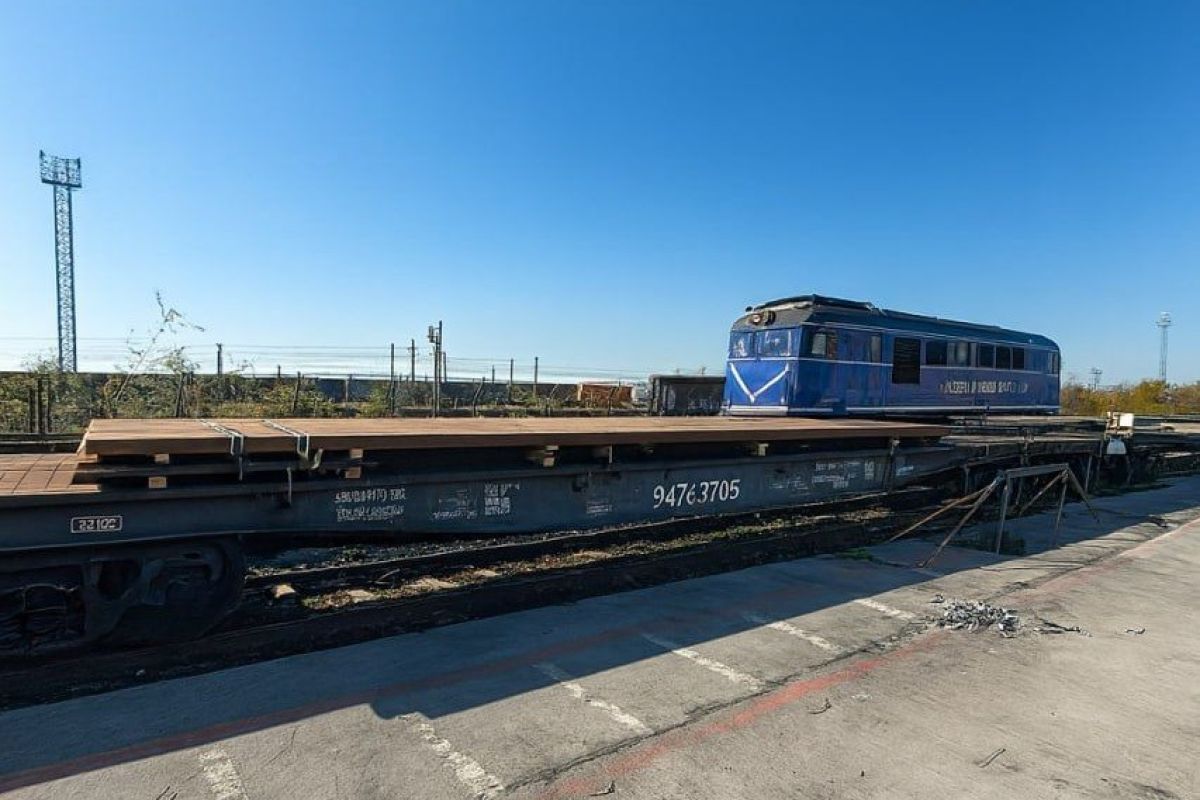
The first movement covered oversized sheet metal products from the Port of Constanța to Perechyn station in direct traffic.
The direct connection expands RCG’s Austria - Germany corridor network and is operated on a fixed timetable.
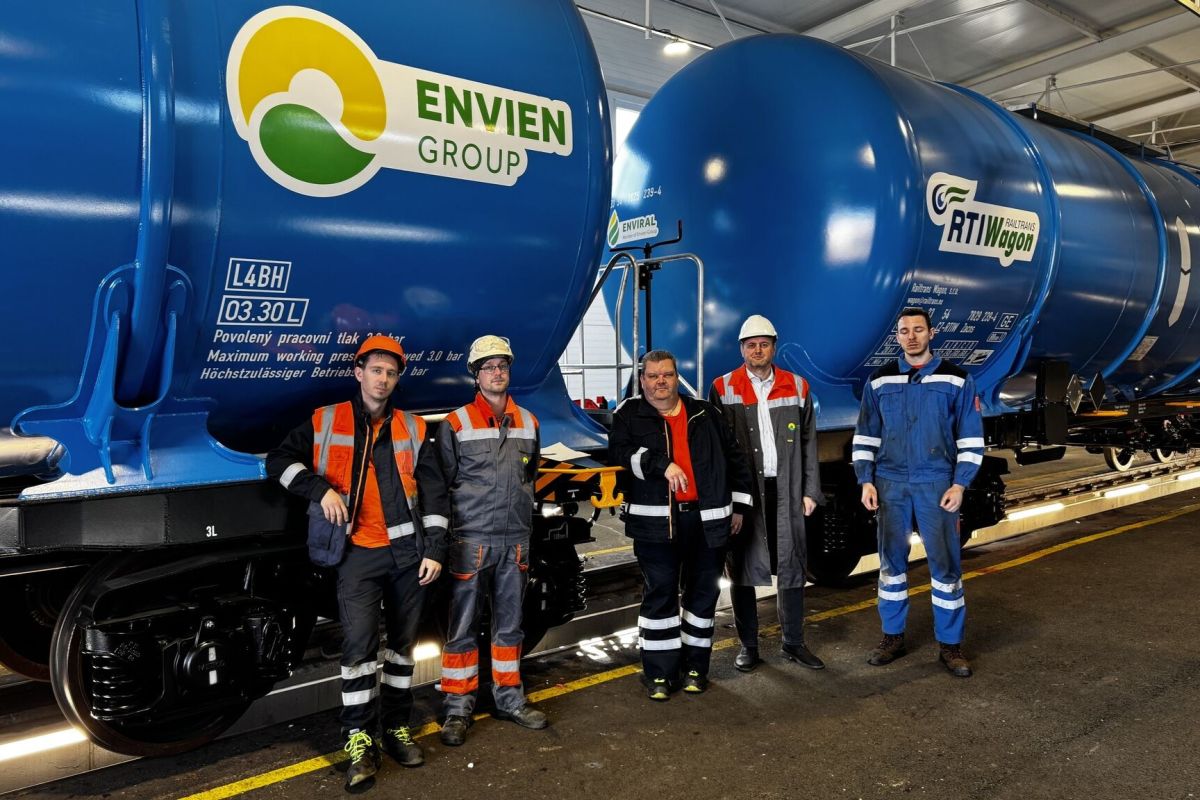
The company uses rail logistics to distribute biofuels to customers in multiple European markets.
The return of the Dunakeszi facility to the MÁV Group is described by the company as professionally justified, while the earlier privatisation is regarded as a mistake.
Trafikverket will introduce revised infrastructure charges from timetable year 2028, reducing freight track access fees while increasing passenger train charges. The new levels are based on a 2026 marginal cost study by VTI and replace the model used since 2018.
Lithuanian Railways (LTG) is investigating two freight derailments that occurred within three days at Gudžiūnai in central Lithuania and Jiesia near Kaunas.
The site adds a new access point to DB Cargo’s Automotive RailNet and has been in operation since January 2026.
The shipment of Nissan vehicles moved from ports on the Eastern Coast to the dry port at the Industrial City of Abu Dhabi (ICAD).
The operator increased its timetable to 531 trains in the 2025/2026 off-season and 559 in summer, adding 60 and 45 services respectively compared with the previous year.
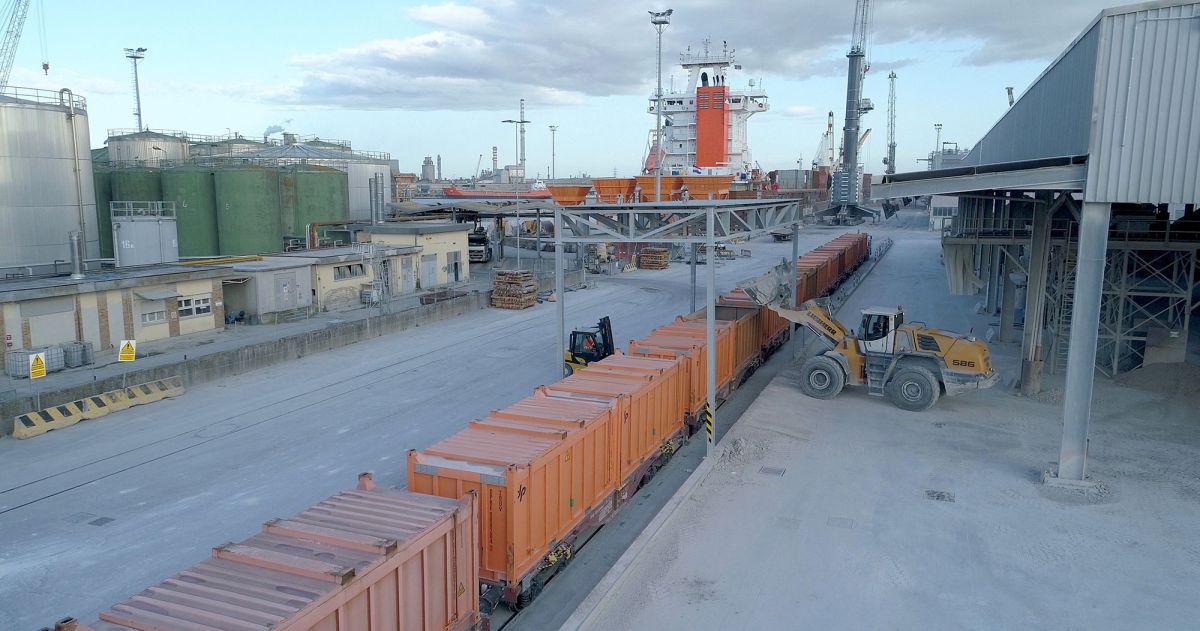
The concession includes an additional investment of around EUR 5m to expand bulk storage capacity by 36,000 m³, increasing total capacity to 54,000 m³.