According to data presented at the UIRR General Assembly on 21 May 2025 in Brussels, the domestic segment drove much of this growth, particularly in France and Poland, while cross-border performance was more varied.
Domestic vs cross-border trends
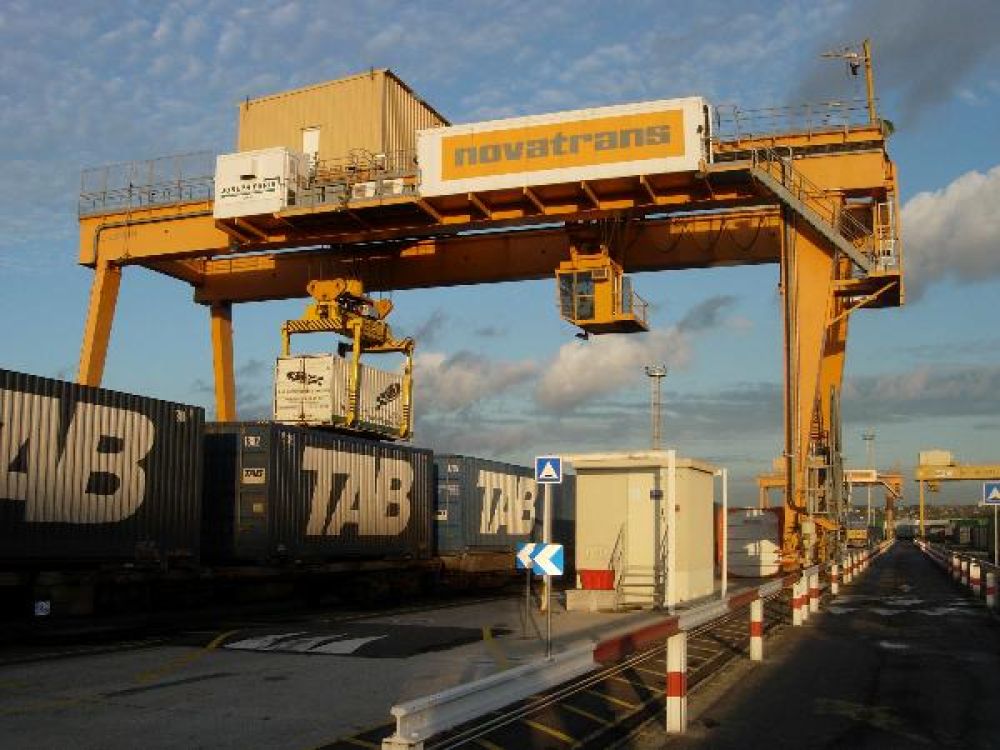
Domestic Combined Transport services expanded by 10.6%, benefiting from operations unaffected by interoperability issues and border delays. In contrast, cross-border services recorded a 2.74% increase, influenced by corridor-specific disruptions. Routes crossing Germany, especially on the North-South axis, faced capacity limitations due to infrastructure works and unplanned operational incidents, resulting in a 1.5% decline in performance on these lines. Other corridors, not impacted by the same level of construction activity, supported the overall positive cross-border trend.
The increase in tonne-kilometres exceeded the growth in consignments, indicating a rise in average cargo weight per transported unit.
Infrastructure disruptions impact
The performance of Combined Transport operators was constrained by multiple infrastructure-related issues. The landslide in the Maurienne Valley in August 2023 closed the Fréjus line between France and Italy, affecting operations for an extended period through March 2025. The Gotthard Base Tunnel also remained partially closed due to a derailment, reducing its available capacity by half. Ongoing, uncoordinated works on the German railway network continued to affect timetables and reliability.
These disruptions had financial consequences for operators, with longer detours, reduced train slots, and lower equipment utilisation reported across the sector.
New members of UIRR and its agenda
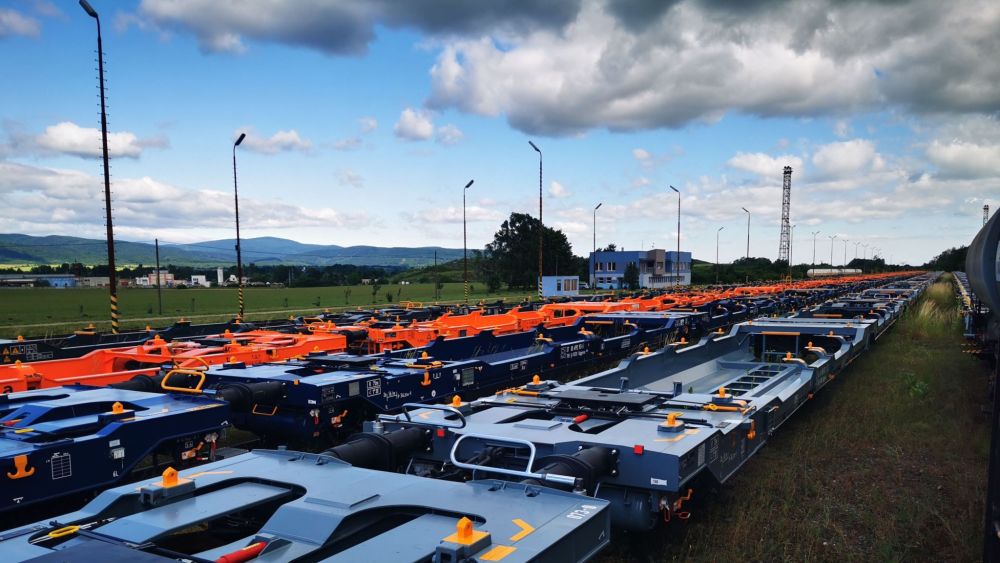
Four new terminals joined the UIRR community in 2024: Afluent Terminal (Romania), CLIP Terminal (Poland), Haven Genk Terminal (Belgium), and Van der Vlist Terminal (Netherlands). Four technology providers—B. Rekencentra, Greenbrier, Tatravagonka, and Wascosa—also joined as partners. Additionally, five new Memoranda of Understanding were signed with entities in Slovakia, Lithuania, Hungary, the Netherlands, and the Czech Republic. UIRR now comprises 112 stakeholders.
The General Assembly reviewed updates on EU-level legislative and policy dossiers relevant to Combined Transport. These included the Combined Transport Directive, the Railway Infrastructure Capacity Management Regulation, the Weights and Dimensions Directive, and proposals on Telematics TSI. Discussions also addressed EU infrastructure funding under the Connecting Europe Facility (CEF), the Multiannual Financial Framework 2028–2034, Digital Automatic Coupling (DAC), and adjustments in EU research programmes.
Other agenda points included follow-up actions related to European rail safety, particularly concerning the JNS Crosswind event affecting semi-trailer operations in pocket wagons, and the implementation of the eFTI regulation and TEN-T Guidelines.