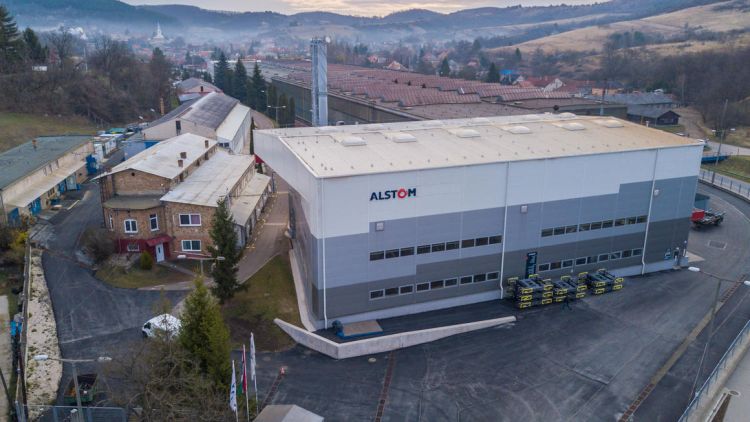

Alstom builds a logistics hall in Mátranovák, Hungary, aims at increased bogie frames manufacturing
Once completed, the site is expected to produce one-third of Alstom's bogie frames globally.
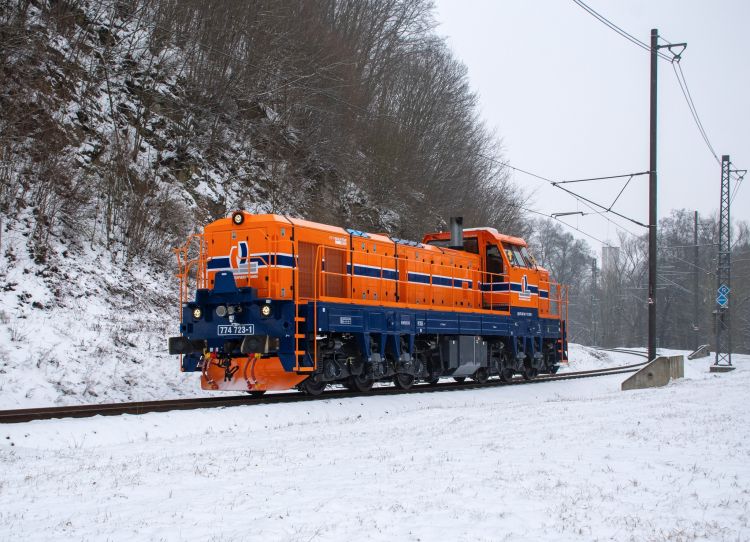
These locomotives are designated for shunting and hauling duties within the Čierna nad Tisou transshipment hub and the adjacent Dobrá terminal.
The locomotive, manufactured at Stadler’s Valencia plant, will undergo various trials as part of its preparation before entering service in the United Kingdom.
The project is valued at €122.4 million, with funding sourced from the European Union's Recovery and Resilience Plan and the Operational Programme Slovakia.
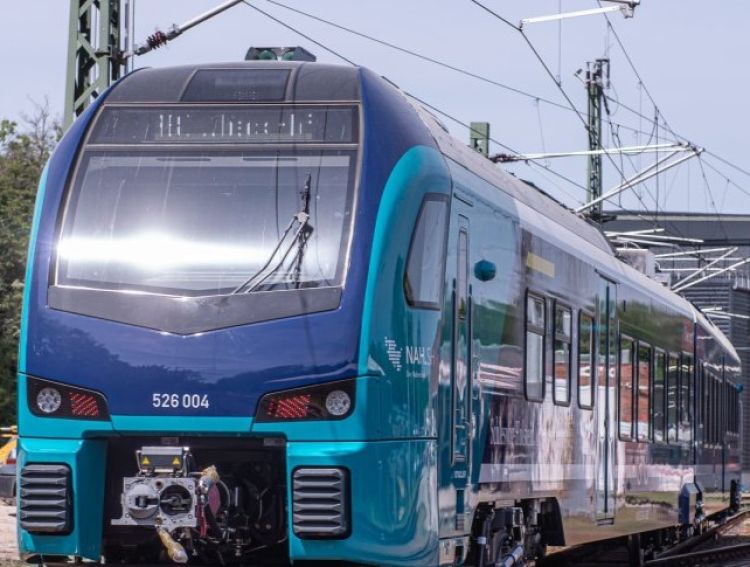
This agreement outlines the responsibilities of both entities in the procurement, operation, and management of railway vehicles for the region of Schleswig-Holstein, between Hamburg and Denmark.
The acquisition starts a broader strategy to streamline SBB Cargo’s rolling stock, reducing the number of different wagon types in operation.
This supply is part of an intergovernmental agreement aimed at addressing Ukraine’s infrastructure needs for 2025.
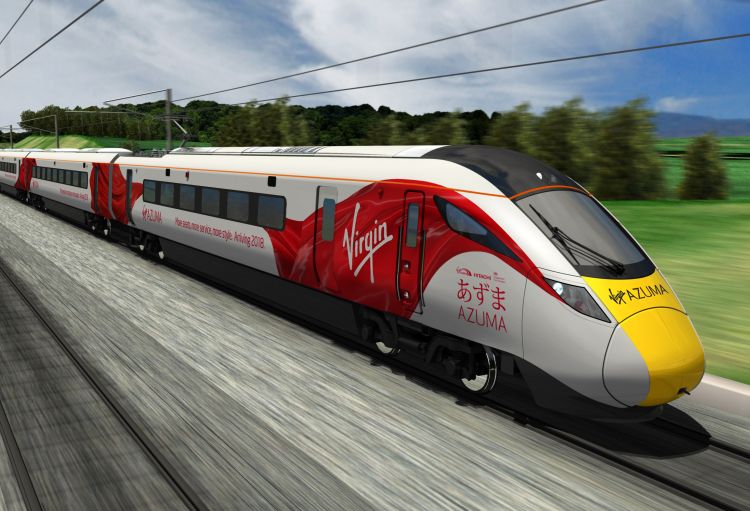
The group is preparing an order for 12 high-speed trains, worth an estimated €595 million, as part of its effort to introduce competition on services between London and mainland Europe.
New investor brings new opportunities for growth and service expansion.
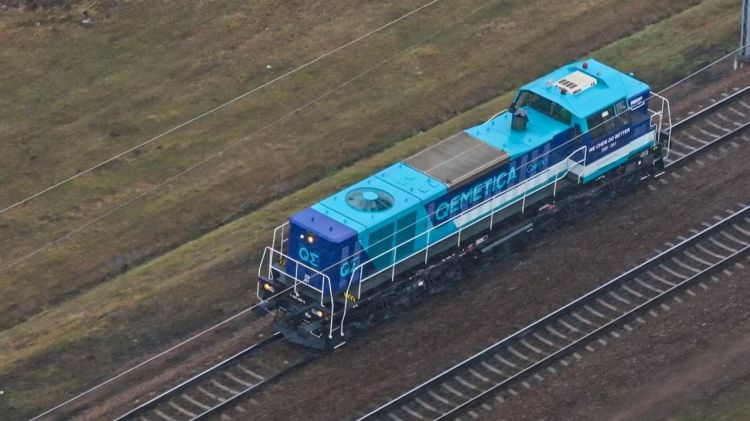
It will be used for transport of limestone, soda and glaze within Poland.
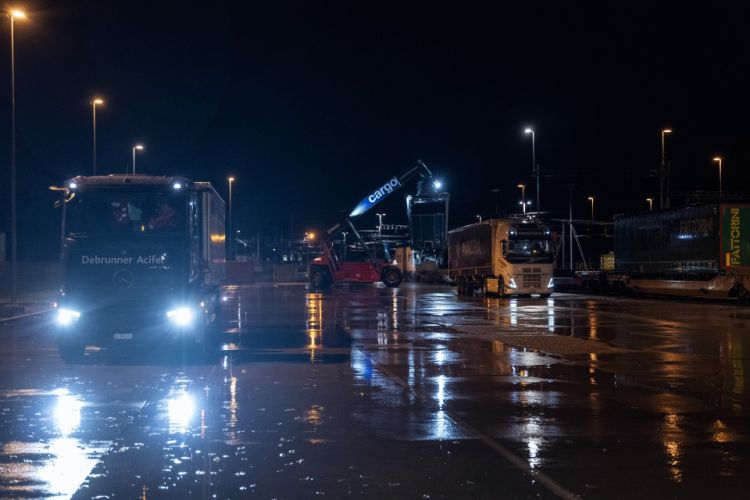
Since mid-November 2024, the collaboration has shifted a significant portion of transport activity from road to rail, aimed at optimizing logistics efficiency and reducing environmental impact.
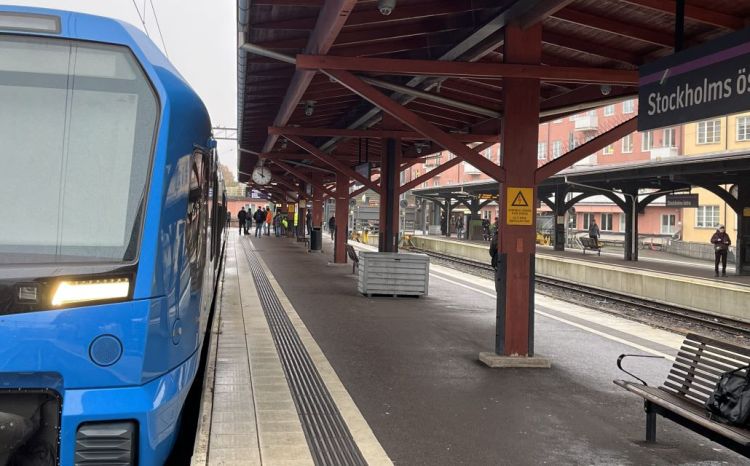
The Stockholm suburban railway, Roslagsbanan, will extend its network from the current terminus at Stockholm Östra to T-Centralen, the city’s central transportation hub.
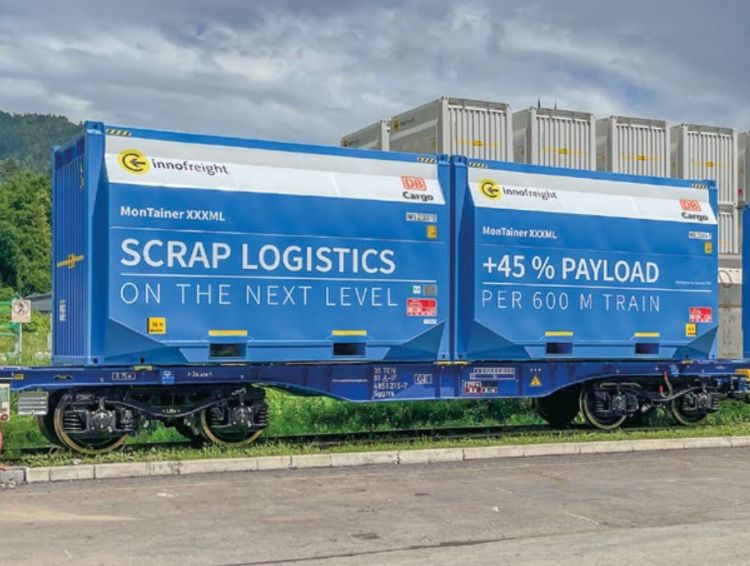
Designed for volume optimization and lightweight performance, this Innofreight system enables a 45% increase in payload compared to conventional transport methods.
The Lithuanian rail freight company LTG Cargo, part of the LTG Group, has begun registering its wagons in the European Vehicle Register (EVR), moving its operations further away from systems managed by the Moscow-based Railway Transport Council (GTT).
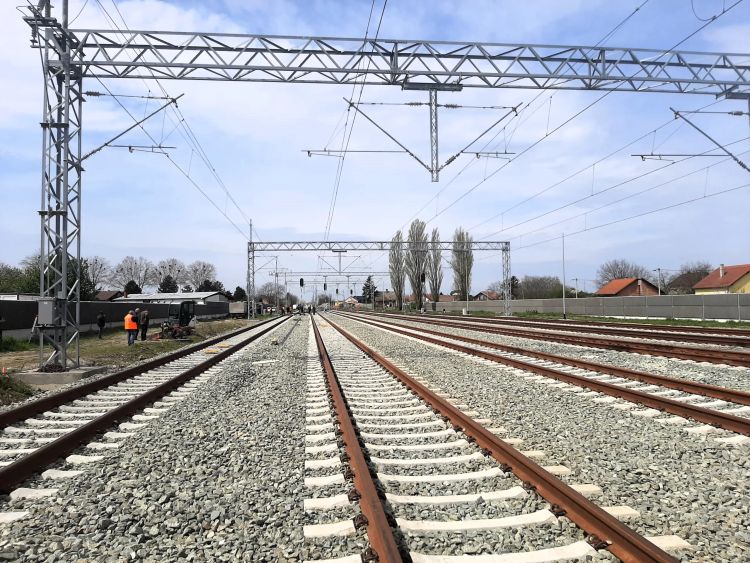
The modernization and electrification of the 18.71-kilometer Vinkovci–Vukovar railway line in Croatia has been completed.
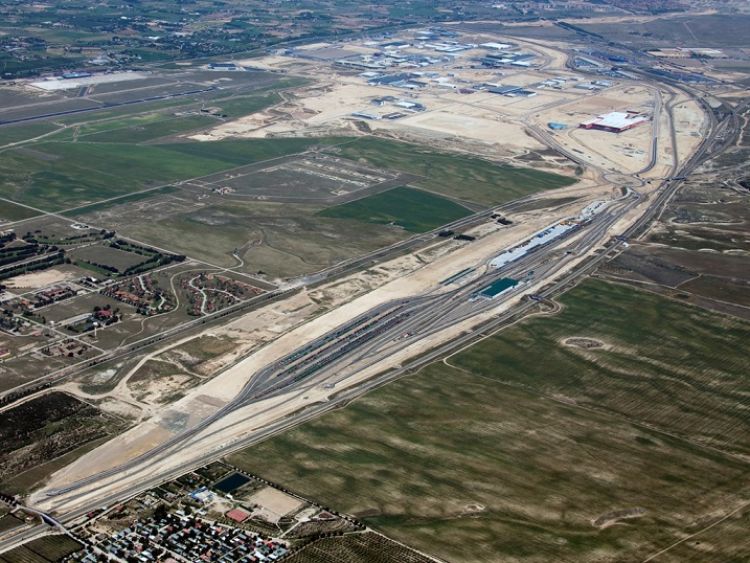
Adif initiates project for standard gauge connection to Zaragoza Plaza logistics platform
The Milan–Paris route's reinstatement is expected to play a role in restoring connections disrupted by the tunnel's closure.
Both appointments follow a multi-stage selection process conducted under the Staffing Act.
Twelve European industry and transport associations have issued a joint letter advocating for comprehensive changes to the Railway Infrastructure Capacity Management Regulation.
The first high-capacity train manufactured by Alstom in Barcelona for the Rodalies network has entered the testing phase, with certification expected to conclude this year.
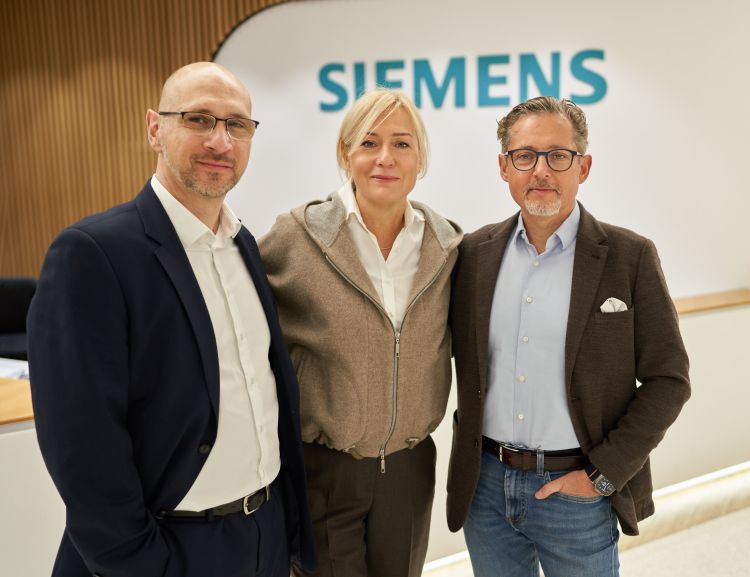
He succeeds Katarzyna Halwa, who continues to work within Siemens Sp. z o.o.
This financing brings the total capital raised under the Growth Facility to €570 million.
These services on the Polish German corridor began on January 8, 2025.
For wagon operators, keeping fleets safe and efficient means staying ahead of potential damage caused by impacts and vibrations during coupling, loading, and transit.
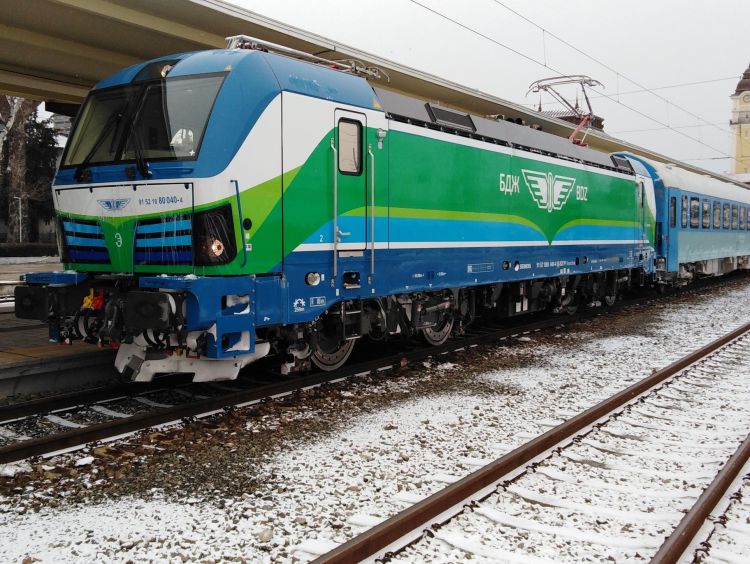
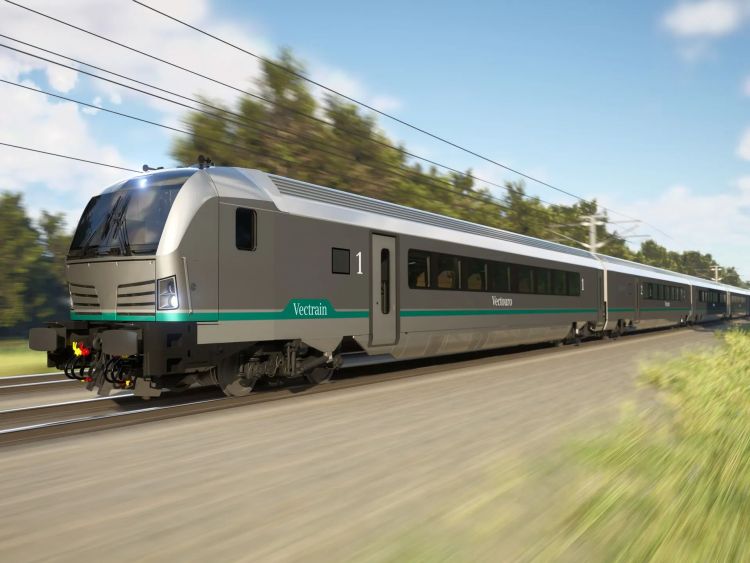
While locomotives should serve partially electrified routes, trainsets are aimed at national long-distance connection.
Ottawa’s O-Train Lines 2 and 4 begin phased service rollout with weekday operations.
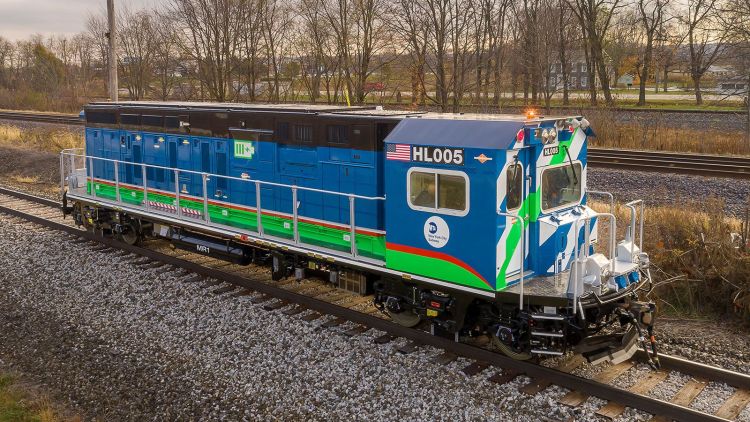
The locomotives are intended to support maintenance activities while reducing diesel emissions, particularly in confined tunnel spaces.
The connection will operate three times a week in each direction.
This purchase brings the total number of electric locomotives in LocoItalia's fleet to eight.
HHLA Project Logistics has coordinated its first rail wagon transshipment operation at the Port of Hamburg, overseeing the transfer of six railcars and their bogies from maritime transport to rail.
The reliance on diesel traction has increased as electric locomotives face operational challenges caused by damage to the power grid.
PKP Polskie Linie Kolejowe has announced a tender for the modernization of the Białystok–Ełk railway section, part of the Rail Baltica corridor.
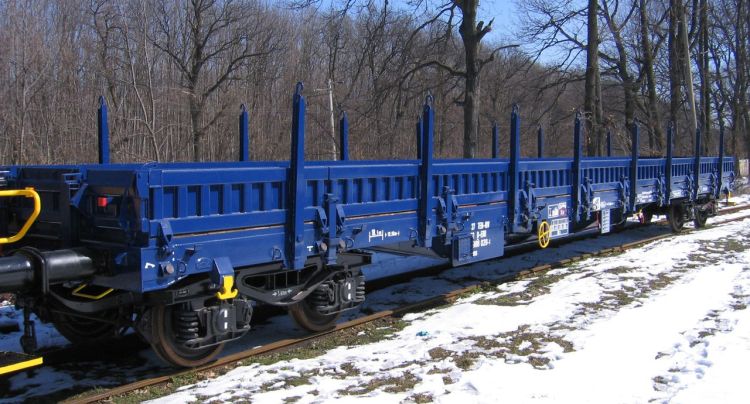
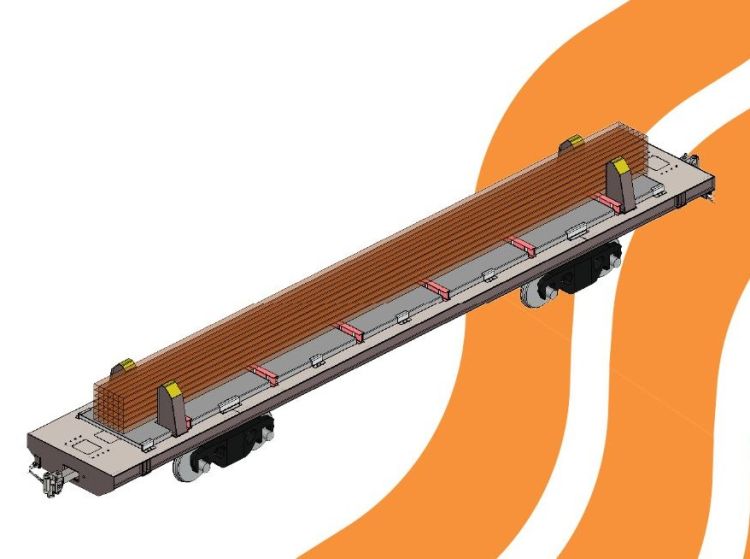
Wagons are aimed for hot steel billets transport at the Cardiff facility.
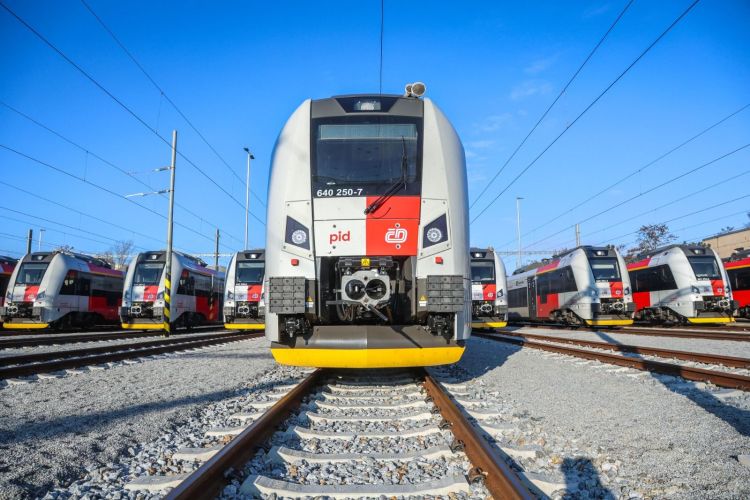
České dráhy anticipates that additional battery-equipped variants are planned for the coming years, opening further options for regional services.
A public tender was recently issued for the leasing of two to six locomotives to temporarily replace older trains on this route. This follows increased operational demands after a derailment on the line in October.
The project progresses with two newly signed contracts with GRK Eesti, aimed at developing the contact network and supporting infrastructure.
Two more hybrid DE75 Gmeinder locomotives with a new owner.
The locomotive entered service at the end of 2024, completing its inaugural run on an express train between Sofia and Burgas.
The initiative aligns with the broader 2025–2029 strategic plan of the FS Italiane Group for modernization of regional train services across Italy.
Israel Railways has completed the decommissioning process of its IC3 diesel multiple units after more than 30 years of service.
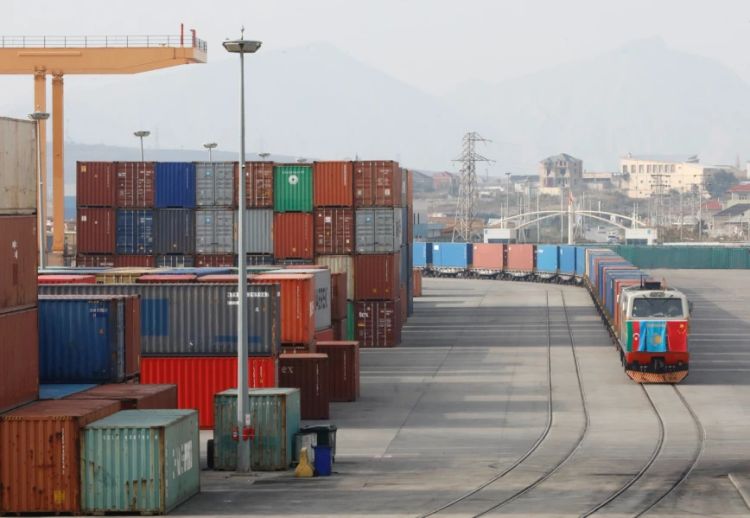
Amendments to Azerbaijan's Tax Code, adopted on December 16, 2024, introduce temporary road tax exemptions for foreign vehicles involved in cargo transfers linked to rail transport.
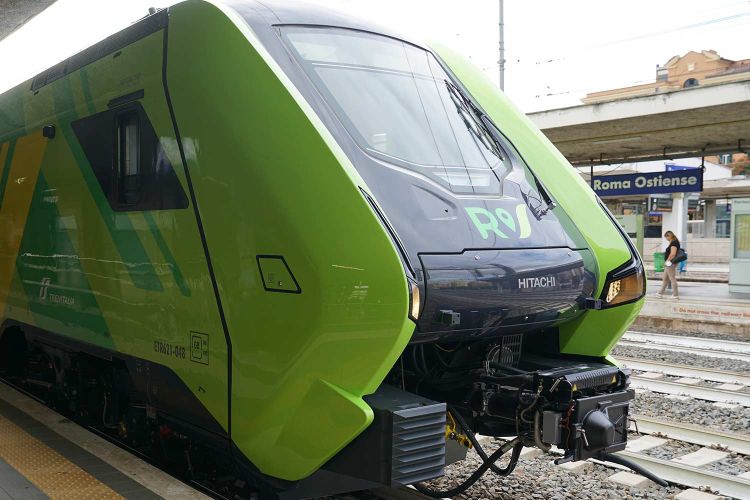
Eurofima indicates that this arrangement aligns with its focus on public rail operations in Europe and transportation with reduced environmental impact.
The railway aims to establish a connection between Kashgar in China, passing through Torugart, Makmal, and Jalalabad in Kyrgyzstan, before reaching Andijan in Uzbekistan.
Austrian State Railways have published the infrastructure works plan for this year.
The project is part of the broader master plan to increase capacity on the Kenitra–Marrakech corridor, in preparation for Morocco’s future high-speed rail (HSR) network.
The company specializes in freight car manufacturing for multiple rail applications and supplies vehicles such as gondolas, hoppers, dump cars, covered cars, and other platforms.
Growth in demand and various efficiency measures contributed to this outcome in both commercial and public service activities.
The final objective is to create conditions that allow dispatchers to handle train movements from within a centralized facility.
The CR450 electric multiple unit (EMU) prototype was officially presented in Beijing as part of the CR450 Science and Technology Innovation Project.
According to available information, the goal is to double the transport capacity of the iron ore railway by 2030.