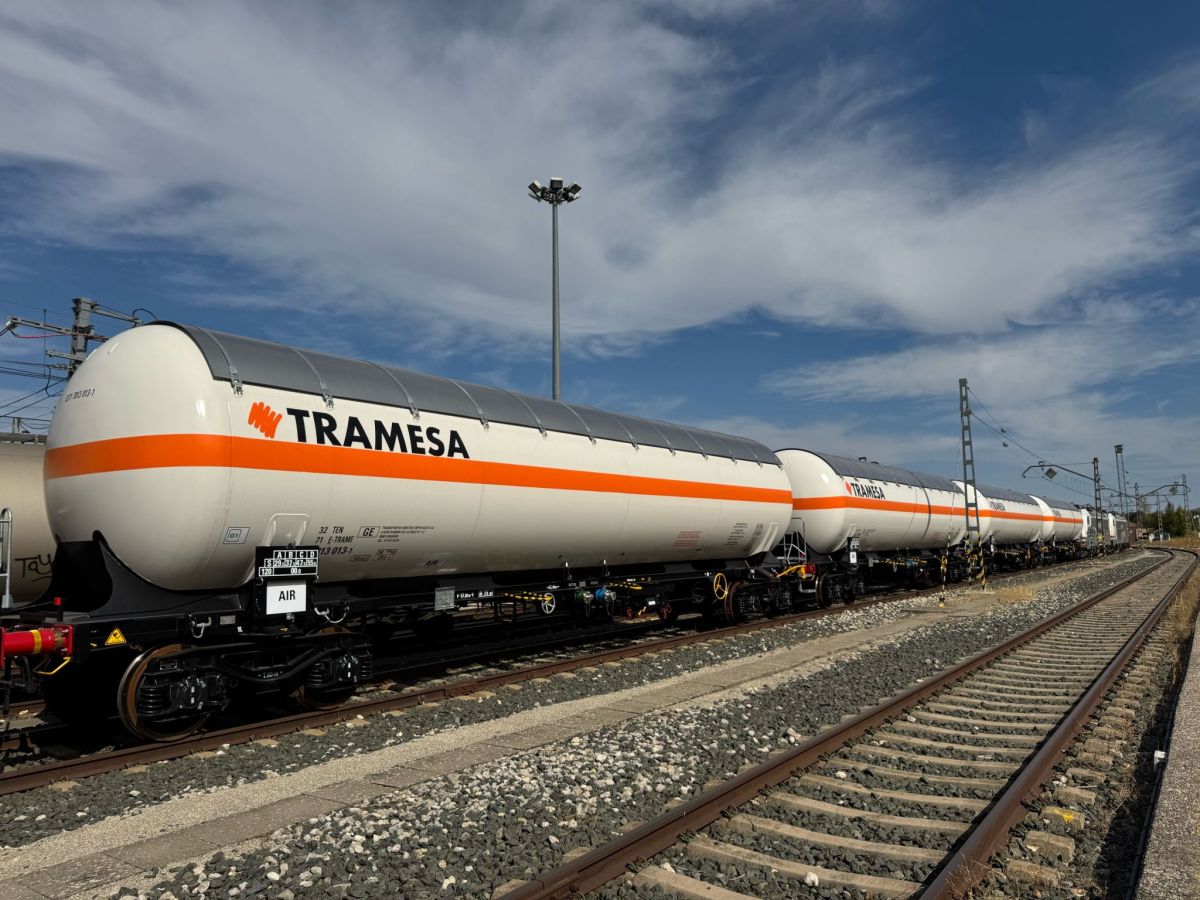

Tramesa receives first ammonia tank wagons from planned batch of 40
The wagons will be used in rail transport services for chemical goods, supporting Fertiberia Group’s supply chain.
The agreement begins in December 2026 and runs for eight years, with an option for extension.
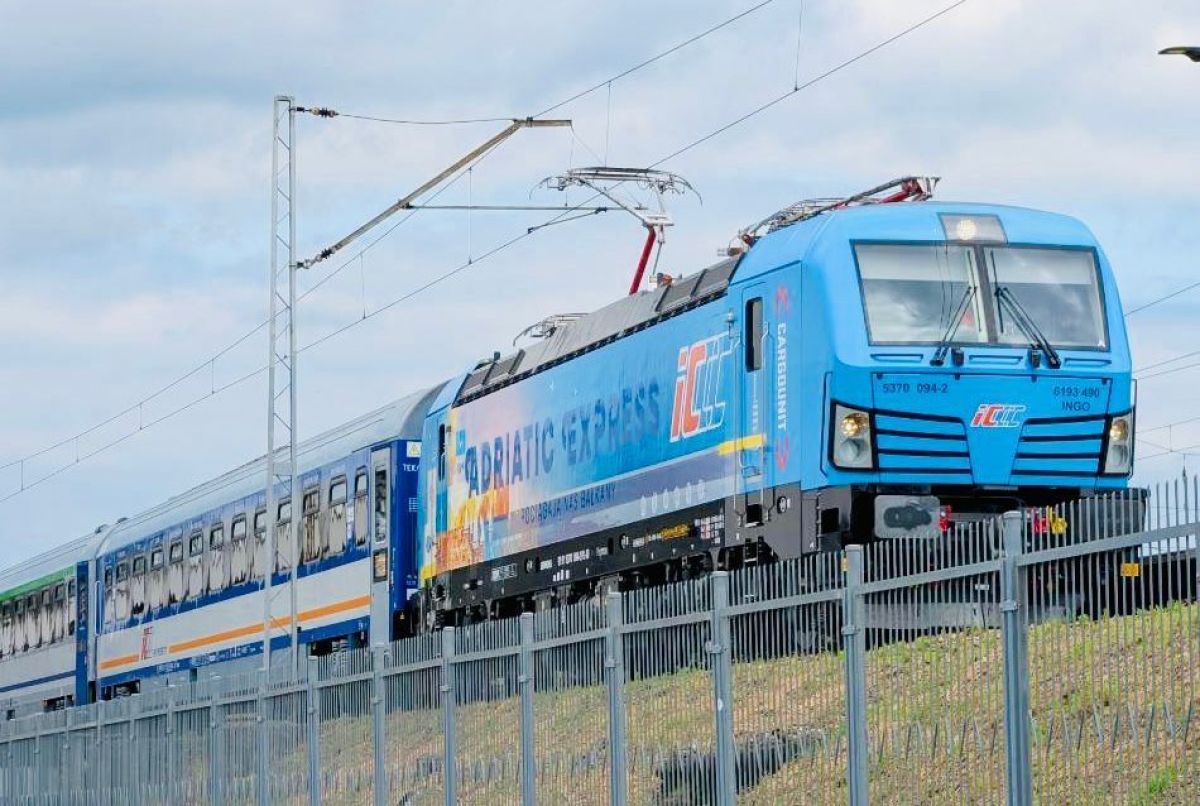
The order will expand PKP Intercity’s pool of multi-system electric traction capable of operating under various electrification systems across Europe.
The tests involved routes between Crewe and Carlisle, including operational assessments on the Shap incline.
Austrian testing and engineering firm PJ Messtechnik (PJM), accredited under ISO/IEC 17025, carried out the full validation programme required for approval.
Construction has started on a new intermodal terminal at the Port of Gdynia’s Logistics Centre.
Ten railway associations from across Europe are calling for an increase in the EU’s proposed transport funding under the next phase of the Connecting Europe Facility (CEF), warning that the current proposal underestimates the financial needs of rail infrastructure.
The Venlo - Oradea route, which has been operational since late September 2025, is served by six weekly roundtrips and offers a transit time of approximately 60 hours.
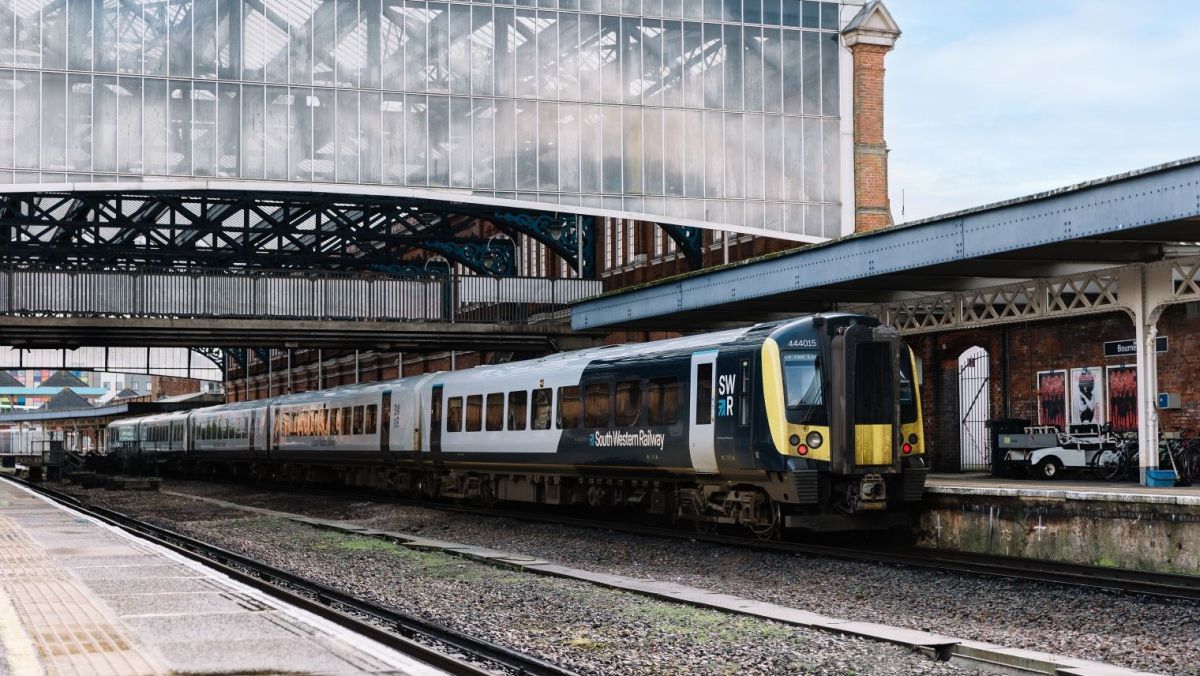
South Western Railway (SWR), which has been under public ownership since May 2025, recorded a sharp increase in service disruptions during its first three months under government control.
Test routes included sections around Karaganda, Taraz, Shymkent, and Ust-Kamenogorsk.
Leo Express to start Prague–Bratislava service with leased Talgo VI rakes in 2026
Tarmac has opened a new rail-served aggregates depot in Rugby, converting a previously inactive siding into an operational freight site.
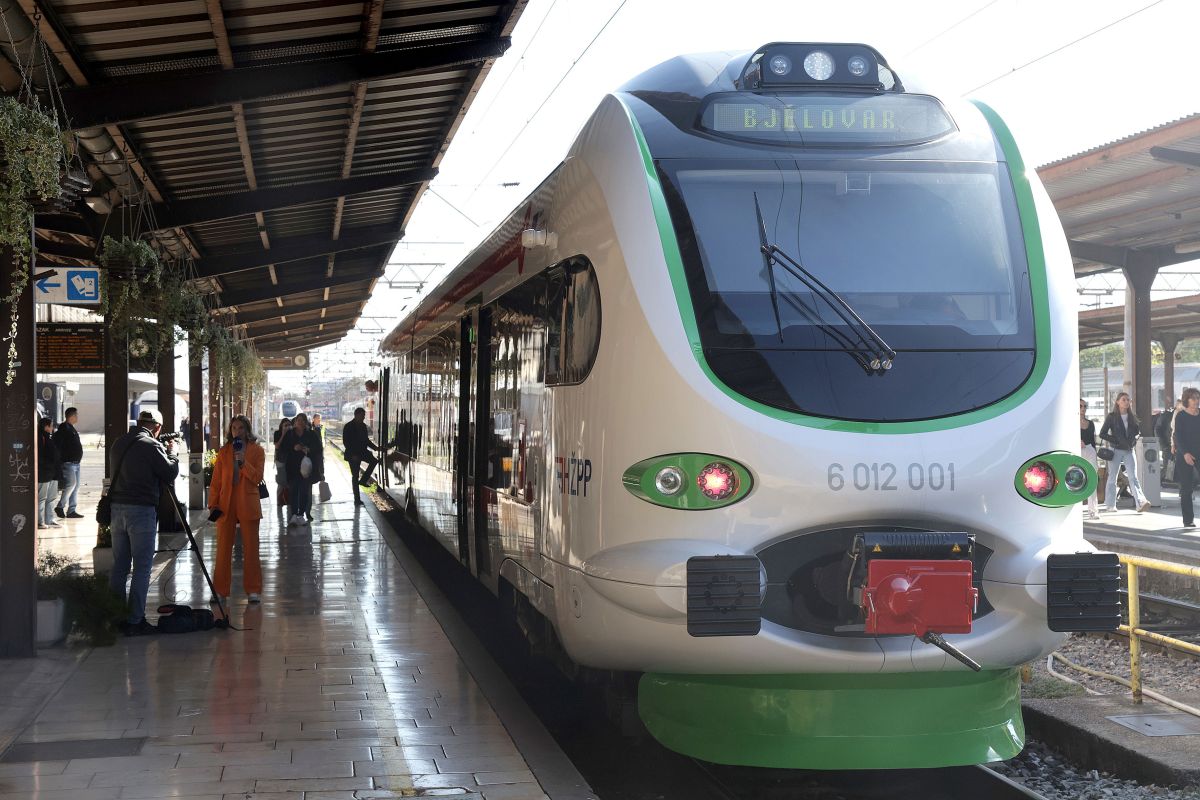
The new battery multiple unit will initially operate on the Virovitica–Bjelovar–Virovitica line.
According to the VDV, a mix of political, economic and internal constraints has pushed intermodal systems off course after years of growth.
The growing emphasis on sustainability, energy efficiency, and emission reduction brings new challenges for both vehicle manufacturers and operators. Obtaining accurate and independent data has therefore become an essential prerequisite not only for development and homologation, but also for strategic corporate decision-making, proper fleet management, and meeting the demanding requirements of ESG reporting.
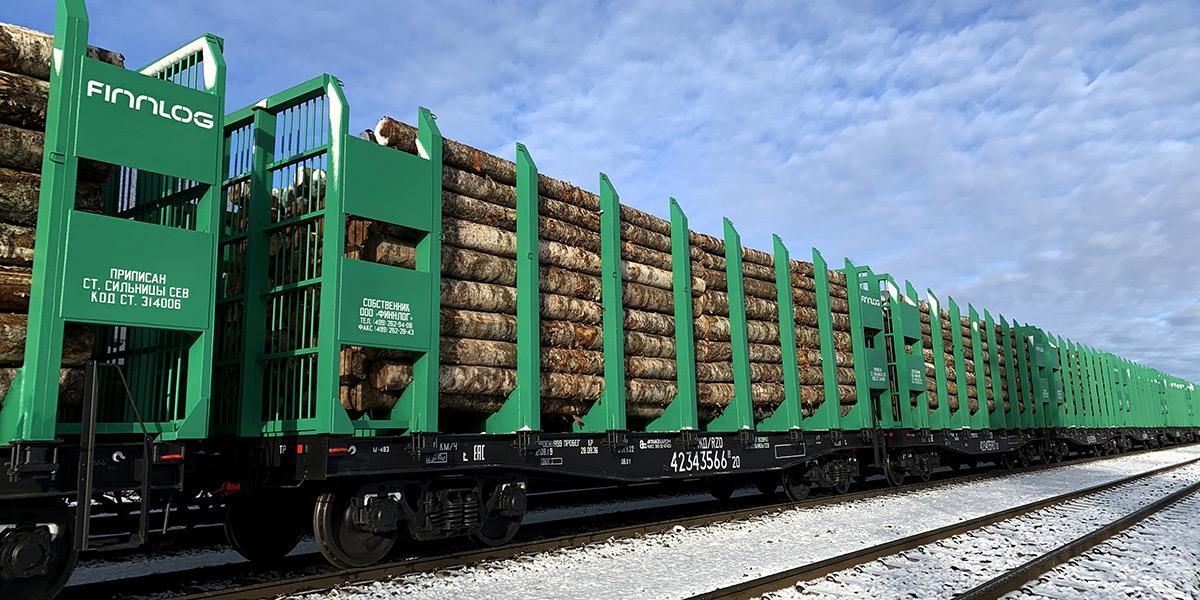
Up to 1,000 freight wagons currently in use across Finland will need to be replaced in the coming years as the country phases out rolling stock built in Russia and the Baltic states.
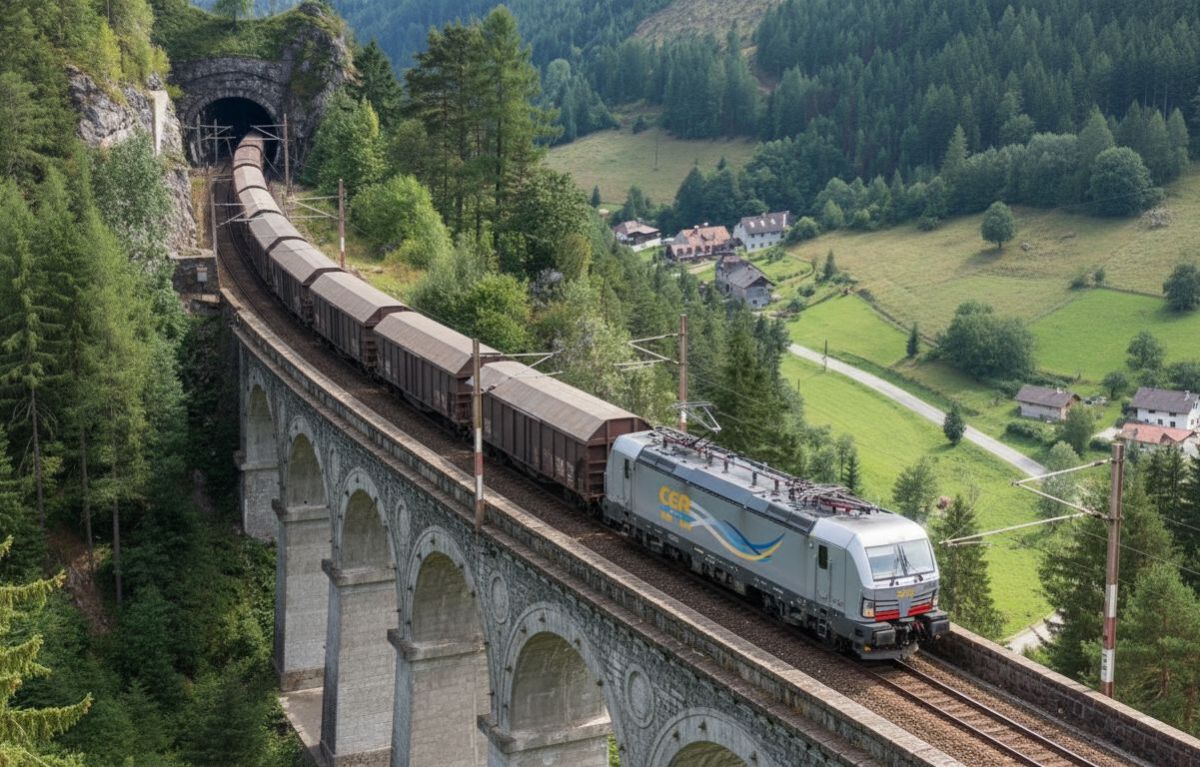
CER Austria Cargo GmbH has received the standardised safety certificate (SSC) from the Austrian Federal Ministry for Innovation, Mobility and Infrastructure, allowing it to begin independent freight operations within Austria. The certificate was issued on 1 October 2025.
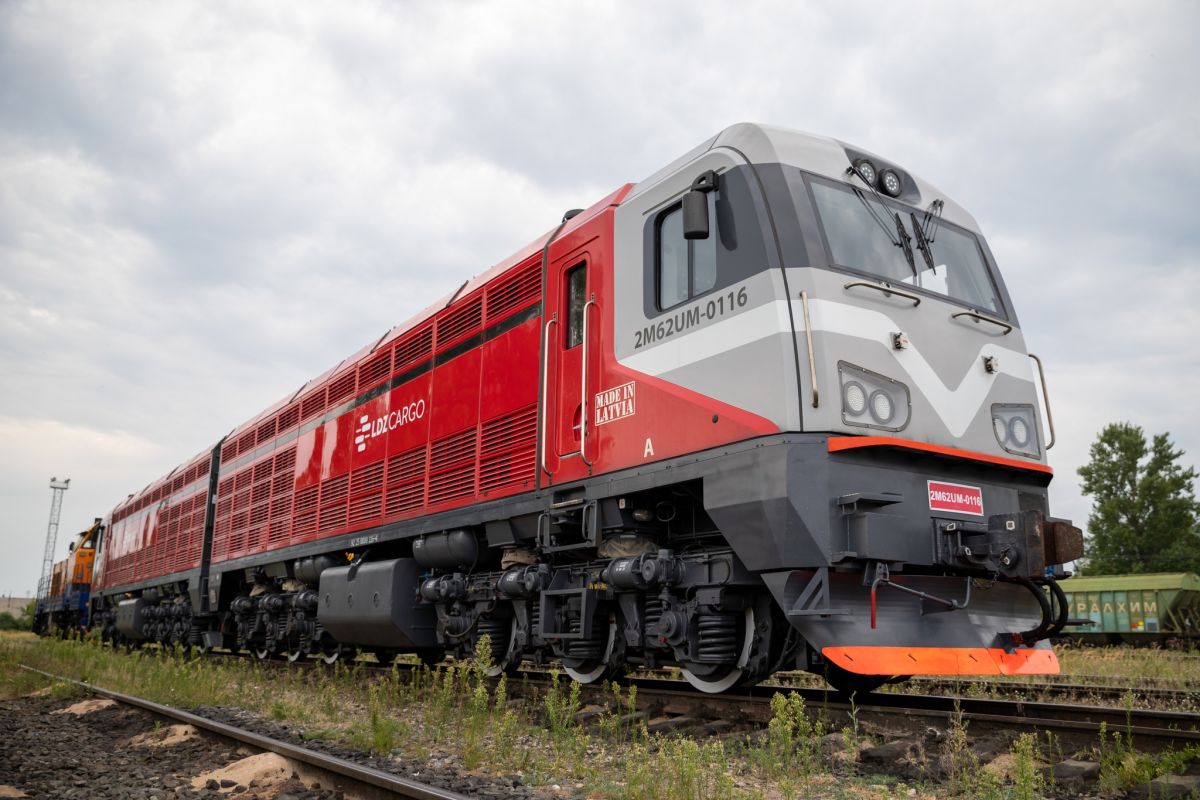
As part of the process, LDz ritošā sastāva serviss and LDz Loģistika have been merged into LDZ CARGO.
The EMU is the first of seven trains ordered by the Italian regional railway, intended for use on the Altamura–Matera line in southern Italy.
The leasing of the Eamnos wagons follows feedback from customers in the construction materials sector.
The system enables transhipment between truck and rail without the need for sidings, streamlining the process of transporting steel mill dust and plastic granulate between Linz, Duisburg, Freiberg, and Fürstenwalde.
The first commercial train will depart from Beograd Centar station and head to Subotica at a speed of 200 km/h.
The 526 km corridor is considered the backbone of the country’s railway revival initiative.
Once completed, the 111-kilometre new route between Karlovac and Tijani is expected to shorten the overall journey by 56 kilometres.
Expanded competition should involve routes connecting Madrid with Galicia, Asturias/Cantabria, and Cádiz/Huelva, with a combined total of up to 72 new daily paths.
The depot redevelopment supports the operator’s rollout of 36 five-car trains on West Coast Main Line routes to and from London Euston.
A new terminal for combined transport has officially opened at the Port of Straubing-Sand.
The Vectron Dual Mode aim to replace older diesel locomotives on non-electrified or partially electrified routes.
The terminal, previously located in central Sundsvall, is now situated within the logistics park adjacent to the newly developed container port.
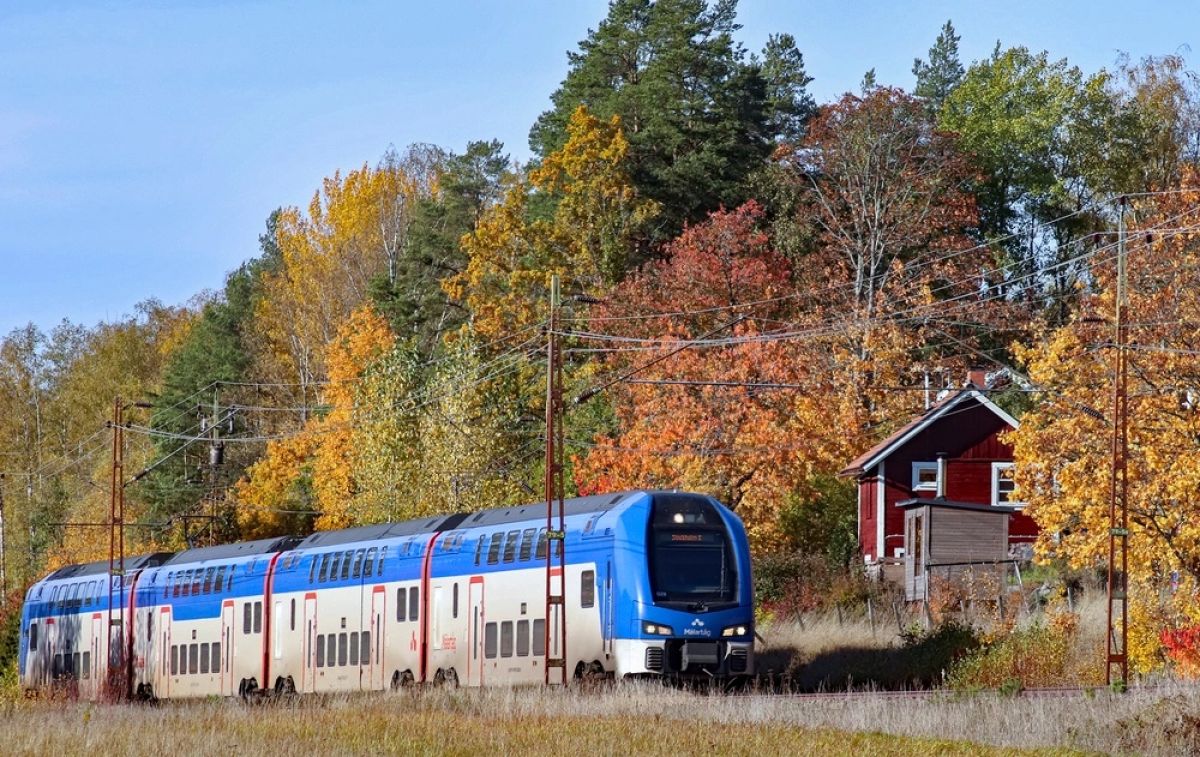
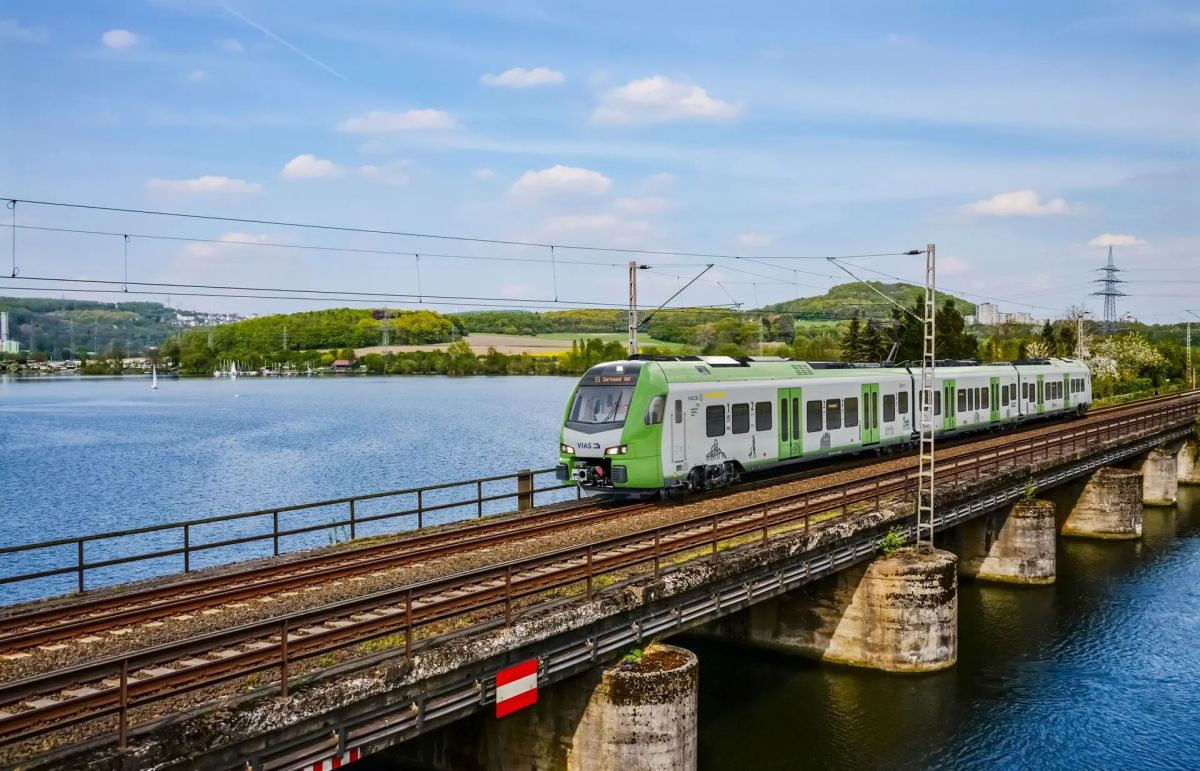
The FLIRT XL trains will be delivered in VRR's green and white livery and will be operated, maintained, and serviced by VIAS.
Deliveries are expected to begin at the end of 2027. The contract includes an option to acquire five additional Vectrons.
The change introduces an estimated 20% increase in seating capacity on the route.
The unveiling took place during the opening day of EXPO Ferroviaria 2025 in Milan.
This administrative step allows Talgo to begin official delivery of the fleet under the contract signed in 2019.
CEO and founder of Cargomon on why telematic sensors are becoming a standard freight wagons equipment and what direction does this technology go.
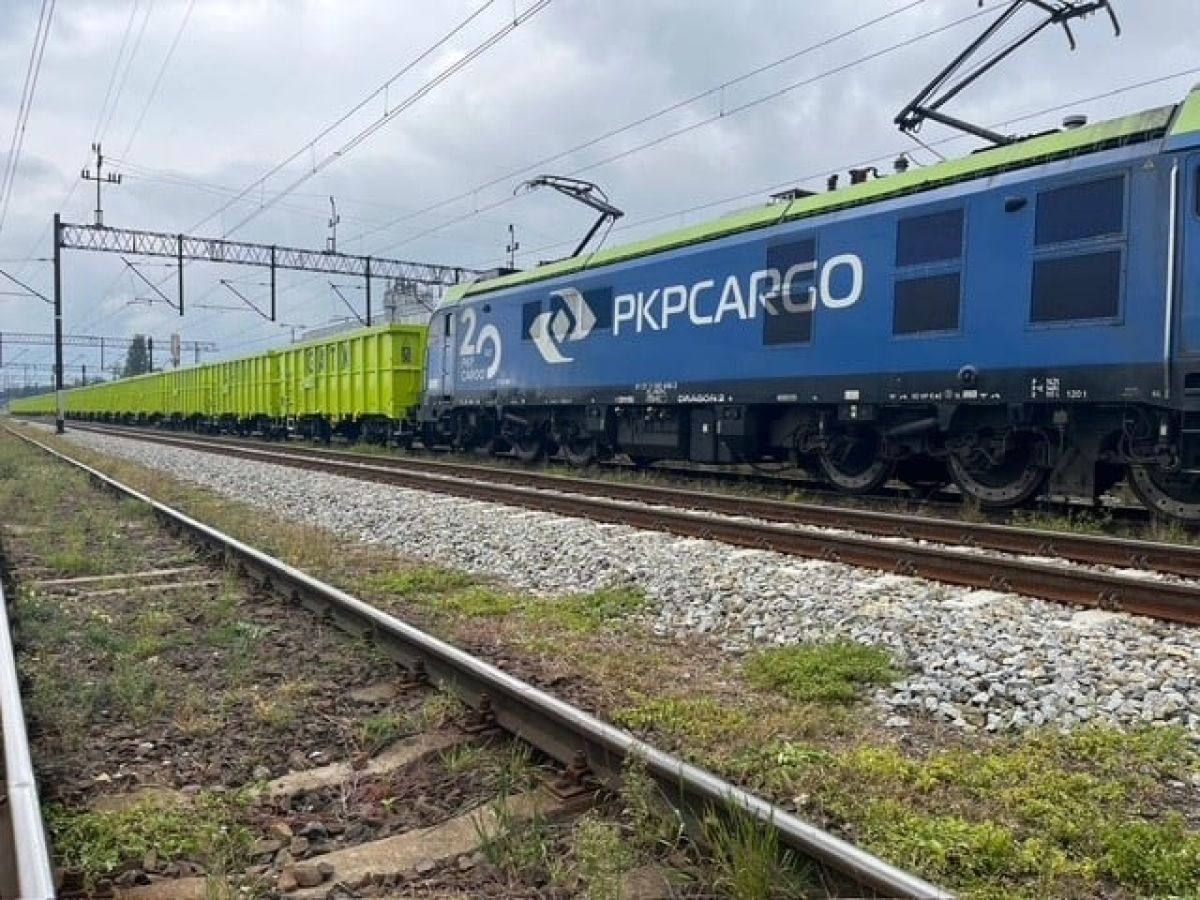
After a prolonged period of losses, PKP CARGO has posted a quarterly net profit, the first in several quarters, as the company pushes ahead with a broad restructuring programme.
The wagons are intended for transporting steel coils and will support Tata Steel’s rail logistics in Poland and beyond.
According to MEDWAY, each locomotive has the potential to replace around 50 heavy trucks from the road network.
The updated Frecciarossa 1000 fleet will include an option for ten more.
The 15 locomotives are designated for deployment in Germany and Austria, joining Alpha Trains’ existing roster of Vectron AC, MS, and Dual Mode units.
Stadler has submitted documentation to the European Union Agency for Railways (ERA) to extend the operational approval of the EuroDual locomotive type to Croatia and Slovenia.
An interview with Nicolae Alexandru, CEO of Ansett Logistics on how the company grew since 2005 into a European rail freight player.
The wagons will support rail services across the operator’s terminal network in Poland and abroad.
PESA has introduced its Gama 3.0 locomotive platform during the TRAKO 2025 trade fair in Gdańsk. The new development expands the existing Gama portfolio with a modular approach allowing for various traction configurations.
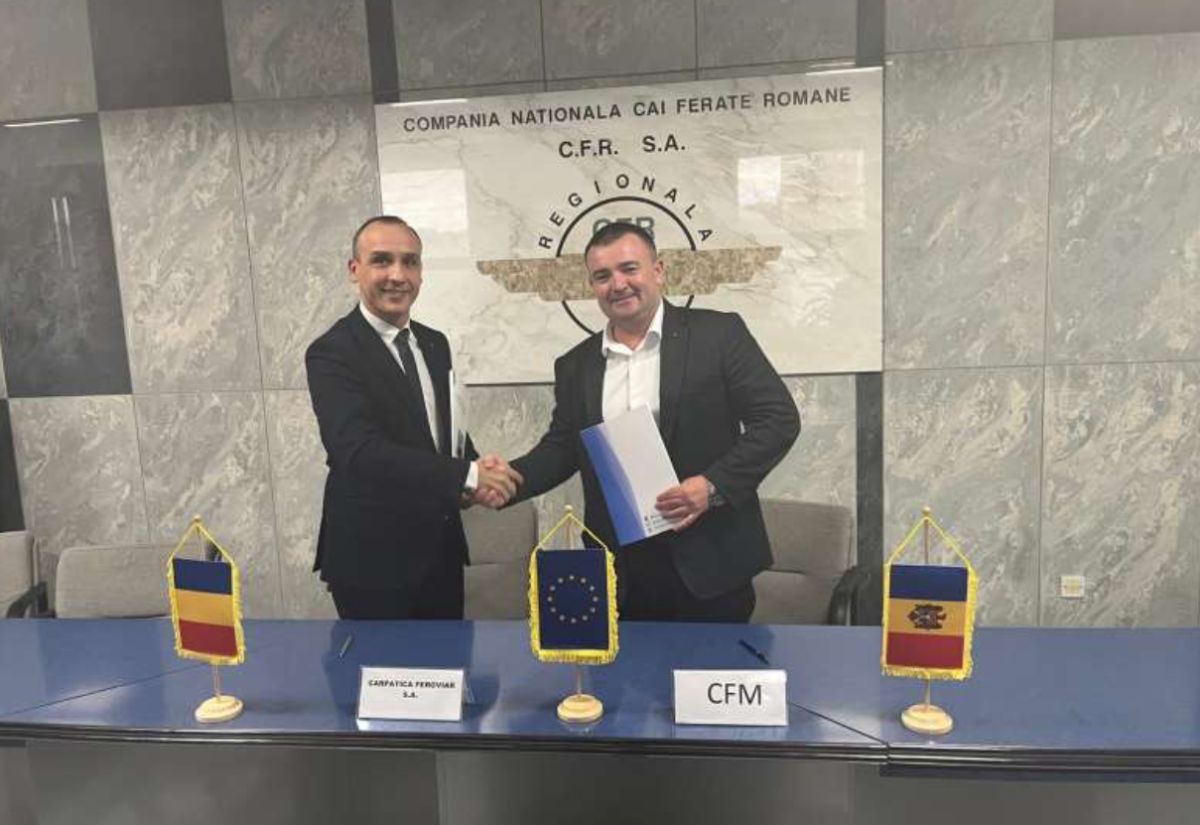
The agreement was concluded on 25 September 2025 during a working visit by the CFM delegation to Iași, Romania.
The company confirmed that its operating performance remains stable and continues to target full-year volume growth.
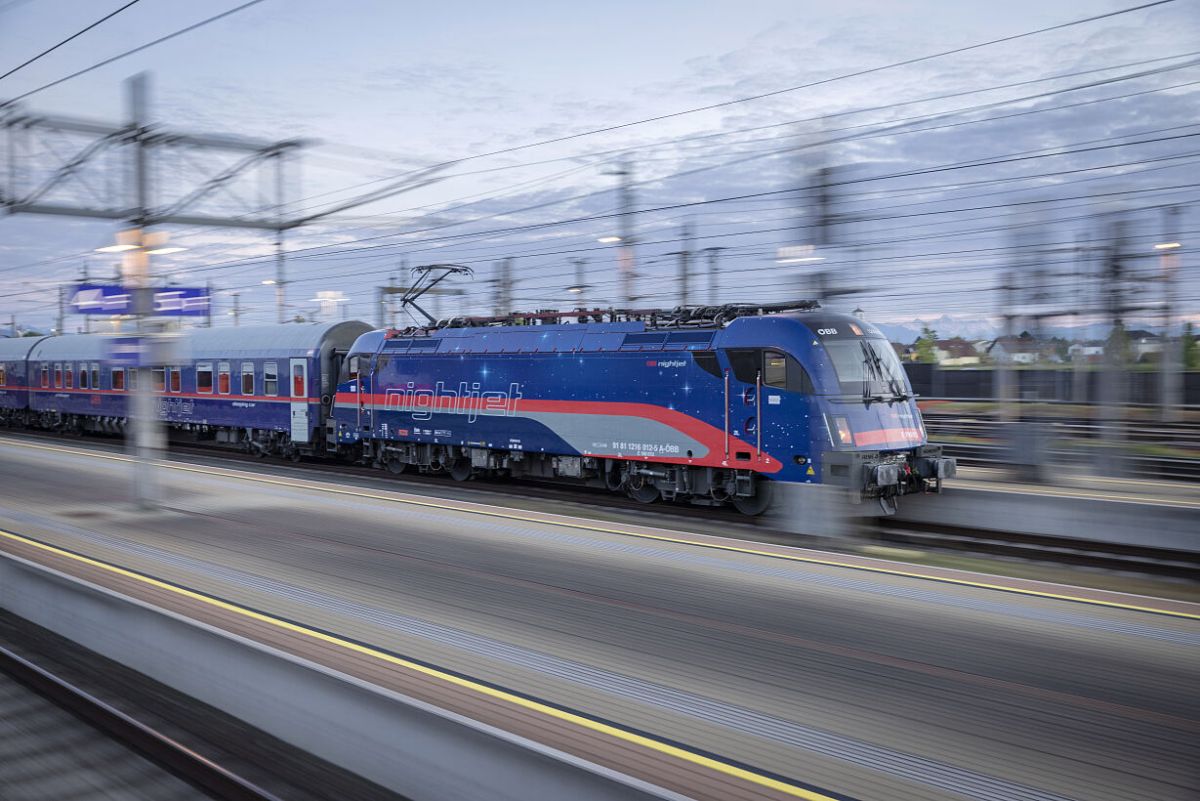
The decision follows the announcement by SNCF Voyageurs that French government support for these connections will not continue beyond this year.
The rollout is part of an AUD 350 million investment in low-emission traction aimed at reducing fleet-wide emissions by 6–10%.
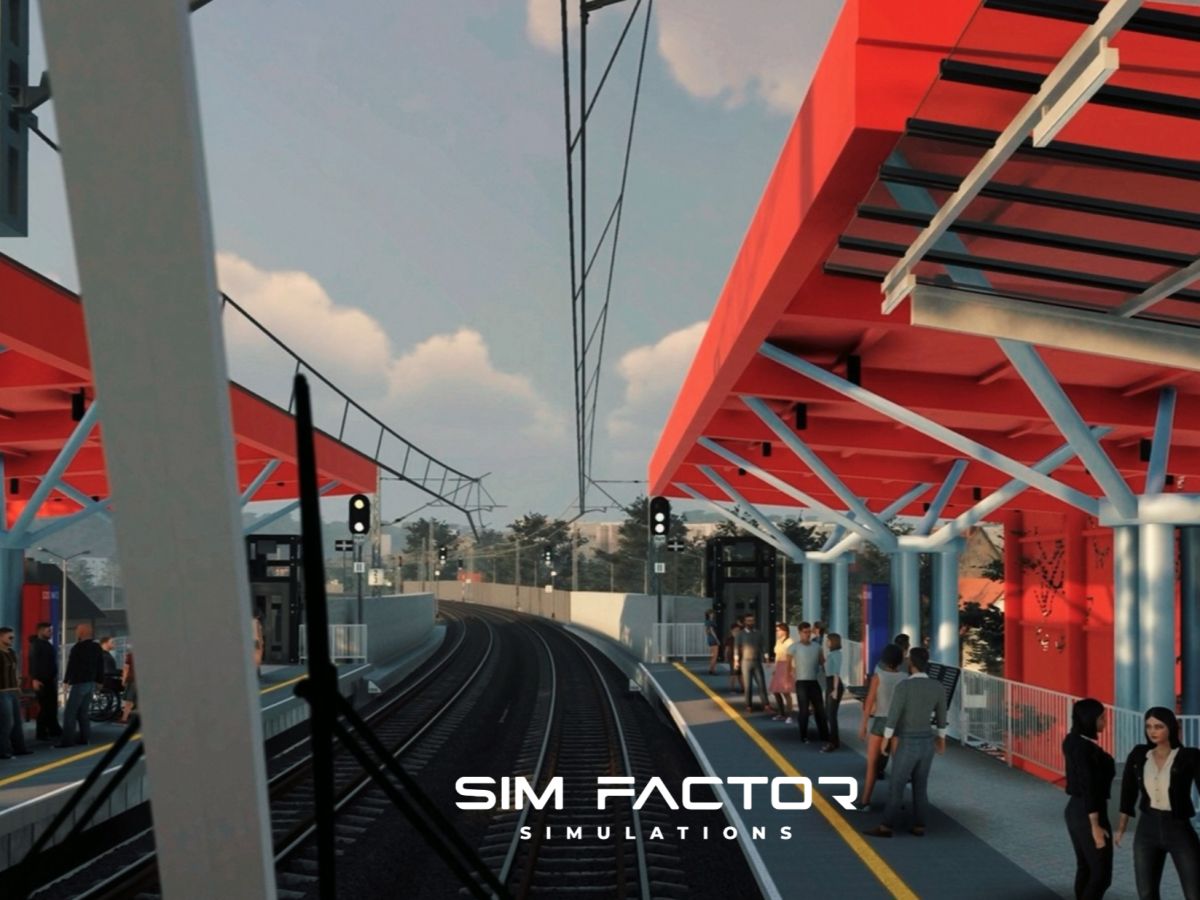
The upgraded graphics are integrated into the company’s railway simulators and support higher simulated speeds, up to 250 km/h, with future readiness claimed for 300–400 km/h operation.
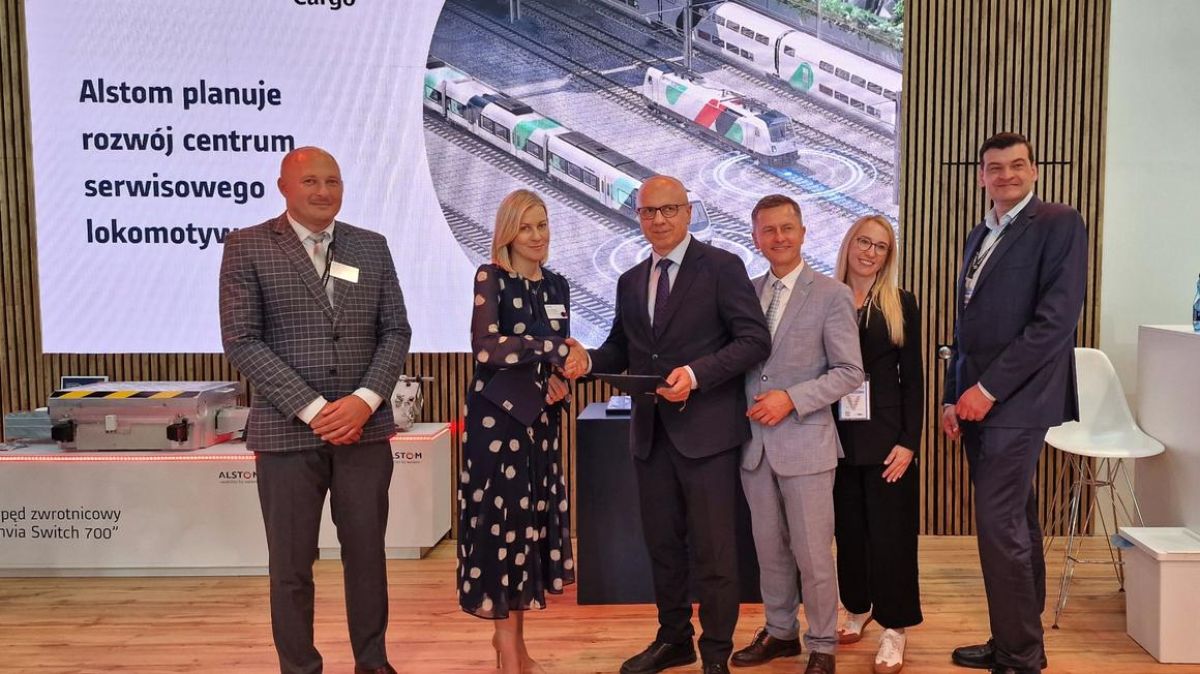
The planned site is intended to support the growing fleet of Traxx Universal locomotives operating across Poland and the Eastern European corridor.