
First hydrogen freight delivered by rail in the UK
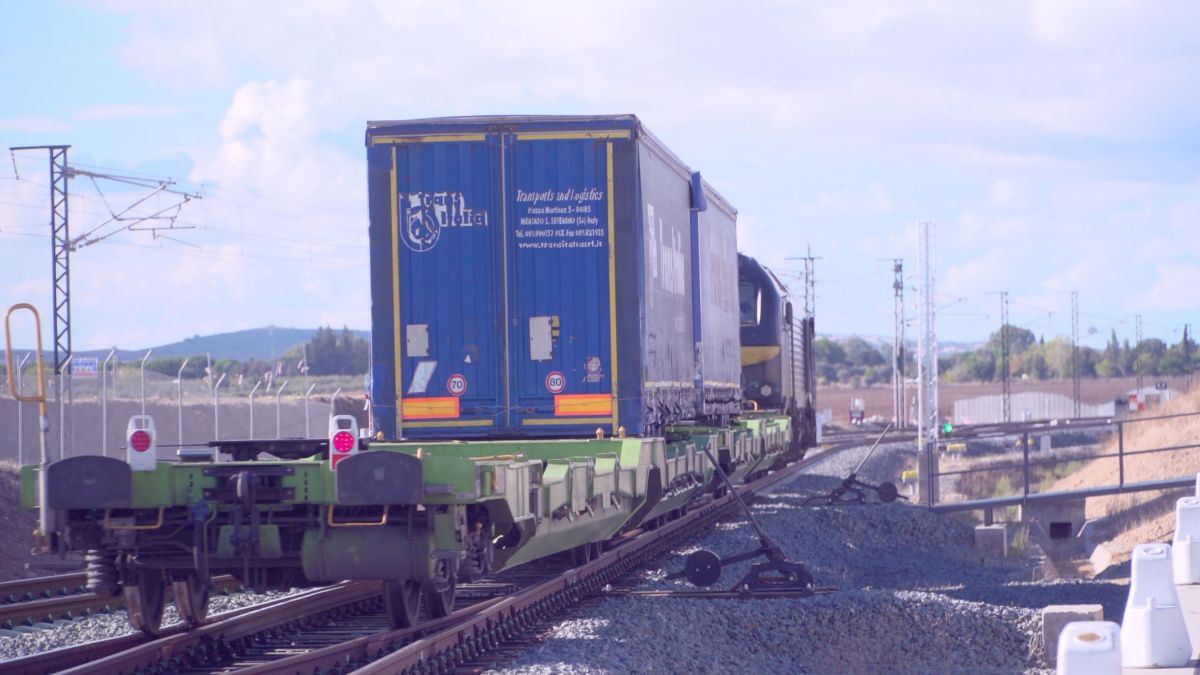
Hydrogen has been transported by rail for the first time in Britain, as part of a demonstration project led by Network Rail in collaboration with Freightliner and GeoPura.
The Grand Est Region and the French State have introduced a joint scheme aimed at upgrading and expanding freight connections between private industrial sites and the national rail network.
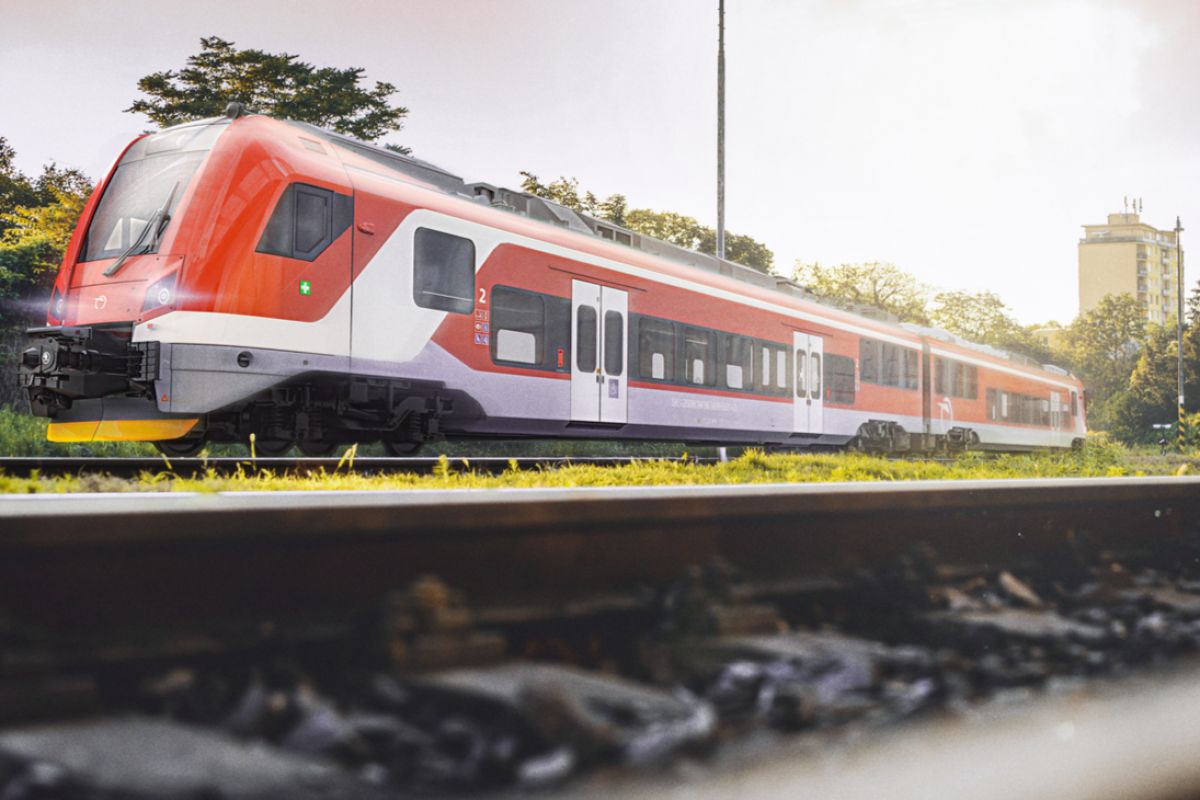
ZSSK has signed a contract for new battery electric trains, introducing this technology into regular regional services for the first time in Slovakia.
The initiative links Softronic’s manufacturing base with an operational leasing model.
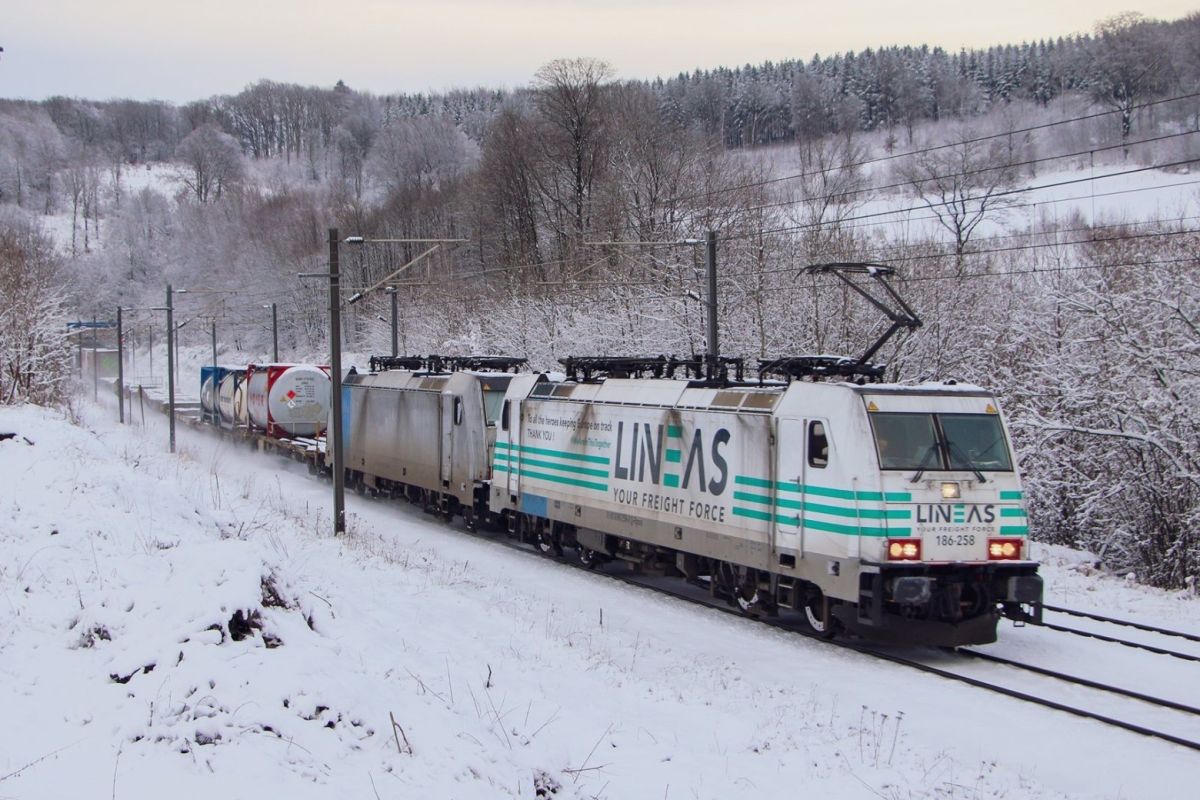
The agreement maintains Lineas’ current traction capacity for international rail freight and includes an option to draw on additional or different locomotive types in the future.
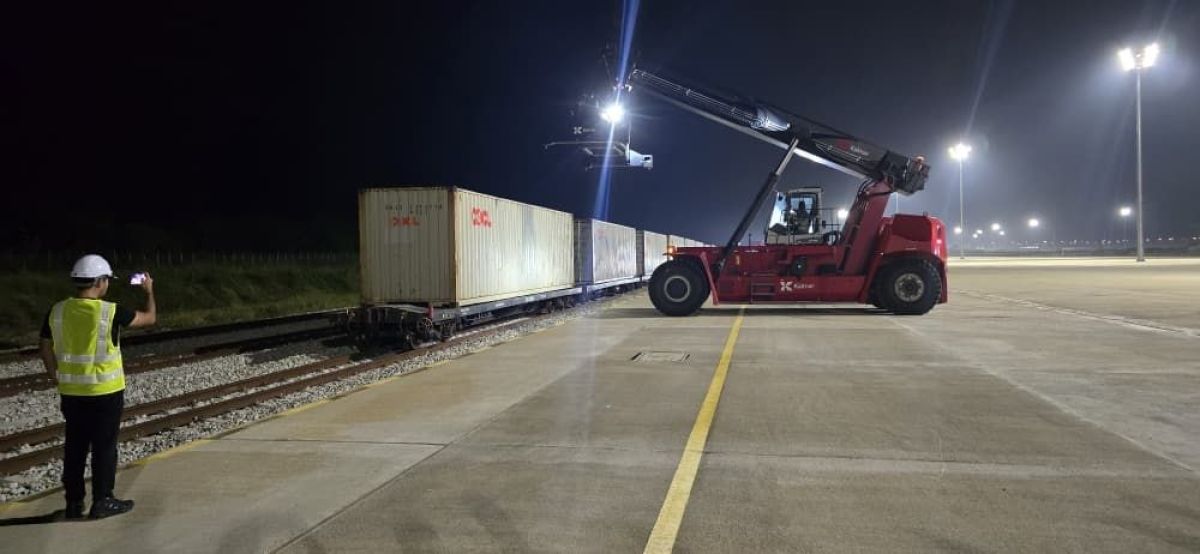
The inaugural train moved 40 containers in the 40-foot category, equal to 80 TEU.
The new schedule is a response to demand for more predictable planning during periods of high freight volumes.
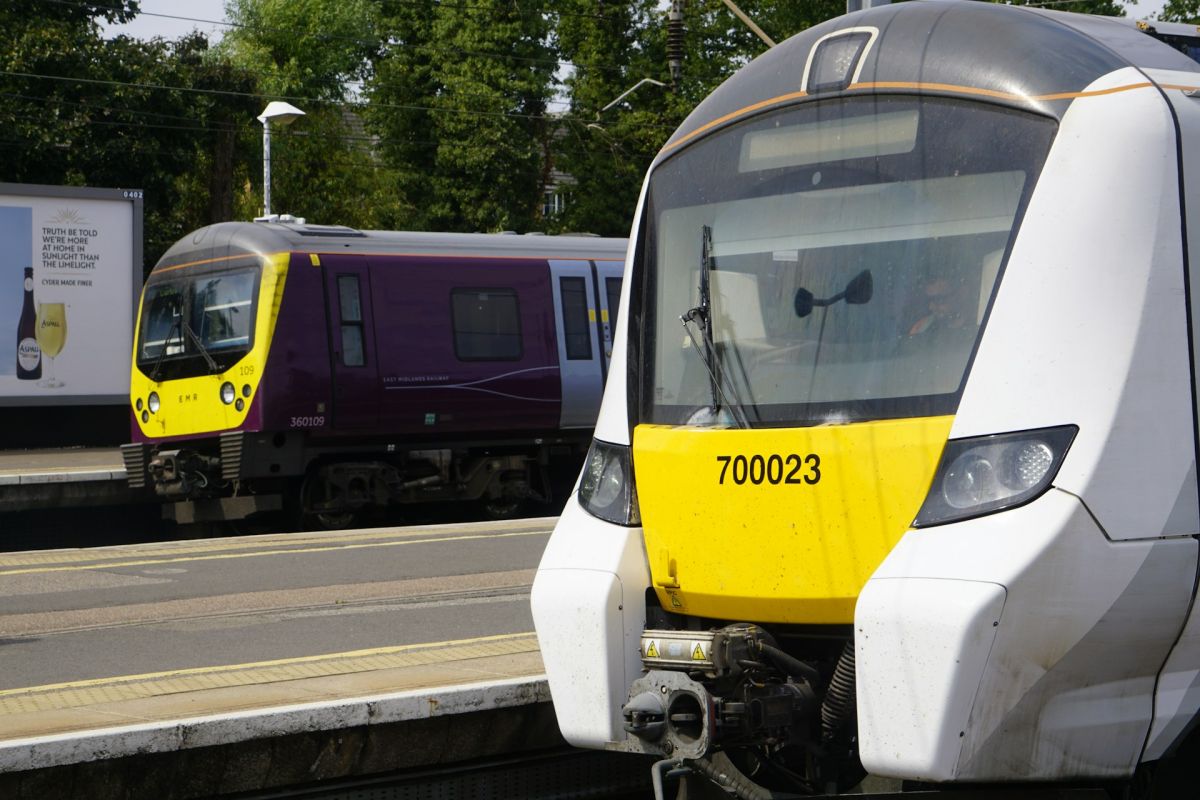
Built in 2004, the Class 376 trains operate on Metro services across south east London and north Kent.
Both corridors operate on a weekly pattern and follow the company’s full-schedule model.
PKP CARGO, which is undergoing restructuring, has reported a clear improvement in its financial results for the first nine months of 2025.
The initial batch, consisting of two passenger EMUs and two freight locomotives, was finalised following factory acceptance tests and is en route to Kuantan Port, with arrival expected by the end of December.
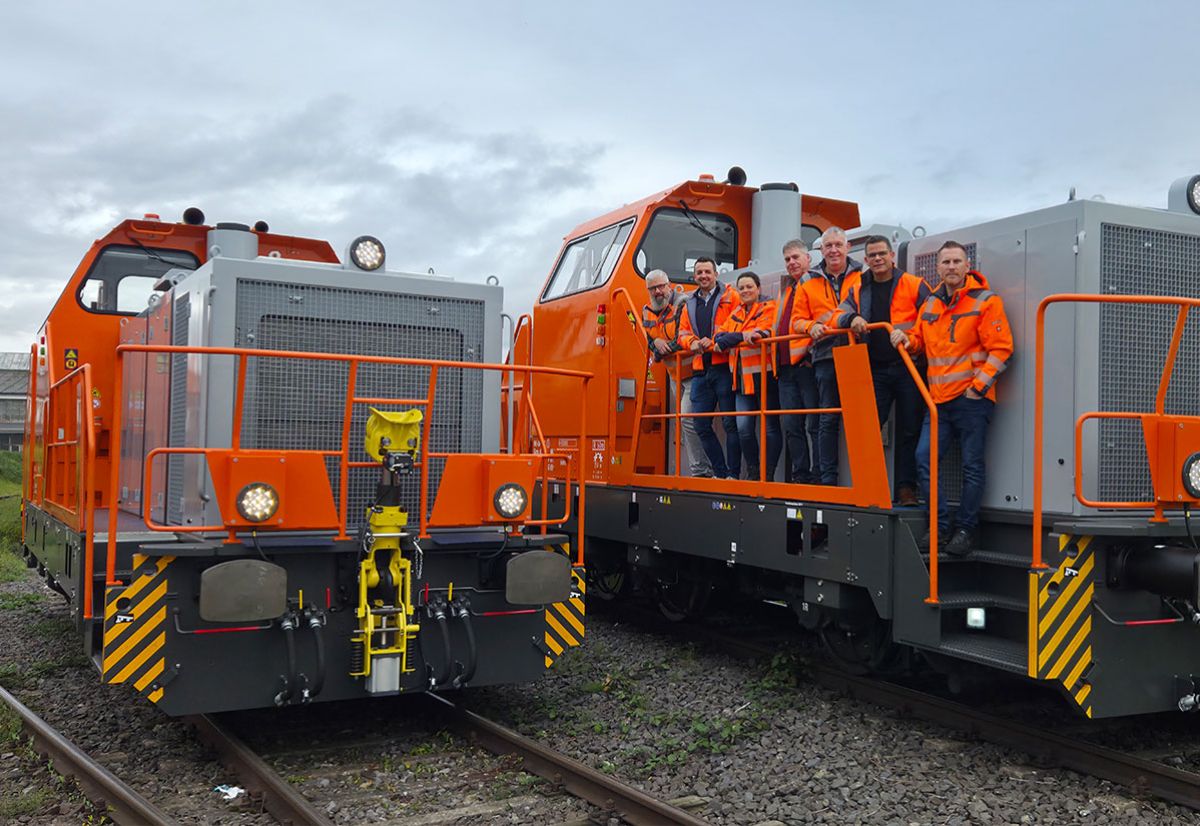
Delivered in November 2025, the three-axle locomotives are assigned to the Werra plant—currently the largest production site of K+S Minerals & Agriculture
Delivery to the operational site is scheduled to take place in the coming days.
Rail freight volumes in Poland declined in the first half of 2025 compared to the same period a year earlier, reflecting broader downward trends across the European market.
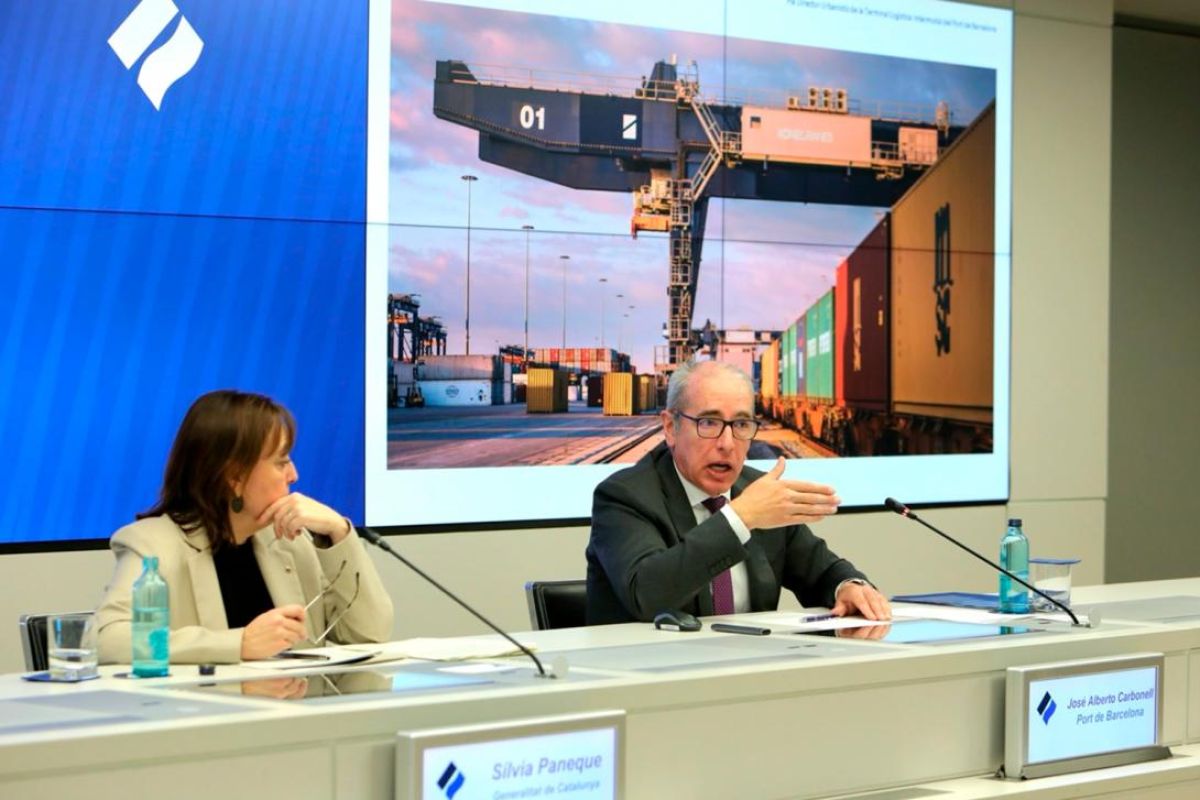
Authorities in Catalonia have approved the land-use planning and development framework for the southern rail logistics zone at the Port of Barcelona, clearing the way for construction of a new intermodal rail hub.
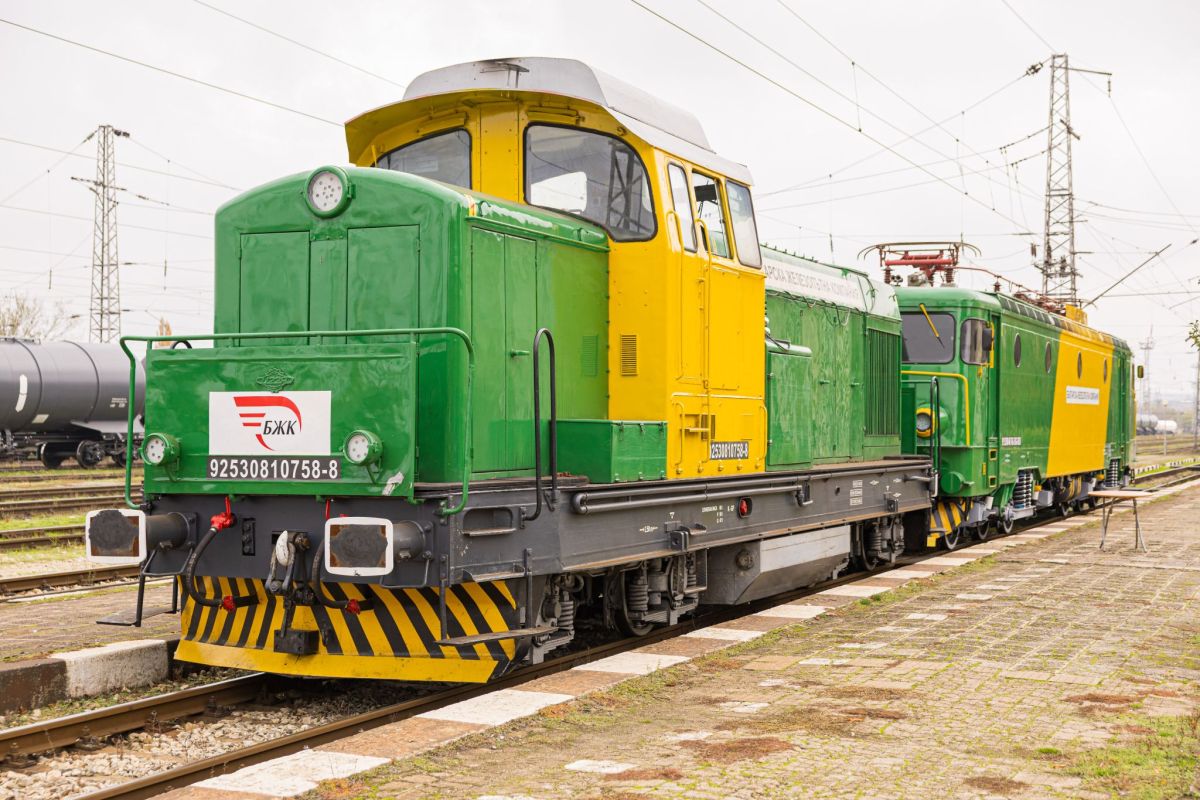
The locomotives were officially commissioned during a ceremony held at Ruse Razpredelitelna station.
Buzzi Unicem presents this reorganisation as a response to evolving environmental and logistics frameworks under the European Green Deal and national legislation on sustainable mobility.
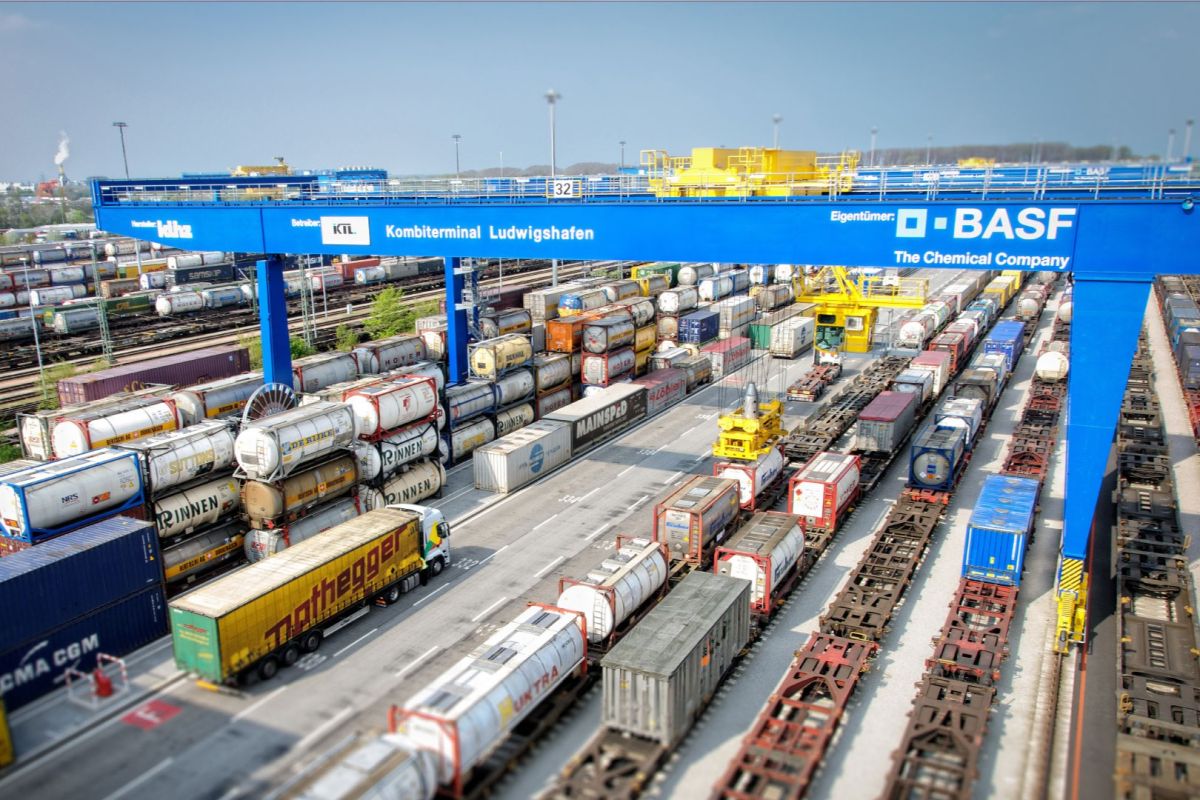
A recent in-depth analysis prepared for the European Parliament’s Committee on Transport and Tourism outlines a fragmented landscape of intermodal freight terminals across the European Union.
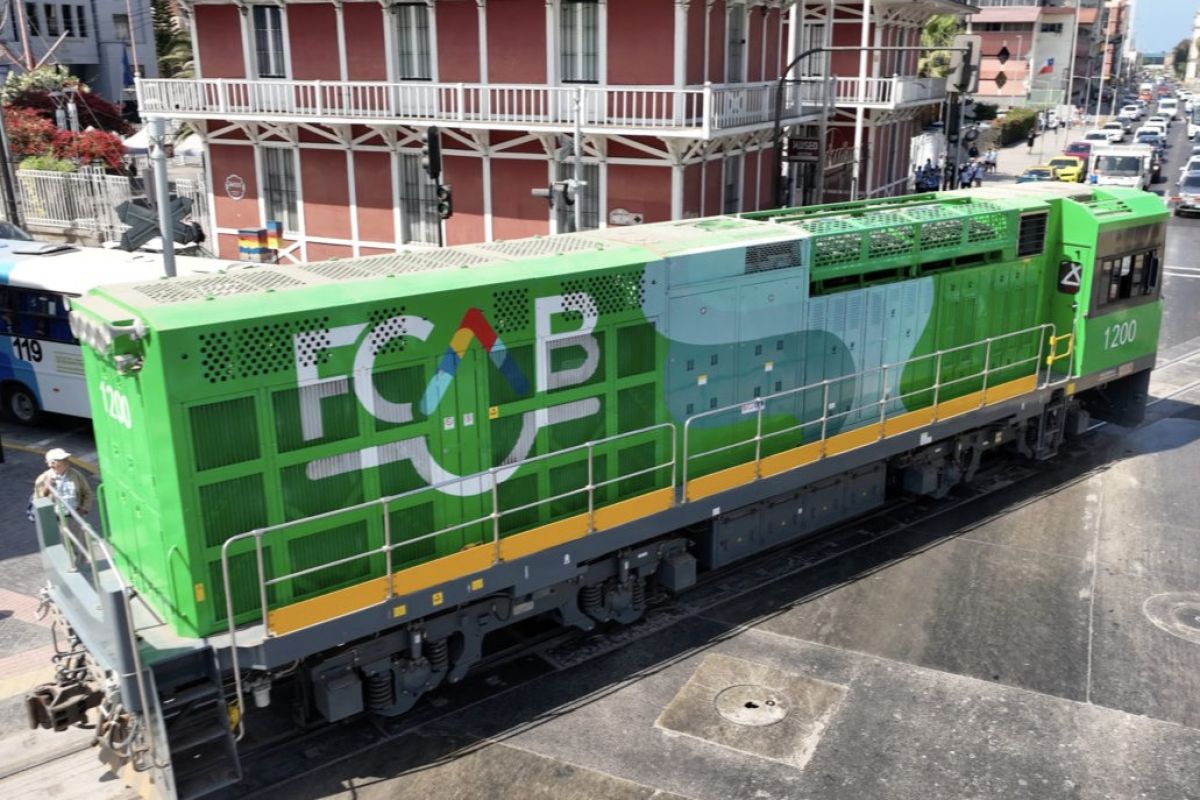
With this operation, the company becomes the first rail freight operator in Latin America to use green hydrogen as an energy source.
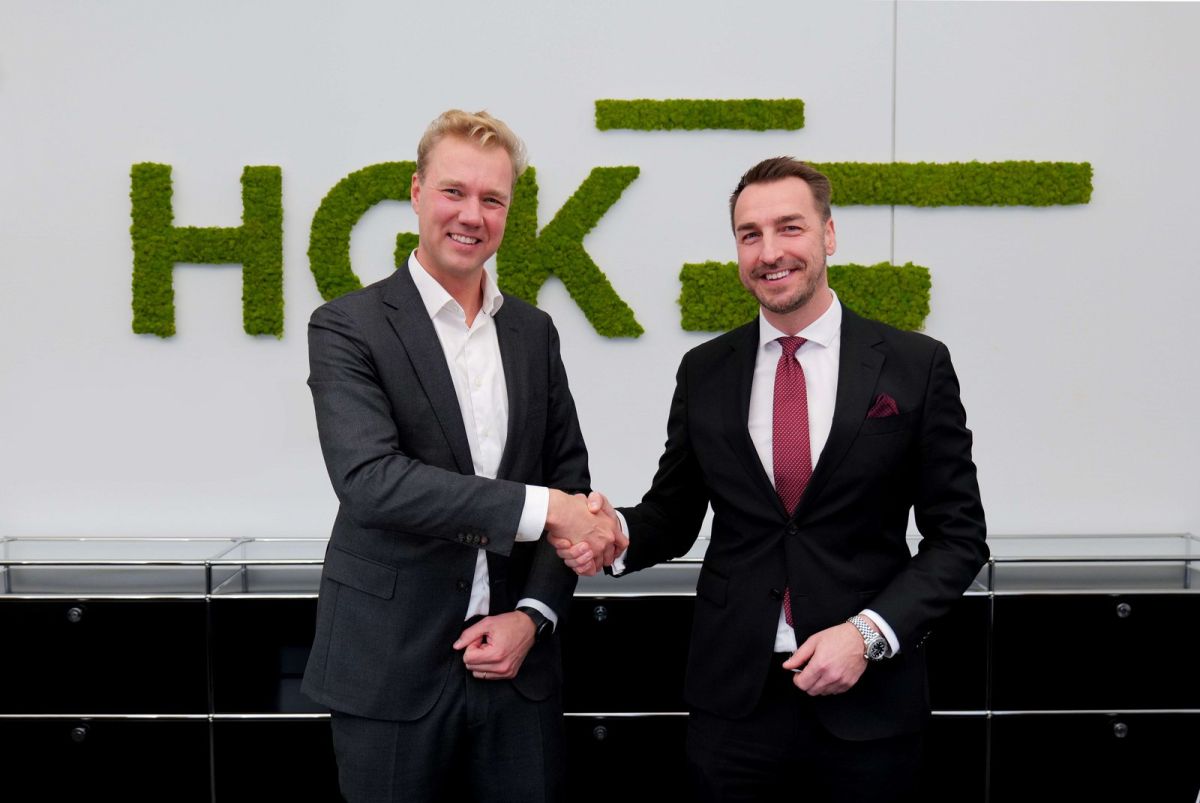
HGK and Port of Rotterdam form partnership to develop low-emission Rhine logistics corridor
By December 2025, ČD expects to receive eight more PESA-made units.
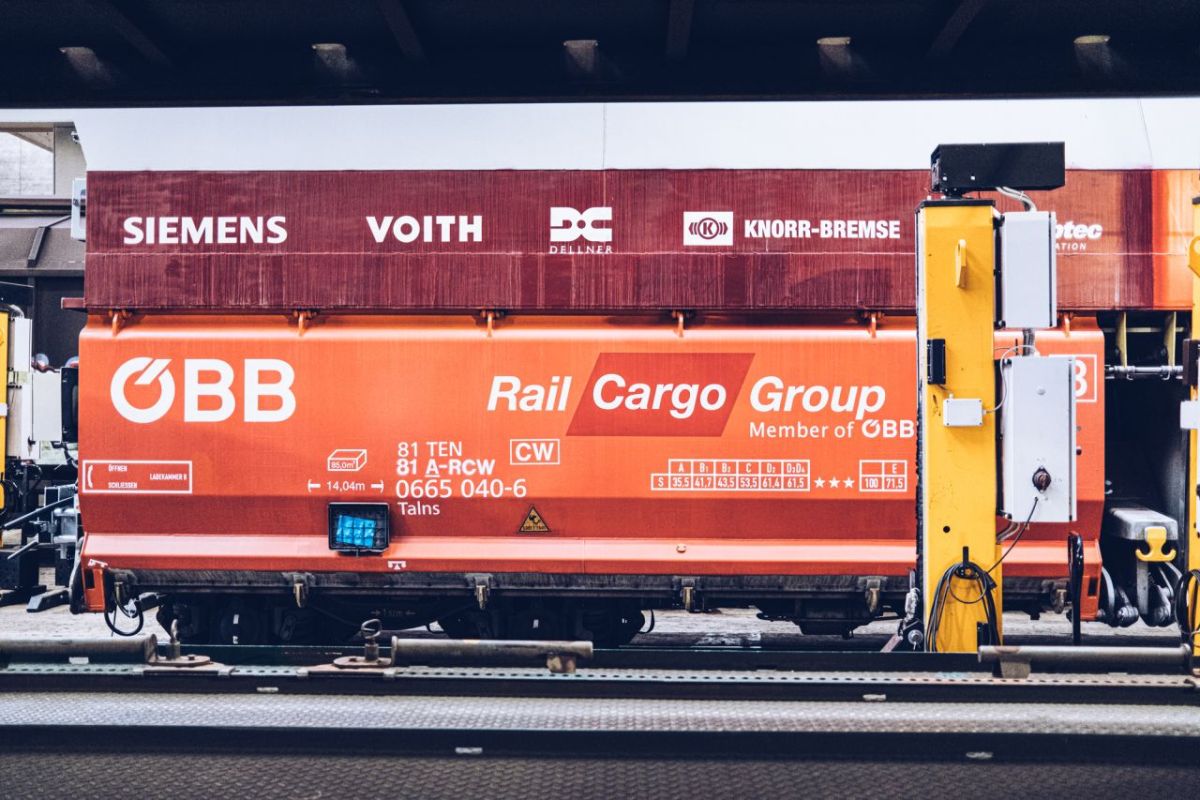
Preparations are underway for the next testing phase of the Digital Automatic Coupling (DAC) system, as a demo train plans to operate in Austria in 2026.
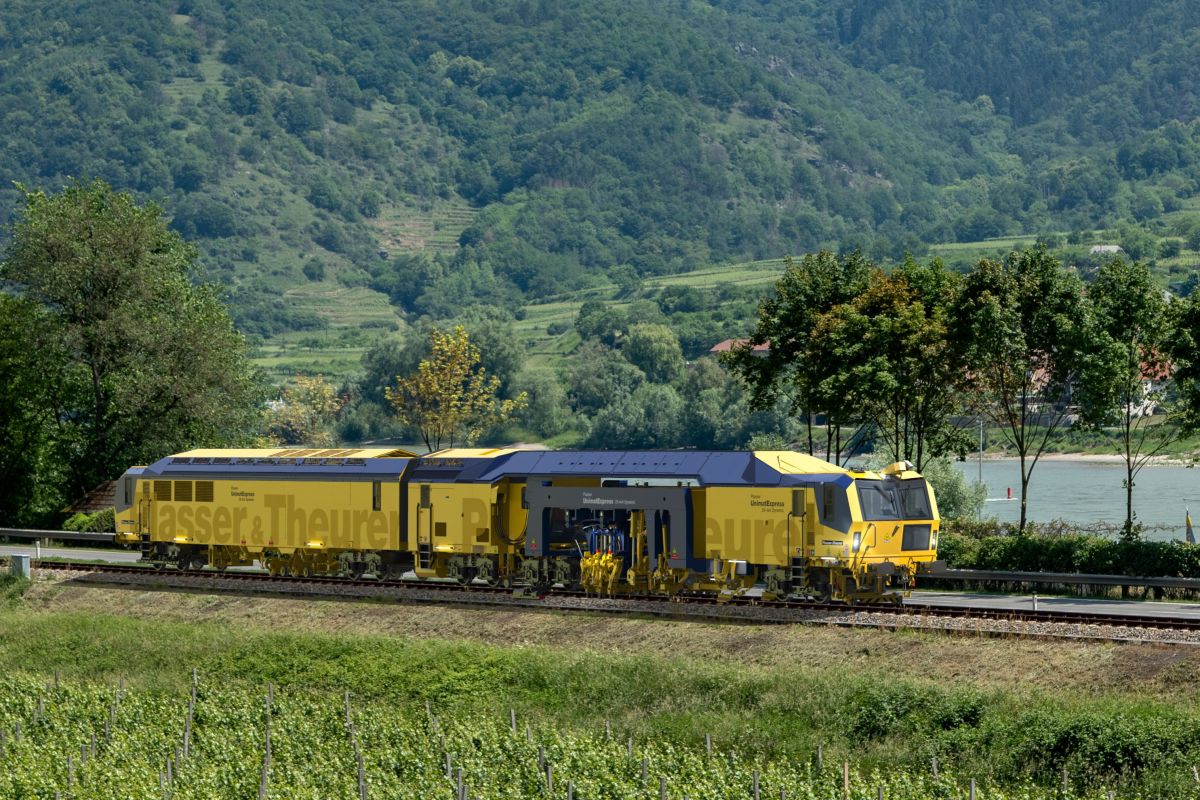
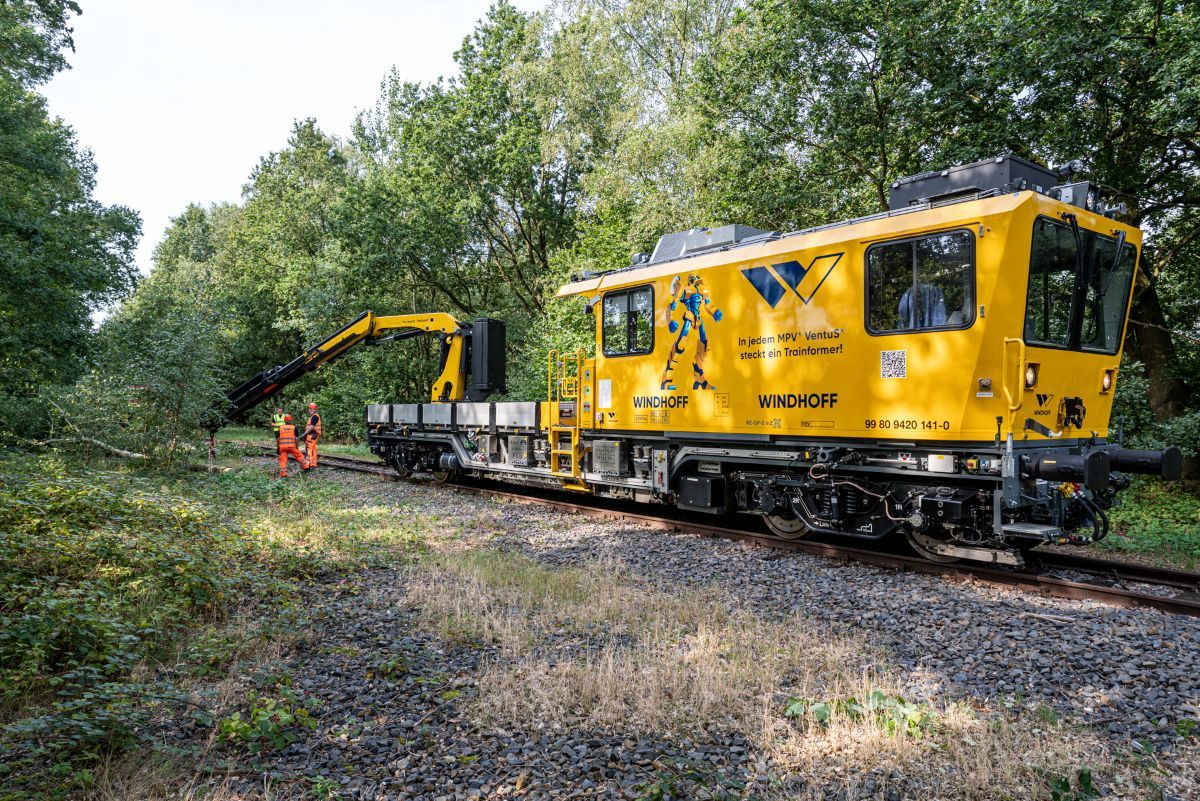
The order introduces a uniform series of track machines designed for both turnout and plain line tamping and will replace multiple older units in DB Bahnbau’s fleet.
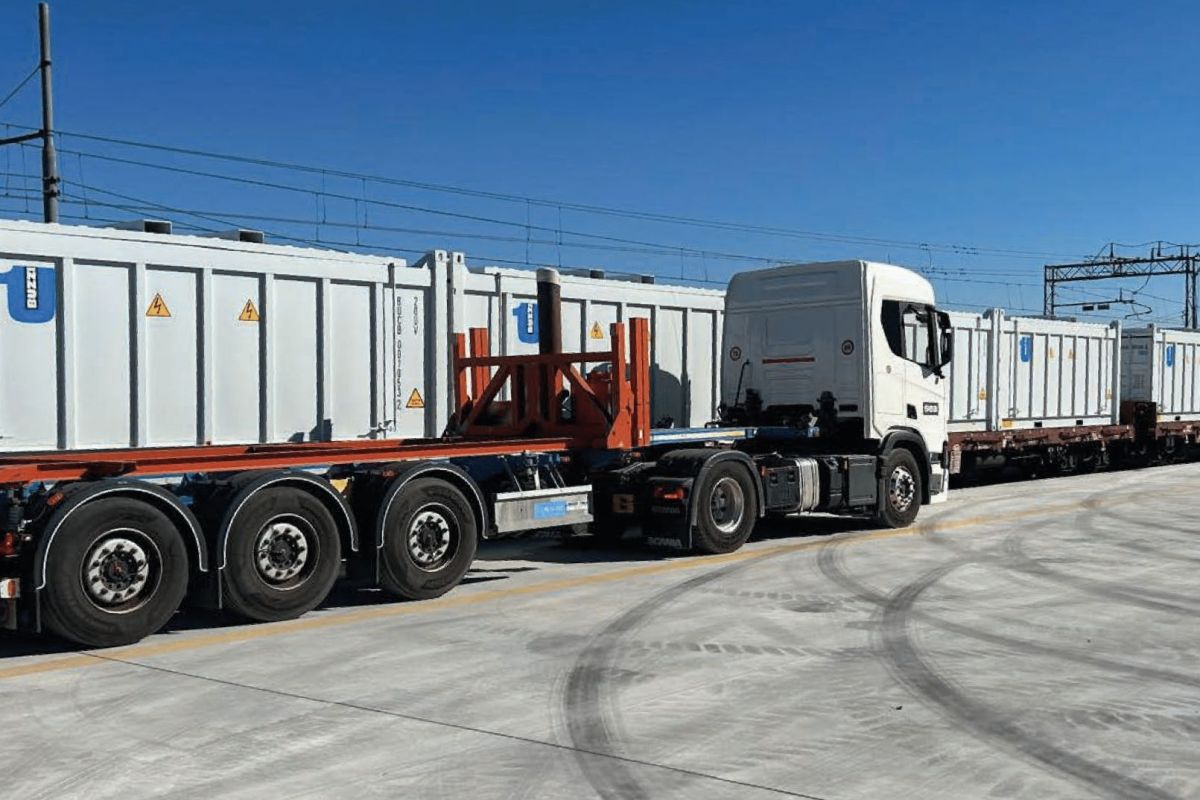
MAN and VEGA roll out intermodal scheme for lower carbon truck deliveries
A new rail motorway terminal has been inaugurated at the commercial port of Sète, southern France.
ZSSK Cargo is adjusting its fleet in response to changes in the Žilina traction system from DC to AC system.
The container has been developed together with HyCentA and is aimed at supplying hydrogen for processes connected to low-emission steel production.
The simulation focused on verifying the compatibility of the infrastructure and terminals at both ends of the corridor.
The new fleet is being phased in gradually and will be fully deployed by October 2026.
The partnership was announced on 18 November and signals China's deeper involvement in the logistics corridor linking China and Europe via Central Asia and the Caspian Sea.
Operating under the name “SLoT Ost” (Salzgitter Logistic Transport Ost), the system connects the steelworks in Salzgitter with receiving points in Chemnitz, Gera, Glauchau, and Zwickau.
The agreements, some extending up to ten years, include customers such as Migros (retail food), fenaco (agricultural), Stahl Gerlafingen (steel), and Schweizer Salinen (salt).
The importance of Information Security Management System in the railway business.
Two more Class 99 locomotives, numbered 99003 and 99004, are on their way to the United Kingdom following their departure preparations in Barcelona.
The drop brings rail freight transport services to 9.6 billion tonne-kilometers—the lowest figure recorded since 2009.
The decision will apply to all season tickets, peak-time returns for commuters, and off-peak returns between major cities, covering over a billion passenger journeys in England.
The renewed route forms part of Ukrzaliznytsia’s broader attempt to increase cargo throughput and counterbalance the financial pressures caused by a decline in domestic and export freight volumes.
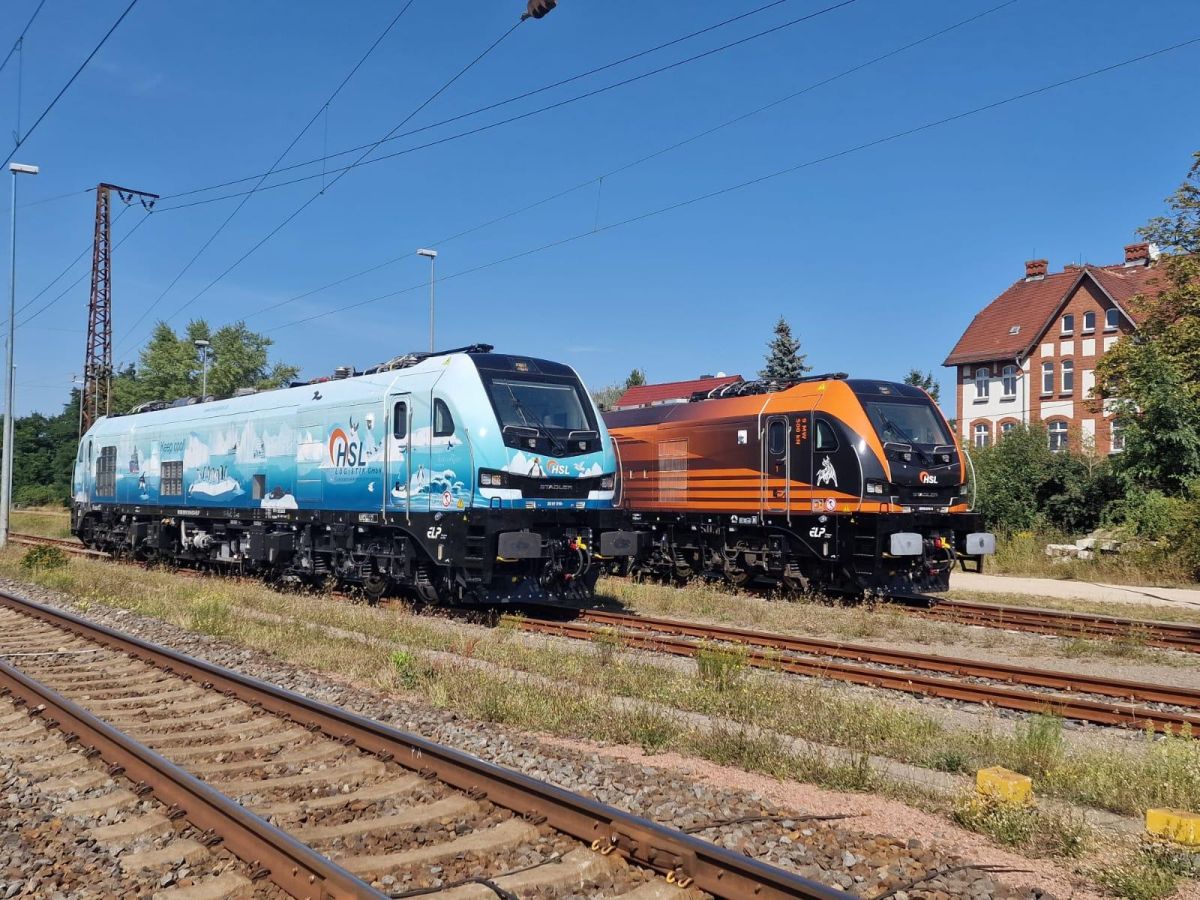
Railmarket spoke with Michael Steinhäuser, Fleet Manager for Locomotives at HSL Logistik, about the company’s experience with the Euro9000 locomotive from European Loc Pool (ELP) and how it fits into their everyday operations.
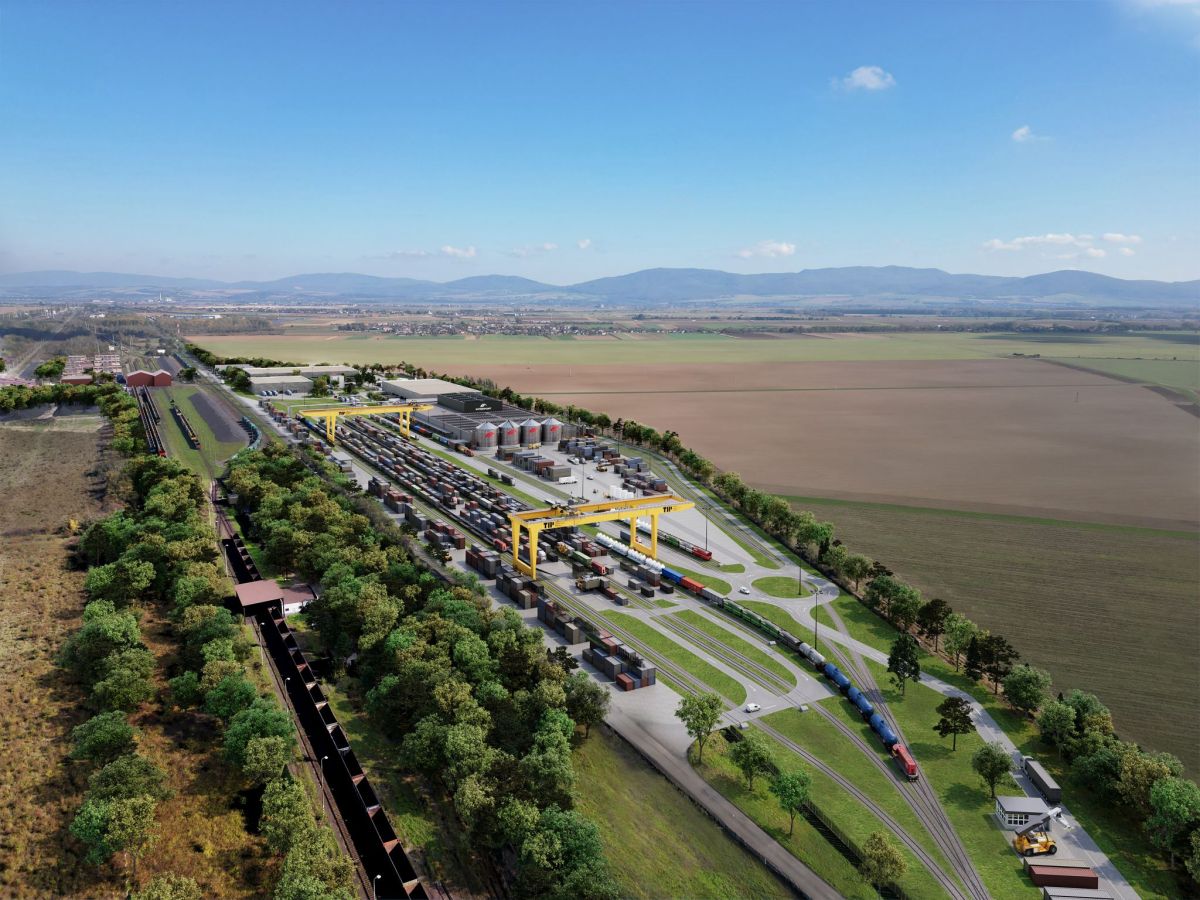
The project, branded TIP Košice (Terminál Intermodálnej Prepravy), will serve as a regional logistics hub at the eastern border of the European Union.
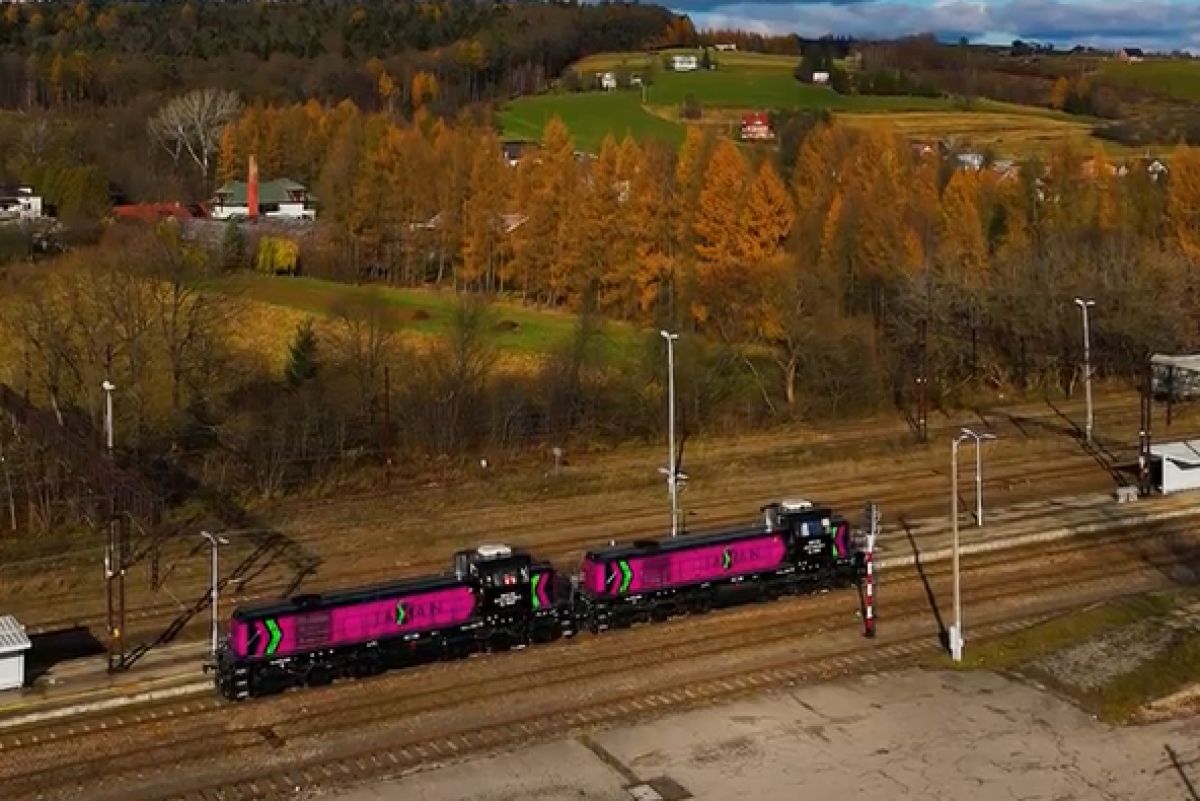
The order includes 20 Gama 3.0 locomotives from PESA and 20 Dragon 2 locomotives from NEWAG.
The remaining 40 units are scheduled for completion by June 2026.
The launch follows a cooperation with Pasifik Eurasia and is part of the company's wider service between Turkey and Slovakia.
The project aims to repurpose an unused industrial area adjacent to the Southern Railway line and connected to the S35 motorway.
The project covers the 167 km section between Khon Kaen and Nong Khai and includes upgrades at 11 stations.
The acquisition enables Salcef to pursue new contracts on Australia’s east coast and across broader transportation markets.
The new fleet pf eight vehicles will replace ageing equipment that no longer meets current operational demands.
Locomotives numbered 134 and 135 will become the 9th and 10th of this type operated by the company.
Another contract for the delivery of new EMUs from Newag has been signed in Gdańsk.
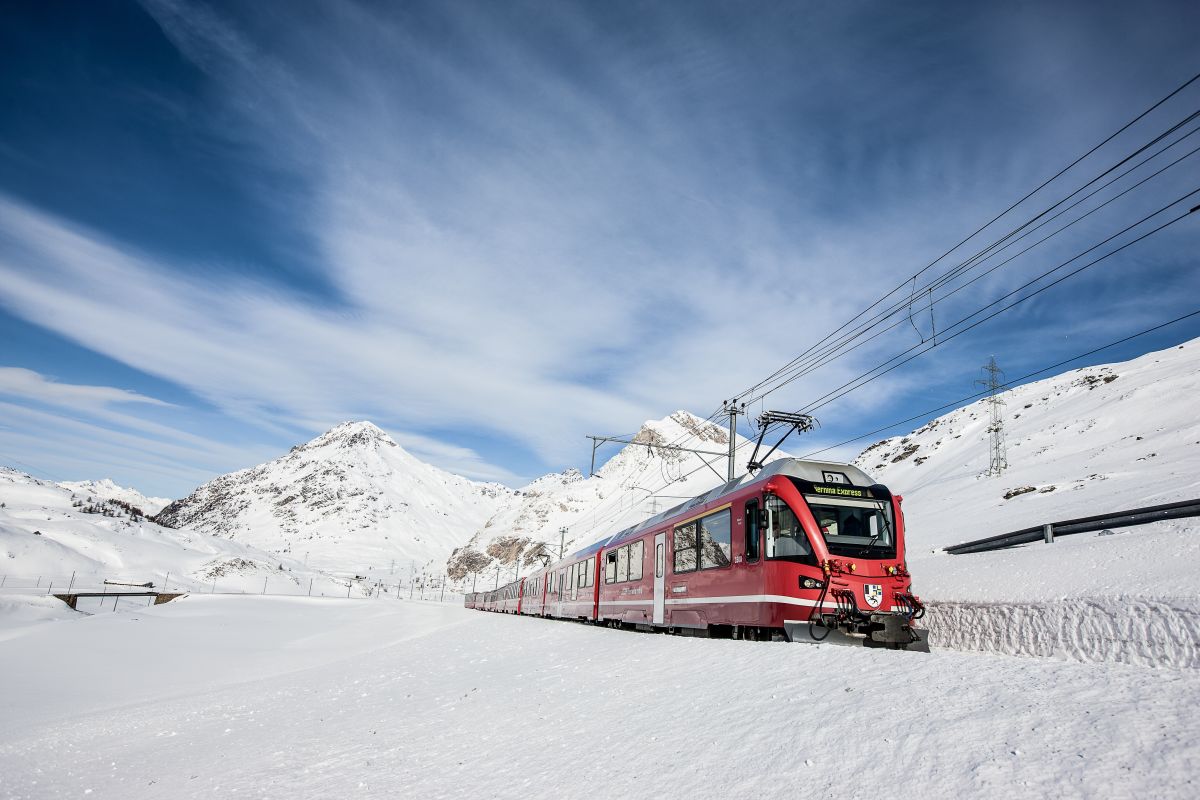
The rise in tourism and leisure traffic led to capacity constraints, particularly on the Bernina line during peak periods.
The arrangement applies to the European gauge line connecting Kaunas with Poland, part of the wider Rail Baltica project.