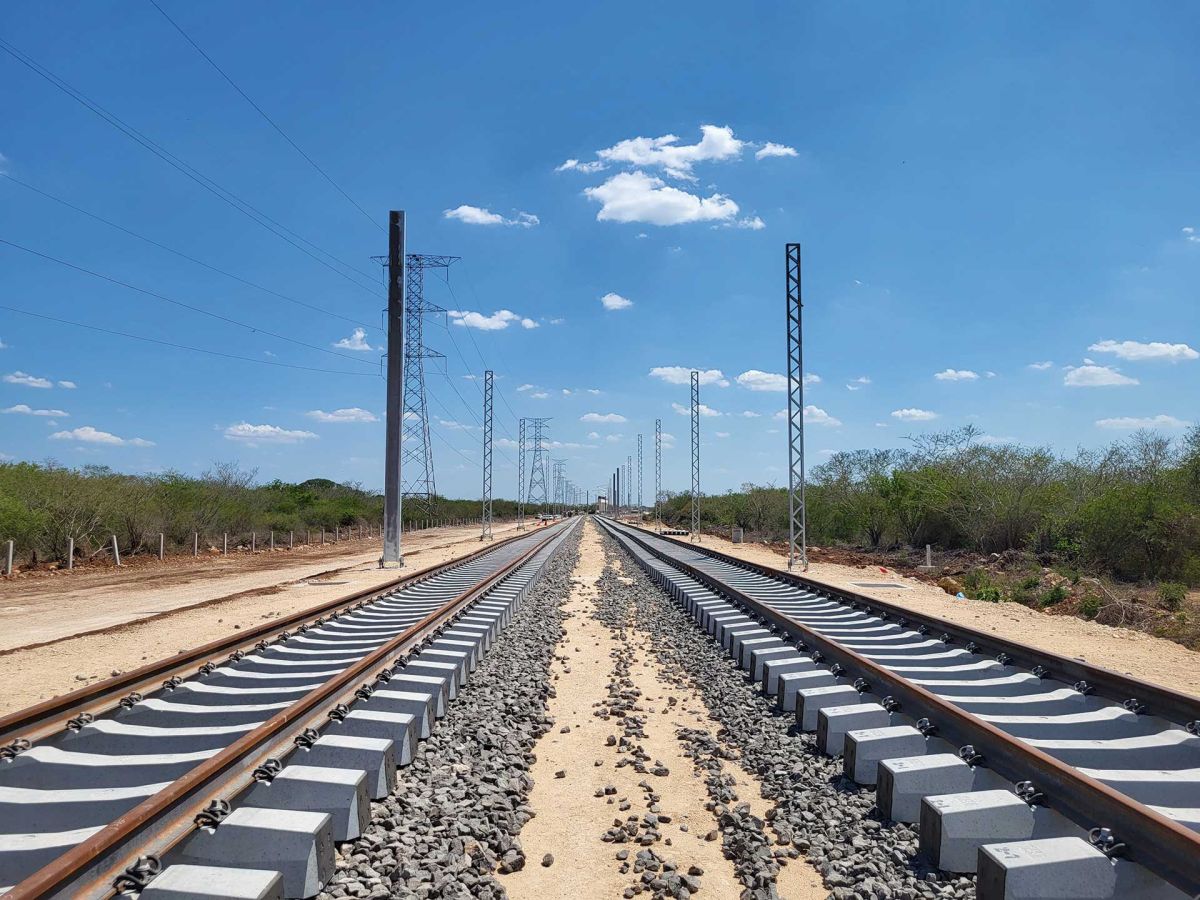
Forbes has identified 12 companies as the leading players in global railway infrastructure, in a market with annual investment exceeding EUR 300bn.
More than 40,000 km of high-speed rail are currently in operation worldwide. Global rail infrastructure investment is expanding at around 5% per year, with individual megaproject contracts typically valued between EUR 1bn and EUR 5bn. Performance-based maintenance contracts are growing at approximately 7% annually.
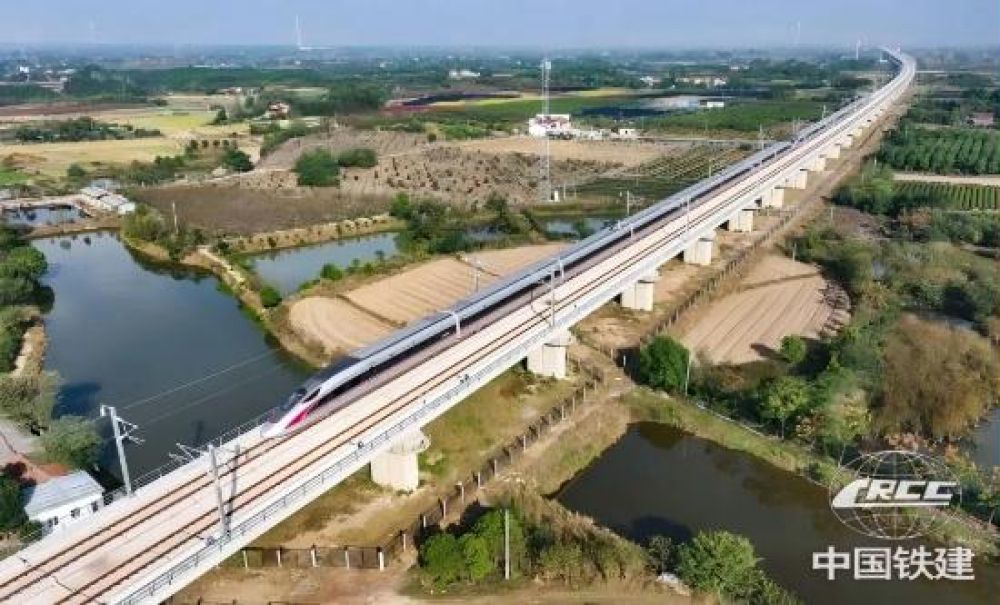
Chinese groups lead by scale
China Railway Group (CREC) and China Railway Construction Corporation (CRCC) top the ranking by revenue, each reporting annual turnover above EUR 130bn equivalent. Both companies combine engineering, construction and financing capabilities.
They have delivered high-speed rail corridors across China and expanded internationally, particularly in Asia, Africa and the Middle East, often through EPC structures.
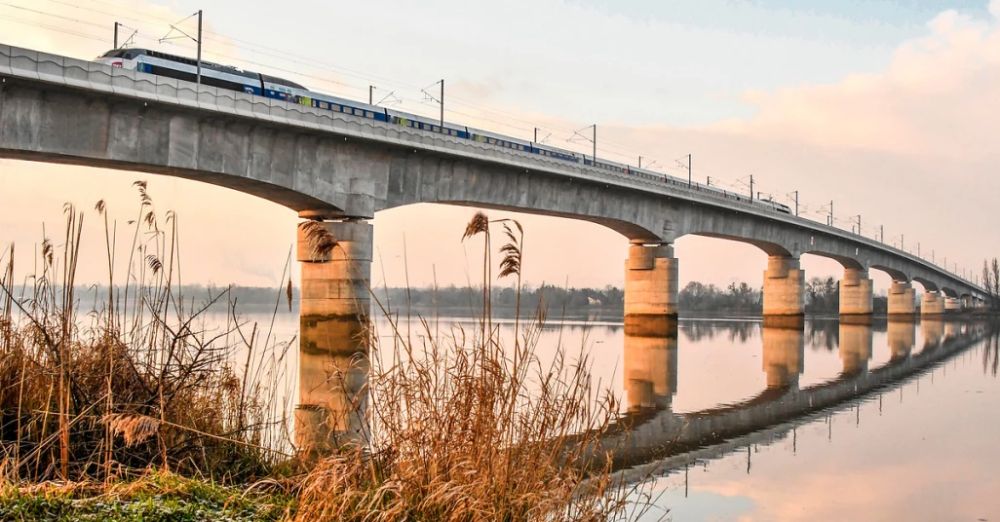
European contractors focus on complex delivery models
France is represented by VINCI and Bouygues Construction. VINCI combines construction with concession and asset operation models, including participation in high-speed projects such as LGV Sud Europe Atlantique. Bouygues concentrates on metro systems and large-scale underground works in dense urban environments.
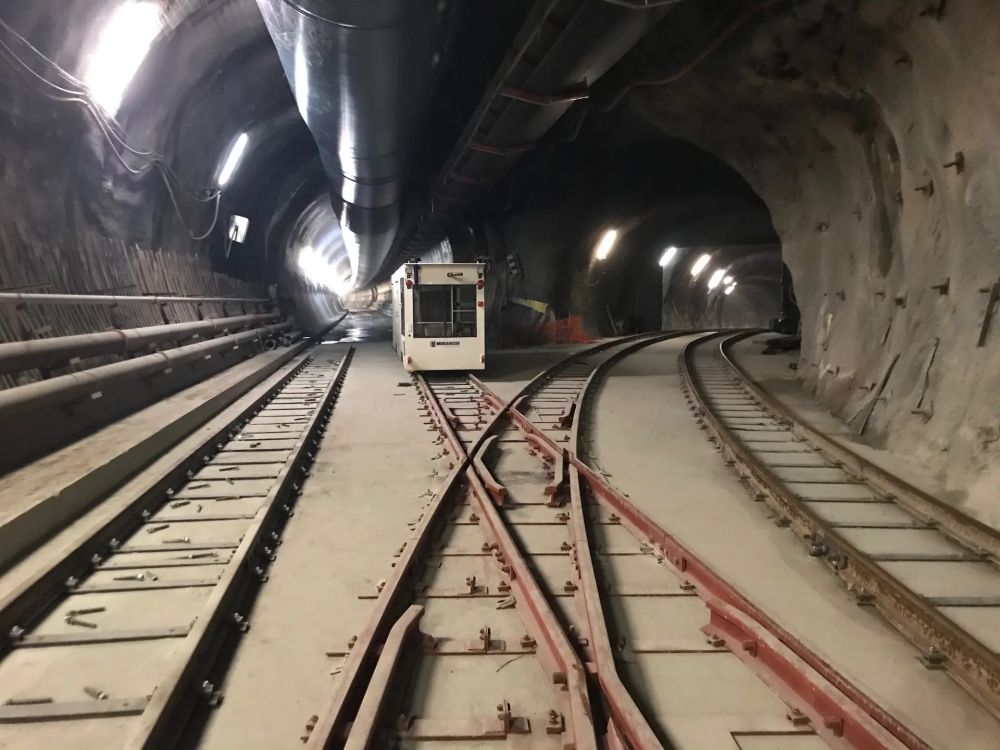
Italy’s Webuild and Austrian Strabag are included for their involvement in high-speed lines and major tunnel schemes, including Alpine base tunnels that form part of trans-European corridors.
Sweden’s Skanska is active in corridor modernisation in Europe and the United States, while India’s Larsen & Toubro is participating in the Mumbai–Ahmedabad high-speed line within India’s broader infrastructure expansion programme.
Four Spanish companies in the ranking
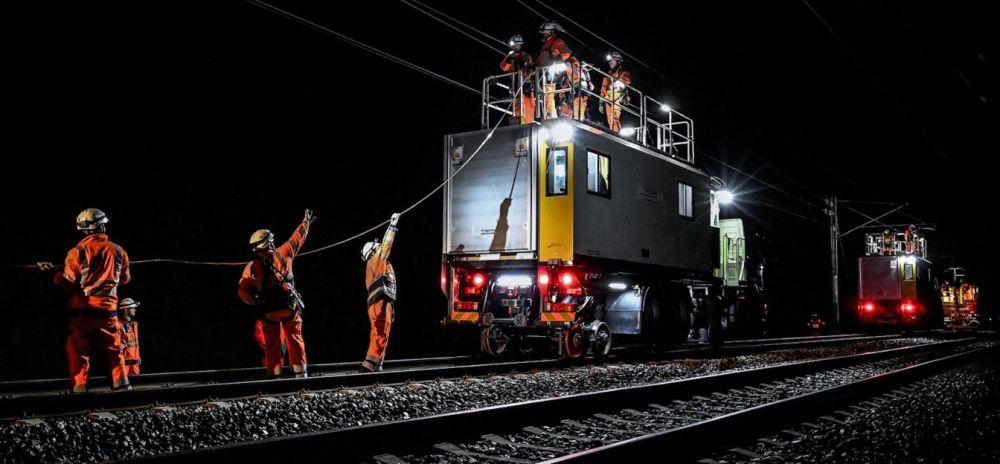
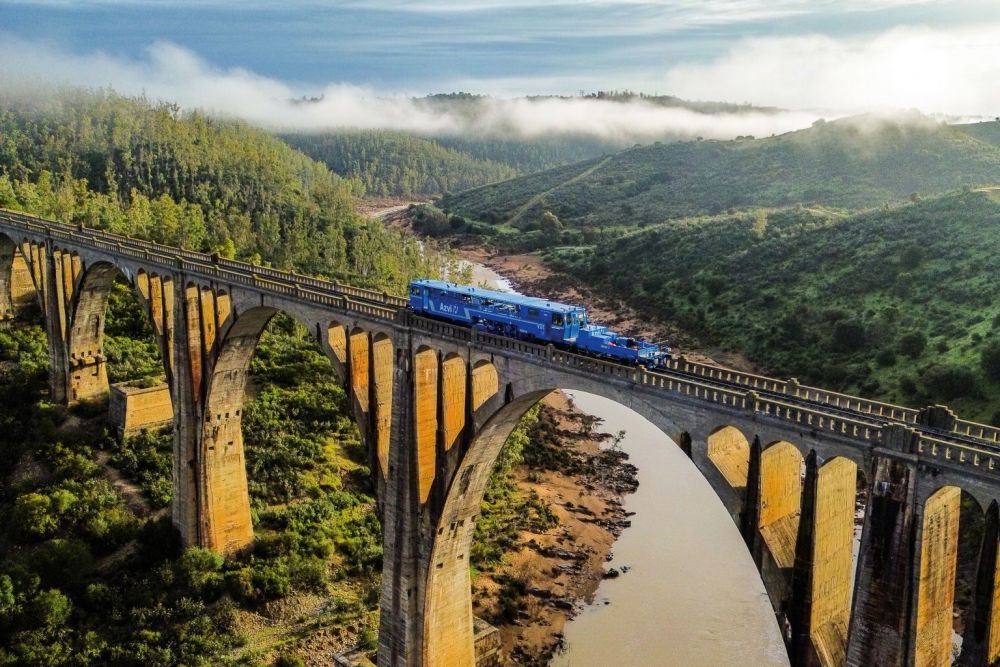
Spain accounts for four of the 12 companies listed: ACS Group (including Hochtief), Ferrovial, Acciona and AZVI. Forbes links this presence to the development of more than 4,000 km of high-speed rail in Spain, which has provided a domestic reference base for engineering and project management later applied in markets such as the United States, the United Kingdom and Australia.
Shift towards lifecycle and performance contracts
The report notes that competition in rail infrastructure is increasingly defined by the ability to combine civil works, systems integration, financing and long-term performance obligations. Contracts are shifting towards availability, punctuality and lifecycle cost metrics, requiring contractors to integrate construction with maintenance and digital asset management.