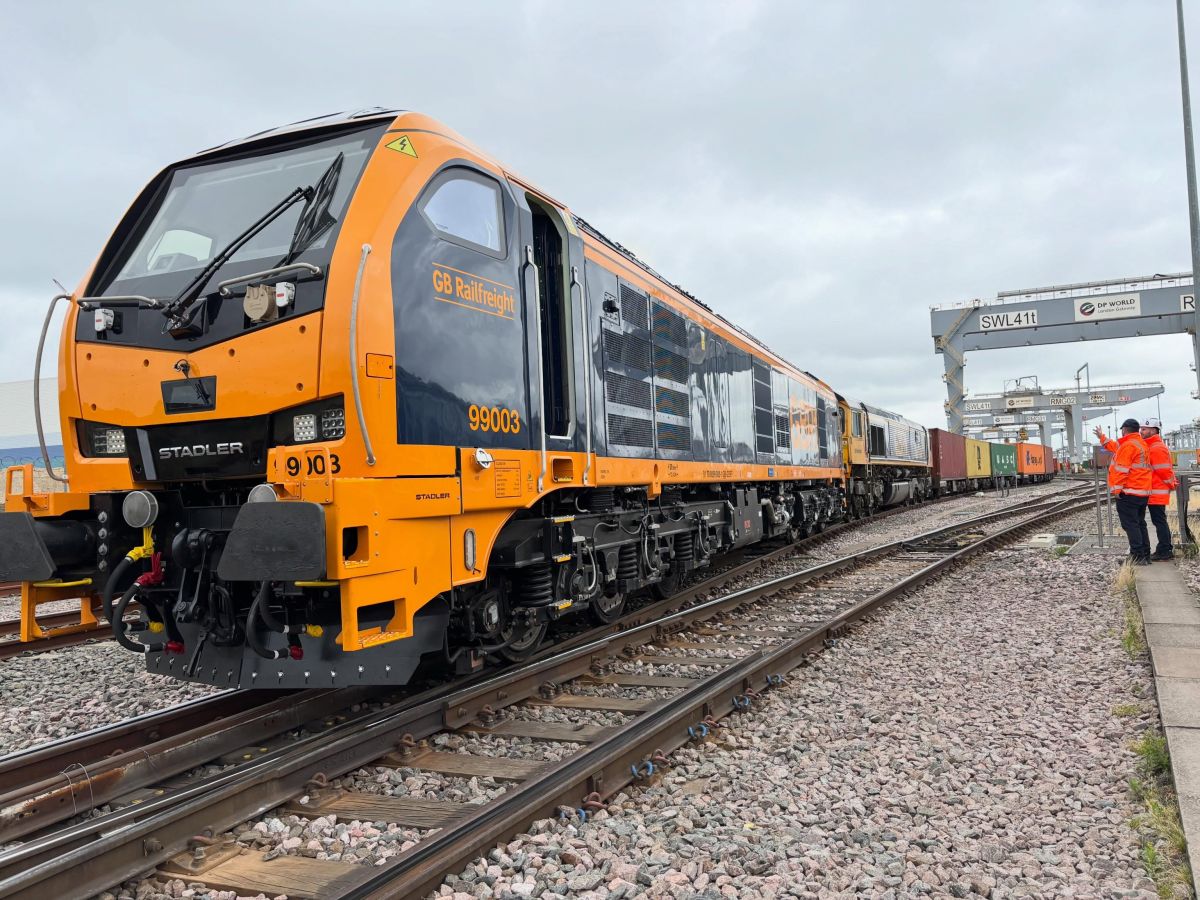
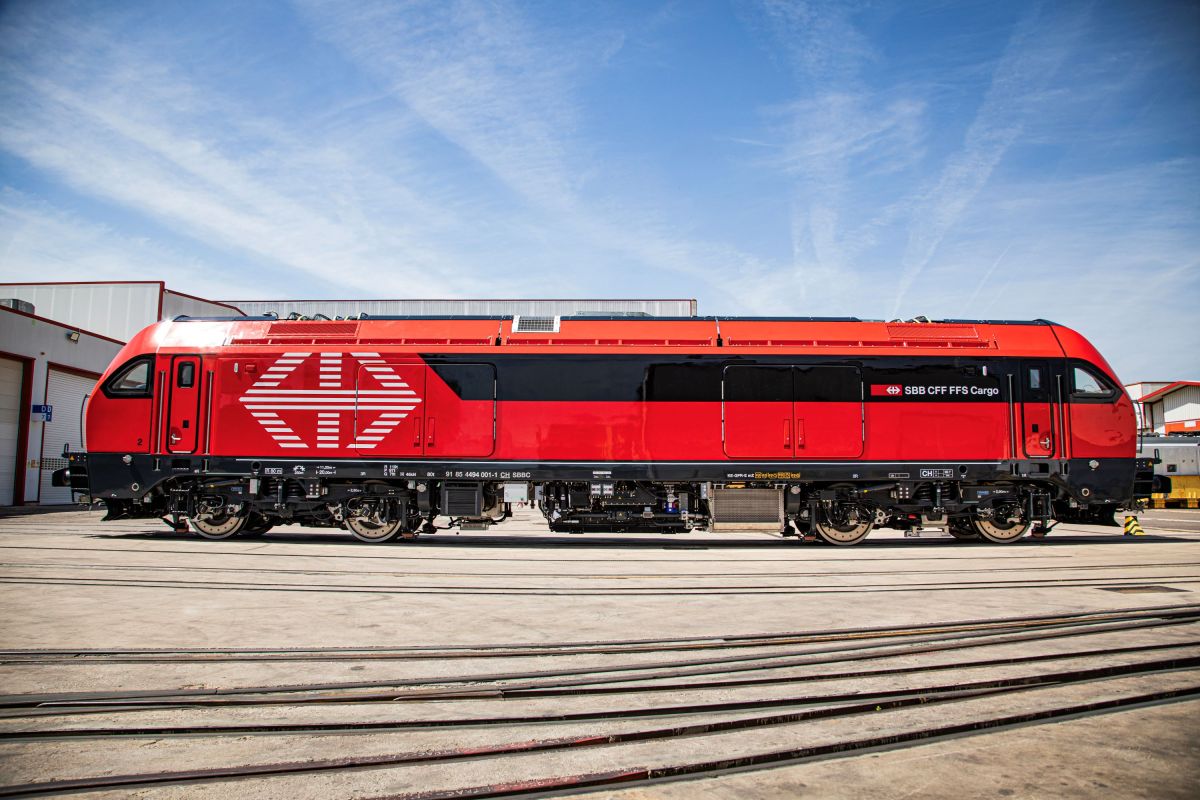
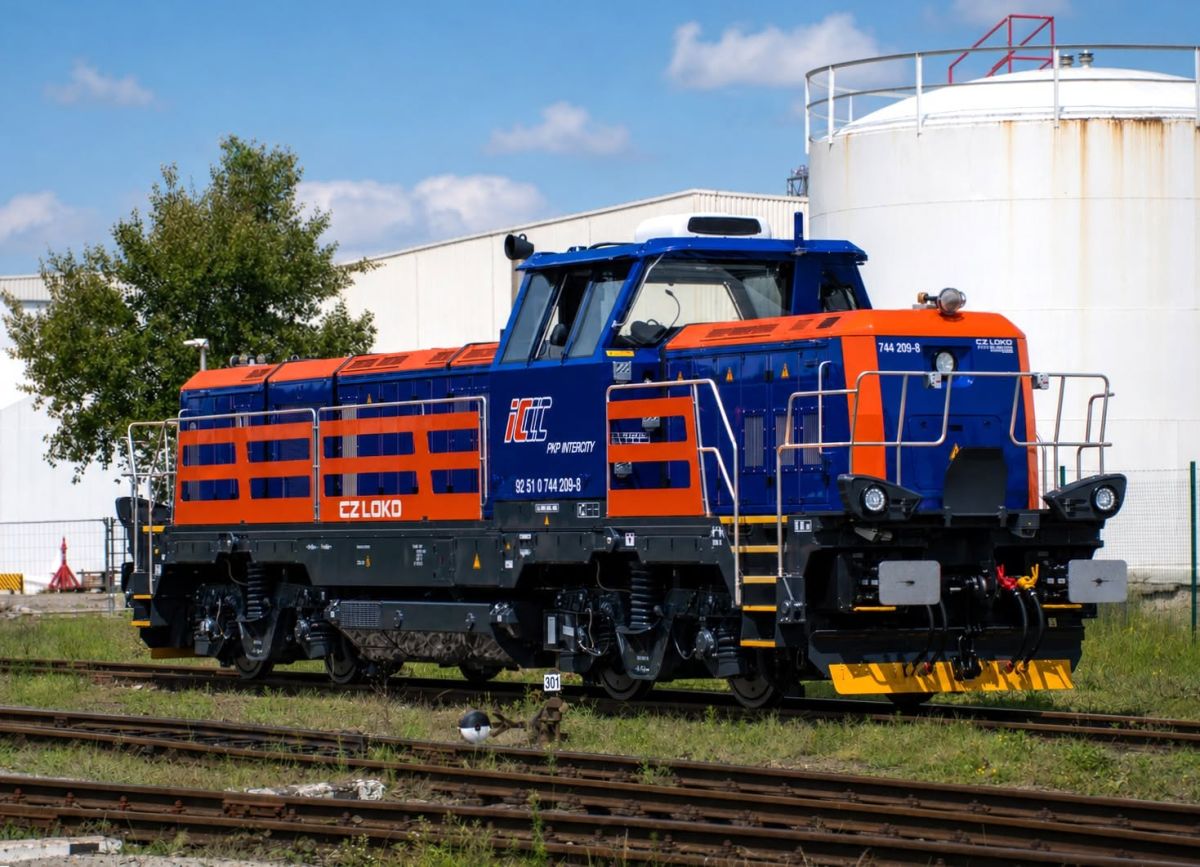
The Community of European Railway and Infrastructure Companies (CER) has published a series of proposals aimed at addressing persistent challenges in cross-border rail operations across the EU and neighbouring countries.
Purpose of cross-border agreements
Cross-Border Agreements are critical for ensuring operational continuity in international rail traffic, allowing vehicles and drivers to transit into neighbouring states without full national authorisation. These agreements can authorise access to nearby foreign infrastructure, reducing cost and administrative burden.
While they have existed in various forms prior to EU-wide legislation, the 4th Railway Package transferred their oversight from Infrastructure Managers (IMs) to National Safety Authorities (NSAs). However, the process remains inconsistent across Member States.
CER’s key proposals
1. Transparent and standardised agreements
- ERA should ensure agreements exist for every border section and publish clear requirements for Railway Undertakings (RUs), not limited to vehicle authorisation.
- A uniform European structure for these agreements should be defined and used by all NSAs.
- Agreements should be published in both bordering countries' official languages.
2. Vehicle authorisation for border use
- CER proposes keeping the authorisation limited to border stations rather than requiring full authorisation for the entire network of the neighbouring country.
- ERA should be empowered to issue such border authorisations directly if chosen by the applicant.
- Timelines for authorisation decisions should be harmonised across the EU (maximum one month for completeness check, four months for decision).
3. Single safety certificates (SSC)
- SSCs should automatically permit operation up to designated stations across the border if the applicant indicates this in their application.
- ERA should issue binding guidelines to ensure consistency in NSA practices for border access.
4. Communication regimes
- For short cross-border operations, exemptions from full language requirements should remain. Staff at border stations can continue using the driver’s language, as already permitted under the Train Drivers Directive (TDD).
5. Infrastructure and station Changes
- Infrastructure modifications (e.g., new stations or yards) must be anticipated and included in updated agreements to avoid operational disruptions.
Examples of border section challenges
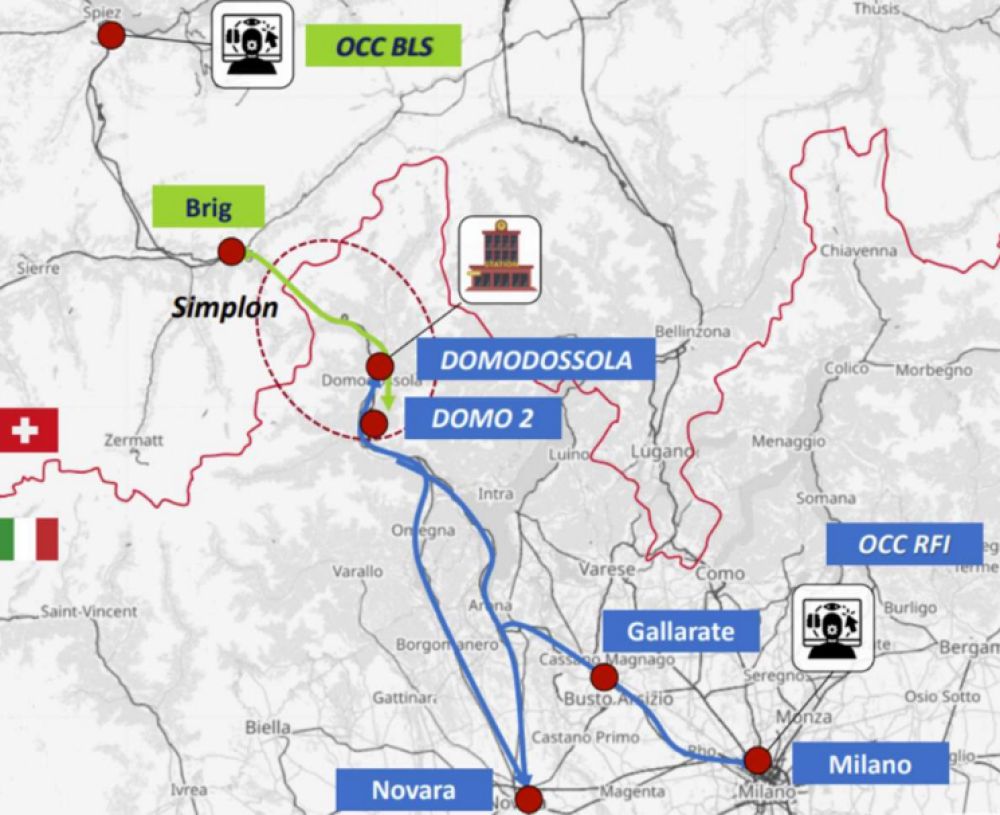
- Switzerland–Italy (Domodossola–Brig): A 30-km section inside Italy operates with Swiss rules and signalling. Vehicles authorised in Switzerland can use this section without full Italian approval, enabling flexible locomotive and crew changes at Domodossola.
- France–Italy (Ventimiglia–Parco Esterno): Due to an 800m yard relocation and new ETCS deployment, locomotives now require nationwide authorisation in Italy, even though the technical environment is unchanged. CER calls for updating the existing agreement to reflect this shift.
- Germany–Poland/Czech Republic: Freight locomotives were blocked from entering nearby border stations due to lack of ETCS, despite technical compatibility. Without updated agreements, full national authorisation was required, leading to cancellation of the service plan.
- Germany–Belgium (Aachen–Hammerbrücke): Belgian current and signalling extend into Germany, allowing Belgian rolling stock to reach Aachen without requiring multi-system trains. This is highlighted as a working example of flexible infrastructure integration.
The CER highlights that harmonising and revitalising Cross-Border Agreements is an essential step toward creating a truly interoperable Single European Railway Area. It urges the European Commission, ERA, and NSAs to prioritise transparency, operational flexibility, and regulatory consistency in these agreements.