RM: Techkol has positioned itself as a leader in mobile rail rolling stock maintenance. What inspired you to focus on mobile services, and how have they transformed traditional approaches to rolling stock maintenance?
Ariel Wrzos: Inspiration came straight from the needs of the market. Mobile fleet maintenance is the answer to the expectations of customers. We have been able to significantly reduce the time and cost associated with maintenance. It’s more flexible, faster, and minimizes disruption to operations. This approach has not only changed the traditional maintenance model but also allowed us rise our position as a leader in this field.
RM: You mention you provide both minor repairs and comprehensive overhauls for freight wagons. In your experience, which aspects of freight wagon maintenance are most challenging for rail operators today, and why?
Ariel Wrzos: In the rolling stock maintenance industry, precision and quick response are important, because even a minor defect can affect operational efficiency. The biggest challenge for rail operators in my opinion is planning and downtime. Freight wagons are part of tight logistics chains, so taking them out of service — even for necessary maintenance — can cause real headaches. Thanks to modern technologies and a team of experts, we provide service exactly where it is needed - as fast as possible, quickly, professionally and effectively.
RM: Techkol holds several important certifications, including VPI, a compliance certificate in maintenance functions, and ISO 9001. Could you walk us through your quality assurance and safety protocols, and explain how these certifications shape your day-to-day operations?
Ariel Wrzos: Certificates of compliance in the scope of maintenance functions allow us to strictly adapt to industry regulations and standards, which gives our customers the certainty that the services we offer are not only of high quality, but also safe and compliant with applicable regulations. Every job we do, whether it’s a quick repair or a full overhaul, follows detailed procedures — all documented, checked, and double-checked. Our teams go through regular training, and we have internal audits to make sure everything’s running smoothly and in line with the latest regulations.
RM: You use specialized equipment from Hegenscheidt-MFD for on-site wheelset replacement. What are the key advantages of performing these replacements at the wagon’s location rather than in a traditional workshop environment?
Ariel Wrzos: The main advantages of performing on-site service are of course the optimization of service costs. Instead of taking the wagon out of service and transporting it to a workshop — which can take days or even weeks — we bring the equipment directly to where the wagon is. Replacing wheelsets on-site simply eliminates these issues.
RM: How do procedures such as VPI EMG 07 and UIC 543-1 testing standards enhance the reliability of freight wagons and the overall safety of rail transport?
Ariel Wrzos: These Procedures and standards play a huge role in keeping freight wagons reliable and rail transport safe. Not only technical guidelines, but above all quality standards that guarantee a high technical level of brake tests and support the prevention of failures and further damage to the freight cars, that means fewer unexpected breakdowns, fewer safety risks, and more reliable rail operations overall.
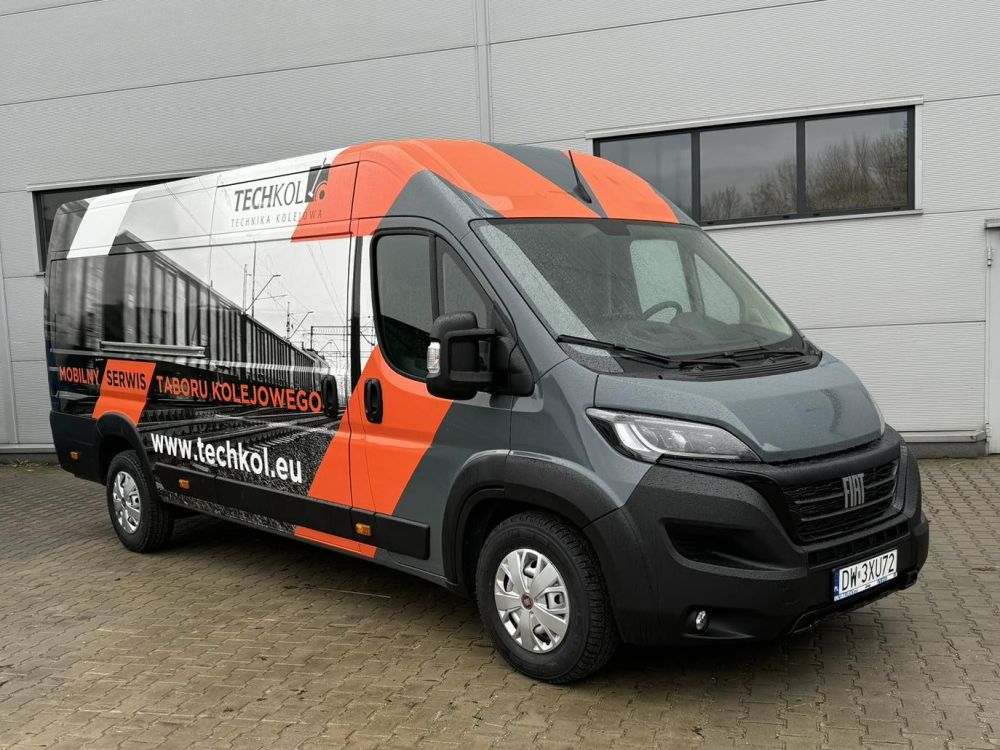
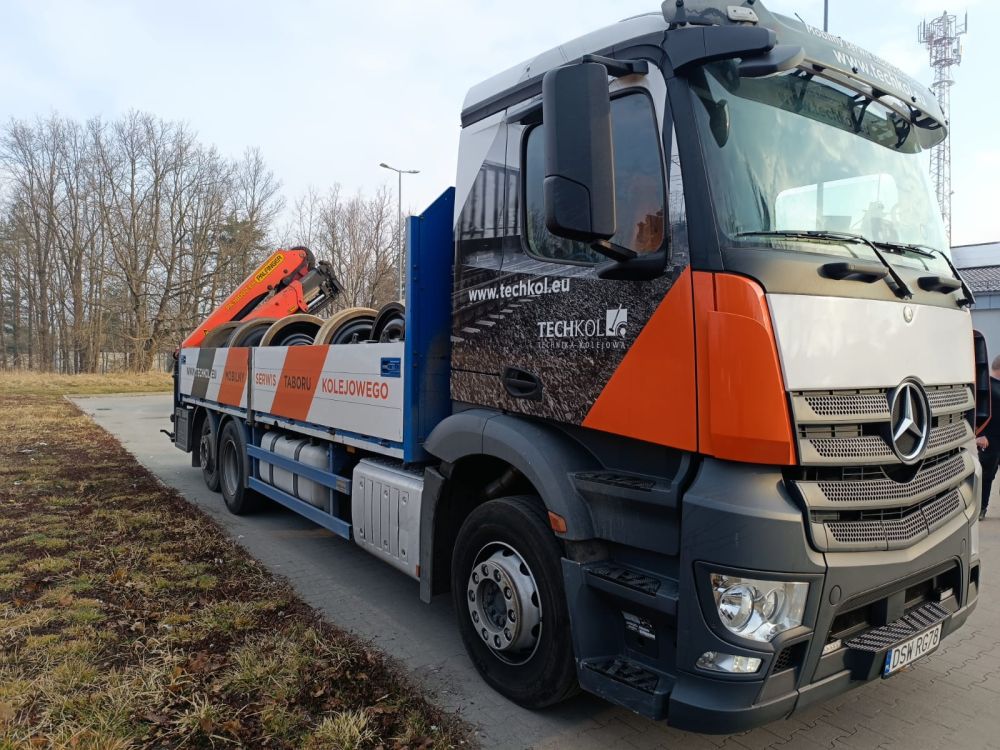
RM: Your fleet includes HDS trucks for wheelset transport and mobile service vehicles. Are there any plans to expand your technical base?
Ariel Wrzos: Of course we are planning to expand, the demand for mobile maintenance is growing. Recently we have merged with another company and together we are covering all Poland in terms of mobile freight car services. Our goal is to keep improving efficiency and flexibility for our clients. Right now, we have three HDS trucks and eight mobile service vehicles. We are offering our services abroad as well.
RM: You hold an international road transport license, enabling you to move damaged wagons to specialized repair facilities across borders. Have you seen growing demand for cross-border services, and how do you manage the logistics involved?
Ariel Wrzos: As We repair wagons in different locations, owning international road transport license is a must for a cross-border services. Picking up new wheelsets from one localization and leaving damaged ones in another place is exceptionally convenient for our clients. Our team works closely with clients, infrastructure managers, and repair shops to make sure everything goes smoothly from point A to point B.
RM: Regular maintenance is essential for freight wagon reliability. Which new technologies or processes have you implemented to optimize maintenance schedules and minimize downtime for your clients?
Ariel Wrzos: Each of our service cars are equipped with an advanced diagnostic system. In the last few years, we’ve really focused on introducing technologies and processes that help us be more proactive and efficient. We use electronic measurement devices and HAKAN railway brake testing devices. Universal device for objective diagnosis and assessment of the braking systems on rail vehicles and their components. It enables measuring directly on the car. With new technologies and constant training, we cut out transport delays and get things back on track faster — literally.
RM: Your client base ranges from smaller operators to major rail companies. How do you tailor your services to fit the needs of such diverse customers while ensuring consistently high service quality?
Ariel Wrzos: Our clients vary in size and needs, so flexibility is key. As a company, we treat our customers equally. No matter what the size of the client, every job follows the same certified procedures, with trained technicians and full reporting. At the end of the day, it’s about being adaptable but reliable.
RM: In addition to mobile wheelset replacement, you also handle tasks such as freight car body and brake system repairs. Which of these services is currently most in demand, and what do you believe is driving this trend?
Ariel Wrzos: While all our services play a vital role in ensuring the safety and operability of rolling stock, we are currently seeing the highest demand in mobile wheelset replacement and brake system repairs. This trend is largely driven by the increasing pressure on freight operators to minimize downtime and maintain high fleet availability amid growing logistics demands.
RM: Looking at the future, do you foresee further expansion into new markets or an evolution of your service offerings? How does Techkol plan to adapt to emerging trends or technological shifts in the rail industry over the next few years?
Ariel Wrzos: Yes, looking ahead, Techkol does foresee both further expansion into new markets and a strategic evolution of our service offerings. We are currently exploring opportunities to expand our presence in international markets. Our proactive approach ensures that we not only respond to change but help shape it — delivering reliable, forward-looking services that support the safe and efficient movement of people and goods across the rail network.
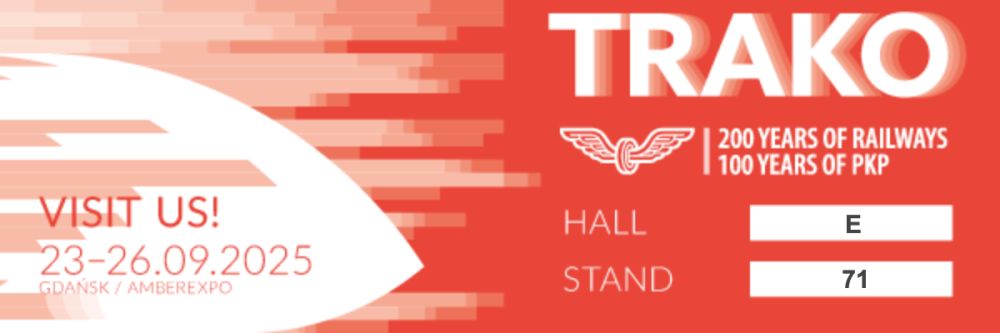
You can meet Techkol representatives at the upcoming TRAKO trade fair in Gdansk at their stand 71 in hall E: