Innofreight completes the development of a new Y25 bogie frame
Austrian testing and engineering firm PJ Messtechnik (PJM), accredited under ISO/IEC 17025, carried out the full validation programme required for approval.
Stories about trillions of brain cells in action: smartest inventions, smart assets, artificial intelligence, and other up-to-date devices in high tech section.
Austrian testing and engineering firm PJ Messtechnik (PJM), accredited under ISO/IEC 17025, carried out the full validation programme required for approval.
The growing emphasis on sustainability, energy efficiency, and emission reduction brings new challenges for both vehicle manufacturers and operators. Obtaining accurate and independent data has therefore become an essential prerequisite not only for development and homologation, but also for strategic corporate decision-making, proper fleet management, and meeting the demanding requirements of ESG reporting.
CEO and founder of Cargomon on why telematic sensors are becoming a standard freight wagons equipment and what direction does this technology go.
Stadler has submitted documentation to the European Union Agency for Railways (ERA) to extend the operational approval of the EuroDual locomotive type to Croatia and Slovenia.
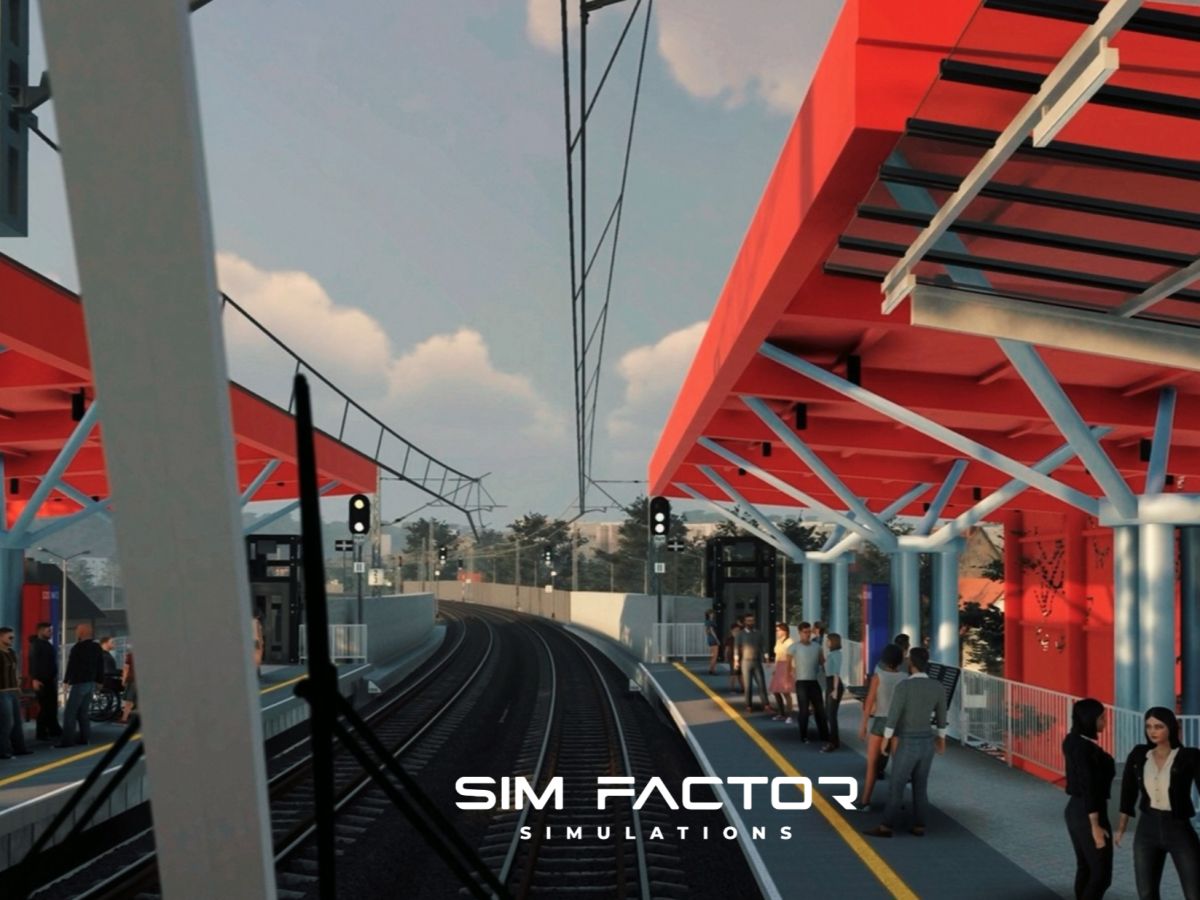
The upgraded graphics are integrated into the company’s railway simulators and support higher simulated speeds, up to 250 km/h, with future readiness claimed for 300–400 km/h operation.
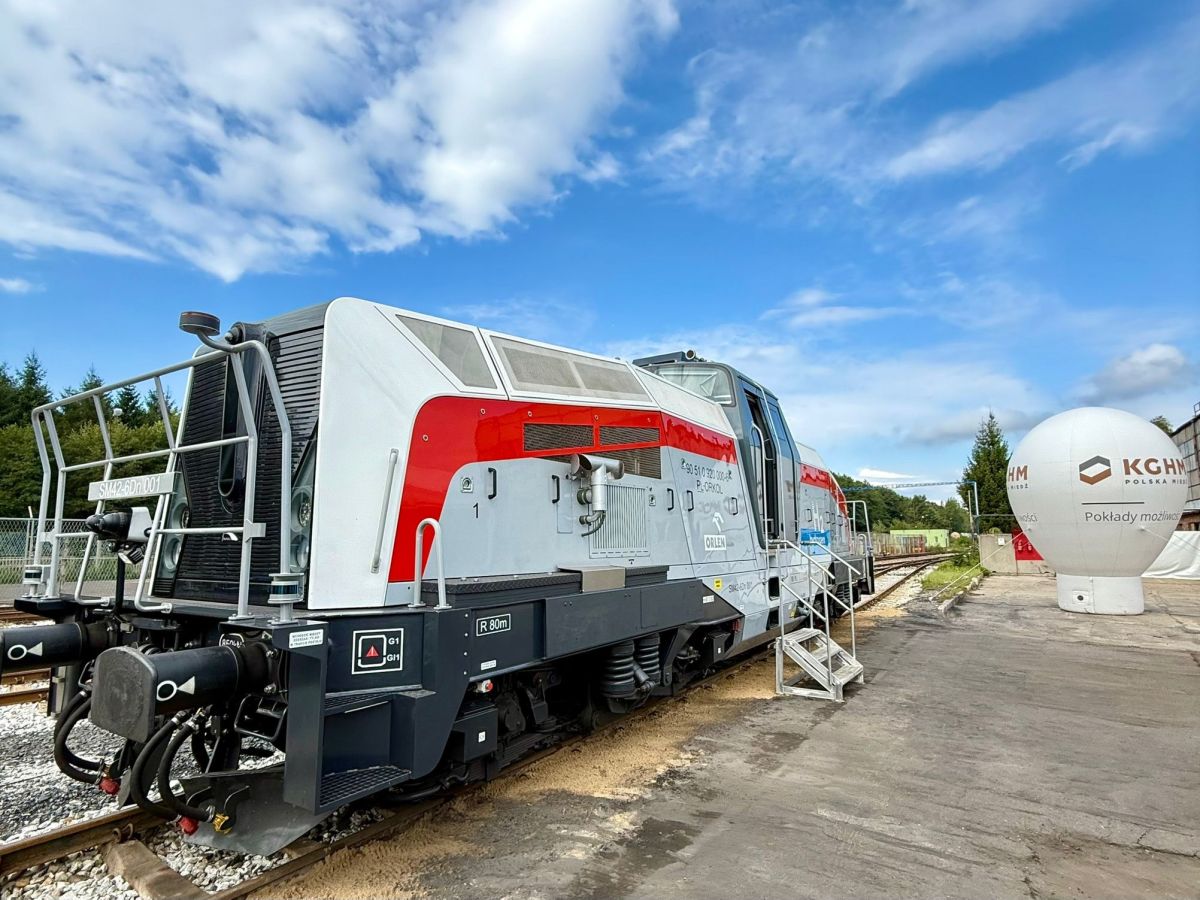
The handover on 19 September 2025 was preceded by its first hydrogen-powered run.
The project falls under the company’s Li-Ion 2025 initiative and involves the conversion of a conventional diesel locomotive into a fully battery-electric unit.
Belgium has authorised the first locomotive using a software-defined safety platform. The system, developed by The Signalling Company, makes the fleet upgradeable for international use.
Operated by the San Bernardino County Transportation Authority (SBCTA), the hydrogen-powered train started running on the 9-mile Arrow Corridor between San Bernardino and Redlands in Southern California.
The new system has been installed on a 700 HP diesel-electric platform, replacing conventional diesel propulsion with a battery-based alternative.
Self-driving shuttles are now operating in northern Darmstadt as part of Germany’s KIRA pilot. Over 1,000 users have already registered.
According to the company, the Szolnok location is used for both scheduled overhauls and corrective work following incidents.
The SM42-6Dn Hydrogen locomotive was operated for four days between 4 and 7 September 2025 on industrial tracks around Lubin, Rudna, and Polkowice.
The contract, valued at approximately EUR 484,000, will provide simulation systems for facilities in Katowice, Kraków, Wrocław, and Poznań.
The pilot project involves SIREN7 devices installed on passenger and freight trains, with a broader deployment planned for the coming year.
The installation is backed by a €10 million investment, co-financed through the European Connecting Europe Facility.
The current initiative falls under a broader national programme launched in 2017 to overhaul the network by 2050, aimed at improving safety, efficiency, and multimodal connectivity.
Data gathered from the test series will support both the vehicle’s type approval process and future product iterations.
New software is to cut check-in times and boost rail efficiency.
Both facilities also allow access to the general public in the form of driver experience rides, with the initial runs reportedly attracting interest from rail enthusiasts.