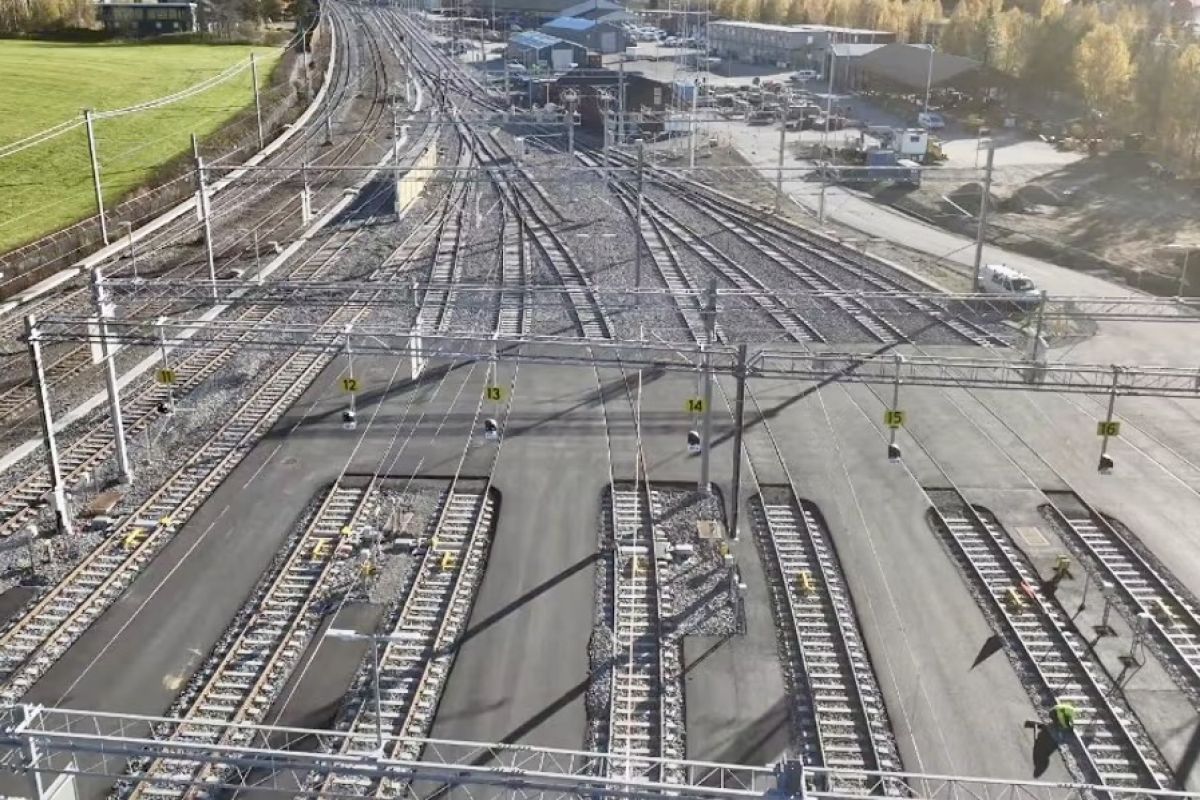
New digital interlocking on Dovre Line
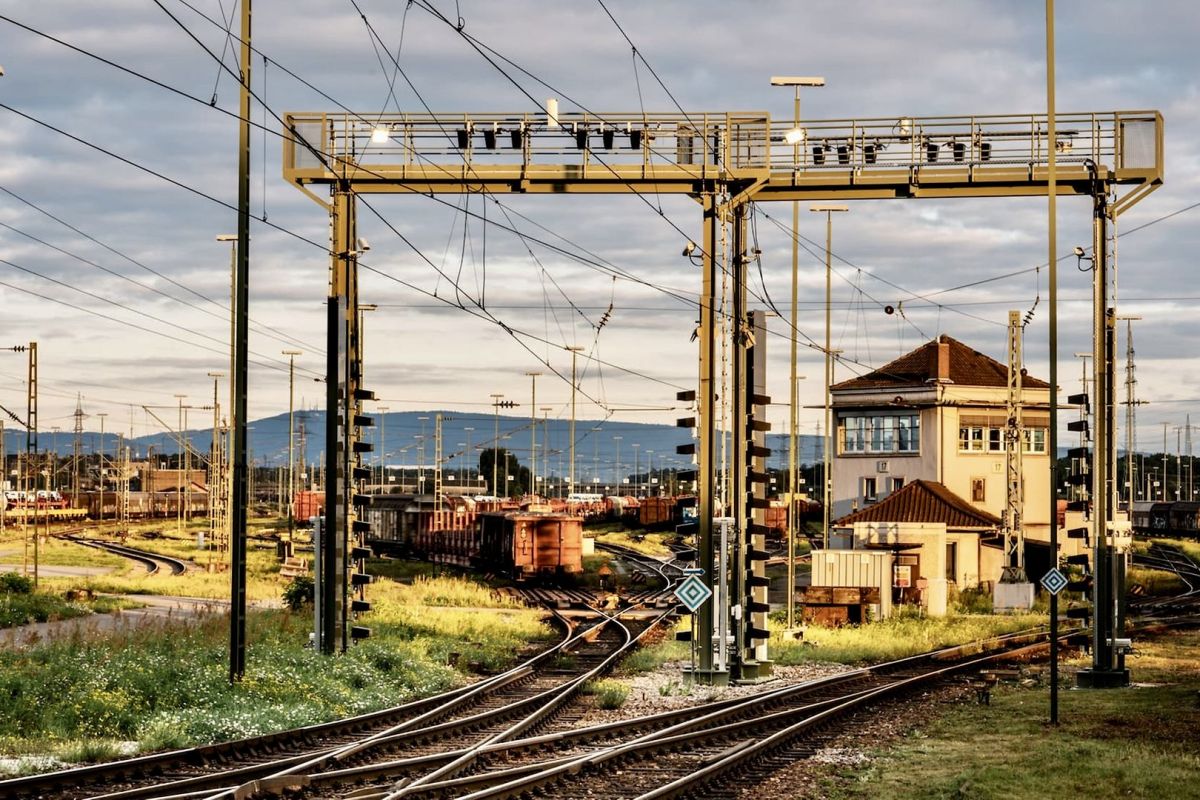
Hitachi Rail and Bane NOR have commissioned a new electronic interlocking system in Hove, strengthening digital traffic control on Norway’s Dovre Line.
Stories about trillions of brain cells in action: smartest inventions, smart assets, artificial intelligence, and other up-to-date devices in high tech section.
Hitachi Rail and Bane NOR have commissioned a new electronic interlocking system in Hove, strengthening digital traffic control on Norway’s Dovre Line.
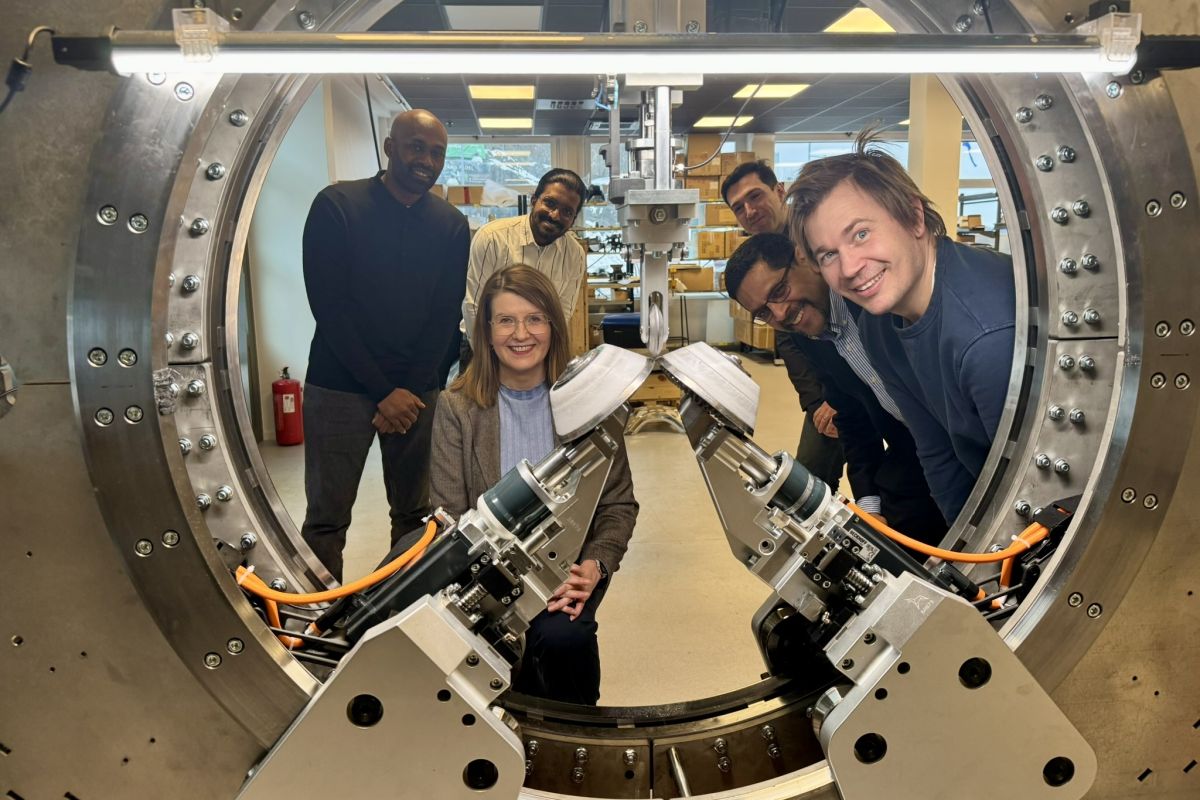
Alstom is moving to the next phase of its partnership with Swedish start-up Stilfold, assessing how advanced steel-folding technology can be applied across rail vehicle components.
The facility operates 24/7 with 20 workstations and 66 screens and now oversees transport operations 48 hours before departure instead of 24.
The eight-axle locomotives were commissioned in February in Port Hedland and will operate on Fortescue’s Pilbara rail network.
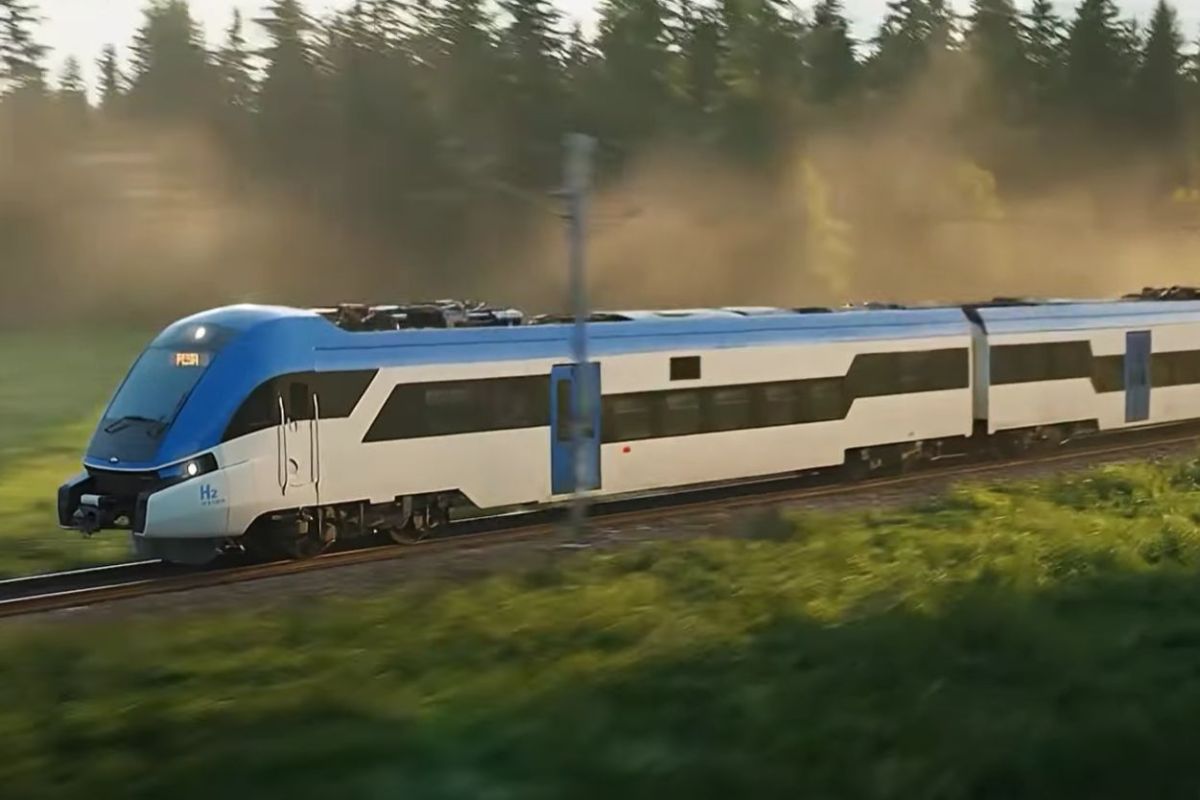
The project covers the development and construction of a hydrogen passenger multiple unit demonstrator with additional power supply from the overhead contact line.
The trial included loads of up to 1,500 tonnes and covered standing starts on gradients along the route.
Thanks to its in-depth knowledge of the railway environment and related industrial sectors, VUZ is a natural partner for organisations seeking certification with genuine added value.
The agreement, signed already at the end of 2025, gives SNCF partner status in the pilot installation at Buttes, in the canton of Neuchâtel, Switzerland.
DB Cargo has rolled out artificial intelligence to speed up freight wagon inspections at major marshalling yards in Germany. The system analyses wagons while trains pass through camera gantries, reducing manual checks before departure.
The devices were installed at locations without fixed switch heaters to prevent points and associated components from freezing during the storm.
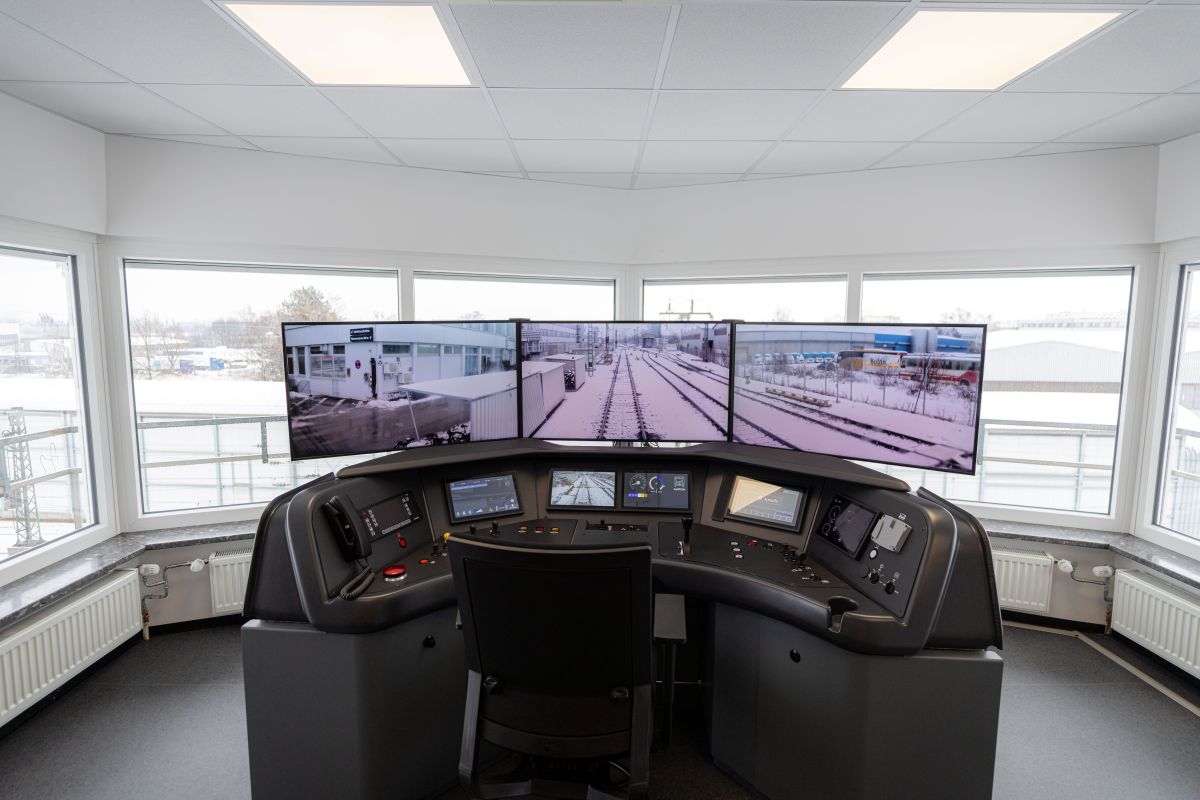
Deutsche Bahn and Alstom have completed a first test of remotely driven commuter trains in a depot environment in Munich. The trial focused on shunting movements controlled from a remote operation centre.
The programme covers wheel and brake condition monitoring across the GBXLE fleet in Europe, with installation starting from February 2026.
As railway operations become increasingly digital, security requirements are evolving accordingly.
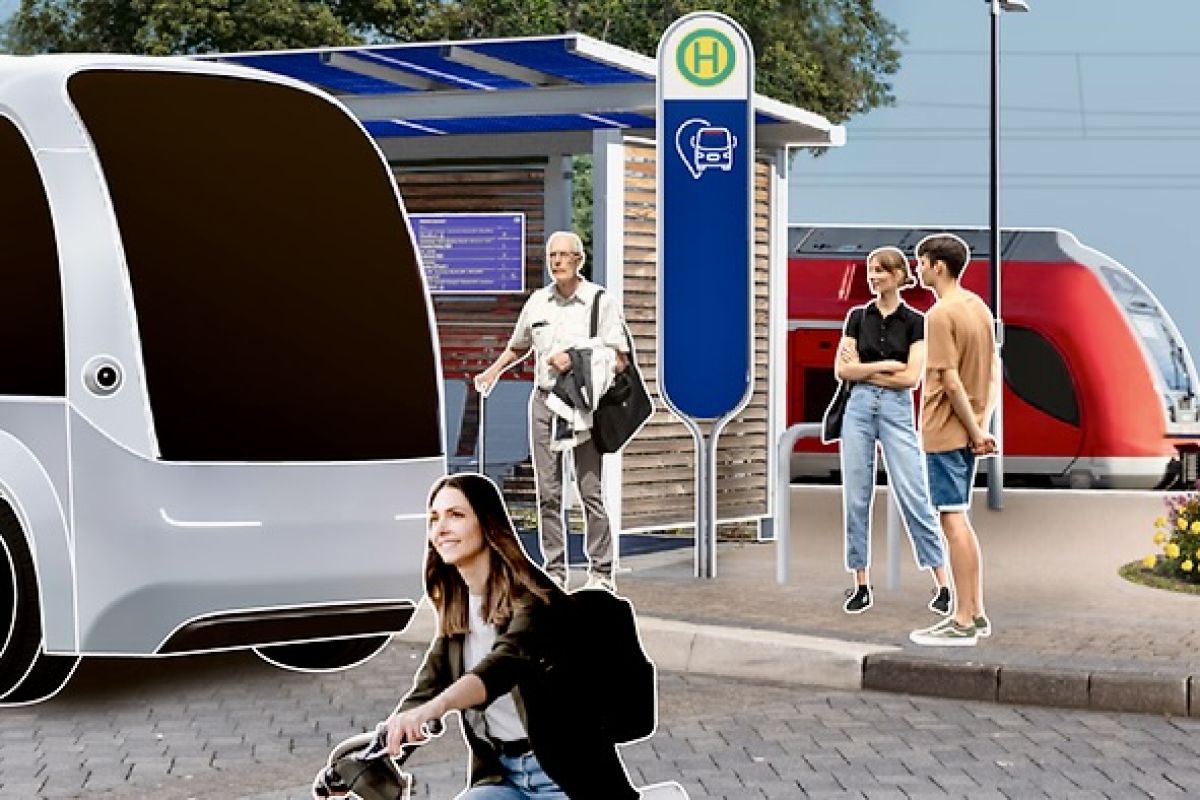
Autonomous shuttles and buses could significantly improve public transport performance in Germany if deployed as feeders to rail and integrated into an expanded network, according to a new study. The biggest gains are expected where automation supports train-based services rather than replacing them.
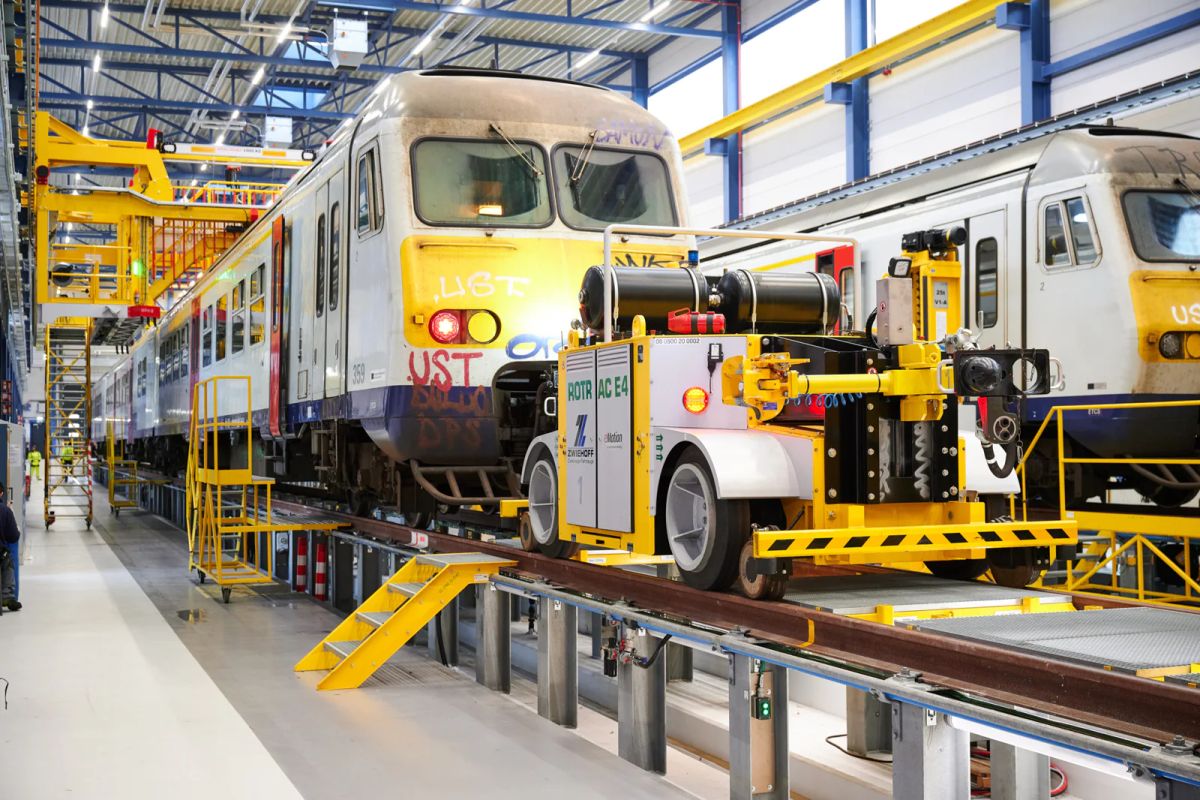
The Belgian National Railways (SNCB) has commissioned a new maintenance hall at its traction workshop in Ostend following a EUR 47m investment.
Rheinmetall is participating in the RemODtrAIn research project, which is developing remote-controlled train operation and AI-based obstacle detection for rail applications.
The acquisition allows Railcare to supply, install and support the system directly.
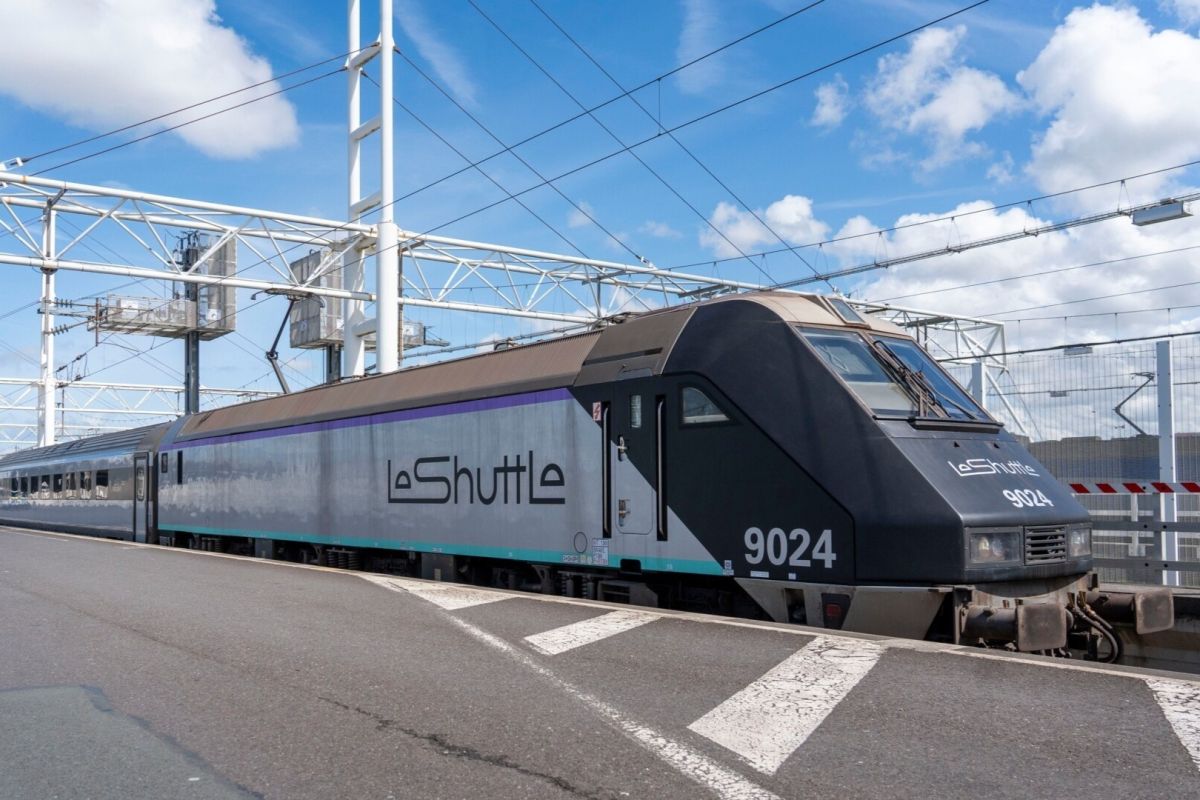
Eurotunnel has launched the first phase of its Channel Tunnel rail signalling modernisation programme, covering the installation of ERTMS on board 57 Brush locomotives used on LeShuttle services between Folkestone and Coquelles.
The train is designed to replicate the diversity of single wagonload traffic and to generate operational data relevant to a future European DAC rollout.
The solution was used for the first time when SJ’s first X40 double-deck electric multiple unit arrived in Oulu from Sweden via Haaparanta and Tornio.