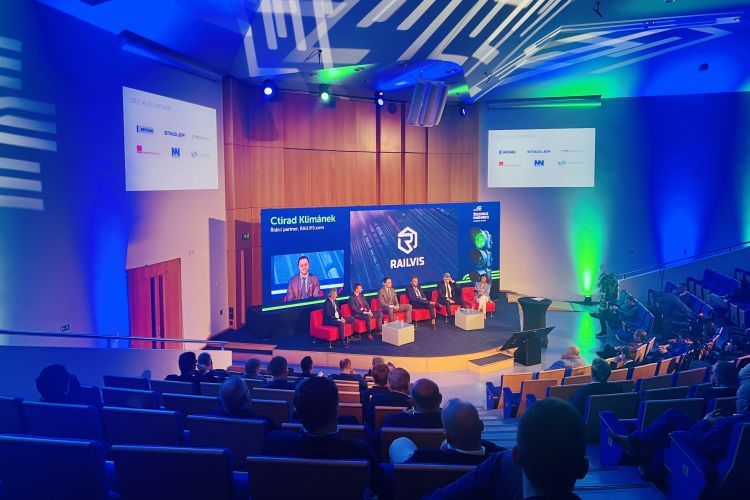
On Thursday, April 10, Pardubice hosted the 11th annual edition of the railway conference, this year dedicated to the theme of digitalization and AI in rail transport. With more than 800 participants, the event became the largest conference in recent years. A standout feature of this year’s edition was the strong participation of young people – particularly students from secondary schools and transport faculties, who made up a substantial proportion of the audience.
The "technology evangelist", as he calls himself, Petr Mára, opened the conference.
"When it comes to AI and railways, for me the main benefit for the customer is clearly that they will have a better quality of service, they will have to wait less. Because the technology can help you, because you have sensors, you have information about how wear and tear is happening on individual parts. And with technology you should be able to prevent trains from being delayed in the first place," he explained
Open positions at companies in this article
Active job opportunities - apply directly to the employer.

Operations Manager
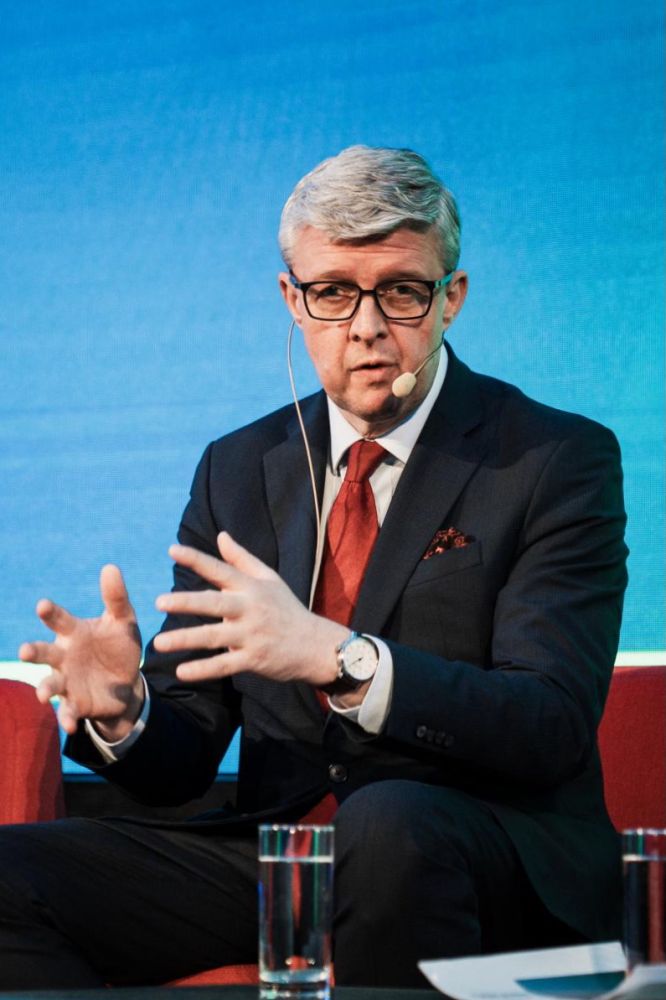
One of the main guests of the conference - deputy speaker of the lower house of parliament and former minister of transport Karel Havlíček. "I would like to emphasise three things: the strengthening of so-called PPP projects, which worked for us in the case of the D4 motorway, so I believe that this type of financing can also be successful for railways. Secondly, I would like to mention the guarantee of rail safety through ETCS. Finally, the question of the involvement of Czech industry companies is very important, because we have gigantic constructions in the energy sector, investments in defence and, of course, constructions in the transport sector. We need to start quarrying stone and gravel immediately," Karel Havlíček underlined.
This was immediately followed by the organiser of the conference, the deputy chairman of the Economic Committee of the Chamber of Deputies, Martin Kolovratník, who mentioned the possibility of transporting certain types of materials only by rail, which would help freight transport as such: "Freight transport is starting to have big problems all over Europe. We as lawmakers will certainly want to help it. Cargo is the future, just like the railways as a whole".
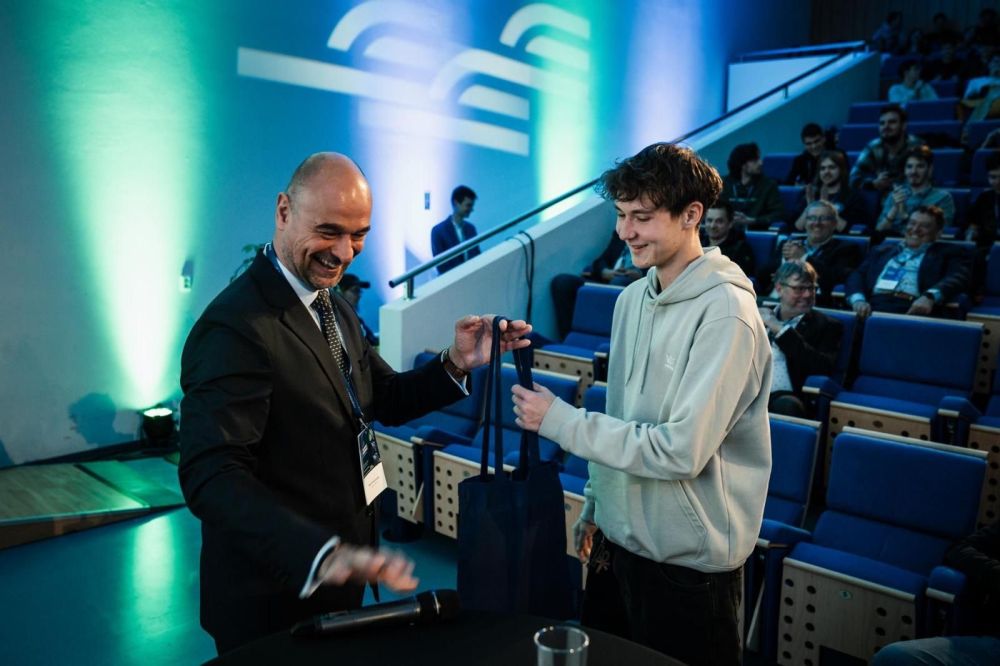
Among the key presentations was the introduction of the Railvis.com project by Ctirad Klimánek. Railvis is a digital solution that connects railway operators across Europe and simplifies the planning of freight transport. "You no longer have to call partners or deal with emails, everything is in one place," he said. The platform allows you to find available freight wagons and locomotives, and now you can even submit a request for a damaged wagon to be repaired - the system then offers the nearest service with a price and repair time. "We operate in multiple languages and have more than 400 registered companies across Europe," he added.
Railvis has been operating for more than five years , and currently, the multilingual platform acts as an all-in-one marketplace for the rental and sale of rail freight assets and offers tools for transparent communication, fast quotations, and competitive pricing for both new and ongoing projects. It supports the short- and long-term rental or purchase of wagons for a wide range of cargo types—from bulk and liquid materials to containers—and enables freight forwarders to calculate optimal routes and transport costs. This functionality, which allows precise route planning and pricing, is unique on the European market and represents a major step forward in supporting efficient rail logistics. As Klimánek emphasized, the platform not only saves time and money, but also brings a new level of digital integration and accessibility to the freight rail sector.
Tomáš Tóth, CEO of ČD Cargo, then spoke about the crisis in freight transport. He sees the railways as a barometer of European industry and believes that it is in crisis. He pointed to the loss of traditional customers due to decarbonisation - carriers are seeing a decline in coal, steel and chemical shipments. "The Green Deal is a nice idea, but the result is that rail transport is getting more expensive, while road transport is stagnating or getting cheaper."
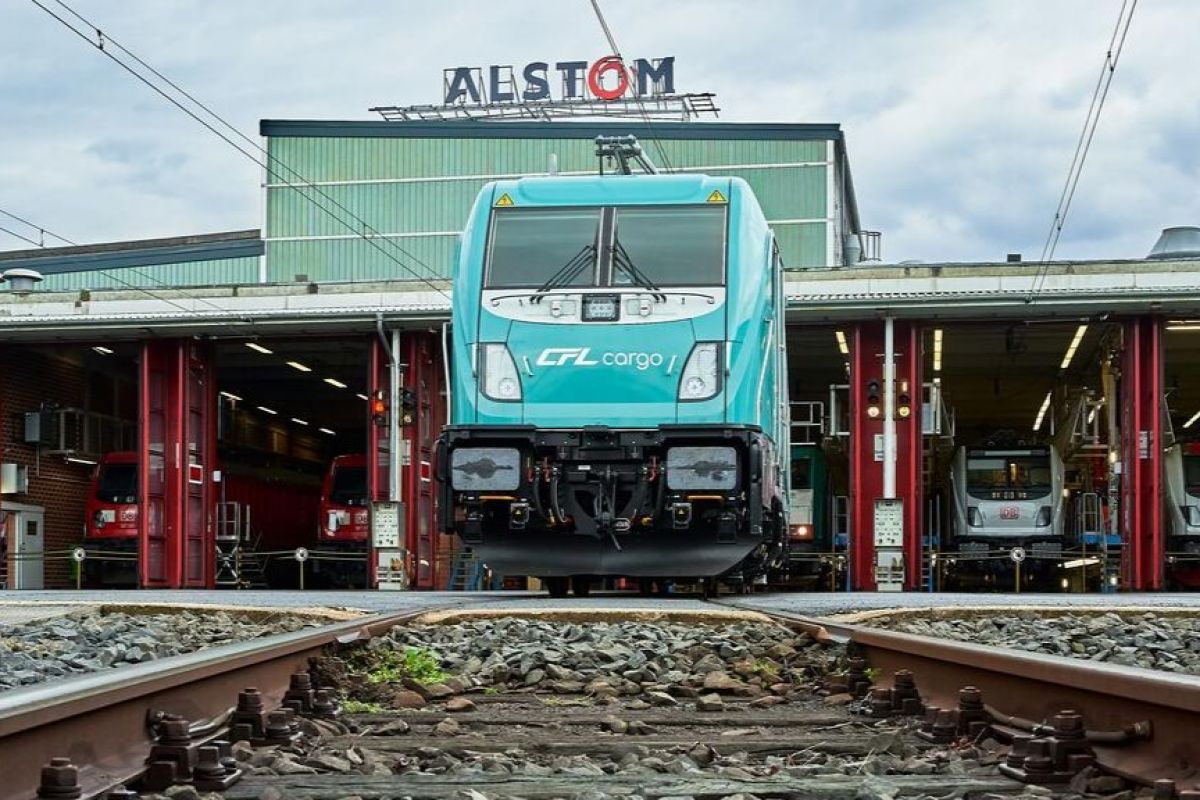
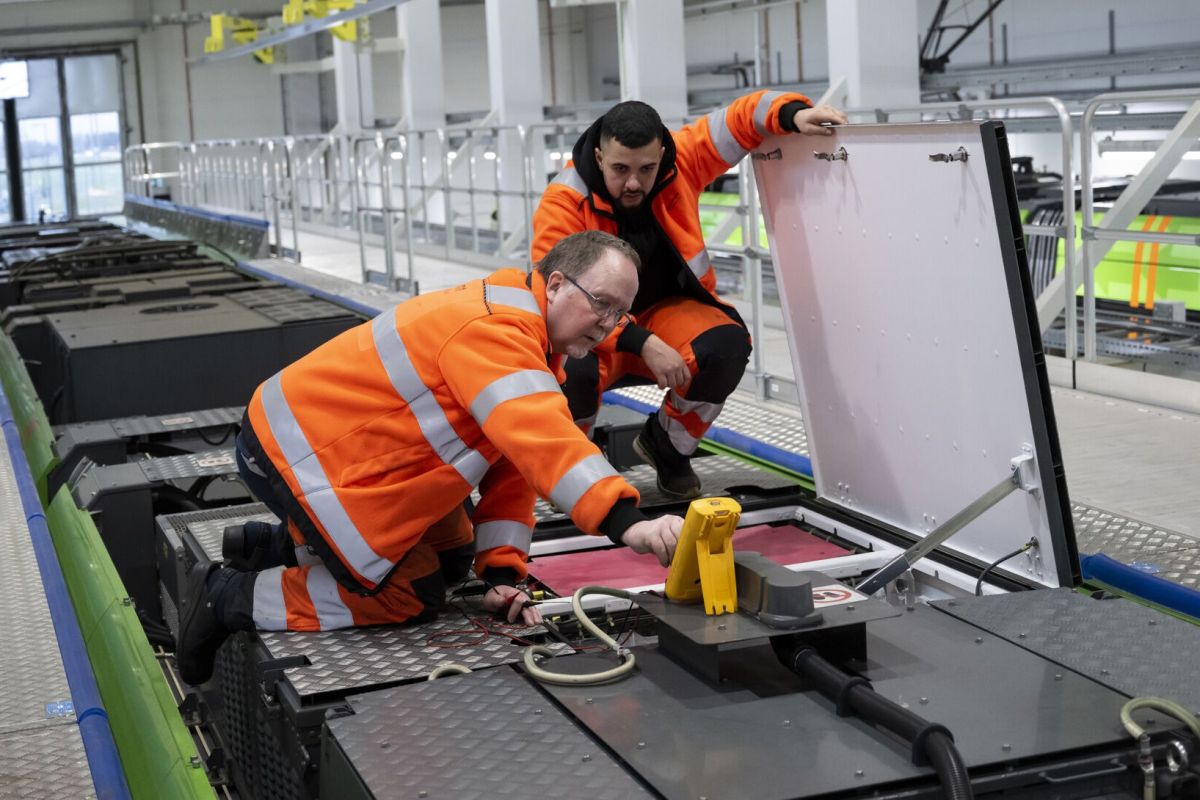
While Dan Kurucz of Alstom Czech Republic presented the company's portfolio, Pavel Mazač of Oltis Group, a company that develops software for rolling stock, talked about the future of digital data collection directly from rolling stock. "I believe the time is coming when trains will transmit information about their technical condition in real time," he said.
Zdeněk Majer, Chairman of the Board of Stadler Prague, closed the conference with a pithy remark:
"Today, the railway industry is growing and will continue to grow worldwide. I think that the Czech Republic is not rich enough to find its own solutions for everything, which are often inefficient or lead nowhere. We need to draw on experience from abroad and be inspired by proven solutions that work in our neighbours. If something works in our neighbours, there is no reason why it should not work here," he said, explaining his view of the future of the railway.