At a time when the world is focusing on sustainability and environmental protection, VUZ introduces a new service in the area of ESG (Environmental, Social, and Governance criteria) and carbon footprint. With over fifty years of history in the railway sector, VUZ offers a wide range of services, from preparing ESG reports and calculating carbon footprints to their verification and audit according to leading international standards such as the GHG Protocol or ISO 14064.
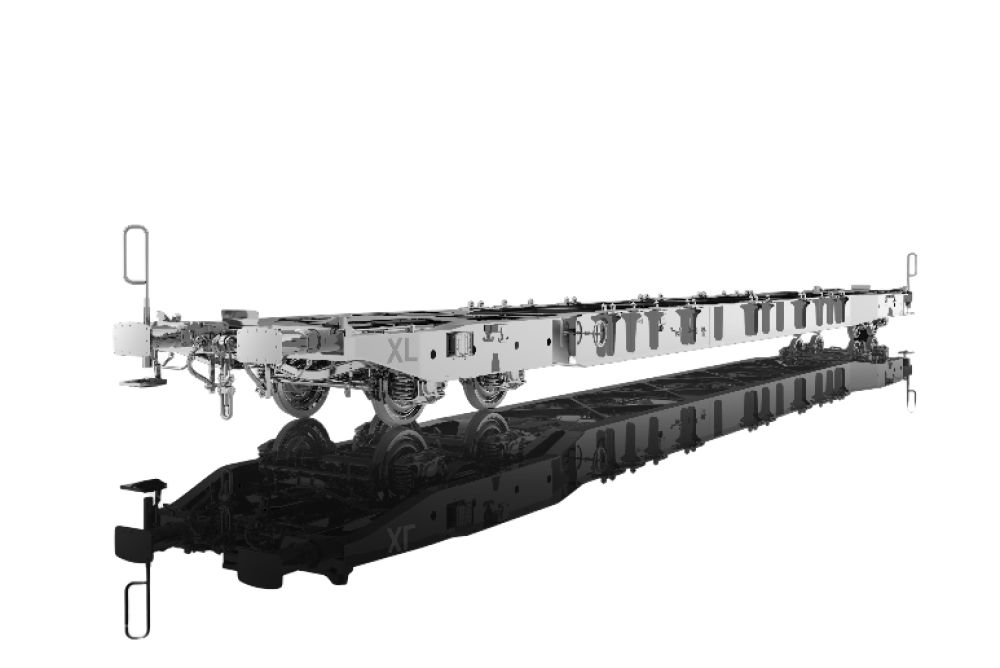
VUZ focuses on thorough analysis and assessment of the life cycle of railway vehicles and systems, which includes not only the production but also maintenance and disposal. For example, for the four-axle container transport wagon Sggns(s) 80’XL, manufactured by TATRAVAGÓNKA a.s., VUZ analyzed the overall environmental impact from manufacturing materials to final disposal. This comprehensive analysis allows identifying key areas for improvement and reducing greenhouse gas emissions throughout the entire life cycle.
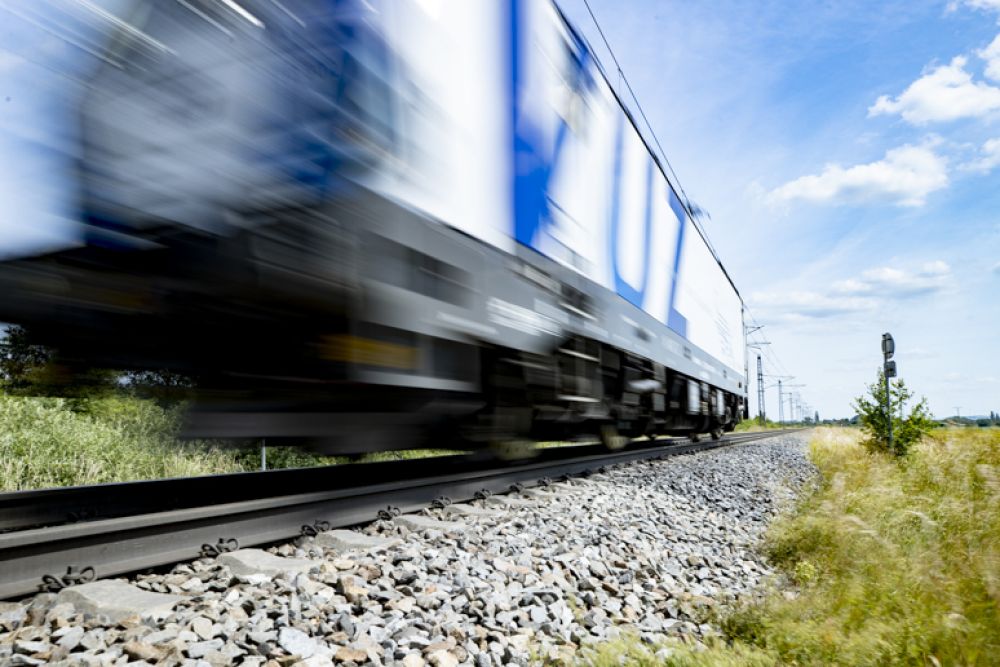
The carbon footprint calculation process exemplifies the transparent and precise approach to assessing environmental impacts that VUZ adheres to. Emissions are carefully calculated for each stage, from raw material acquisition, transportation, and production to the final disposal of the product. In addition, VUZ provides expert preparation for ESG reporting and carbon footprint assessment according to the latest EU legislation, enabling clients not only to comply with regulatory requirements but also to actively contribute to environmental protection.
Thus, VUZ represents a reliable partner in the field of railway technology and innovations and becomes a key player in transforming the railway sector towards a more sustainable and environmentally friendly future. Thanks to its expertise and innovative approach, VUZ helps define new environmental standards in the railway industry.
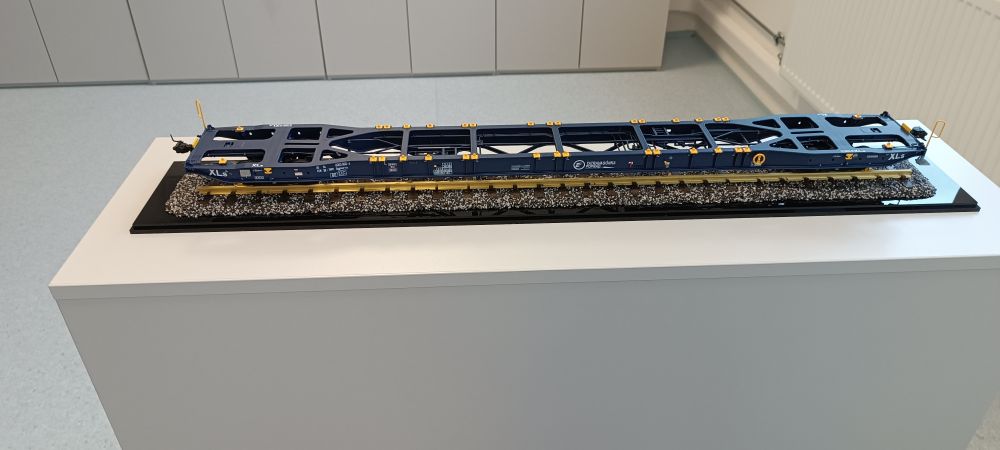
Case Study: Carbon Footprint Calculation of the Sggns(s) 80’XL Wagon by TATRAVAGÓNKA
In the case of calculating the carbon footprint of the Sggns(s) 80’XL railway wagon, manufactured by the Slovak company TATRAVAGÓNKA, the analytical assessment process enabled a thorough evaluation of the overall environmental impact of this wagon throughout its entire lifecycle.
The carbon footprint calculation was conducted according to the internationally recognized standards ČSN EN ISO 14067:2018, which provide guidelines for quantifying and communicating the product's carbon footprint. The wagon's lifecycle includes several key phases:
- Acquisition and production of input raw materials and materials – The analysis included evaluating emissions associated with the acquisition of raw materials and their transportation to the production plant.
-
Production – This phase considered the energy and material input in the production process, including energy consumption and selected consumables identified during a technical meeting between the client and the analyst.
-
Maintenance and repairs – During this phase, the ecoinvent database was used to determine energy and material consumption, allowing the acquisition of emission factors for global interpretation.
-
Product disposal – Emissions in this phase were based on the bill of materials of technical and economic standards, which specifies the materials and components used in the wagon and their quantities, allowing the application of global emission factors for various recycling and disposal methods.
The total carbon footprint of the Sggns(s) 80’XL wagon was determined by summing the emissions produced during the individual phases of its life cycle. This approach not only identifies the most burdening stages in terms of greenhouse gas emissions but also offers the possibility to evaluate the effectiveness of measures aimed at reducing them.
Data from the carbon footprint calculation are used for sustainable financing strategies and help companies adapt to new environmental standards and regulations. Through this analysis, VUZ provides valuable information for improving the ecological footprint not only in the railway sector but also aids in better understanding and managing the environmental impacts associated with the operation of railway vehicles.
Jaroslav Brabec