The benchmark compared six representative freight routes and commodity groups, including containers, chemicals and bulk cargo, across the three countries in 2025 and 2026. The analysis covered train path charges, stabling costs, traction and energy expenses.
According to the study, gross infrastructure charges are broadly similar in the Netherlands, Belgium and Germany. However, net costs differ because Belgium and Germany reimburse part of the infrastructure charges paid by rail freight operators.
Belgium provides a subsidy of EUR 1.20 per train-kilometre, while Germany reimburses approximately 32.5% of track access costs, increasing to 36.8% in 2026. No equivalent subsidy scheme exists in the Netherlands.
The study found that operating a 1,200-tonne container train from Rotterdam costs EUR 1.55 per kilometre in 2025, compared with EUR 0.88 per kilometre from Antwerp. As a result, infrastructure costs on the Dutch route are 76% higher than on the Belgian route.
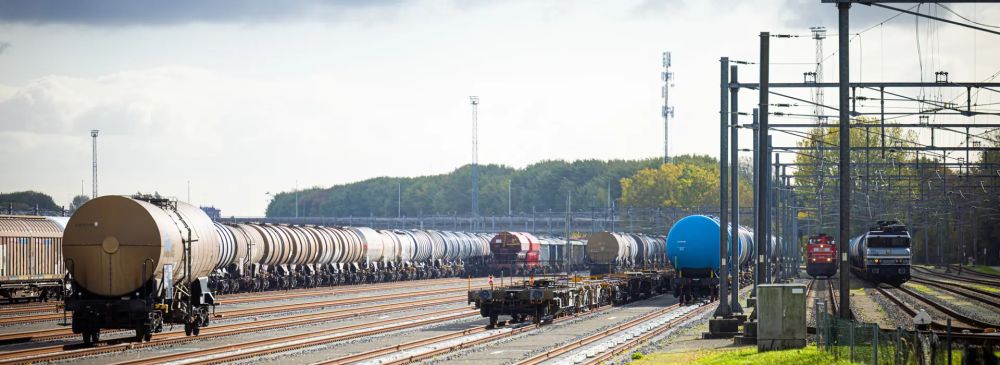
Stabling charges also differ significantly. Parking a freight train costs around EUR 18 per hour in the Netherlands, while similar facilities in Belgium are available at little or no cost.
For chemical traffic between Rotterdam and Ludwigshafen, infrastructure costs are around 25% higher than for a comparable service originating in Antwerp. The difference is projected to increase to almost 28% in 2026. Similar cost gaps were identified on corridors serving Germany's Ruhr region.
The benchmark was commissioned against a backdrop of declining rail freight volumes through Rotterdam. Between 2022 and 2025, rail freight traffic to and from the port fell by approximately 17%, excluding reductions in coal transport.
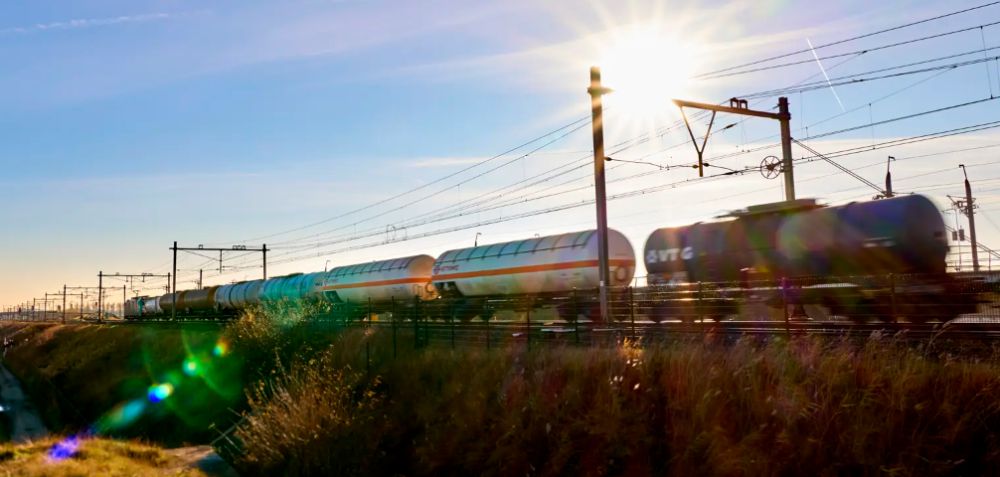
According to the study, shorter-distance freight flows are increasingly shifting to road transport, while longer-distance rail services face competition from alternative European ports. The report also notes that lower infrastructure costs elsewhere may influence routing decisions, potentially redirecting cargo through competing ports while still generating rail traffic across the Dutch network.
ProRail and the Port of Rotterdam Authority said the benchmark provides insight into the competitive position of Dutch rail freight transport and highlights the impact of national infrastructure support schemes on operators' costs.