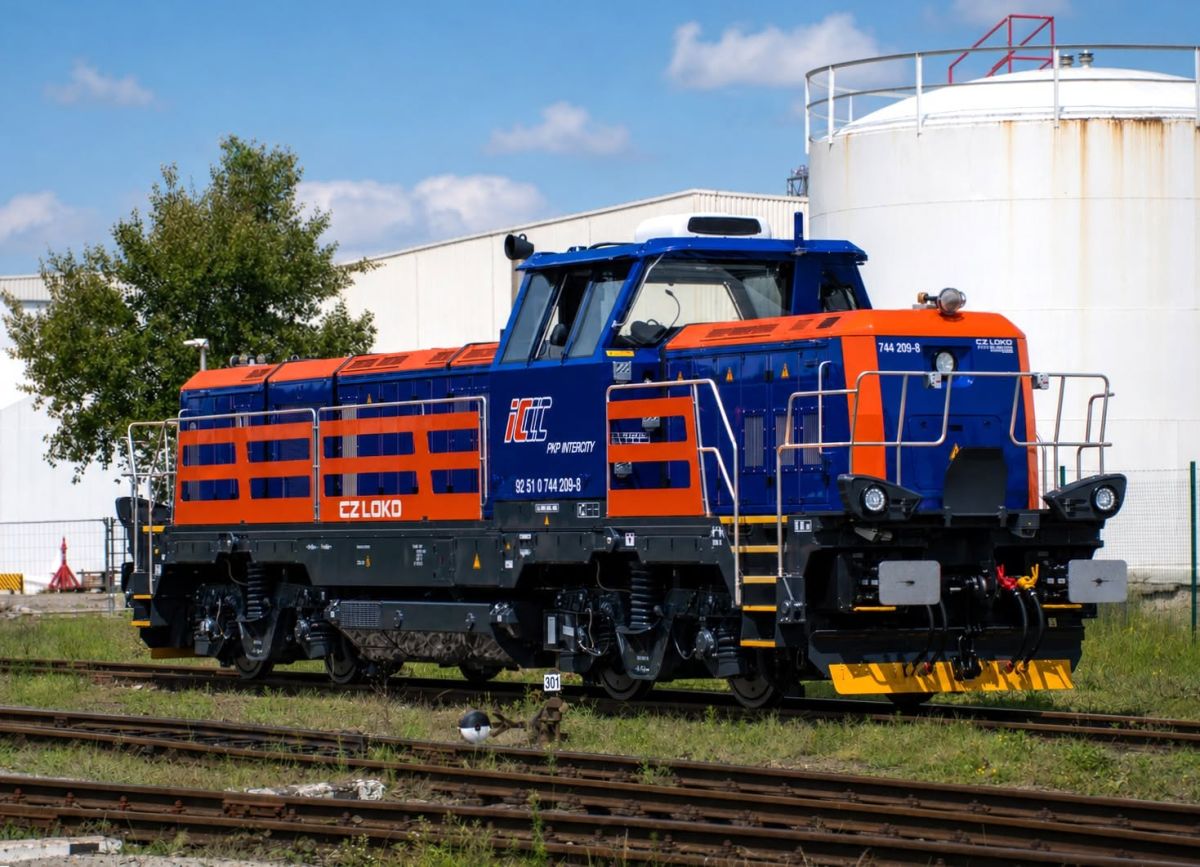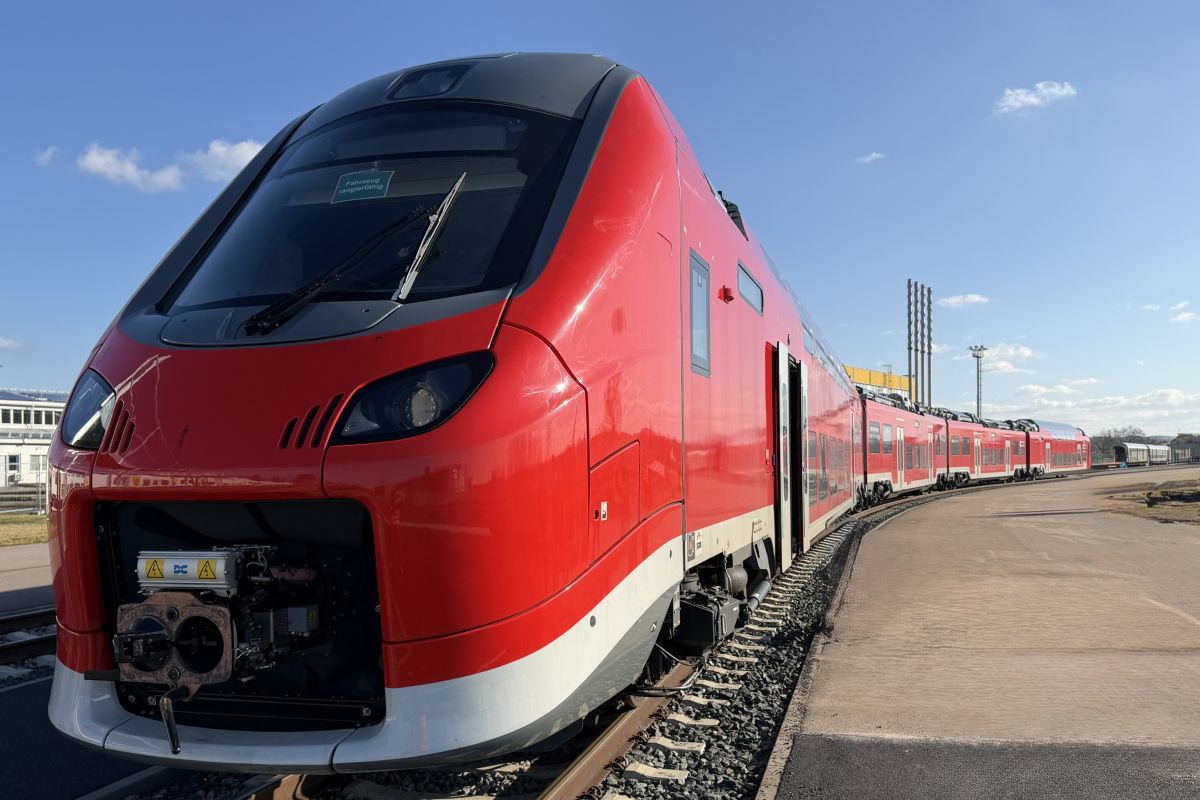
While the Czech Ministry of Transport (MoT) confirms a steady return to 192 million passengers annually, current tenders for Public Service Obligation (PSO) transport prioritize immediate costs over long-term flexibility. In recent competitions, price accounted for 91% to 96% of the total evaluation, a factor that restricts the future scalability of rolling stock fleets.
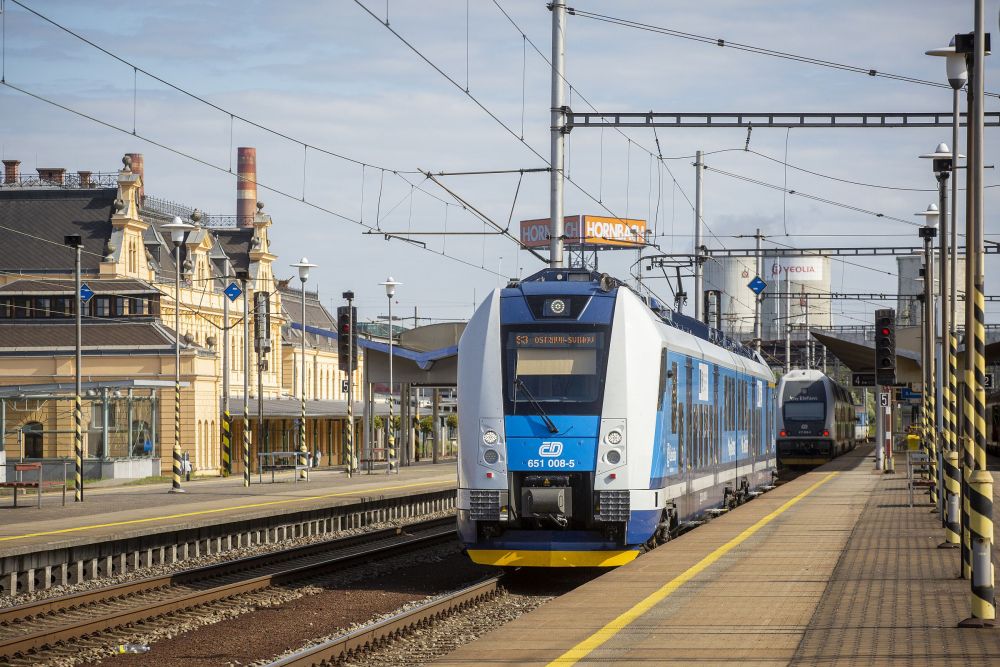
Minimum standards vs. long-term growth
Current tender documentation defines minimum capacity as a fixed technical requirement rather than a variable for evaluating bids. While this approach prevents undersized offers, it provides no incentive for operators to offer seat counts exceeding the baseline requirements.
In the case of the R14, R21, R22, and R24 line clusters, the price-to-quality ratio was set at 94:6. The remaining weight was allocated to secondary comfort features, such as seat pitch or bicycle carriage capacity.
"It is simply not possible to offer lower capacity than requested. Consequently, price plays a dominant role among the evaluation criteria," stated Alena Mühl, spokesperson for the Ministry of Transport, for Railmarket News.
Mühl further specified that while the Ministry assumes a 30-year service life for vehicles, it intends to address demand spikes through adjustments to the operational concept. "Any capacity increase on a given line can be resolved by expanding the offer—for example, by inserting a new service for which new vehicles would be procured. Under certain circumstances, vehicles could even be cascaded to another line and replaced by newly purchased units with higher capacity," the spokesperson explained.
RegioJet: 20% growth and the need for expansion
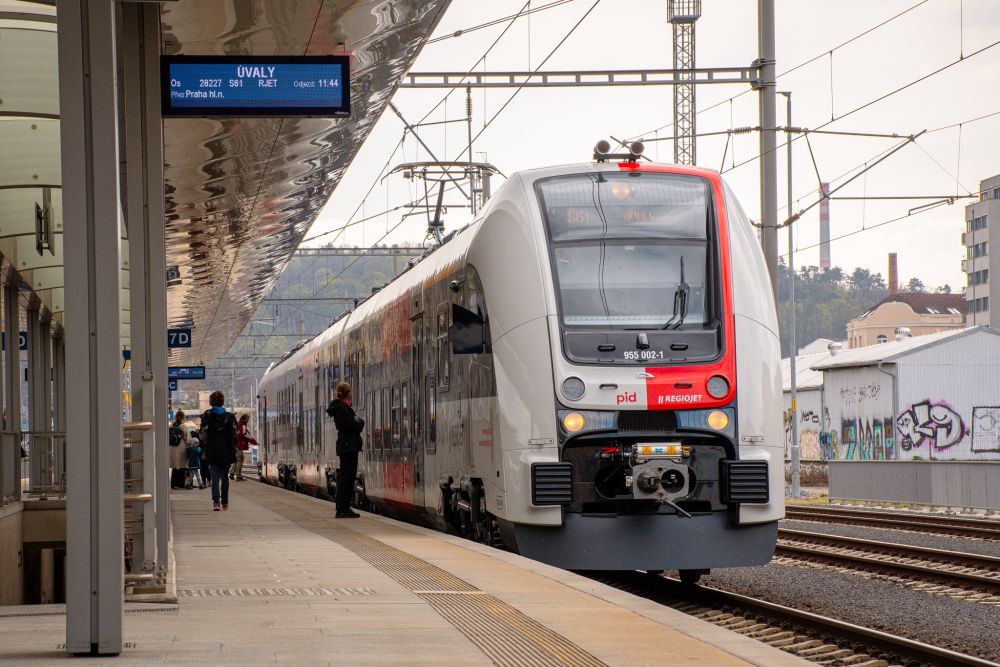
Independent operators confirm that real-world demand is outstripping the static predictions found in state tenders. Following the pandemic, RegioJet has significantly expanded its regional operations and is currently bolstering its international fleet for routes in Poland, including the Prague–Warsaw and Kraków–Gdańsk lines.
"Last year, we recorded a nearly 20% year-on-year increase in passenger numbers on our long-distance IC trains," told Lukáš Kubát, PR Manager at RegioJet, to Railmarket News. Kubát emphasized that the company is continuously increasing both the frequency of services and their capacity to meet "ever-increasing demand."
This stable recovery is echoed by data from the SVOD Bohemia railway association. With a performance of 10.5 billion p-km, rail is significantly outperforming commercial bus transport, which remains at only 85.7% of pre-pandemic levels.
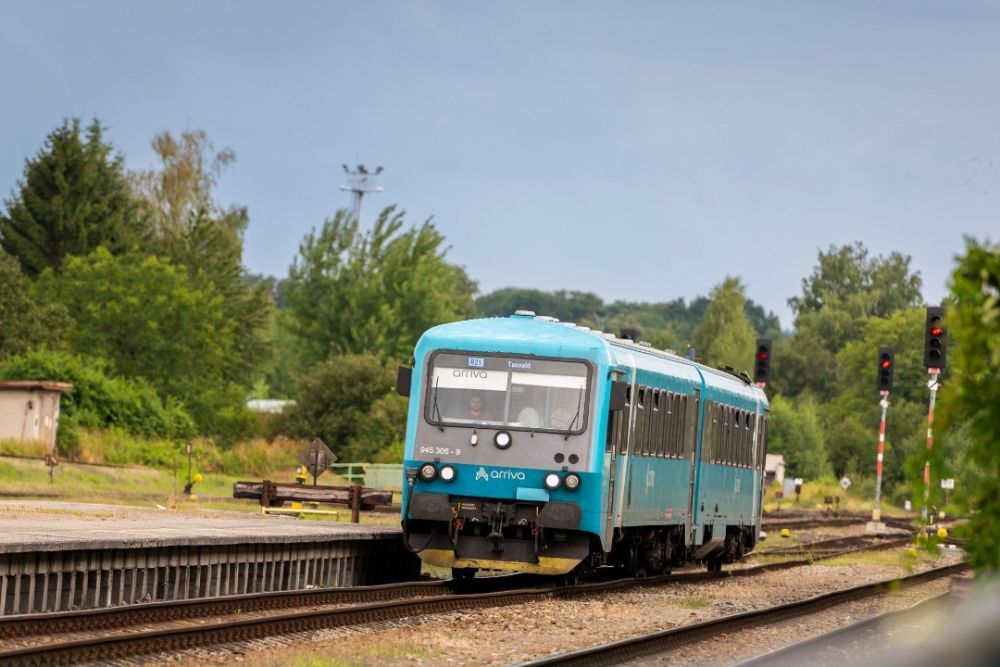
Arriva Vlaky: Stable recovery on long-distance routes
Arriva Vlaky confirms a similar trend. According to spokesperson Jan Holub, the company is observing a long-term, steady return of passengers, particularly on routes where rail is competitive with individual car transport.
"In our trains, we have seen passengers return mainly to long-distance routes. In long-distance transport, we see long-term stable growth and increasing interest in longer journeys," Holub stated for Railmarket News. He added that Arriva operates all its services based on orders from regions or the state and maintained a stable timetable without significant cuts during pandemic restrictions. The company is now using this long-term growth data to plan future railway activities.
Proposed solutions for future tenders
Given the 30-year lifecycle of rolling stock and exhausted infrastructure capacity at major hubs like Prague and Brno, a reassessment of procurement criteria appears essential. Expert debate should focus on the following points:
- Utilization of shorter units: Tenders should require a mix of shorter and longer units to allow for multiple-unit operation during peak demand. This enables capacity increases without the need for additional "slots" (increased frequency).
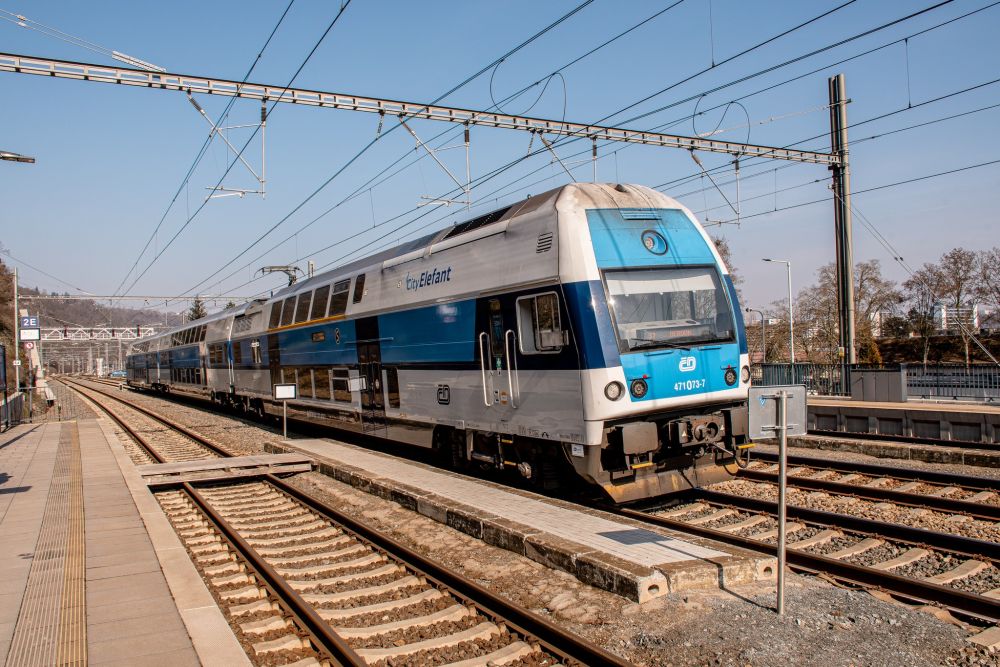
- Deployment of double-deck units: On highly congested routes with fixed platform lengths, the evaluation should reward the use of double-deck (bi-level) units, which maximize seat count per meter of train length—provided they are compatible with the line's loading gauge.
- Reducing price weighting: Adjusting criteria to include Life Cycle Costs (LCC)—such as service and maintenance (e.g., in a 60:40 ratio with price)—would allow for the consideration of energy efficiency and future scalability.
- Infrastructure Relief: By incentivizing higher-capacity units, the state could eliminate future costs associated with "inserting new lines" into already overcrowded tracks.
While the planned development of High-Speed Rail (HSR) after 2030 will redistribute passenger flows, units procured in today's tenders must be capable of absorbing passenger growth throughout their entire service life, not just for the duration of the initial 15-year contract.