Deutsche Bahn (DB) is working on a comprehensive renovation of the Riedbahn corridor, a key railway route between Frankfurt/Main and Mannheim. This five-month project, started in mid-July 2024 and will last unit the end of the year.
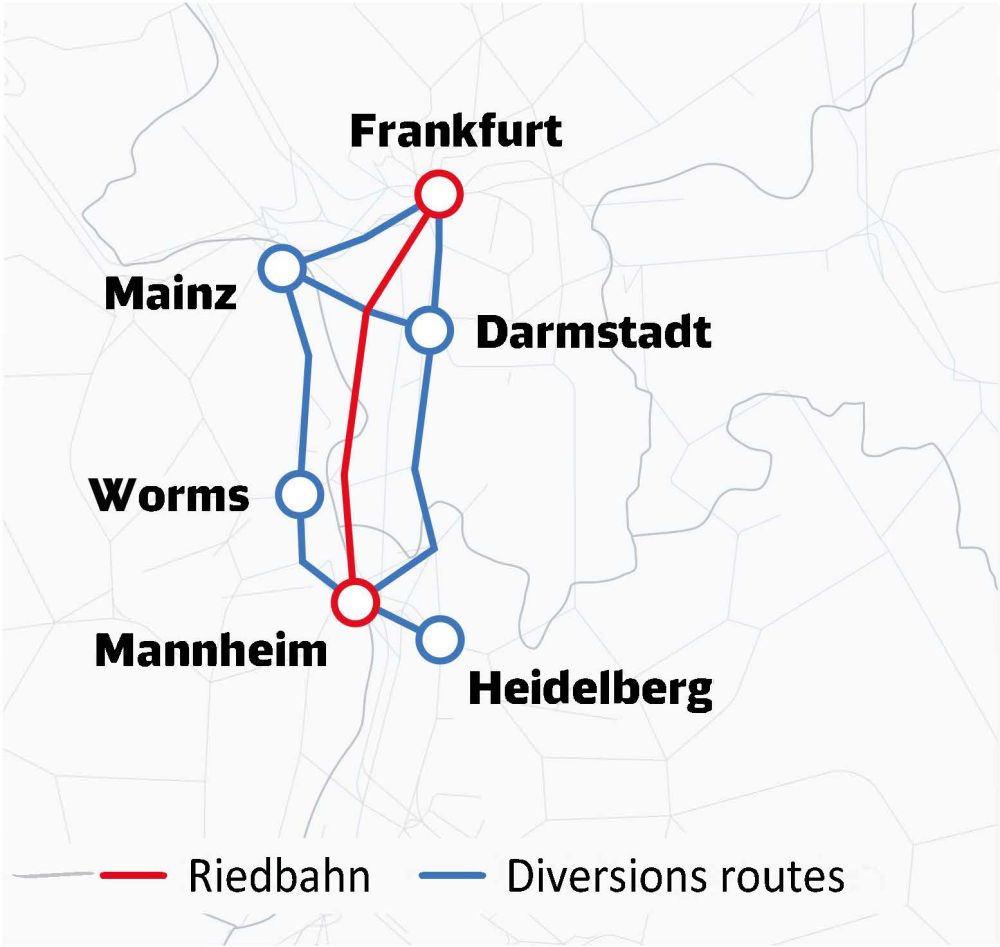
History of the Riedbahn
The Riedbahn line was built in the middle of the 19th century, running through the Hessian Ried in southern Hesse and extending to Baden-Württemberg. Since the late 1980s, the line has been expanded multiple times and is approved for speeds of up to 200 km/h in large parts. Today, the Riedbahn is one of the most heavily trafficked connections in Germany. Due to its importance, the federal government has included a new line between Frankfurt/Main and Mannheim in the Federal Transport Infrastructure Plan 2030, classifying it as an "urgent need." Planning for this new line is underway, with expectations for it to be operational in the 2030s.
Project Overview
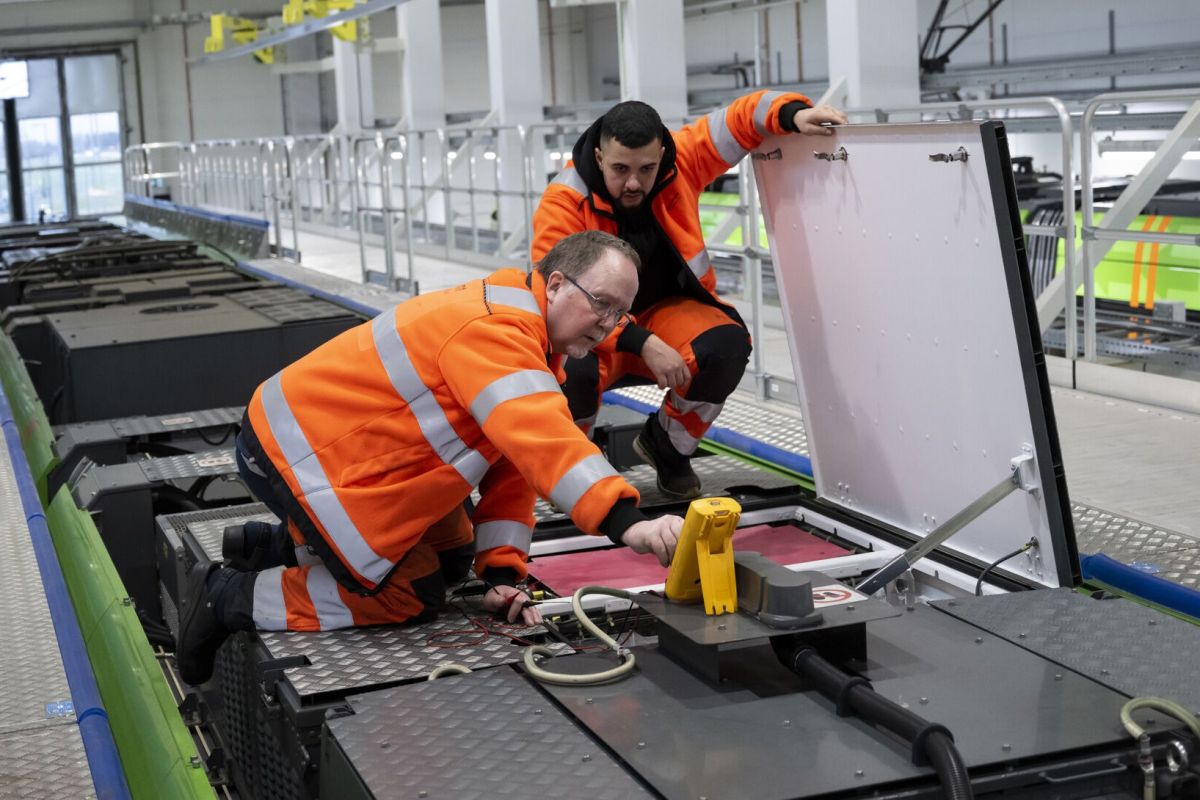
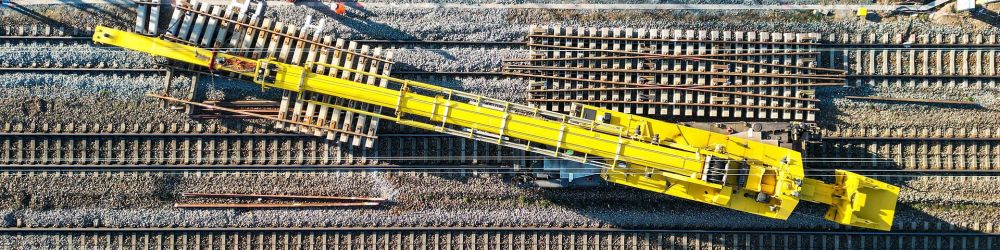
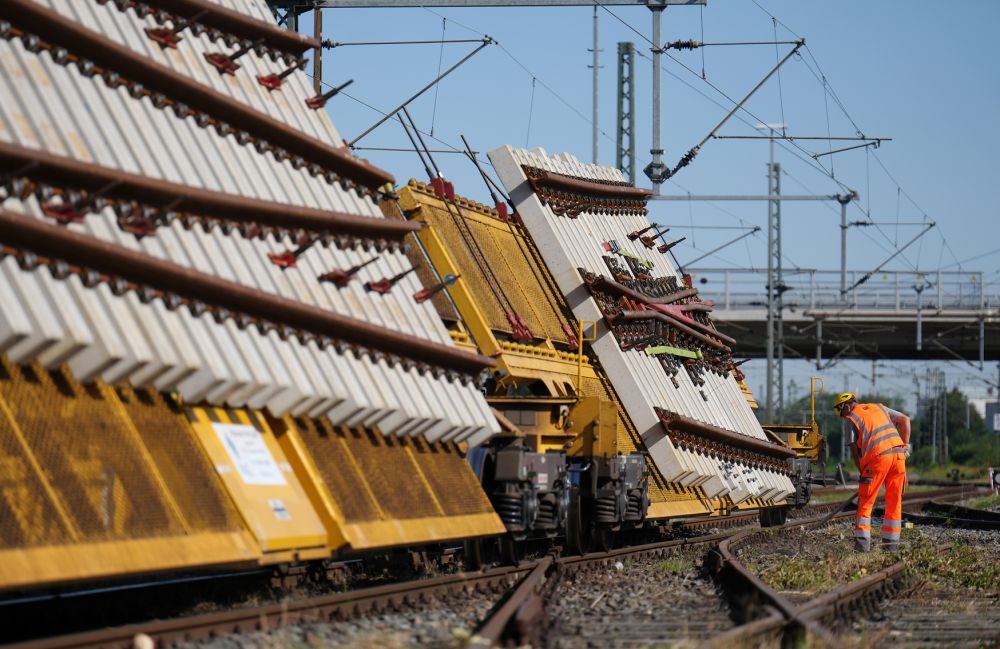
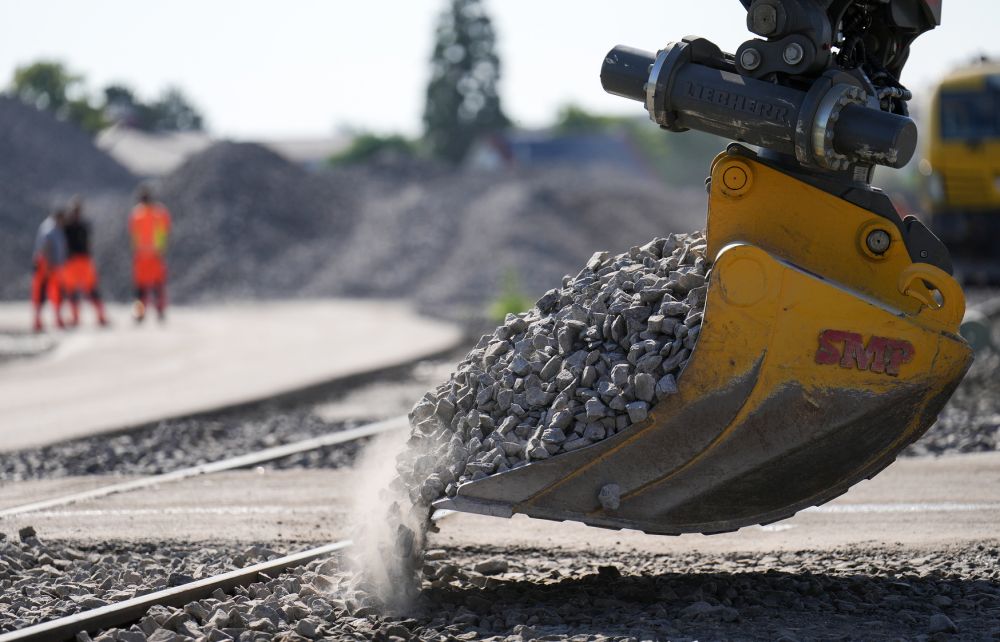
The Riedbahn project involves a complete overhaul of the 70-kilometer route. The renovation will include the renewal of 117 kilometers of tracks, installation of 152 new switches, and replacement of 140 kilometers of overhead wire. Additionally, 15 kilometers of noise barriers will be constructed, and the entire control and safety technology will be updated with new electronic interlocking systems and modern cable installations.
DB plans to modernize 20 stations along the route, introducing new passenger information systems, improved lighting, modernized platform roofs, and enhanced accessibility features like ramps and elevators. The project also includes measures to improve digital rail operations, with the installation of the European Train Control System (ETCS) and 4,000 balises along the track.
Pros of the Renovation
The renovation is expected to bring several benefits:
- Improved Efficiency: By addressing outdated infrastructure and installing modern control systems, the renovation aims to reduce infrastructure-related disruptions by over 80%. This should lead to more punctual trains and smoother operations.
- Enhanced Passenger Experience: The modernization of stations and the introduction of high-quality replacement buses during the construction phase will provide a better travel experience for passengers.
- Sustainability: The shift from road to rail transport during the construction phase aligns with sustainable transport goals, potentially reducing the environmental impact of logistics in the region.
- Long-term Reliability: The project is designed to ensure that no major construction work will be needed on the route for at least five years, providing greater planning security for both passengers and freight operators.
Cons of the Renovation
However, the project also comes with challenges:
- Disruptions During Construction: The closure of the Riedbahn for five months will necessitate diversions for long-distance and freight trains, potentially causing delays and logistical challenges. Replacement buses, while modern, may not fully mitigate the inconvenience for regional passengers.
- Cost Overruns: The project’s budget has grown from the initially estimated 500 million euros to 1.3 billion euros. This significant increase could impact other planned infrastructure projects or require additional funding sources.
- Implementation Risks: The complexity of the project, with its extensive scope and tight timeline, presents a risk of unforeseen delays or technical issues that could extend the construction period or increase costs further.
The renovation of the Riedbahn is a critical initiative for DB as it seeks to modernize and improve the efficiency of Germany's rail network. While the project promises long-term benefits in terms of efficiency, reliability, and passenger experience, it also poses significant logistical and financial challenges. The success of this project will likely influence the approach to future rail renovations across the country, making it an important moment for much-needed Germany's railway infrastructure modernization.