Verona–Duisburg: RCG boosts frequencies
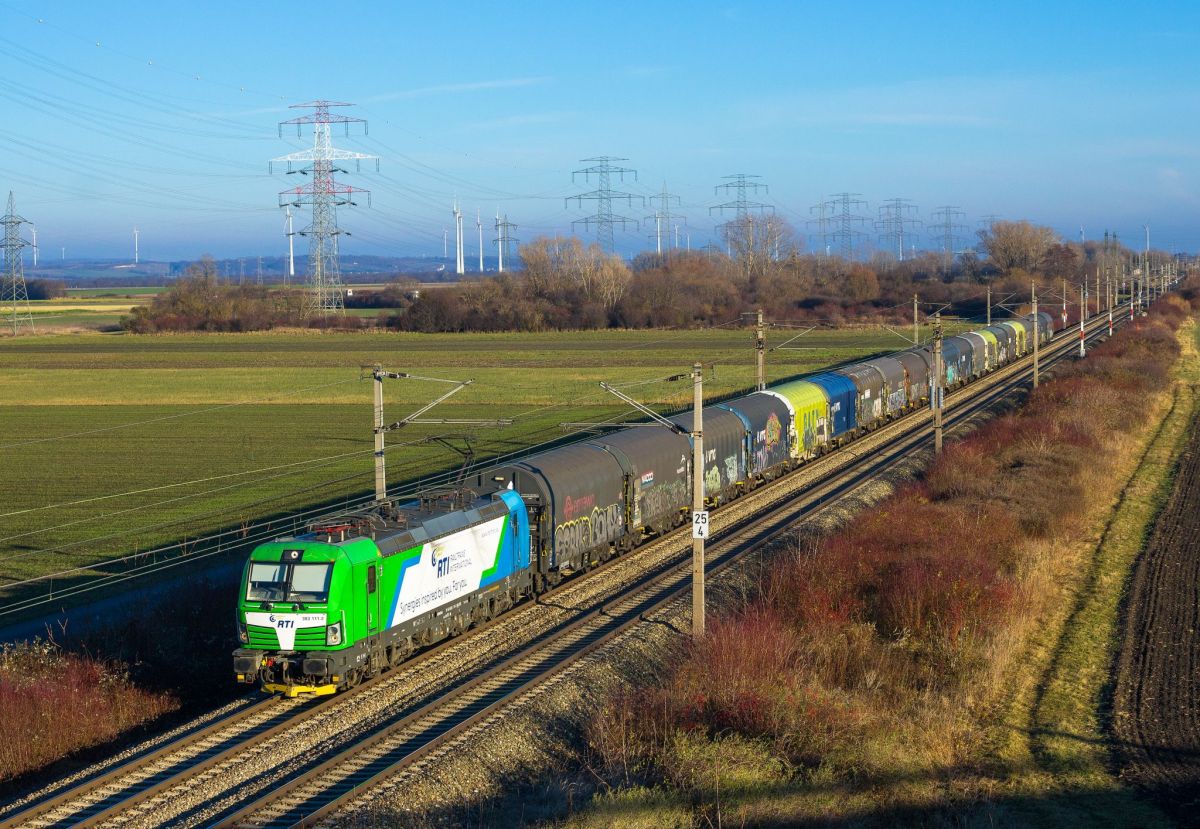
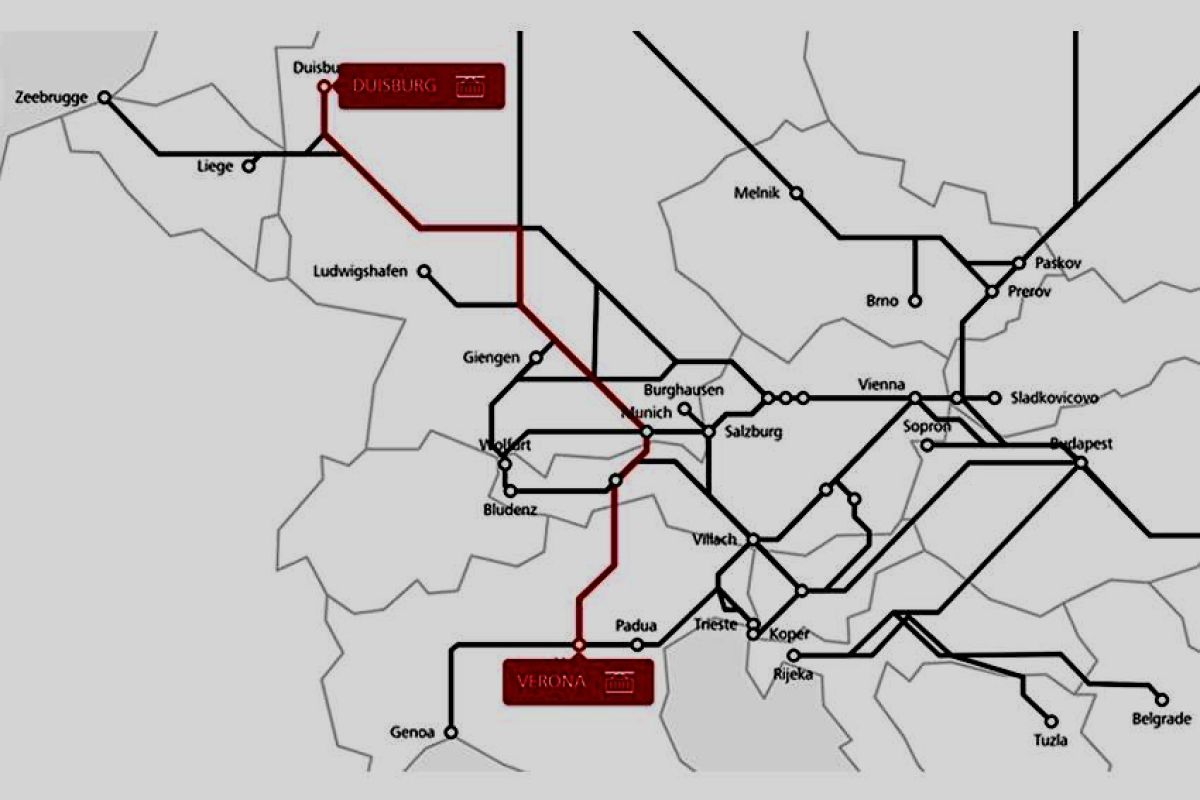
ÖBB Rail Cargo Group relocates its Verona–Germany TransFER from Wuppertal to Duisburg and increases weekly roundtrips from six to ten, strengthening intermodal flows between Italy and Germany.
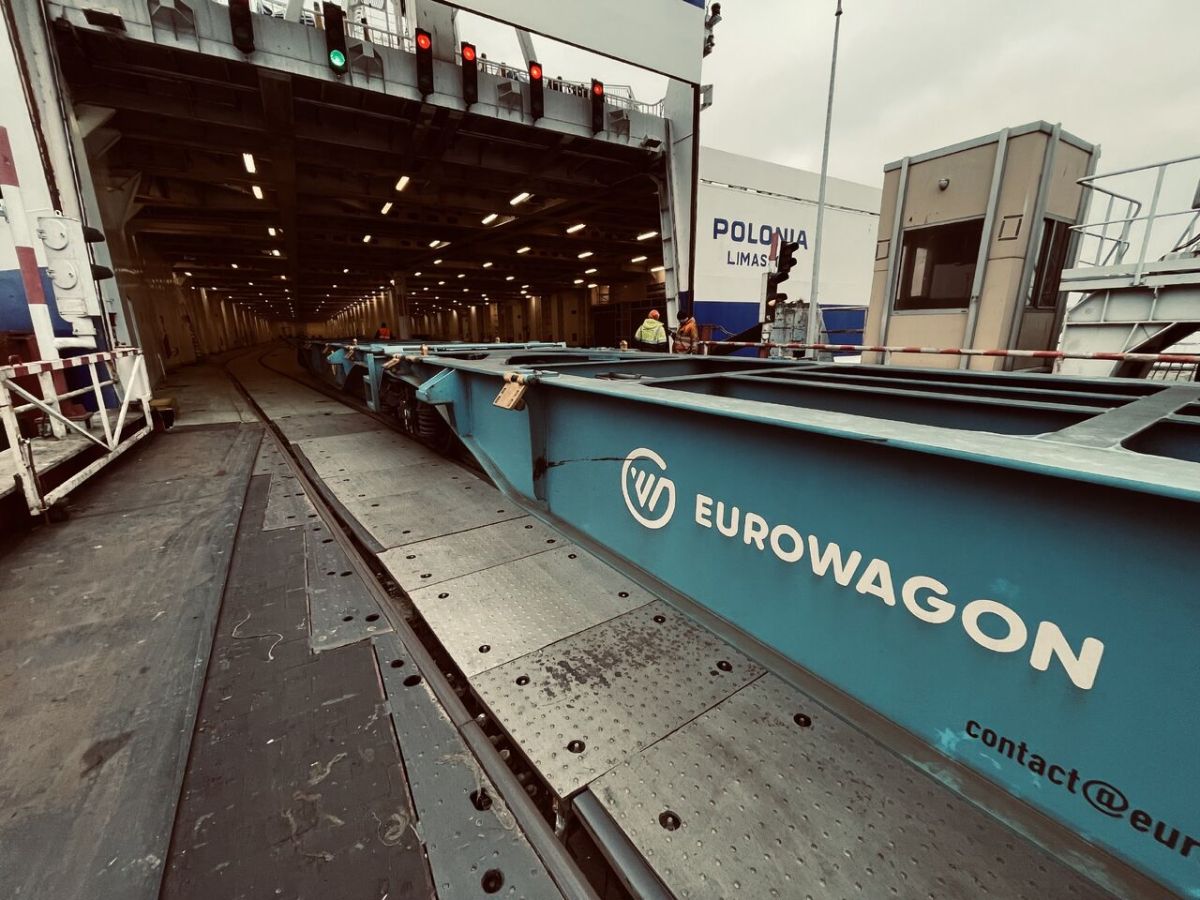
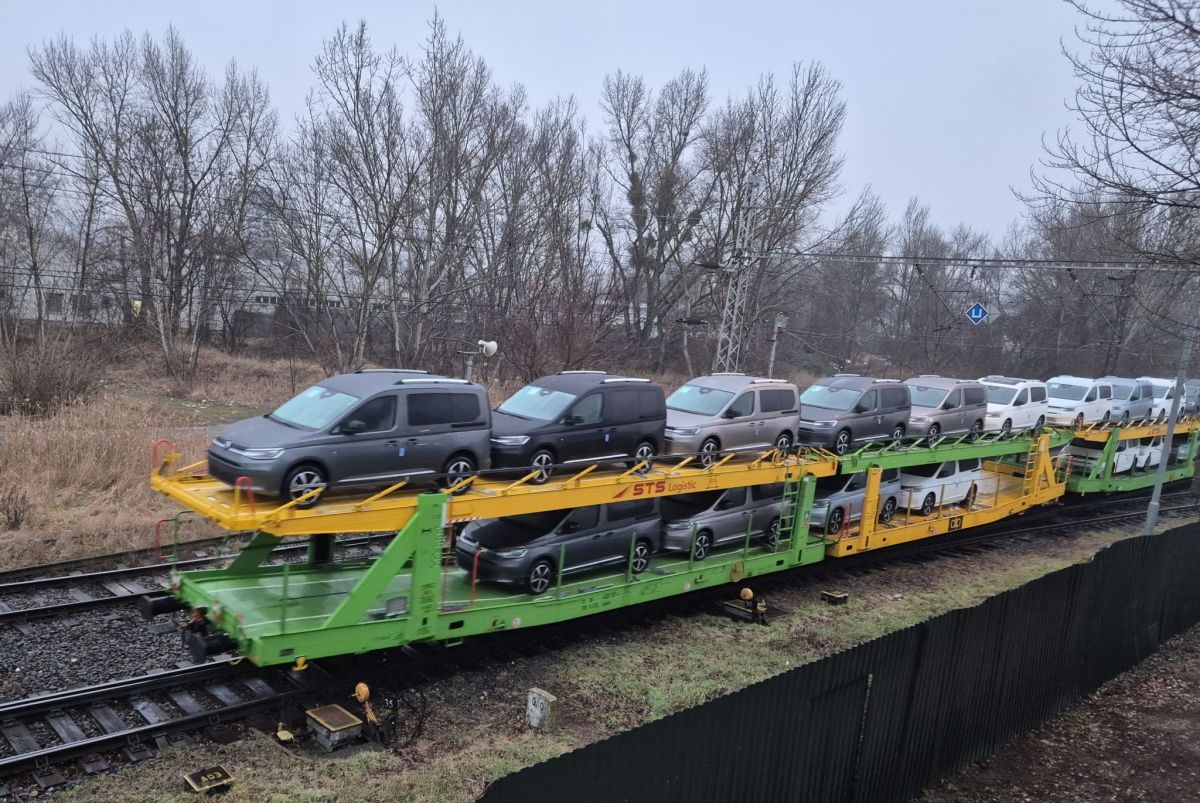
The wagons were transported to the port of Świnoujście and shipped by ferry to Ystad.
UIP has raised concerns over the Swiss Federal Office of Transport’s decision to maintain national rail safety measures, despite a jointly agreed European framework.
The company is routing traffic through Baltic and Romanian ports as transit times fluctuate from one day to up to a week.
The cold weather froze vessels and parts of the port infrastructure, disrupting rail and logistics activities.
Since freight services began in early November 2025, around 1,050 trains with over 21,000 wagons have run on the new line.
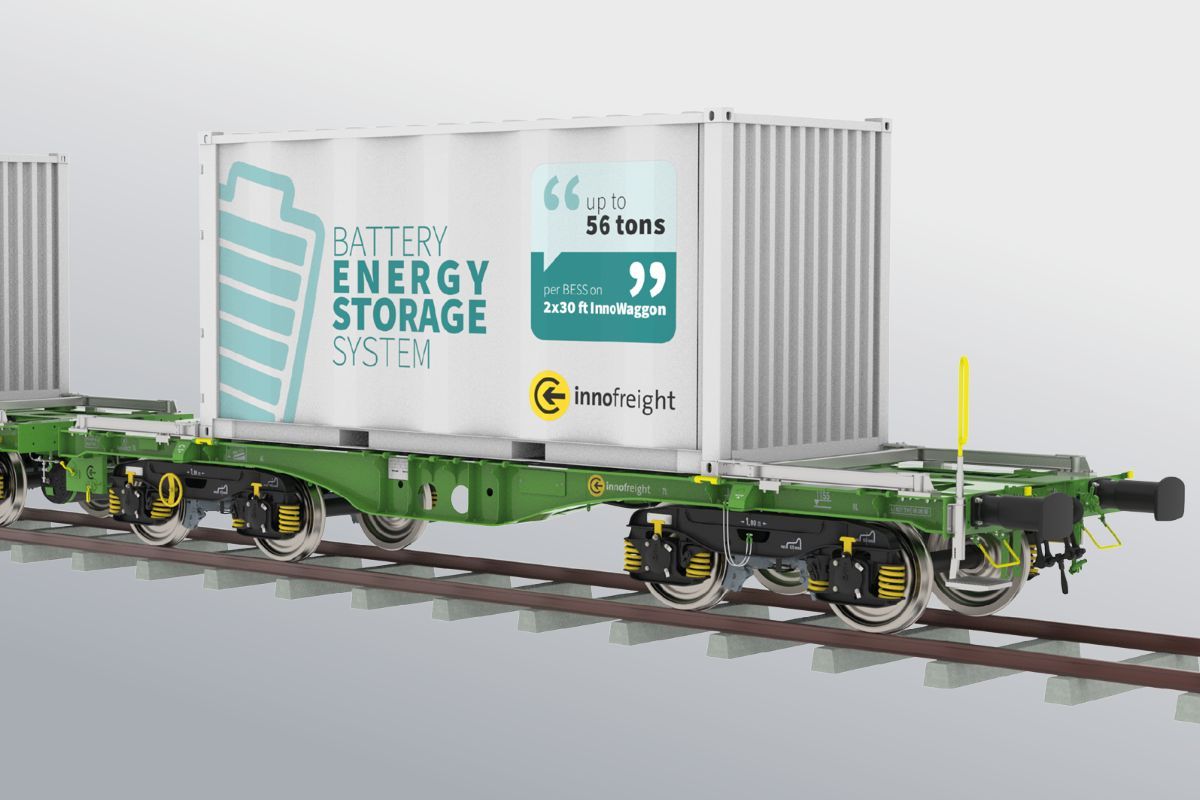
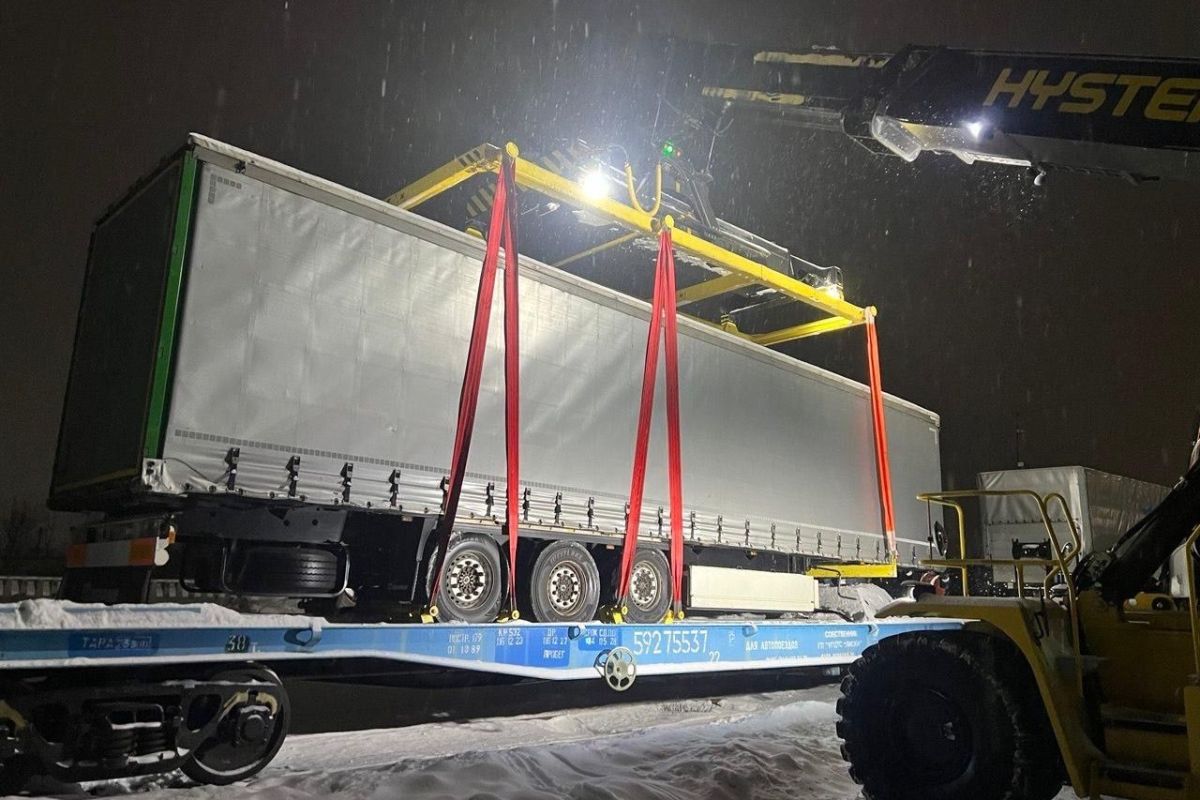
The system is designed for use on 2×30 ft InnoWaggons and provides an 8-tonne payload increase compared with conventional rail solutions.
The Austria-based freight forwarder plans to operate block trains from the Linz container terminal to Duisburg twice weekly and to Rotterdam once a week.
The rail journey to León took approximately two and a half hours.
Total output reached 14.41bn gross tonne-kilometres (gtkm), down 9.62% from 15.93bn gtkm in 2024.
The transport was initiated by Lithuania’s Ministry of National Defence, with the equipment allocated from Lithuanian Armed Forces reserves.
The service resumed on 9 February 2026 and is operated with one weekly round trip.
Bertschi Group closed 2025 with turnover of CHF 1.02bn, unchanged year on year, as stagnation in the European chemical industry and shifting global trade flows continued to shape demand.
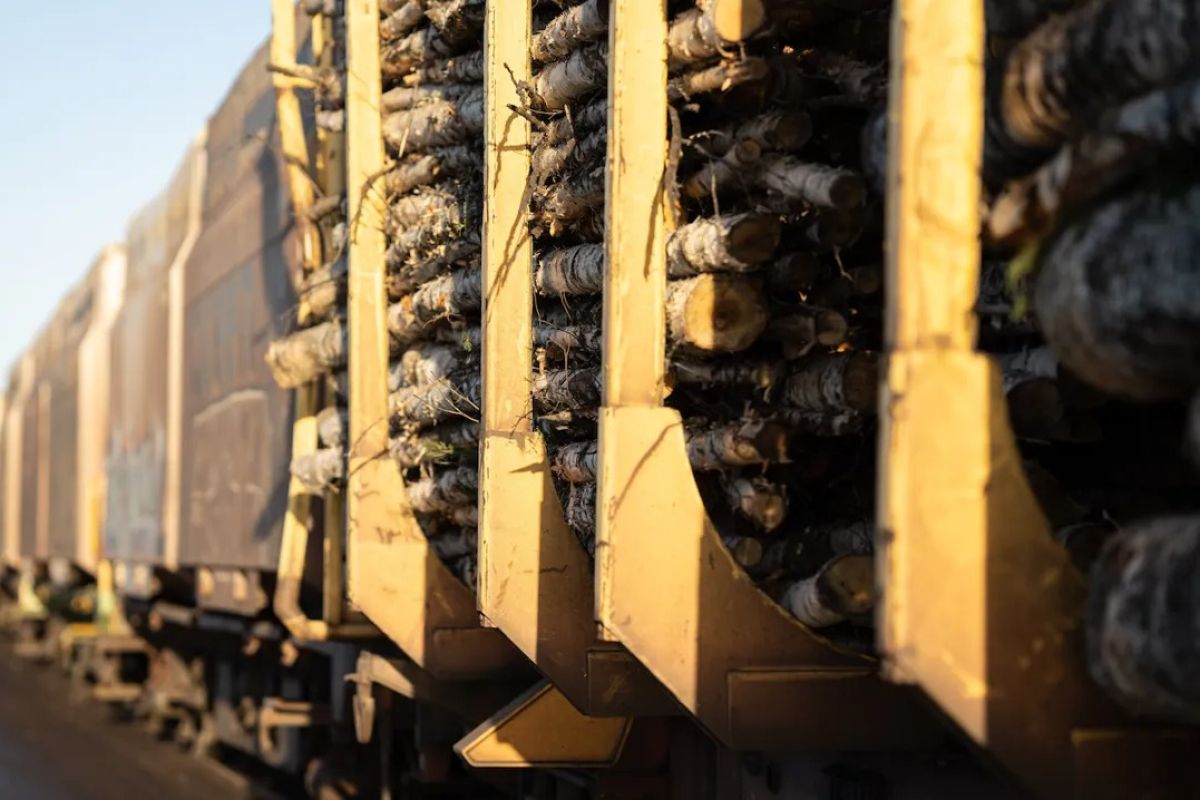
This is the first time the Swedish forest owners’ association has exceeded the half-million cubic metre threshold for rail-borne timber transport.
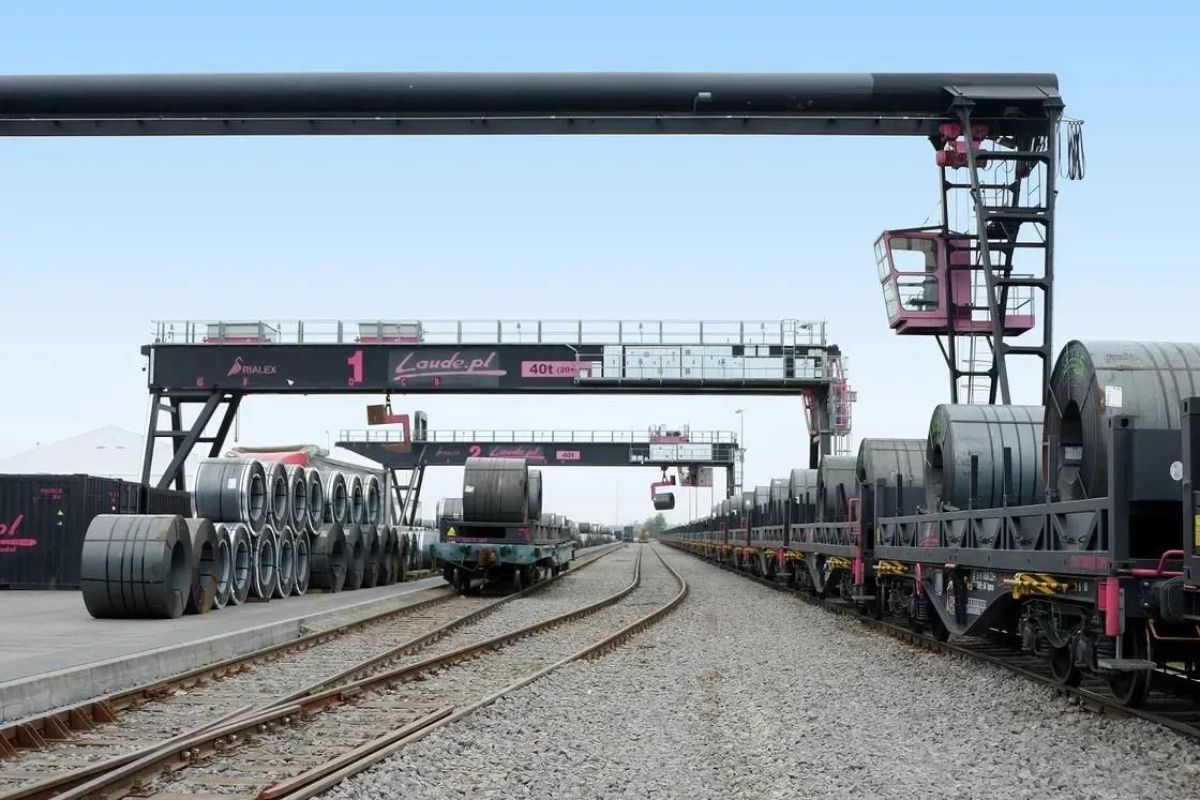
The project returns steel scrap from Volvo Cars’ body components plant in Olofström to Salzgitter Flachstahl for remelting and reuse in flat steel production.
The train departed from the Sknyliv–Lisky terminal in Lviv and is bound for the East West Gate terminal at Fényeslitke.
According to Mars Logistics, the rail movement replaced up to 30 lorry journeys on the same corridor.
The company described the project as a shift of volumes previously moved by other transport modes to rail.
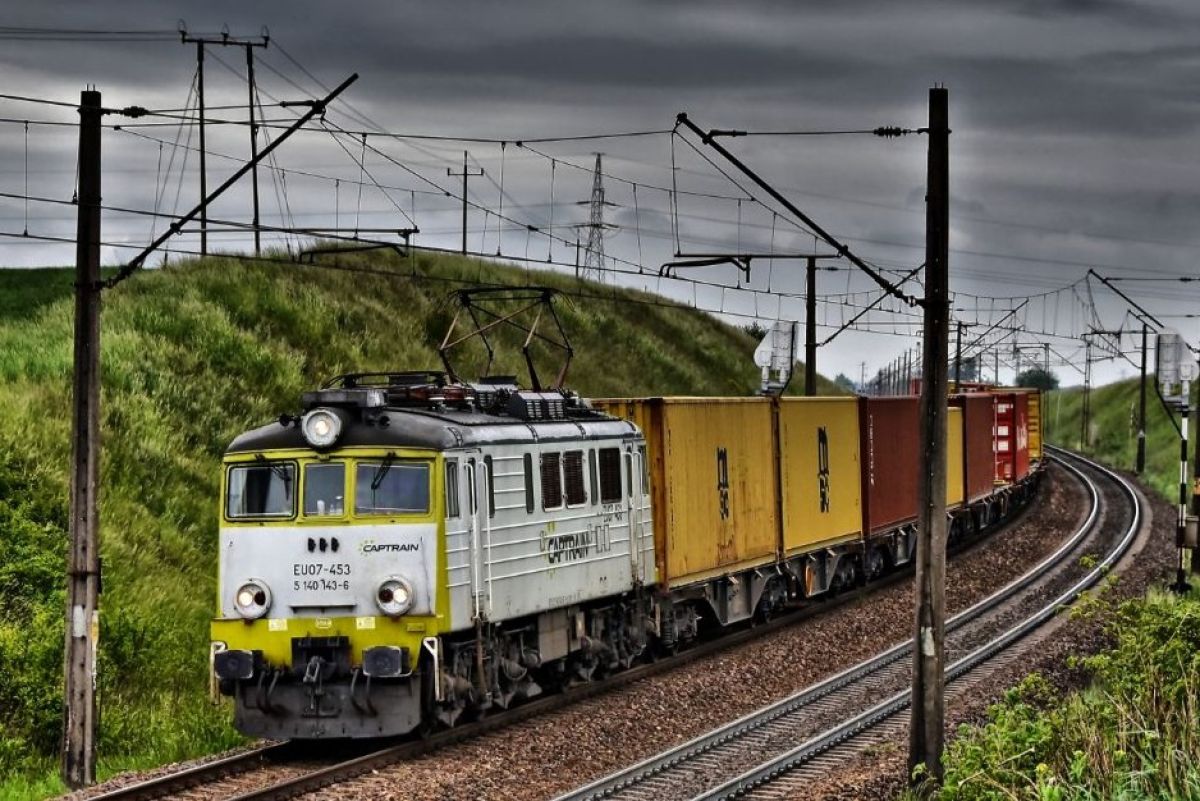
The operation covers north–south container flows within Poland and connects inland terminals with the port of Gdańsk.
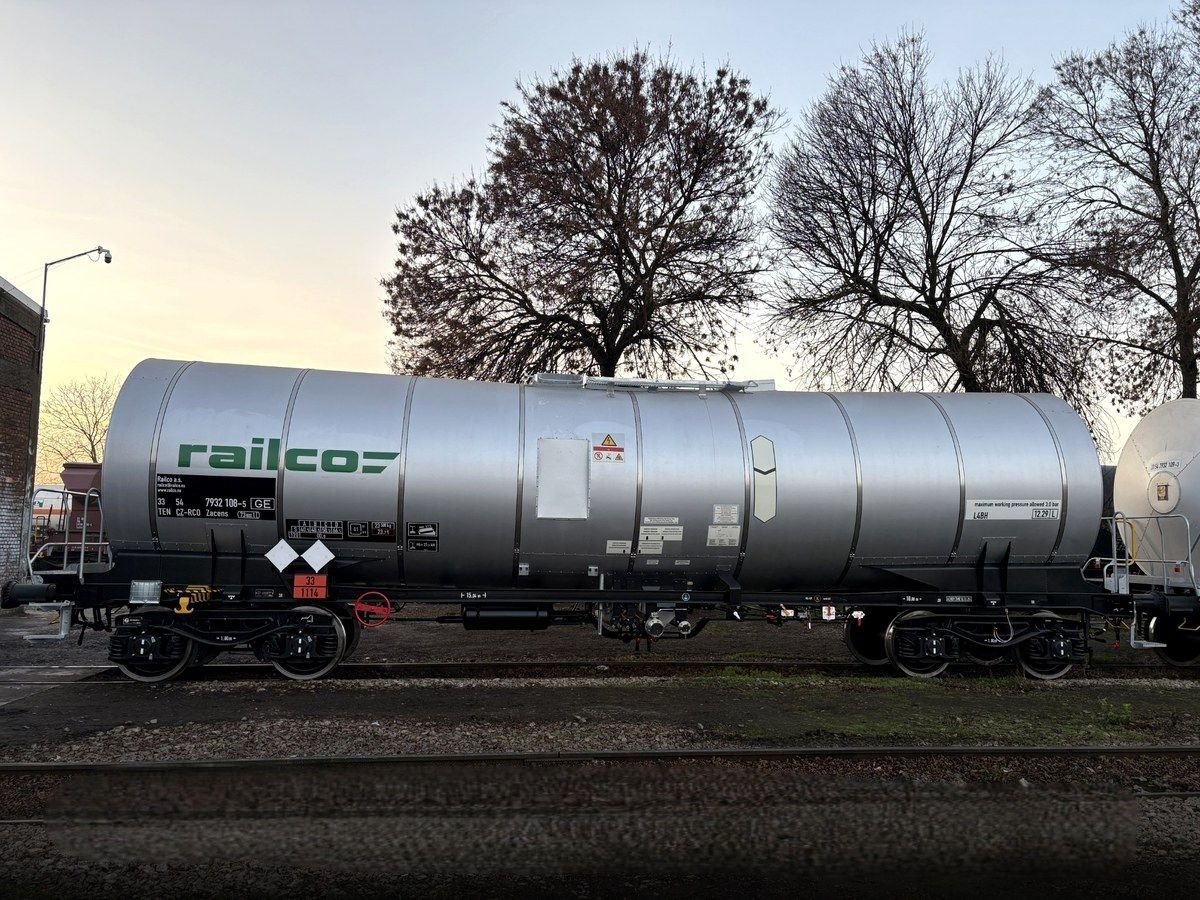
The wagons are designed for the transport of benzene and are equipped with insulation and heating systems.