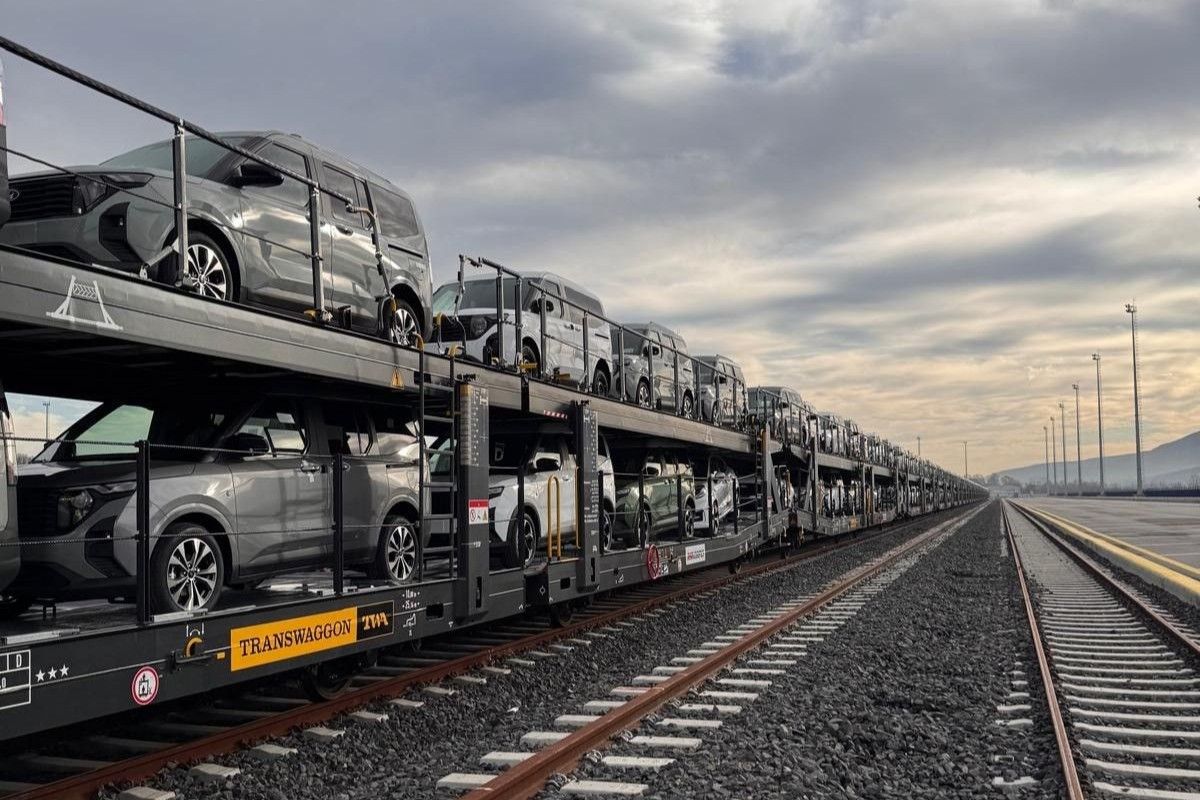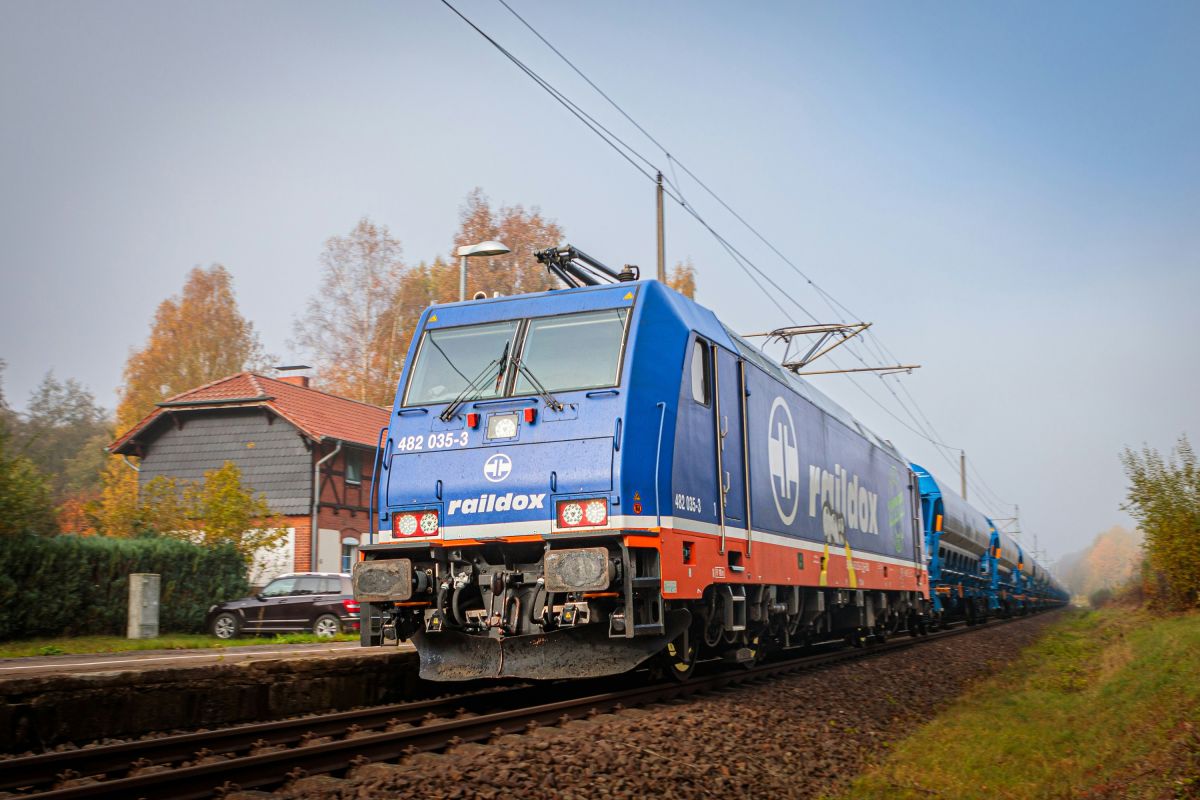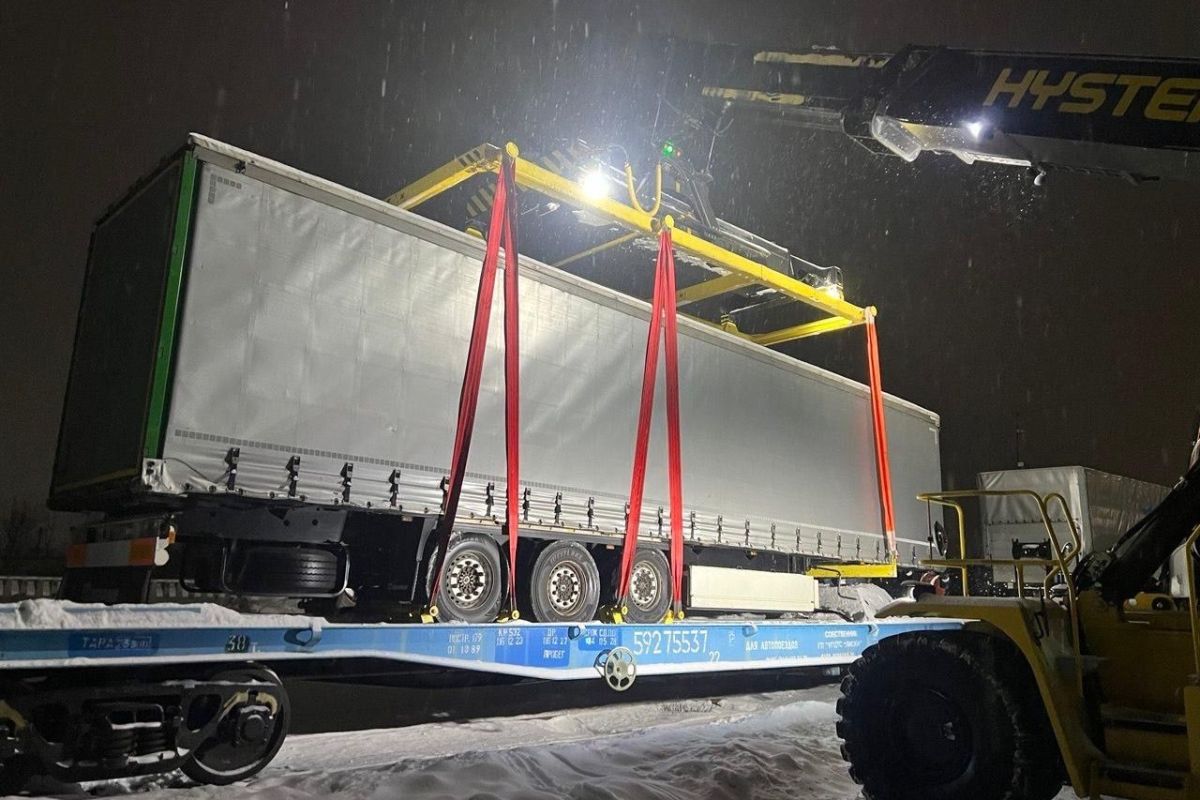
UZ Cargo Poland transports semitrailers by rail from Lviv to Hungary
The train departed from the Sknyliv–Lisky terminal in Lviv and is bound for the East West Gate terminal at Fényeslitke.
According to Mars Logistics, the rail movement replaced up to 30 lorry journeys on the same corridor.
The company described the project as a shift of volumes previously moved by other transport modes to rail.
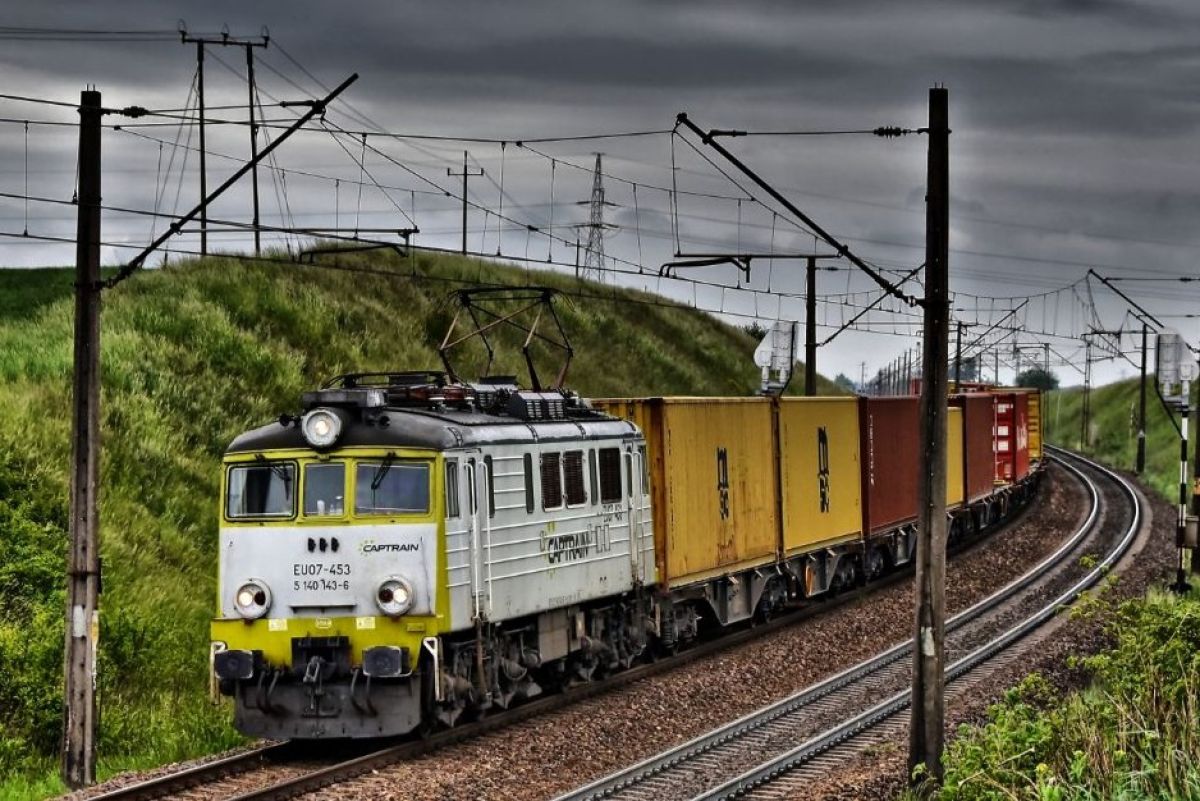
The operation covers north–south container flows within Poland and connects inland terminals with the port of Gdańsk.
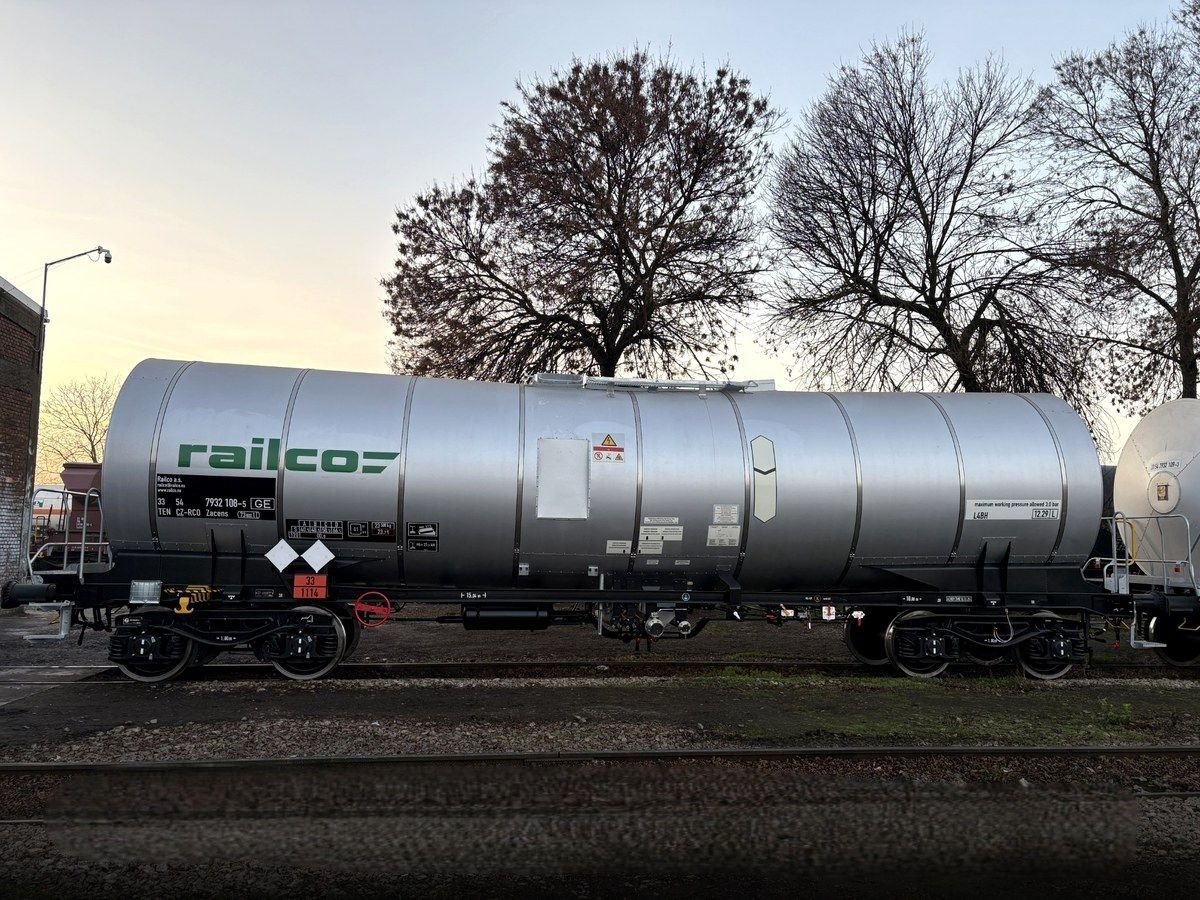
The wagons are designed for the transport of benzene and are equipped with insulation and heating systems.
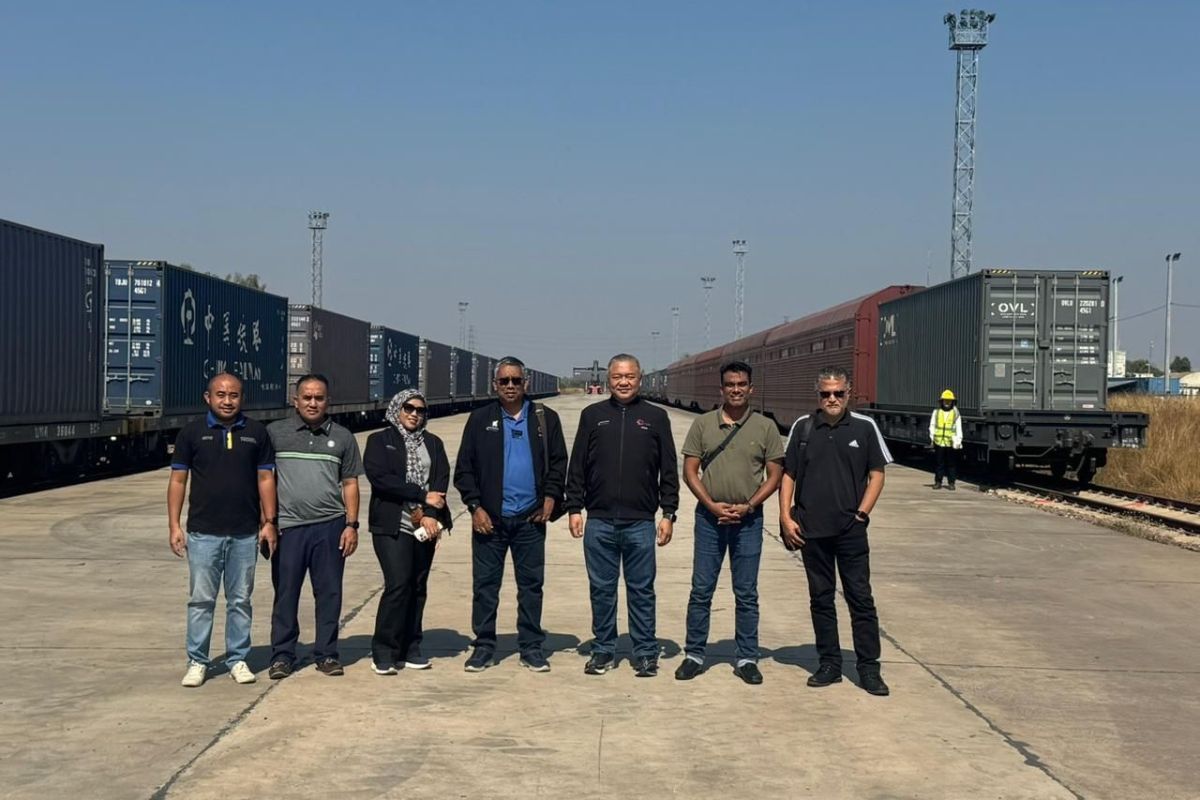
The working visit was intended to improve coordination with regional and Chinese partners on international freight movements, as ASEAN–China rail freight volumes depend on multiple national networks and interfaces rather than a single operator.
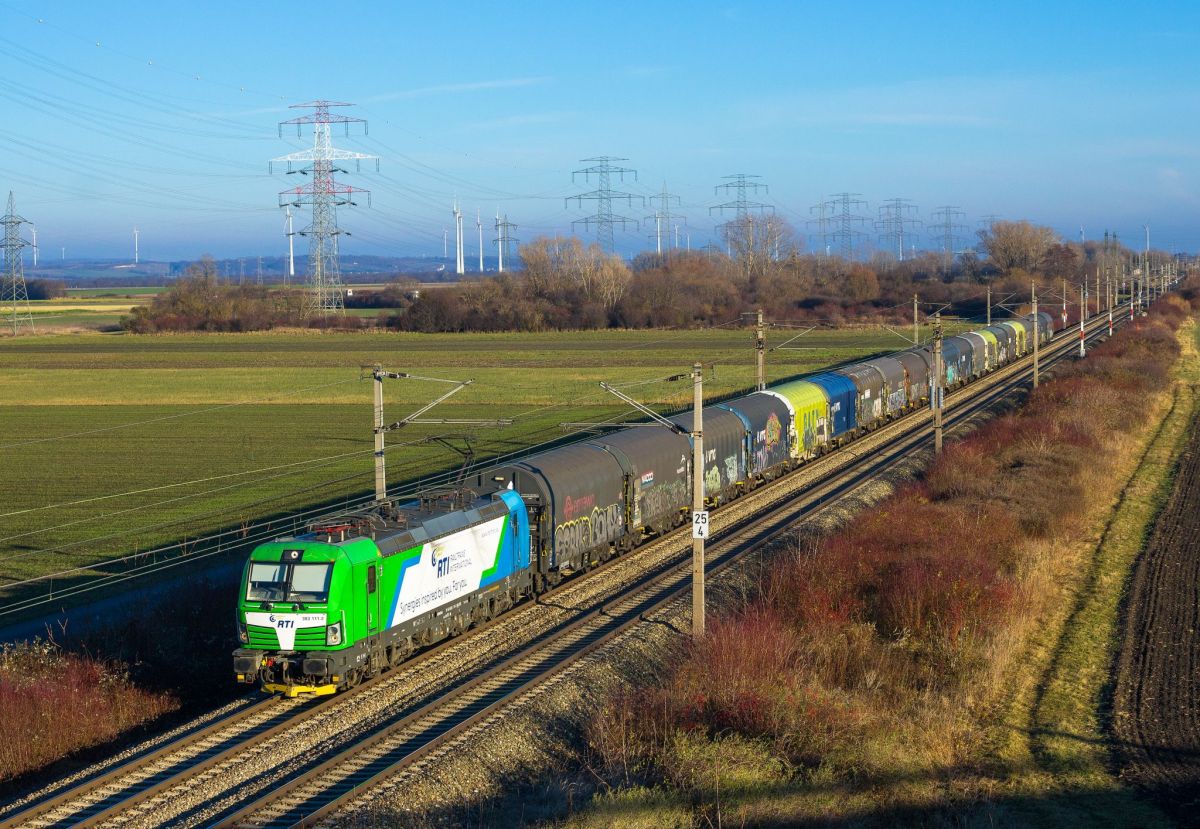
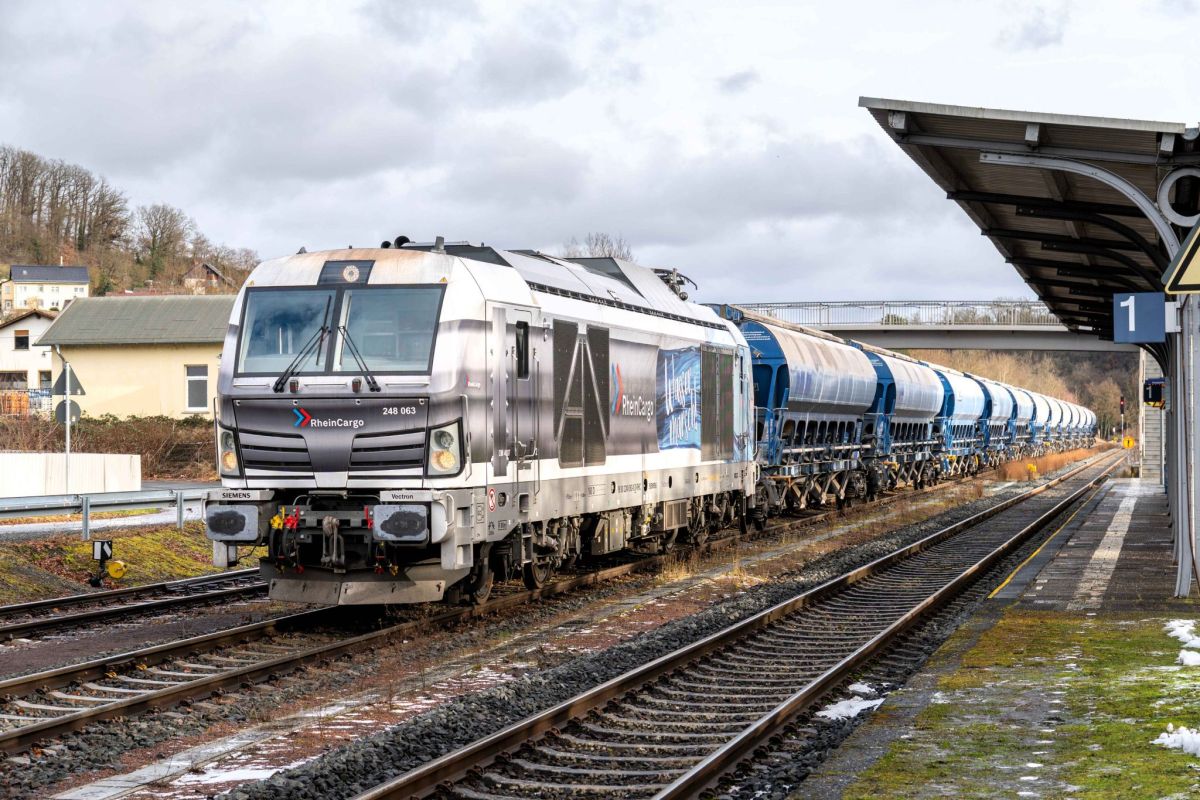
The flows add to RheinCargo’s bulk materials portfolio serving steel and heavy industry customers in the Rhine-Ruhr region.
The service connects Black Sea ports in Georgia with ports and terminals in Azerbaijan and serves as a fixed-schedule rail link for container traffic along the Middle Corridor.
Since mid-January, the operator has been running four to five round trips per week on the corridor.
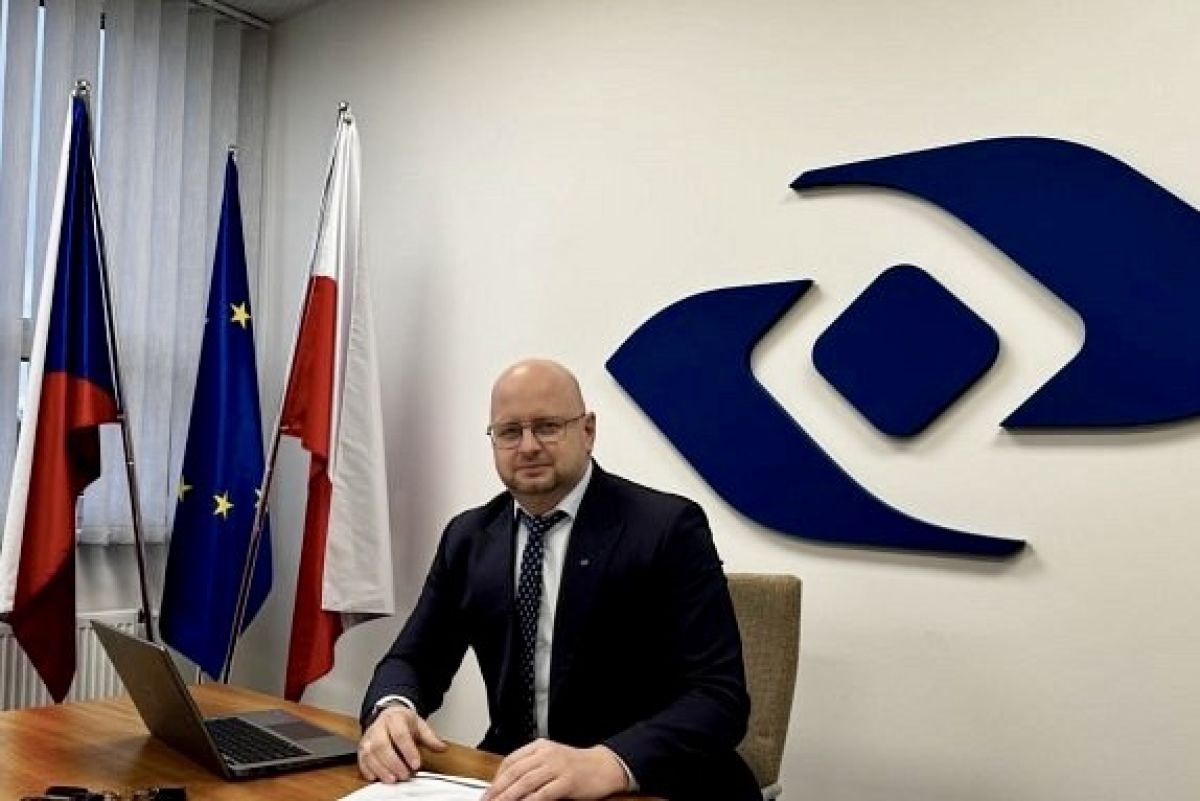
Polish rail freight operator PKP Cargo has appointed Zbigniew Prus as its new Chief Executive Officer as part of its ongoing restructuring process.
Growth was concentrated in rail-served traffic segments, particularly containers and RORO.
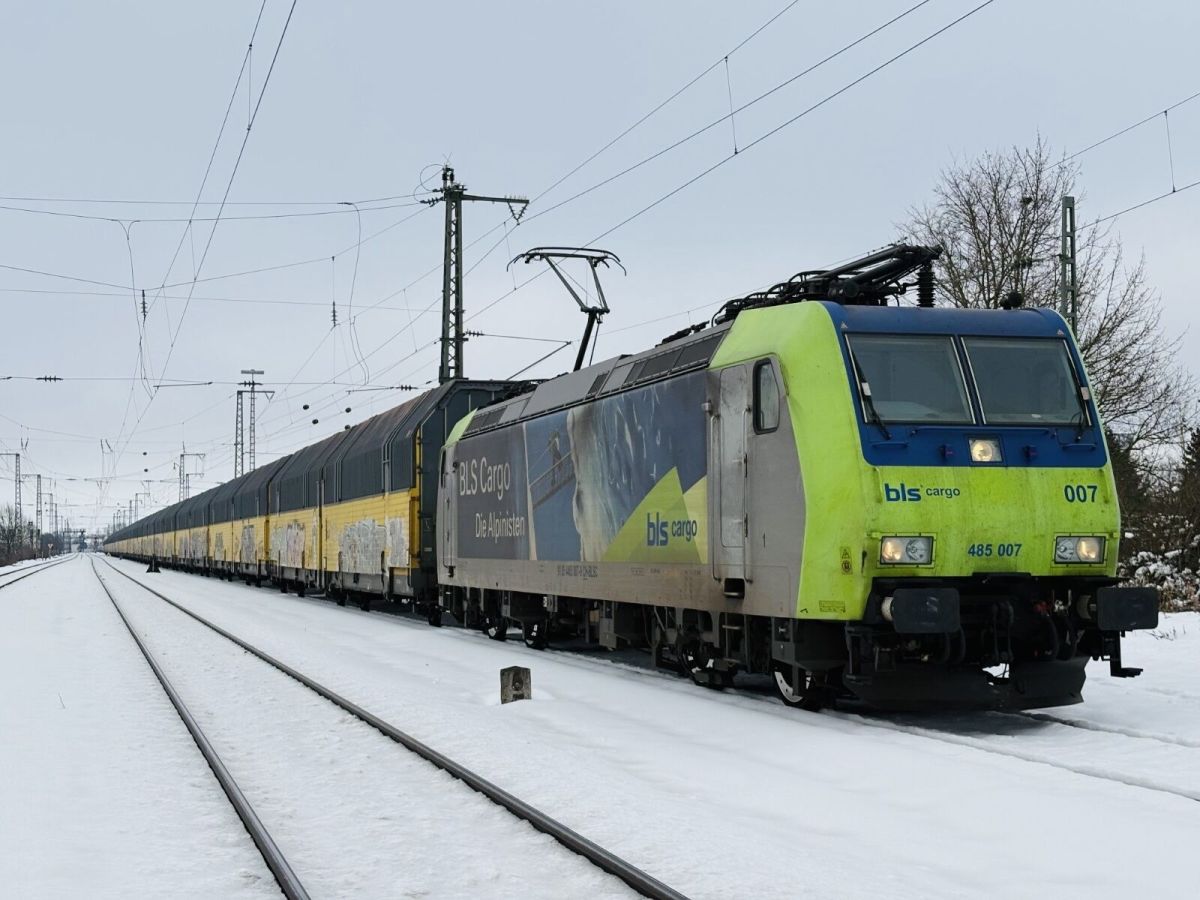
The corridor now offers two departures per day, reflecting higher demand on the Germany–Italy axis.
German rail freight operators have warned that the scale and coordination of construction activity managed by DB InfraGO are increasing costs and pushing freight traffic back onto the road network.
The deliveries support works to replace the protective liner over the southern section of the site’s legacy waste disposal trenches.
European combined transport association UIRR says insufficient terminal capacity remains a major barrier to shifting freight from road to rail. The assessment follows a new European Commission study and the updated TEN-T Regulation on multimodal terminals.
Kazakhstan and China have reviewed rail freight results for 2025 and agreed on further cooperation for 2026, focusing on border operations, digitalisation and infrastructure capacity. The talks took place at Alashankou, the main rail gateway between the two countries.
Hupac Group has announced that CEO Michail Stahlhut will step down from his role in May 2026 after eight years in charge. The company has started the process of selecting his successor.
ÖBB Rail Cargo Group (RCG) has moved its Duisburg–Antwerp and Linz–Antwerp services to own traction, operating the routes with its own locomotives and crews. The operator has also increased frequencies on the Duisburg–Antwerp corridor.
The incident caused no injuries and involved no hazardous materials, but damaged track and overhead line equipment along the corridor.
The campaign, originally scheduled to last 80–85 days, was completed in 76 days, with deliveries finished by mid-December.