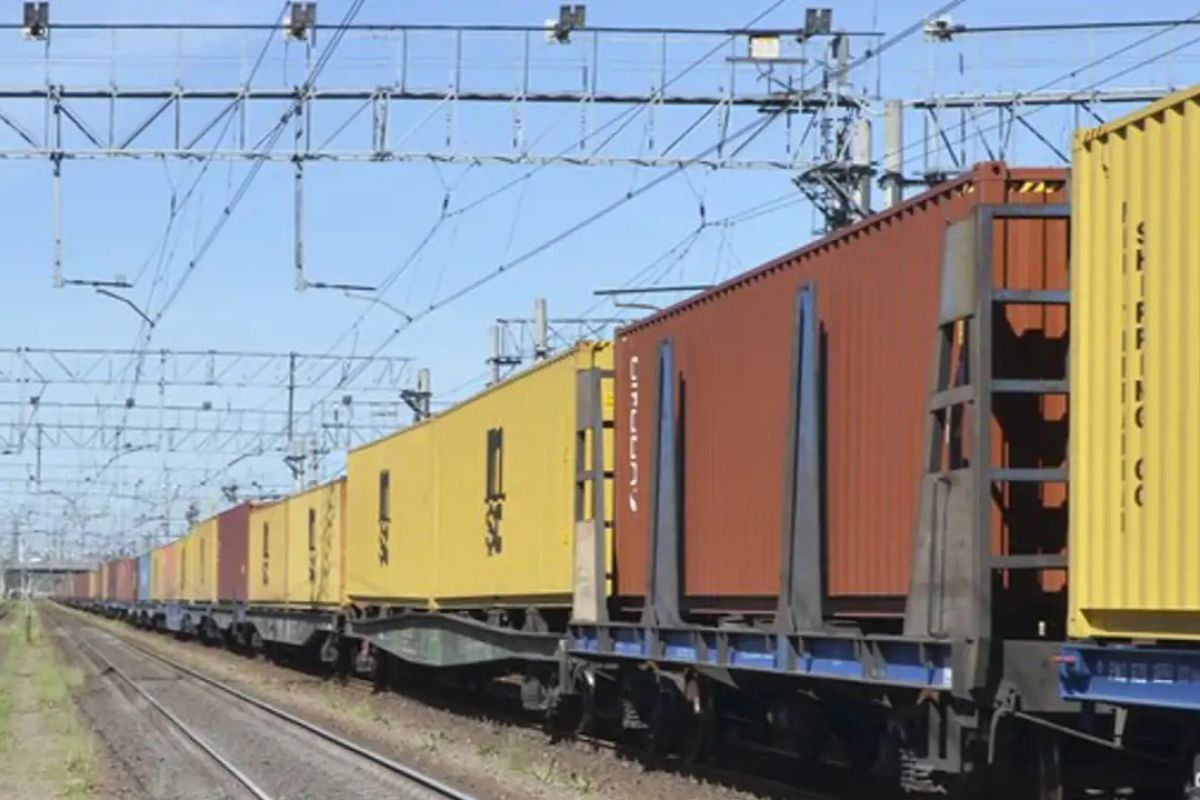
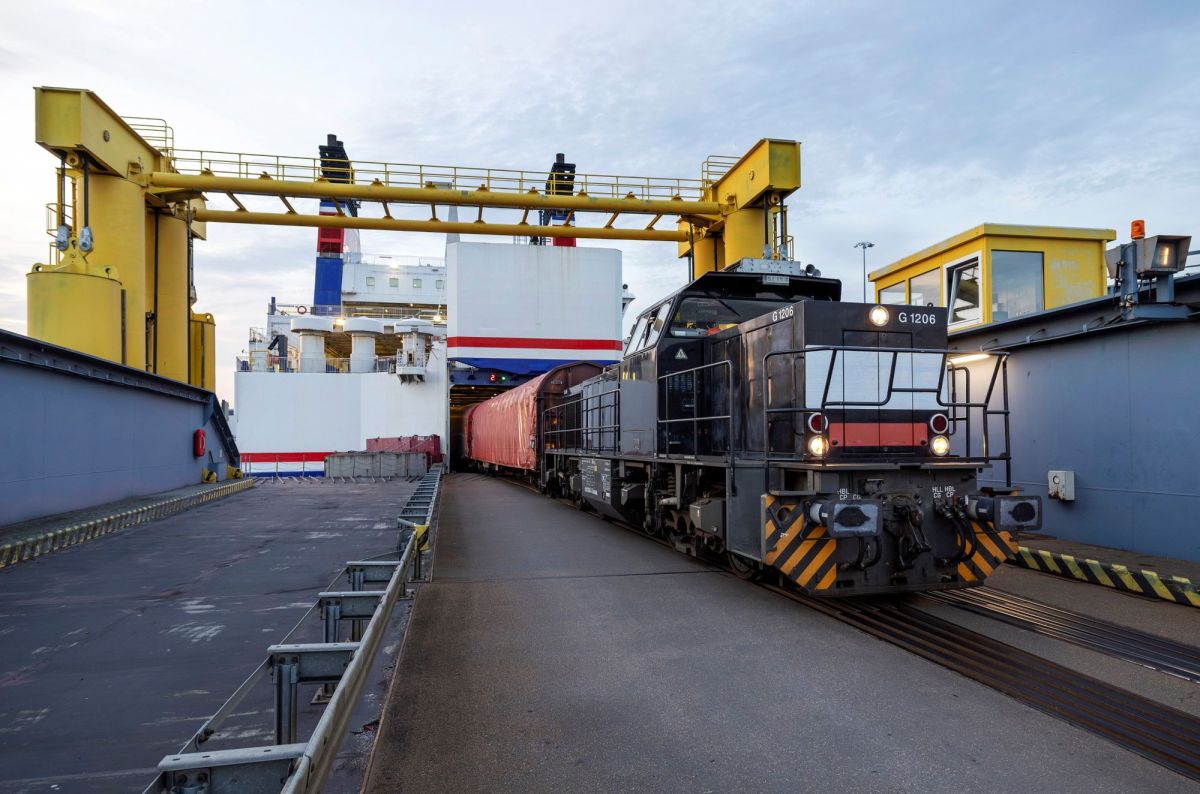
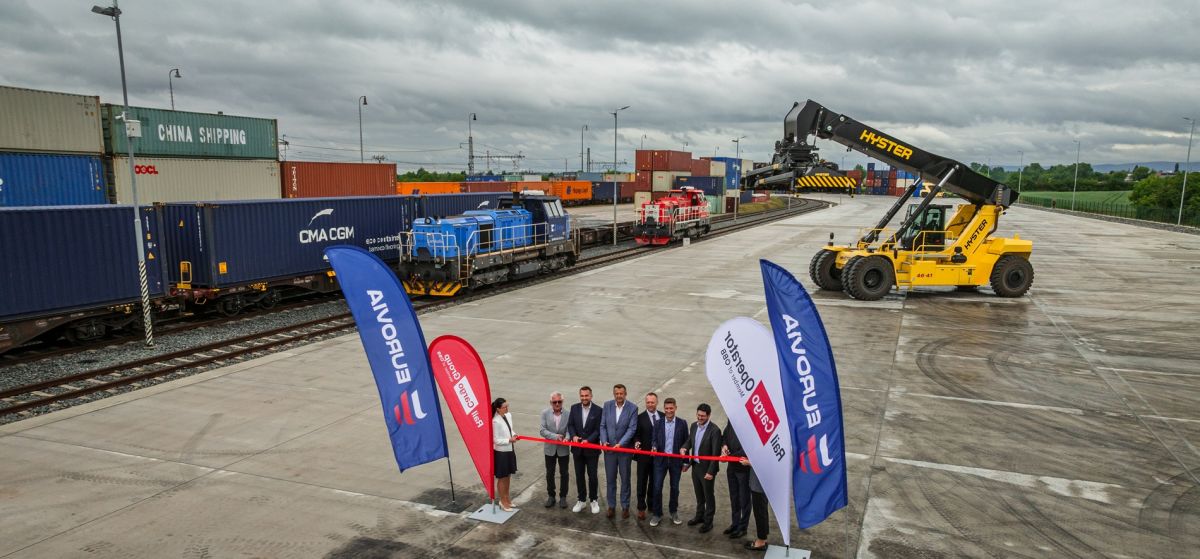
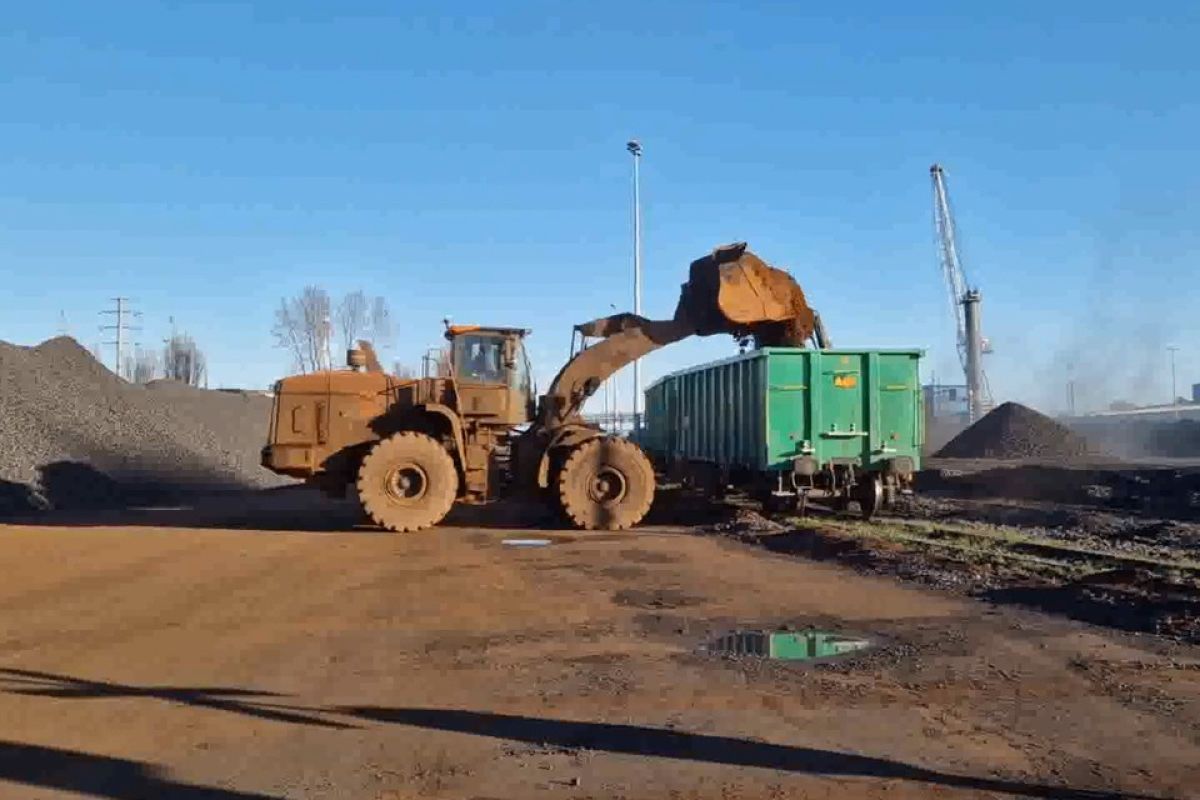
The eastern borders of the European Union, particularly in Slovakia, Hungary, and Poland, feature several key rail terminals facilitating the transshipment of bulk and intermodal goods between the broad-gauge tracks of Ukraine and the standard-gauge tracks of the EU. These facilities are essential for maintaining the flow of commodities across differing rail gauge systems.
Whether it comes to the support of Ukraine during the war, export of raw material agricultural and industrial products from Ukraine, or the planned post-war recovery needs of Ukraine, a strategic allocation of resources is critical to avoid potential future congestions on European side of the railway network.
The differing rail gauges between Ukraine (1,520 mm) and the EU standard (1,435 mm) necessitate transshipment facilities to transfer goods between trains adapted to each system. These hubs function as dry ports, supporting the continuity of trade flows.
Slovakia
- Čierna nad Tisou: Situated at the Slovakia-Ukraine border, this terminal handles the transfer of various goods, with iron ore heading to Czechia and Austria being the dominant. The location serves as a critical juncture where broad and standard gauges intersect, enabling the movement of millions of tons of goods annually.
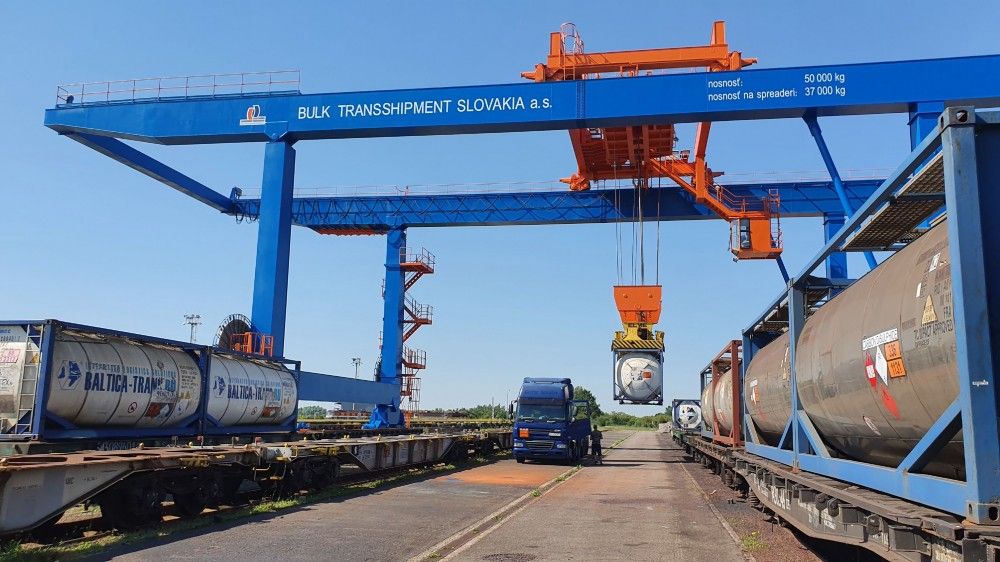
- Dobrá Terminal: Located near the Ukrainian border and connected to Čierna nad Tisou, the Dobrá Combined Transport Terminal is managed by Bulk Transshipment Slovakia in partnership with ZSSK Cargo. The facility supports intermodal transport between Asia and Europe, offering services to multiple operators. The terminal has also been used for Ukrainian agricultural products transshipment over the past few years.
- Interport Terminal in Košice: Interport terminal is undergoing transformation, supported by EU funding of EUR 53 million, to become a modern logistics hub, including the construction of a grain transshipment facility with an hourly capacity of 250 tons. Košice's strategic position serves corridors leading to Adriatic and North Sea ports and an extensive expansion is under way for combined transport transshipment capacities. The terminal is connected to the Ukrainian border with broad-gauge railway line, next to steel mill in Košice, using the line for iron ore transports.
Hungary
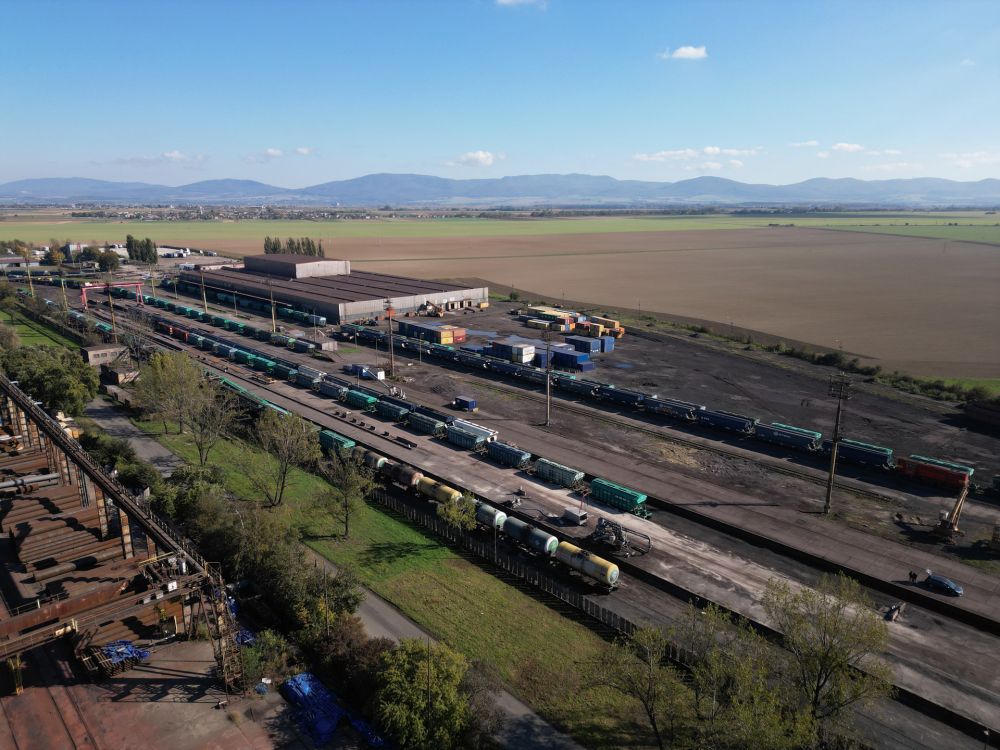
- Záhony Region: At the Hungary-Ukraine border, the Záhony area includes transshipment facilities where Ukrainian broad-gauge lines meet Hungary's standard-gauge infrastructure. The region is undergoing capacity enhancements, supported by EU funding, to improve transshipment capabilities and border control efficiency.
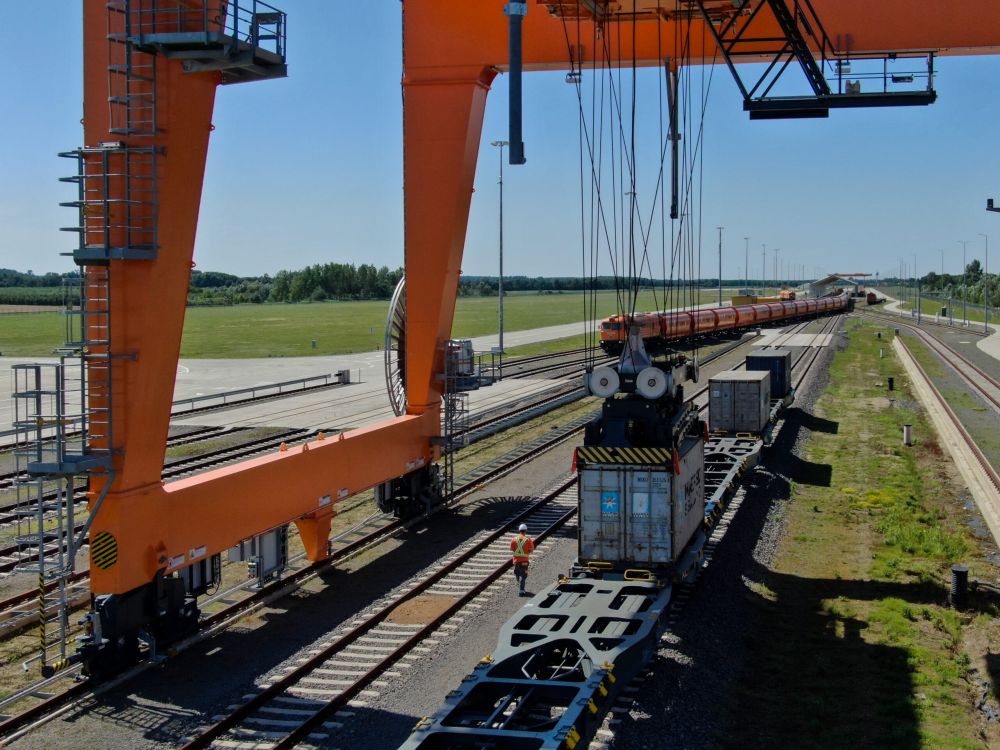
- East-West Gate (EWG) Terminal in Fényeslitke: Touted as Europe's largest and most modern land-based intermodal terminal, EWG operates at the junction of Hungarian standard gauge and Ukrainian broad-gauge railways, facilitating container transshipment between the two systems. Built by the Russian Hungarian consortium, this high-capacity terminal is heavily underused.
Poland
On the Polish side of the border with Ukraine, several rail-based transloading terminals serve as vital gateways for moving cargo into the EU.
The largest is the PKP LHS Hrubieszów Terminal, which lies on the broad-gauge Linia Hutnicza Szerokotorowa and handles bulk commodities (like iron ore and coal), agricultural produce, metals, and has container transloading capabilities.
Dorohusk, another major crossing, offers multi-cargo reloading (including containers) between broad- and standard-gauge rail. Smaller facilities at Medyka (near Przemyśl) and Werchrata specialize in localized freight flows—timber, building materials, and some agricultural goods—though they have more limited capacity for containers.
Further inland, but still on the broad-gauge line, Euroterminal Sławków is a high-volume hub connected directly to Hrubieszów via LHS, providing comprehensive support for bulk cargo, metals, and container traffic deeper within Poland’s industrial heartland.
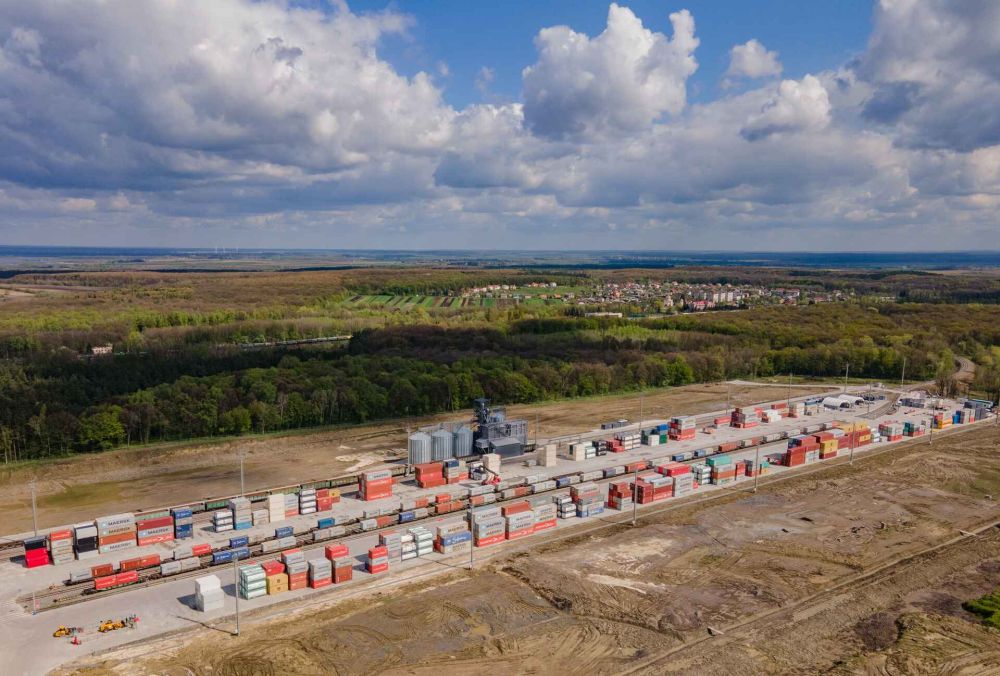
Beyond the EU borders
- Mostyska Container Terminal: Located in Mostyska village, Lviv region, Ukraine, this terminal operates near the Mostyska-II railway border checkpoint. It serves as a critical point for transshipping goods between the Ukrainian and European rail systems.
- MOST Logistic Terminal: Positioned on the border with Poland, MOST Logistic Terminal is connected to both Ukrainian and European seaports by road and rail. It provides services for transshipment of grain, bulk, and other cargo, facilitating export, import, and transit operations.
The Ukrainian side is not lagging behind the capacities. Čop and Batevo with grain silos, Mukachevo with oil and fuel storage facilities, many more terminals with standard-gauge connection from the EU side. In addition, in Ukraine there is the possibility of getting construction permit within three months in an accelerated mode.
Competition and development plans
The terminals in Slovakia, Hungary, and Poland operate in a competitive environment, each aiming to attract and manage freight traffic efficiently. To enhance capacity and meet future demands, several development projects are underway:
In Slovakia, EUR 53 million investment from the EU is directed toward modernizing transshipment capacities in Interport Košice. At the same time, Slovak government stated Čierna nad Tisou terminal as its strategic investment, requesting EU funding for a terminal just 90 kilometers away.
In Hungary, the Záhony region also required funding from the EU to upgrade rail border connections, addressing existing bottlenecks and improving infrastructure.
In Poland, plans include the development of additional transshipment facilities along the LHS line to accommodate increased freight volumes.
And in Ukraine, efforts are underway to construct more standard-gauge lines, such as the Chop–Uzhhorod railway, to integrate more seamlessly with the European rail network.
EU funding considerations
The European Union has allocated substantial funding to enhance transport infrastructure between its member states and Ukraine, focusing on improving cross-border connections and facilitating trade. In June 2023, the European Commission announced an investment of approximately €250 million to upgrade cross-border links between Poland, Slovakia, Hungary, Romania, and Ukraine/Moldova.
However, the distribution of these funds raises questions about potential overcapacity in certain areas while other regions may remain underserved.