Over the last four years, the Czech and Slovak railway markets have faced changes in tenders, the introduction of ETCS, demand for locomotives and the debate on high-speed trains. In an interview with RAILMARKET.com, Dan Kurucz, ALSTOM Country Managing Director for the Czech Republic and Slovakia, talks candidly about administration in tenders, ETCS competition, opportunities in Slovakia, the locomotive market, hydrogen, the development of the metro in Prague and Alstom's large, manufacturing site in Česká Lípa.
DAN KURUCZ ON TENDERS AND ETCS
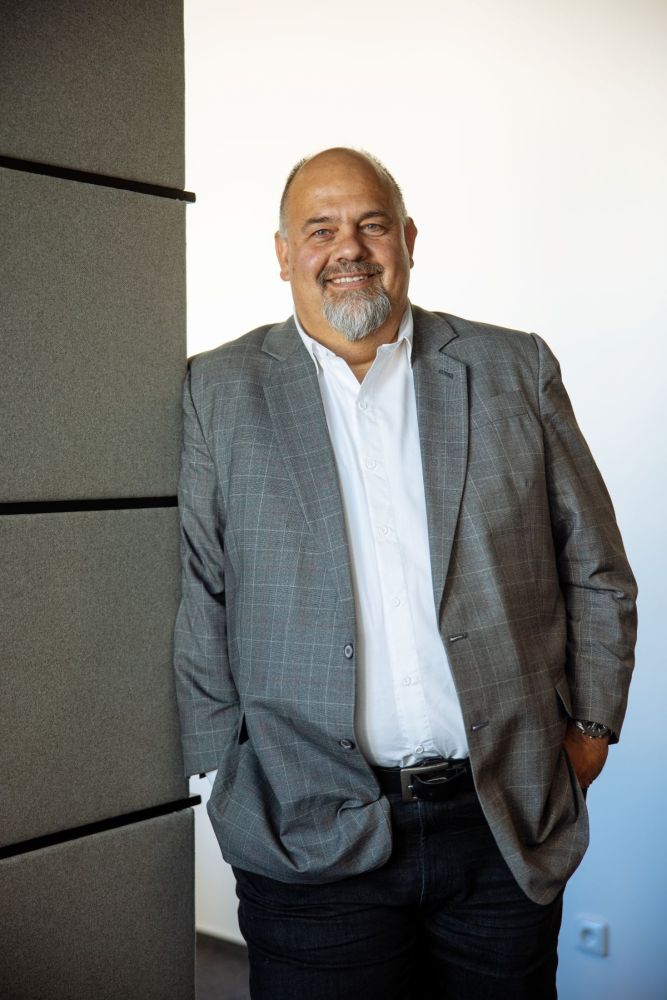
RAILMARKET.com: You have been in your position since September 2021. In retrospect, over the last four years, how do you assess the market situation in the Czech Republic and Slovakia compared to when you started?
Dan Kurucz: There has been a big shift in regional and, in the case of Prague, suburban trains. Some tenders are already underway and others are opening. They have to, because most of the regions' contracts with carriers end between 2028 and 2030. Preparing tenders is not easy and involves long administrative processes. Preparation, consultation and negotiation take so long that I fear there will be very little time left to produce trains in the end.
"Too much time is taken up by administration, it is a long run. This leaves very little time for production. Procurers may be surprised to find that it will take four years to deliver a train."
If there are multiple winners in tenders for regional trains or infrastructure construction or upgrades, that's fine because everyone will be able to cope with the size of the contract. But if only one entity wins everything, capacity may not be able to cope.
We have started the first phase of high-speed transport in the Czech Republic, but support should be stronger in general. The preparation of HSL deserves more attention and investment. PPP projects are being discussed. I think they should be supported because this often means faster construction. Although usually also more expensive.
As for ETCS, when I came to Alstom in 2021, people doubted whether it would even be introduced. Thanks to the persistence of Transport Minister Martin Kupka, the deadline remained firm, and on 1 January 2025, the Czech Republic began to gradually switch to exclusive ETCS operation on the main corridors. This was a great success! The integration was very fast, and even though there were some difficulties here and there from the rapid implementation - on-board and track-side units had to be adjusted on the fly - the overall result, with more than 99.7% reliability, is very, very good.
RAILMARKET.com: The Czech Republic is one of the leading countries in Europe in ETCS deployment. How is it perceived abroad?
Dan Kurucz: At first glance it looks like we are ahead, but it is possible to look at it from several angles. Many countries have implemented ETCS but have kept their national system.
"We are the first to switch off the national system and go exclusively to ETCS."
Was that the right decision? It is difficult to judge. In Belgium, Denmark or Spain, for example, they operated both systems in parallel and switched to the European signalling system gradually. But the Czech national system was not suitable for parallel operation with ETCS, so it had to be switched off. This moved the Czech Republic forward, even though we had no choice.
RAILMARKET.com: Alstom has a strong presence in the Czech Republic in the field of on-board ETCS. Do you expect this to continue?
Dan Kurucz: Yes, on-board units will continue to grow. We were the first with them here, so we have gained a majority share. We still hold a large part of the market, but now Siemens, CAF and Stadler are also active, and Skoda is also investing. This competition is helping to speed up implementation and reduce costs.
"The bottleneck may be the track section, where one supplier now has a 100% share. Even if it works well, it is running at full capacity. The market needs more competition in this area."
As the largest supplier in the field of signalling, we tried to apply in one of the large tenders, but we were excluded from this tender already at the moment of qualification (Kralupy n. Vltavou - Dolní Žleb on the border with Germany). We tried an appeal to the Office of Competition and Consumer Protection, which was only half successful - of the two reasons for exclusion, one was not accepted by the Office of Competition and the other was. But we did not file a lawsuit in the civil court, as the long decision process makes it ineffective to go that path.
As for the infrastructure tenders, there are two areas on the table to address. The first is the size of the contract. It is not economically sensible for new players to homologate equipment only for 20 kilometres It is necessary to compete longer routes.. The second area is the interface. The existing signalling equipment is from one supplier and access to the interfaces is not guaranteed. Without regulation, where everyone has the same starting conditions, new players cannot be competitive. We have shown the Czech authorities an example from Madrid where two suppliers operate side by side. In Spain, five companies share the market overall. In this country, the situation is still very different.
RAILMARKET.com: What share does ETCS have in your Czech business?
Kurucz: Between 2023 and 2025, ETCS account for around 30-40% of our business.
RAILMARKET.com: How do you see ETCS in Slovakia?
Kurucz: The administrative process is simpler here and the market is more open than in the Czech Republic.
"When it comes to track-side ETCS, the Slovak market is surprisingly more open than the Czech market."
Alstom plans to get involved. Slovakia will launch further tenders and we see opportunities here. Localisation is also important - we support cooperation with Slovak companies, I see that as key.
DAN KURUCZ ON HIGH-SPEED TRAINS
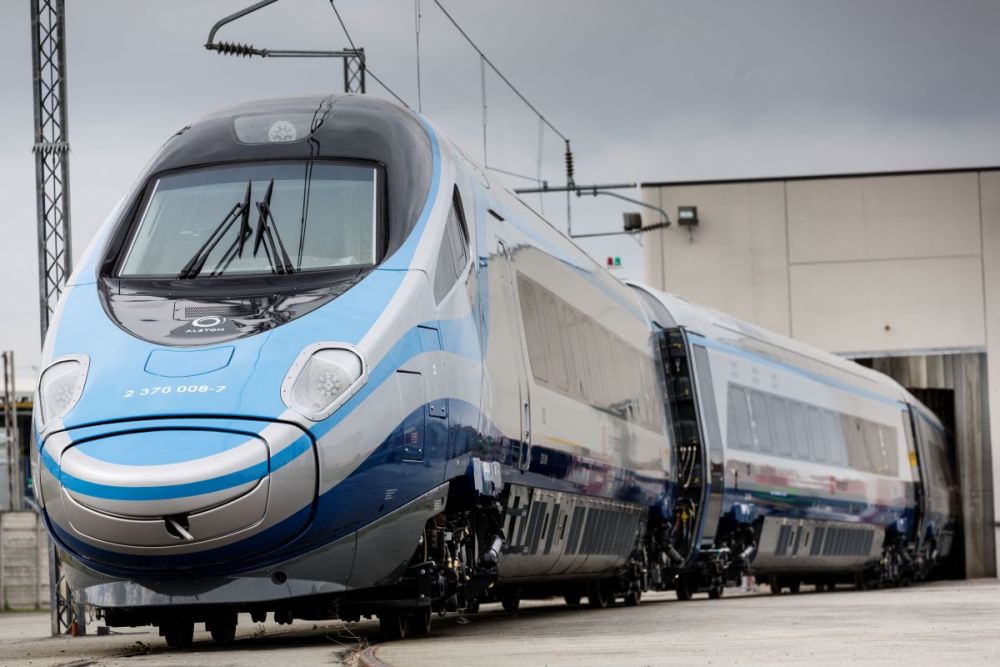
RAILMARKET.com: What about high-speed trains in the Czech Republic?
Kurucz: We haven't made much progress yet in Czech Republic. It hasn't even been decided whether the trains will be purchased by the Ministry or by the carriers. It has to be said that if it remains up to the carriers, the private ones will not be able to afford it. High-speed trains should be acquired by the state and then leased out.
"The authorities could be surprised - delivery times for 320 km/h trains are long. At least several years."
RAILMARKET.com: Would Alstom supply high-speed trains for the Czech Republic?
Kurucz: Yes. The Avelia systems, which are now running all over the world, e.g. in France (as the TGV) or in the USA, are also suitable for our market with certain modifications. Ideally, we would like to see them on the Berlin-Vienna route.
DAN KURUCZ ON THE SLOVAK MARKET AND TENDERS
RAILMARKET.com: In Slovakia the tenders are still similar, most of the transport is provided by ZSSK. Do you see opportunities here?
Kurucz: Yes and no. Slovakia is more centralized. Only the ministry orders , which has its advantages. In the Czech Republic, 13 regions order transport separately, which is fragmented and inefficient. The regional tenders in our country are small - so each tender has a relatively small number of vehicles. This discourages competition and increases prices. "Joint procurement would save huge amounts of money - millions per unit."
In addition, we see opportunities for local partners - we already work with Trnava and Vrútky, and Zvolen could be a good base for servicing locomotives.
DAN KURUCZ ON LOCOMOTIVES
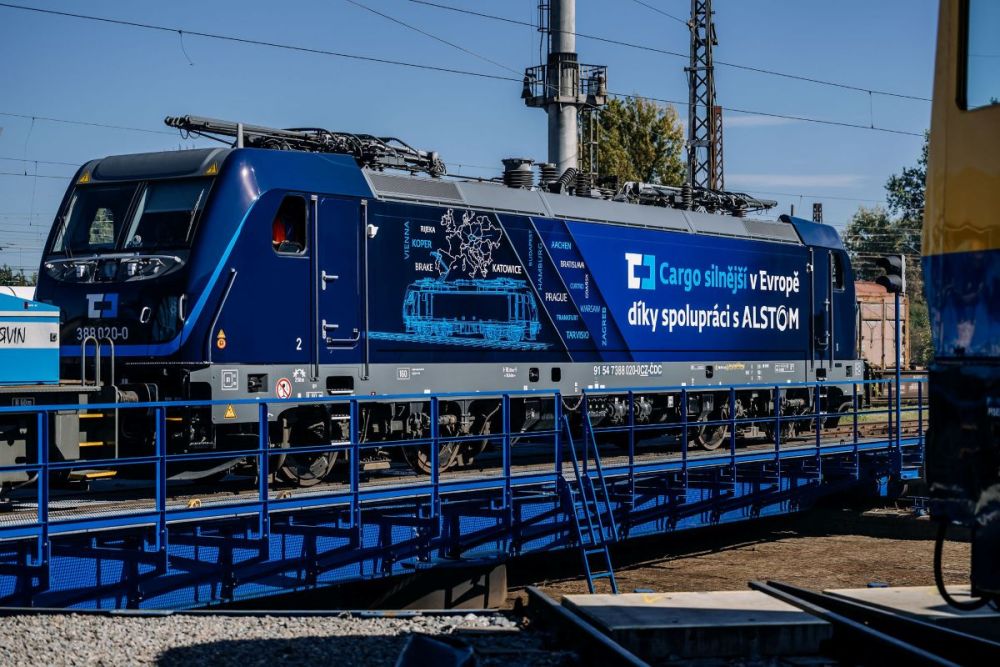
RAILMARKET.com: How do you perceive the locomotive market?
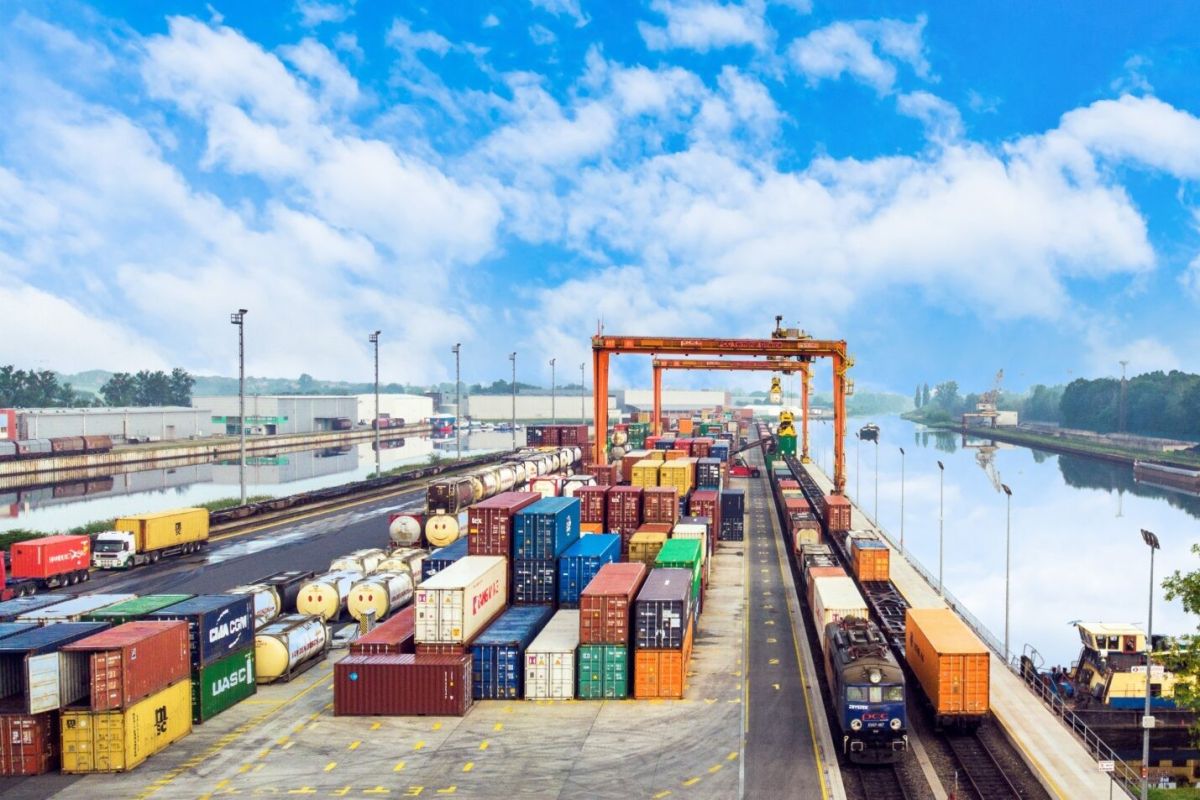
Kurucz: In the Czech Republic, demand is decreasing. The volume of freight transport, such as the transport of coal or iron ore, has decreased significantly. The Ostrava yards are empty. But intermodal transport is growing.
"Traditional loads like coal are disappearing. The future is in intermodal transport."
Some passenger carriers are still buying a number of high-speed locomotives, which doesn't make economic sense - a few are needed, but not dozens.
In Slovakia, for example, ZSSK Cargo needs to renew its fleet. It deserves new locomotives, although it is questionable whether issuing a tender for the lease of locomotives and at the same time clearly specify the locomotive brand encourages competition. It would be happy to have opportunity to present the features of our locomotives to the Slovakian customer.
RAILMARKET.com: Let's go back to locomotives in general. In Western Europe, there is now a strong leaning towards multi-system locomotives - either last-mile or fully dual-source. Stadler's Eurodual is selling well in Germany and elsewhere. What is Alstom's position in this area?
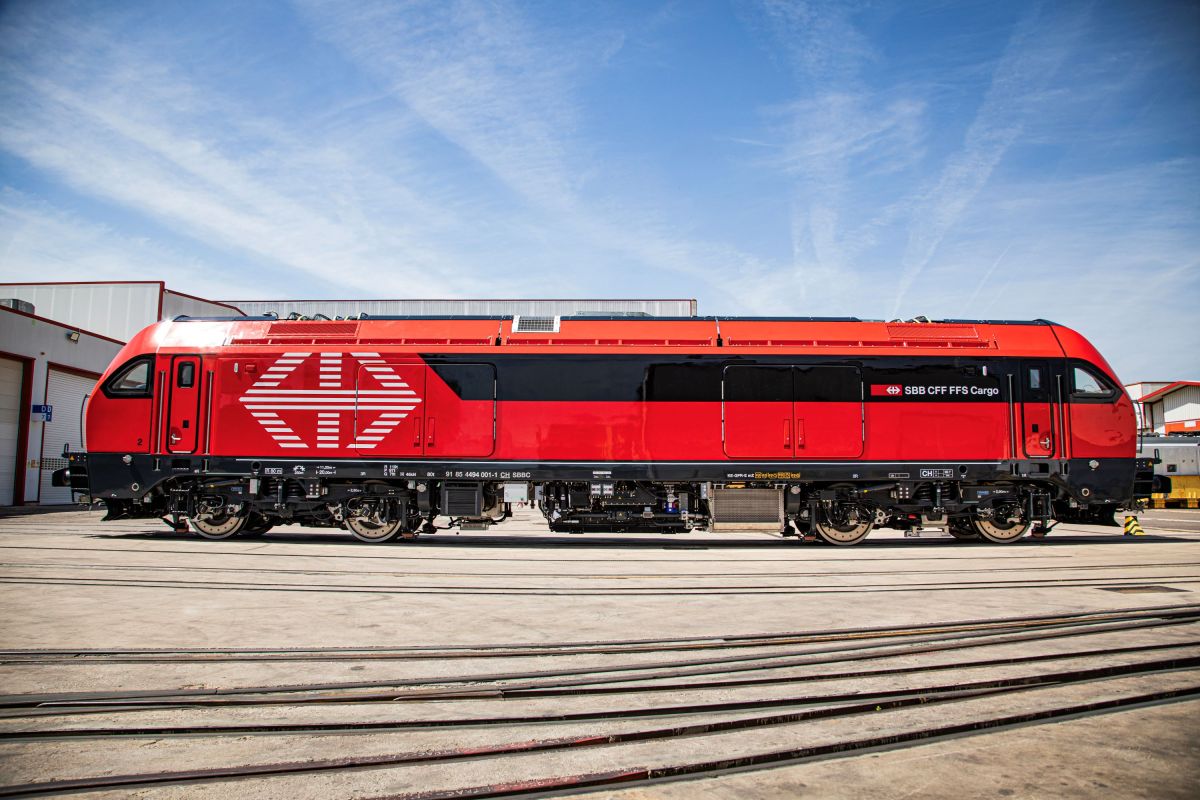
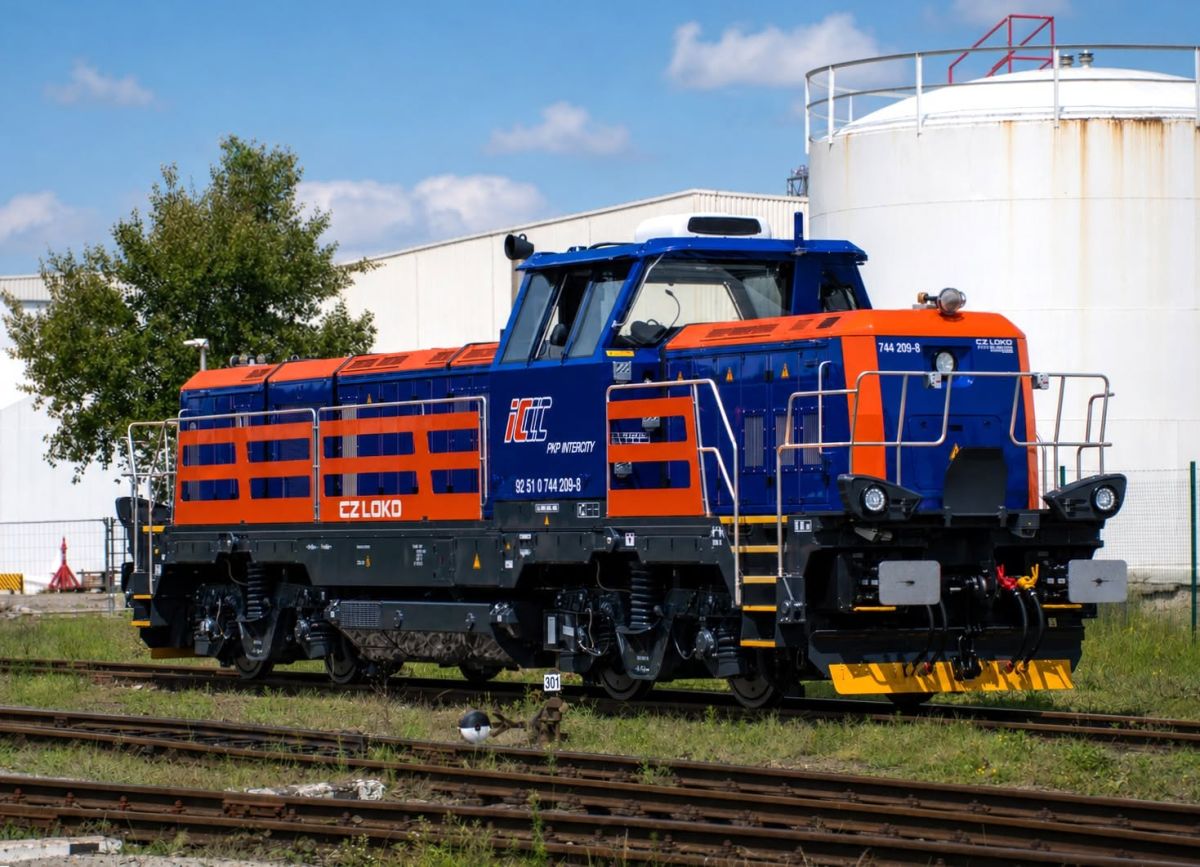
Kurucz: We are very active. We have a number of Traxx locomotives. We supply Traxxes with the so-called last mile, i.e. in addition to electric traction with a small diesel engine. And we have already tested battery versions, so we can expect them to come to the market soon. As for the traditional large diesel locomotives: when I joined Alstom, the company decided to leave this segment. Alstom was very strict - it kept only two diesel locomotives, beautiful 2.5 MW machines that we finished and sold, and that was the end of this powertrain at Alstom. So the big diesel locomotives are no longer in our portfolio.
RAILMARKET.com: In addition to Traxx, Alstom also has what we call Traxx Shunter, shunting locomotives. Do you see room for them in the Czech Republic and Slovakia, since there are also domestic manufacturers of diesel and dual-source locomotives?
Kurucz: Yes, definitely. We are negotiating with Czech manufacturers, and we have a good cooperation with them. I think the market is big enough for all operators. In addition, there are opportunities for cooperation within wider Europe, so I see that as a positive. What could be problematic, especially in Slovakia, is financing. As freight volumes fall, it may happen that classic locomotives that have already been purchased will start to be used as shunting locomotives, because buying new ones is currently too expensive.
DAN KURUCZ ON METRO AND URBAN TRANSPORT
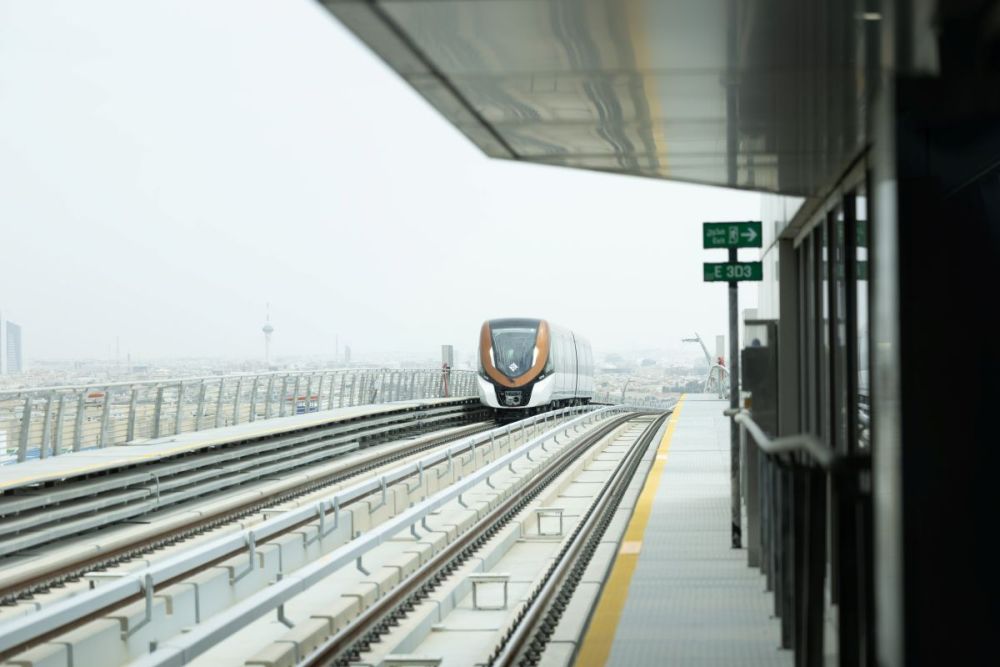
RAILMARKET.com: Let's go to urban transport. The Prague metro is planning big investments - both in new trains and in automation. How do you see the role of Alstom?
Dan Kurucz: The key topic now is of course the D line, but also the replacement of trains on the C line, where Siemens units are running. On lines A and B there are trains from the Soviet era, which have been fundamentally modernised by Škoda. I think that the decision of the Prague transport company to go the way of the most modern automatic metro (GoA-4) is definitely the right one. It can significantly reduce the intervals, from three minutes to one and a half minutes. This means up to a doubling of capacity, which is really needed, especially at peak times when the metro is overcrowded. Prague's transport will be significantly relieved. It makes sense, but it must be approached with caution, with respect, and by looking at how it is done abroad.
RAILMARKET.com: Automation is a sensitive subject. Some people are worried about safety or jobs. How is it being handled elsewhere?
Kurucz: I think it's a question of clear communication. In many countries, unattended systems have already been introduced - for example, in Paris or Madrid they have had automated lines for years. The important thing is to show that it works and that it is safe. It is not just about the trains themselves - new signalling equipment is also needed. We have presented the example of Madrid, where they have upgraded security on a section-by-section basis. This allowed the line to keep running during the upgrade. So it is about learning from experience elsewhere and applying it here.
DAN KURUCZ ABOUT THE FACTORY IN ČESKÁ LÍPA
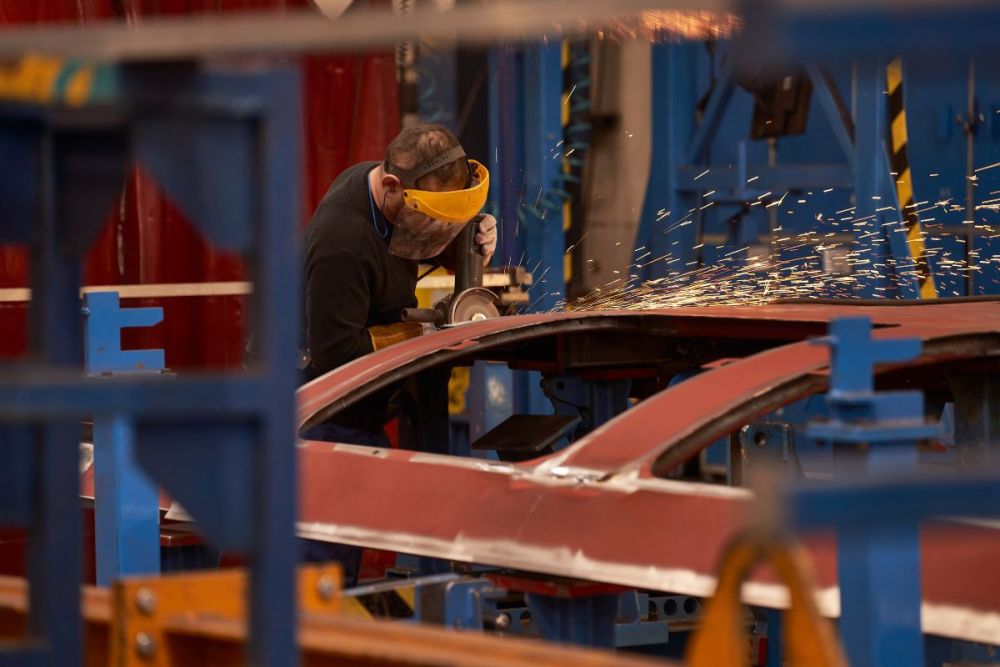
RAILMARKET.com: Many people say that there is only one "domestic" manufacturer in the Czech Republic. What is the position of Alstom?
Kurucz: We have 1,300 employees in Česká Lípa - we are the second largest manufacturer of rolling stock in the country. The factory produces car bodies for projects all over Europe, including, for example, commuter trains for Paris. "When you land at Charles de Gaulle Airport and take the train to Paris, you are sitting in a product from the Czech Republic."
RAILMARKET.com: What makes this factory special compared to others within the Alstom Group?
Kurucz: The site in Česká Lípa is very specialised. Our expertise is in welding carbon and stainless steel and construction of car bodies. The group also produces aluminium housings at other plants, but for steel and stainless steel, the Česká Lípa site is key for Alstom. We even have our own welding school, because demand is high and experienced, quality welders are certainly not easy to find. That's why we train them ourselves. And we don't just employ Czechs - people from about 15 countries work in our plant. Of course, we cooperate with domestic suppliers - from South Bohemia in the southwest to Moravia in the east. In total, several hundred jobs are linked to our supply chain. So even though Alstom is an international company, in practice we are a Czech manufacturer with deep Czech roots.
RAILMARKET.com: You mentioned regional suppliers. How important are they to your operations?
Kurucz: They are very important to us. Every week we receive dozens of deliveries from Czech suppliers - components, materials, semi-finished products. This creates economic stability for the region and for the local industry. Alstom is an international company, but at the same time we create local jobs, develop local know-how and strengthen Czech industry!
RAILMARKET.com: There is a new government in the Czech Republic. How do you perceive its possible impact on the railway business so far?
Kurucz: I perceive the new government very positively from the perspective of railway transport, or rather public transport.
There is a lot of room for investment in railway transport, both passenger and freight. For example, in increasing the capacity of selected corridors to three-track, and other lines to double-track. Investments in electrification where freight transport is still strong would also be very helpful, as well as in the conversion to a 25kV voltage system.
The new Minister of Transport understands very well the problems that rail freight transport is currently facing. And I believe that his appointment will support restructuring and measures to support it.