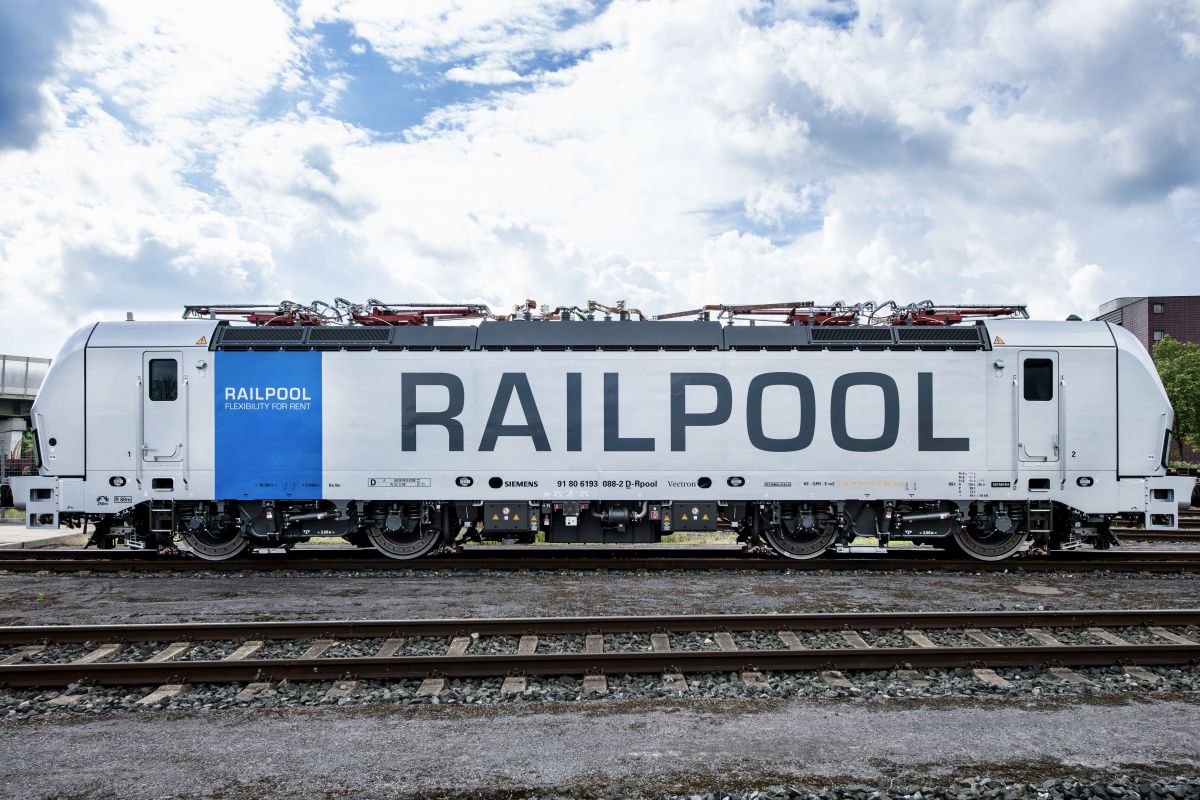

KfW backs RAILPOOL fleet expansion by €100 million
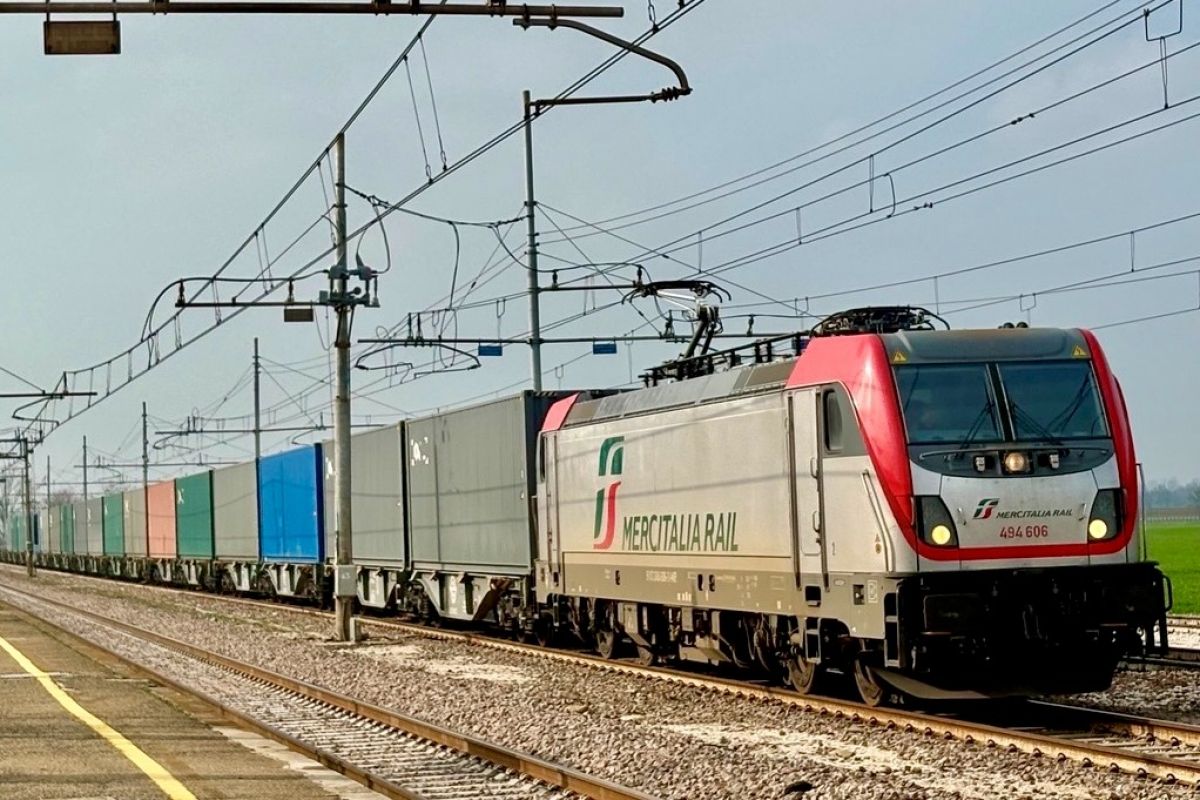
RAILPOOL has secured a €100 million loan to finance new locomotives, supporting rail freight growth and decarbonisation in Germany.
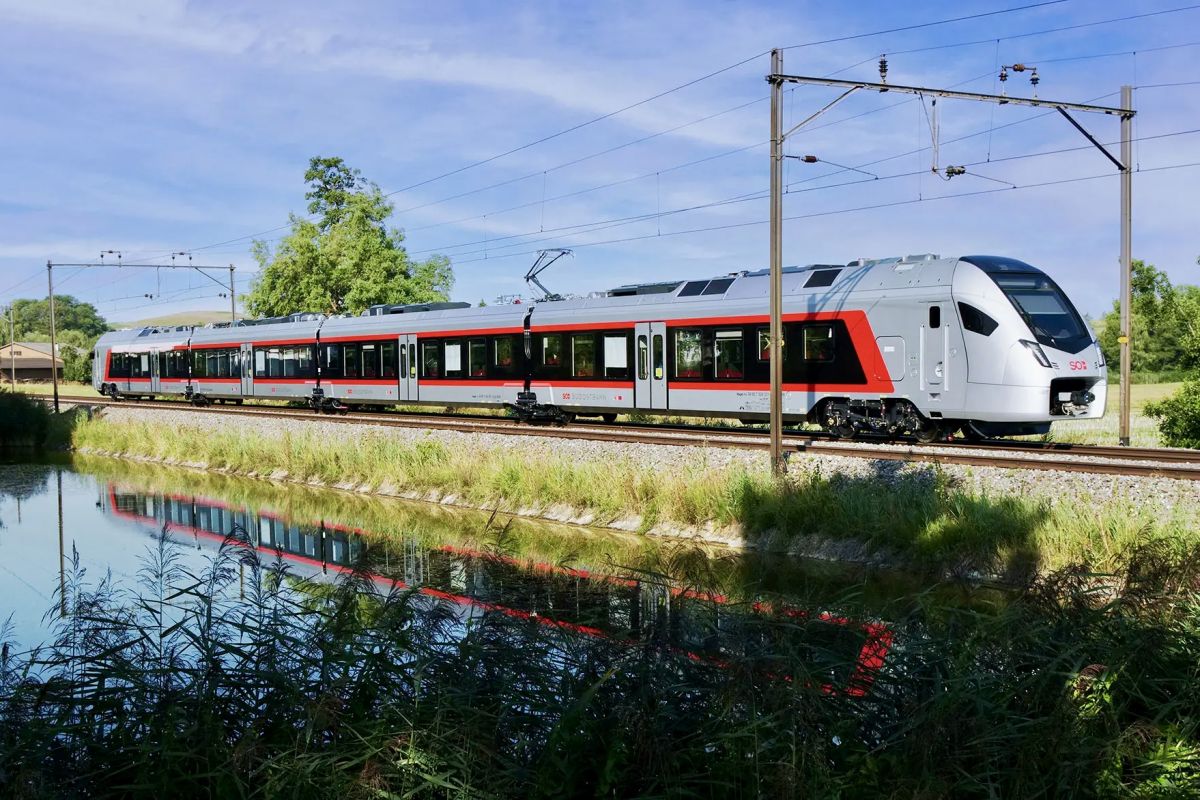
Stadler has withdrawn its appeal against SBB’s double-deck train contract award to Siemens, bringing the dispute to a close.
Hitachi Rail will manufacture a new fine dining train for Seibu Railway, targeting a premium onboard experience ahead of its 2028 launch.
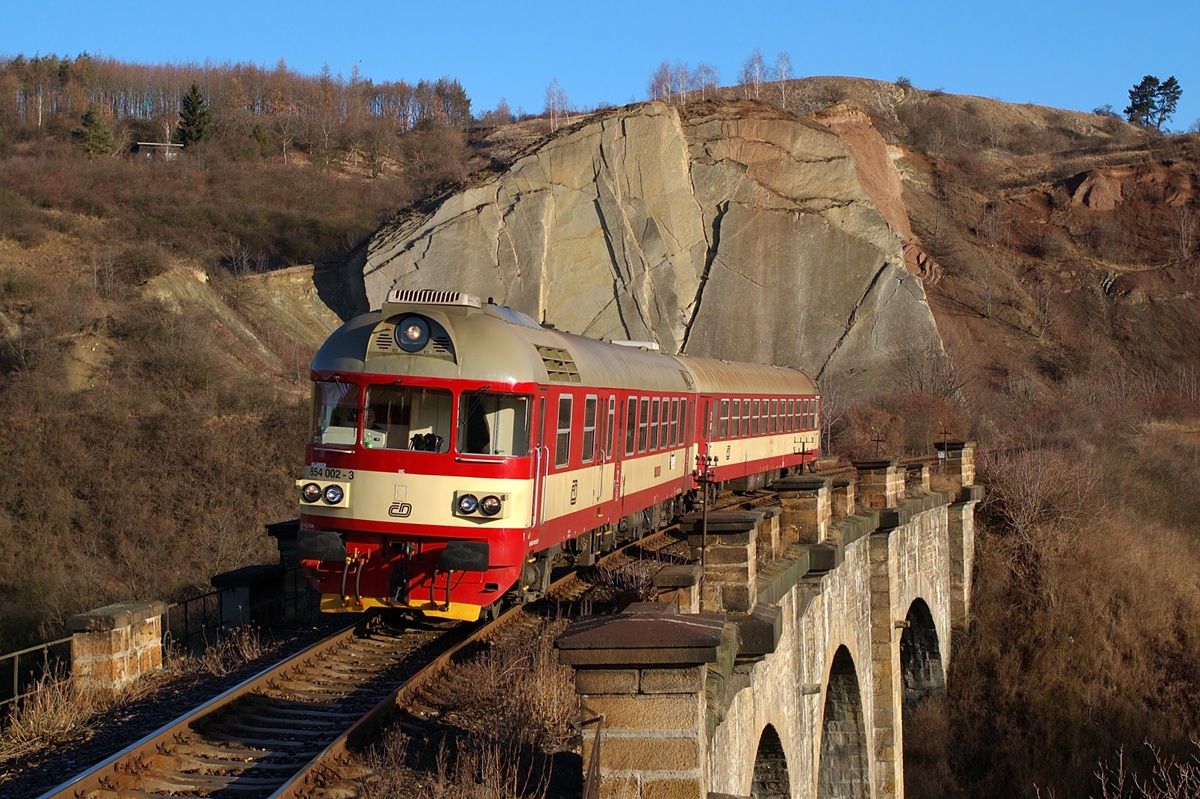
Lithuania has completed first electric test runs on its main Vilnius–Klaipėda line, as the country’s largest rail electrification project nears completion.
A new hydrogen plant at the Port of Tilbury will support the decarbonisation of logistics and heavy transport, including rail-linked operations.
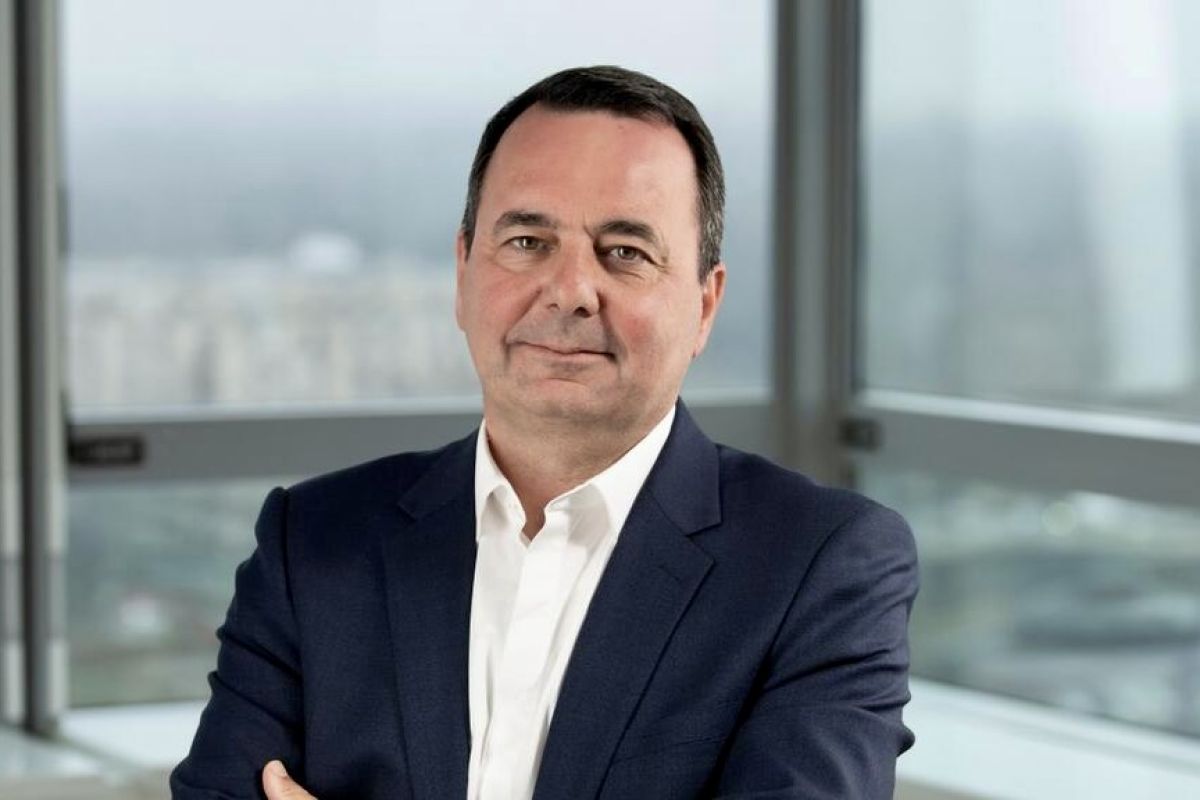
Alstom has officially appointed Martin Sion as CEO, completing a leadership transition announced last year.
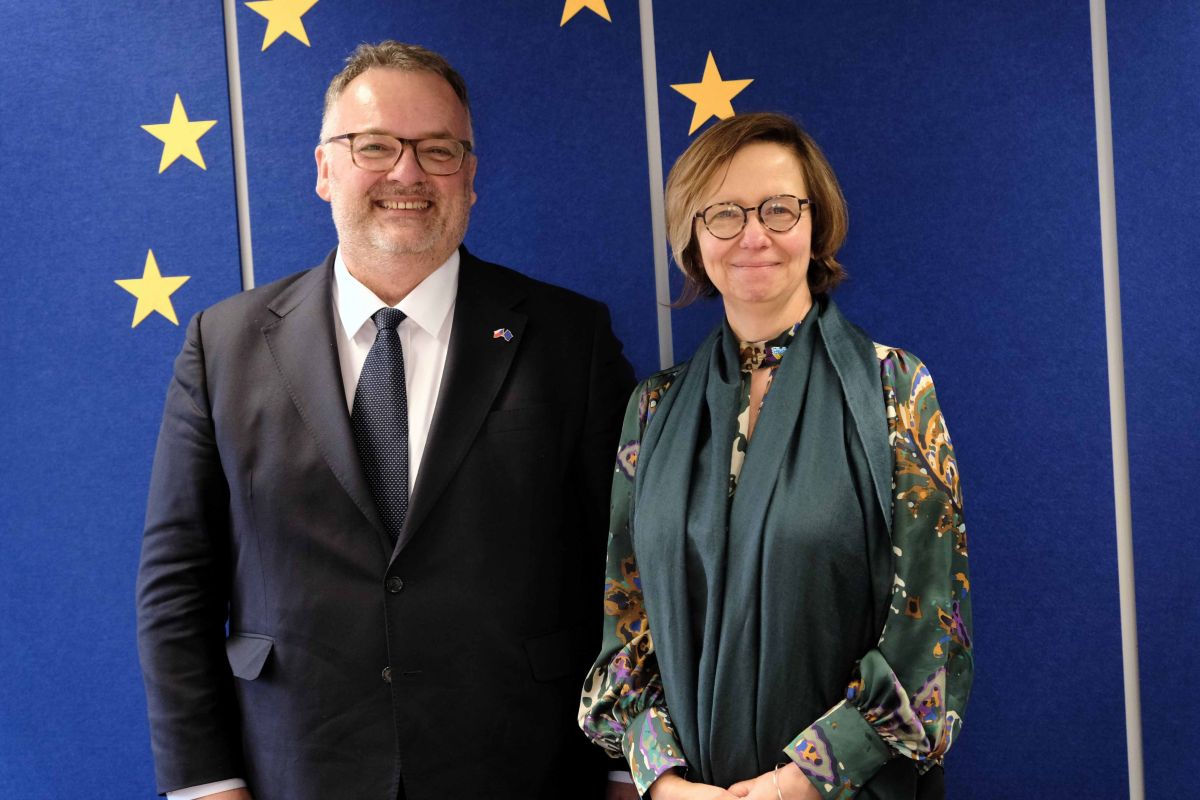
The Czech transport minister has called for stronger EU funding for rail infrastructure and urgent measures to support rail freight competitiveness.
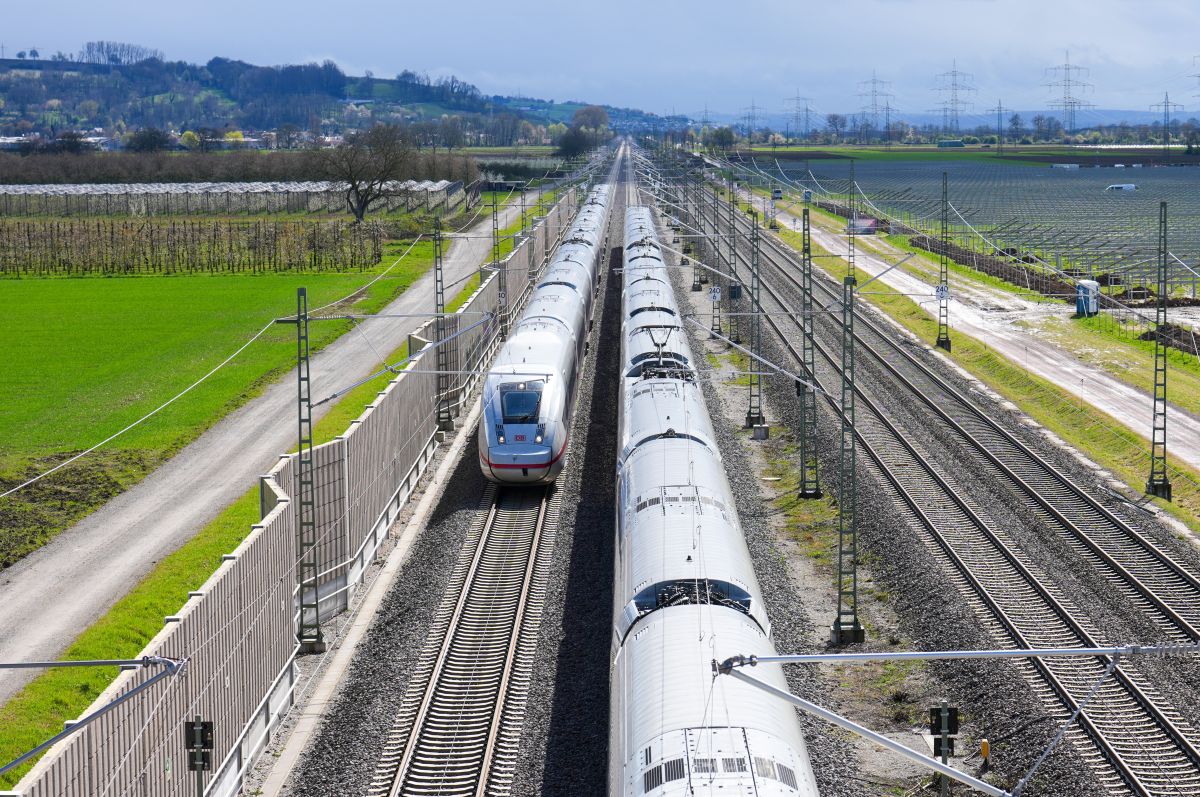
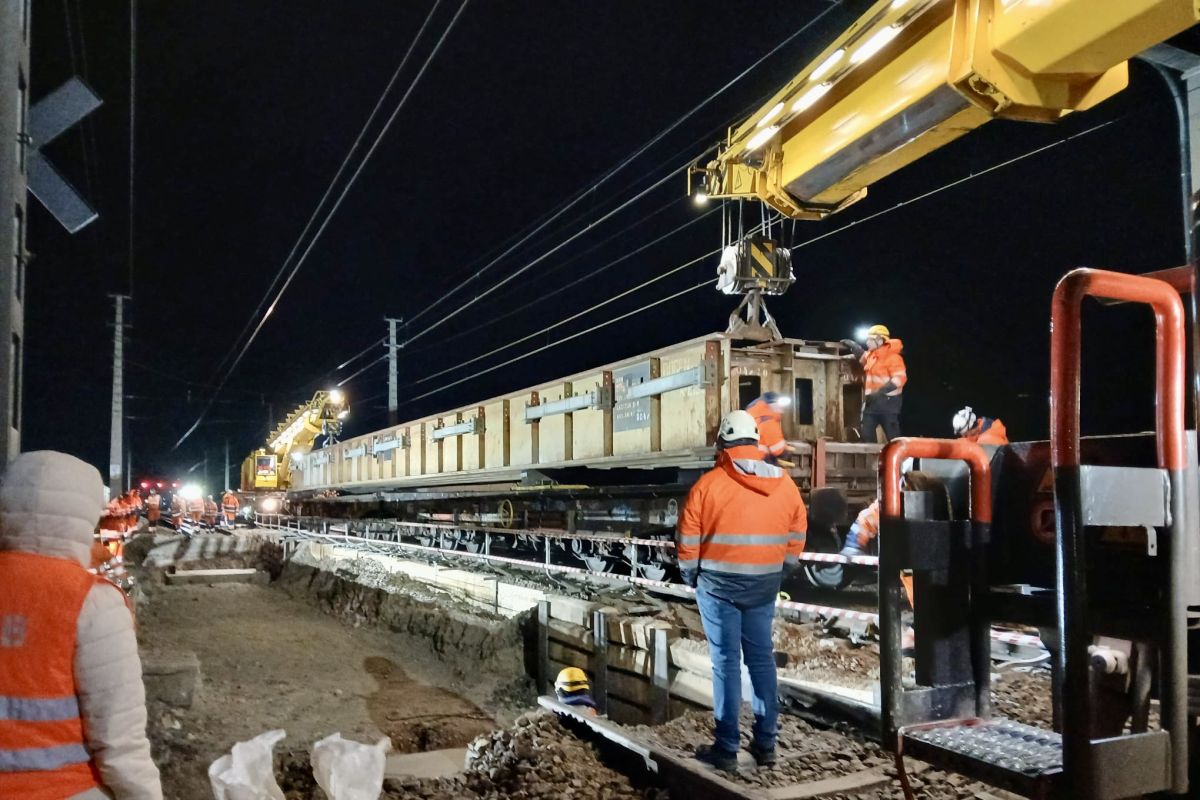
Germany has completed a key upgrade on the Rhine Valley line, increasing capacity and reliability on one of Europe’s busiest rail freight corridors.
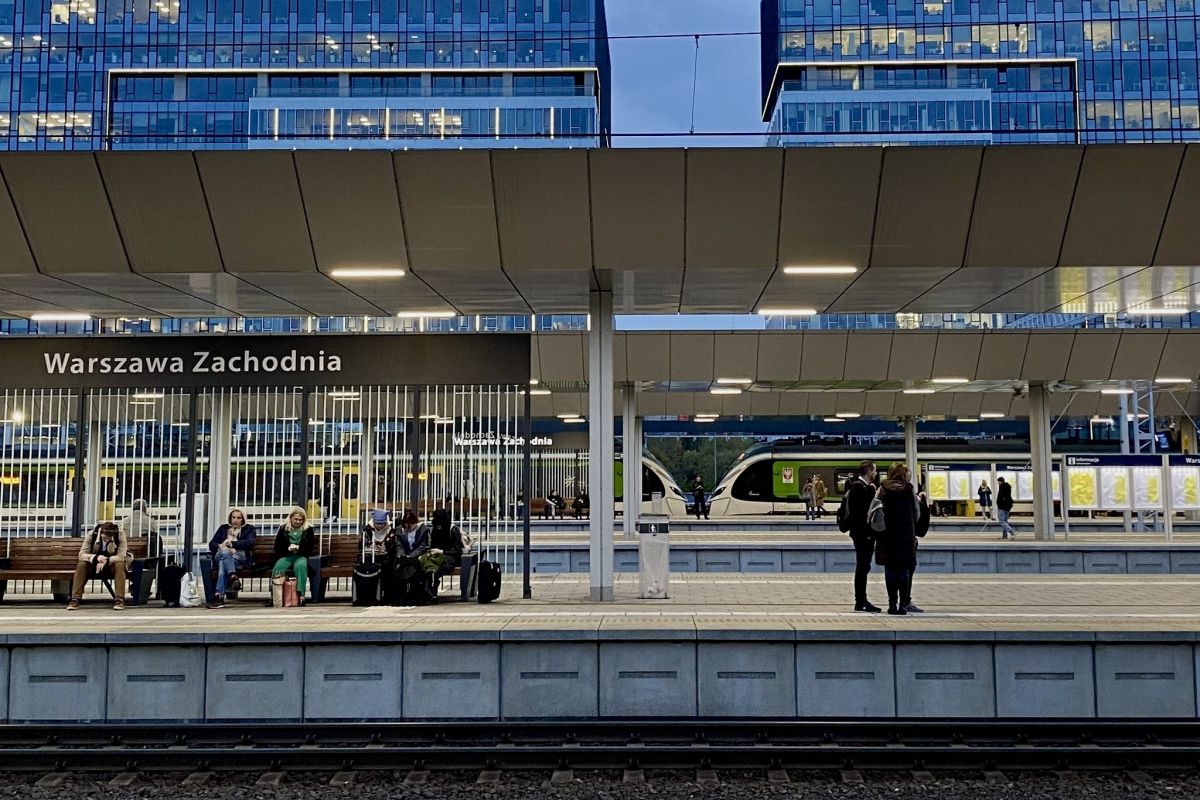
Rail passenger traffic in Poland continued to grow at the start of 2026, while freight volumes remained under pressure despite a slight monthly recovery.
Alstom has appointed Yael Rosenman Gross as Managing Director in Israel, strengthening its leadership in a growing rail market.
ÖBB is expanding Wiener Neustadt station to boost capacity on Austria’s key southbound rail corridor, with four tracks planned by 2029.
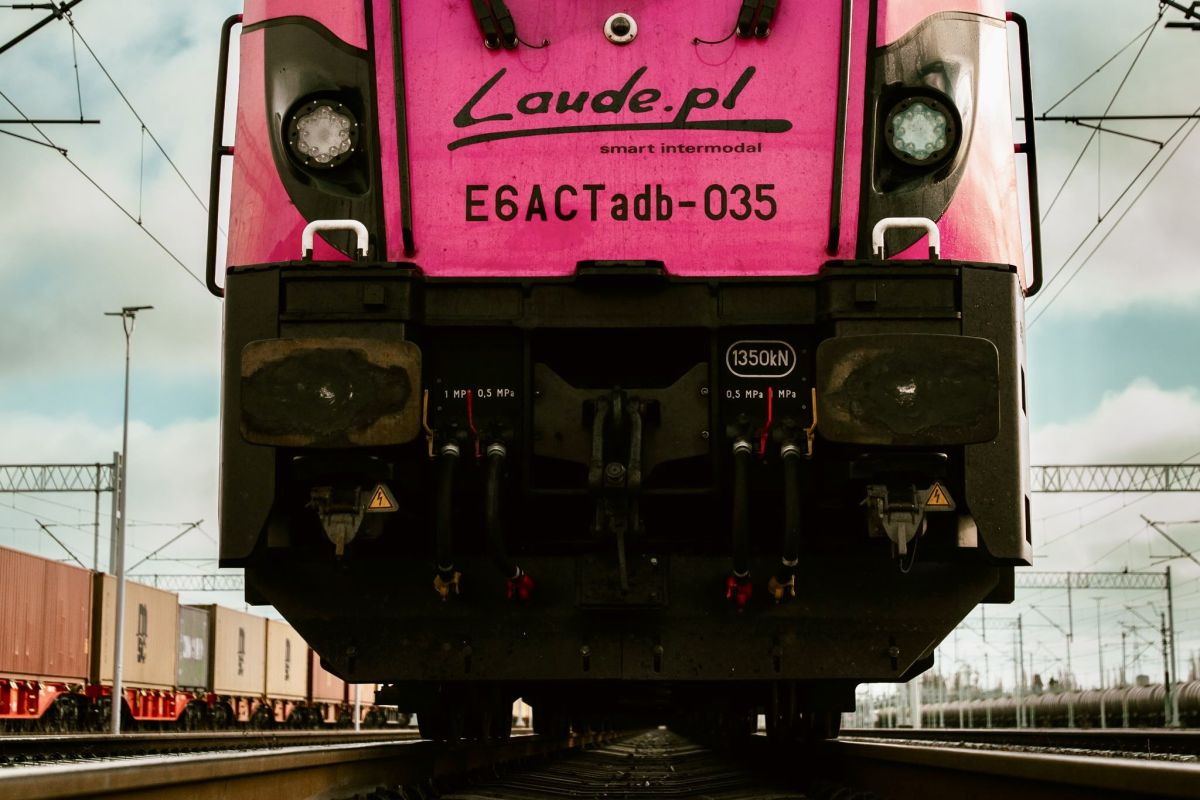
Laude Smart Intermodal is expanding rail connections from Duisburg into Central Europe, with further extensions planned towards Italy, Ukraine and Turkey.
GB Railfreight has launched a CEO succession process and announced two senior promotions as it marks 25 years in operation.
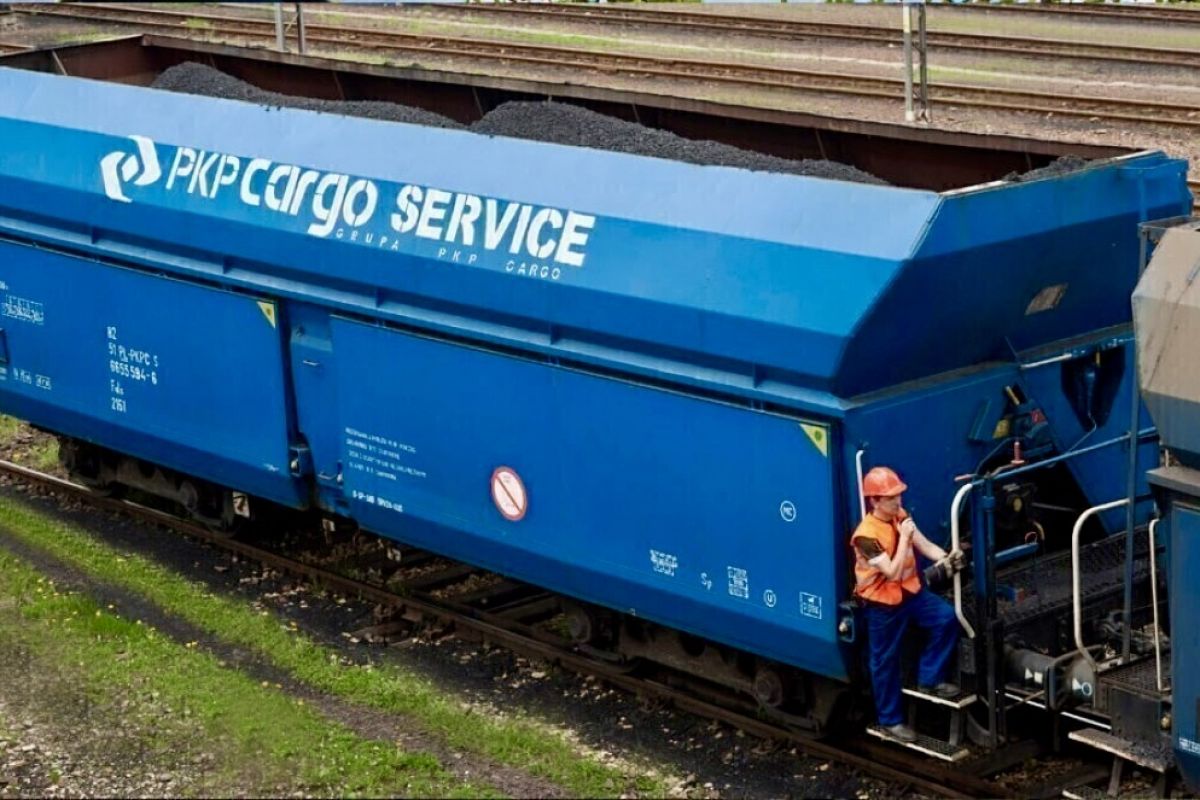
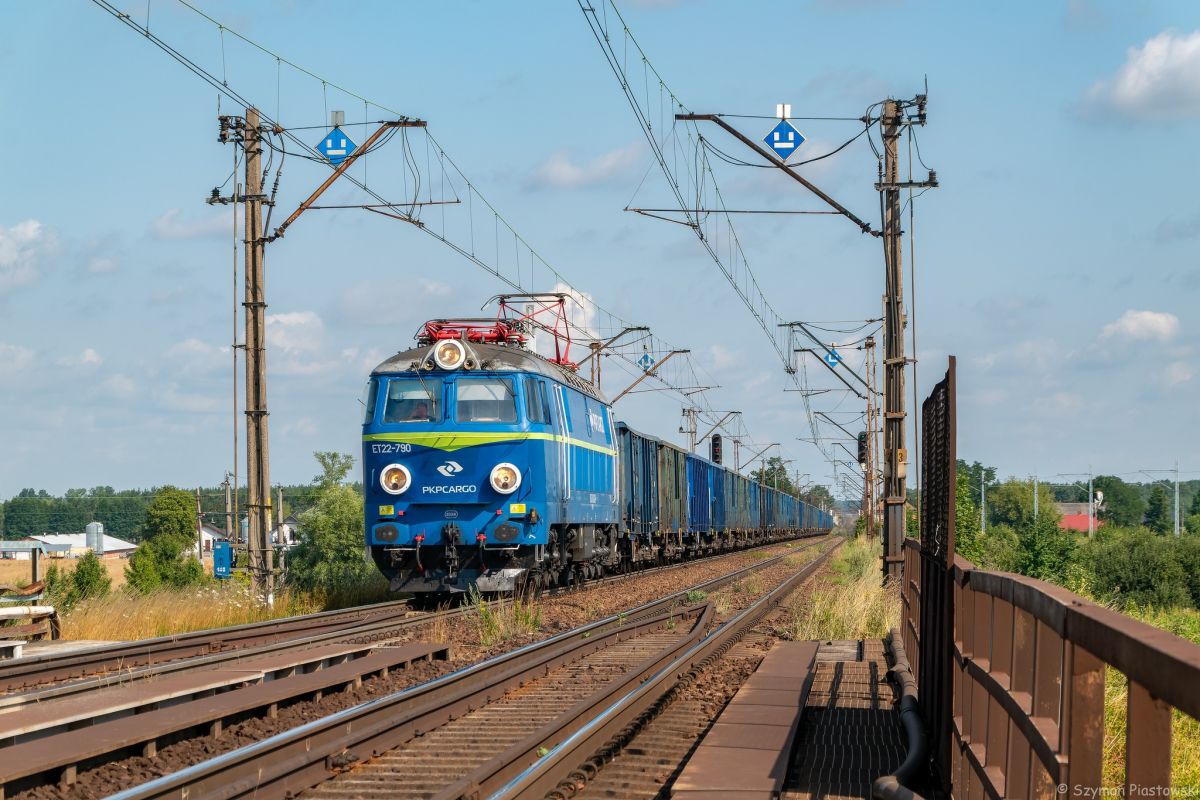
PKP Cargo Service has appointed a new CEO and board member, strengthening its management team within the Polish rail freight group.
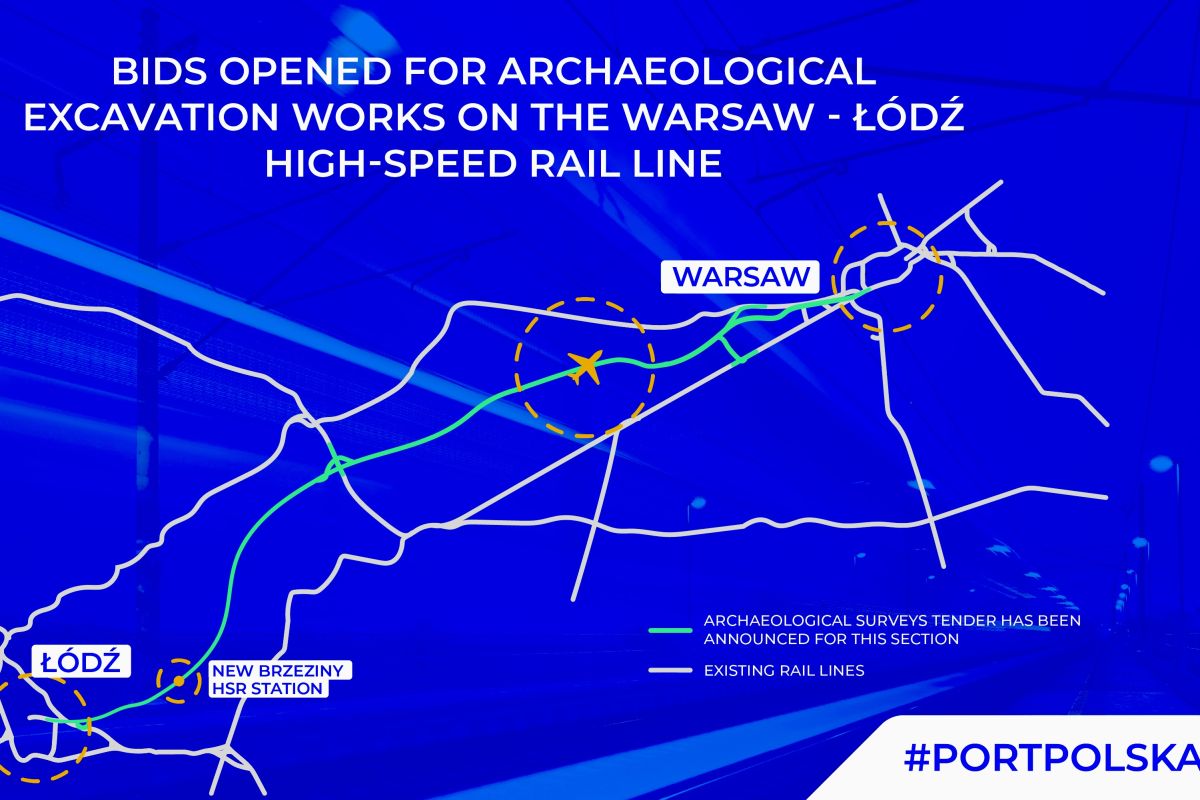
Eight bidders have submitted offers for archaeological works on Poland’s Warsaw–Łódź high-speed rail line, a key section of the CPK programme.
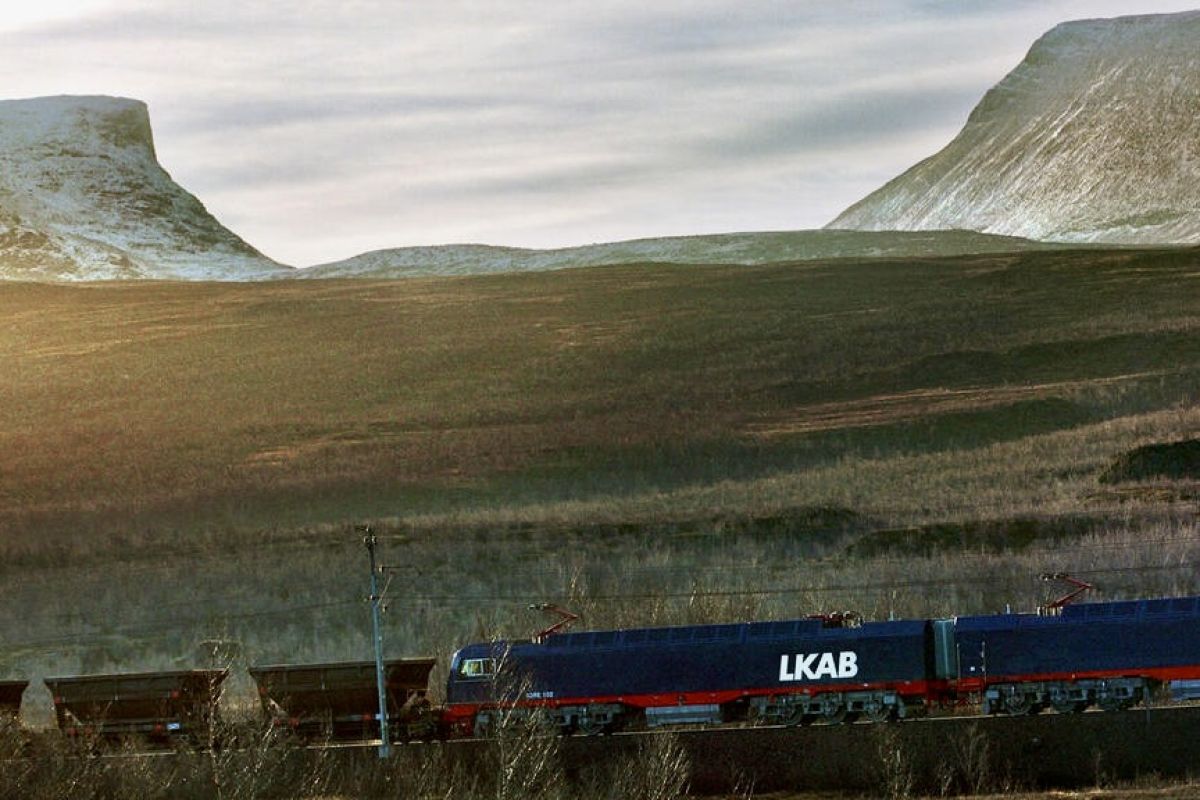
Alstom has signed a 12-year service agreement with LKAB Malmtrafik to support the locomotive fleet used for iron ore transport in northern Sweden.
ÖBB Rail Cargo Group will require European Waste Codes in rail freight documents from April, ahead of the EU’s new DIWASS system launch.
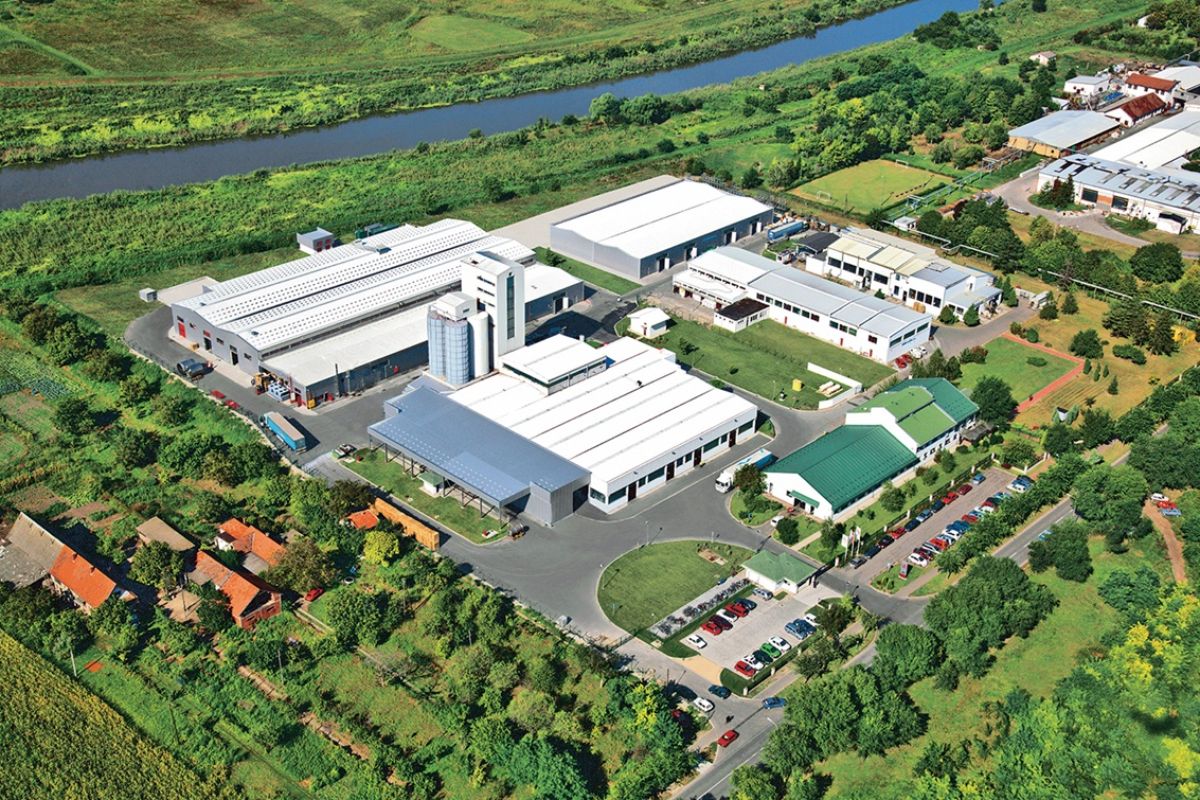
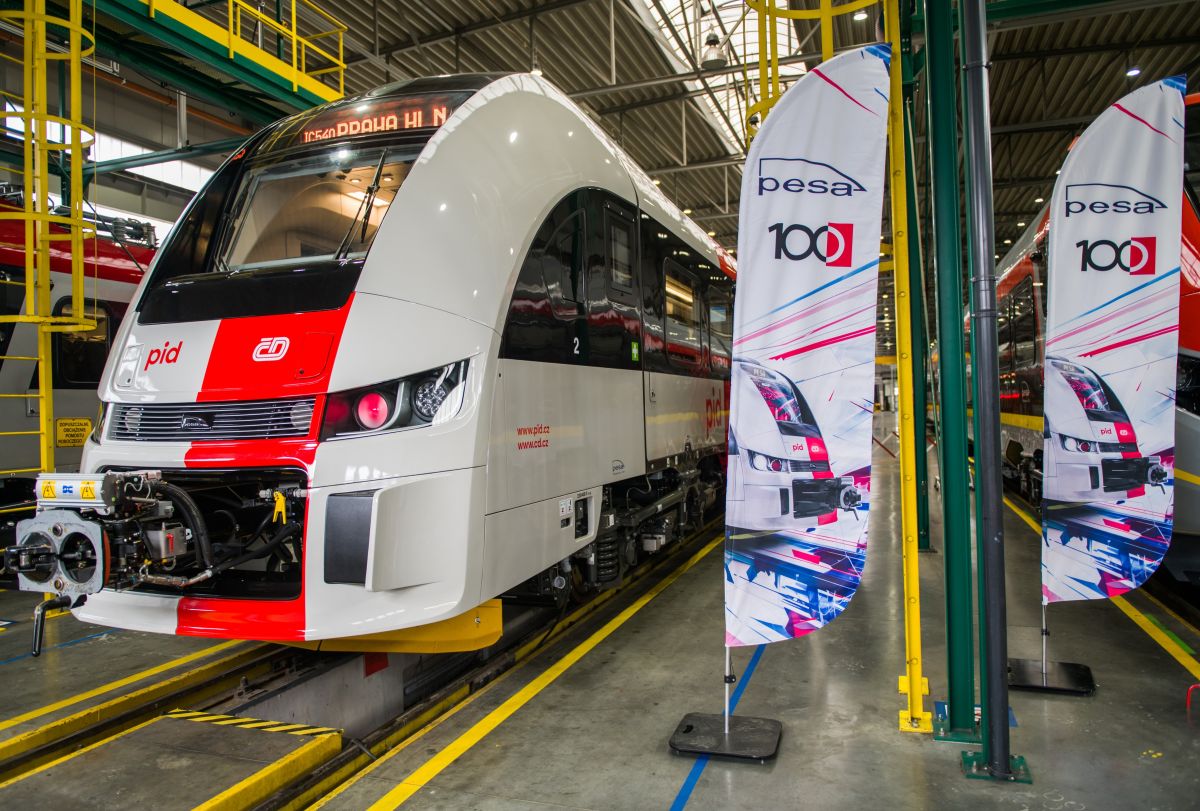
PESA has delivered its 100th vehicle to České dráhy under current contracts, marking a key milestone in the renewal of regional diesel fleets in the Czech Republic.
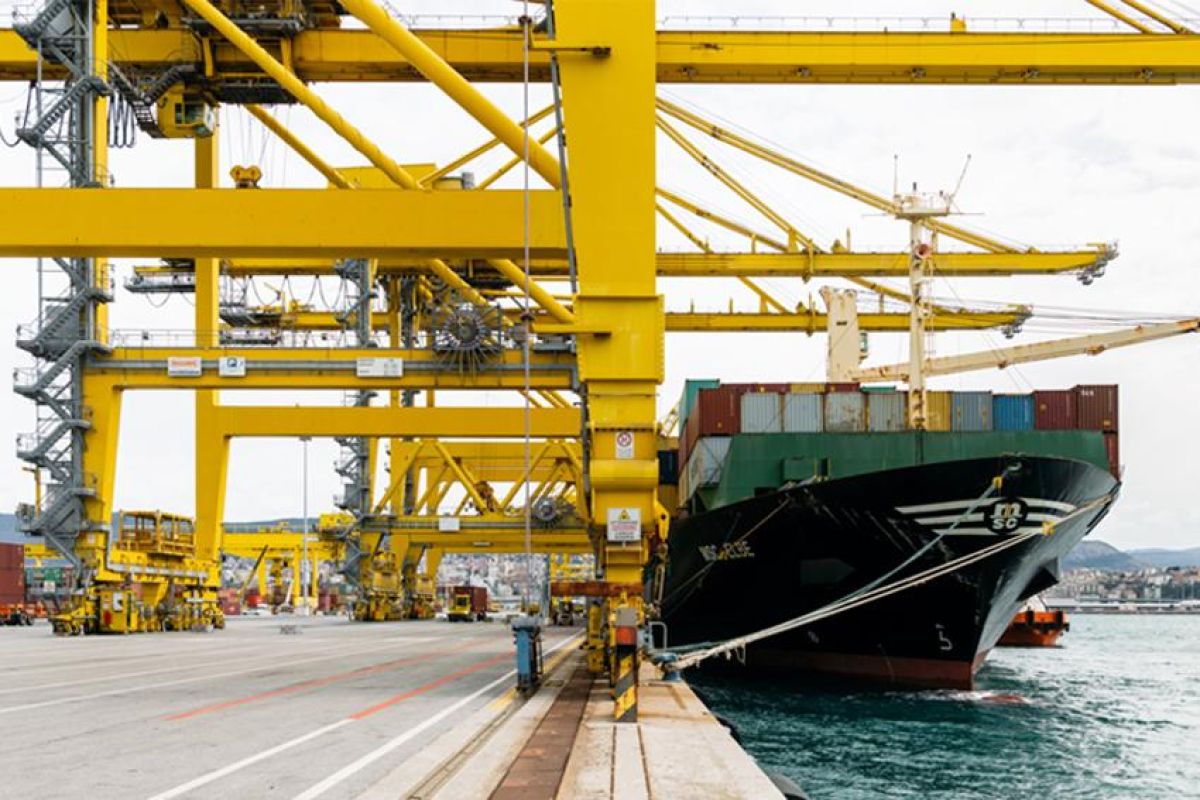
Rising security risks in the Middle East are affecting maritime logistics, prompting new restrictions on cargo shipments via southern European ports.
Škoda Group has presented the first completed electric train for Bulgaria and is starting infrastructure tests ahead of the fleet’s planned entry into passenger service.
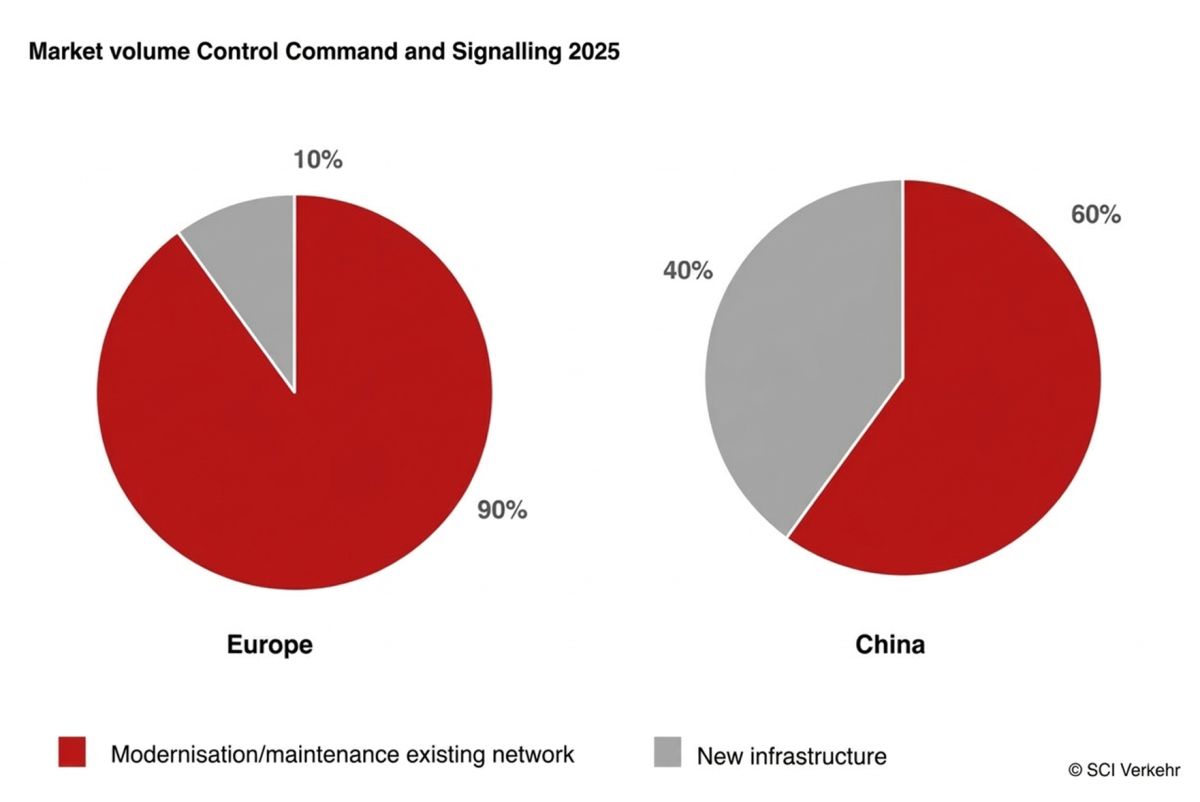
Europe is now the world’s largest market for control, command and signalling (CCS) technology, with modernisation of ageing rail networks driving growth ahead of China.
PKP Cargo is introducing a qualified supplier system designed to simplify procurement procedures, reduce formalities and improve purchasing efficiency across the group.
Three weeks after launch, the new Italy–Sweden rail service is now being presented as a 2,500 km multi-country corridor operated by TX Logistik and Nurminen Logistics, with a broader freight profile and a central role in FS Logistix’s north–south strategy.
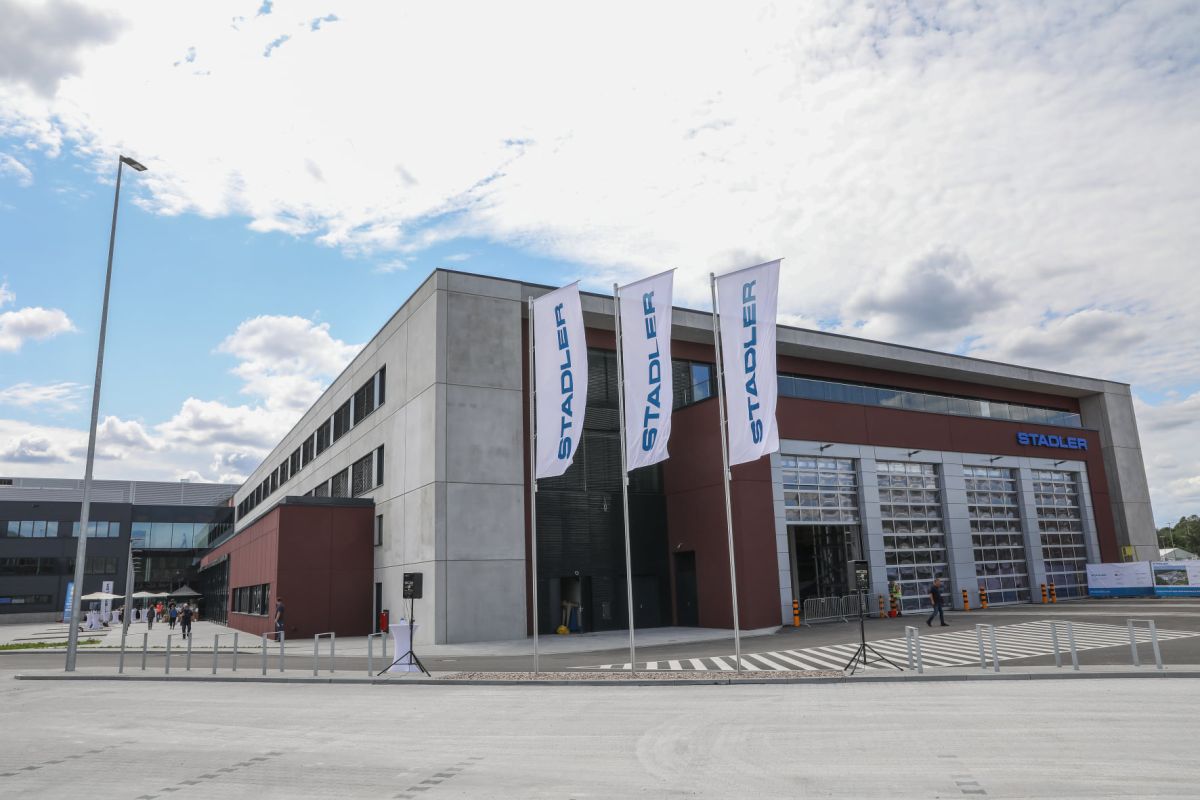
Stadler increased sales and profitability in 2025 despite continued disruption from the Valencia flooding, weak conditions in Germany and currency pressure from the Swiss franc.
Rising oil prices linked to renewed geopolitical tension in the Middle East are increasing cost pressure on European road freight, reinforcing the case for rail and intermodal transport on longer distances.
As of February 2026, the EU-Ukraine Solidarity Lanes remain a core trade lifeline for Ukraine, supporting the majority of imports and a large share of non-agricultural exports.
Alstom will continue maintaining the Västtågen regional fleet in western Sweden under a new 11-year agreement linked to SJ’s renewed operating contract.
Ermewa has appointed Svenja Verheyen as Sales Area Manager DACH, filling a key commercial role in Germany, Austria and Switzerland following recent management changes.
Czech national carrier České dráhy (ČD) is seeking suppliers for new mobile train driver simulators as part of a wider effort to expand training capacity and modernise driver education.
Centralny Port Komunikacyjny has launched a tender for laboratory testing services linked to the Warsaw–Łódź section of the future high-speed “Y” line and the long-distance tunnel in Łódź.
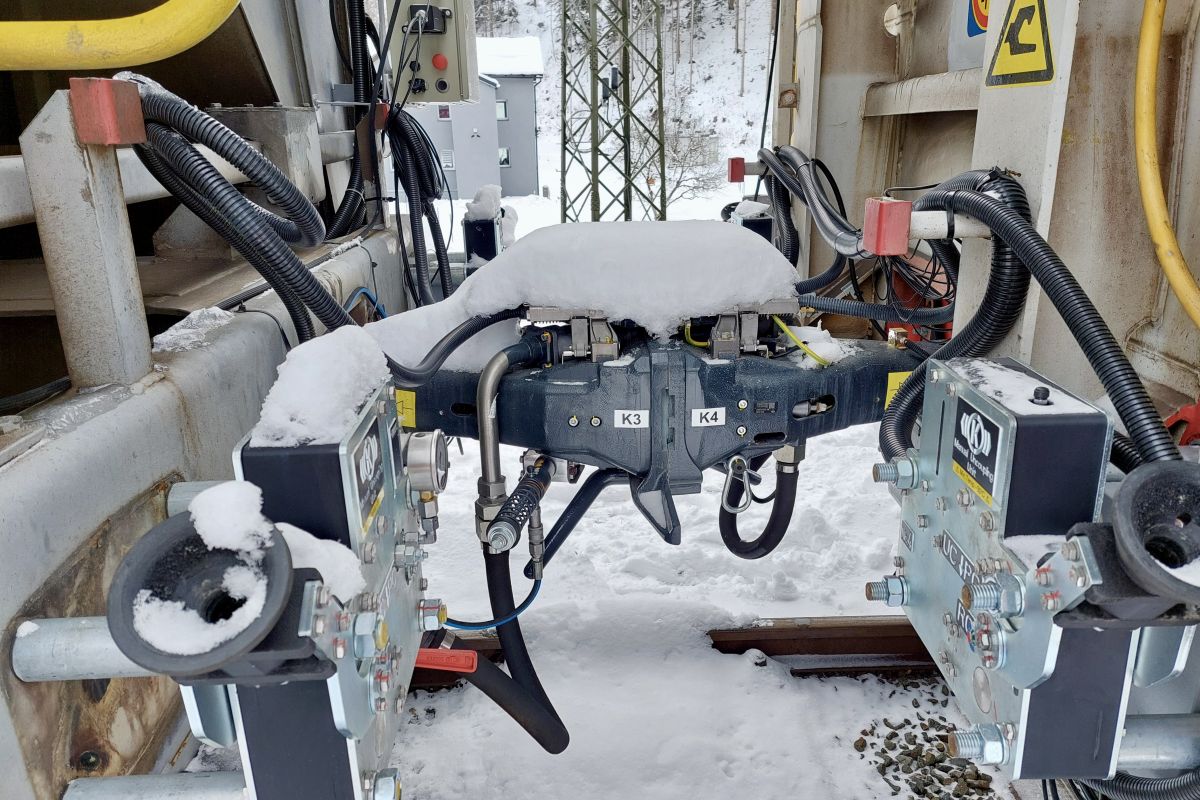
ÖBB Rail Cargo Group has tested the Digital Automatic Coupling (DAC) under winter conditions in Austria, with early results indicating strong reliability of the system.
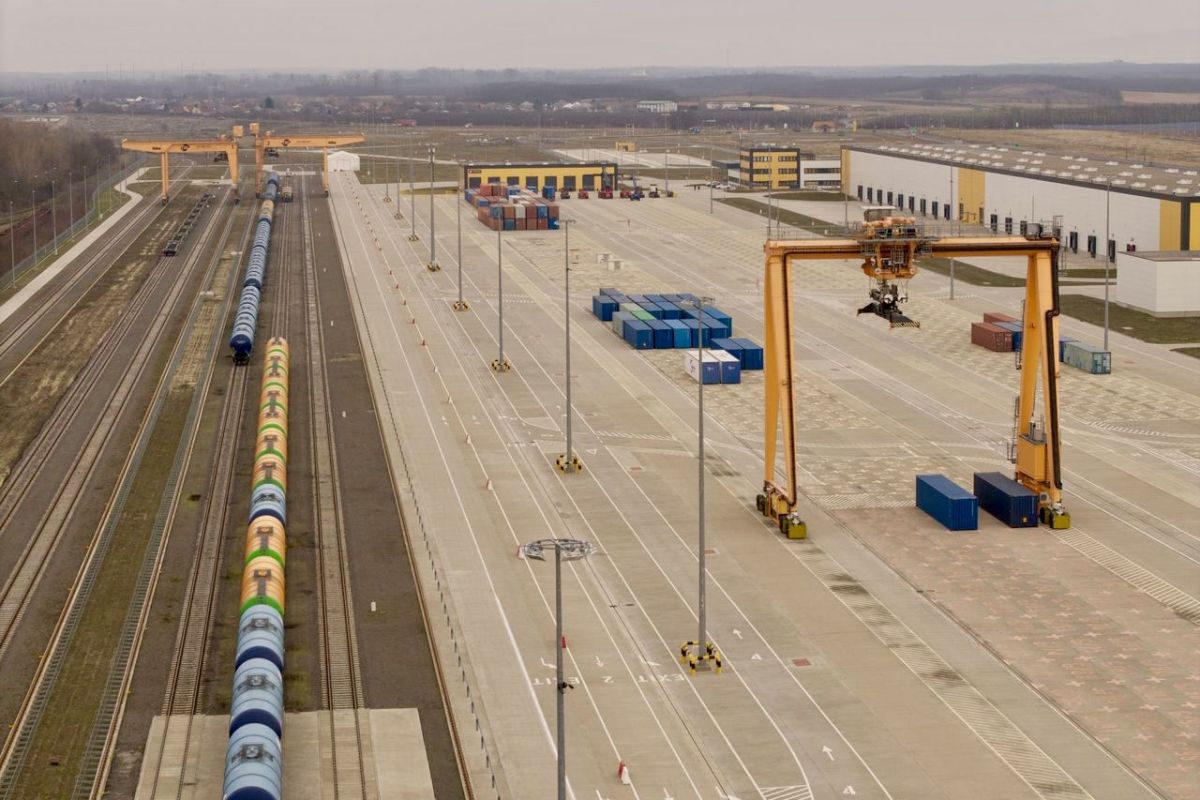
East-West Intermodal Logistics (EWG) and A.P. Moller - Maersk have launched a partnership at Fényeslitke that will add container depot and dry port functions to the Hungarian terminal.
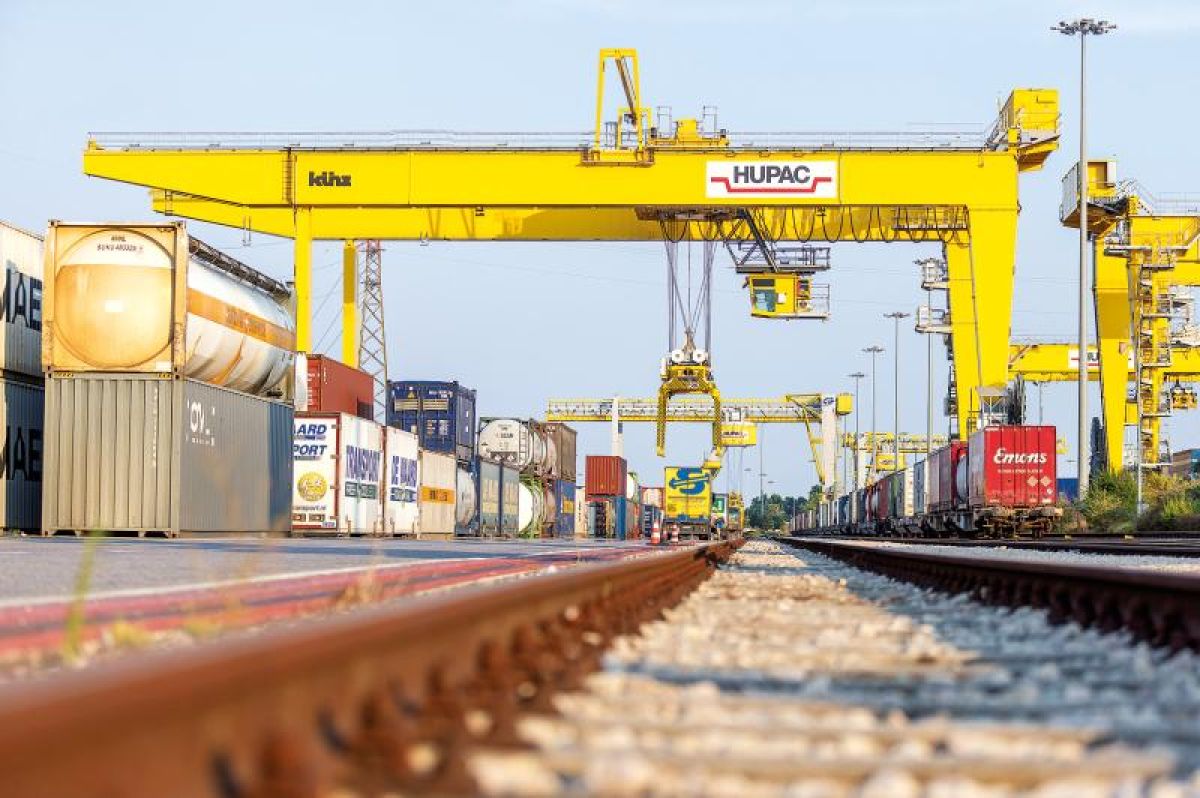
Hupac increased transport volumes in 2025 despite major infrastructure disruption across key European freight corridors, while warning that network constraints remain a structural risk for combined transport.
UIRR is urging EU lawmakers to continue work on the Combined Transport Directive, arguing that road-rail intermodal freight could help Europe cut oil dependency and improve energy resilience.
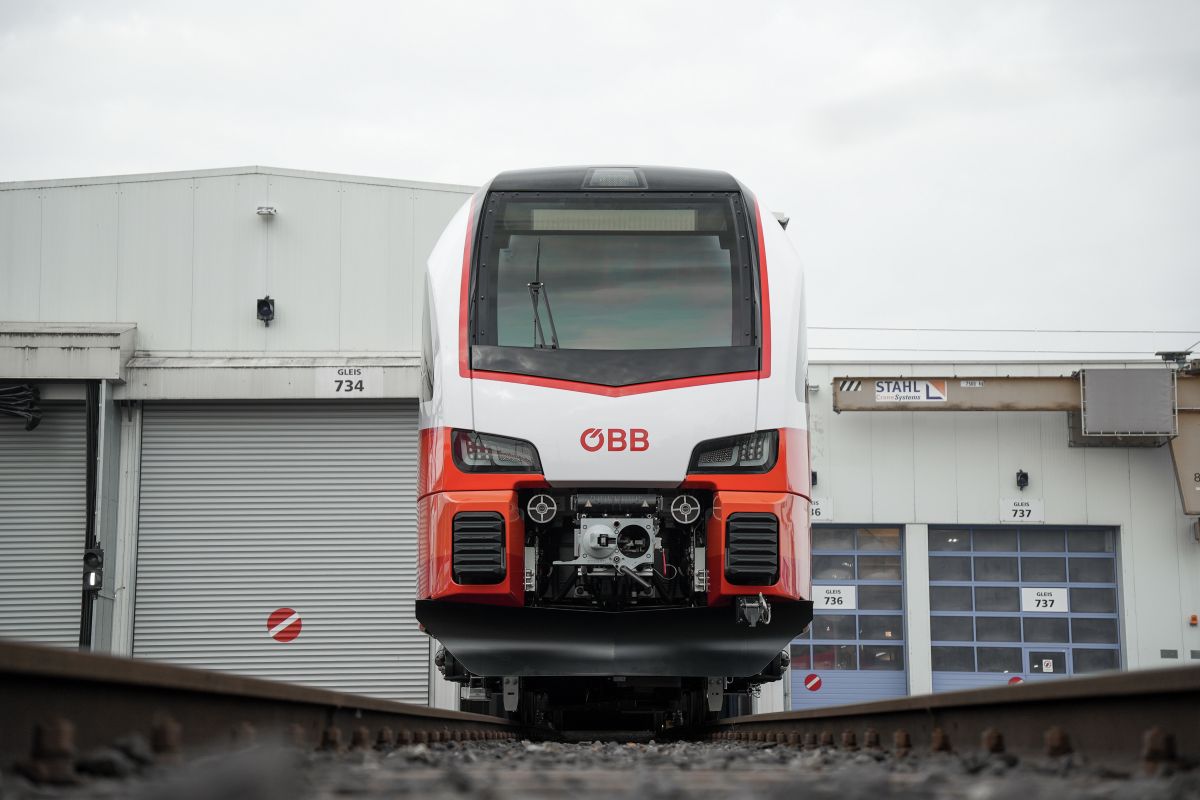
ÖBB has ordered seven additional FLIRT Akku battery-electric trains from Stadler, extending its shift away from diesel operation on regional lines in Lower Austria.
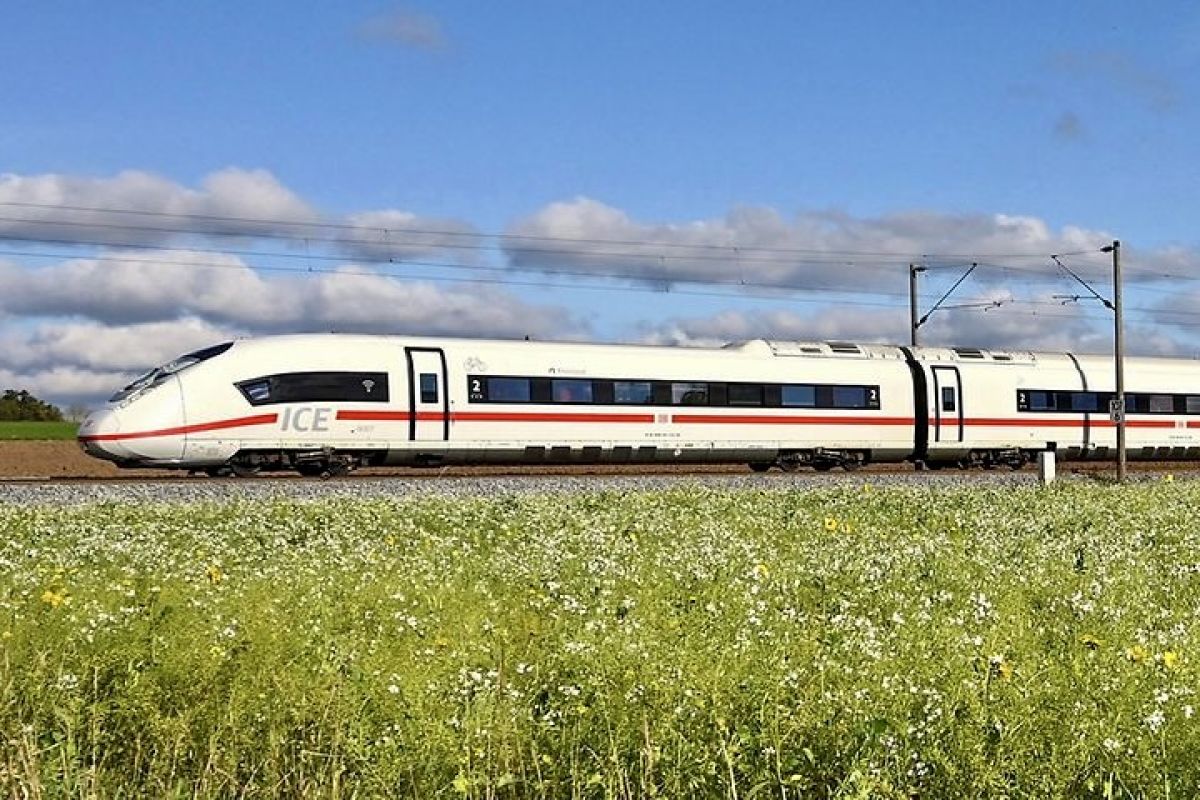
Deutsche Bahn will expand its cross-border services to Belgium this summer, introducing a seasonal ICE connection that continues from Brussels to cities such as Ghent, Bruges and the North Sea coast.
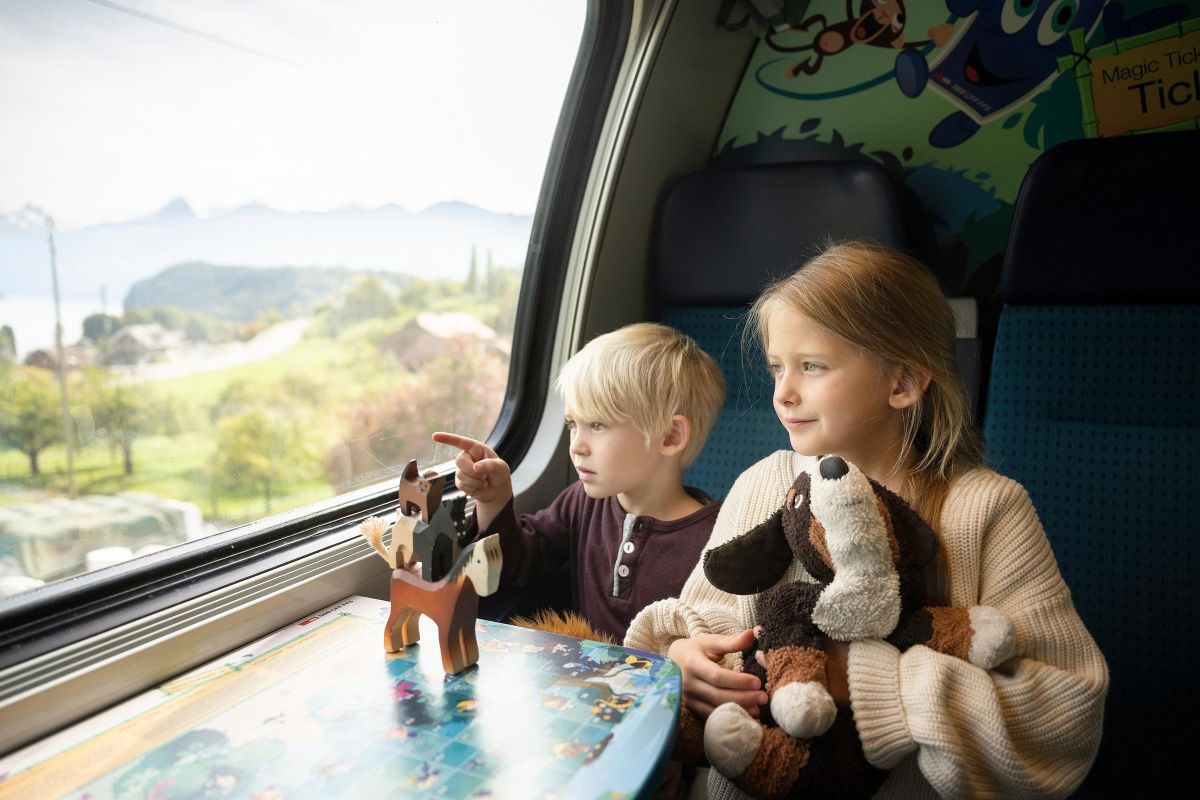
Swiss Federal Railways (SBB) is adapting its seasonal tourist services for 2026, highlighting a broader European shift toward rail-based leisure travel and sustainable mobility.
Czech national carrier České dráhy (ČD) is phasing out several older locomotive and railcar classes as new rolling stock enters service across the country.
JUSDA Europe has entered a strategic logistics partnership with Serbian chemical manufacturer Beohemija, part of the Czech CE Industries group, to support supply chain expansion across Southeast Europe.
Industry leaders from across Europe - Spain, Italy, Switzerland, Germany, Finland, and CEE - will gather in Warsaw this March for the ERS Summit 2026, an event focused on digitalisation, rolling stock innovation and the future of European rail freight.
Pairpoint and Nexxiot are expanding their cooperation to improve visibility and data reliability across rail freight supply chains. The partnership focuses on trusted, verifiable operational data for logistics operators.
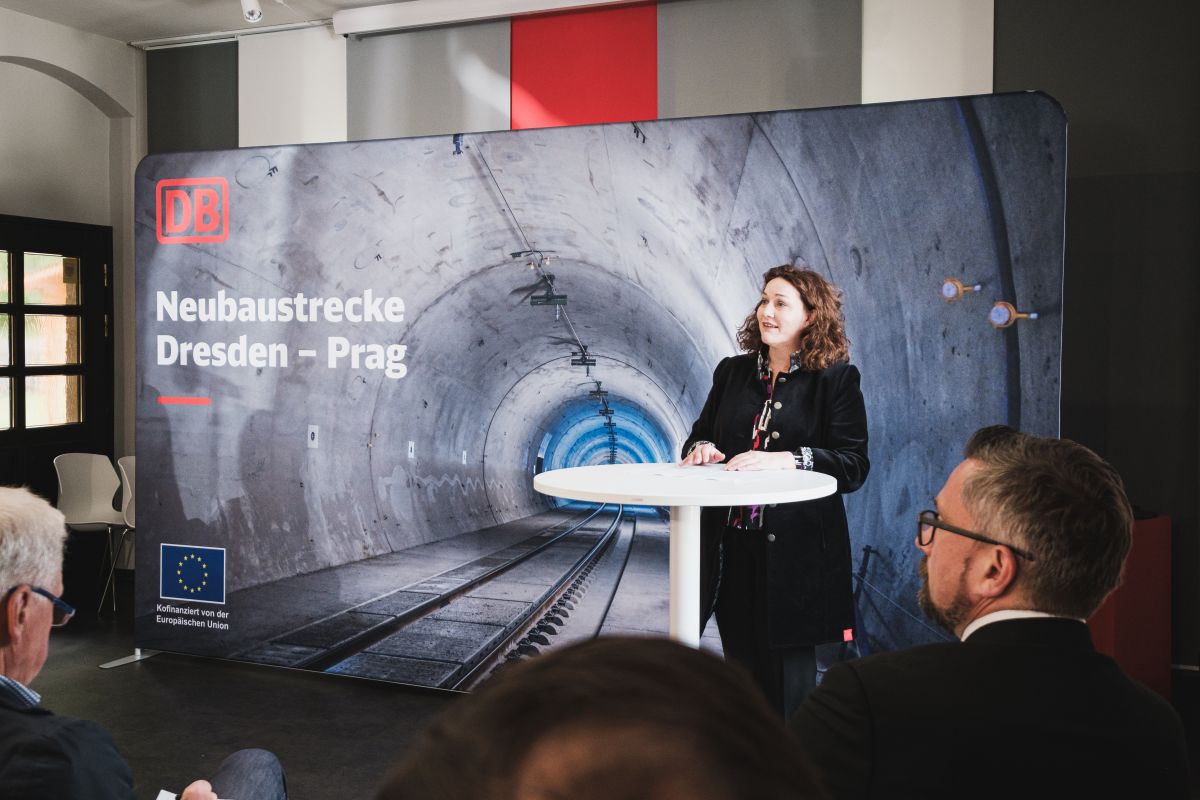
Germany has submitted planning documents for the Dresden–Prague high-speed railway to parliament, bringing the cross-border project a step closer to approval.
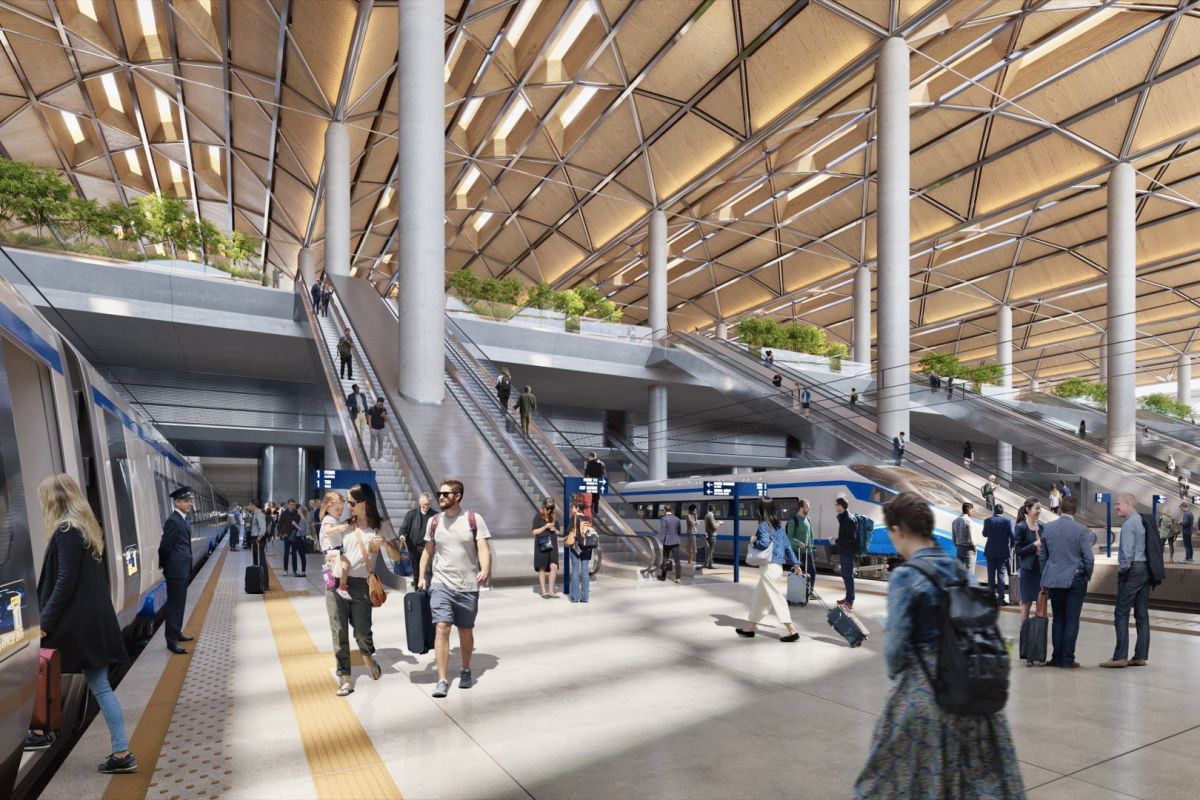
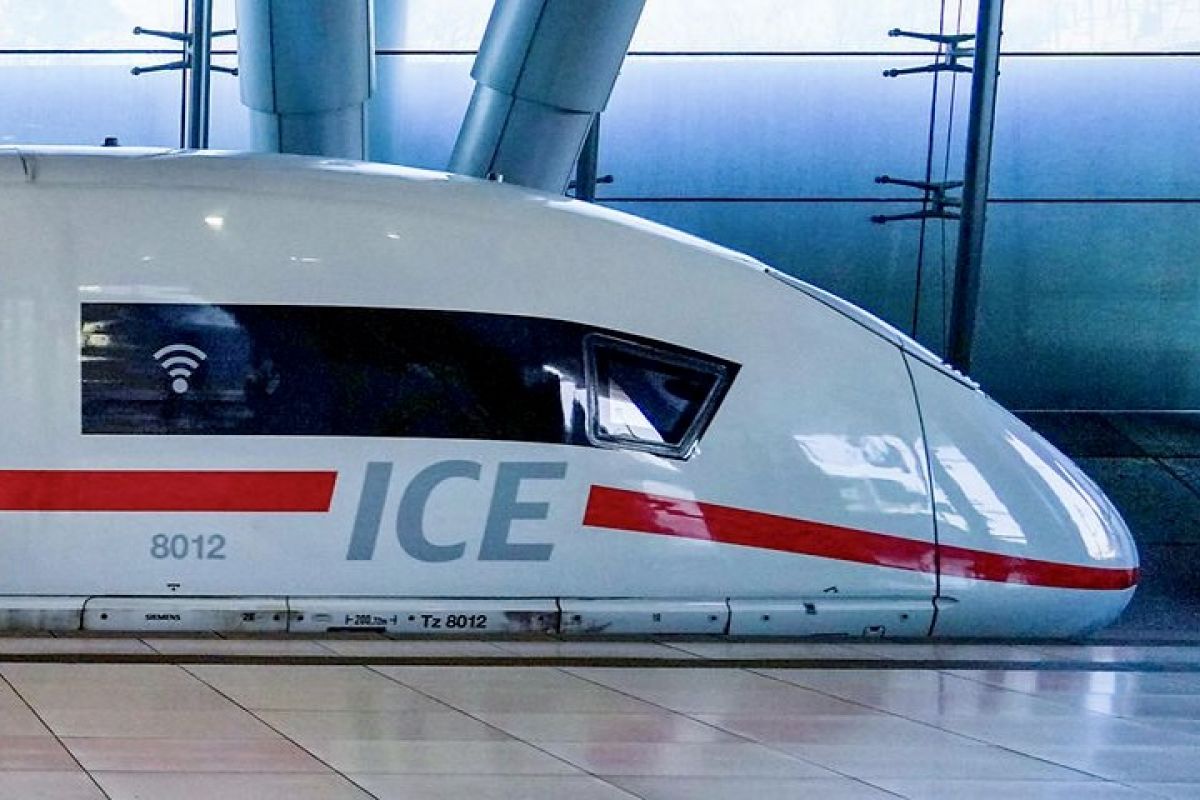
Deutsche Bahn and Brussels Airlines will launch a new direct ICE connection from Cologne to Brussels Airport, introducing a codeshare rail–air offer from September 2026.
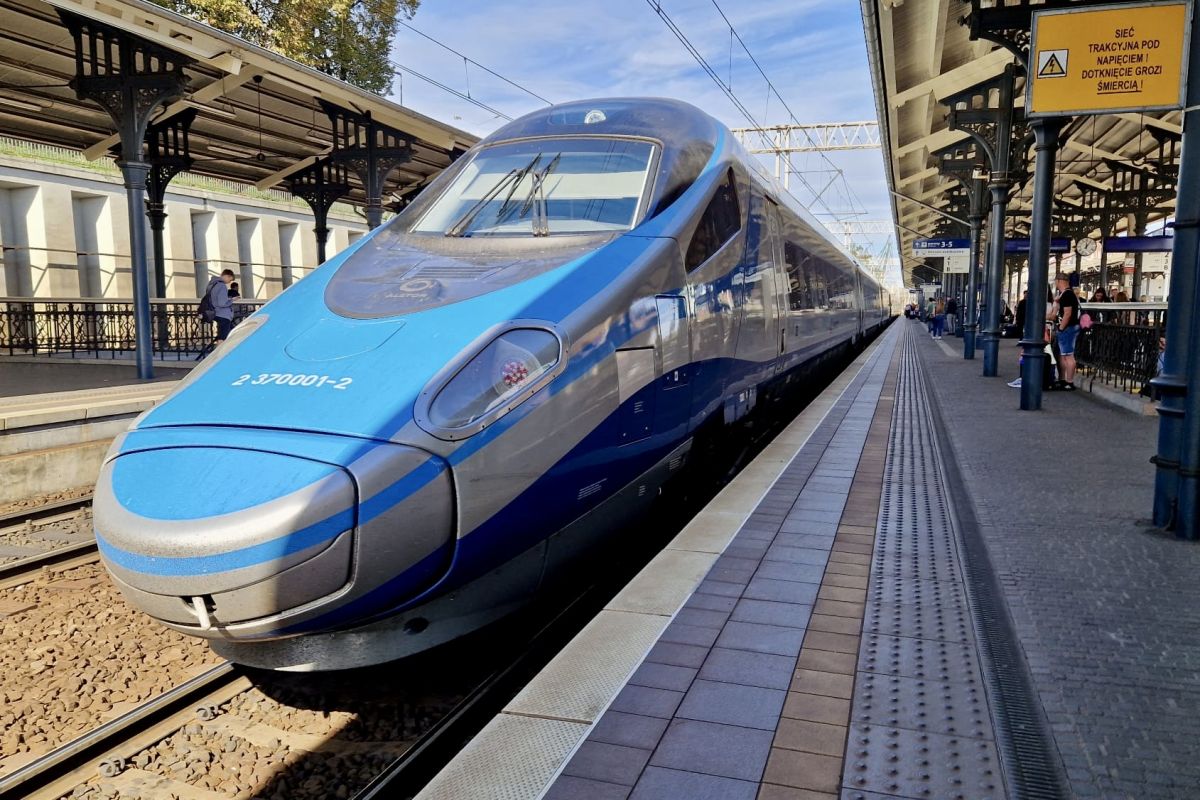
Poland’s high-speed ED250 Pendolino will operate in regular passenger service in the Czech Republic for the first time as part of its approval process.
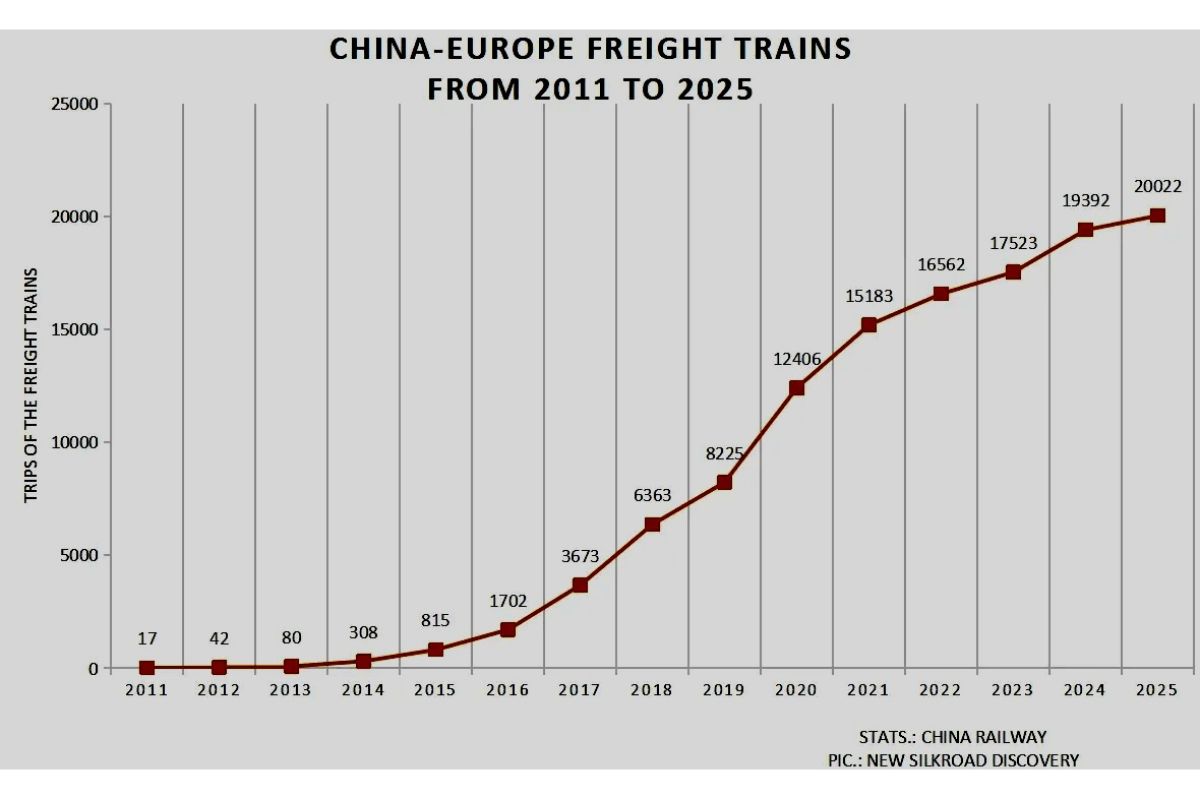
China–Europe freight train services operated 20,022 trips in 2025, up 3.2% year on year, while return services outnumbered outbound trains for the first time in recent years.
A new direct rail connection between Parma and Sweden has launched this week, offering a fixed weekly schedule and three-day transit time between Italy and Örebro.
Rail and intermodal decision-makers will gather in Wisła from 4–6 March 2026 for the 15th International Railway and Intermodal Congress.
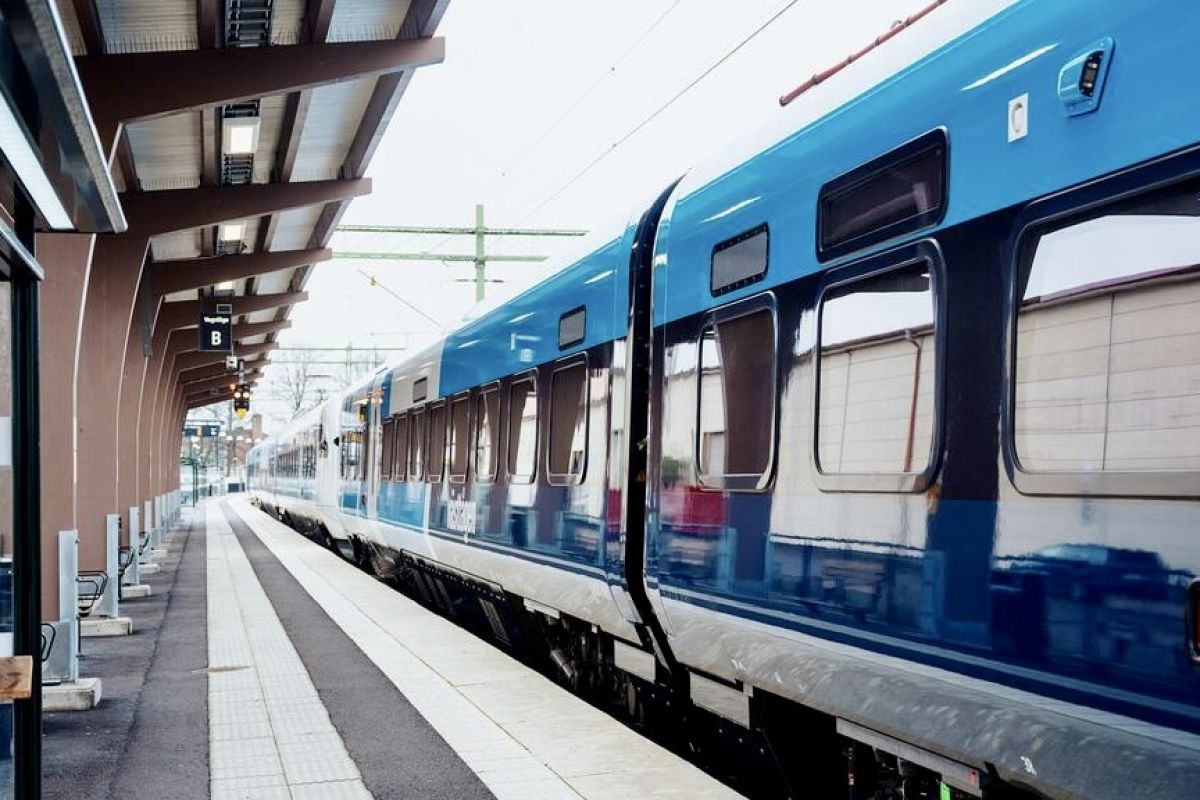
DB and SBB report a significant improvement in punctuality on the Stuttgart–Zurich IC route and will extend the current operating concept until December 2026.
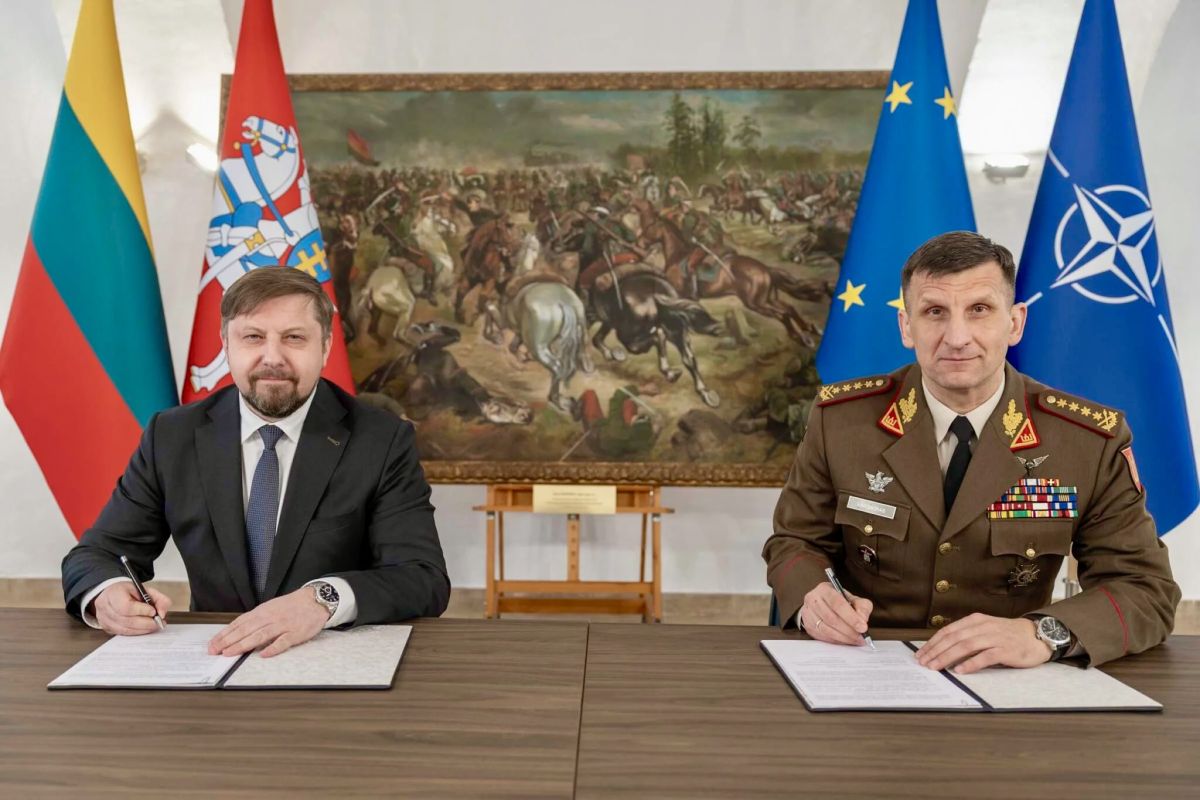
The Lithuanian Armed Forces and LTG Group have signed a cooperation agreement to strengthen military mobility, logistics and national resilience, with a focus on NATO interoperability and crisis preparedness.
Streem and its subsidiary Ermewa have announced key management changes, combining continuity with strategic repositioning as European rail freight faces structural and regulatory challenges.