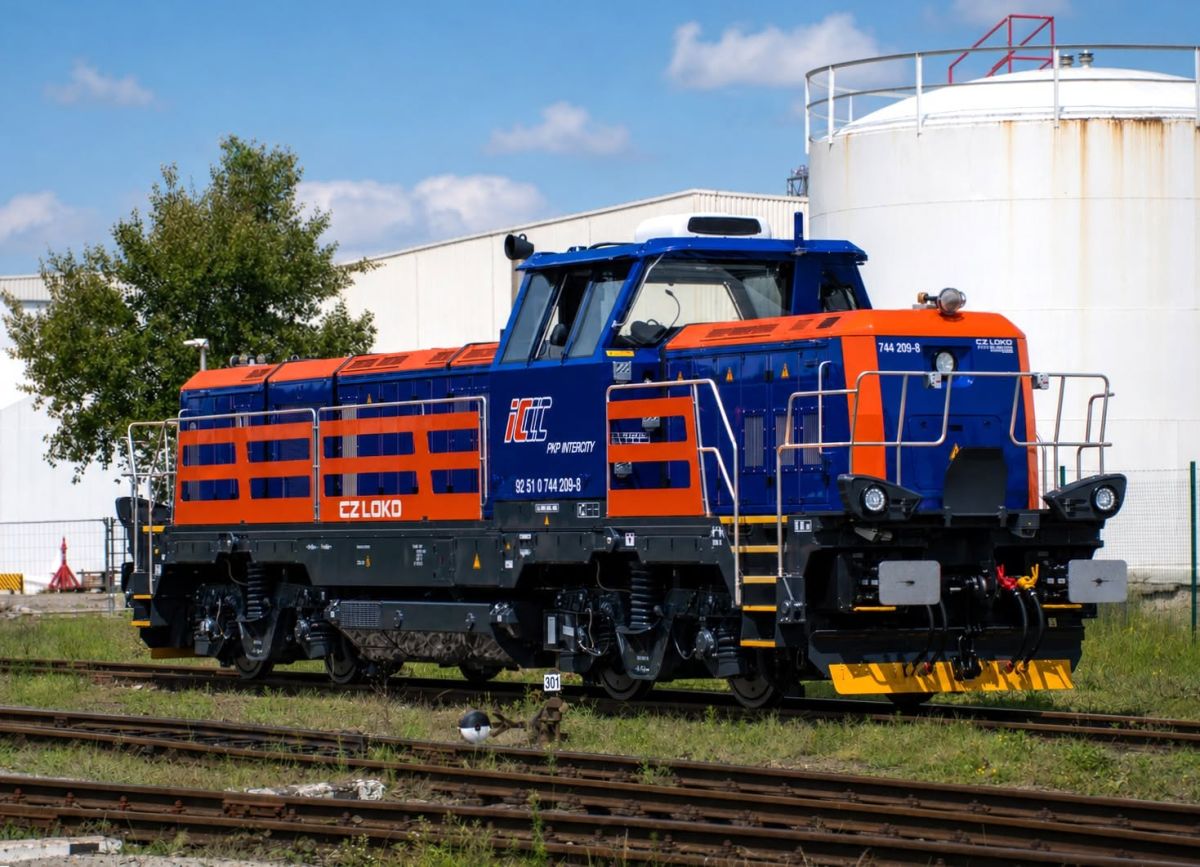
MÁV, Hungary’s national railway company, is moving forward with the largest locomotive fleet renewal in decades, incorporating a mix of leased, new, and potentially second-hand vehicles to modernize its operations.
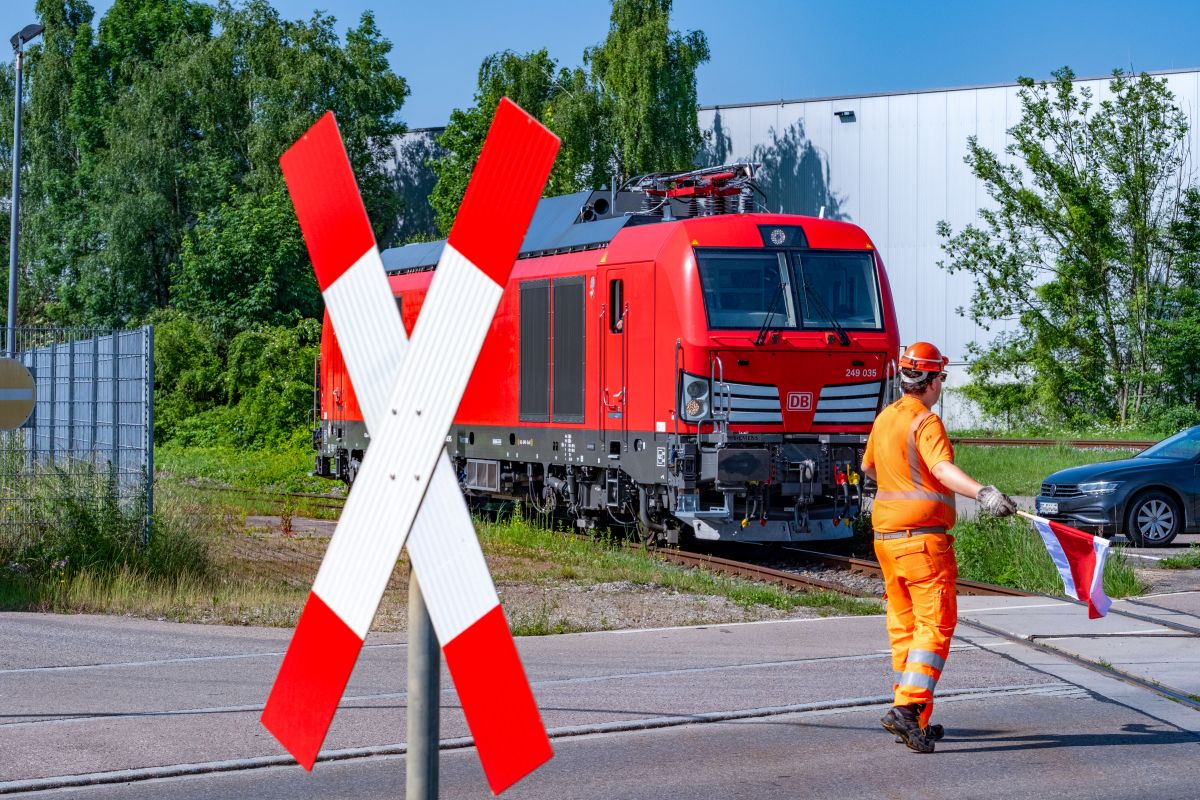
Three Siemens Vectron electric locomotives recently arrived in Hungary as part of MÁV’s broader fleet renewal project. The locomotives, leased from European Locomotive Leasing (ELL), are scheduled to enter service in February after undergoing inspections and modifications to meet operational standards. These include equipping the locomotives with technical features required by MÁV and applying the company’s branding.
Broader Modernization Strategy
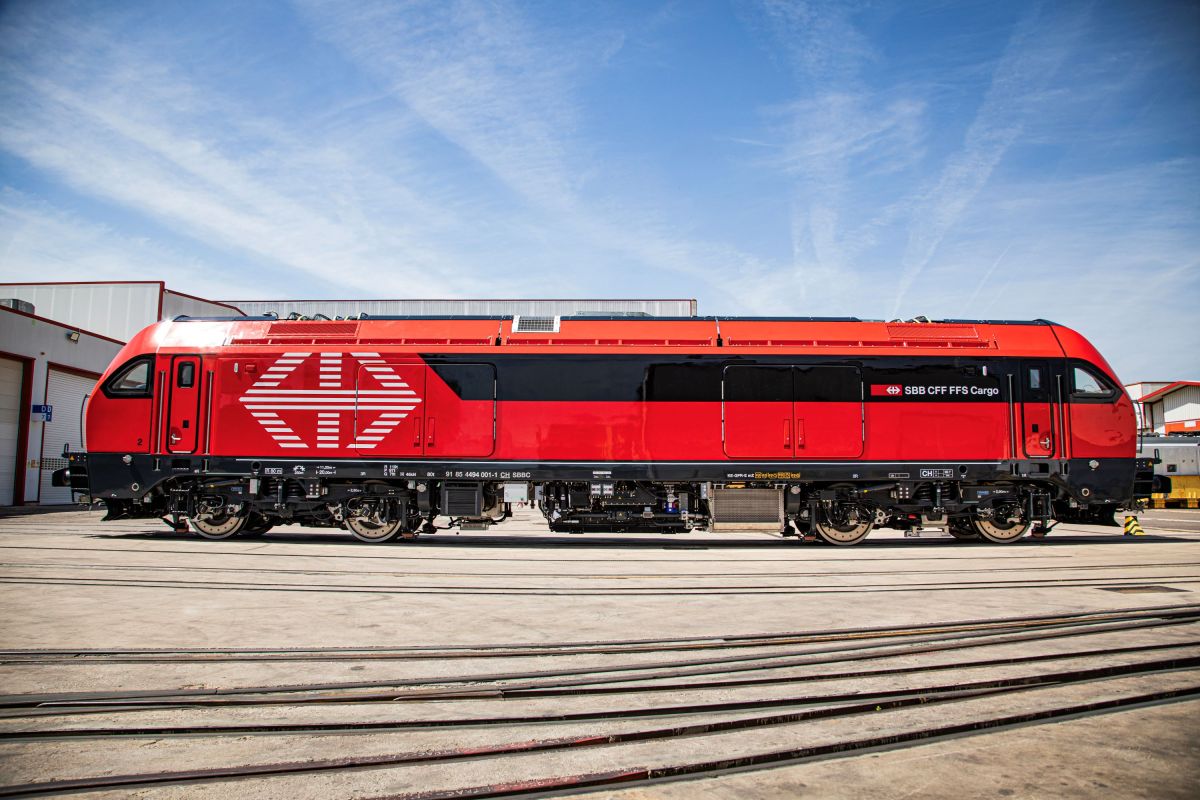
This year, MÁV plans to add a total of 55 new locomotives to its fleet, including 15 high-performance diesels from Nordic Re-Finance and 40 electric locomotives. Further expansions will see an additional 15 electric locomotives joining by mid-2026. While a portion of the fleet is sourced through leasing agreements, other vehicles will be new acquisitions.
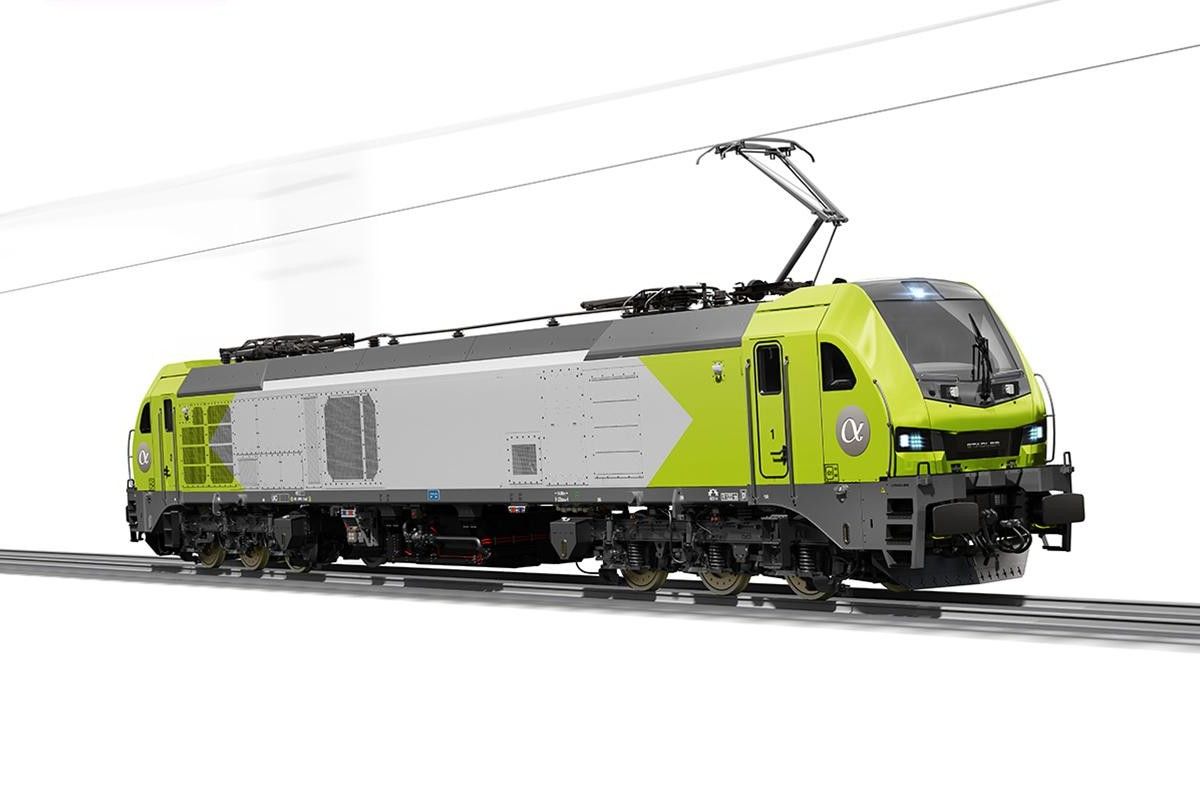
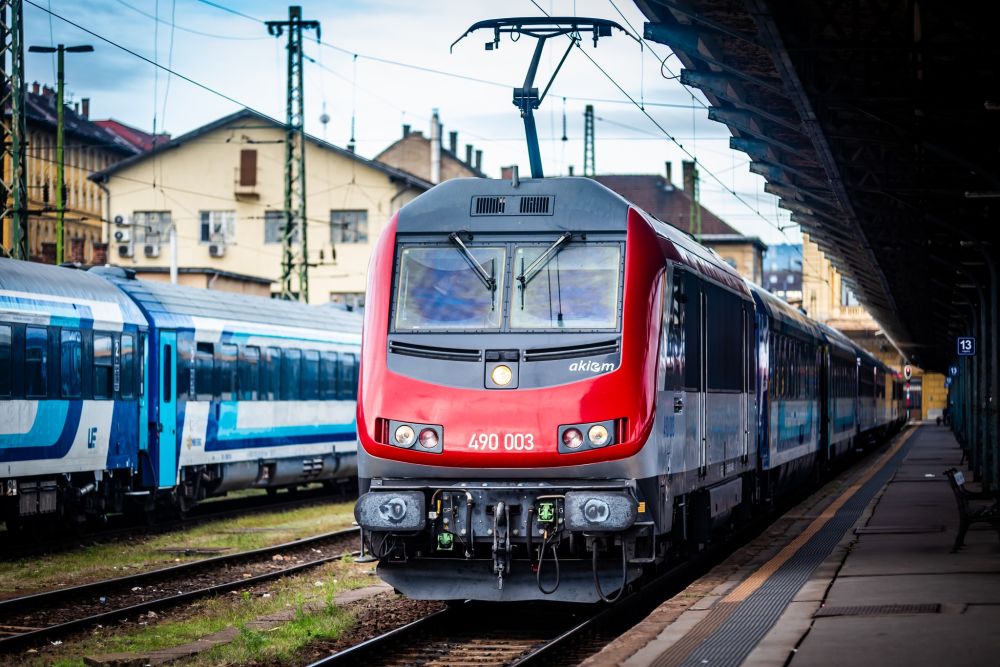
The Vectrons will be joined by additional leased units from providers such as Akiem, including Astride locomotives currently being deployed on the Budapest-Pécs intercity route. Akiem also has an agreement for a leasing of 15 ES64U2 locomotives.
Potential Swiss EMUs
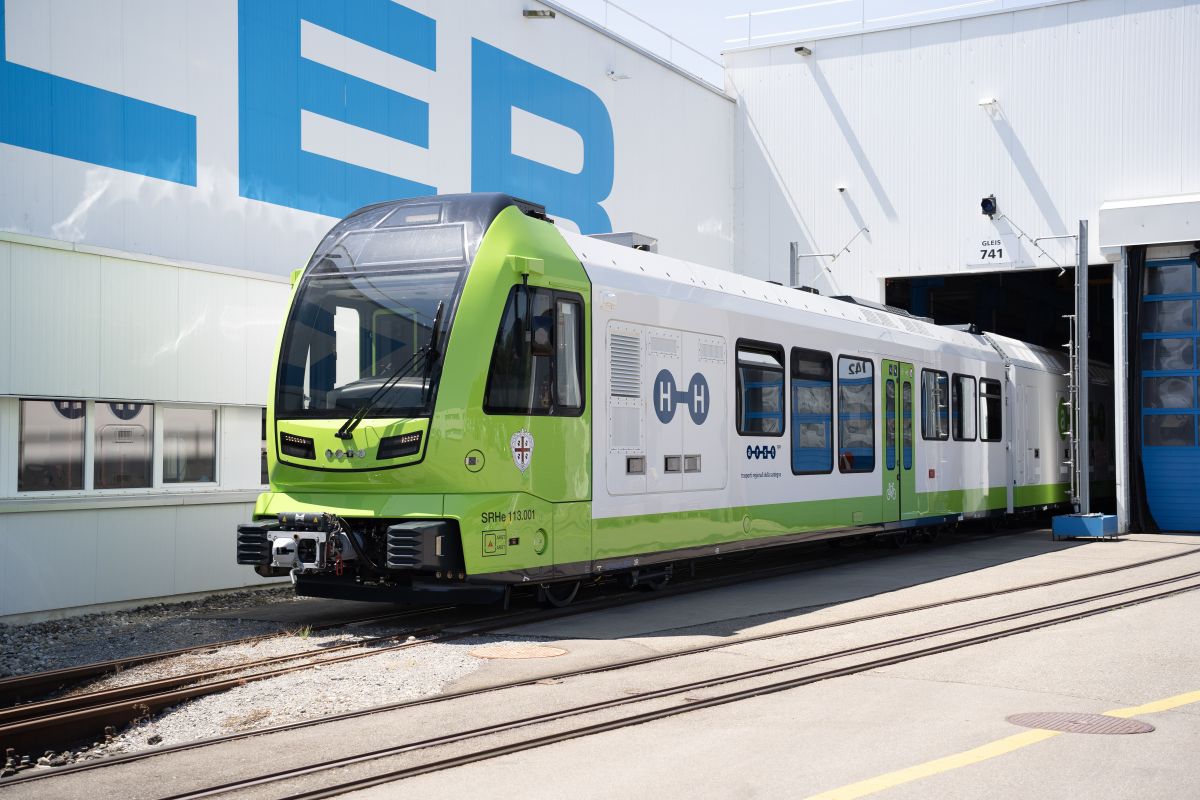
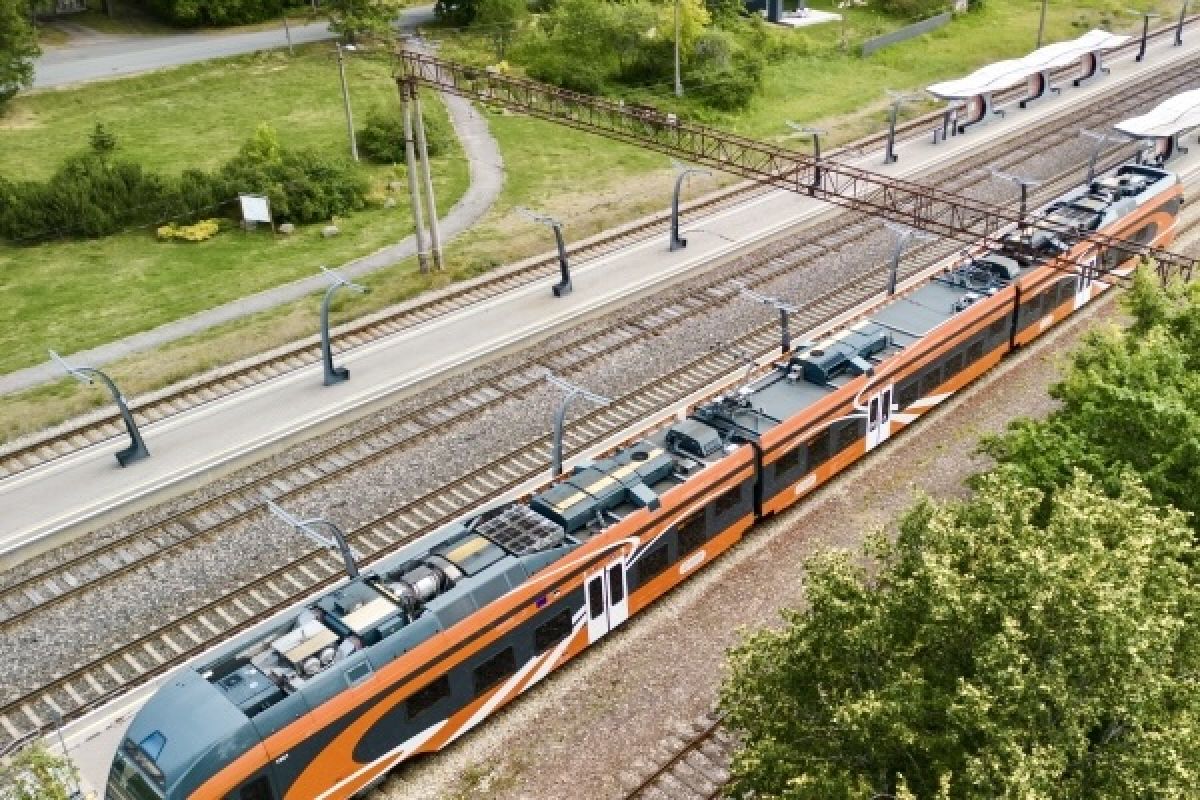
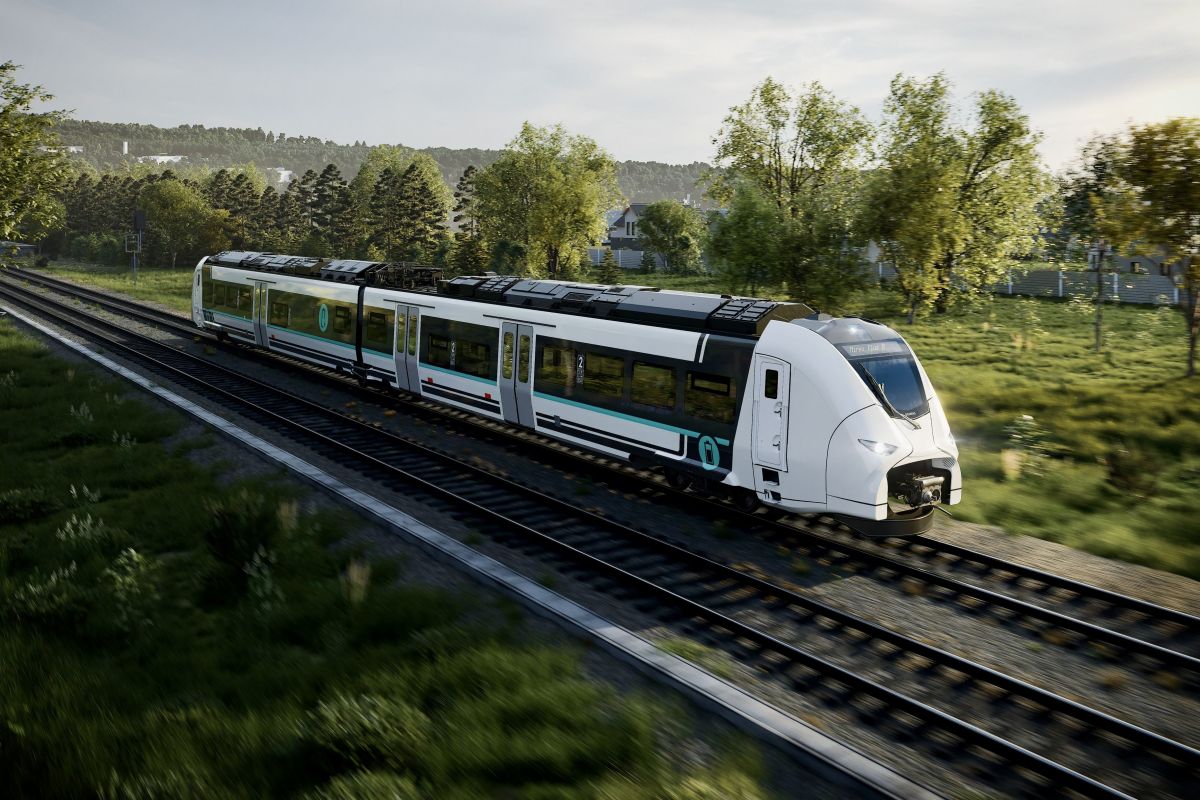
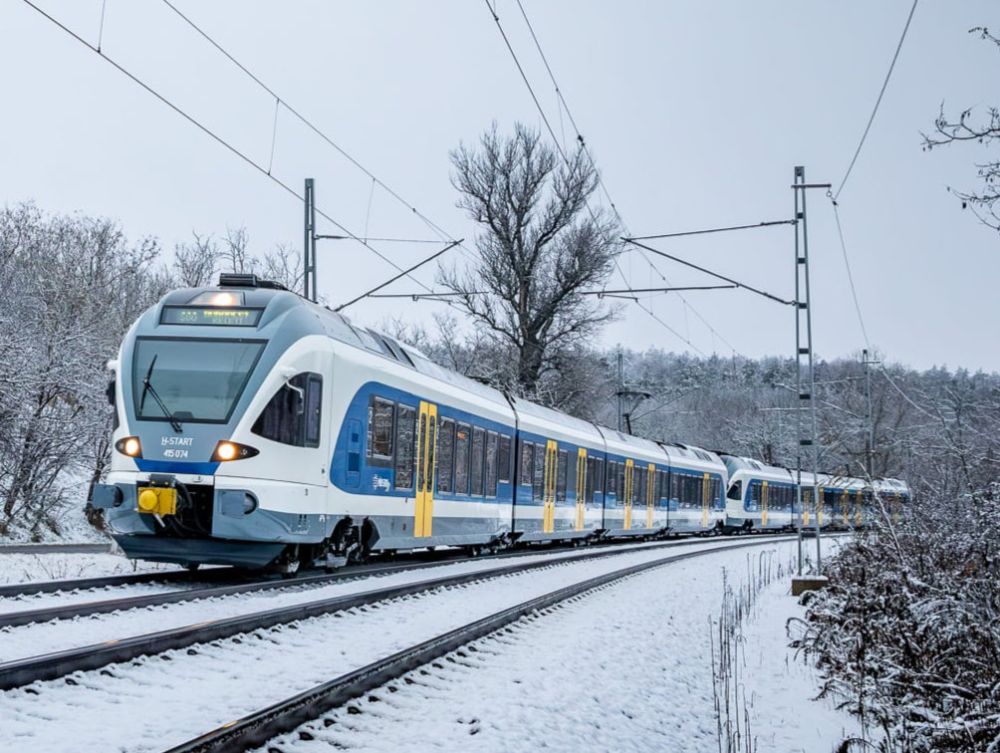
Beyond locomotives, discussions are ongoing regarding the acquisition of multiple units from Switzerland, as János Lázár. The Minister of Construction and Transport, revealed in an interview to Boon news portal. These used but modern vehicles could further support MÁV's efforts to address rolling stock shortages and improve service quality. Details of the procurement are still under negotiation, with final decisions expected to align with MÁV’s broader fleet expansion timeline.
MÁV Group is getting stronger on domestic market in 2025. Along with much-needed fleet renewal, state-owned MÁV is also strengthening its managerial and ownership control over GySEV, a Hungarian Austrian railway company from Sopron, offering passenger rail services in the east of Hungary, along with cross-border services to neighboring Austria.