The Integrated Railway Network, known as ZSK, replaces the earlier concept of ten rail “spokes” converging on the planned central airport with a broader network connecting regions across Poland.
Around 1,000 kilometres of the proposed lines are already under construction, in procurement or at an advanced design stage. These sections are expected to enter operation by 2035 and include the Warsaw–new airport–Łódź–Poznań/Wrocław Y-line, Rail Baltica between Ełk and Trakiszki, Podłęże–Piekiełko and the Katowice–Ostrava connection.
Of the full 4,700-kilometre programme, approximately 2,700 kilometres are planned to meet high-speed rail standards. This includes 480 kilometres of the Y-line and a further 2,100 kilometres of routes such as the planned extension of the Central Main Line towards the Tricity area.
The estimated cost of projects planned after 2035 is approximately €144 billion, including around €97 billion for new lines and €47 billion for the modernisation of existing infrastructure. The conversions are based on the ECB reference rate of €1 to PLN 4.248 published on 12 June 2026.
The plan also foresees the later modernisation of another 5,600 kilometres of existing lines. Investments will be delivered jointly by Centralny Port Komunikacyjny, as part of the Port Polska programme, and infrastructure manager PKP PLK.
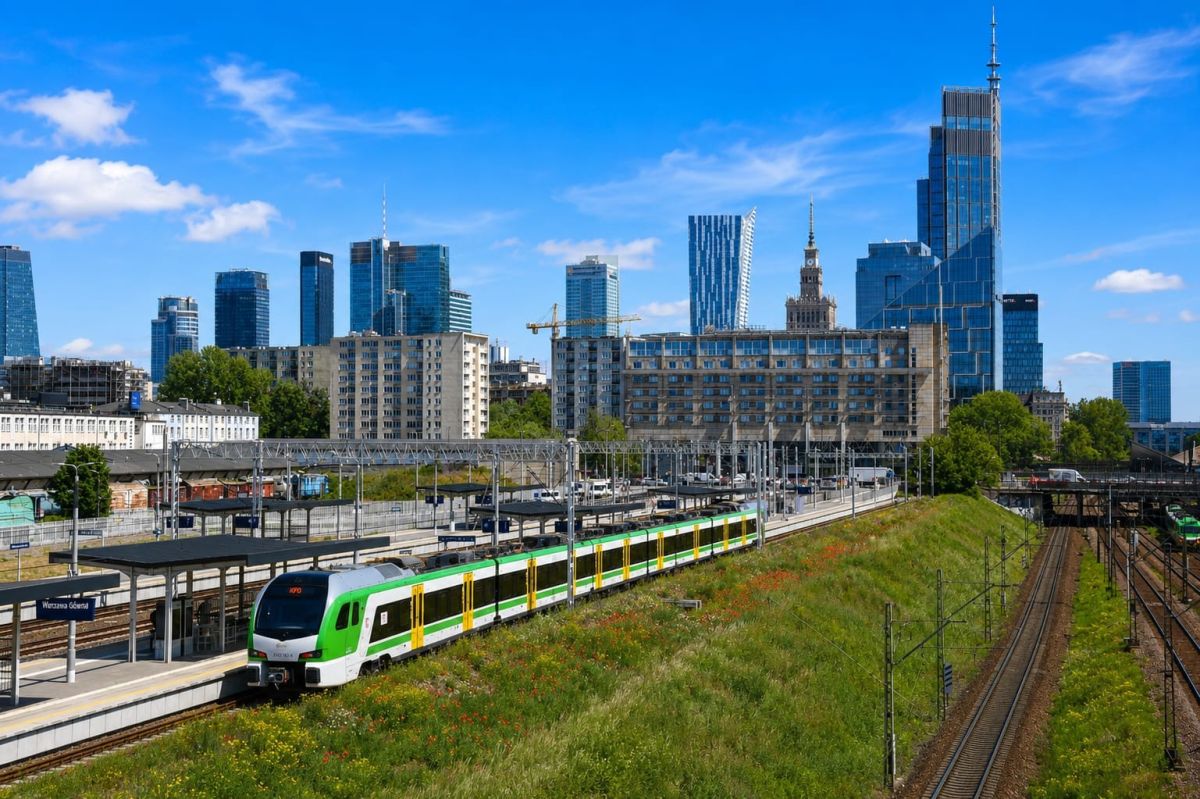
Passenger forecasts used for the plan estimate that long-distance rail traffic could increase from 89 million journeys in 2025 to 182 million in 2050. Regional traffic is expected to rise from 350 million to 538 million journeys, bringing the combined annual total to around 720 million passengers.
Planned journey times include around 100 minutes between Warsaw and Wrocław, Poznań, Gdańsk or Bydgoszcz. Warsaw–Szczecin, Kraków–Gdańsk and Lublin–Wrocław journeys are intended to take approximately three hours.
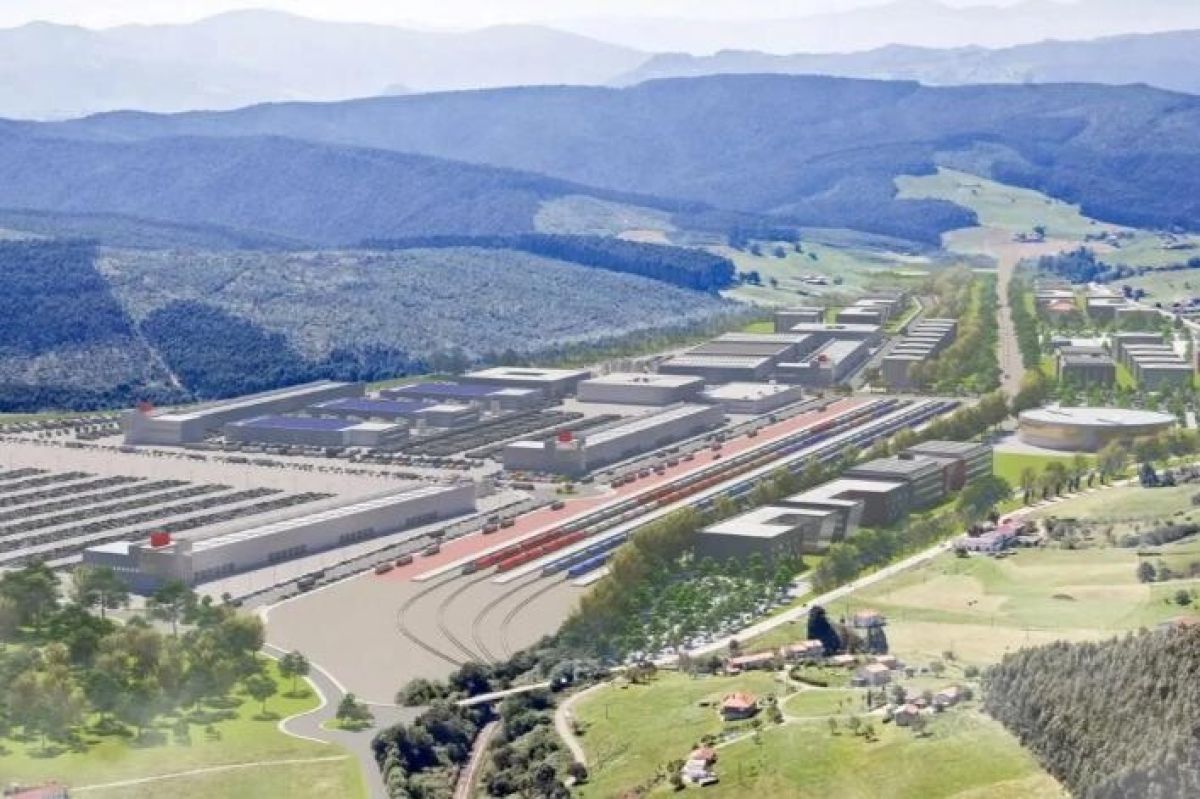
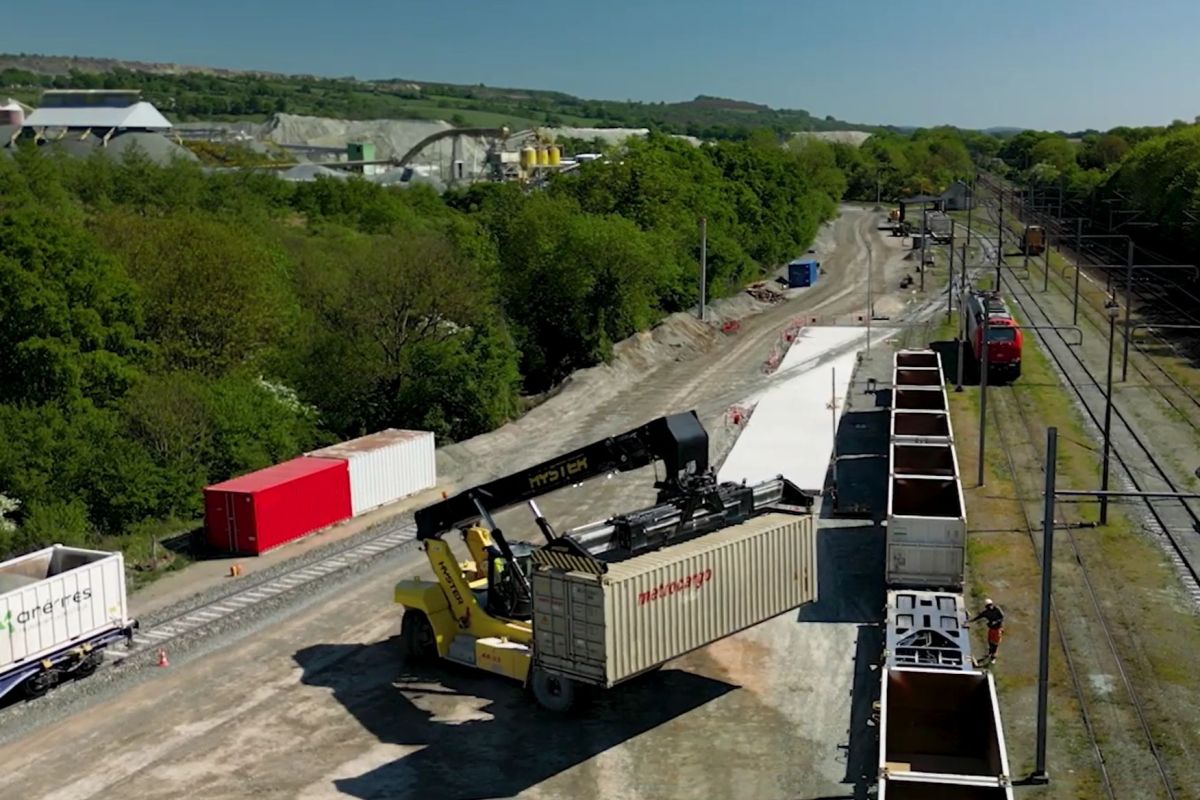
The ZSK also contains a freight component. The average commercial speed of freight trains is expected to rise from around 34 km/h to 56 km/h, while 23 new intermodal terminals are planned to support transfers between road and rail.
The network will give 27 additional small and medium-sized towns access to rail and include more than 120 interchange hubs. Its corridors are also intended to support dual-use transport and military mobility.