The Swedish Transport Administration has completed its localization investigation for the southern section of the Ostkustbanan expansion and has chosen to build along the existing railway tracks.
In June, a consultation document outlining various location alternatives was sent to relevant municipalities, county administrations, and public transport authorities. The majority of these bodies favored the "Existing" alignment option. Their feedback was crucial in determining the most suitable alternative to achieve the project's goals.
The selection was based on an overall assessment of factors such as goal fulfillment, cost, social economy, environmental impact, and technical feasibility. The "Existing" option fully contributes to seven out of thirteen impact targets, compared to only three for alternatives along the E4 route.
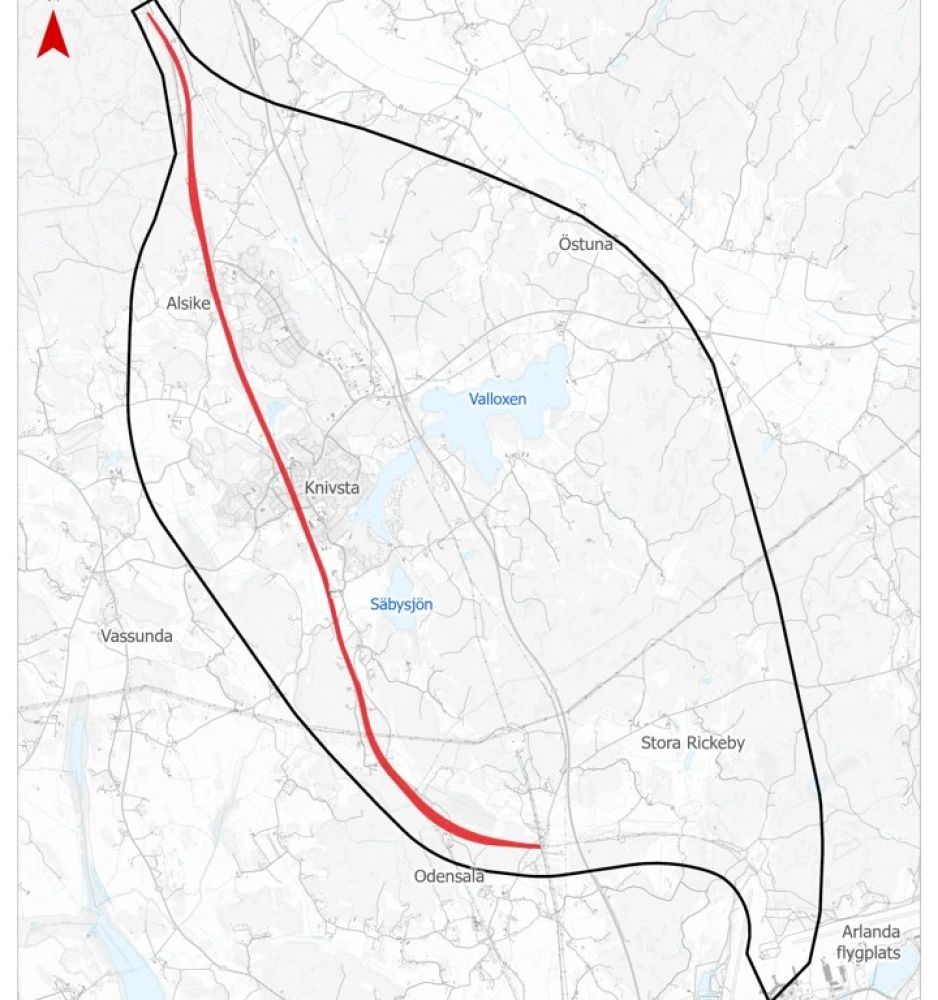
With the alignment decided, work now continues on the railway plan. This plan will detail the construction specifics, design elements, necessary protective measures, and land requirements for both the building phase and operational use. An environmental impact statement will also be prepared to evaluate potential positive and negative effects on the environment.
Throughout this process, the Swedish Transport Administration will consult with municipalities, county administrations, other authorities, the public, and affected organizations and individuals. The goal is to gather insights and opinions from those familiar with the area to inform the planned expansion.
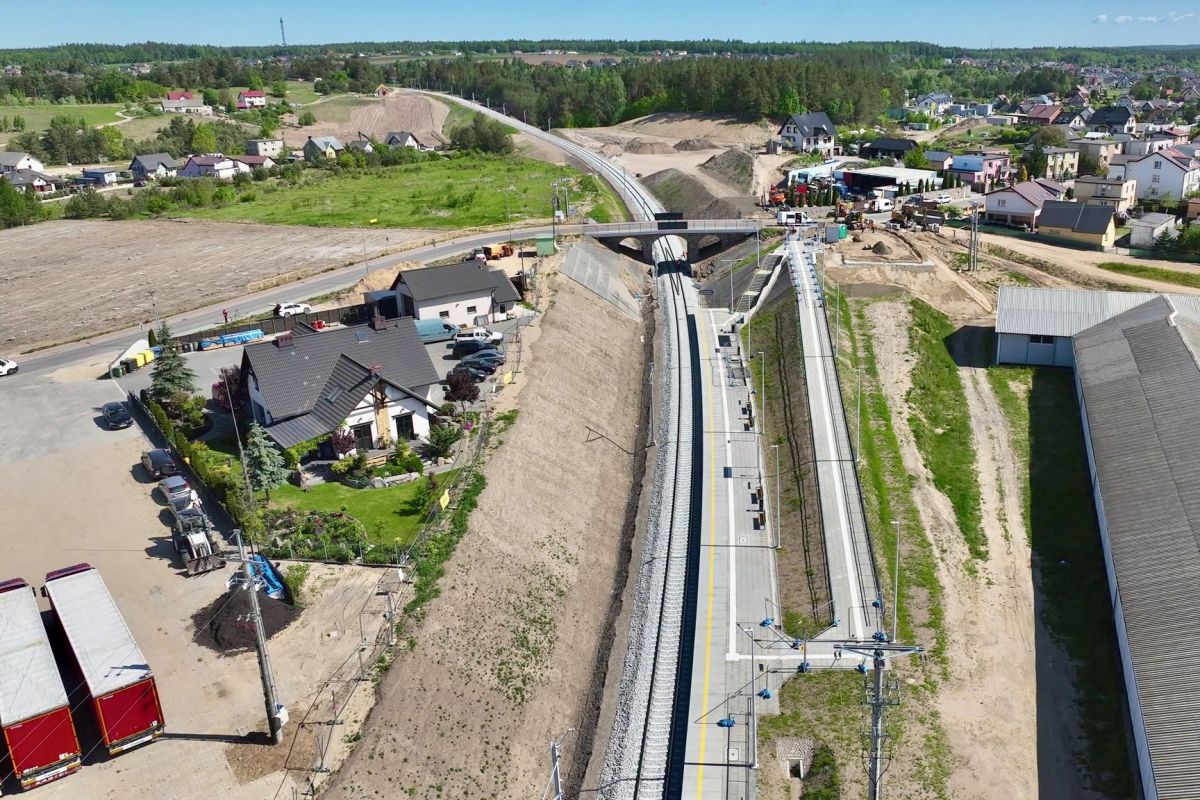
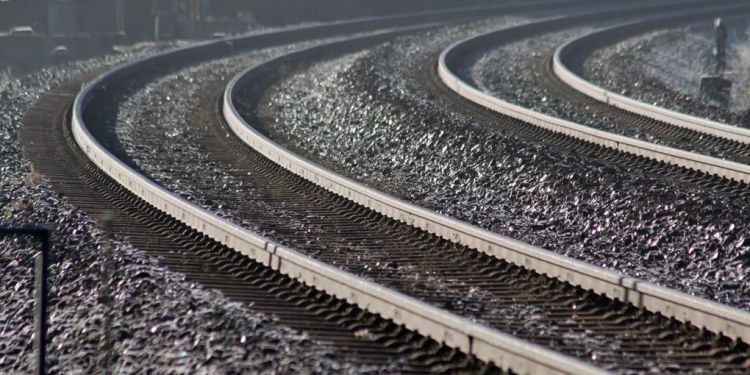
The Ostkustbanan project involves adding two additional tracks over approximately 23 kilometers from Uppsala to the Stockholm County border, along with the construction of new stations at Bergsbrunna and Alsike. This expansion aims to increase capacity, accessibility, and reliability on the busy Uppsala–Stockholm route, which currently faces capacity challenges during peak hours.
By expanding from two tracks to four, the railway will allow more trains to run more frequently and punctually. The separation of commuter and long-distance traffic will be possible, aligning with municipal planning and supporting the region's growing transportation needs.