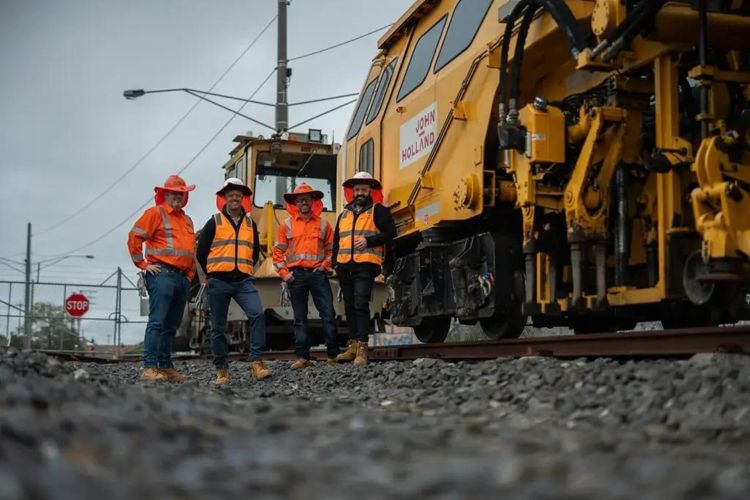
Inland Rail has announced that John Holland will oversee the construction for the remaining eight sites of the project in Victoria. This contract involves the Beveridge to Albury – Tranche 2 section, encompassing work at Benalla, Euroa, Wandong, Hume Freeway – Tallarook, Seymour, and three additional sites in Broadford.
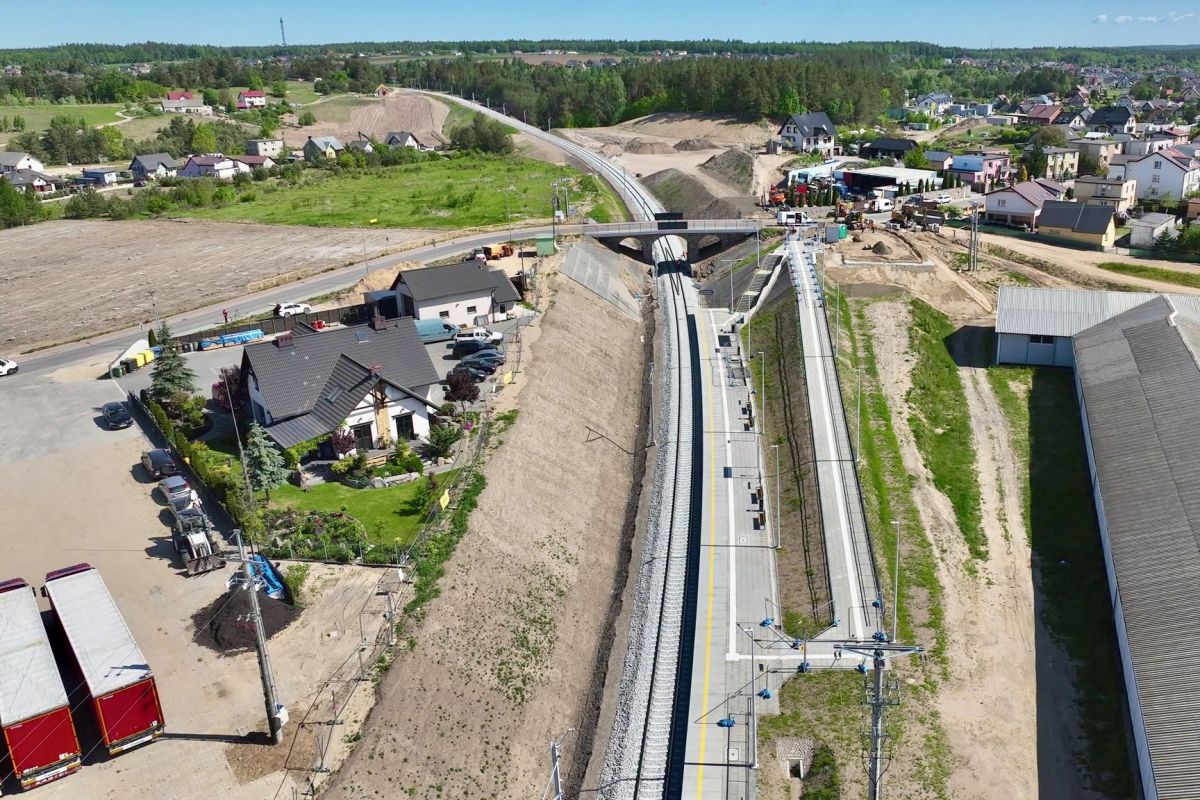
The Euroa and Benalla railway station precincts are also set for major overhauls, introducing new platforms, pedestrian underpasses, and additional parking to improve safety and accessibility for passengers.
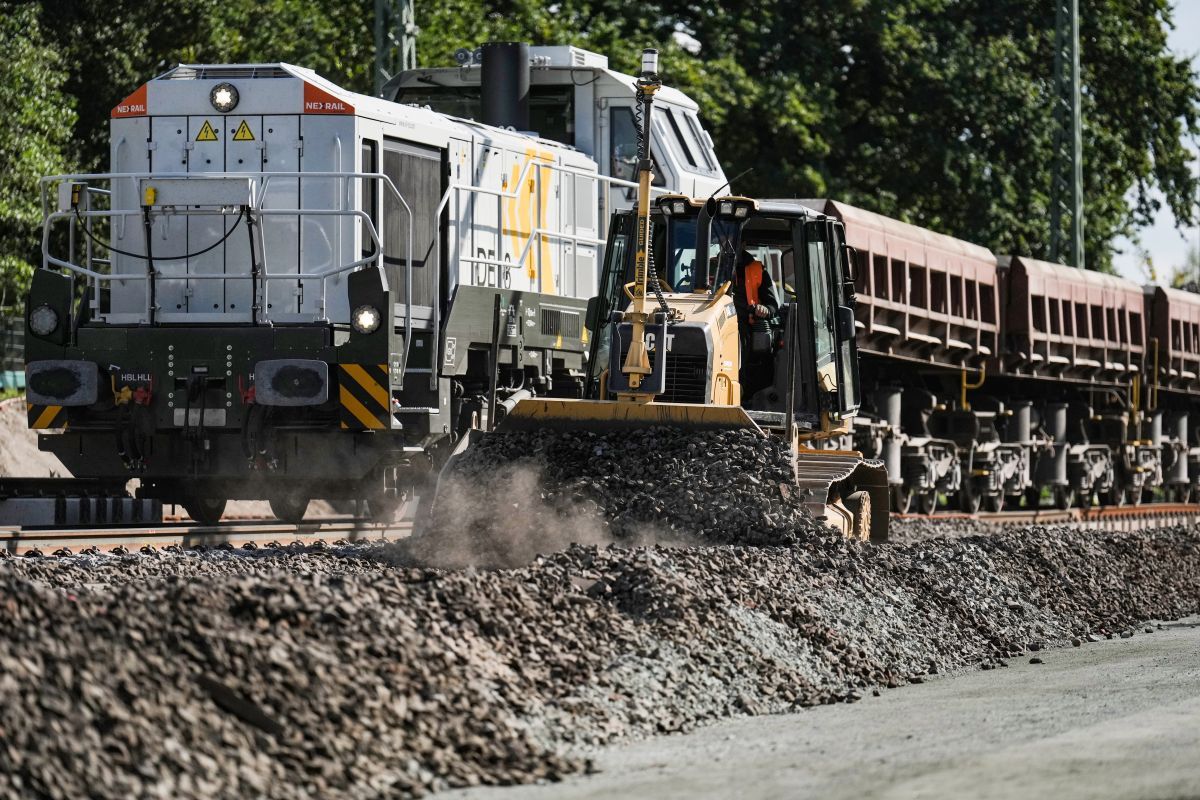
Mobilization and planning for this phase will start immediately, with construction scheduled to begin in early 2025 and completion expected by 2027. John Holland's selection for this project is attributed to their extensive experience in major rail and civil projects, including the Inland Rail Narrabri to North Star Phase 1 and the North East Rail Line Upgrade (NERL).
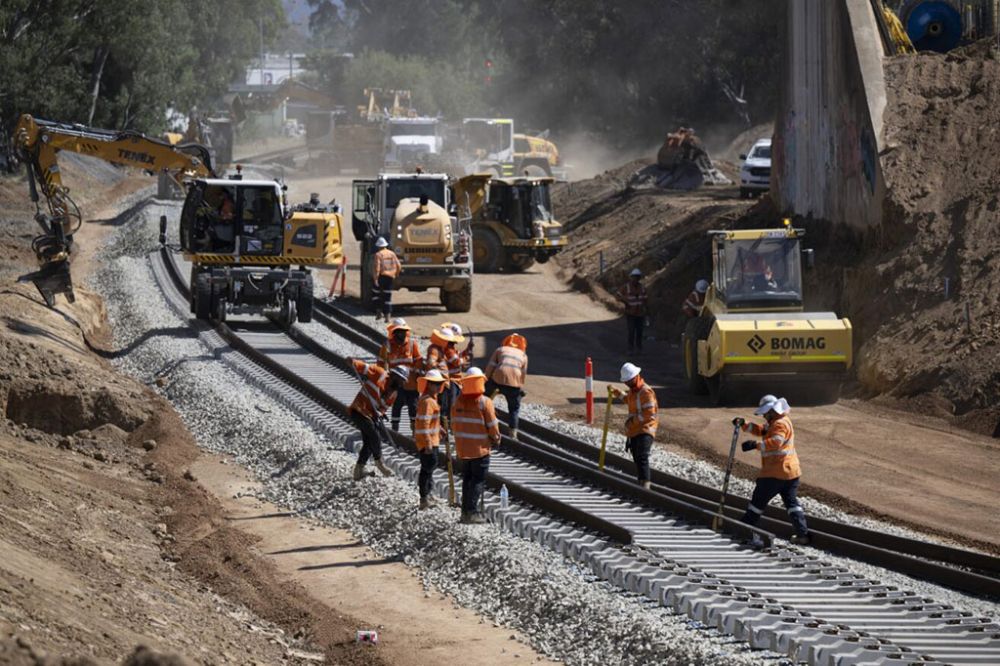
This construction effort is part of the broader Inland Rail initiative, transforming freight movement across Australia. Once completed, the rail line will connect Beveridge to Narromine, NSW, by 2027 and subsequently link to Ebenezer, Queensland. The work in Victoria includes 12 sites between Beveridge and Albury to enable the safe transit of double-stacked freight trains, promising faster and more reliable delivery of everyday goods across the country.
John Holland's early works and site investigations are currently underway, with full-scale construction set to commence early next year. The company aims to maximize local involvement and benefits for communities along the project route, reinforcing its commitment to supporting regional economies.
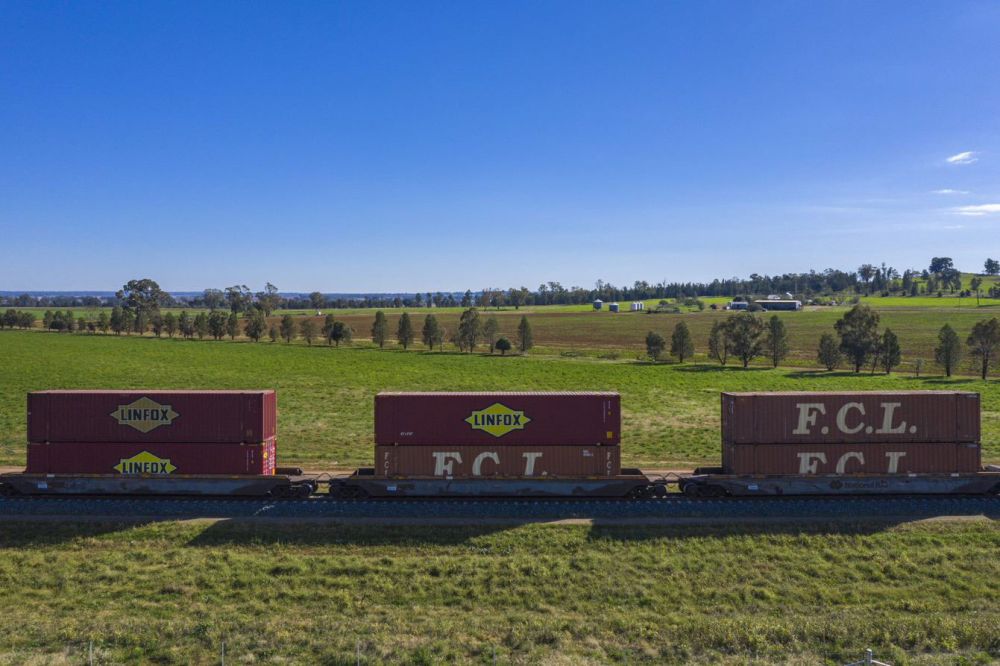
The Inland Rail project is positioned as a critical development in enhancing Australia's freight network, drawing parallels with other historic national rail projects. The initiative aims to shift more goods onto rail, reducing road congestion and emissions, while boosting economic activities in regional areas through job creation and local spending.
Since 2019, Inland Rail has employed nearly 5,500 people and spent close to $440 million with over 600 local businesses along the rail alignment, including substantial investments in First Nations-owned businesses. The project continues to make steady progress, with construction advancing in Victoria and New South Wales and planning approvals progressing in Queensland.