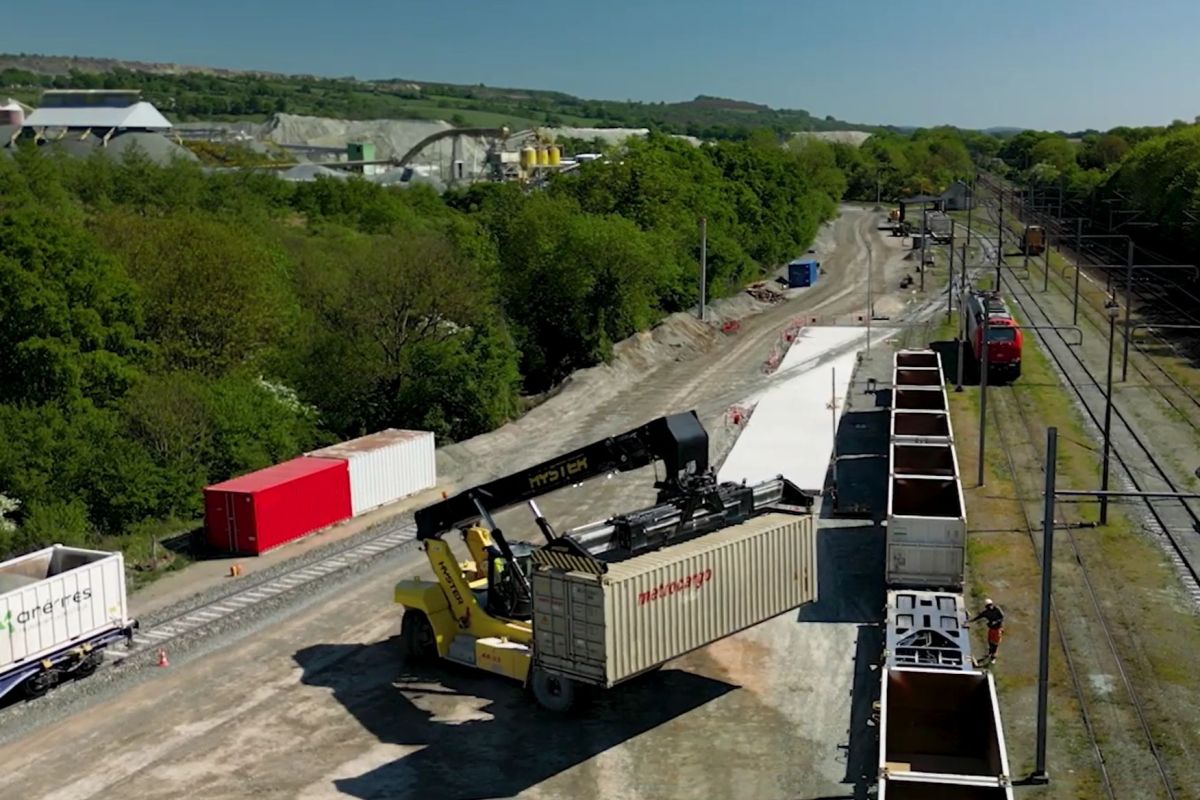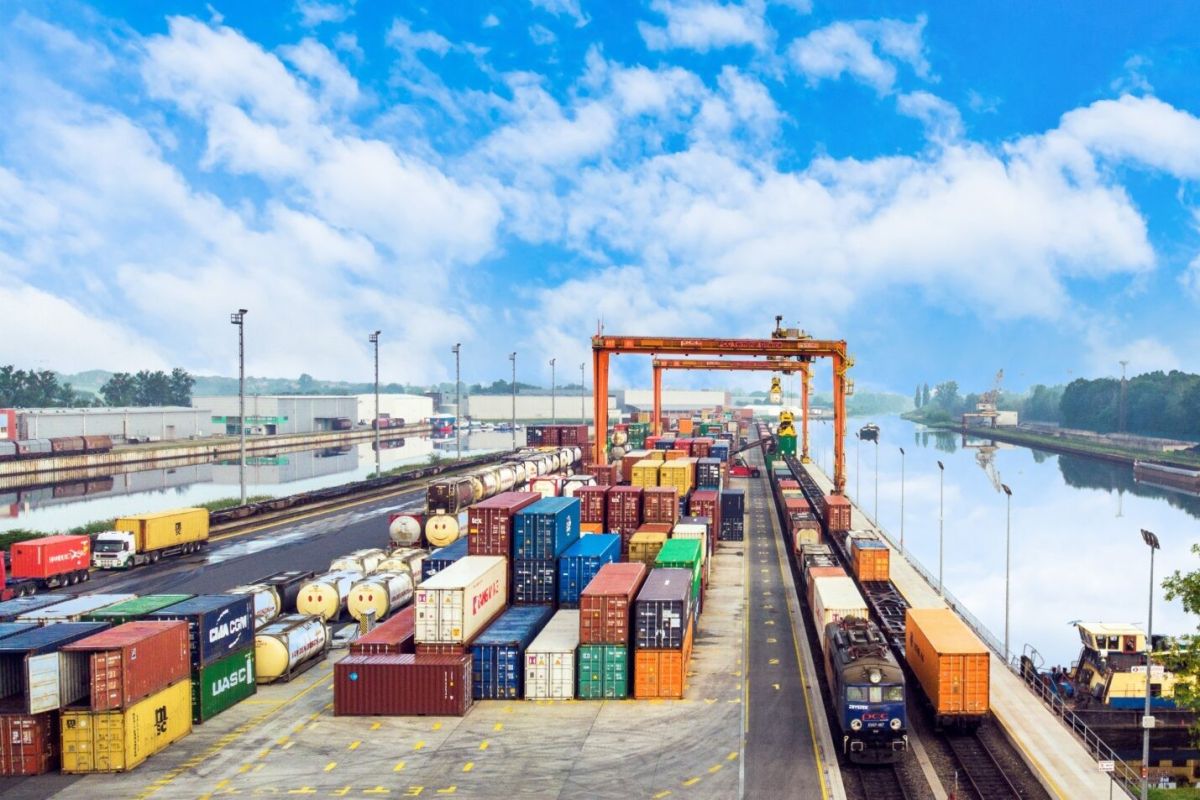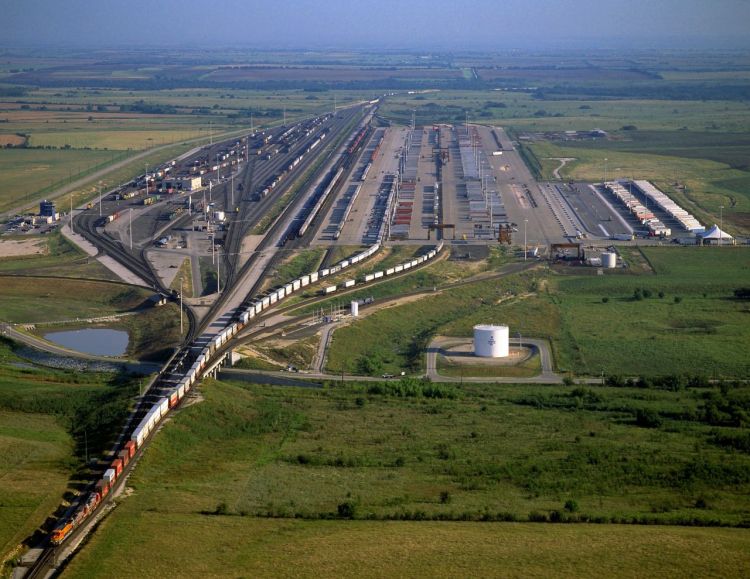
As Europe grapples with the challenge of balancing industrial development with agricultural preservation, turning underutilized rail yards into intermodal facilities or industrial sites offers a promising solution.
In the United States, BNSF Railway has set a precedent in this arena, showcasing the potential of such transformations through various successful projects. One notable example is the Hudson Asphalt Terminal in Colorado, which has recently begun operations at BNSF’s Logistics Center in Hudson. This facility underscores how pre-existing rail infrastructure can be leveraged to reduce development time and costs, benefiting businesses and the local economy.
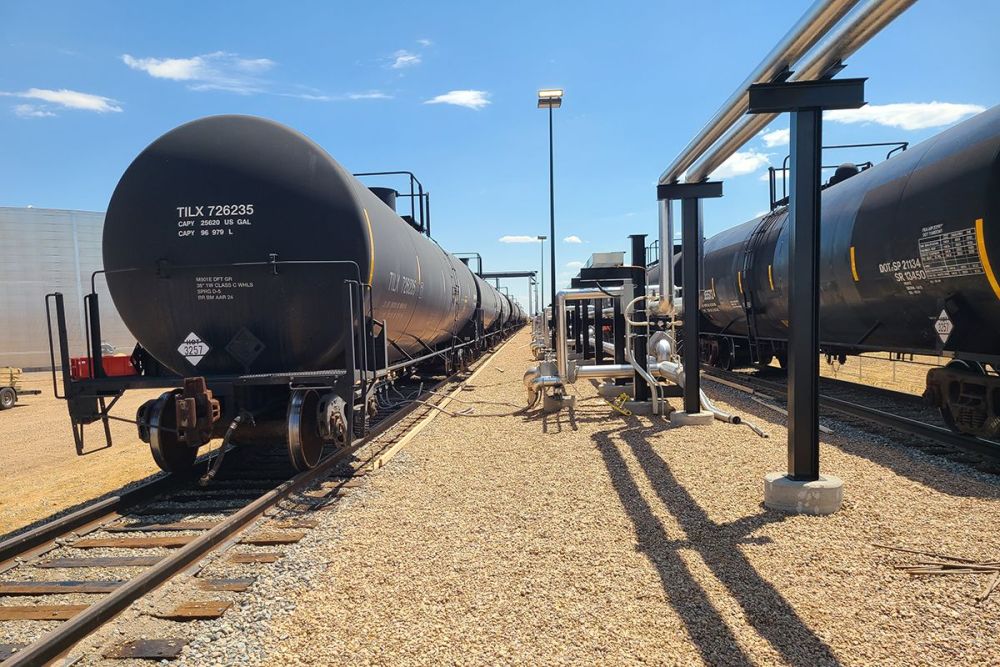
An asphalt customer as an example
The Hudson Asphalt Terminal, which received its first wagons of asphalt in July 2024, is a great example of this. Strategically located to serve the Front Range, highlights the advantages of BNSF’s logistics centers. These centers offer shovel-ready sites with established rail infrastructure, significantly cutting down the time and expense required for new developments. This model can serve as a blueprint for European rail freight operators and infrastructure managers.
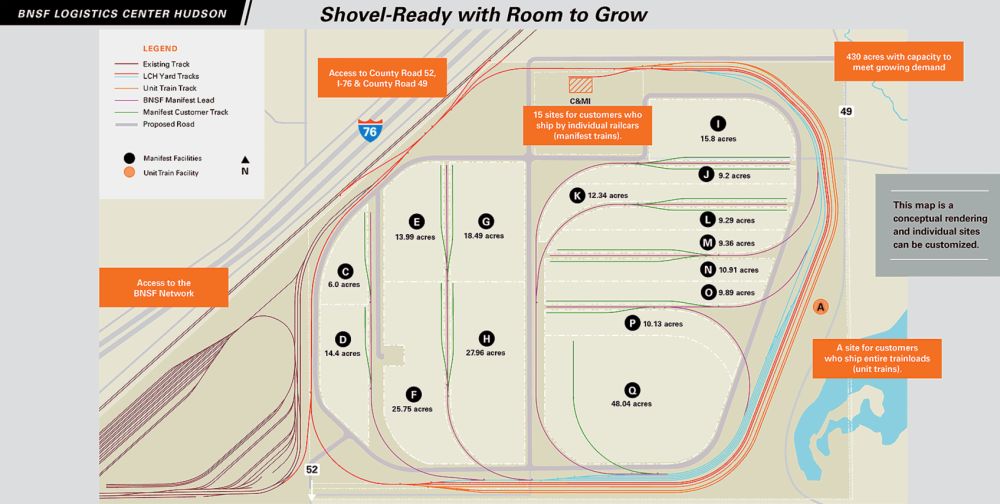
Railway company developing logistics centers
BNSF’s approach extends beyond individual facilities. Their network of logistics centers, including those in Oklahoma City, Fontana, Sweetwater, and Cleveland, Texas, exemplifies the strategic repurposing of former marshalling yards. By transforming these sites into intermodal facilities and industrial hubs, BNSF has demonstrated the economic viability and logistical benefits of such conversions.
How to turn marshalling yard into an intermodal facility
The Alliance Intermodal Facility in Texas stands as a testament to the long-term success of this strategy. Opened in 1994, Alliance was designed specifically for intermodal operations, departing from the traditional use of classification yards. This facility has grown exponentially, now handling thousands of trailers and containers daily, and serving as a critical connection point for freight movement across North America.
Alliance’s evolution from a greenfield site to a major logistics hub illustrates the potential for efficiency and capacity improvements through thoughtful design and technological advancements. The facility’s integration of artificial intelligence and drone technology for inventory management has further enhanced its operational efficiency.
Lessons for Europe
For Europe, the lessons from BNSF's initiatives are clear. Repurposing former marshalling yards into logistics centers or intermodal facilities can alleviate the pressure on agricultural land, promote sustainable development, and enhance the efficiency of freight transport. By following the American example, European rail operators can create conducive conditions for industries to remain close to rail networks, thus revitalizing brownfield sites and supporting regional economies.
The success of BNSF’s projects, particularly the transformation of the Alliance Intermodal Facility, provides a compelling case for similar endeavors in Europe. With careful planning and investment, the European railway industry can harness the potential of its existing infrastructure, paving the way for a more sustainable and efficient future in freight logistics.