The growth was concentrated in Bremerhaven, which recorded almost 56 million tonnes of seaborne cargo, up 9.3%. In contrast, volumes in the city of Bremen declined to 9.3 million tonnes, reflecting lower bulk and general cargo flows.
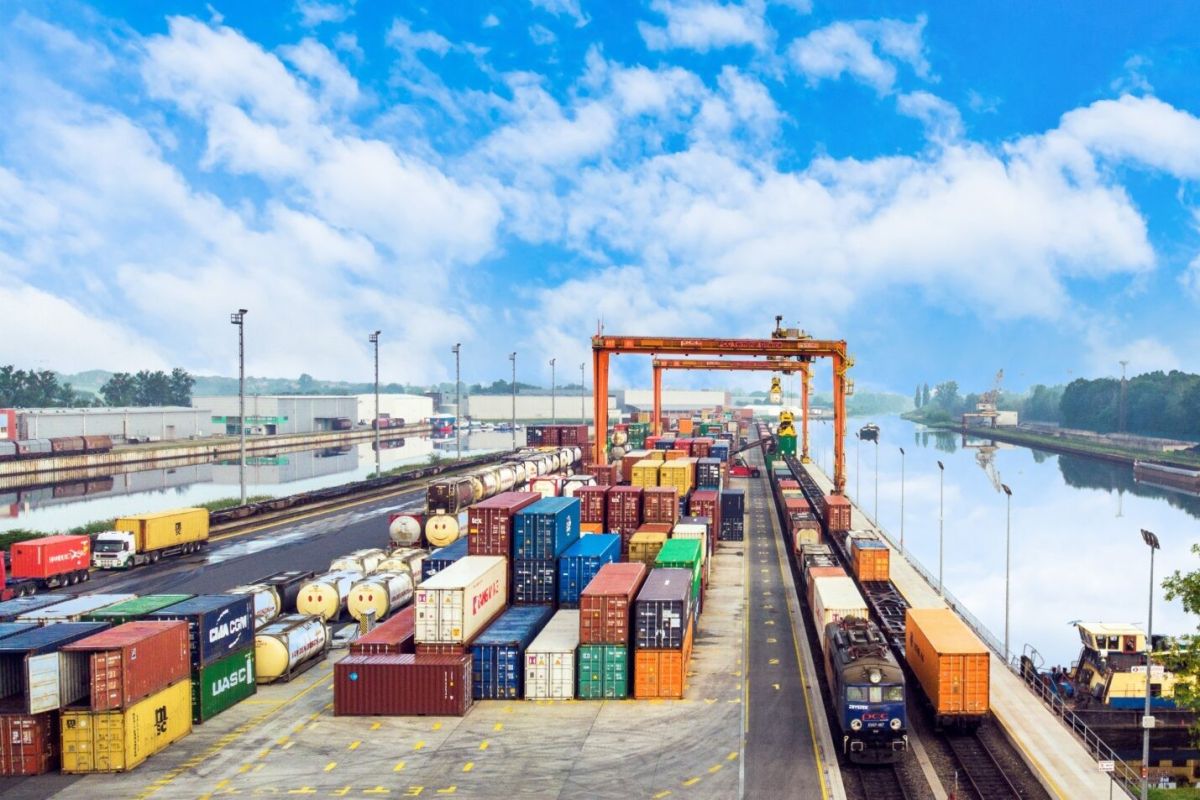
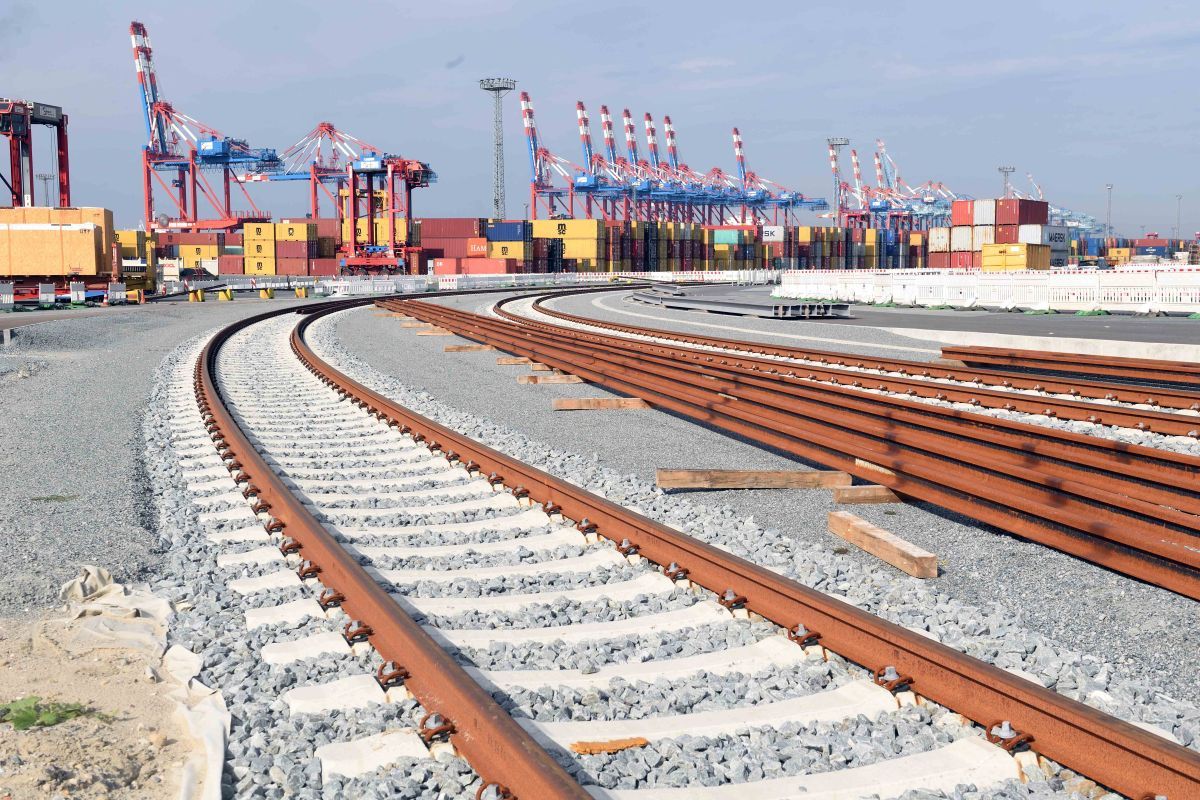
For rail freight operators, the key indicator was hinterland performance. Around 2 million TEU were transported between Bremerhaven and inland destinations in 2025, with rail accounting for 53.1% of this volume, or more than 1 million TEU. The rail share confirms Bremerhaven’s position as one of the leading rail-oriented container gateways in Northern Europe.
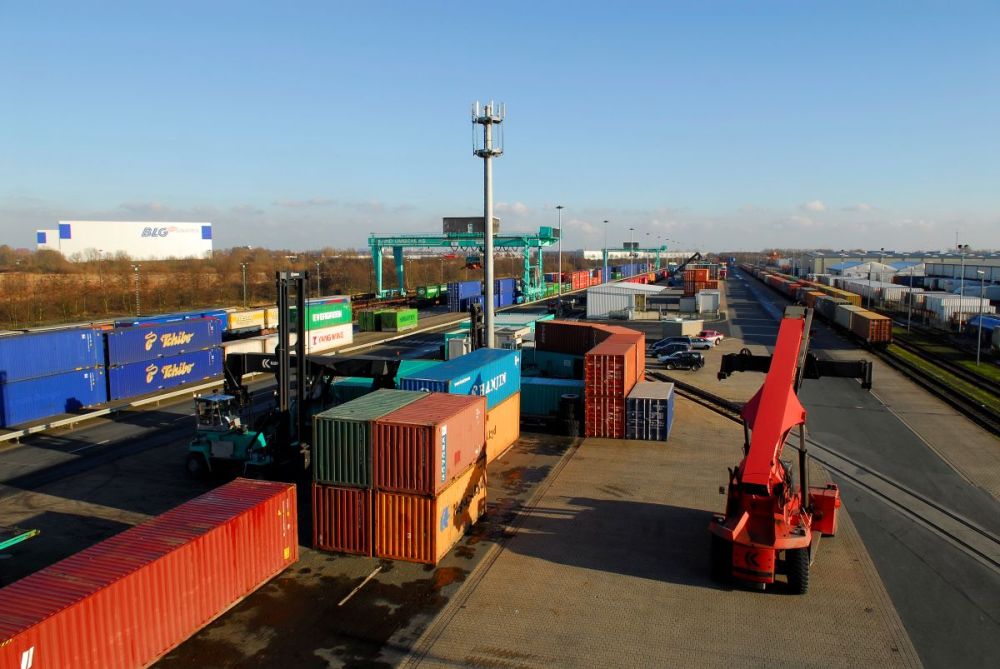
The increase in container throughput, achieved despite ongoing navigational constraints on the Outer Weser, translated directly into higher intermodal volumes on German and Central European corridors. The stable balance between import and export containers supports regular train formations in both directions.
Automotive volumes remained at 1.25 million vehicles, broadly unchanged year on year, sustaining rail flows linked to Bremerhaven’s vehicle terminals. Bulk traffic in Bremen declined, reducing related wagonload demand from the steel and energy sectors.