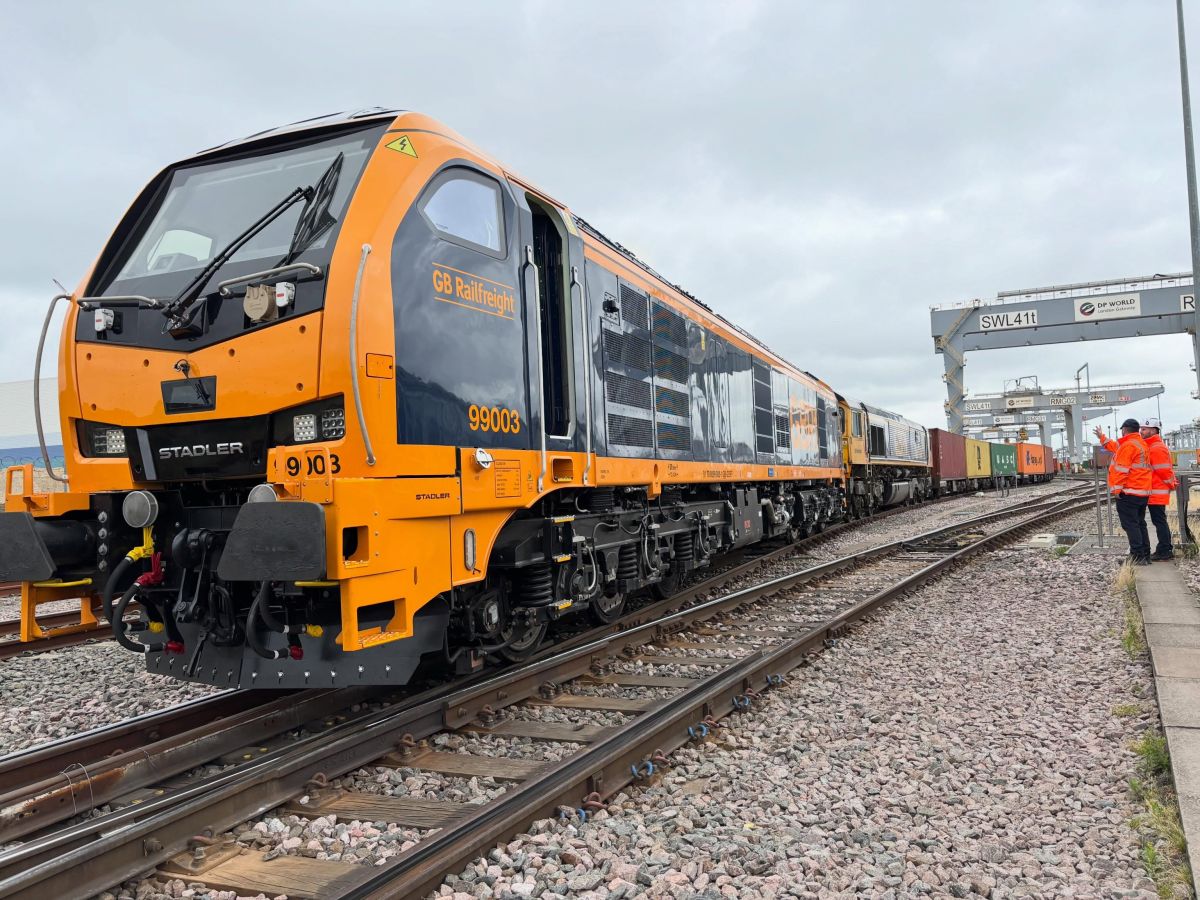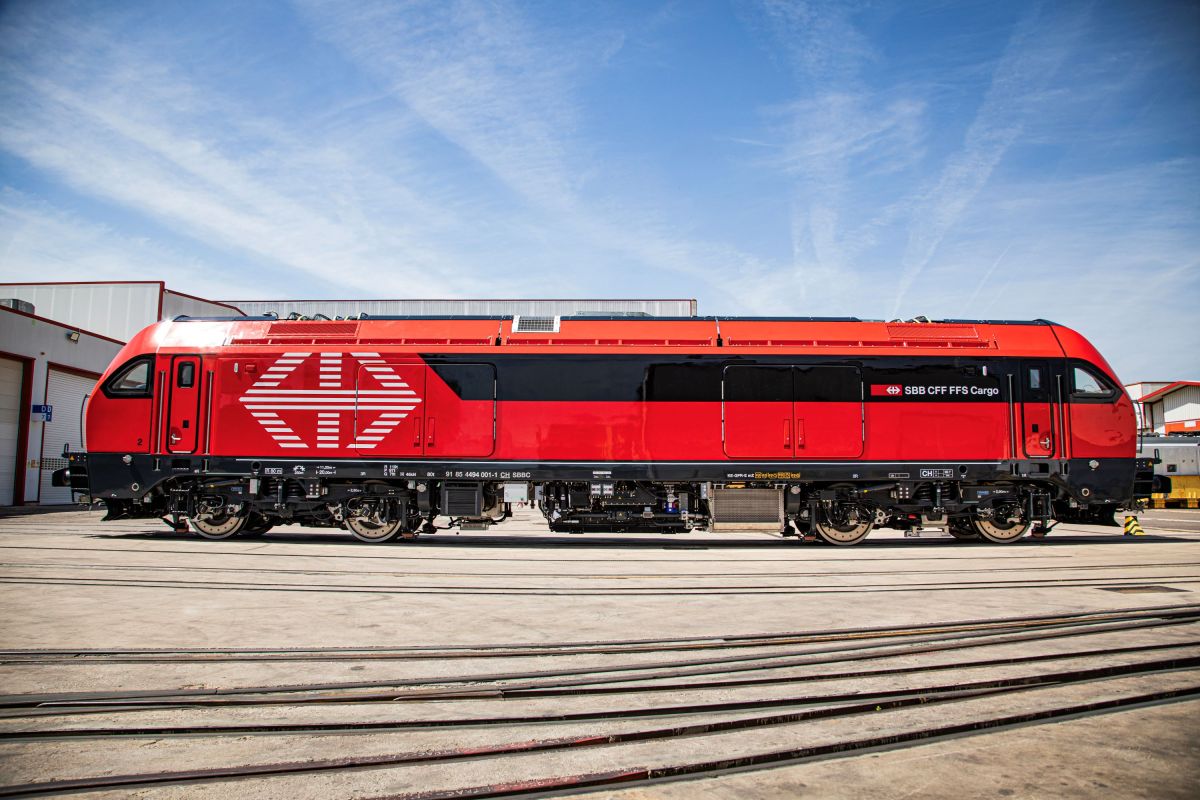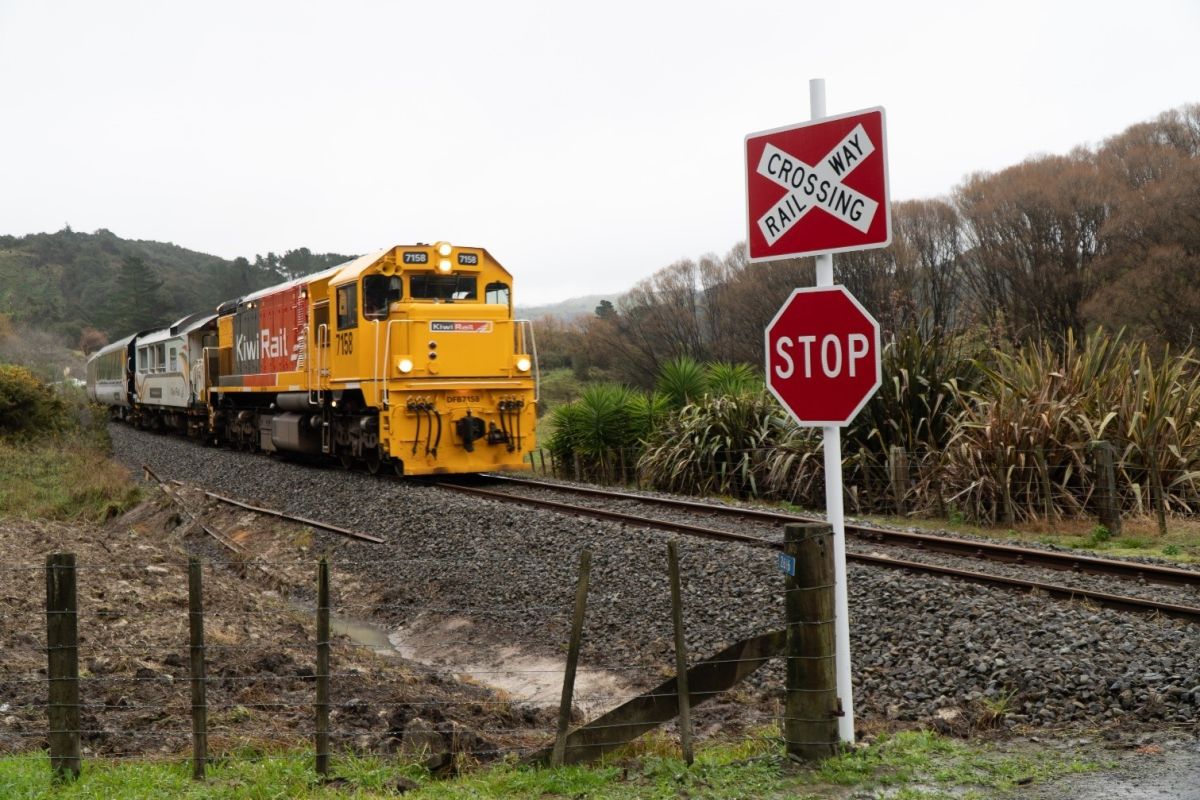
The largest share of the Traxtion investment is directed at locomotives. Traxtion is spending R1.8 billion, around €91 million, on 46 diesel-electric locomotives purchased from KiwiRail in New Zealand. The order includes 42 U26C locomotives and four C30-8MMI locomotives. The U26C locomotives will be rebuilt to C30MEI specification with new engines and updated control systems. All overhaul and rebuilding work is planned at Traxtion’s Rail Services Hub in Rosslyn.
The locomotives are planned to arrive in four batches between April 2026 and August 2027. Each batch of 10 to 12 locomotives is expected to spend around four months in refurbishment. The first rebuilt locomotives are expected to enter service in the third quarter of 2026.
A further R1.6 billion, equal to about €81 million, is allocated to wagons. Traxtion expects these wagons to be supplied by manufacturers based in South Africa. The company has stated that at least 60% of the programme value is targeted to be local content. Manufacturing, assembly, commissioning and deployment are projected to support a minimum of 662 direct jobs.
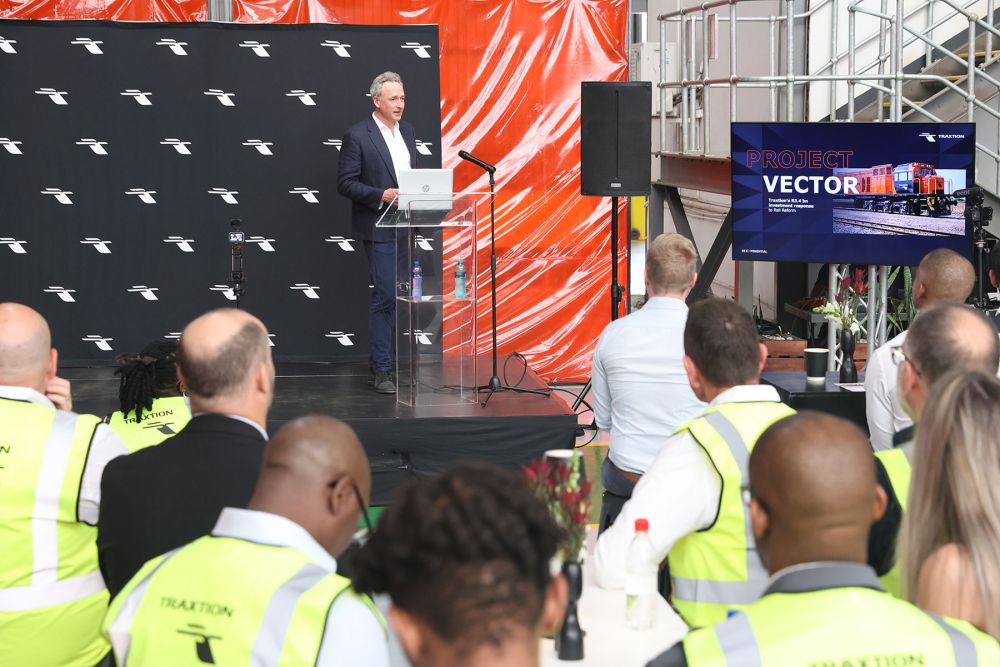
The additional locomotives and wagons are intended for bulk and container freight on busy corridors. Traxtion estimates that the added rolling stock could cover around 5% of the national freight rail capacity shortfall.
The investment has been linked to South Africa’s rail reform process, including access to infrastructure, operating conditions and economic regulation. Traxtion has also referred to rail access agreements, service performance requirements and lender protections in this context.
Traxtion operates in 10 African countries and manages more than 50 locomotives under long-term contracts. The R3.4 billion programme forms part of a wider private-sector commitment of R5 billion, equal to about €254 million, announced alongside South Africa’s National Rail Policy in 2022.