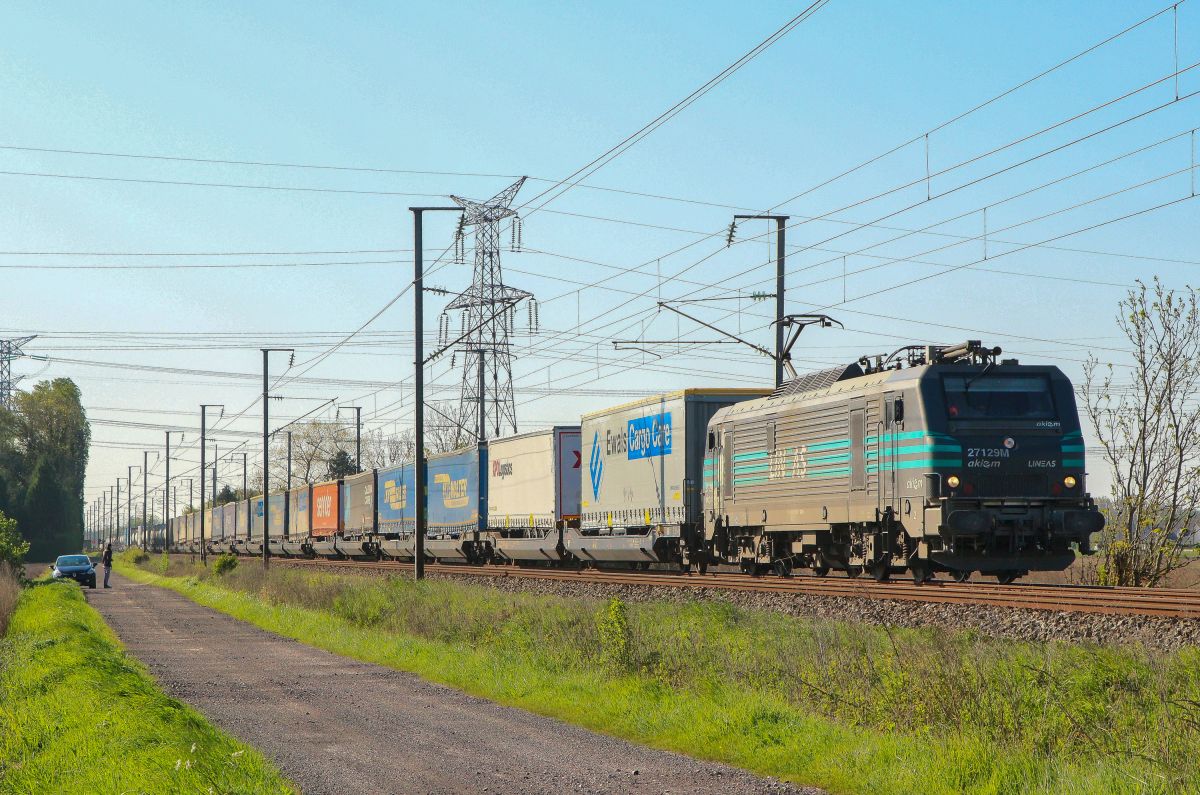
A coalition of 45 transport sector stakeholders, led by the International Union of Wagon Keepers (UIP), has addressed an open letter to the Permanent Representatives of the 27 EU Member States and key European Commission departments, advocating for the continuation of a dedicated European transport funding instrument in the next EU budget cycle.
The letter, dated 4 February 2025, follows indications that the European Commission is considering shifting a substantial portion of transport funding towards Member States under the next long-term financial framework, set to begin in 2027. The signatories argue that a centrally managed approach is necessary to maintain cross-border connectivity, infrastructure investment planning, and coordinated development across the EU.
The transport sector’s position is based on the role of efficient and well-integrated mobility networks in supporting economic activity, industrial competitiveness, and logistical operations within the EU internal market.
References are made to past EU policies and reports, including those by Jacques Delors in 1993 and more recent analyses by Mario Draghi and Enrico Letta, which have consistently underlined the need for a structured, pan-European funding mechanism to ensure the completion and modernization of the Trans-European Transport Network (TEN-T).
Transport stakeholders emphasize that a centrally coordinated investment framework is essential to maintaining infrastructure capable of addressing geopolitical and economic challenges. The letter underscores the importance of maintaining transport network resilience, military mobility, supply chain security, and the transition to a net-zero economy, all of which rely on seamless and efficient connectivity across Member States.
The appeal to EU decision-makers urges them to consider the broader implications of shifting transport funding to national budgets and calls for a commitment to long-term, stable investment planning at the European level. The discussion is expected to continue in upcoming budget negotiations, where Member States and EU institutions will determine the structure and priorities of future transport funding.