The KIRA project, run by Rhein-Main-Verkehrsverbund (RMV) and Deutsche Bahn (DB), has expanded into northern Darmstadt, bringing six autonomous shuttles to the city for the first time. Routes now connect key points including the central station, Pallaswiesenstraße and the Nordbad/Bürgerpark, while rides between Langen, Egelsbach and Darmstadt are also available.
Since the start of pilot operations in May 2024 in Langen and Egelsbach, more than 1,000 test passengers have signed up. Ratings average 4.5 out of 5, and the vehicles have already logged over 60,000 kilometres. Demand has been highest at the railway stations in Langen and Egelsbach. Trips can be booked on-demand via the KIRA app.
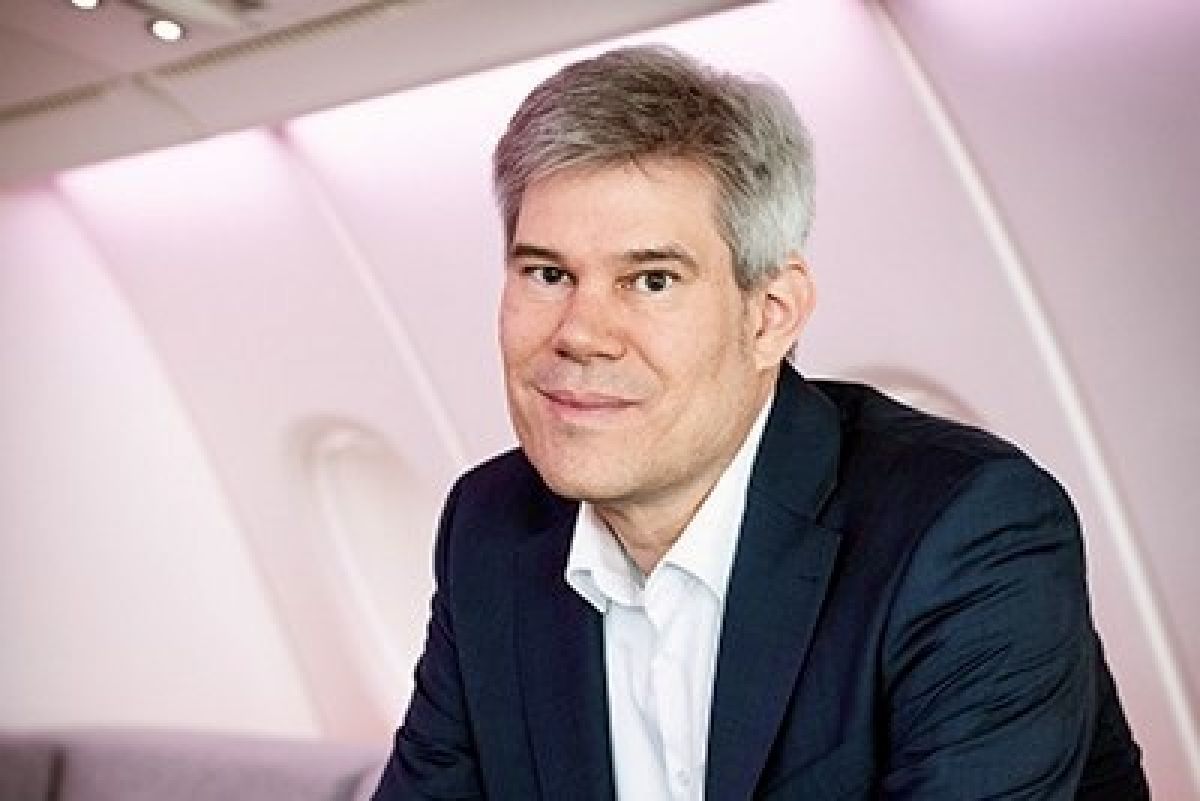
"The KIRA service area is growing with Darmstadt and now directly links rural areas to the city," said Knut Ringat, RMV CEO. "We are testing how public mobility can be available everywhere and at all times – a crucial step towards our vision for autonomous public transport."
DB Regio’s Arne Schneemann added: "The project has already delivered important insights on how to make public transport more flexible. Passenger feedback confirms we are on the right track." Darmstadt’s mayor Hanno Benz welcomed the deployment, noting it makes the city one of the first in Germany to host such technology: "Offers like KIRA improve social participation for all residents, regardless of personal mobility."
KIRA, short for 'AI-based regular operation of autonomous on-demand services', is the first German project to test Level 4 autonomous driving in public transport. Operated by DB Regio Bus Mitte, it uses booking and routing software from DB’s ioki, combined with self-driving technology from Mobileye.
The pilot is funded with around €2.2 million from the Federal Transport Ministry and supported by the state of Hesse. Research partners include the German Aerospace Center (DLR), Karlsruhe Institute of Technology (KIT) and the Association of German Transport Companies (VDV). Test operations are scheduled until the end of 2025, with an extension already under consideration.