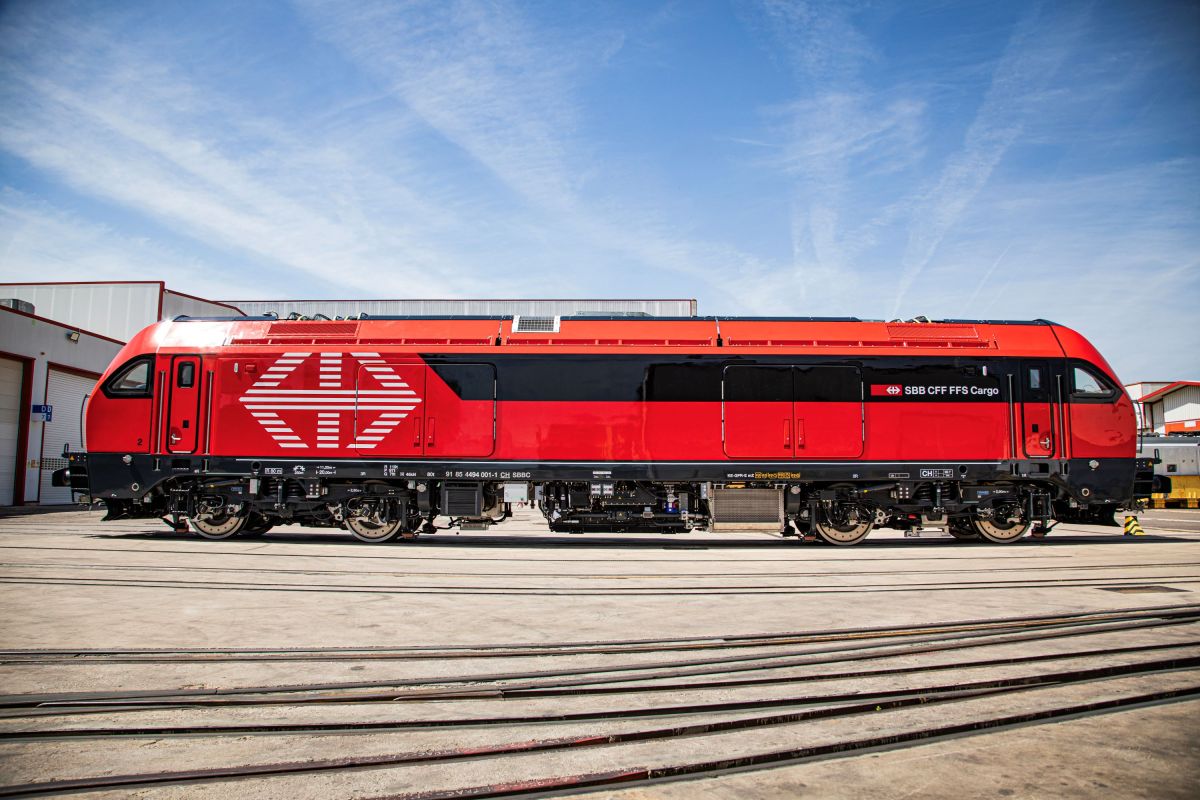
SBB has triggered criticism after awarding a contract for 116 new double-decker trains to Germany’s Siemens Mobility, leaving out any Swiss manufacturer from one of its largest recent rolling stock procurements.
The outcome reignited the debate around national preference in public contracts. Critics questioned why the state-owned railway operator did not opt for a Swiss-built solution. However, SBB responded by citing federal procurement law (BöB/VöB), which mandates equal treatment of all bidders and prohibits favouring domestic suppliers. The notion of “Swissness” is legally excluded from the evaluation process.
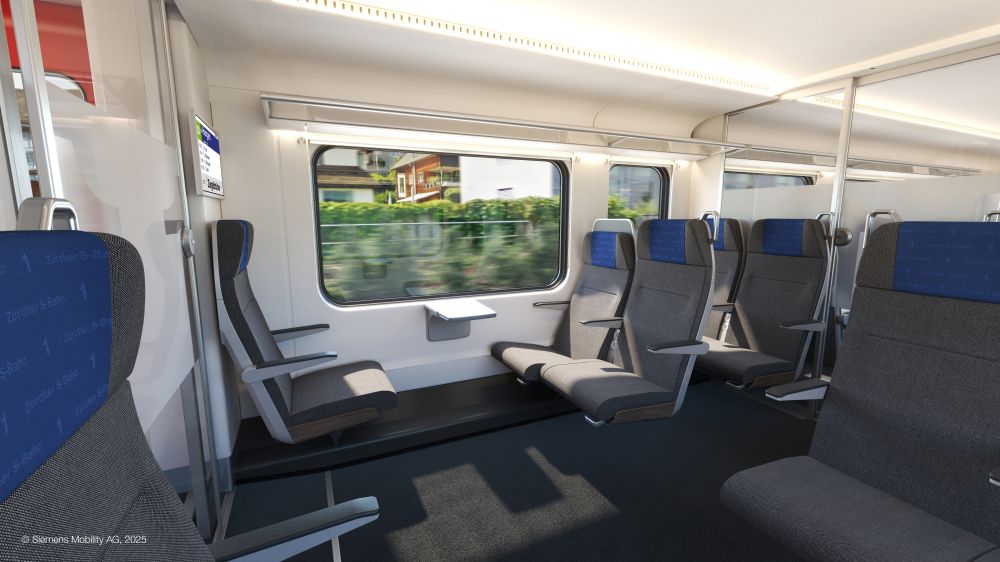
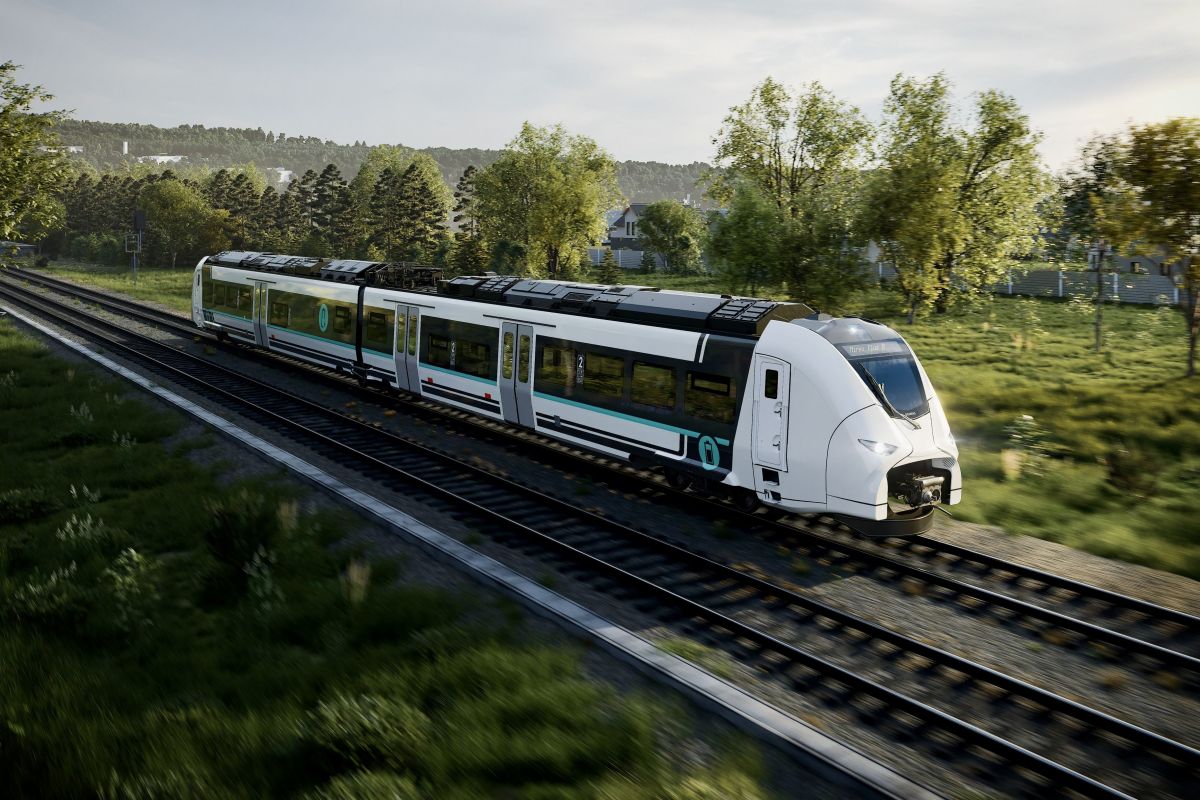
SBB evaluated the bids using criteria such as investment and operating costs, compliance with technical specifications, service agreements, and sustainability. According to the operator, Siemens achieved the highest overall score across these categories. The train model selected is a further development of Siemens’ Desiro HC platform.
Out of the 116 trains ordered, 95 will run in the Zurich area, while 21 are destined for the RER Vaud and RE33 Martigny–Annemasse routes in French-speaking Switzerland. The contract includes an option for 84 additional units.
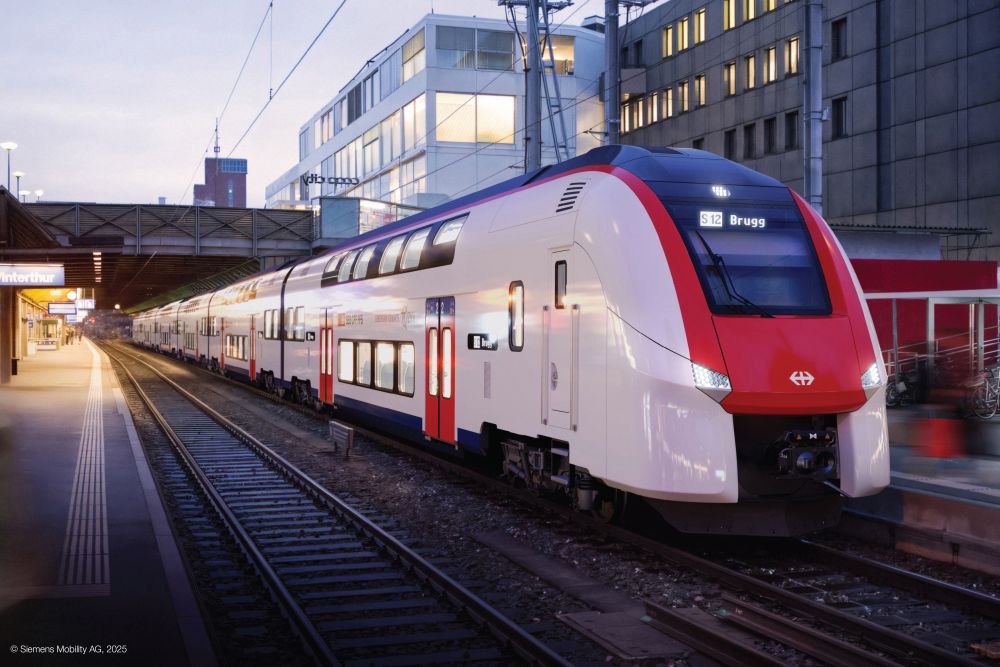
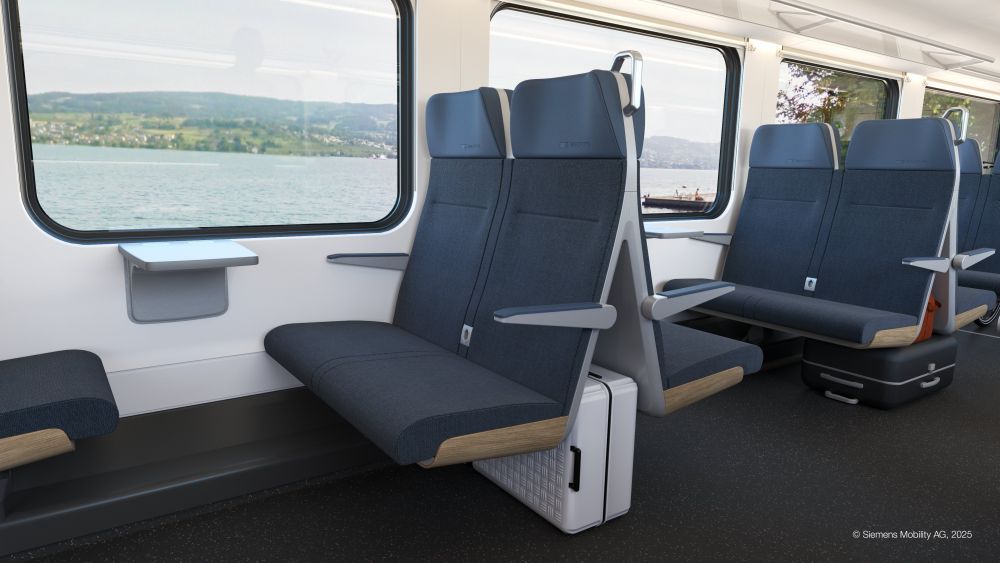
Each train will be around 150 metres long, offering roughly 540 seats and low-floor access throughout. Peak-hour operation in double traction will increase capacity. The trains will include multi-purpose areas for bicycles and luggage, power outlets at every seat, and modern passenger information systems.
Despite the foreign contract award, parts of the work—such as commissioning and maintenance—will remain in Switzerland. Siemens employs about 6,000 people in the country and works with local suppliers.
Bidders have 20 days to challenge the award before the Federal Administrative Court.