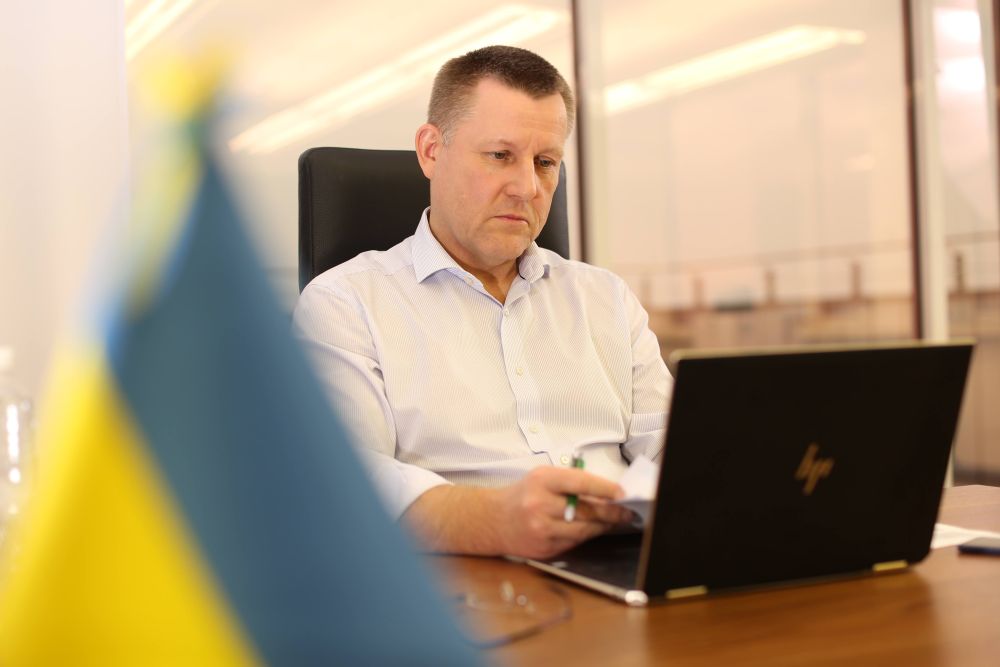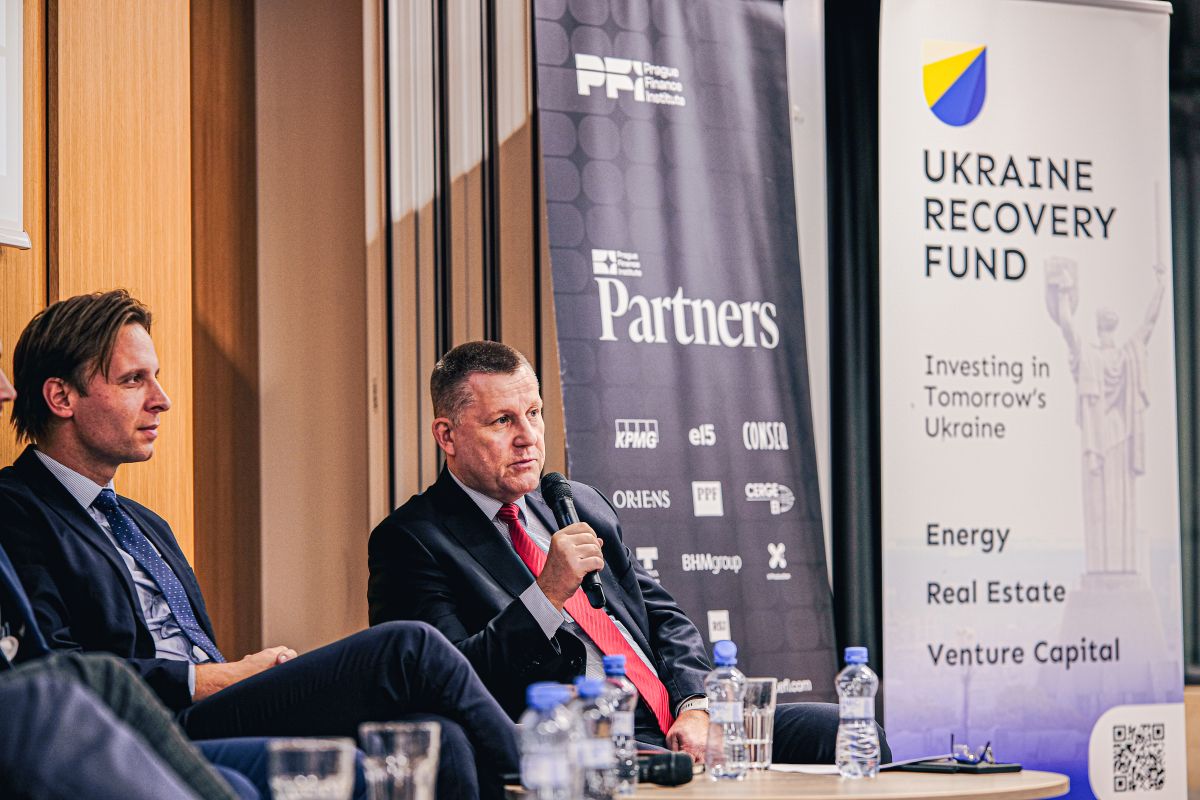
Petr Krumphanzl is a high-level transformation strategist with over 20 years of experience leading massive corporate shifts across the EU, Asia and Ukraine. Known as the “Strategic Architect of Resilience,” he has navigated complex financial transformations, acquisitions, and crisis management. Most notably, he led PrivatBank, Ukraine's largest bank, following its nationalization and managed Raiffeisen Bank during the global financial crisis. Currently the Managing Director of Ukraine Recovery Fund SICAV, he holds a degree in Mathematics from Charles University. This interview is about the rebuilding of railways, logistics and infrastructure in Ukraine.
RM: We are entering the fifth year of the full-scale invasion. From your perspective, how has the "Ukrainian crisis" shifted from a purely military one to a complex socio-economic transformation?
Petr Krumphanzl: The war is no longer just a military conflict; it has become a profound political and economic stress test. The invasion triggered shifts not only in Ukraine but across Europe and the U.S., rendering decades-old "untouchable" principles invalid. Within Ukraine, the wave of emigration is a critical factor; we must accept that half of those who left may never return. This will cause long-term structural changes in society and a significant shortage of specialists in vital sectors.
Leader is expected to be strong. Compromise is often viewed as weakness.
RM: With high-level talks currently happening, how do you assess the realism of the current peace plan compared to previous diplomatic efforts?
Petr Krumphanzl: My expectations regarding the outcomes frequently mentioned in the media are limited. Any deal must be judged by its ability to provide long-term peace; investors do not need a "perfect" peace, but they do need a predictable one. I believe the West often underestimates the impact of cultural differences. While European leaders are valued for negotiation and compromise, the mentality in Eastern Europe is different: a leader is expected to be strong and achieve goals regardless of circumstances. Here, compromise is often viewed as weakness. Given the contradictory goals of both sides, finding mutually acceptable terms remains difficult.
RM: How do internal political dynamics, such as the push for anti-corruption in state-owned enterprises like Energoatom, impact international investor confidence?
Petr Krumphanzl: Stability stems from institutional strength, not just individual leadership. International investors are under no illusions; they know corruption has been, is, and will be present in Ukraine. They either know how to navigate it or they factor it into their investment risk. This is why they seek specialists with deep, practical experience on the ground - advisors, lawyers, and accountants who understand the local terrain.
RM: What specific "security guarantee" is the minimum requirement for a major European or American company to resume operations in the East or South?
Petr Krumphanzl: This is a tricky question. Many international companies are already operating in Ukraine because they decided to accept the risk and the associated costs. In many cases, it pays off: they are seeing strong financial results due to decreased competition and higher operating margins. Later, when others finally evaluate the situation as “safe,” they will face a crowded market entry. That surge in competition will drive up costs and dramatically compress margins.
RM: You emphasize that Ukraine doesn’t need “recovery,” but “transformation.” What is the fundamental difference?
Petr Krumphanzl: Recovery is about returning to 2021; Transformation is the leap to 2030. We don’t want to simply rebuild what was broken; we want to build what has never existed. As people return from the front lines or from displacement, they will find a new society. Companies will need to change product lines and services, requiring a new kind of specialist. For management, this means implementing flatter, more flexible organizational structures and relying more on real-time data than on historical patterns.
RM: How has digitalization changed the "cost of doing business" regarding transparency?
Petr Krumphanzl: Ukraine has experienced an incredible wave of successful digitalization over the past seven years. During a short period the team of Ministry of Digitalization defined, developed and brought to life system called Diia. This administrative system effectively removes the human element from many potential points of corruption. However, we must remember that many processes behind these digital channels remain manual. There is still a risk of unfair treatment. For example, while a citizen can request a passport digitally and wait 6–9 months, private companies can often facilitate the same process for a fee in just four weeks. The duration suggests the human factor is still very much at play.
RM: What is the single most important leadership quality required to lead a big organization during a power crisis?
Petr Krumphanzl: Resilience or the ability to maintain a clear vision when the lights go out. Leaders must be flexible and prepared for the unexpected. In the past, "disaster recovery plans" were for critical infrastructure only; today, they are a necessity for every company. Managers who can deliver under these conditions - without electricity, key personnel, or internet - will be the most sought-after leaders of the future. If you can lead in Ukraine today, you can lead anywhere in the world.
RM: What do you see as the most critical area for transformation of Ukraine?
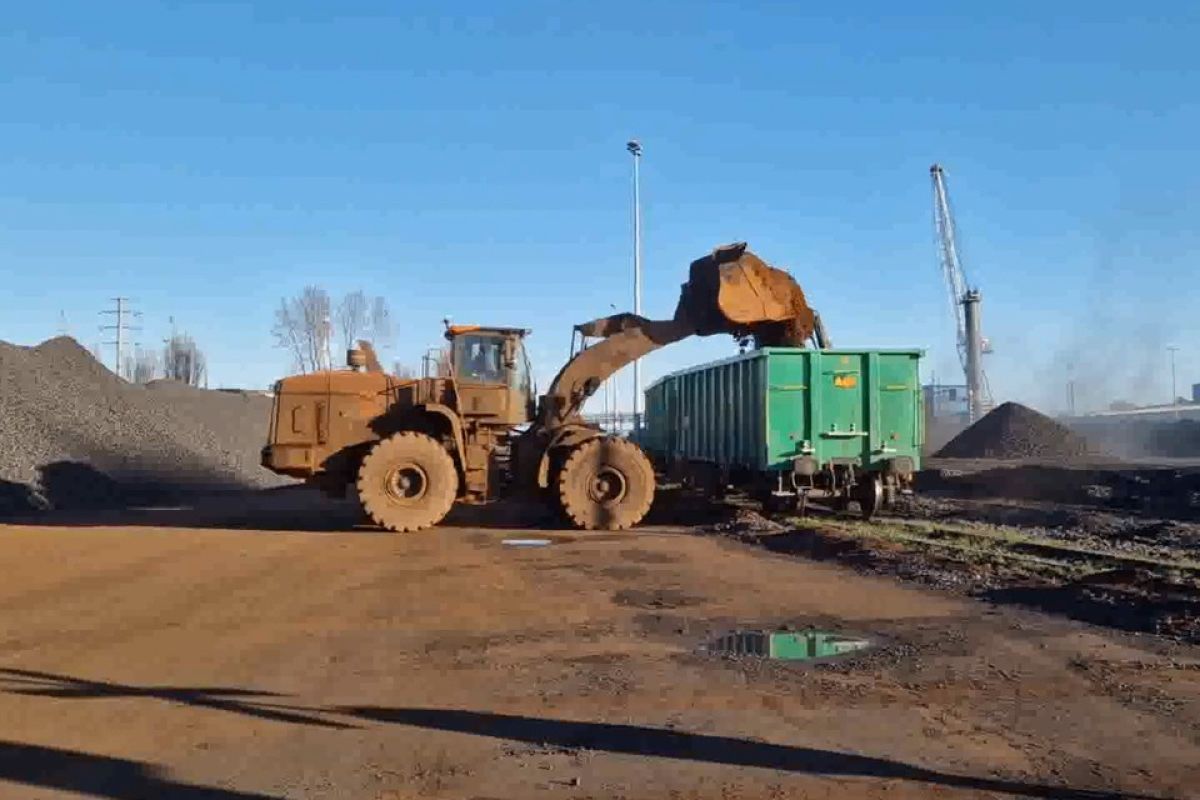
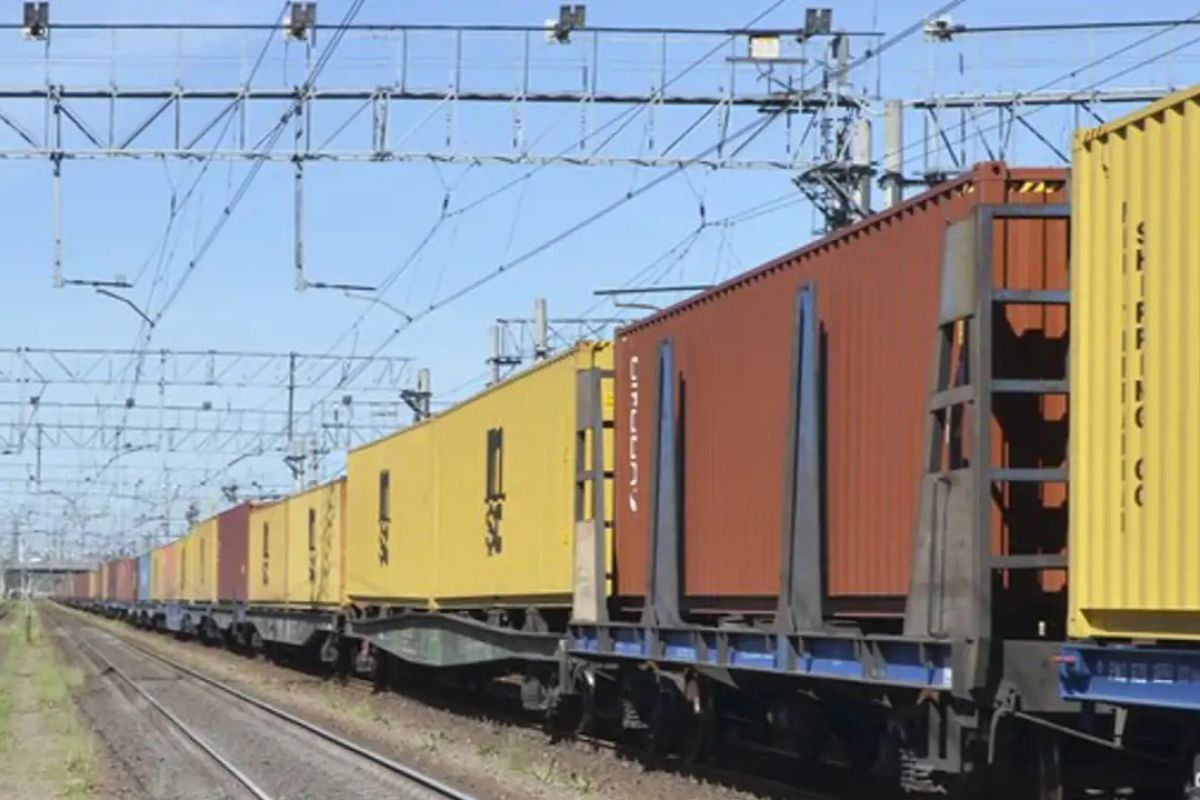
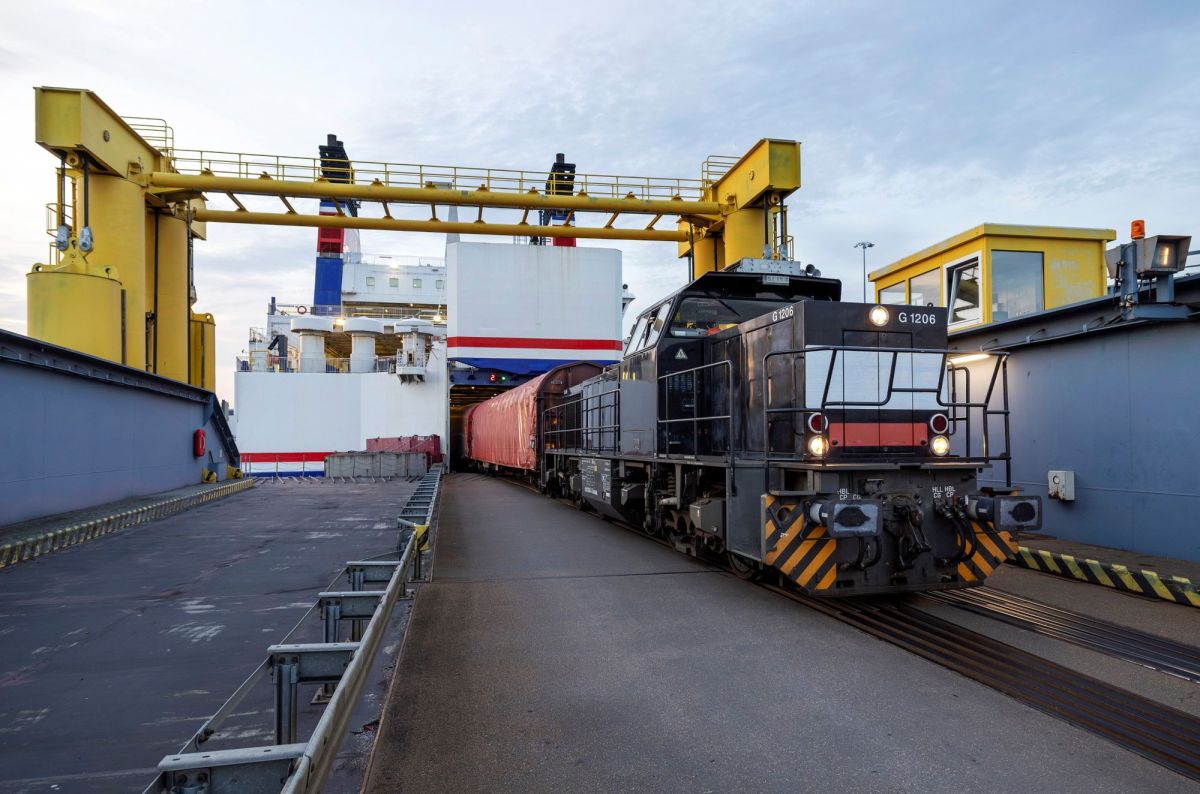
Petr Krumphanzl: Logistics is the single most important area. All companies and people in Ukraine need efficient logistics infrastructure. Roads and railroads for moving goods both inland and international. Logistics parks and storage for growing international trade and e-commerce. Efficient border-crossing infrastructure and customs clearing. Rebuilding of seaports and related infrastructure required for quick loading and unloading of ships. Logistics will be one of the keys for quick development of cooperation with EU. The volumes will continue to grow every year.
RM: What are the other transformation needs or preconditions for Ukraine to become the ‘Tiger of Eastern Europe’?
Petr Krumphanzl: Becoming the 'Tiger of Eastern Europe' is not just about rebuilding what was destroyed; it’s about leapfrogging to the future.
First, the absolute necessity is the trust. Ukraine must complete its judicial reform so that an international investor feels as safe in Kyiv as they do in Prague. Without the rule of law, capital remains speculative and short-term.
Second, we have to look at human resources. The true 'Tiger' engine will be the return of the millions of displaced citizens. This requires a modernized education aligned with the tech sector and a social safety net that rewards innovation.
Lastly, Ukraine must leverage its unique position as a military-tech hub by integrating its battle-tested drone and AI innovations into the civilian economy. Ukraine can lead the world in dual-use technologies. The 'Tiger' of the 21st century won't just be a manufacturing hub; it will be a laboratory for the future of security and energy.
RM: Do you see Ukraine becoming the "Israel of Eastern Europe" in terms of military R&D?
Petr Krumphanzl: Ukraine is currently the world’s most advanced testing ground for AI-driven warfare - a laboratory for the future of global defence. This conflict has revealed that existing military doctrines are outdated. Because new and improved weapons appear every three months, Ukraine has developed a unique know-how that can transform it into a global military powerhouse.
RM: Is decentralized "Green Energy" now a strategic necessity for large industry?
Petr Krumphanzl: The current situation demands the utilization of every available energy resource. Decentralized energy is a strategic asset for survival. While "Green Energy" is a "nice to have" today, it will become critical when we discuss EU entry and alignment with European carbon standards. Alignment is the "price of entry" to the world’s largest market.
RM: How can Ukraine ensure natural resources like lithium and titanium build a domestic "value-added" industry?
Petr Krumphanzl: It is the government's responsibility to protect these resources. We can only hope there is enough institutional control to prevent them from being sold off as raw materials by corrupt officials.
The greatest risk in Ukraine isn’t being here too early - it is being here too late.
RM: Why is "waiting for the end of the war" a strategic mistake for corporate players?
Petr Krumphanzl: Those who wait for the “official end” will find the best assets already taken. Many international investors and IFIs are investing today because they understand that on-the-ground operations now provide a massive lead over those who wait for a "war-risk-free" environment. By that time, competition will slash those high profit margins. The greatest risk in Ukraine isn’t being here too early - it is being here too late.
RM: Do you see some signs of investors coming to Ukraine already?
Petr Krumphanzl: First, we have to understand that many investors have never left. Those who stay come up with very interesting statement. Their profitability has dramatically increased. When you ask them, what they do different, the answer is very surprising. Nothing. The increase in revenue comes mainly from limited competition. Every player who stays in Ukraine has therefore more clients than before and works with higher margins.
RM: Do you see some signs of investors coming to Ukraine already?
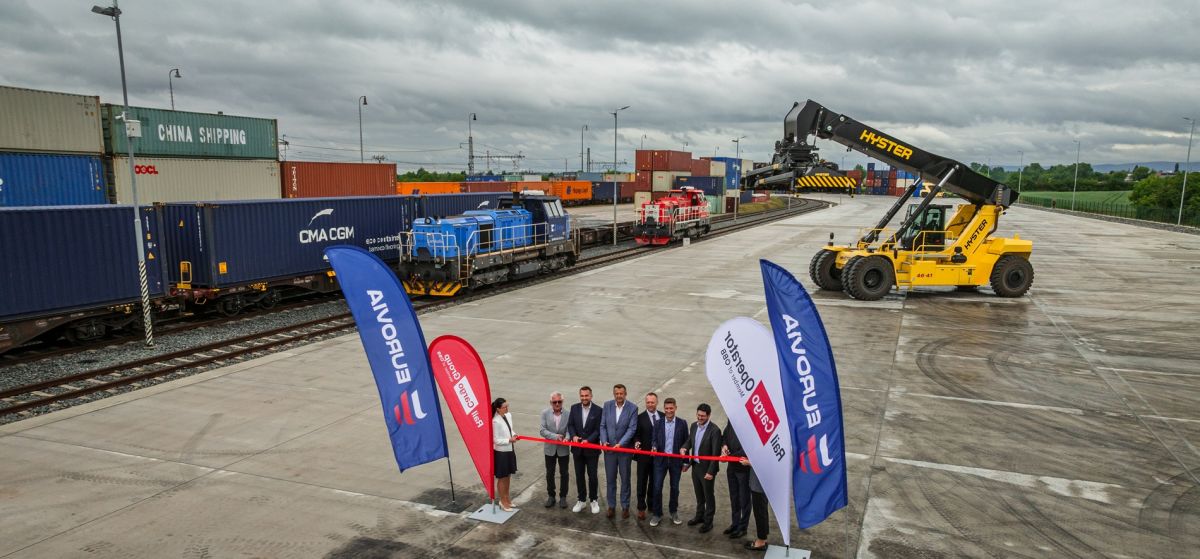
Petr Krumphanzl: We see many interesting investors coming. Some big funds invest in real estate and companies’ acquisitions. IFI’s support investors developing new projects in Ukraine. And we see a “preparation” for the coming Ukrainian economic boom. Just one example - many investors acquire land and build logistic infrastructure along the border with Ukraine in Poland. They want to be ready for the moment when Ukraine joins EU economically and the flow of products to and from Ukraine will dramatically increase.
RM: How about the activities of European investors - do you see some activities increase?
Petr Krumphanzl: Two weeks ago, I made presentation to a circle of HNWI investors in Germany. The banks and funds in Germany recognized that there are steps taken by investors from other European countries. The German investors want to be part of the “first wave” that will claim the best conditions for the entry and highest profit later on. The German government is supporting them with insurance options and subsidies.
RM: What is the one industry that will surprise the global market by 2030?
Petr Krumphanzl: By 2030, Ukraine will be the digital and defence-tech heart of Europe. It is becoming a cradle for successful IT and military equipment companies. We should expect to see significant growth in international companies owned and operated by Ukrainian entrepreneurs who are already moving into European and U.S. markets.
RM: What is your most surprising “lesson learned” from eight years on the ground?
Petr Krumphanzl: You must understand the local culture. While the gap isn't massive, the differences are vital. You need a clear strategy, shared purpose, and defined KPIs with strict controlling mechanisms. But if you give Ukrainian teams space and trust, they are incredibly creative and hard-working. You will get back dedicated teams that deliver far more than you expected.