The World Bank has approved financing of USD 930 million, approximately EUR 864 million, for a railway rehabilitation and modernization project in Iraq. The Iraq Railways Extension and Modernization (IREM)
Rehabilitation of existing railway infrastructure
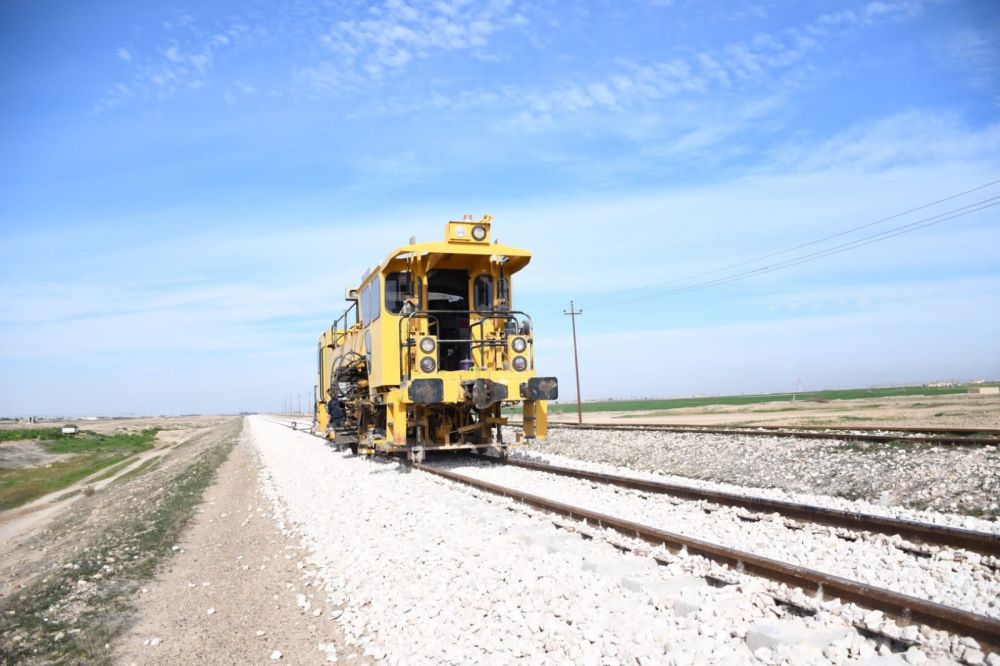
The IREM Project will involve targeted track renewals and spot rehabilitation across several sections of the corridor. These include:
- 32 km between Al Yussifie (Baghdad) and Baghdad
- 20 km between Baghdad and Taji
- 189 km between Baiji and Mosul
- 72 km from Umm Qasr Port to Basra
- 520 km from Basra to Al Yussifie (Baghdad)
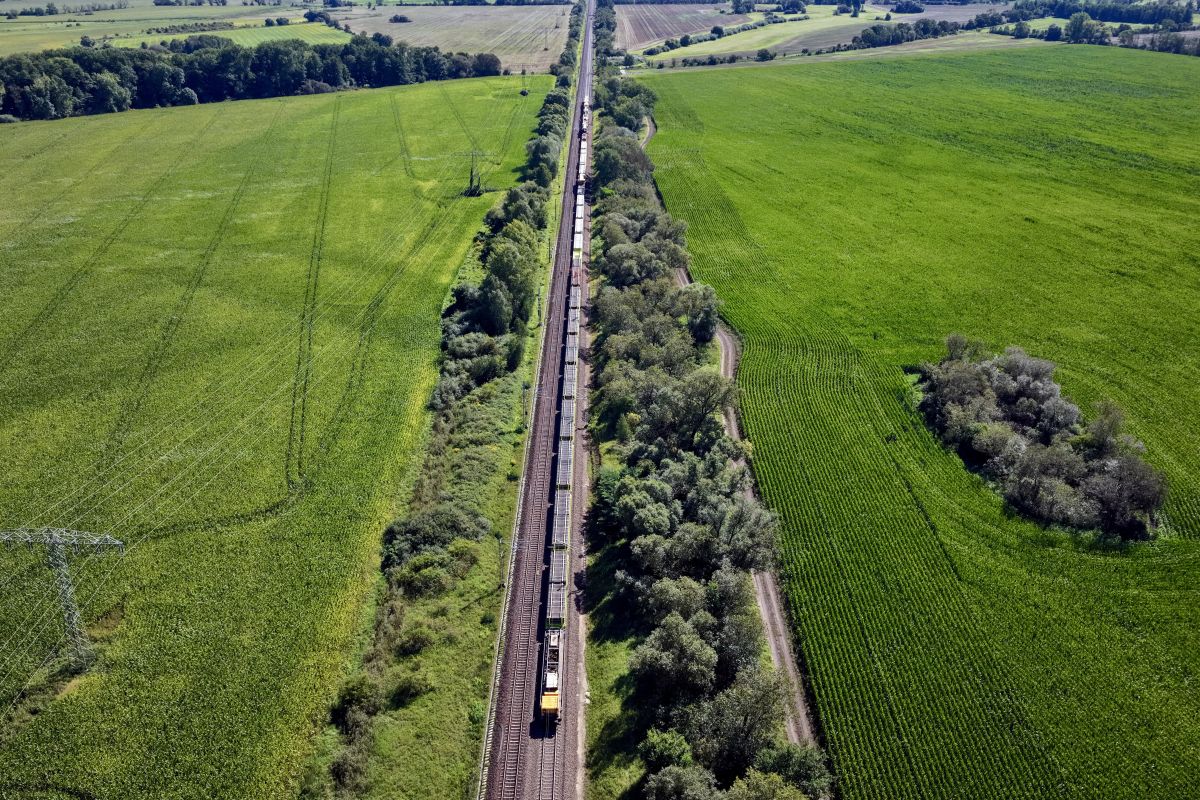
The project scope also includes the installation of European Train Control System (ETCS)-based signalling and optical fibre cable ducts across the entire 1,047 km route. All legally designated level crossings along the corridor will be equipped with safety protection systems.
Rolling stock maintenance capabilities will be addressed by refurbishing the Baiji workshop and acquiring maintenance equipment and spare parts.
Railway reform and asset management
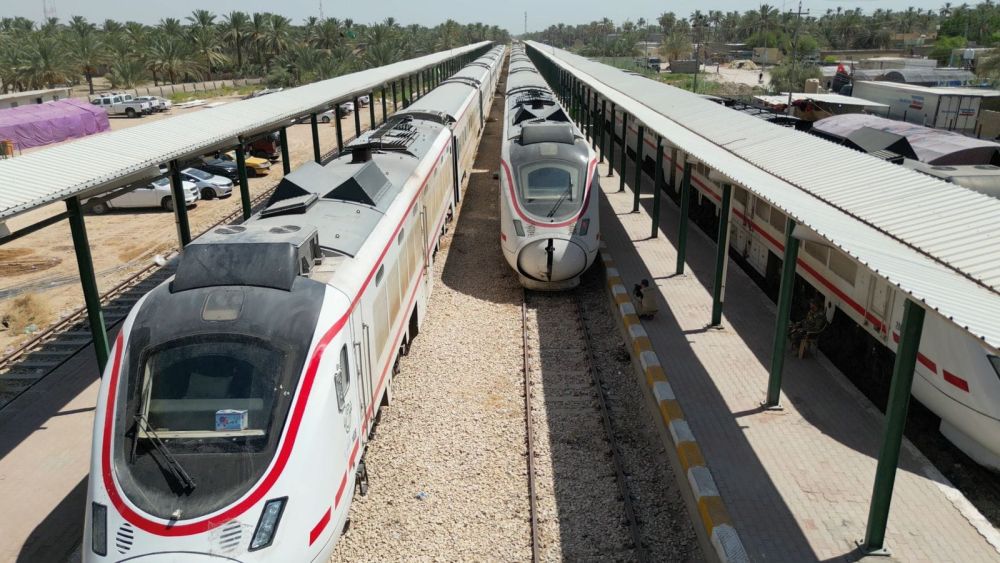
A portion of the project budget, approximately USD 16 million (EUR 14.9 million), is allocated to support railway sector reforms and asset management initiatives. The project will prepare a tailored Railway Sector Reform Action Plan focusing on operational efficiency, financial management, infrastructure charging regimes, and staffing plans.
Separate asset management systems for rolling stock and infrastructure will be introduced, and a Safety Management System will be implemented, covering railway operations, community safety, and incident analysis.
The project will also explore opportunities to bring in private capital, including through non-core asset disposal and public-private arrangements in railway operations and logistics.
National integration and cross-border planning
The project will support assessments related to the integration of Iraq's railway network with the Kurdistan Region of Iraq's railway plans and will examine options for connecting with Turkey. This includes evaluating potential greenfield sections between Mosul and the Turkey border, and between Al-Faw Port and Basra.
Environmental and social risk management, public consultations, and compensation-related activities are also included in the planning process.
Freight and passenger targets
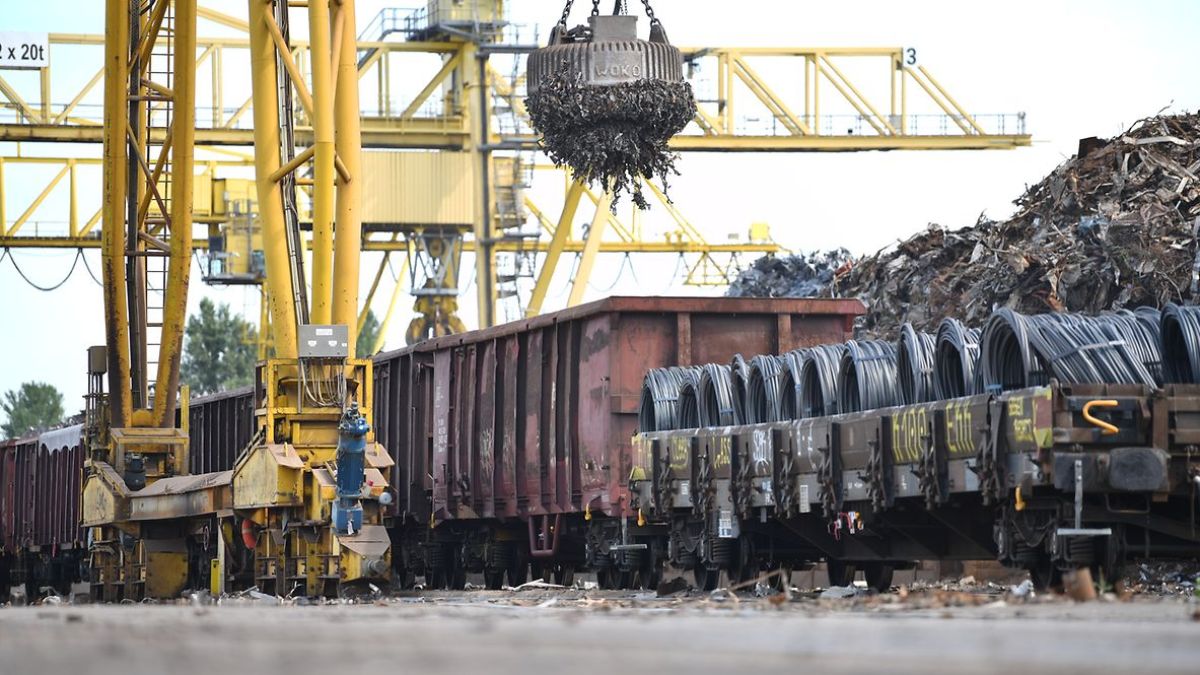
By 2037, the railway corridor is projected to carry 6.3 million tons of domestic freight, 1.1 million tons of imports and exports, and 2.85 million passengers annually. The projected freight volumes include bulk commodities such as grains and construction materials, as well as containerized goods.
The project is expected to generate over 3,000 full-time construction jobs over seven years. Following the start of railway operations, approximately 21,900 jobs per year are projected to be created across the railway sector by 2040.