The project involves replacing diesel-powered trains with electric traction via overhead lines, with implementation expected to begin in the early 2030s.
Two general planning contracts have been awarded to engineering firms tasked with designing the electrification and assessing potential infrastructure modifications. The Marschbahn route has been divided into three planning sections:
- Itzehoe – Heide: DB Engineering & Consulting
- Heide – Husum: A consortium of Obermeyer, Ramboll, and Arcadis
- Husum – Westerland: The same consortium as above
In addition to the main line, a 26-kilometer diversion route between Jübek and Husum is also set to receive overhead lines to maintain operational stability during construction.
The planning phase will examine whether further improvements can be implemented alongside electrification. These include adjustments to track infrastructure, speed increases, station modifications, expanded storage capacities, and potential upgrades to the train control system in line with European standards. However, additional measures will depend on their feasibility within the project framework and the availability of funding.
A five-day meeting involving representatives from NAH.SH, the planning offices, DB InfraGO, and the state of Schleswig-Holstein is scheduled for early February to begin route inspections and workshops. Public information sessions for local authorities and environmental groups will follow in the spring.
The project was initiated through a Europe-wide tender process in November 2023, with NAH.SH overseeing the initial planning phases. Once preliminary planning is complete, responsibility will transfer to DB InfraGO for construction. The planning firms are expected to remain involved throughout the process to streamline project continuity.
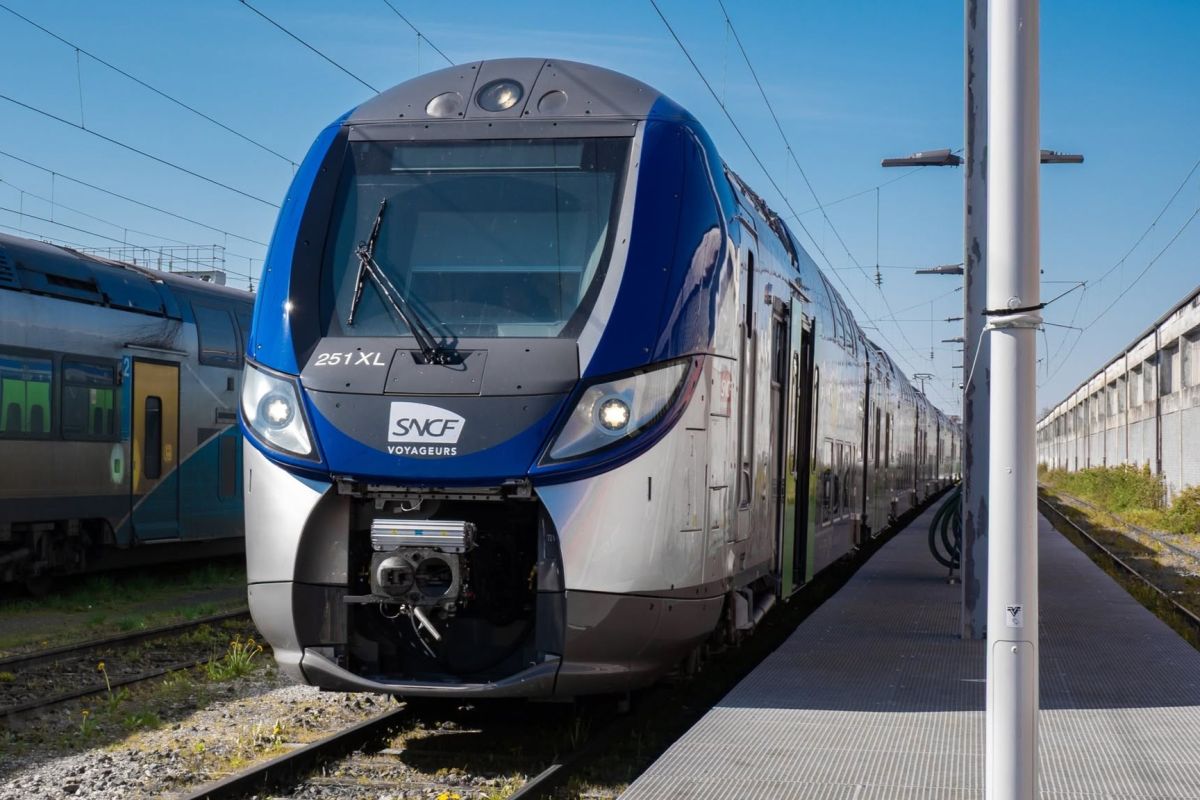
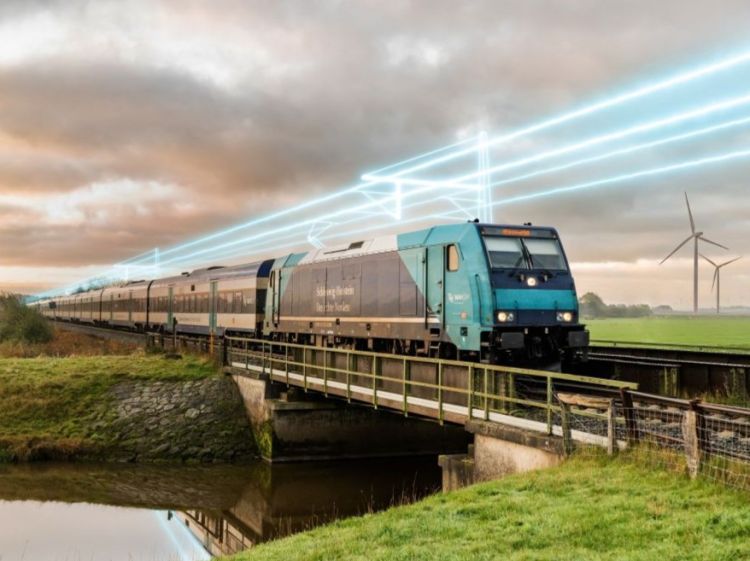
The Marschbahn railway is one of Germany’s busiest non-electrified routes. Currently, trains arriving from electrified networks must switch from electric to diesel locomotives at Itzehoe, requiring additional time and resources. Full electrification aims to eliminate this requirement while introducing electric trains with higher operational efficiency. Other expected outcomes include reduced emissions through wind-powered traction, potential integration with long-distance services, and operational cost reductions.