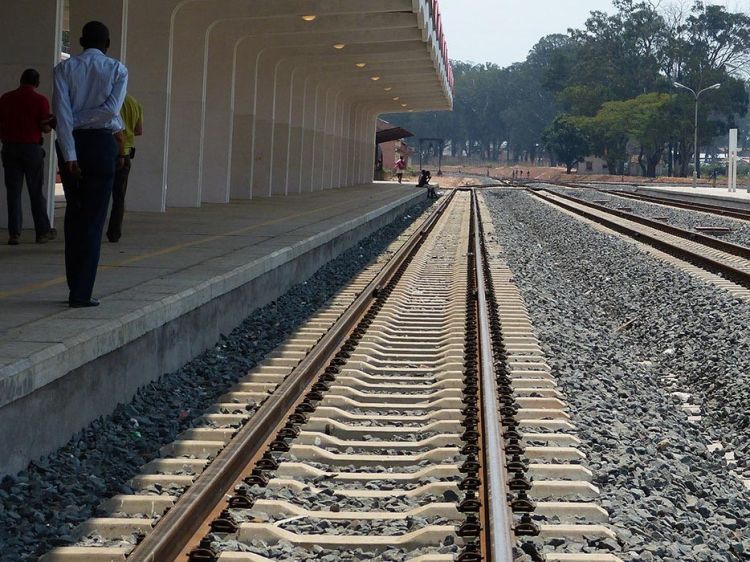
This initiative, estimated to cost approximately $786.4 million, is set to create a railway link from Lobito Port on Angola’s Atlantic coast to the border with the Democratic Republic of Congo (DRC).
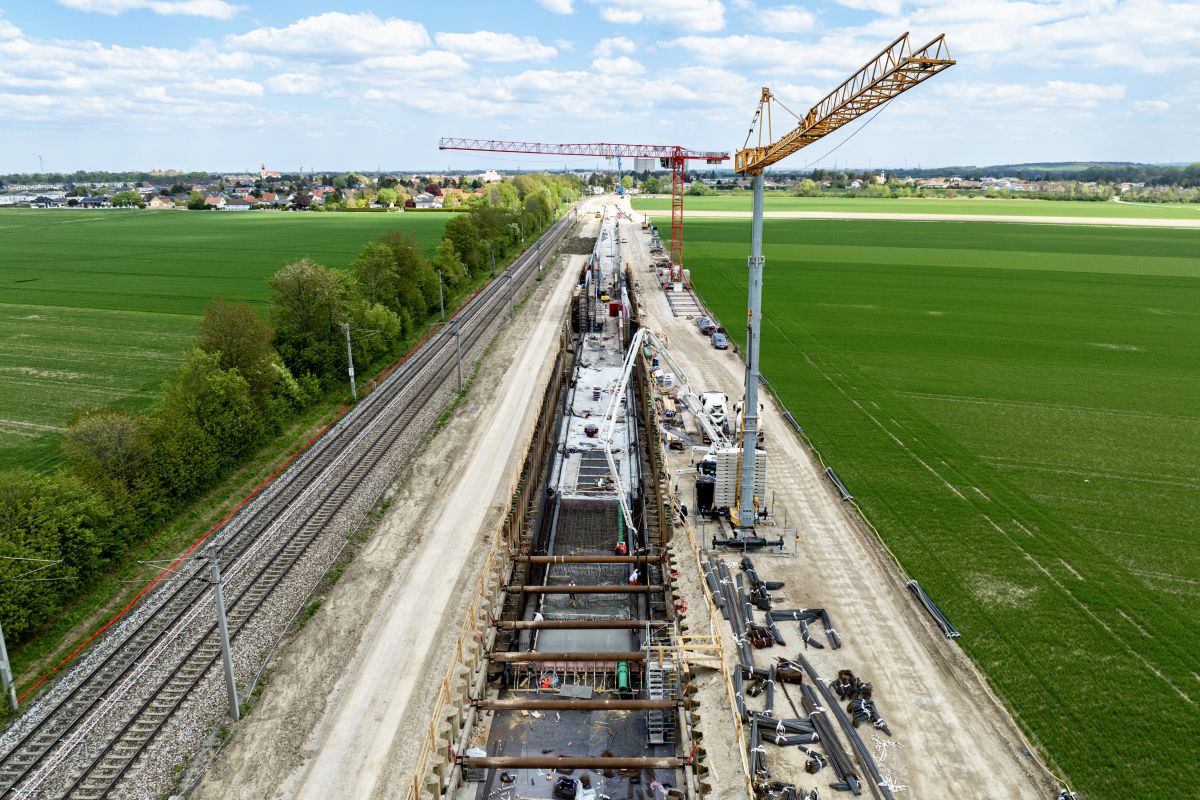
The project will cover the financing, construction, operation, and transfer (FBOT) of a 1,289 km railway line extending from Lobito to the Negrao and Luau border points, along with a 28 km branch line from Negrao to Bimbas. This development aims to improve cargo transport efficiency for both international and national goods. Construction is expected to start soon after the final financial arrangements are completed, following the Concession Agreement signed in November 2022.
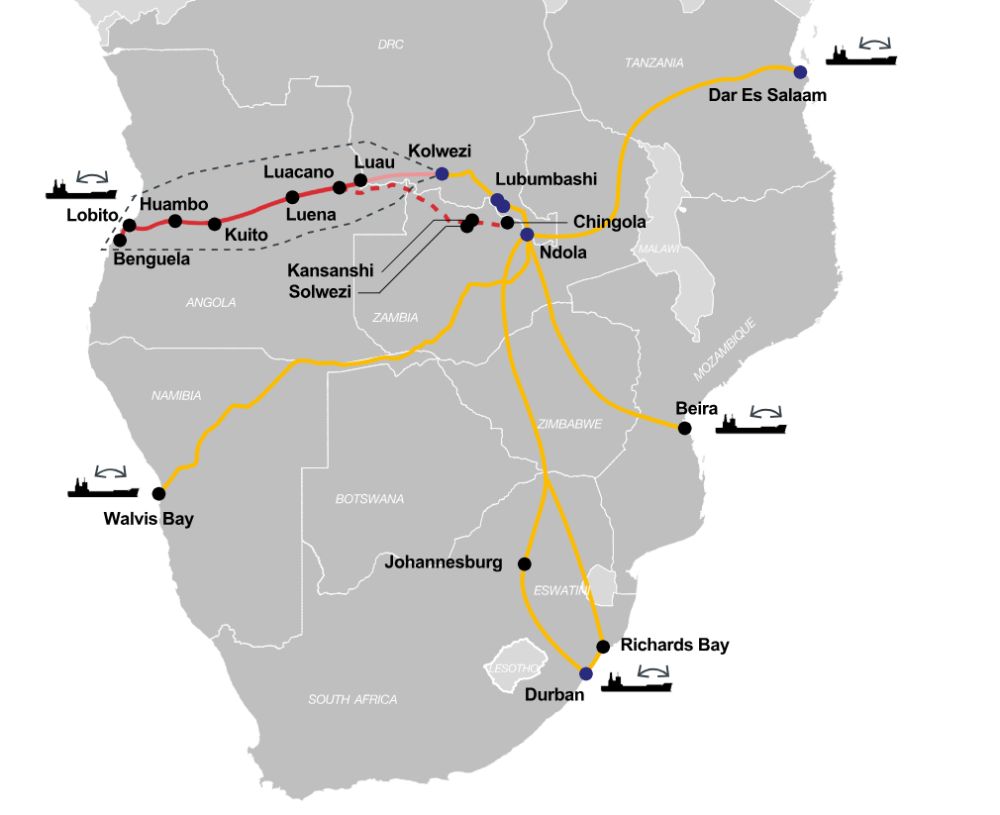
The funding will aid in developing essential infrastructure, supporting a more effective regional logistics network. The railway is expected to serve as a key route for transporting copper, cobalt, and other minerals from the DRC to global markets via the Lobito Port.
Additionally, the Lobito Atlantic Railway (LAR) has recently commenced copper exports from the DRC to the United States. On 22 August 2024, the first shipment of copper, destined for Baltimore, left the Port of Lobito aboard the MSC SAMU container vessel. This shipment follows several others to Europe and the Far East since LAR took over the concession in January. The copper cathodes arrived in Lobito on 19 August after a six-day journey from Kolwezi, demonstrating the efficient transport route now available.
The DBSA's investment in the Lobito Corridor Railway highlights its focus on infrastructure projects that promote economic growth and regional connectivity. The railway's development will also involve procuring half of the necessary wagons from a South African manufacturer, contributing to local economic benefits.