A broad industry coalition has launched the 'Save Combined Transport' initiative, warning that deteriorating rail performance and construction-related disruptions are jeopardising the backbone of European intermodal logistics. According to the group, recent developments threaten economic stability, supply chains and climate goals.
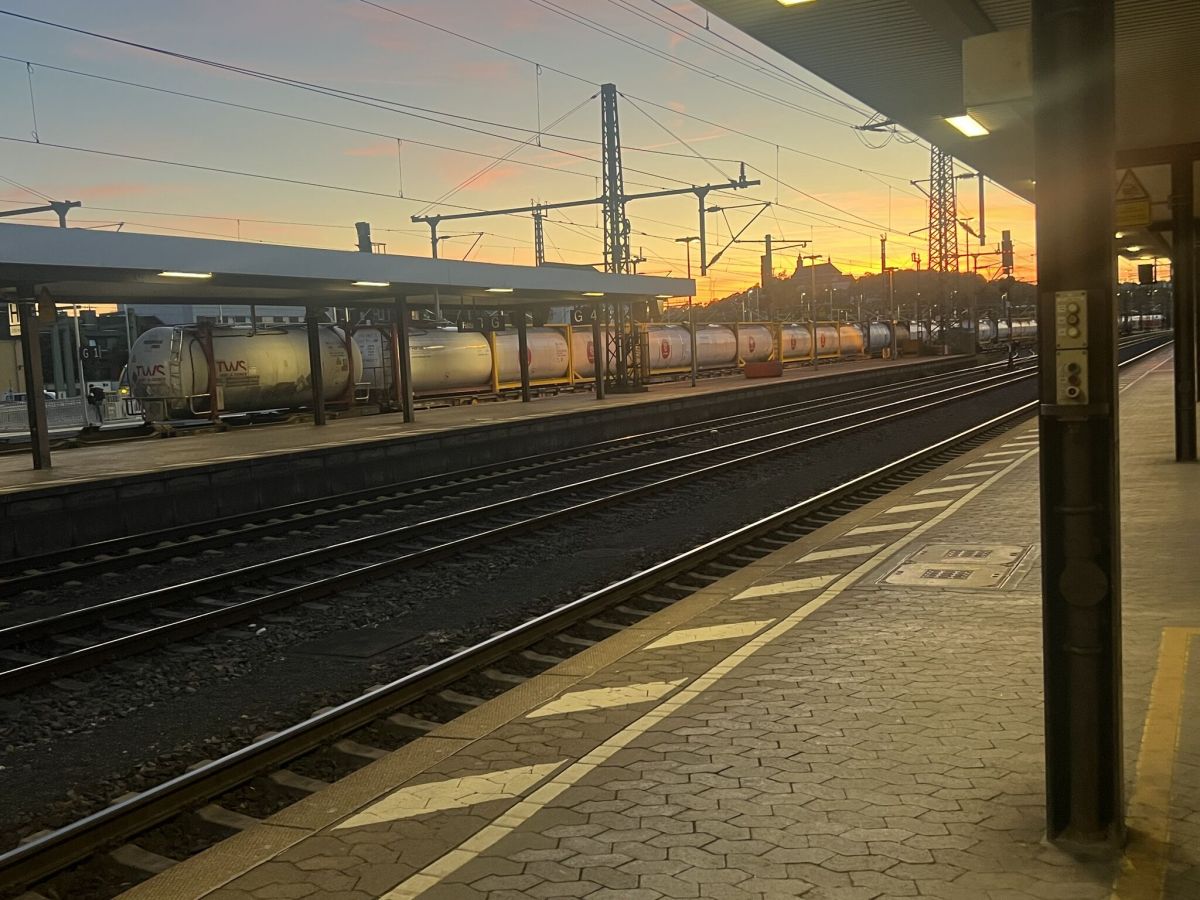
Combined Transport replaces around six million truck journeys annually in Germany, but operators report declining punctuality, rising costs and prolonged line closures linked to the network’s general refurbishment. Due to the lack of viable diversion routes, volumes are already shifting back to road transport — in some cases permanently. A 30% reversal would mean more than one million extra truck movements and 1.3 million tonnes of additional CO₂.
The new website save-combined-transport.com outlines the impact of corridor renovations on industry and logistics users. It highlights the risk that mounting disruptions could undermine the reliability of rail freight just as modal shift targets become more urgent.
The initiative sets out several demands: predictable framework conditions, guaranteed transport capacity during construction phases, functioning diversion routes, competitive track access charges and infrastructure planning that does not constrain freight flows. Operators stress the need for coordinated action from political decision-makers and infrastructure managers.
A petition has been launched to broaden public and political awareness. The group argues that unreliable infrastructure, closures and rising access charges are undermining climate-friendly transport and pushing shippers back to the road.
Short- and medium-term measures proposed include zero track access charges, a 90% capacity guarantee during construction works, upgraded diversion routes with equivalent train parameters, market-oriented path allocation, compensation for inferior paths during disruptions and suspension of charges when train paths are cancelled.
The initiative is coordinated by Kombiverkehr and Hupac and positions itself as an open platform for companies, organisations and citizens seeking to stabilise and strengthen Combined Transport as a key element of European logistics and climate policy.