A new block train service transporting dolomite from southern Slovakia to Hungary has been launched by ZSSK CARGO.
Reactivated track and shift to full trainloads
Following 18 months of technical and administrative preparation, a disused track at Turňa nad Bodvou station has been reactivated to support full trainload operations. The first shipments began in spring 2025, with trains initially composed of 15 wagons, aiming to reach a capacity of up to 35 wagons. Monthly transport volumes are expected to approach 5,000 tonnes.
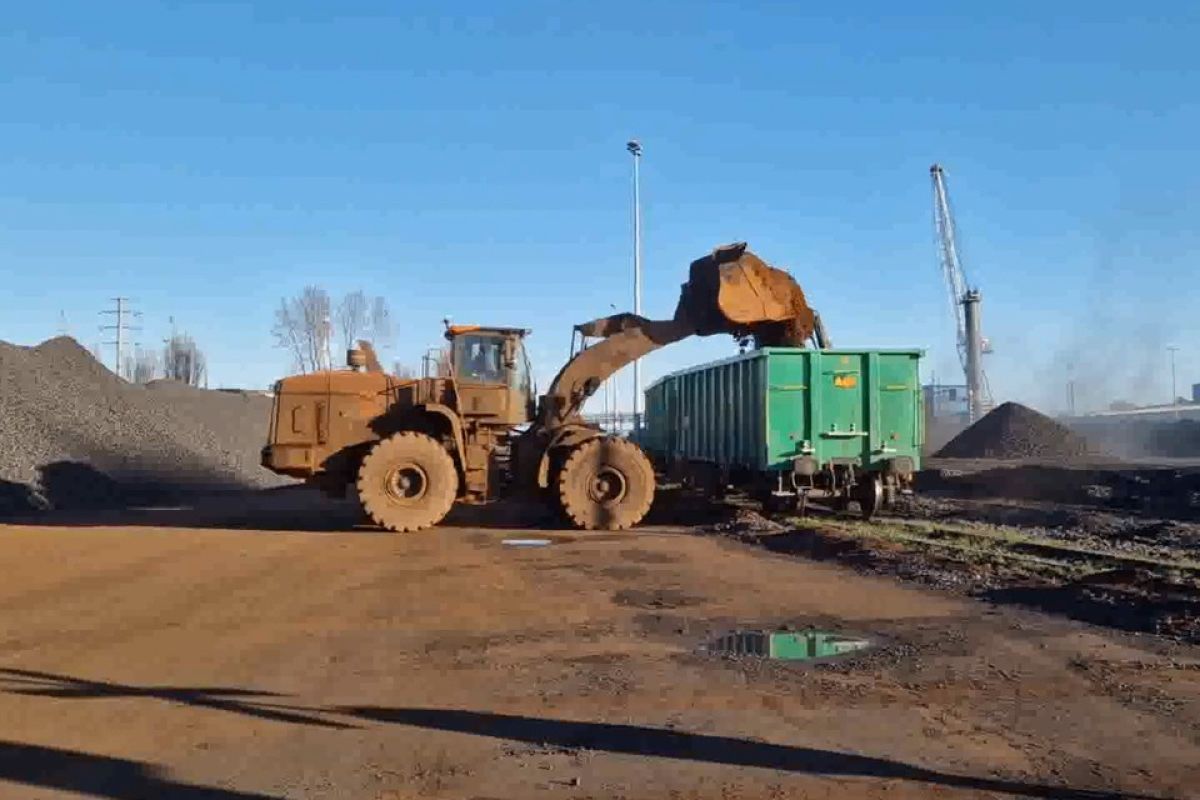
The transported material—dolomite from a local quarry—is loaded at a dedicated siding within the station area. Previously dispatched in smaller batches added to local freight trains, the material now moves in full block trains to Vác, Hungary. There, it is mixed with slag and processed at a cement plant.
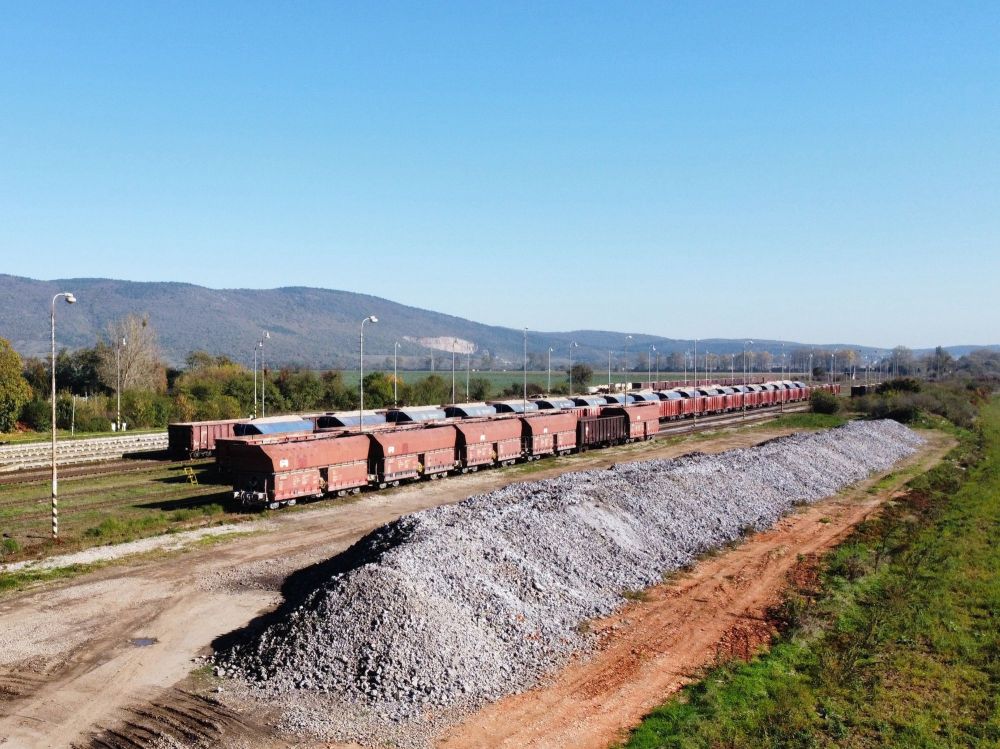
Deployment of former ore wagons for construction use
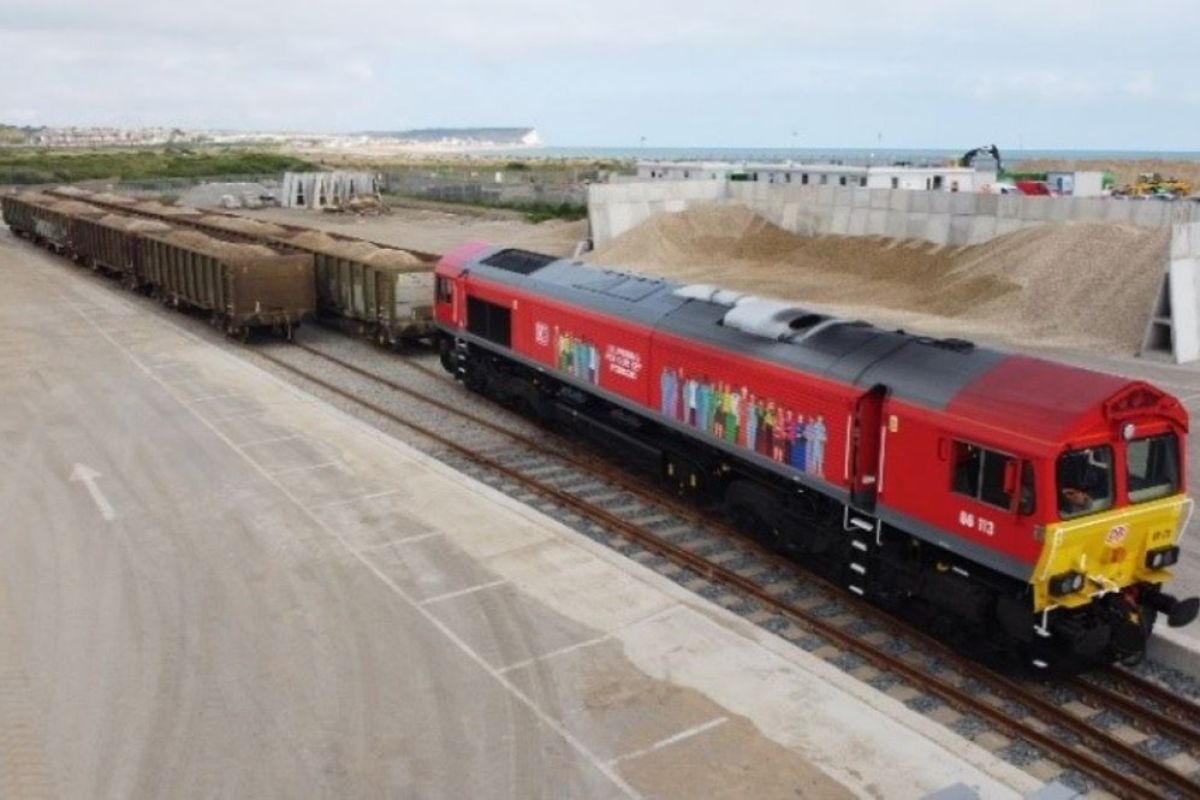
The new service utilizes Eas wagons—part of ZSSK CARGO’s fleet originally used for heavy commodities such as coal and iron ore. Following the decline of these traditional segments, the wagons are now repurposed for transporting gravel, sand, and other construction aggregates.
Eas and other E-type wagons (Es, Eanos, Eamos) offer high-capacity bulk transport options, supporting a shift in focus towards the building materials sector. The switch contributes to a broader reorientation of wagon usage across Slovakia’s freight network.
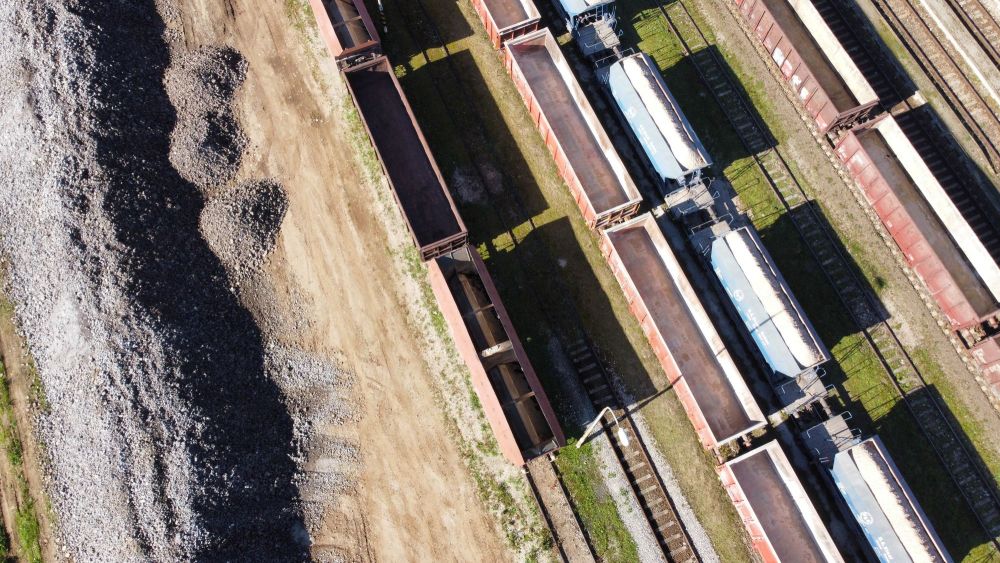
Rail-centered alternative to road transport
The new setup reduces reliance on road transport across the region. With no need for long-haul trucking, the shift to rail eliminates thousands of truck journeys annually, lowering the burden on local infrastructure.
With sufficient availability of repurposed wagons and infrastructure potential at key loading points, services like the Turňa nad Bodvou–Vác connection demonstrate the operational feasibility of aggregate transport by rail in the current freight environment.