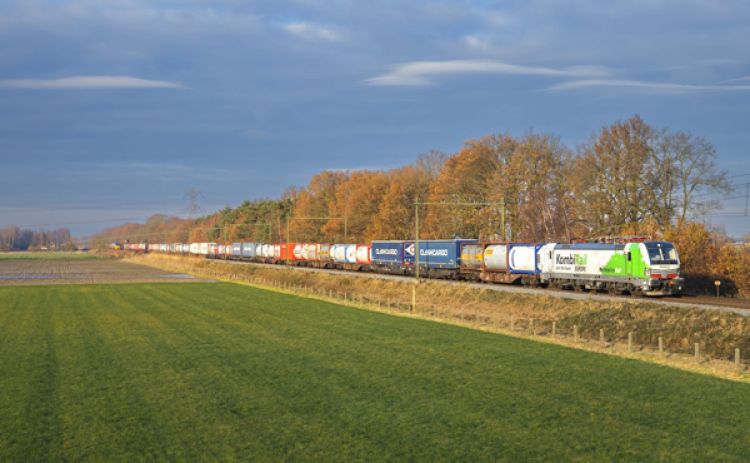
The transition follows a decision made at the Kombiverkehr’s shareholders' meeting in June 2024, prompted by EU proceedings concerning state-owned DB Cargo. Within six months, the Frankfurt-based intermodal operator redistributed services across 18 RUs, including four key partners managing large transport packages:
- KombiRail Europe wholly-owned subsidiary, now oversees national transport, Germany–Netherlands services, and routes between Duisburg and Poznan.
- Munich-based Lokomotion (in which Kombiverkehr holds a 20% stake), has also assumed additional responsibilities. Unlike its previous role as an executive carrier for DB Cargo, Lokomotion now operates under a direct contract with Kombiverkehr.
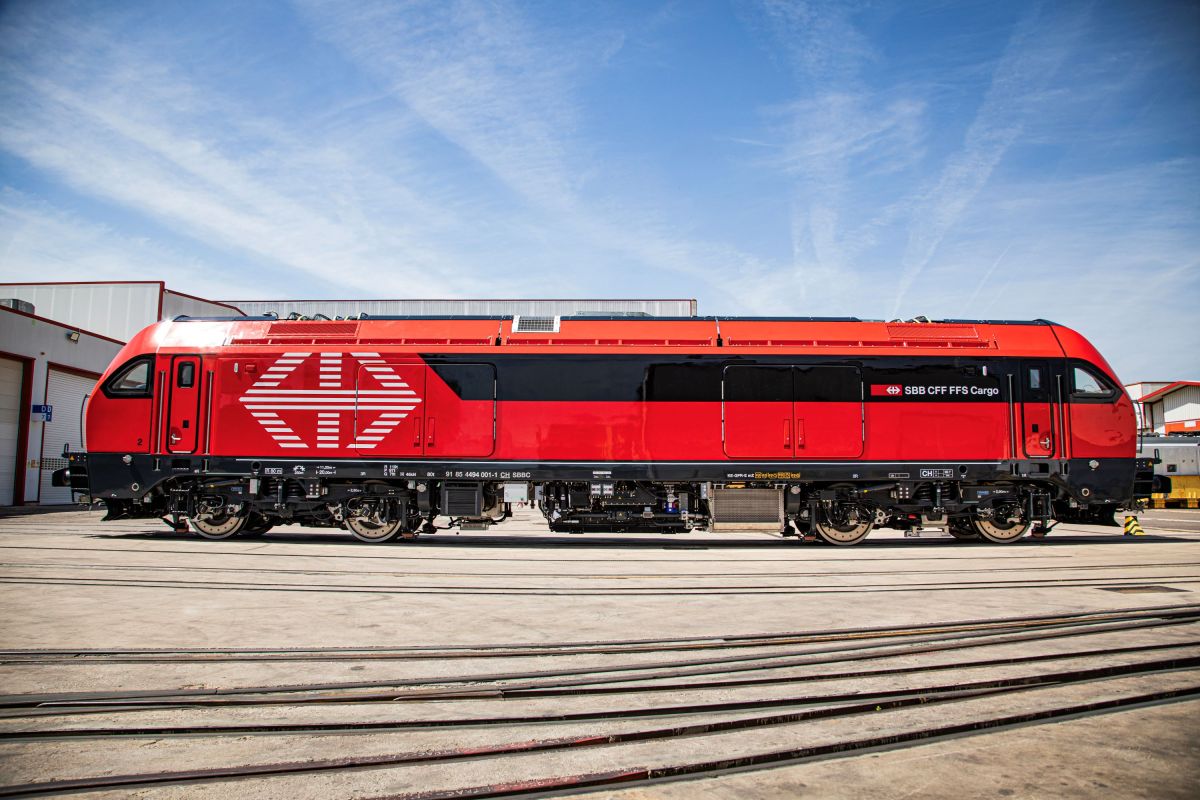
- SBB Cargo International has taken over services between Mortara and Duisburg, Rotterdam, and Ghent, including new operations on the Mortara-Ghent route via France. This adjustment provides an alternative to the Rhine Valley corridor, where long-term disruptions remain a concern due to construction work.
- Despite the restructuring, DB Cargo continues to provide traction for specific routes, including services to France, Spain, Sweden, and Italy.
The reorganisation introduced 18 railway undertakings into Kombiverkehr’s operational structure, with 11 acting as direct contractual partners. Among the new entrants are Vienna-based Frachtbahn and Bochum-based Hector Rail. The transition affected approximately 35 routes, with multiple service shifts occurring during the December timetable change. Some high-traffic routes now operate with as many as 11 weekly departures.
The changes also placed additional demands on Kombiverkehr’s subsidiaries. KombiRail Europe tripled the number of dispatchers to 16 and expanded its locomotive driver workforce to over 40 within two quarters. Dienstleistungsgesellschaft für Intermodale Verkehre (DIV), responsible for wagon management, now oversees more than 1,600 leased wagons. The shift required rapid procurement of specialized equipment and adjustments in fleet management strategy.
The restructuring was driven by regulatory uncertainties surrounding DB Cargo’s role in intermodal block train operations. The EU Commission's case against Germany raised concerns about the continuity of existing partnerships, leading Kombiverkehr to implement changes to maintain service reliability.