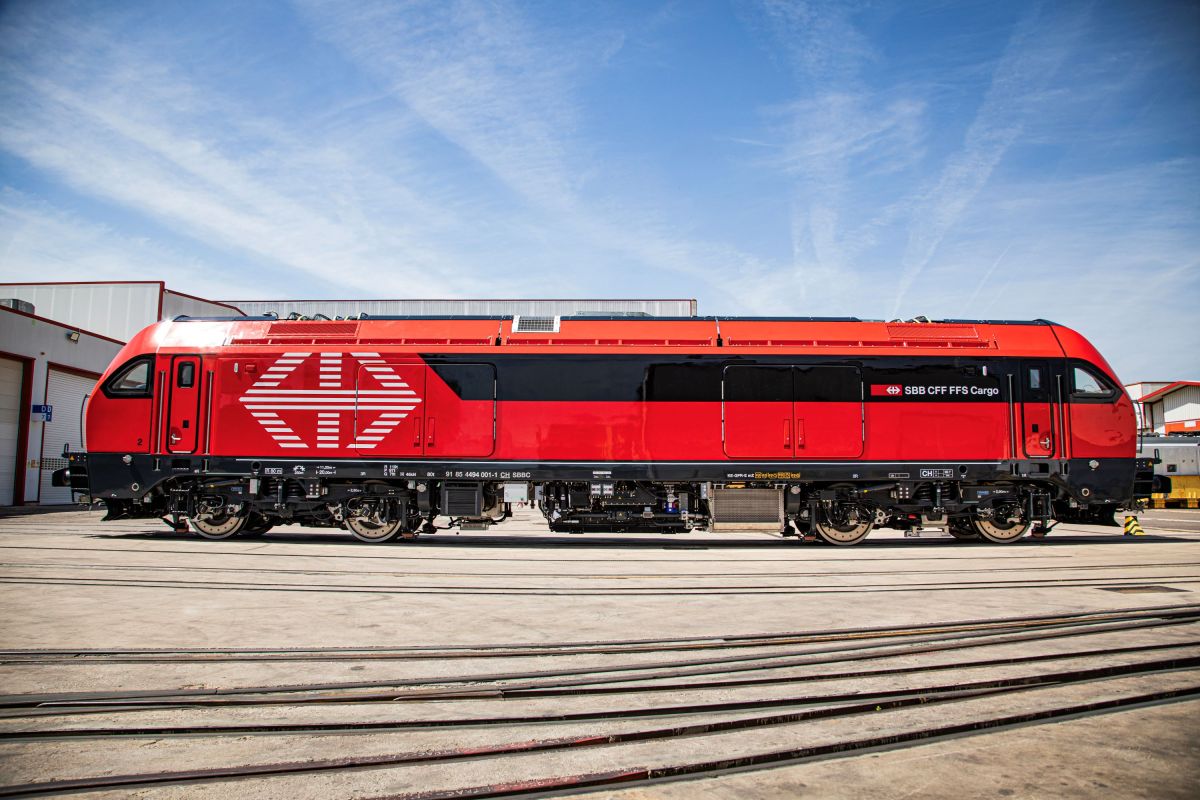
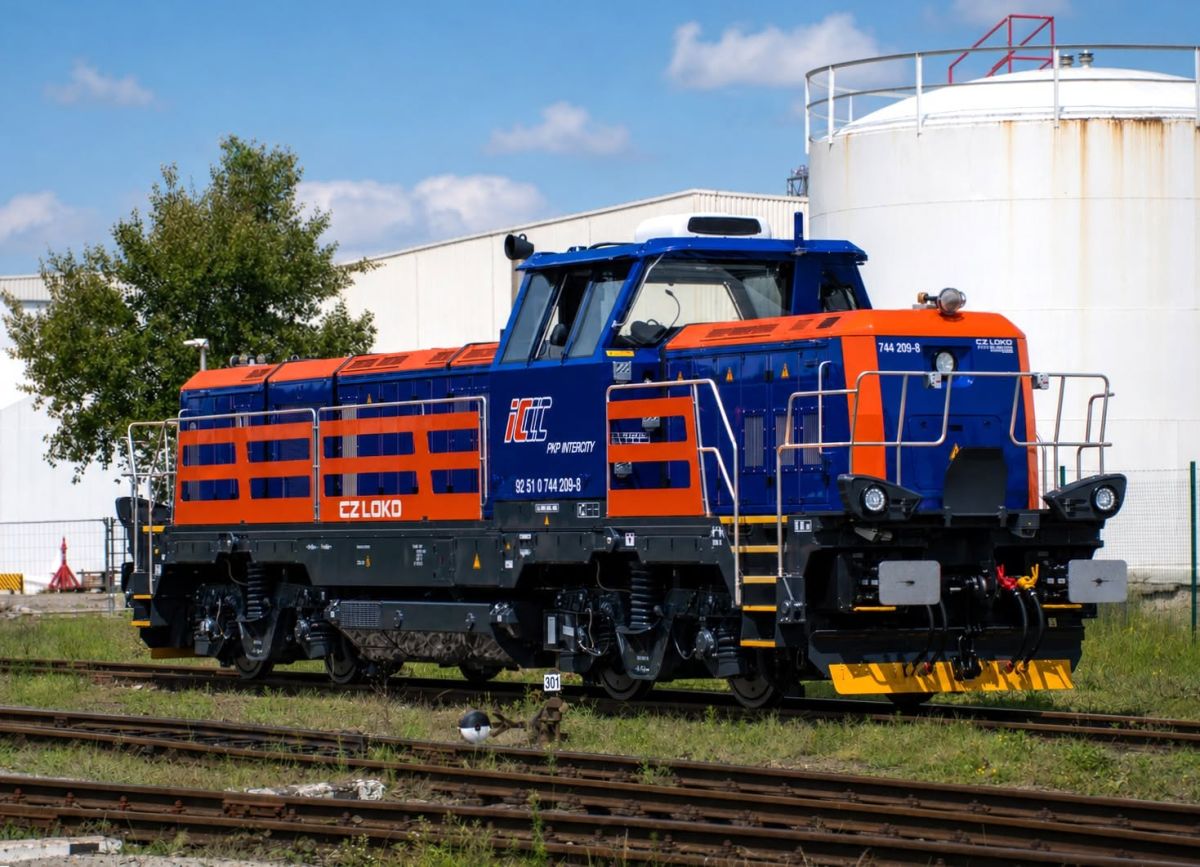
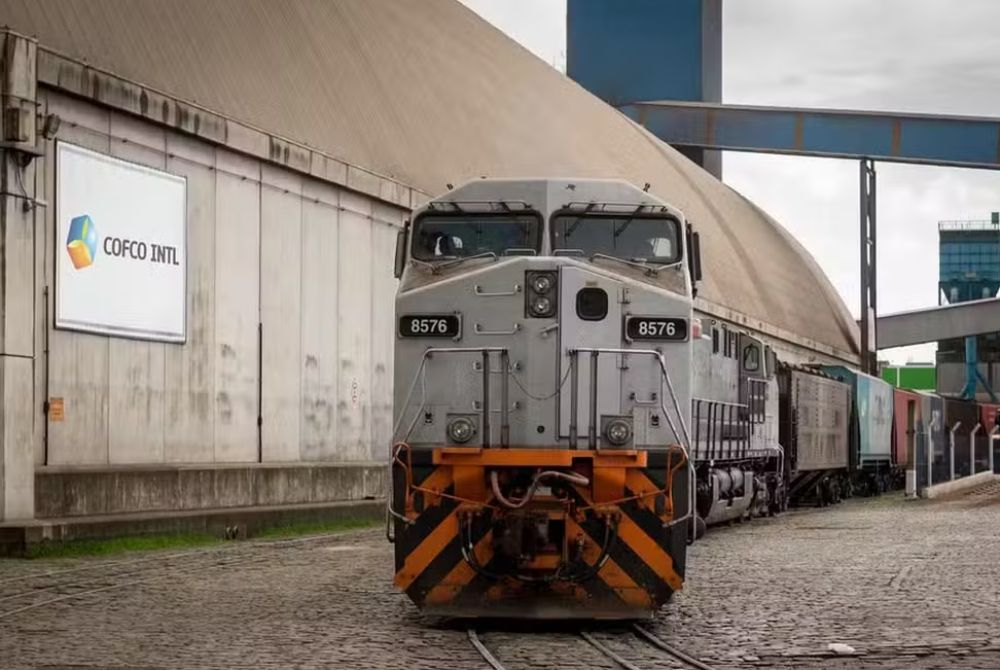
China's COFCO International, China-based global agricultural trading company, will invest approximately EUR 225 million in the acquisition of 979 wagons and 23 locomotives for its logistics operations in Brazil, operated by Rumo Logística.
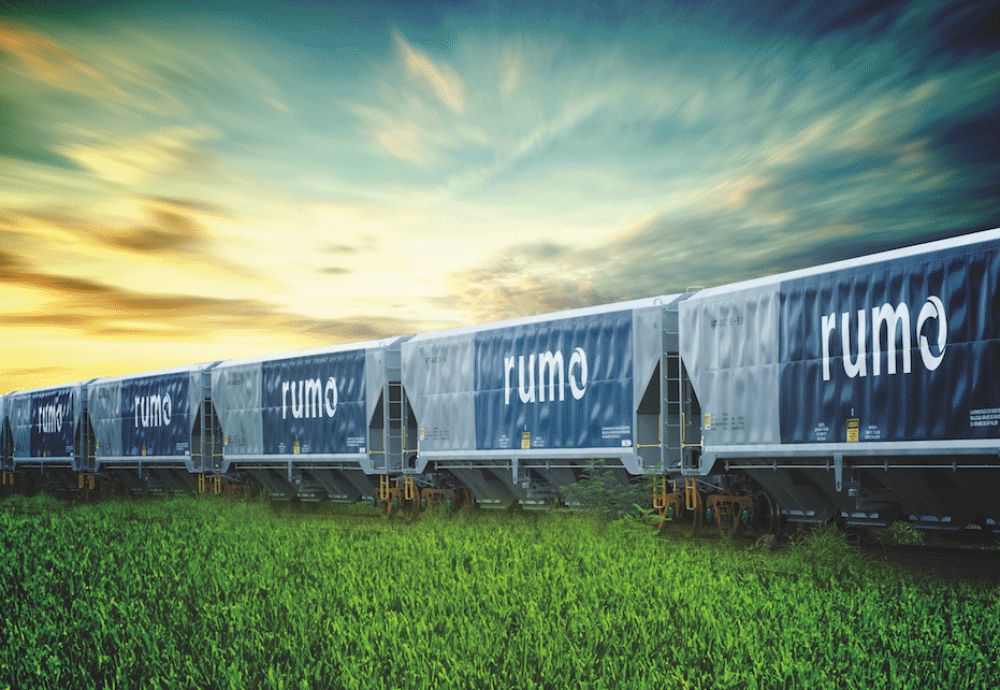
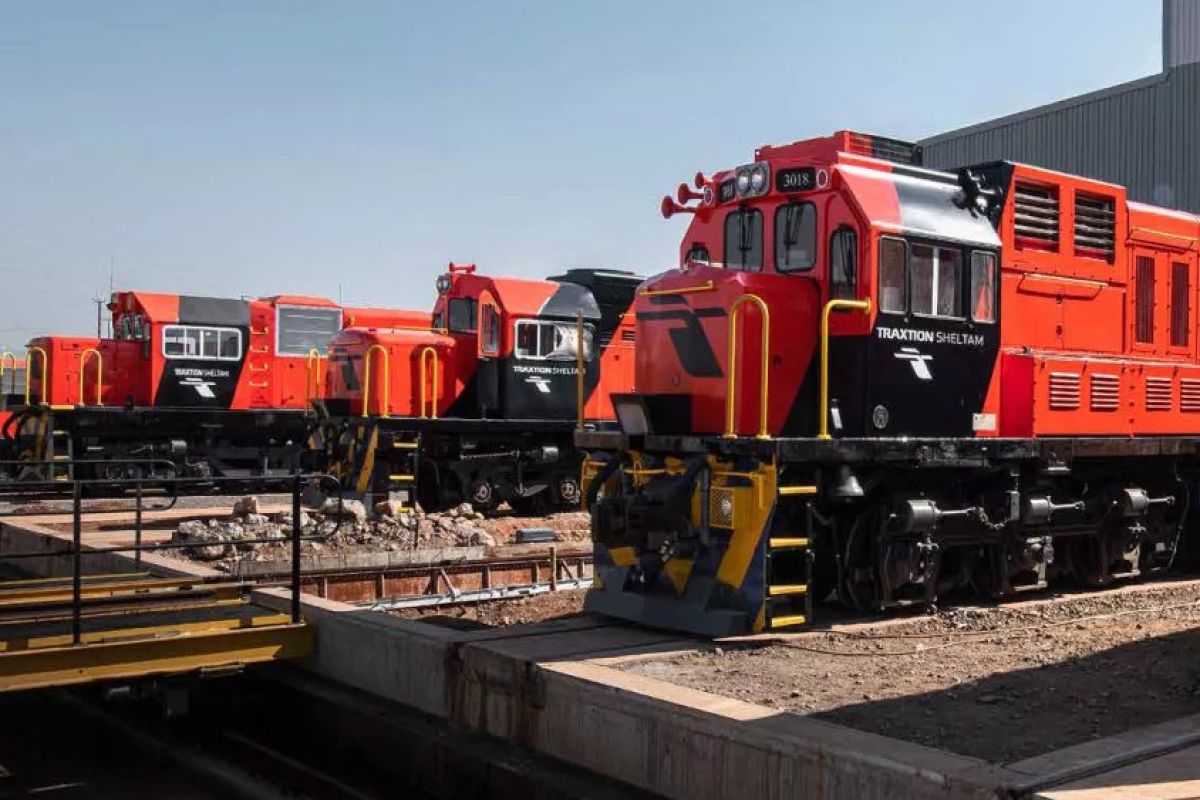
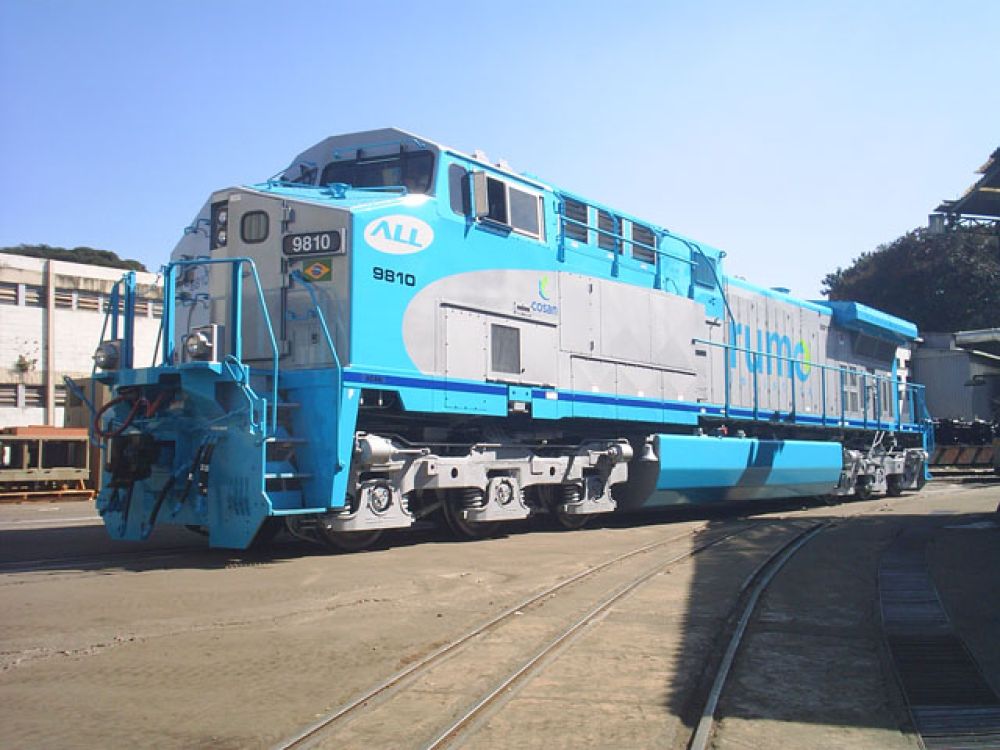
The rail fleet, which includes wagons produced by Greenbrier Maxion in Hortolândia and locomotives from Wabtec’s facility in Contagem, is scheduled to begin deliveries in March. Full operation is expected by the first quarter of 2026. The wagons and locomotives will support the transportation of up to 4 million tons of grains, bran, and sugar annually, reducing the need for an estimated 100,000 truck trips per year.
COFCO’s investment aligns with its efforts to shift its agricultural logistics towards rail transport, citing reductions in greenhouse gas emissions by up to 80% compared to road transport. This approach also complements the ongoing expansion of its agricultural terminal at the Port of Santos. The terminal, acquired through a lease auction in 2022, is undergoing upgrades to increase its export capacity from 4.5 million tons to 14.5 million tons annually by 2026.
Rumo Logística, which operates nearly 13,000 kilometers of rail network in Brazil, will handle the operations of COFCO’s new fleet. The company, with an existing fleet of 33,000 wagons and around 1,000 locomotives, continues to develop its infrastructure. Recent projects include the expansion of the North-South Railway, the Malha Paulista, and the Mato Grosso Railway, aimed at improving connections to the Port of Santos.
The Chinese company anticipates that 70% to 80% of the products originating from its Brazilian operations will be exported through Santos, with the remainder directed to northern ports via waterways.