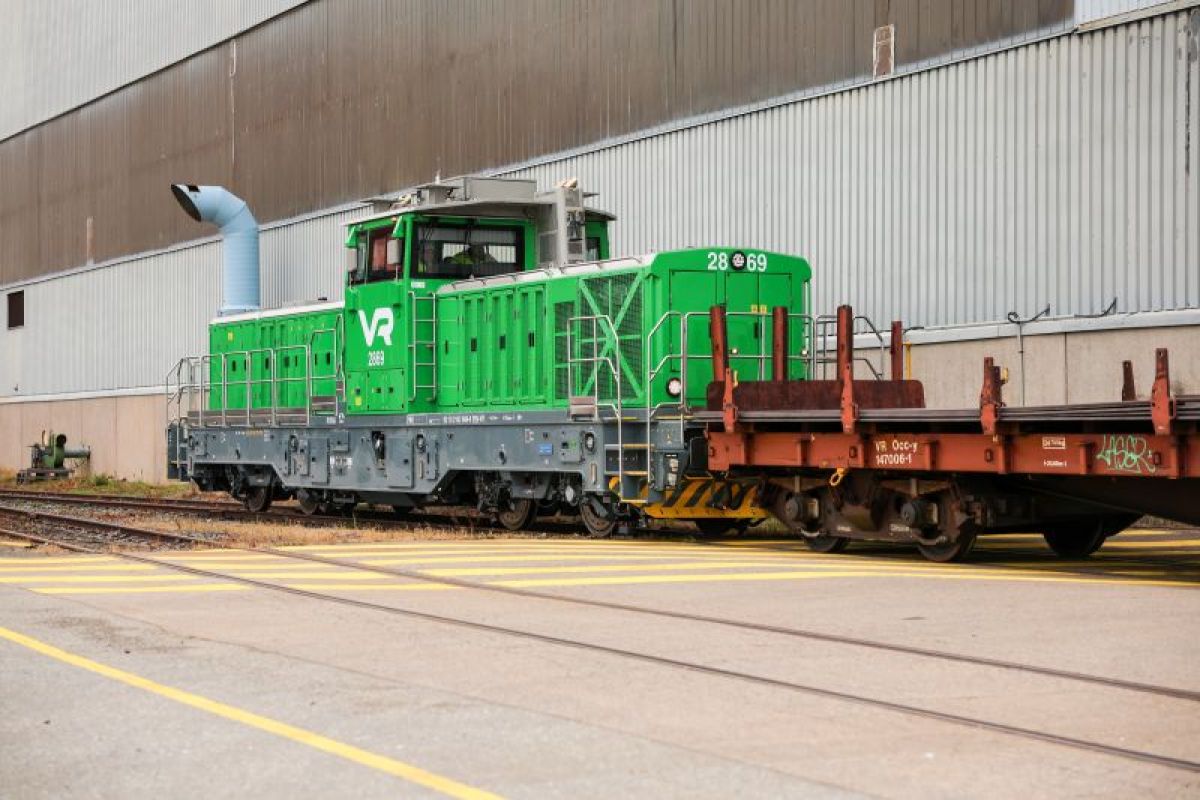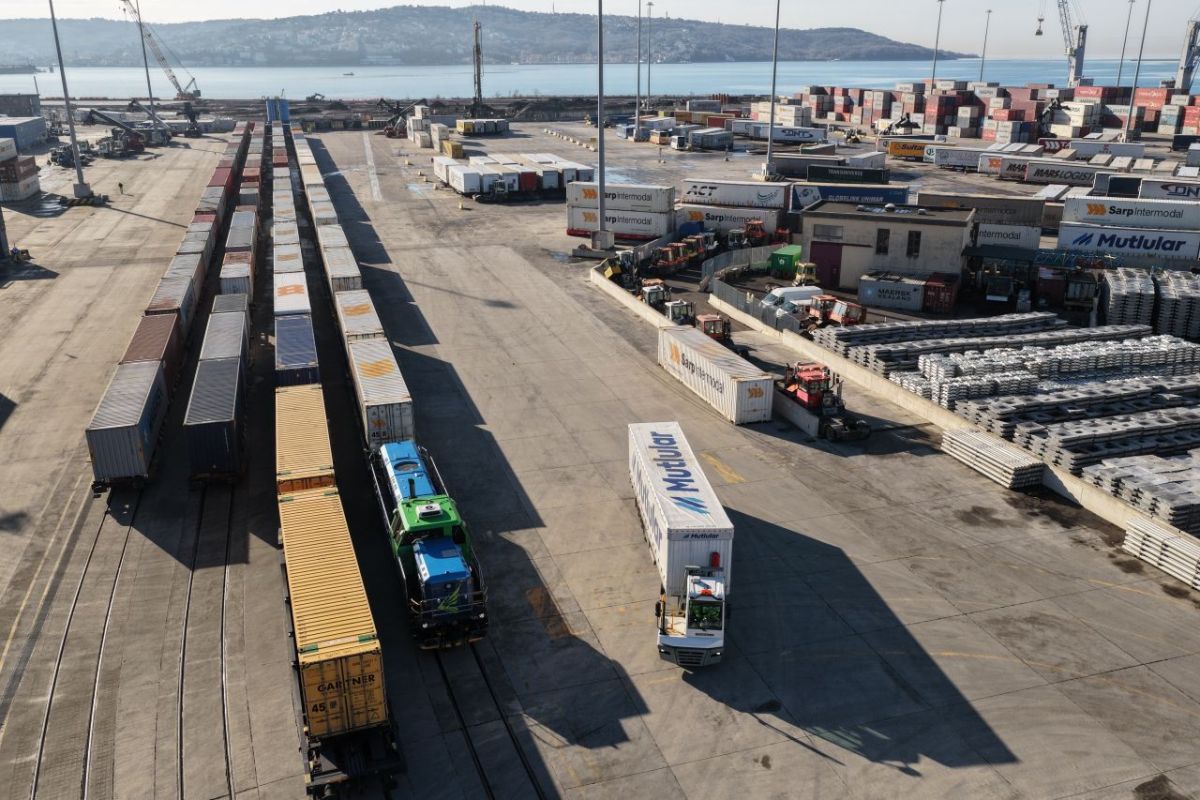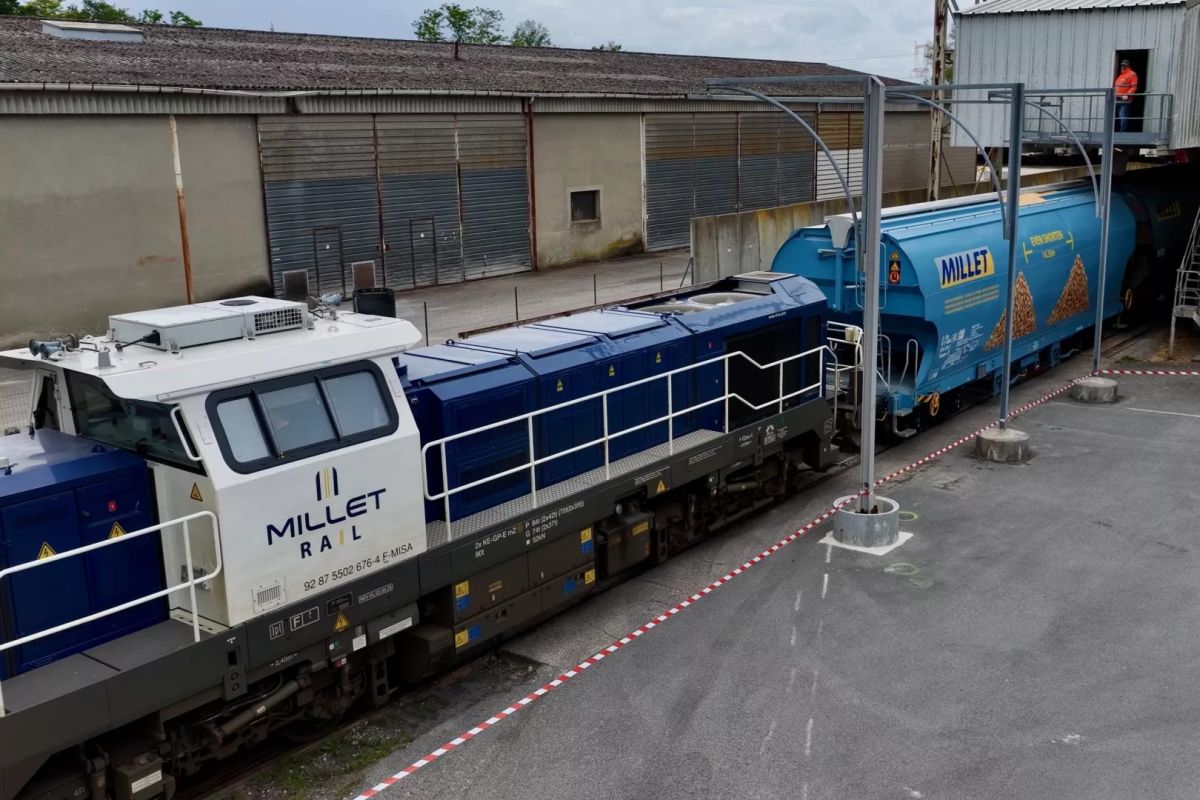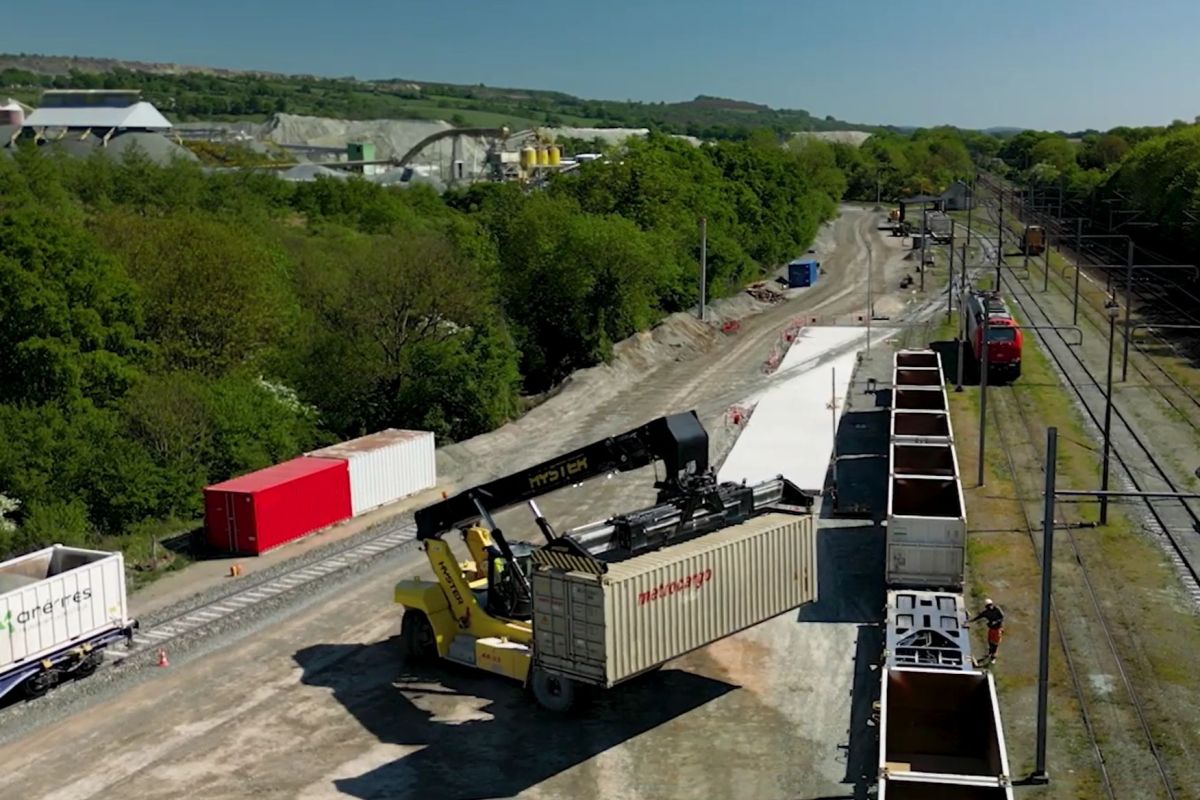
On 15 October, a bill designed to facilitate the growth of rail freight was presented to the French National Assembly. The proposal requires that all new logistics sites must include a rail connection or face additional taxation. The initiative is designed to promote the use of rail transport over road freight, with the objective of encouraging a modal shift as part of France's ecological transition strategy.
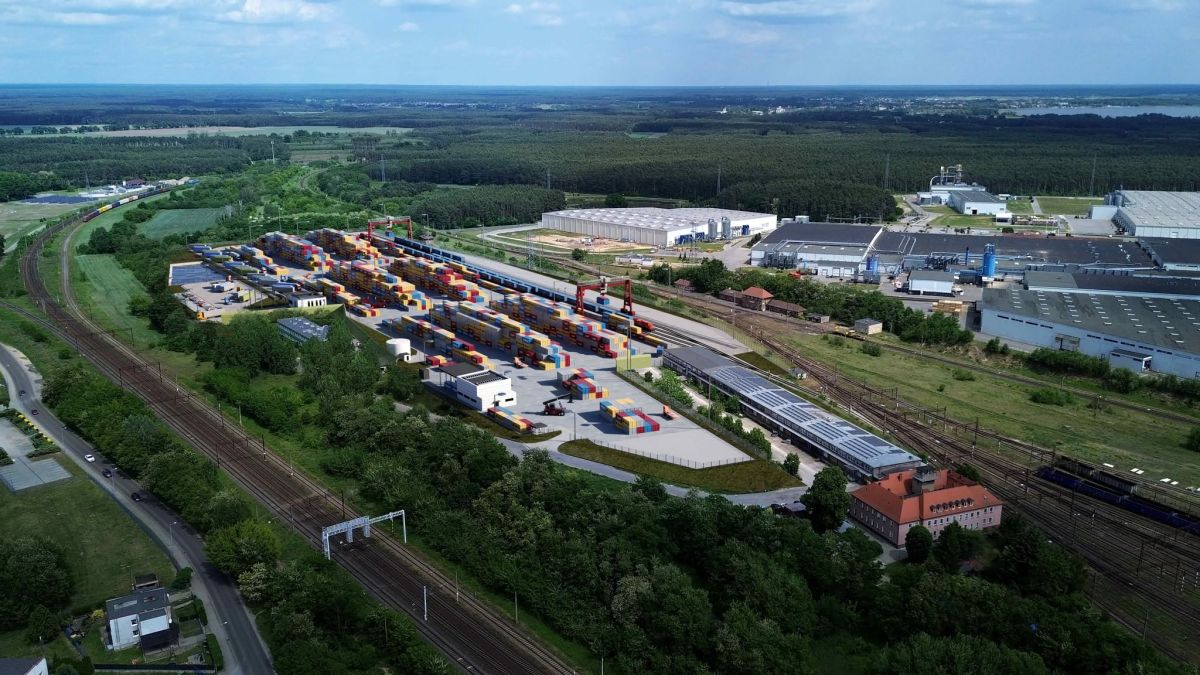
„Any project to build a warehouse or logistics platform must provide for the warehouse or logistics platform to be connected to the rail network. In the absence of a connection plan, the competent administrative authority may neither authorize the project nor issue a building permit,“ said the proposal of the bill.
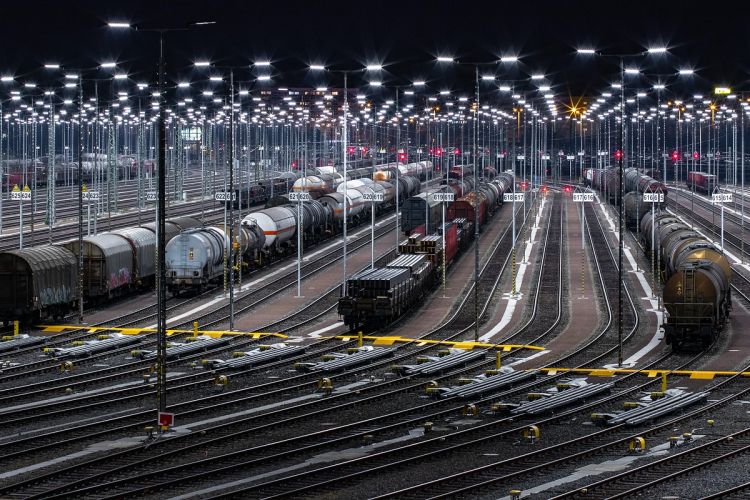
The bill was proposed by 13 Members of Parliament and underscores the necessity for a transition towards rail, noting that over 2,800 rail sidings in France are currently underutilized. The proposal suggests that any new warehouse or logistics platform project must include a plan for connecting to the rail network. In respect of existing warehouses or logistics platforms which are not currently connected to the rail network, a feasibility study for a connection to said network will be undertaken and completed within a one-year period from and including the date of promulgation of the aforementioned law.
In the event of non-compliance with the aforementioned rail connection requirement, an additional tax on corporate income may be imposed, with the rate of taxation scaled according to profit margins. The applicable tax rates are as follows: 0.01% for profits up to €42,500; and 50% for profits exceeding €1.4 million.
This initiative forms part of a wider strategy to reinvigorate rail freight in France, which has witnessed a decline in utilization over recent decades. Despite earlier commitments and economic stimuli, rail freight has encountered difficulties in re-establishing itself. Legislators contend that the bill is pivotal for achieving environmental objectives, alleviating road congestion, and addressing the projected 80% surge in freight transportation by 2050.