Could you start by introducing your department and outlining the main tasks your team handles?
I’ve been working in the railway industry for almost 12 years now, and I’ve spent the last four years at Forwardis. Before that, I worked for the German Railways for eight years, focusing on liquid bulk and Eastern Europe, particularly LPG.
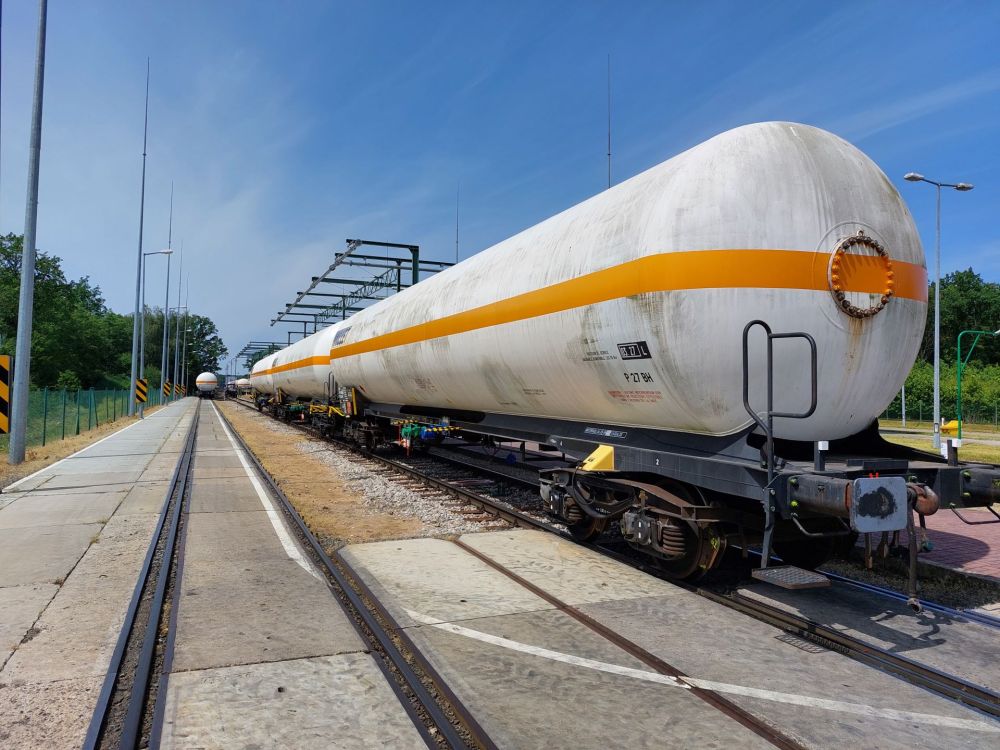
At Forwardis, we create solutions to transport LPG across Europe, handling all volumes – whether it's organizing block trains for large customers with several thousands of tons per month or handling smaller, single shipments for short-term needs. Team “Gas & Mineral Oil” consists of 6 people. We are supported operationally by the Block Train management Team which works 365 days a year, while we handle wagon group shipments ourselves.
Rail transport is quite complex in Europe, especially for LPG, a commodity with fluctuating monthly prices and multiple traders involved. Depending on where the product is sourced or where it’s headed, things can change quickly. We often organize new transport lanes on short notice, like today when we received a request for two international trains on a route we hadn’t done before but were able to propose the possible schedule to our customer a few hours later.
It sounds like you're the first point of contact for customers who need to move LPG across Europe by rail. Would you say that's accurate?
Yes, that’s correct. Customers come to us with all kinds of requests – from those needing wagons for a one-time shipment to those requiring long-term solutions. We deal with both large corporations and small, one-man trading companies. The language of business varies too, as we serve Ukrainian, Russian, Polish, English, German and French-speaking clients, among others.
We also have a particular specialty in dealing with Eastern Europe and countries bordering Belarus, Ukraine, and Poland. Political changes, such as the 2014 annexation of Crimea or the recent war in Ukraine, significantly affect the flow of goods. We’ve had to adapt to new sanctions, laws, and trade compliance regulations, making sure we’re always up to date with the latest sanction packages.
It seems like you also have to be very cautious with sanctions. How do you manage that aspect of your work?
We’re no lawyers, so we always advise our customers to consult their own legal teams or check with ours.. However, from our daily operational experience and network, we can guide them on e.g. which documents are currently required by the customs agents at a respective border crossing, where to find the necessary sanction lists with NHM codes, etc. We can also rely on the know-how of the specialized team within our group. It’s a delicate balance – staying compliant while quickly adapting to the ever-changing geopolitical landscape.
How did the Russian invasion of Ukraine in 2022 impact LPG transport? What shifts have you noticed?
The invasion significantly affected all fuel and gas flows, particularly in Eastern Europe. Countries like Poland depend on import of LPG as their own production cannot cover the local demand. In the past, much of their supply used to come from Russia. With the war, the importance of ports in Northern Poland and ARA grew, as they became crucial transit points. At the same time, there are still considerable flows from Russia, as certain products like propane are allowed to continue until December 2024.
Who are the main consumers of LPG, and what are the primary uses of this commodity?
LPG is used for various purposes: one important segment is the auto gas market for example– cars that use LPG instead of gasoline or diesel. Other common uses include bottled gas for cooking, outdoor heating at restaurants, and residential heating. It’s also used in the petrochemical industry and sometimes in refineries as an energy source, just to name some of the appliances.
How does rail compare to other modes of LPG transport, such as trucks?
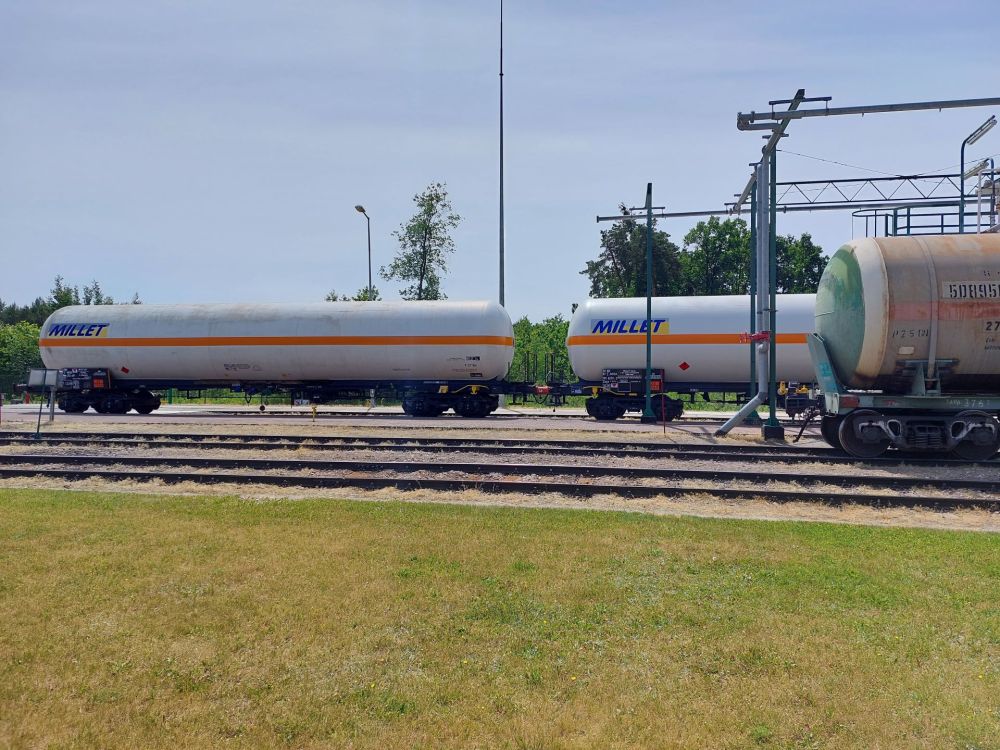
Rail is preferred for large volumes, particularly over long distances. While trucks are flexible and used for local distribution, transporting thousands of tons by truck over long distances isn’t cost-effective. Other important advantages of rail transport are the lower carbon emissions as well as the safety aspect.
Speaking of safety, can you elaborate on why rail is a safer option for transporting LPG?
Statistically, rail accidents are much less frequent than road accidents. LPG is a hazardous material, and rail transport follows strict European and national safety regulations. The most relevant regulation is the RID – the Regulation concerning the International Carriage of Dangerous Goods by Rail.. The RID and national regulations (like the GGVSEB in Germany) ensure that dangerous goods like LPG are handled with the utmost care. All our commercial and operational employees receive annual RID-training. Forwardis has a very experienced dangerous goods adviser who is involved wherever there are topics to be clarified
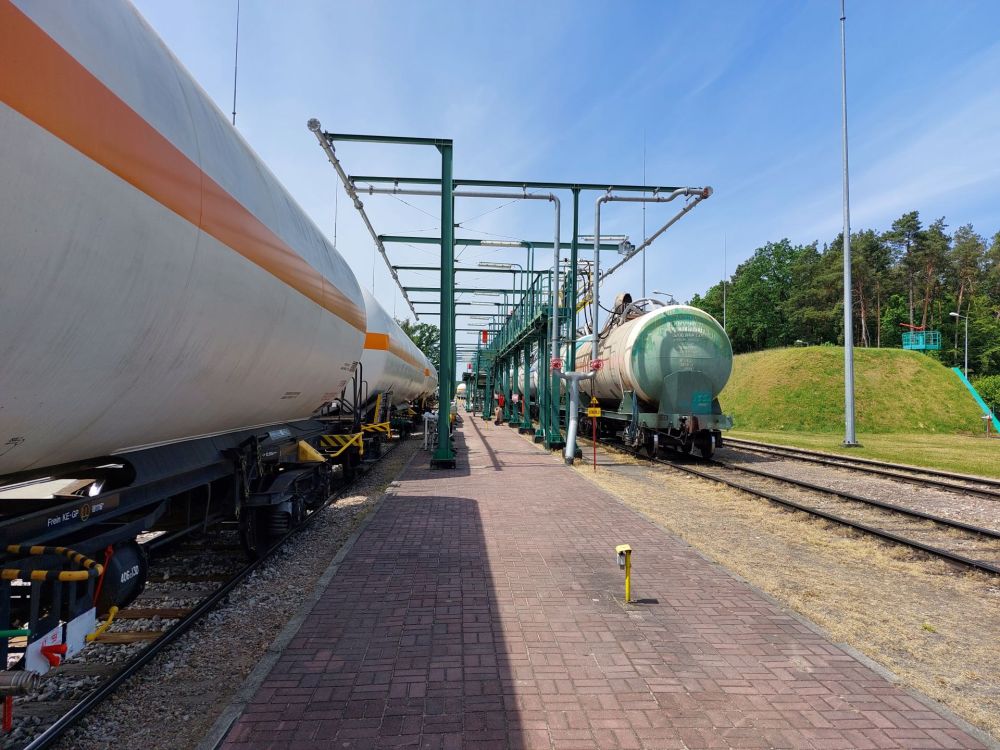
We pay high attention to the safety and security of our transports in general, let me name some examples from our daily operations: If any LPG train is stopped because of an irregularity, we double check on its surveillance. There also might be repeated abnormalities with the bolts on the blind flanges of empty RTC’s. A terminal might have missed to fix all of them properly – here we might visit the terminal together with our RID advisor, technical experts and work in close collaboration with the partners involved to identify the necessary improvements in order to make any of our transports on rail even safer. By doing so, Forwardis also clears the way for our customers as owners of the product.
You mentioned both block trains and single wagons. How complex is it to manage single wagon shipments across Europe?
Single wagon transports have their advantages. Single wagons are booked into existing networks or shuttle systems and operationally are often simpler. Also, not every customer can handle the loading/ unloading of a block train with 20 to 25 wagons at once, so for them, receiving smaller shipments more frequently can be more convenient. However, they can be more expensive due to smaller volumes and extensive infrastructure costs connected to any wagon network solution. We always discuss together with our customers which solution is the best fit and for some projects, we have also found ways to optimize costs by using private rail solutions or our own shuttle system.
Has the war in Ukraine affected the availability of LPG transport wagons?
Absolutely. In 2022, the demand for wagons skyrocketed, not just for LPG but for other commodities like grain and diesel. Everyone was scrambling for resources, and the market wasn’t prepared for the sudden surge in demand. Prices for wagon rentals have also risen significantly, partly due to increased steel, energy costs for new built wagons and general inflation.
How do fluctuating prices affect your operations? Has it become more stable recently?
2022 and early 2023 were chaotic, with prices fluctuating monthly due to inflation, rising energy costs, and infrastructure fees. Things have stabilized somewhat, but overall, the cost of rail freight has increased dramatically over the last 2-3 years. Do you think railways have become less competitive due to these price increases? I think some segments are more affected than others, such as intermodal or consumer goods. LPG is still somewhat tending for rail based modality, at least the international and longer distance transports.
In general, demand for LPG is shrinking as it’s a fossil fuel, but our market share is actually increasing. We’ve built strong relationships with our customers and partners and our operations team does an excellent job managing the specific logistics.
What about the future? Is there any discussion about alternative fuels, like hydrogen, replacing LPG?
We’re involved in projects related to future fuels, such as CO2 and hydrogen transport, as well as Bio-LPG. We recently transported our first bio-propane shipment per single wagon and have even a block train coming up. However, the cost of bio-LPG is significantly higher, and the market for it is still very small. In Europe, there are only little more than a handful plants producing bio-LPG as far as I know.
Lastly, could you talk about your team at Forwardis? How many people work specifically with LPG?
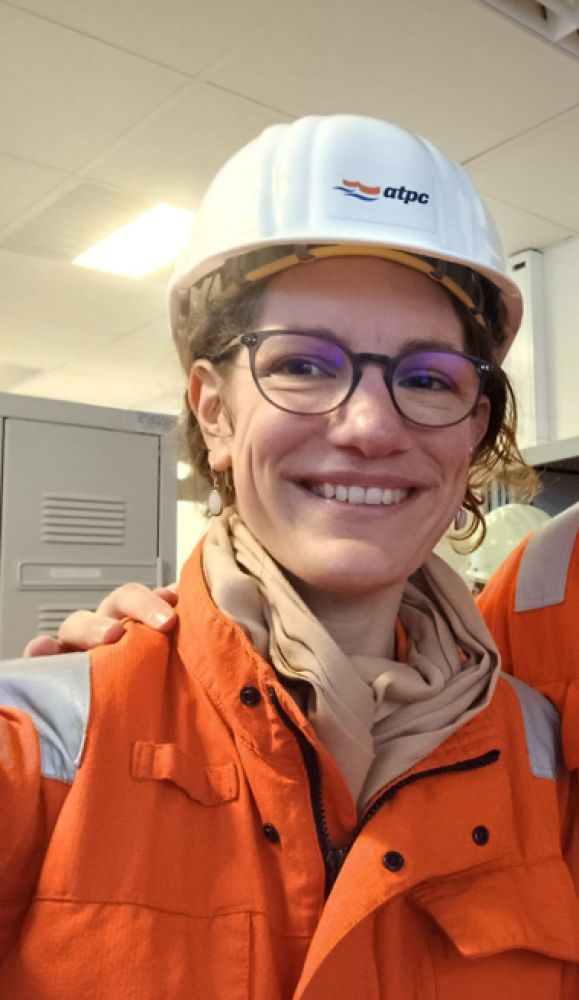
When talking about LPG at Forwardis, we need to mention Forwardis in Germany and Forwardis in France. In France, we have a big team dealing with LPG, mainly for the French, Italian and Swiss markets. In Germany, I would say approximately 4 FTE commercially are dealing with LPG – that means calculations, offers and invoicing. In my department, we have five people apart of me, and while not all of them work exclusively on LPG, about 50-60% of the team’s work is LPG-related.