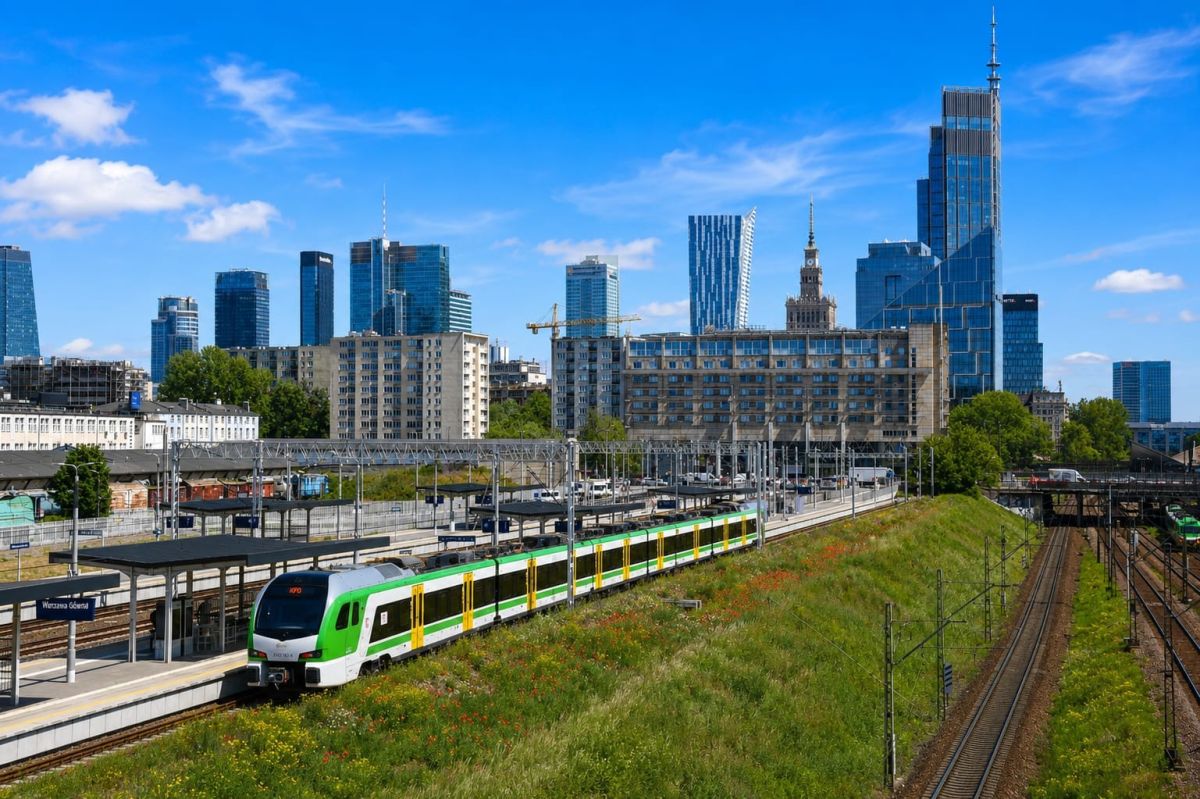
The FS Group has introduced FS Logistix, a new freight logistics brand replacing the former Mercitalia Logistics, as part of its long-term plan to consolidate logistics operations under a more integrated and internationally oriented structure.
Brand transition and new identity
FS Logistix represents the latest stage in the reorganisation of the FS Group’s logistics sector. With operations spanning 22 countries, seven companies and over 50 million tonnes of goods transported annually, the rebranded structure aims to position itself as a freight forwarder operating across the entire European logistics chain.
The rebranding comes with a shift toward broader service integration and an identity that signals a more pan-European scope. The FS Logistix label replaces Mercitalia Logistics while retaining core competencies in rail freight, expanding toward multimodal coordination across road and sea transport.
Investment plan: fleet, terminals, and digitization
The FS Group’s Strategic Plan for 2025–2029 includes €2.16 billion in investments. Key areas include:
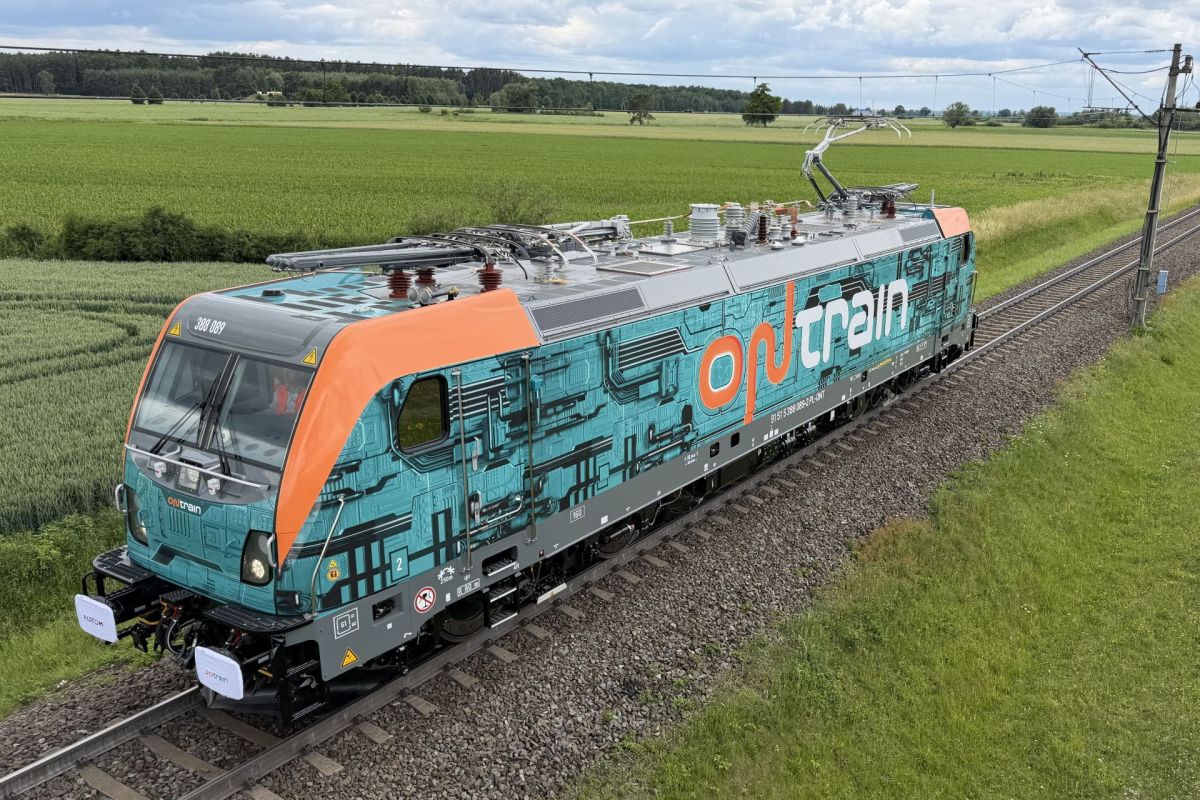
- Fleet renewal: Procurement of 110 new electric locomotives, 25 shunting locomotives, and 2,000 new-generation wagons.
- Maritime component: Acquisition of a vessel designed for rail freight movement across the Strait of Messina.
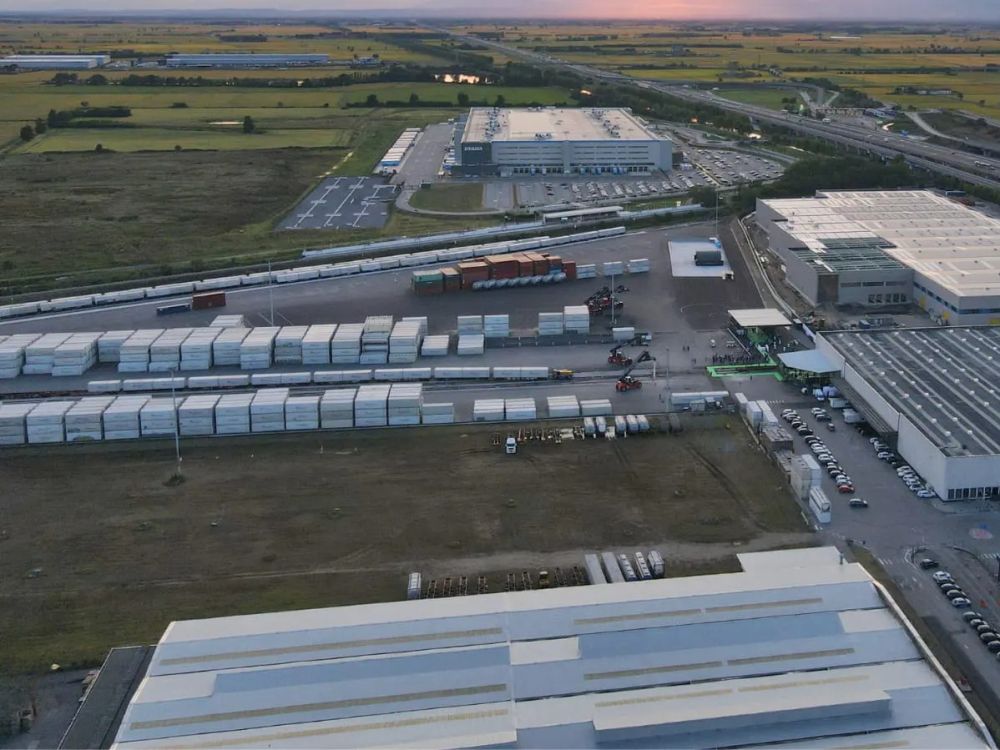
- Terminal infrastructure: Further development of logistics nodes to support intermodal transfers.
- Digital systems: Upgrades to manage transport processes and improve traceability across the logistics network.
The initiative aligns with the Group's stated climate and energy targets, focusing on energy efficiency and emissions reduction.
Digital platform for integrated freight services
The newly launched digital interface at fslogistix.com consolidates services offered by eight logistics-related companies within the FS Group. It supports seven industrial supply chains with 21 combined transport and logistics services.
The platform is designed to serve as a unified access point for customers in Italy and abroad. It offers tools for submitting transport requests and managing full-cycle logistics operations through a multimodal framework combining rail, road, and sea. A central widget allows users to input logistics needs and receive tailored solutions.
The digital platform and associated investments represent the first operational outcome of the 2025–2029 Strategic Plan.